
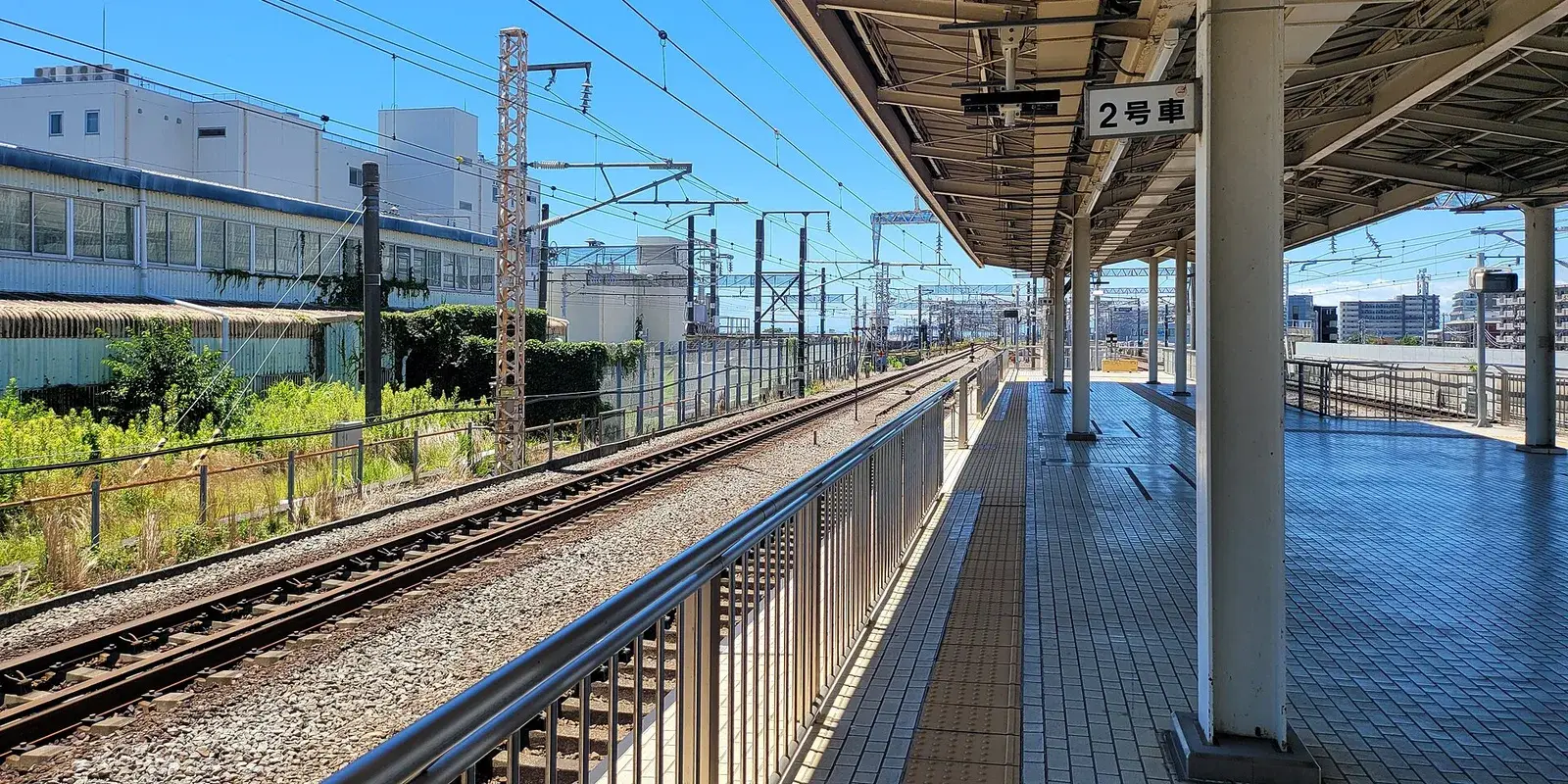
Your First Week in Japan: A Friendly Day-by-Day Guide
What you'll learn in this article:
- Everything you need to know for your first week in Japan, organized by when you'll actually need it
- Why you don't need to memorize anything before you board the plane
- The small moments (a nod, a word, exact change) that turn you from a tourist into a guest Japan is happy to have
35+ topics. 10,000+ Japanese voices. One week. Here's your day-by-day guide to feeling at home in Japan, based on what Japanese people actually wrote.
What do you actually need for your first week in Japan? We collected 10,000+ public posts by Japanese people across 35+ topics. The honest answer: 70% say travel guides are too strict, only 14% mind how you hold your chopsticks, and photography is the only topic where most of the posts are negative (59%), with the strongest reaction to being photographed without being asked (79%). A small bow and "itadakimasu" earn you more warmth than memorizing any rulebook.
Every travel guide gives you the same list: remove your shoes, don't tip, bow correctly, slurp your noodles, carry cash, learn basic Japanese, don't stick your chopsticks in rice. It's a lot. And if you try to memorize it all before you board the plane, you'll land in Tokyo already exhausted.
Here's the secret nobody tells you: you don't need to know everything on Day 1. Japan reveals itself one day at a time, and the things you need to know show up exactly when you need them.
We spent months reading what over 10,000 Japanese people wrote about the things tourists worry about most. The biggest finding? Most of the anxiety is misplaced. The things you're stressing about are the things Japanese people care about least. The things that actually earn you warmth are tiny, and you'll pick them up naturally.
This guide is organized by your timeline. Not by topic, not by importance, but by the order you'll actually encounter things. Each day introduces just a few new ideas. By the end of the week, you won't feel like you've studied Japan. You'll feel like you've lived there.
At a Glance
| Day | What you'll encounter | The one thing to remember |
|---|---|---|
| Day 0 | Planning, packing, worrying | You'll be fine without Japanese. Bring some cash. That's it. |
| Day 1 | Airport, trains, hotel check-in | A small nod changes everything. Shoes come off at the door. |
| Day 2 | Streets, konbini, daily rhythm | Quiet trains, natural queuing, no trash cans: just flow with it. |
| Day 3 | Restaurants, noodles, izakaya | Say "itadakimasu." Eat however you like. Don't tip. |
| Day 4 | Temples, photos, conversations | Spirit matters more than form. Always ask before photographing people. |
| Day 5+ | Onsen, ryokan, beyond the city | Effort is what they're watching. Perfection is not required. |
Day 0: Before You Leave
The day you stop worrying is the day your trip actually begins.
"Do I need to speak Japanese?"
No. The language barrier is real, but Japanese hospitality works around it.
The bigger surprise? When Japanese people see a tourist who doesn't speak Japanese, the dominant feeling is usually their own anxiety about the language gap rather than annoyance at the tourist.
翻訳アプリ出してくれる人は謙虚なので親切にしちゃう When someone pulls out a translation app, they seem humble — so I end up being extra nice to them.
This is what we call the "help freeze": the Japanese person who walks past you looking away isn't ignoring you. There's a good chance they were working up the courage to help and couldn't get past their own English anxiety. In the posts about coming across a lost foreigner, 58% say they helped or wanted to, and another 39% wanted to but held back, mostly over the language gap (Getting Around Japan).
A translation app on your phone? Welcomed. A "sumimasen" and a bow? Even better. Zero Japanese? You'll still be fine. Read the full story →
Cash or Card?
Cards work at most chains and stations. But small ramen shops, local cafés, and centuries-old temple gates? Cash only.
Here's what no travel guide tells you: the cashier who can't take your card often feels worse about it than you do.
外国のお客さんがカードを出してきたんですが、カード会社の承認が下りなくて…何て言ったらいいか困りました A foreign customer handed me their card, but it wouldn't authorize… I had no idea what to say.
Carry ¥10,000–¥15,000 per day and you'll never be stuck. And if you happen to pay with exact change at a small shop? You've just made someone's day a tiny bit easier. Read the full story →
When to Go
If you have flexibility, the months Japanese people most appreciate visitors are the months tourists least think of. February, June, November: trains aren't packed, temples aren't crowded, and the locals have room to breathe. Off-peak travel costs less and feels warmer. Read the full story →
Are the Guides Even Right?
If you've been anxiously reading travel guides, here's the most reassuring thing we found: 70% of Japanese people think guides are too strict. We read what 364 Japanese people wrote on the subject, and the pattern was clear: the more "ceremonial" the rule (chopstick grip, bowing angle), the less Japanese people care. The more "practical" the concern (noise, spatial awareness), the more it matters. Guides have the priorities backwards.
あなたは間違っていないですよ。でも外国人が間違っているというわけでもありません You're not wrong. But that doesn't mean foreigners are wrong either.
That response was voted "Best Answer" by the community, and it captures something real: what feels like a mistake is often just a difference. Read the full investigation →
Is Japan Safe?
Short answer: about 72% of the lost cash handed in to police in Tokyo makes it back to its owner (Metropolitan Police Department figures, published by the Tokyo Metropolitan Government). Millions of ordinary people imagine how the owner would feel and choose empathy, more than any surveillance system does. Japan's safety runs on this cultural infrastructure, maintained by everyone around you.
日本人ってこのよくわからない誰かが見ているぞってモラルに支えられてる気がする I feel like Japanese people are supported by this vague sense of morality — that "someone is watching."
Earthquakes are a bigger concern here than crime. Download a disaster alert app before you land. Read the full story →
What to Wear
Pack whatever you'd wear for a normal vacation. 48% of Japanese people don't care at all what tourists wear in casual settings. Shorts and a t-shirt at a shrine in summer? That's what Japanese visitors wear too. The only real line is extreme exposure, and it's well past anything you'd normally pack. Thinking about renting a kimono? 65% of Japanese people are happy to see it. Read the full story →
Traveling with Kids?
Japan is more family-friendly than you'd expect. 45% of Japanese people said "kids are kids, it's fine" about noisy children on trains, and 52% felt empathy about public meltdowns. The rule is the same as everything else: effort matters more than perfection. If you're clearly trying, Japanese people see that.
親が泣き止ませようと努力してたり、申し訳なさそうな様子だったら、大変だよねえって思える If the parent is clearly trying to calm them down, or looks apologetic, I just think "that must be tough."
Print allergy cards in Japanese before you go: they transform restaurant interactions. Read the full story →
The Big Picture
Before you dive into the daily details, here's the headline from 6,400+ Japanese voices across 21 topics: only one thing genuinely bothers most Japanese people (taking photos without asking). Three things earn a real smile (a small bow, trying a word of Japanese, and saying "itadakimasu"). Everything else? You're probably fine. See the full temperature map →
Day 1: You've Arrived
Your first interactions. Nothing is expected. Everything is noticed.
Getting Around
Japan's transport system was built for people who've used it their whole lives. Nobody expects you to master it on Day 1.
When we read what 310 Japanese commuters wrote about the visitors they notice, the result wasn't a list of rules. It was a surprisingly thin line between "mildly annoyed" and "I totally get it."
Suitcases on trains? 40% find it annoying, 33% said it's understandable, and 27% said it depends on the situation. Avoiding rush hour is the biggest single thing you can do.
日本がマナー良すぎるというか、日本の電車が異常なんだよ。外国人はわかんないから。お互い様 It's not that other countries are rude — Japan's trains are the unusual ones. Visitors don't know. It works both ways.
Looking lost at a station? In the posts about it, 58% helped or wanted to, and another 39% wanted to but froze, worried about their English. If you look confused, someone is probably working up the courage to approach you right now.
Tapping your IC card smoothly? 58% positive. A quiet "they know what they're doing." Getting stuck at the gate? Also fine. Japanese people get stuck too. Read the full story →
Your First Bow
This is the simplest thing in this entire guide, and the one with the biggest return.
54% positive across 350 voices. One of the highest positive rates of any behavior we measured. You don't need to know angles. You don't need to count seconds. A small nod of the head (when you say thank you, when you enter a shop, when you pass someone in a hallway) is enough.
外国人の友人にからかわれた事は何度もありますが、相手がお辞儀で挨拶すると、ちゃんとお辞儀して返したりしてたので、分かってはいるんだな…と思った事が何度も… My foreign friends have teased me about it plenty of times, but when someone greeted them with a bow, they bowed back properly, and more than once I thought, so they do get it…
63% said the "perfect bow" myth is overblown. What they notice is the gesture itself, more than the technique behind it. Read the full story →
People Want to Meet You
Here's something that might change how you see those first interactions: in a 2023 Immigration Services Agency survey of 4,424 Japanese adults, 73.5% of those with no foreign acquaintances said the reason was "no place or opportunity." The wall is structural rather than emotional. 65% felt happy after interacting with foreign tourists.
日本国内で旅行をしている外国人に声をかけるのは迷惑でしょうか?声をかけたい理由は、英会話の練習、異国の人との会話を楽しみたい、自分が海外で一人旅をした時に不安だったので助けたいという3つです。 Would it be a bother to talk to foreigners who are traveling in Japan? I have three reasons for wanting to: to practice my English, to enjoy talking with someone from another country, and to help, because I felt anxious myself when I traveled alone abroad.
If someone seems cold, they're probably just nervous. Read the full story →
Shoes Come Off
At some point on Day 1, whether at a hotel entrance, a restaurant, or a temple, you'll hit the moment: shoes come off here.
Japanese people know this isn't intuitive for everyone. 43% cringe when someone walks in with shoes on, but it's a sympathetic cringe rather than an angry one. The trying is what matters. Slippers on the wrong feet? People find it endearing more than anything else. Read the full story →
Day 2: Finding Your Rhythm
The daily choreography. Once you see it, you can't unsee it.
The Quiet Train
Japanese trains aren't silent because of a rule. They're quiet because of kuuki wo yomu: reading the air. Everyone adjusts to the mood of the space around them.
Quiet conversation is completely fine. What bothers people? Phone calls (36% negative) and headphones leaking sound. The bar is genuinely low: just be aware of the volume around you. Read the full story →
Your First Konbini
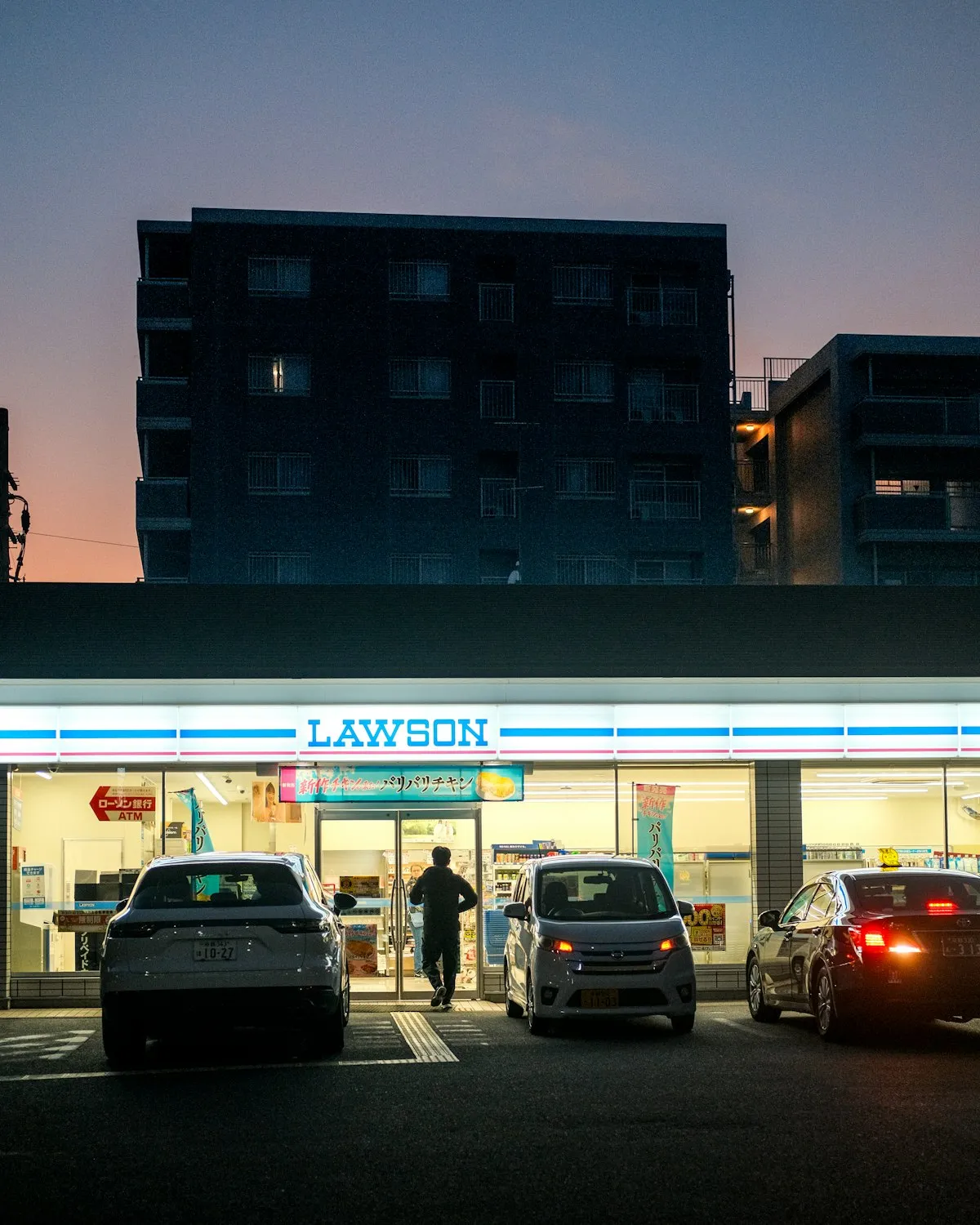
Japanese convenience stores run on an invisible choreography: rapid-fire register questions, precise bag-packing, a smooth flow that looks effortless from outside. Don't worry about mastering it.
There's really only one thing that surprises staff: don't open a product before paying. 70% of Japanese people react negatively to this, making it one of the biggest cultural gaps at the register. Everything else, from not understanding the register flow to fumbling with payment to needing to ask questions, is completely fine. Staff deal with it every day. Read the full story →
Lines Everywhere
Japanese people queue for everything. And when someone cuts in, even accidentally, 71% react negatively. It's one of the strongest single reactions we measured across all topics.
But here's the flip side: when foreigners line up naturally, 65% feel a quiet appreciation. It's the most visible form of omoiyari: consideration for others. Just join the line. That's it. Read the full story →
Eating While Walking: It Depends
You'll see street food everywhere, especially in markets and festival areas. Can you eat while walking? 38% of Japanese people said context matters most. The most-liked comment online (1,634 likes) was simply: "ものによる," meaning it depends on what you're eating. Ice cream is fine everywhere. A messy crepe on a crowded sidewalk? Less so. The real concerns are practical: bumping, staining, strong smells in tight spaces. Read the full story →
Priority Seats: Sit, But Yield
You'll notice marked priority seats on trains. 60% of Japanese people said it's fine to sit there, as long as you yield when someone who needs it appears. This is one of those topics Japan is quietly debating with itself, since the official wording only promises priority, never a reservation. Read the full story →
No Trash Cans? No Problem.
Japan has almost no public trash cans. It surprises every visitor. But 51% of Japanese people don't even notice whether you carry your trash. It's so normal to them that it barely registers. Among the 28% who did notice and reacted positively, the sentiment was warm: they respect our way of doing things.
Carry a small bag for wrappers and bottles. That's the whole trick. Read the full story →
Day 3: Eating Everything
Food is Japan's love language. You don't need to speak it perfectly, just show up hungry.
"Itadakimasu"
One word. Before eating. That's it. "Itadakimasu," which literally means "I humbly receive," and the whole atmosphere shifts.
52% positive across 306 voices. The second-highest positive rate of any behavior we measured.
店員側は言われて嫌な気持ちになる人なんていないと思う、むしろ気持ち良い。 On the staff side, I don't think anyone feels bad hearing it. If anything, it feels good.
Restaurant staff, home cooks, ryokan hosts: across every context, this single word changed the interaction. Read the full story →
Chopsticks: Relax
Only 14% of the Japanese voices we collected on chopstick grip said a non-textbook grip bothers them. The internet is full of rules. Real life is much more forgiving.
The one thing that does bother people (73%) is sticking them upright in rice, since it resembles a funeral ritual. But nobody expects you to know that, and if you do it accidentally, most people smile and move on. Read the full story →
To Slurp or Not to Slurp
Here's a myth that got lost in translation: "you must slurp" actually started as "you may slurp." Only 20% of the Japanese voices we collected said slurping is expected. Many Japanese women don't slurp either.
Eat however you're comfortable. If you want to show real appreciation? Saying "gochisousama" (thank you for the meal) at the end does more than any amount of slurping ever could. Read the full story →
Push Through the Curtain
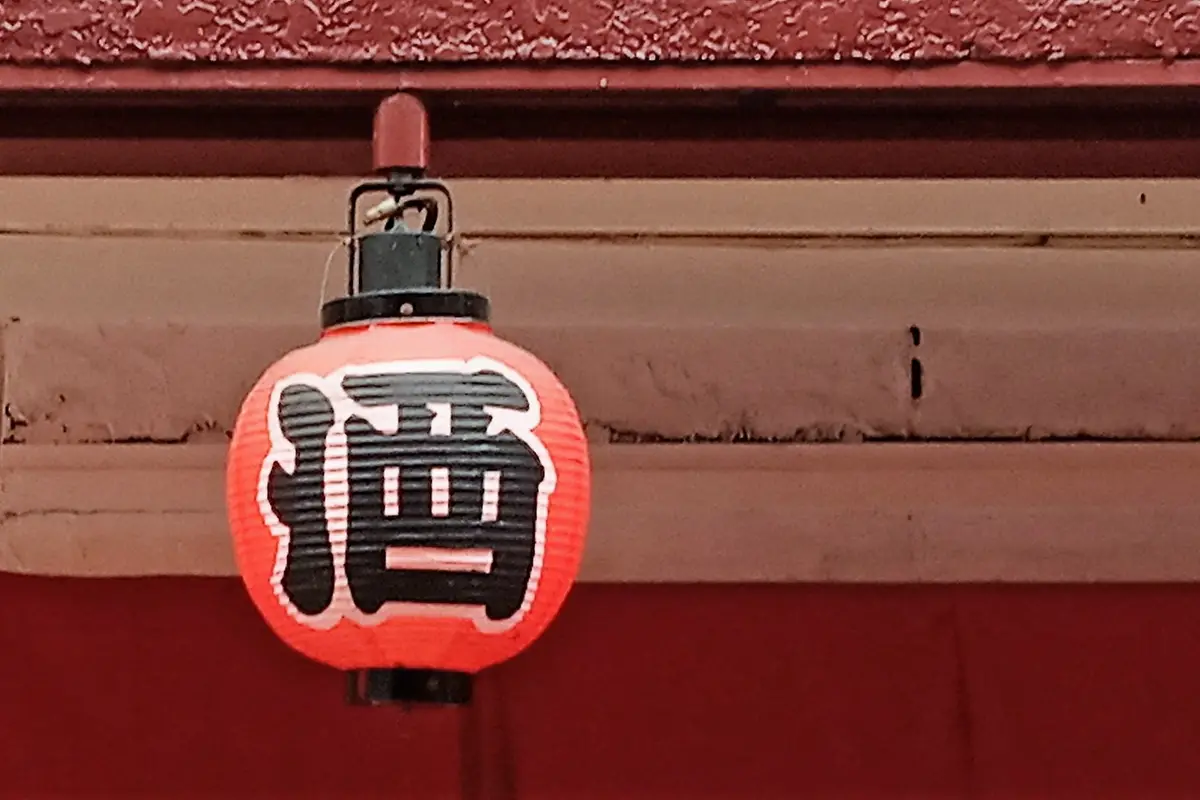
Your first izakaya might feel like walking into someone's living room uninvited. The warm light behind the noren curtain, the laughter inside, the menu you can't read: it's a lot.
Here's what surprised us most: 49% of the Japanese voices we collected said they also feel nervous walking into an unfamiliar izakaya. You're in good company.
The staff aren't judging your Japanese, your drink choice, or your hesitation at the door. They're just glad you came in. And that small dish you didn't order? That's otoshi, a seat charge built into the bill rather than a mistake. Even Japanese people are split on whether they like it. Read the full story →
The Ramen Question
Ramen is Japan's comfort food, and at an average of ¥736 in March 2026, the highest on record at the time, it's also a cultural flashpoint. 62% of Japanese people think it's become too expensive, but nothing replaces it. For visitors, one thing matters: 39% of locals recommend skipping the tourist-famous shops and going where the locals go. The queue at the famous spot might be 90 minutes; the equally good shop two blocks away might be empty. Read the full story →
Beyond Chopsticks
Here's what most visitors don't know: 90% of Japanese diners notice your posture and attitude before they notice your chopstick technique. Elbows on the table, eating with a bored expression, or looking at your phone while someone's food sits in front of you: those register far more than how you hold your utensils. Read the full story →
Can You Take Food Home?
If you can't finish a meal, you might wonder if you can ask for a doggy bag. The answer: it's not taboo. In Tokyo, the practice is traditionally called omiya, and 64% said they've been doing it forever. The government's mottECO campaign actively encourages takeaway. If a restaurant says no, it's almost always about food safety liability rather than judgment. Read the full story →
Don't Tip
This one's simple: don't. 47% reacted negatively, mostly because it creates genuine confusion rather than because it's seen as rude. Staff don't know what to do with it. Some will chase you down the street to return it.
Japanese service runs on professional pride more than financial incentive. The best way to say thank you? A sincere "gochisousama deshita" as you leave. Read the full story →
Day 4: Exploring
Temples, tourist spots, and the moments where cultures meet face to face.
Temples and Shrines: Spirit Over Form
Forget the step-by-step rituals. When we read what 298 Japanese people wrote about what they notice at shrines and temples, most of the guidebook rules turned out to matter far less than they sound.
Purification fountain? 62% said the form doesn't matter. Even Shinto priests say "neither incorrect form nor incomplete form removes a god's blessing."
What you wear? 68% said regular clothes are completely fine.
How much to offer? Only 30% said the amount or form matters. The "5-yen for good luck" thing is a wordplay folk tale rather than an actual rule.
The one thing worth knowing: read the room in sacred spaces. The issue at temples isn't taking photos. It's blocking other worshippers or pointing your camera where it's clearly not welcome. Read the full story →
The Photo Rule
Only one topic in this guide crossed the 50% negative threshold: photography, at 59%, and the strongest reaction is to people being photographed without being asked.
When tourists ask Japanese people to take their photo, 50% feel happy to help. When tourists photograph without asking, 79% feel uncomfortable.
Same camera. Same tourist. Completely different reaction, and the only variable is whether you asked first. This is the single most important thing in this entire guide. Read the full story →
Try Some Japanese
By Day 4, you've heard enough Japanese to try a few words yourself. And here's what happens when you do: the reaction will surprise you.
It's not about accuracy. A single "arigatou" changes the air. A clumsy "sumimasen" earns warmth. The gap between what tourists fear ("I'll sound stupid") and what Japanese people actually feel ("they're trying, and it's wonderful") is one of the widest we measured.
Even if you tried Japanese on Day 1 and got an English reply, don't be discouraged. That English switch usually comes from the other person's own language anxiety, and it's rarely a rejection of your effort. Read the full story →
Day 5+: Going Deeper
Beyond the guidebook. This is where Japan opens up.
Onsen: The Rules Are Changing
Tattoo policies are evolving faster than most guidebooks acknowledge. 47% of Japanese bathers now support private bath solutions for tattooed visitors, and younger generations are significantly more accepting.
The situation is genuinely nuanced, so check before you go. But don't assume you're unwelcome. Japan's relationship with tattoos is shifting, and it's shifting faster than the signs outside most onsen suggest. Read the full story →
Ryokan: What Your Host Wishes You Knew
A ryokan stay is one of the warmest experiences Japan offers, and one of the most anxiety-inducing for first-timers. Yukata wrapping, kaiseki courses, the greeting from the okami…
Among the Japanese voices we collected on yukata wrapping, only 20% want it done right. A slightly off yukata reads as charming rather than embarrassing. Leftover kaiseki is fine: "what makes a chef saddest is when guests force themselves to eat." And the kokorozuke tipping envelope that travel guides call essential? A head clerk at a hot-spring ryokan put it this way: "At an ordinary inn, 5% or fewer of guests give one."
Your hosts aren't waiting for you to perform a checklist. They're watching whether you're trying: to enjoy yourself, to communicate, to be present. Read the full story →
The Bathing Experience
Beyond the tattoo question, the actual bathing etiquette is simpler than guides make it sound. The only real rule: rinse before you get in. Do that, and you've cleared the bar. Nobody is counting your rinses or watching your towel placement.
温泉に来る前に事前に調べてくるからです。日本人の常識のない人よりも、まともです。 Most foreigners research before coming. They're actually better-mannered than some Japanese people.
That quote, from a regular bather, reflects a common sentiment: effort is noticed and appreciated. Read the full story →
Mount Fuji: Plan Ahead
If climbing Fuji is on your list, know that the Yoshida Trail now caps climbers at 4,000 per day. The regulations exist to manage the crowd safely, and 45% of the Japanese voices we collected welcome foreign climbers who come prepared, with another 29% proud to share Fuji. Book ahead, choose a quieter trail (Subashiri or Gotemba over Yoshida), and come prepared. Read the full story →
Beyond the Big Cities
Here's something the data reveals that few travel guides mention: rural Japan often wants you more than the cities do.
42 million tourists visited Japan recently, and 44% of Japanese people have complicated feelings about it. But when you break it down by region, the picture shifts. In places where tourists rarely go, whether small towns, rural prefectures, or spots off the beaten path, the welcome is often warmer, the effort to communicate is stronger, and the impact of your visit is felt more deeply.
Your money matters differently here too. Attitude matters more than amount. The way you spend, with curiosity, patience, and appreciation, registers more than the yen total. [Read the full stories: Tourist Crowds → · Where Your Money Goes → · Where You're Most Welcome →]
Where to Go Next
By the end of your first week, you'll be ready to wander further, and Japan rewards the curious. Our destination guides go beyond "top 10" lists to explain why each place feels the way it does, offering the single lens that brings a shrine, a market, a hot-spring town, or a castle into focus.
A few favorites to start with:
- Fushimi Inari Taisha: The thousand torii gates, and what they're really for
- Senso-ji: Tokyo's oldest temple, where faith and commerce share one street
- teamLab: Stepping inside the artwork
- Nara Park: The bowing deer, and why they're protected
- Miyajima: The shrine that floats, read through the tide
- Hakone: A hot-spring loop you travel through as much as soak in
Browse all destination guides → organized by region for your journey
What Your First Week Really Teaches You
Here's the pattern that emerges after seven days in Japan:
The things you worried about don't matter. Chopstick technique (only 14% mind), bow angles (63% say it's a myth), slurping rules (only 20% say it's expected), perfect Japanese (not even close to necessary): the anxiety you brought with you was louder than any actual expectation.
The things that do matter are tiny. A small nod. One word before eating. Asking before taking a photo. Joining the line. Carrying your trash. None of these require preparation, language skills, or cultural expertise. They're human courtesies dressed in Japanese wrapping.
And the biggest secret: Japanese people aren't watching you to judge. They're watching to see if you're trying: to be present, to be considerate, to enjoy their country. That signal, small and wordless, is what turns a tourist into a guest.
💡 Your first week in 30 seconds
Stop memorizing rules. Japan doesn't want perfection. It wants presence. A small bow, "arigatou," "itadakimasu" before meals, ask before photographing people, and join the line. That's genuinely it. Everything else, you'll learn as you go, and the people around you will be quietly glad you came.
💬 What do you think?
Japanese readers: How do you feel about this?Visitors: Have you experienced this in Japan?
Share your voice →Explore by Day
Day 0: Before You Go
- Are Travel Guides Wrong About Japan?: 70% of Japanese people say guides are too strict
- Do I Need to Speak Japanese?: What Japanese people actually said
- Is Japan Safe?: About 72% of lost cash handed in to Tokyo police goes back to its owner
- Cash or Card?: Why the cashier feels worse than you do
- What to Wear: Casual is fine. Kimono rental is celebrated.
- When Should You Visit?: The months locals secretly hope you'll come
- Traveling with Kids: Japan welcomes families more than you'd think
- Translation Apps: What Japanese people really think when you pull one out
- Wearing Kimono as a Foreigner: 65% are happy to see it
- You're Worrying Too Much: Permission to relax, from Japanese people themselves
Day 1: Arrival
- Getting Around Japan: The tiny things that earn you a nod
- A Small Bow: Why a nod changes everything
- Do Japanese People Want to Meet You?: The wall is structural rather than emotional
- Removing Shoes: Even getting it wrong is endearing
- Capsule Hotels: Far less intimidating than it looks, say the guests who wrote about it
Day 2: Finding Your Rhythm
- Why Trains Are Silent: The culture of shared space
- The Priority Seat Question: Sit if needed, yield when asked
- Eating While Walking: Context over rules
- Convenience Store Rules: The one thing that surprises staff
- Lining Up: The silent agreement
- No Trash Cans: Why carrying trash earns respect
- Which Side of the Escalator?: The left-or-right habit is being retired: stand still and hold the rail
- Who Pays for the Konbini Trash Can?: The store, usually the local owner, so use it the way it's meant
Day 3: Eating
- Itadakimasu: One word that transforms a meal
- Chopstick Etiquette: What 163 people actually said
- Beyond Chopsticks: What Japanese diners actually notice first
- Slurping Noodles: The myth that got lost in translation
- The Ramen Map: Skip the famous queue, go where locals go
- Your First Izakaya: Push through the curtain
- Taking Food Home: It's not taboo, it's called omiya
- Tipping: They'll chase you down the street
- Do You Have to Drink?: You don't have to drink to be a good guest
- Depachika Food Halls: Samples, half-price stickers and the wrapping, as Japanese shoppers see them
- Golden Gai: Far warmer to first-timers than the locals-only warnings suggest
Day 4: Exploring
- Temples and Shrines: What Japanese people notice
- Photo Etiquette: Ask first, and they'll happily say yes
- Trying to Speak Japanese: What they're really thinking
- Why Japanese Switch to English: The English reply is usually their own nerves talking
- Being Filmed in Japan: The other side of the camera
- Am I Cosplaying Their Religion?: Praying at a shrine or collecting goshuin isn't faking a membership
Day 5+: Going Deeper
- Onsen and Tattoos: A gentle guide to what's changing
- What Japanese Bathers Actually Think: Rinse before entering. That's the bar.
- Staying at a Ryokan: What your host wishes you knew
- Mount Fuji: Plan ahead, book ahead, come prepared
- Where You're Most Welcome: The places guidebooks skip
- 42 Million Visitors: Are Japanese people happy about it?
- Is Japan Overtouristed?: What the data and 500+ voices reveal
- Where Your Money Goes: Why attitude matters more than amount
- Karaoke in Japan: Nobody's judging your singing
- Japan's Regional Welcome Map: Which regions most want visitors
- Wearing Yukata in Japan: The summer robe at ryokan and festivals
- Tea Ceremony for Visitors: You don't need to know the rules
- Japanese Cooking Classes: What your teacher hopes for is that you enjoy it
- A Calligraphy Class: Teachers watch the care in each stroke rather than the skill
- Game Centers: Claw machines, purikura, and why grown-ups play too
- Do Japanese People Really Want Tourists?: Welcome and fatigue coexist, and small things tip it toward warmth
- Anime Pilgrimage: Most towns welcome fans; the friction is about behavior
Sources
Research Data
This article synthesizes findings from 35+ individual topic articles covering over 10,000 Japanese-language responses. Each response was gathered from public Japanese Q&A sites, forums, and social posts, along with reporting from LIVE JAPAN and other Japanese media, and categorized by sentiment (positive, neutral, negative).
Detailed methodology, individual voice data, and source URLs are available in each linked article's Sources section.
Statistics cited in this guide
- Tokyo Metropolitan Government. Lost & Found Property System: A Mechanism Where Trust Is Built on Japanese Ethics. Metropolitan Police Department figures: of about ¥4.5 billion in cash handed in to police in Tokyo in a year, about 72.3% was returned to its owners.
- Immigration Services Agency of Japan. Survey of Japanese residents on coexistence with foreign nationals (Japanese). Fielded October to November 2023; 4,424 valid responses from a random sample of Japanese nationals aged 18 and over. Among people with no foreign acquaintances, 73.5% said the reason was "no place or opportunity."
Note on Quotations
Quotes from online platforms have been lightly edited for readability (fixing typos, formatting for clarity). The meaning and intent of each comment remain unchanged. Original sources are linked in the respective articles.
A few figures in the topic summaries above are corroborated in those articles' own Sources sections: the ¥10,000–¥15,000 (10000-15000 yen) daily cash range is WMJS's own recommendation synthesized from collected voices, not an external price, per cash-or-card's Sources note; the ¥736 average ramen price for March 2026 comes from the Ministry of Internal Affairs and Communications Retail Price Statistics Survey (e-stat.go.jp), cited in the-ramen-map's Sources section; and Mount Fuji climbers should book ahead because Yamanashi Prefecture's official Yoshida Route regulations require a mountain hut reservation for night entry through the gate (fujisan-climb.jp), cited in why-mount-fuji-is-capped's Sources section.
WMJS is written in Japan, in English, with AI help. We check every page, but English is not our first language. If a sentence reads oddly, tell us. One sentence is enough.
Thank you. A person reads every note.
How well do you know Japan?
Built from 635 public posts by Japanese people
Want to know more? Ask Japanese people
Have a follow-up question about this topic? We'll ask real Japanese people.
Voice Box →