
Visiting teamLab Tokyo, Borderless and Planets Explained
teamLab Tokyo
By Kei · Born and raised in JapanIs teamLab Tokyo worth visiting? By the voices we gathered, mostly yes: of 79 international visitors who had actually been, weighted by how strongly each account resonated, 57% called it worth it, and Japanese reviewers land more warmly at 75%. There are two separate museums, Borderless in Azabudai Hills and Planets in Toyosu, each needing its own date-and-time-specified ticket bought in advance from the official site. Plan roughly 1.5 to 2 hours per venue, and book a weekday or evening slot if you can; crowding is the single biggest factor in how the visit feels. What visitors actually said, including the one letdown worth planning around, is further down this page.
The Meaning
Most art keeps a respectful distance from you. A frame. A rope on the floor. A small sign that says please do not touch. You stand on one side; the painting waits on the other. The whole arrangement is built on a boundary: the artwork is there, and you are here.
teamLab begins by erasing that line. In their own words, the collective "seeks to transcend these boundaries in our perceptions of the world, of the relationship between the self and the world." Their museums are not rooms you look into. They are spaces you walk into, where the work responds to your body, flows around you, and changes because you are standing in it. The flowers bloom where you pause. The water rises to your knees. You are not the audience. You are part of the picture.
This matters for how you understand Japan. Visitors often arrive expecting Japanese beauty to mean old things: temples, gardens, raked gravel, the patience of centuries. teamLab is the same culture's other hand: founded in 2001 as "an international art collective" of artists, programmers, engineers, mathematicians and architects, making work that did not exist a generation ago. Japanese beauty is not only inherited. It is also being written, right now, by living artists, and a remarkable number of people line up to walk inside it.
There are two teamLab museums in Tokyo, and they are not the same place. Borderless, in Azabudai Hills, is a world of artworks with no map and no fixed route, where the works wander out of their rooms and mingle with each other. Planets, in Toyosu, is a museum "where you walk through water": barefoot, knee-deep, your whole body inside the art. You do not need to see both. But knowing how they differ is the first step to choosing well.
What Happens When You're There
Step 1: Before You Go, Booking, and Why the Wait Is Part of the Design
The single most common mistake is to treat teamLab like a museum you can wander into on a free afternoon. You usually cannot. Both venues sell date-and-time-specified tickets, bought in advance through the official site, and popular slots fill up. There are no general same-day tickets sold at the door at Planets, and even at Borderless the on-site supply is limited to whatever has not already sold.
It is easy to read this as friction. It is gentler to read it as care. By releasing only as many people as the space can hold in each time window, teamLab is protecting something fragile: your chance to stand in a dark room and have the art respond to you, not to a crowd pressed shoulder to shoulder. The reservation is not a hurdle placed between you and the experience. It is the experience being looked after: the same quiet logic behind so many orderly lines in Japan, and the same instinct as the people who design Japanese hospitality so that each guest feels individually held. Japanese visitors book ahead and wait their turn for exactly the same reason you will.
One honest thing to set down before you go: it will be busier than the photographs suggest. Those serene, empty images were taken in quiet moments most visitors never get. Book a weekday or an evening slot if you can, give yourself time, and the rooms will breathe.
A practical note worth its own line: buy only from the official site. teamLab states plainly that it "does not guarantee admission with tickets bought through resale or unofficial sites."
Step 2: Inside Borderless, Where the Art Has No Edges
There is no map at Borderless. teamLab calls it, deliberately, "a museum without a map," and gives you no fixed route, because the artworks themselves do not stay put. A work will drift out of one room, slip down a corridor, and fold into another piece somewhere else. You are meant to get lost. Getting lost is not a failure here; it is the way the place is read.
So let the abstract word "immersive" go, and notice instead what is actually in front of you. A wall of falling light that parts as you step toward it. A swarm of luminous crows tracing arcs through the dark. A teahouse where, when you are served a bowl of tea, a flower blooms on the surface of the liquid and keeps blooming as long as the tea is there. Children draw fish at a table, and minutes later their fish are swimming across the wall of an ocean three rooms away.
Near the entrance there is a quiet lesson about why this all feels different from a screen. teamLab points out that "people do not see the world as through a lens": that a camera fixes one point, cuts the world into a flat rectangle, and sets your body outside the frame. Their rooms try to do the opposite: to keep you inside the continuous world, able to walk up to any part of it. Hold that thought. You will want it in a few minutes, when your phone comes out.
Step 3: Inside Planets, Walking Into the Work
Planets asks more of your body, and gives more back. As the official Tokyo guide describes it, "you first take your shoes off," then "explore the space barefoot, at times wading knee-deep in water." You spend the whole visit with bare feet, on water and on shifting surfaces underfoot. So wear something you can roll up past the knee and won't mind getting a little wet, and check the official site for the current guidance on what to wear before you go. None of this is a hurdle. It is simply how you get to step inside.
Then you step in. In one room, koi made of light swim across the surface of real water; when they meet a person, they scatter into flowers. In another, a garden of more than thirteen thousand living orchids hangs in the air and drifts up as you approach. The first cold of the water on the soles of your feet does something to grown adults that is worth watching for: a small involuntary smile, the face a child makes. People who came in tired and self-conscious end up wading slowly, looking down at the light moving around their own ankles.
Planets is open until the end of 2027, and parts of it change and renew over time, another reason no two visits, and no two years, are quite the same. If you liked being let inside a world built to respond to you, Ghibli Park in Aichi Prefecture does something similar with a forest instead of light and water, a landscape you walk into rather than watch.
Step 4: The Camera and the Moment
teamLab is one of the rare places in Japan where photography is not only allowed but warmly expected. Everyone around you will be filming. This is the opposite of the quiet camera etiquette that serves you well at most temples and traditional sights, here, the work is built to be photographed, and posting it is part of how it lives. For the mirror image in the world of contemporary art, the island of Naoshima in the Seto Inland Sea asks the opposite: many of its museums let you photograph nothing at all, so the art lives only in the walking.
And yet. Remember the entrance lesson: the world seen through a lens is the world with your body set outside it. The visitors who seem happiest are not the ones filming the whole time. They take a photograph (one, maybe two) and then the phone goes back in the pocket, and they let the flowers fall on their actual shoulders. There is no rule about this. It is simply that the room can only respond to a body that is paying attention. Take the picture. Then put it away and let the art find you. That switch, more than any single photo, is how this place gives you its best.
A small kindness to others, since everyone is filming: in a space this dark and this full of people lost in it, it costs nothing to glance around before you frame a shot. You are all standing inside the same picture.
Step 5: Stepping Back Out
You put your shoes back on. You walk out into Tokyo (the trains, the convenience-store light, the ordinary afternoon) and for a few minutes the floor feels strange under your feet, too solid, too still.
What you carry out is small and hard to photograph. Not "I saw a famous museum," but "for an hour, a world moved because I moved." That is the whole proposition of teamLab, and it is a very Japanese one underneath the technology: that the line between you and the world is thinner than you think, and that beauty here is not only something old and protected, but something alive, being made now, that briefly let you in. Whether you chose Borderless or Planets or both, you did not look at the art. For a while, you lived inside it.
What Visitors Honestly Say
Before you plan the trip, it helps to hear from the people who have already made it. We collected 79 voices from international travelers who had actually been, weighted each by how much it resonated with fellow readers, and this is how they fell:
One traveler described a single room this way: "That made it feel like you were flying through a wormhole to a new dimension. That alone was enough to make it worth it." The letdowns almost always trace back to crowding rather than the art itself: "People were pushing others out of the way to get the shots they wanted. It felt like you were on a factory conveyor belt that kept stopping."
Japanese visitors, reviewing the same rooms in their own words, land even more warmly:
What they treasure is the shift from watching to feeling. One reviewer caught it exactly: "The instant I was barefoot, it shifted from watching to feeling." Their honest edge is candid about the letdowns worth planning around: "It was just a dark, flickering place. For an adult ticket, I'd rather have watched a movie," wrote one, echoing the crowding complaints from international visitors above.
The full picture, the letdowns included and what prevents each one, is in Is teamLab Worth It?
Good to Know
There are two different museums. Choose first. teamLab Borderless is in Azabudai Hills, Minato-ku (central Tokyo). teamLab Planets is in Toyosu, Koto-ku (the eastern waterfront). They are separate places, separate tickets, and a ticket to one does not admit you to the other. Borderless is the wandering, map-less world of light; Planets is the barefoot, walk-through-water experience. If you only have time for one, either is complete on its own.
Getting to Borderless: Directly connected to Kamiyacho Station (Tokyo Metro Hibiya Line, Exit 5), about a 2–5 minute walk; Roppongi-itchome Station (Namboku Line) is about 4 minutes. For routing across the city, see getting around Japan.
Getting to Planets: About a 1-minute walk from Shin-Toyosu Station (Yurikamome Line), directly in front of the north exit; or about 10 minutes from Toyosu Station (Tokyo Metro Yurakucho Line, Exit 7). There is also a paid shuttle bus from the Ginza area.
Booking: Both venues use date-and-time-specified tickets sold in advance on the official sites. Buy early for weekends and holidays; quieter slots are weekday mornings and evenings. Buy only from the official site; teamLab does not guarantee entry on tickets from resale or unofficial sites.
What to wear (Planets especially): You go barefoot at Planets and, in the official Tokyo guide's words, "explore the space barefoot, at times wading knee-deep in water," so wear clothing you can roll up past the knee and don't mind near water. Check the official site for the current clothing guidance and what the venue provides. Borderless does not involve water; ordinary comfortable clothes are fine.
Photography: Welcome at both venues. No tripods, monopods, selfie sticks (or aids 30 cm or longer), and no flash at Borderless; at Planets, avoid tripods and selfie sticks and protect your phone near the water.
With children / accessibility: Children of all ages can enter Planets; at Borderless, children of elementary-school age and under must be accompanied by an adult. At Borderless, strollers are not allowed inside (there is a luggage room); check each venue's official site for its current stroller policy. Both venues have water, darkness, and uneven floors that make full wheelchair access difficult in places. Wheelchairs are accommodated in limited numbers, so contact the venue ahead of your visit.
Time needed: Plan roughly 1.5–2 hours inside, plus time for shoe lockers and check-in.
Hours, exact prices, and closing days change often and use date-based pricing. Confirm the current figures on the official sites before you book. Last verified: 2026-05
Official sites: teamLab Borderless · teamLab Planets
If Things Don't Go as Planned
Your preferred time slot is sold out. Try a weekday morning or a late-evening slot, which tend to release more availability and are far less crowded. If both Tokyo venues are full for your dates, remember they are two separate museums with separate calendars; the one you didn't first consider may have space.
You're not sure whether to pick Borderless or Planets. Choose by what you want from your body. Want to wander, get lost, and watch light behave impossibly? Borderless. Want to physically wade in, barefoot, and feel the art on your skin? Planets. There is no wrong answer, and you do not need both to have the full experience.
You didn't dress for the water at Planets. Don't panic. You'll be barefoot regardless, and trousers or shorts you can roll up past the knee are all that's really needed. If you're caught out, ask the staff at the entrance and check the official site beforehand for what the venue provides. Many visitors arrive without thinking about it, and the team is used to it.
It's much more crowded than the photos. The dreamy empty images are rare moments. Walk a little deeper in and pause. Most crowds cluster at the first famous rooms and thin out as you go. Lower your phone, stand still, and let one artwork respond to you; the crowd matters less when you stop trying to photograph past it.
You feel unsure about taking photos when everyone else is. Here, filming is genuinely welcome: this is one of the few places in Japan built for it. Take your photo without hesitation. The only soft courtesy is to glance around in the dark so you're not blocking someone mid-moment.
You're worried it's "too touristy" to be worth it. It is popular, and it is also the kind of place Japanese visitors return to. The way to make it yours is simple: book a quiet slot, put the camera away after one shot, and let it work on you. The difference between a photo stop and a real experience is entirely in that choice.
Sources:
- teamLab Borderless: Official Site: Concept, venue term, signature artworks, "museum without a map," teamLab's self-description, photography rules
- teamLab Borderless: Official FAQ: Tickets, entry, photography (no tripods/selfie sticks/flash), strollers and wheelchairs, no maps
- teamLab Planets TOKYO: Official Site: "A museum where you walk through water," open until end of 2027, signature artworks
- teamLab Planets TOKYO: Official FAQ: Entry timing, no on-site/same-day tickets, ticket changes, payment, disability discount
- JNTO: teamLab Borderless (Azabudai Hills): Relocation from Odaiba, access
- JNTO: teamLab Planets TOKYO: Address, Shin-Toyosu access, Ginza shuttle
- GO TOKYO: teamLab Borderless: Kamiyacho access, framing, visitor figures
- GO TOKYO: teamLab Planets TOKYO: Barefoot/water framing, 13,000+ living orchids
- Guinness World Records: Most visited museum (single art group): Record category held by teamLab museums
- Is teamLab Worth It? (WMJS): The two visitor-voice gauges reproduced in "What Visitors Honestly Say" (79 international voices, 57/23/20; 75 Japanese voices, 75/16/9) and the verbatim visitor quotations
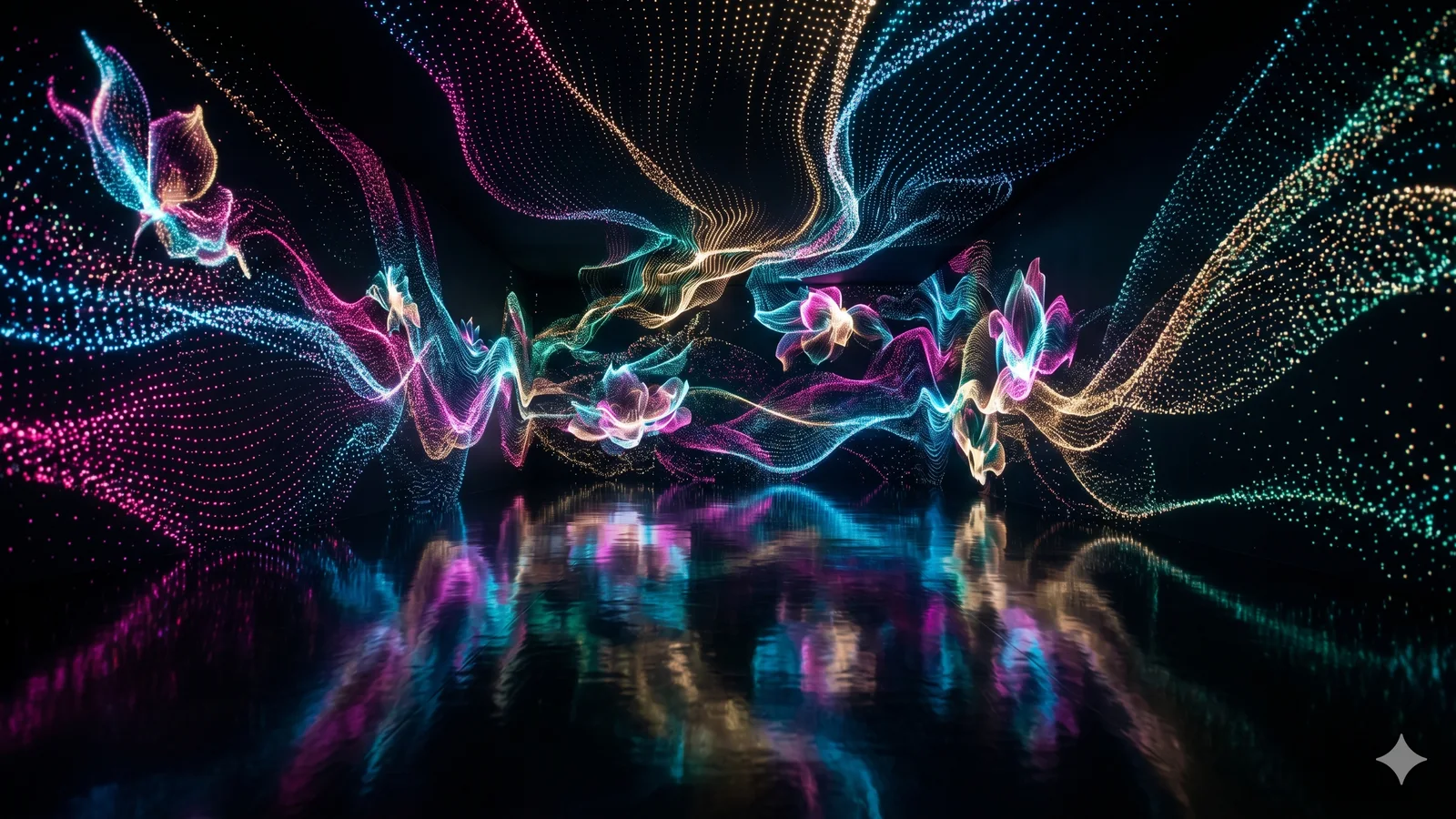
Image credits: hero and thumbnail are AI-generated original artwork, not photographs of the venue or its artworks (no third-party licensing applies; see CR-007).
WMJS is written in Japan, in English, with AI help. We check every page, but English is not our first language. If a sentence reads oddly, tell us. One sentence is enough.
Thank you. A person reads every note.
Real voices
Is it worth it?
Were you there? Share your photos.
Your photo could appear in this guide — with your name and a link to your profile.
Submit a photoRelated Articles

"Excuse Me, Can You Take My Photo?": What Japanese People Really Think


Why Lining Up Matters More Than You Think in Japan
More guides in Kanto
Visiting Akihabara, Tokyo's Electric Town Where You're Allowed to Love What You Love
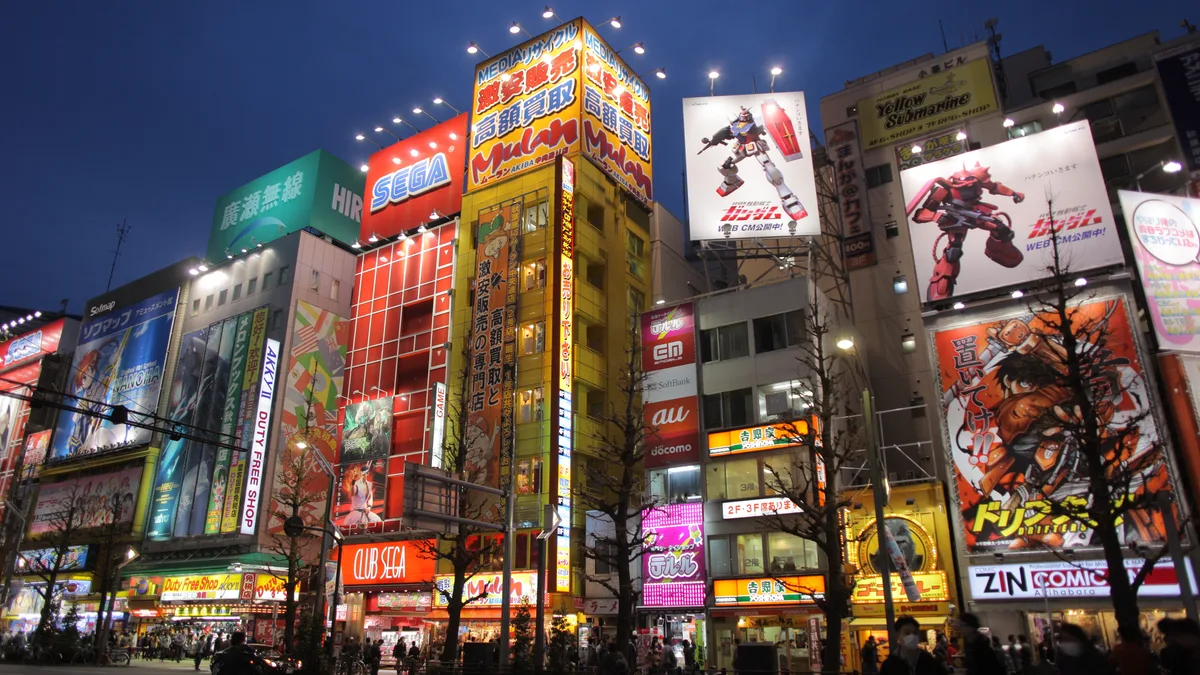
Is Akihabara worth visiting? We weighed 149 traveler voices: 29% say yes outright, 44% say it depends on whether you love anime, games or electronics, and Japanese reviewers land warmer at 69%. How the district is laid out, getting there, and who it's for, with an audio guide.
Akihabara (Electric Town)
Visiting Harajuku, Where You Can Wear Anything and No One Turns to Look
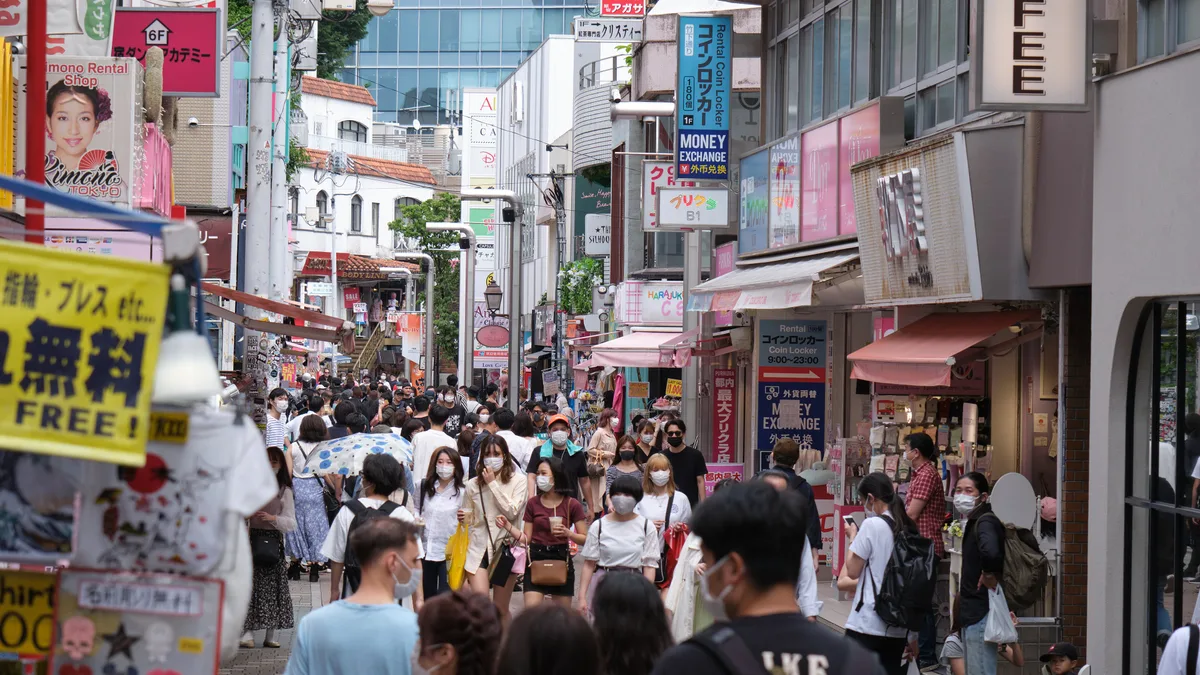
Is Harajuku worth it? We counted 99 traveler voices: 64% say yes once you skip Takeshita Street's crush for Cat Street and Omotesando. Crepes, kawaii fashion, getting there, and how to walk it well, with an audio guide.
Harajuku
Visiting Meiji Jingu, Where 100,000 Trees Were Planted to Make a Forest That Tends Itself
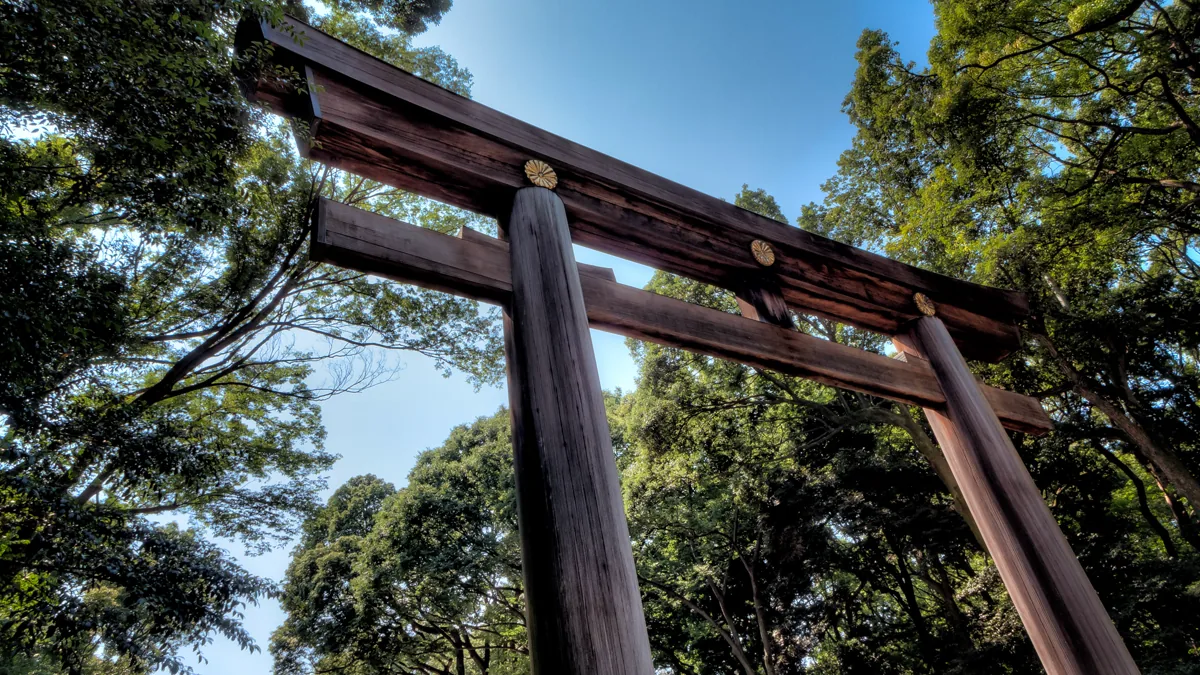
Is Meiji Jingu worth visiting? We weighed 70 traveler voices: 75% say worth it, and Japanese locals rate it even higher at 82%. Free, a 70-hectare forest planted entirely by hand in 1920, home to the Great Torii and Kiyomasa's Well in the Inner Garden, with an audio guide.
Meiji Jingu
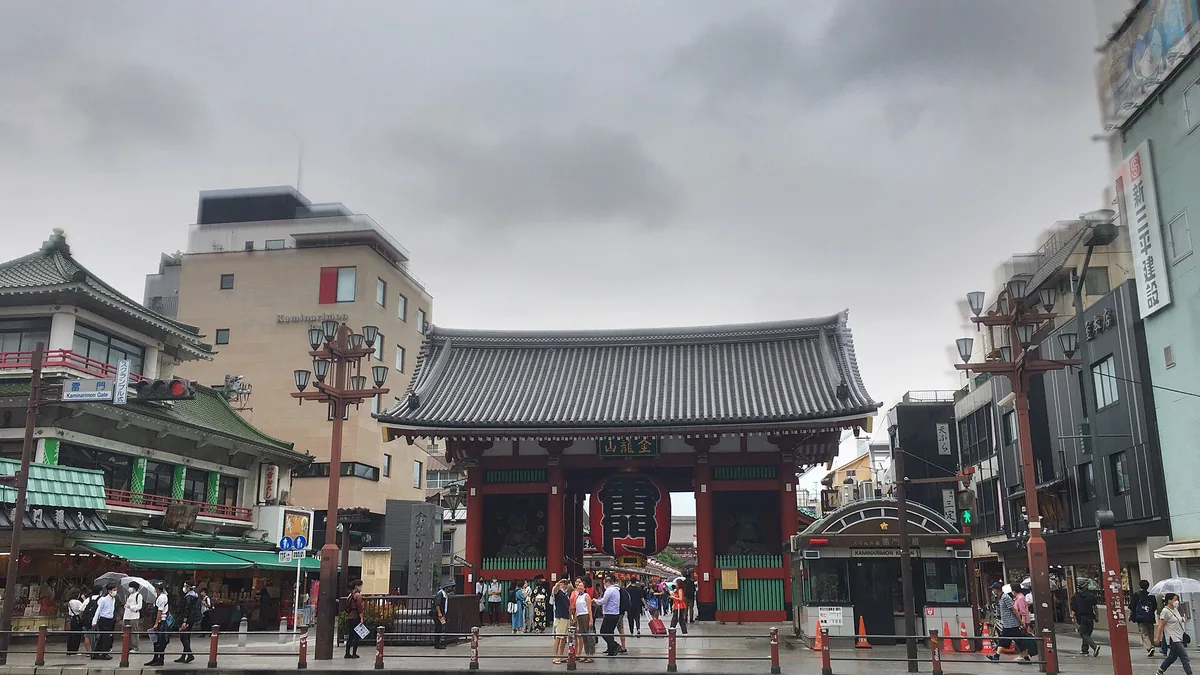
Visiting Senso-ji, Tokyo's Oldest Temple
Is Senso-ji worth visiting? We weighed 125 traveler voices: 54% say worth it outright. Hours, free admission, how long you need, and why the crowd has always been part of the prayer, with an audio guide.
Senso-ji Temple