
Visiting Hakone, the Mountain Loop Built Around a Hot Spring
Hakone (Lake Ashinoko)
By Kei · Born and raised in JapanIs Hakone worth visiting? By the voices we gathered, mostly, and it depends on how you do it: of 186 international travelers who actually made the trip, weighted by how much each account resonated with fellow readers, 59% called it worth it and only 15% felt let down, while Japanese travelers land far warmer still, with just 5% disappointed. It is a loop of mountain train, cable car, ropeway, and boat built around a hot-spring cure, roughly ¥7,100 for a two-day Odakyu Free Pass from Shinjuku, about 90 minutes from Tokyo by Romancecar, and a full day to ride the whole circuit. Staying one night in a ryokan instead of rushing it as a day trip is what separates the 59% from the 15%. What visitors and locals actually said, including the one mismatch you can avoid, is further down this page.
The Meaning
Most places you visit have one thing at the center: a temple, a tower, a single famous view, and everything else is the walk toward it. Hakone is not built that way. There is no one spot you come to see. Instead there is a circle. You climb a mountain on a small red train that switches backward and forward up a slope too steep to take head-on. You change to a cable car hauled up the hillside on a steel rope. You change again to a ropeway, a glass gondola that lifts off the ridge and swings out over a valley breathing steam. You step onto a boat across a lake, and ride a bus back down to where you began. The going around is the thing. And somewhere along the way, at the end, or in the middle, or whenever you choose, you take off your clothes and lower yourself into hot water. That is the point of the whole journey.
To understand why a whole region is shaped like a loop, it helps to know what people have long come to a place like Hakone for. Long before it was an easy escape from Tokyo, Hakone was somewhere you traveled to in order to heal. The old word is tōji, a "hot-water cure," and it meant settling in beside a spring for days at a time, soaking again and again, letting the body mend and the mind unclench. In this older sense a hot spring was rarely simply a treat: it was a kind of medicine you had to travel for, and stay for.
And travel they did. The great road of old Japan, the Tōkaidō, climbed straight over these mountains, and almost everyone moving between Edo (today's Tokyo) and the west passed through here. Hakone was the hardest stretch of that road, a wall of steep passes, and the rulers of the time set a checkpoint on the shore of the lake to watch who crossed. Worn out by the climb, travelers did what people still do here: they stopped, and they soaked. The springs were first known as the Hakone Nanayu, the "seven hot waters of Hakone." Today the region counts seventeen distinct waters, and together they take in more overnight guests than any other hot-spring destination in the country.
So when you ride the little train up the mountain, you are not taking a scenic detour on the way to a sight. You are doing, in modern form, what people have done here for centuries: making the climb in order to arrive at the water. Hold that in mind and the whole place changes shape. It stops being a checklist of attractions to race through before the last train, and becomes what it has always been: somewhere you go around, slowly, in order to come to rest.
What Happens When You're There
Step 1: Arriving at the Gateway
Most visitors come from Tokyo, and the journey is half the welcome. From Shinjuku, a limited-express train called the Romancecar runs into the mountains in a little over an hour at its fastest, and sets you down at Hakone-Yumoto, the gateway station, where the slopes close in and a river runs loud beside the platform.
Yumoto is the oldest of the seventeen waters; the springs here are said to have first been opened in the eighth century, around the year 738. It is also where every route up the mountain begins. Step out of the station and the town is narrow and steep, folded into the river valley: bathhouses with split cloth noren curtains hung at their doors, shops selling steamed buns and the inlaid woodwork the area is known for, and, on a cold morning, the faint smell of sulfur and the drift of steam from somewhere just out of sight.
It is tempting to rush straight onto the next train, and you can. But Yumoto rewards a slower start. This is the threshold of the cure: the place travelers on the old road reached, exhausted, and finally let their shoulders drop. The practical machinery of getting around (which pass to buy, how the trains and buses connect) waits for you in Good to Know below. Standing on the platform, the only thing you really need to understand is this: you have reached the bottom of the mountain, and from here, everything goes up.
Step 2: Climbing the Mountain, One Transfer at a Time
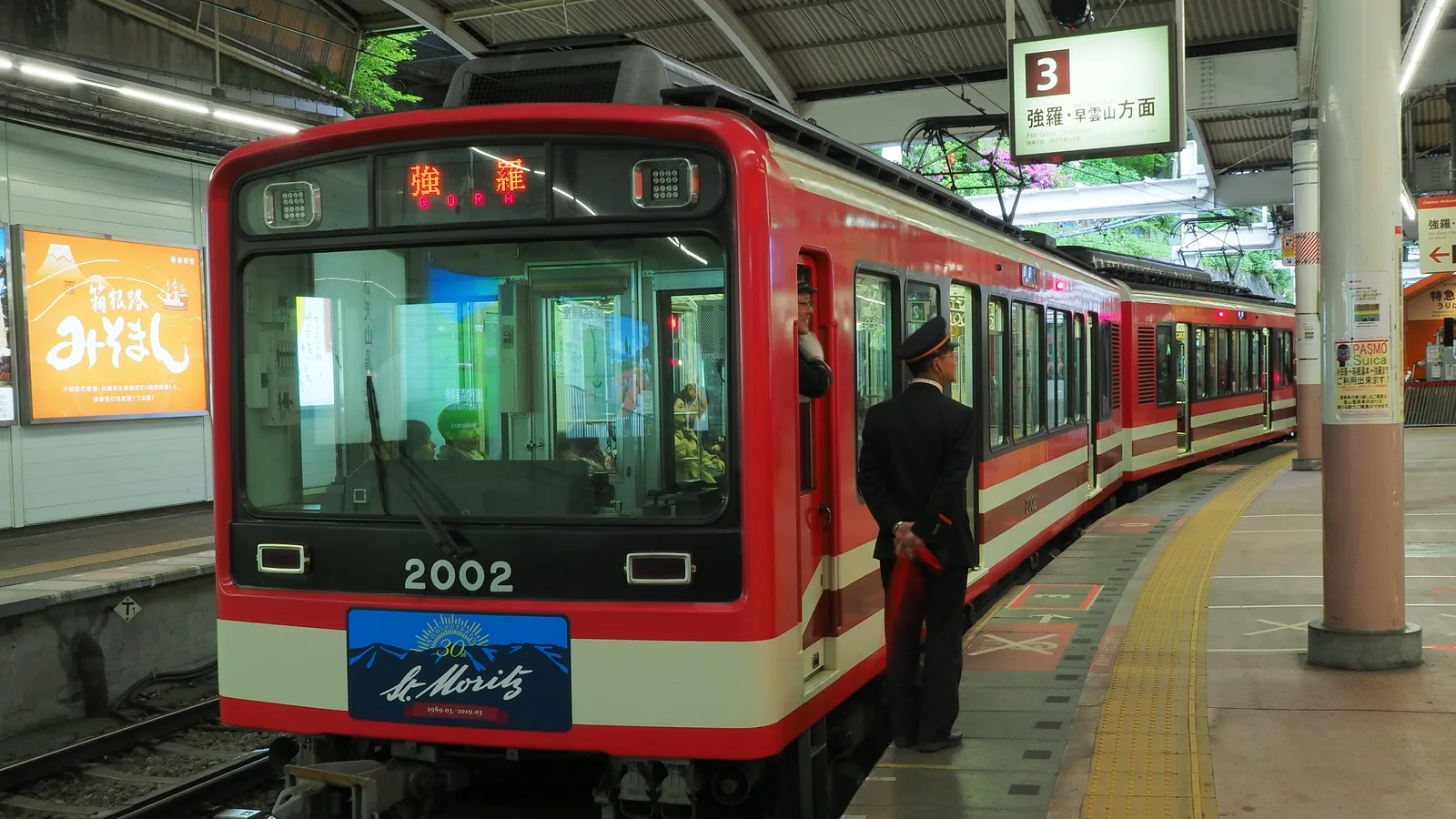
The first climb is the loveliest. The Hakone Tozan railway, which opened in 1919, is a small mountain train faced with a slope it cannot climb straight. So it doesn't try. Three times on the way up, the track runs into a dead end; the driver and the conductor walk the length of the carriage to trade places, and the train reverses direction to keep climbing higher up the next length of track. The maneuver is called a switchback, and it is how the line works its way up a grade of eighty meters of rise for every thousand traveled: the steepest a Japanese train climbs on ordinary wheels and rails. In June the banks beside the track fill with hydrangeas, and the slow, zig-zagging train becomes one of the most photographed rides in the country.
Partway up, the line passes through Miyanoshita, a village that turned itself into a mountain resort in the Meiji era, gathered around a grand old Western-style hotel. It kept the air it took on then: antique shops, a faint foreignness, a sense of a hill station that has been receiving guests for a very long time. At Gōra, near the top of the railway, the train hands you to a cable car, which hauls you up another two hundred-odd meters of height in about ten minutes, the carriages stepped like a staircase against the slope.
Then, at Sōunzan, the cable car ends and the strangest leg begins. You board a ropeway, a glass gondola that lifts off the ridge and swings out over open air, the ground falling away beneath your feet. By now you have changed vehicles four times, and you may have started to feel the small inconvenience of it: the waiting, the lugging of bags from platform to platform. But notice what each change has done. The dense green of Yumoto became the resort woods of Gōra, became the bare ridge at Sōunzan, and now, as the gondola climbs, the mountainside ahead turns gray and raw and begins to smoke. The loop has quietly taught you to stop counting the stops and start watching the country tilt and change beneath you.
Step 3: Fire, Water, and a Mountain That May Not Appear
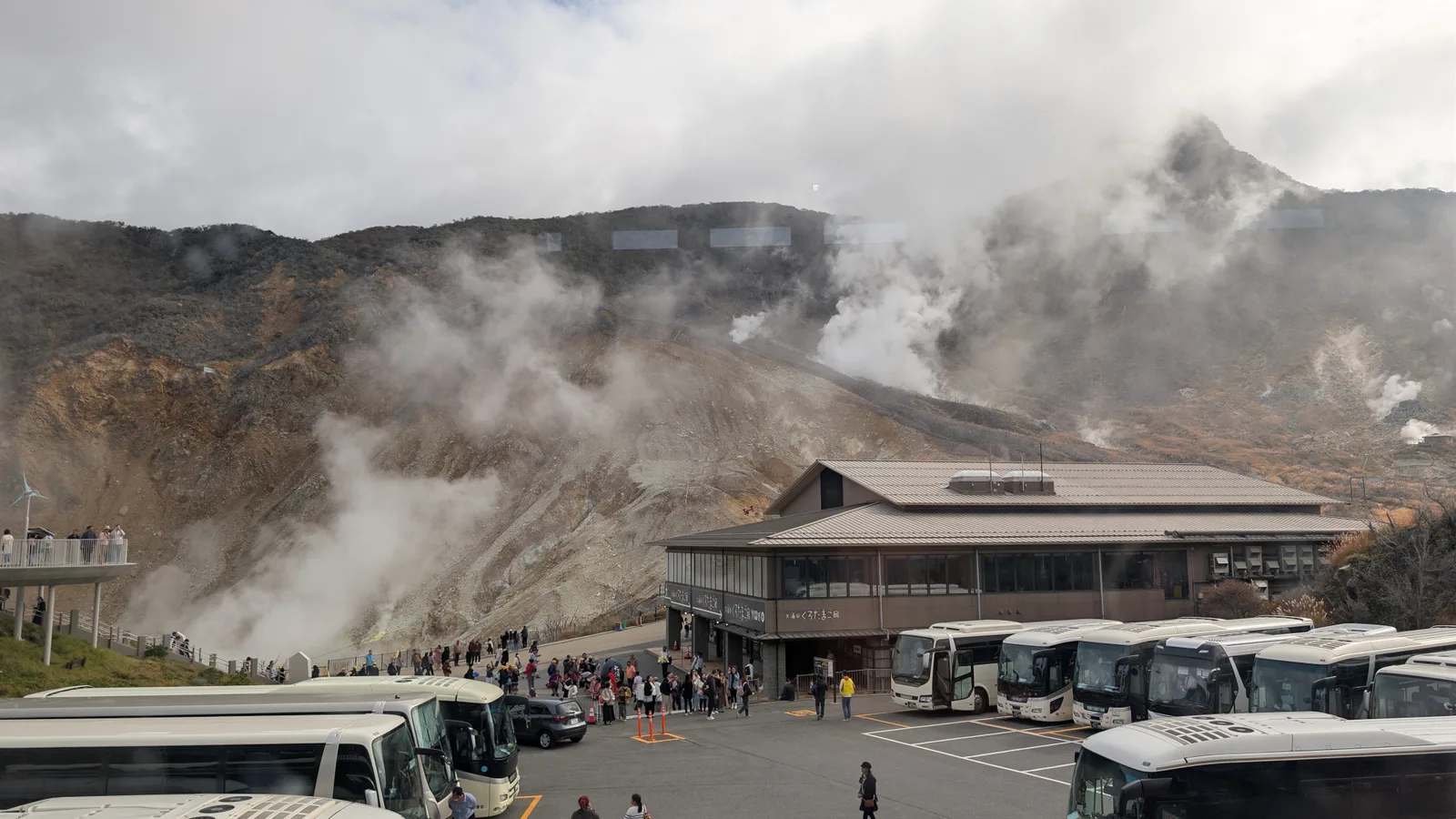
As the gondola crests the ridge, the green vanishes and the slope below turns the color of ash, streaked with yellow, venting steam from a hundred cracks at once. This is Ōwakudani, the "great boiling valley," torn open about three thousand years ago when the volcano blew out its own side. It is the mountain still at work, not a ruin or a relic, and the gondola carries you directly over it.
At the top, on a shoulder of the peak more than a thousand meters up, people line up for a black egg. Eggs boiled in the hot pools here come out with their shells stained coal-black by the minerals in the water, and the local saying is that eating one adds seven years to your life. The number is not random: there is a small statue of a life-lengthening Jizō nearby, and seven has long been a lucky number in Japan, and somewhere between the two the saying grew. You buy them in fives, warm in the hand, and the black flakes off on your fingers.
Because the valley is alive, it does not always cooperate. On days of strong wind, or when the volcanic gas runs high, the ropeway simply stops, sometimes for hours, sometimes for the day. If that happens to you, it is the mountain reminding you that it is still breathing, and that a town has chosen to live beside it anyway, rather than a day ruined. (Buses and roads reach much of the loop when the ropeway is down, and the official site posts the day's status each morning.)
The ropeway ends at Tōgendai, on the shore of Lake Ashinoko, a lake that fills an old volcanic crater, the water gathered in the hollow left when part of the mountain collapsed some three thousand years ago. Here the loop changes element entirely: you trade the gondola for a boat, often a brightly painted vessel rigged out to look like a galleon, and cross the still water toward the far shore.
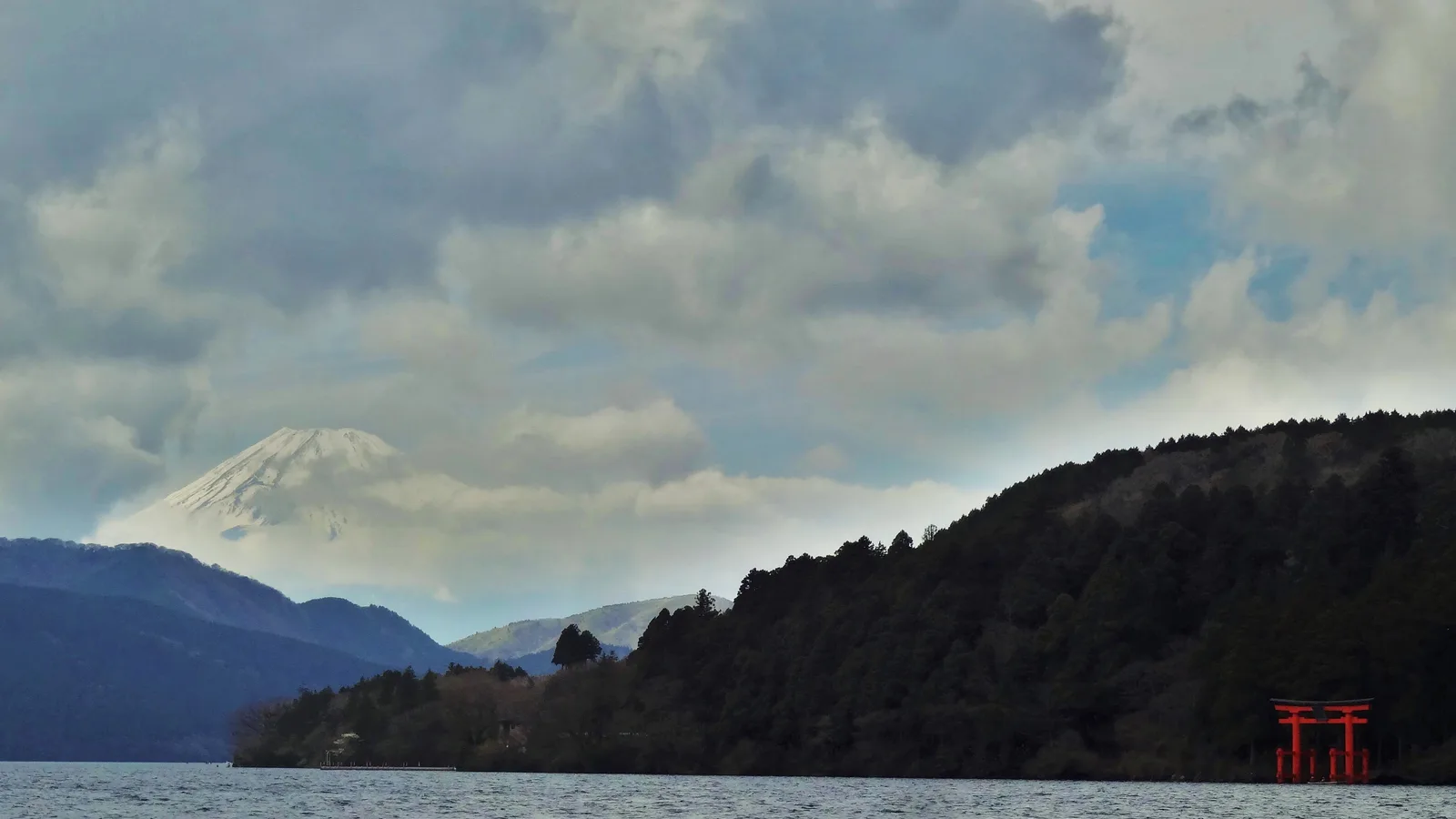
And there, standing in the lake itself with the water at its feet, is a single red gate: the Torii of Peace, which belongs to Hakone Shrine, set back in the cedar forest above the shore and founded, by its own record, in the year 757. The shrine keeps a story that explains why a gate would stand in a lake. A nine-headed dragon, it is said, once lived in these waters and tormented the people of the shore, until a monk named Mangan subdued it through prayer; the creature bowed, surrendered, and became the lake's guardian deity, honored ever since as Kuzuryū, the Nine-Headed Dragon. The shrine still holds a festival for it on the lake each summer. When you see the torii rising from the water, you are looking at the line the old story drew: the boundary between the human shore and the lake the dragon watches over. (If the shrine and its lakeside gate draw you in, the small courtesies of visiting temples and shrines in Japan are worth a glance first.)
And across the lake, on a clear day, Mount Fuji. On a clear day. The truth the postcards rarely admit is that Fuji spends much of the year hidden behind cloud, most stubbornly in the warm months; the cold, dry air of late autumn and winter offers the best chance of seeing it whole. The Japanese have a gentle way with this. Catching sight of Fuji is treated less as a thing you are owed than as a small piece of fortune: go-en, a happy chance of connection. If the mountain shows itself across the water, the day is blessed. If it doesn't, the lake, the gate, and the cedars are reason enough to have come. If a clear view of Fuji matters to you, it is worth understanding how the mountain reveals and hides itself, and when in the year the air is clearest.
Step 4: A Bath, and a Pause
Somewhere in all this circling, you should stop and do the one thing the whole region was built around: get into the water.
Hakone is not a single hot spring but many, not one ancient public bathhouse like Dōgo Onsen in Matsuyama, but seventeen distinct waters scattered across the mountain, some clear, some milky, some faintly mineral, drawing tens of thousands of tons of hot water out of the ground every day. Yumoto, Gōra, Miyanoshita, Kowakidani: each district's water is its own, and part of the old pleasure of a tōji stay was moving between them. You do not have to choose well or know the difference. You only have to get in. If this way of moving between waters appeals to you, there is a different kind of hot-spring trip across the country: the on-foot, bath-hopping evenings of Kinosaki Onsen, where the whole town is run as a single inn and you walk from one public bath to the next in a cotton robe rather than riding between them. Farther still, Beppu Onsen in Kyushu meets hot water differently again. Its whole town is built over ground so hot that steam simply rises from the street each morning, and much of the water is there to be watched rather than entered. Also within reach of Tokyo, Kusatsu Onsen in Gunma sends its spring along wooden channels in the town square to cool it before anyone bathes in it.
If it is your first time in a Japanese bath, there is a small etiquette to it (rinsing yourself before you step in, keeping the little towel out of the water), and it is best understood not as a list of rules but as a set of quiet kindnesses that keep the shared water clean and calm for everyone. We've written about what is actually going through everyone's mind in a Japanese bath on its own, and if you have tattoos, how those fit with hot springs in Japan is worth knowing before you go. Know, too, that you are in good company if you feel unsure: Japanese visitors, the first time, are just as uncertain about what to do.
This is also where the day-trippers and the people who stay begin to part ways. To spend the night in Hakone, most often in a ryokan, where the welcome itself is a quiet art with its own customs worth knowing, is to do what the tōji travelers did: soak in the evening, sleep, soak again at dawn. A bath you sink into twice, with a night of sleep between, is a different thing from a bath you rush before the last train. The mountain is still there in the morning. It is in no hurry, and for one night, neither are you.
Step 5: The Loop Closes
From the lake a bus carries you back down the mountain to Hakone-Yumoto, and the circle closes. It is worth knowing that this loop is not an accident of geography but something the region built on purpose: the full chain of train, cable car, ropeway, and boat was completed in 1960, stitched together so that a traveler could go all the way around and come back without ever retracing a step.
By the time you reach the bottom again, you will not have done everything. Perhaps the ropeway was closed for wind and you took the bus instead. Perhaps Fuji never lifted its cloud. Perhaps the queue at the black eggs, or the photograph of the torii, ate an hour you had meant to spend somewhere else. That is simply the ordinary shape of a day in Hakone. The loop is generous precisely because it does not depend on any single sight going right.
What you carry home is the particular looseness in the shoulders that comes from a day spent climbing a mountain slowly and soaking in its water, not a list completed: the same thing the travelers on the old road carried away, when they crossed the hardest pass on the Tōkaidō, stopped, and let the hot water do its work. You went around the mountain. You came to rest. In Hakone, that was always the whole of it.
What Visitors Honestly Say
Before you plan the trip, it helps to hear from people who have actually made it. We collected 186 voices from international travelers who had actually been, weighted by how strongly each resonated with fellow readers, and this is how they fell:
The green band keeps naming the same two things: time and timing. "The ropeway view, the boat ride down the lake, Hakone Shrine: 100% worth all the pain it took to get there," one traveler wrote. The thin red band describes a single, avoidable mismatch: a rushed day trip spent chasing a transit loop. "It just felt like a whole day of commuting and queuing on various modes of transport," one wrote, "by far the most disappointing day." Staying a night and buying one ticket for the whole circuit is most of the cure.
Japanese visitors, reviewing the same lake, valley, and cruise in their own words, land even more warmly:
Their warmth lands on the loop itself rather than on any single stop. "With the Odakyu three-day pass we rode the ropeway and the pirate ship over and over," one wrote. "It was the best three days. I want to go again." Their small red band is rarely about the loop at all: it is a cloudy sky over the lake. "We couldn't see Mount Fuji, but a pirate ship appearing out of the mist was magical," wrote a visitor caught in fog, the same clouded mountain the international travelers met, taken as scenery rather than a letdown.
The full picture, the letdowns included and what prevents each one, is in Is Hakone Worth It?
Good to Know
Getting there: Hakone sits in the mountains of Kanagawa Prefecture, southwest of Tokyo, within Fuji-Hakone-Izu National Park. The gateway is Hakone-Yumoto station. From Shinjuku, the Odakyu Romancecar limited express reaches Hakone-Yumoto in about 75 minutes at its fastest; it needs a separate reserved-seat express ticket on top of the basic fare. A cheaper option is an ordinary Odakyu train to Odawara and a change there to the Hakone Tozan line. For the bigger picture of trains, transfers, and passes, see getting around Japan.
The Hakone Free Pass: Most visitors travel the loop on the Hakone Free Pass, sold by Odakyu. It is, in effect, a set ticket for the region's eight connected modes of transport (the Tozan train, the cable car, the ropeway, the sightseeing boats on Lake Ashinoko, and the designated buses), letting you get on and off freely for two or three consecutive days, plus the Odakyu round trip from your starting station. It does not include the Romancecar express ticket, which is bought separately. It also gives discounted entry at many of Hakone's museums and attractions. Prices differ depending on whether you start from Shinjuku or from Odawara, and they are revised from time to time, so check the official figure before you buy.
Riding the loop: The classic route runs counter-clockwise: Hakone-Yumoto by mountain train to Gōra, cable car up to Sōunzan, ropeway over Ōwakudani to Tōgendai, boat across Lake Ashinoko to Moto-Hakone or Hakone-machi, and bus back to Yumoto. You can ride it in either direction, and the operators themselves suggest going clockwise on the busiest days to spread out the crowds. Seeing the whole circle, with stops, fills a comfortable full day; allow more if you want to linger at the lake or the museums.
Ōwakudani and the ropeway: The valley is an active volcanic zone, more than a thousand meters up. The ropeway over it can close at short notice for high wind or raised volcanic gas, and on rare occasions the valley itself is restricted. None of this is predictable far ahead, so check the ropeway's official status page the morning you plan to go, and treat a closure as a change of plan rather than a lost day. The black eggs are sold at the valley's egg house, generally four or five to a pack, while they last each day.
Lake Ashinoko and Hakone Shrine: The shrine sits in the forest above Moto-Hakone, and its red torii stands out in the lake; the grounds keep daytime hours, and the lakeside gate is a famous photo spot that can draw long queues; it is also occasionally fenced off for works, so check on the day. The sightseeing boats connect Tōgendai with Moto-Hakone and Hakone-machi; the old Hakone Checkpoint, a faithful reconstruction of the Edo-period barrier on the Tōkaidō, stands near the Hakone-machi shore.
The museums: Hakone is unusually rich in art. The Hakone Open-Air Museum (opened 1969, Japan's first open-air sculpture museum, with a hall devoted to Picasso) and the Pola Museum of Art (opened 2002, set in the forest at Sengokuhara, strong in Impressionism) are the two best known. Both are generally open 9:00–17:00 with last entry around 16:30; admission is in the low thousands of yen, with Free Pass discounts at many. Check each museum's site for current hours, closures, and prices.
When to go and how long: Hakone is a year-round destination, but the air is clearest (and the chance of Fuji best) in the cold months from late autumn through winter. A day trip works if you start early and accept that the museums and some facilities close by late afternoon; staying a night lets you do the thing the springs were always for, soaking in the evening and again at dawn, and is the way the region is meant to be used.
Last verified: 2026-06
Official websites: hakone.or.jp (Hakone Tourism Association), hakonenavi.jp (the trains, ropeway, and boats), and odakyu-freepass.jp (the Hakone Free Pass)
If Things Don't Go as Planned
Mount Fuji never appeared. This is the most common disappointment in Hakone, and the easiest to make peace with. Fuji is hidden behind cloud for much of the year, and a single visit is, honestly, a roll of the dice: clearest in the cold, dry months, chanciest in summer. The local attitude is the kindest guide here: seeing the mountain is a piece of good fortune, not a debt the day owes you. The lake, the torii, the cedar forest, and the hot water are all still there, and they were the real reasons to come.
The ropeway over Ōwakudani was closed. It happens often (wind, volcanic gas, maintenance) because the valley is a living volcano. You have not lost the loop. Buses and roads reach much of the circuit when the ropeway is down, the black eggs and the valley views can usually still be had, and the rest of Hakone (the mountain train, the lake, the baths) runs as normal. Check the official status in the morning and bend the route around it.
The crowds and queues were overwhelming. Hakone is Tokyo's nearest mountain escape, so weekends and holidays fill the trains, the boats, and the photo spots; the queue for a picture of the lakeside torii or the black eggs can run long. A weekday and an early start are the simplest cures. If you are stuck in a crowd, it helps to remember that the quietest, best part of Hakone is not the famous viewpoint but the bath at the end of the day, where the crowds thin and the water does not.
The buses ran late and you couldn't fit it all in. Mountain roads and full timetables mean transfers can slip, especially at peak times. Build slack into the day, don't pin a same-day onward train too tightly to the end of the loop, and let go of seeing every stop. Hakone was never meant to be completed in a checklist: the region is built for staying, not for sprinting.
It rained, or the mountain was lost in fog. Hakone is often misty, and much of it is lovelier for it: the torii half-dissolved in cloud, the forest dripping and quiet, the steam at Ōwakudani thicker against gray sky. The museums are perfect rainy-day refuges, and a hot spring in the rain is, if anything, better. Only the ropeway and the boats are weather-dependent, so keep an eye on those and let the rest of the day stay soft.
You're nervous about your first hot spring. Almost everyone is, including Japanese visitors trying an unfamiliar bath. The etiquette is simple once you've seen it once, and it is really just consideration for the people sharing the water. We cover what's going through everyone's mind in a Japanese bath and, if you have tattoos, the options that work almost anywhere, so you can step in without worry.
Sources:
- Hakone Tourism Association: Official: The seventeen hot-spring waters (Hakone Jūnana-yu) and the older Hakone Nanayu; Hakone as the country's leading hot-spring region by lodging, capacity, and overnight guests; Yumoto opened in 738; Miyanoshita as a Meiji-era resort around a Western-style hotel; Lake Ashinoko as a caldera lake; the mountain railway's 8.9 km / ~40 min run, 1919 opening, ~80‰ grade and three switchbacks; the cable car's ~1.2 km / ~10 min climb (pages /6882, /6411, /6413, /6412, /6415, /9407, /9412)
- Hakone Navi (Odakyu Hakone): Official: Specifications and connections of the Tozan train, cable car, ropeway, and pirate boats; the switchbacks at Deyama, Ōhiradai, and Kami-Ōhiradai; the "Hakone Golden Course" loop completed in 1960; counter-clockwise classic route and clockwise advice for busy days; model courses
- Hakone Ropeway: Official (Hakone Navi): Four-station route over Ōwakudani; closures for strong wind and weather; real-time volcanic-gas display and the note that gas level and eruption-alert level are not directly linked
- Odakyu: Hakone Free Pass (Official): The Free Pass covering eight modes of transport plus the Odakyu round trip; two- and three-day validity; Romancecar express ticket not included; discounts at around seventy facilities; fares differing by departure station (subject to revision)
- Odakyu Global: Hakone Free Pass & Romancecar (Official): Romancecar from Shinjuku to Hakone-Yumoto in about 75 minutes at its fastest, with a separate express ticket required; English-facing fare and validity details (current as of June 2026)
- Ōwakudani Kurotamago-kan: Official: The valley's formation about 3,000 years ago by a phreatic explosion; the black eggs (shells blackened by minerals in the hot pool) sold in packs at the valley; the seven-years saying linked to the local life-lengthening Jizō and to seven as a lucky number
- Kanagawa Park Association: Ōwakudani Information Center (Official): Ōwakudani at an elevation of 1,040 m and its harsh upland climate
- Hakone Shrine: Official: Founding in 757 (Tenpyō-hōji 1) by the monk Mangan on the shore of Lake Ashinoko; the Kuzuryū (Nine-Headed Dragon) legend of the lake and its subjugation; the annual lake festival; the Torii of Peace among the precinct features
- Hakone Checkpoint (Hakone Sekisho): Official, Hakone Town: The Edo-period Tōkaidō barrier on the shore of Lake Ashinoko and its faithful reconstruction from the original repair records
- Ministry of the Environment: Fuji-Hakone-Izu National Park (Official): Hakone as part of Fuji-Hakone-Izu National Park, alongside the Mount Fuji area; volcanic landscape of the park
- JNTO: Hakone & Fuji-Hakone-Izu (japan.travel): English-facing overview of the park, Lake Ashinoko as a caldera lake formed by the collapse of part of Mount Kamiyama, and Ōwakudani as a steaming volcanic valley
- Is Hakone Worth It? (WMJS): The two visitor-voice gauges reproduced in "What Visitors Honestly Say" (186 international voices, 59/26/15; 60 Japanese voices, 64/31/5) and the verbatim visitor quotations
Image credits: Lake Ashinoko with Mount Fuji and the torii of Hakone Shrine (hero), photo by WorldContributor, CC BY-SA 4.0, via Wikimedia Commons. Hakone Tozan mountain train, photo by Kuroc622, CC0 / public domain, via Wikimedia Commons. Owakudani volcanic valley, photo by Joli Rumi, CC BY-SA 4.0, via Wikimedia Commons.
WMJS is written in Japan, in English, with AI help. We check every page, but English is not our first language. If a sentence reads oddly, tell us. One sentence is enough.
Thank you. A person reads every note.
Real voices
Is it worth it?
Were you there? Share your photos.
Your photo could appear in this guide — with your name and a link to your profile.
Submit a photoRelated Articles
What Japanese Bathers Actually Think When You Walk In

Staying at a Ryokan: What Your Host Wishes You Knew

Getting Around Japan: The Tiny Things That Earn You a Nod
More guides in Kanto
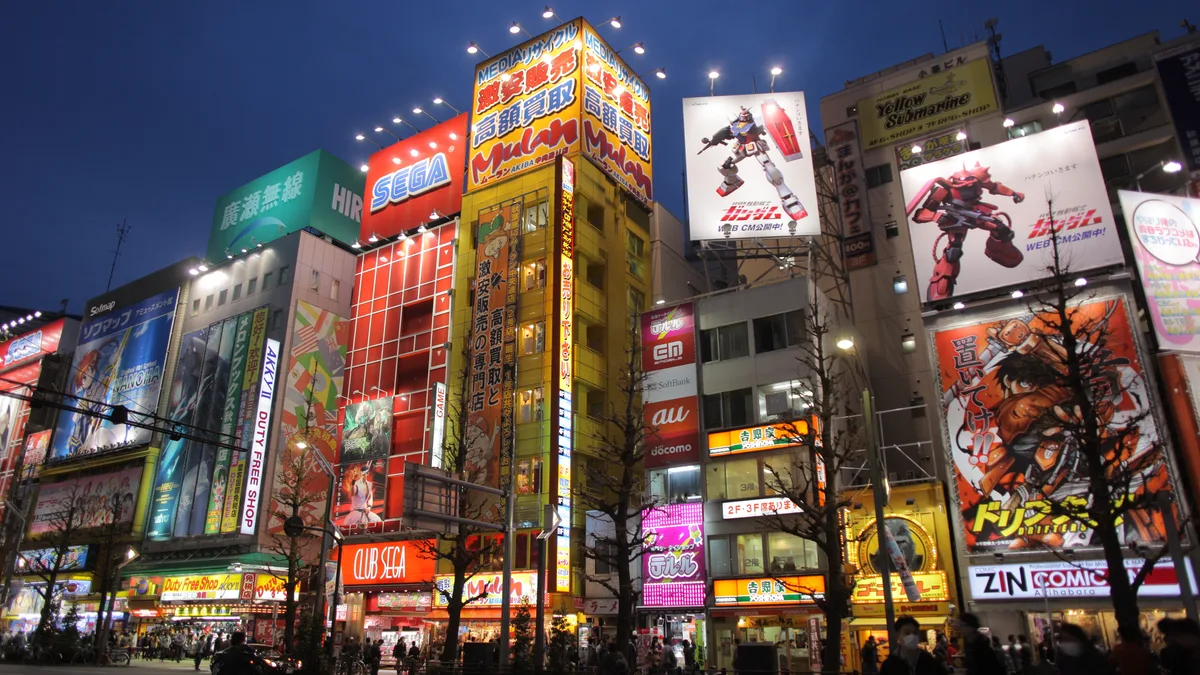
Visiting Akihabara, Tokyo's Electric Town Where You're Allowed to Love What You Love
Is Akihabara worth visiting? We weighed 149 traveler voices: 29% say yes outright, 44% say it depends on whether you love anime, games or electronics, and Japanese reviewers land warmer at 69%. How the district is laid out, getting there, and who it's for, with an audio guide.
Akihabara (Electric Town)
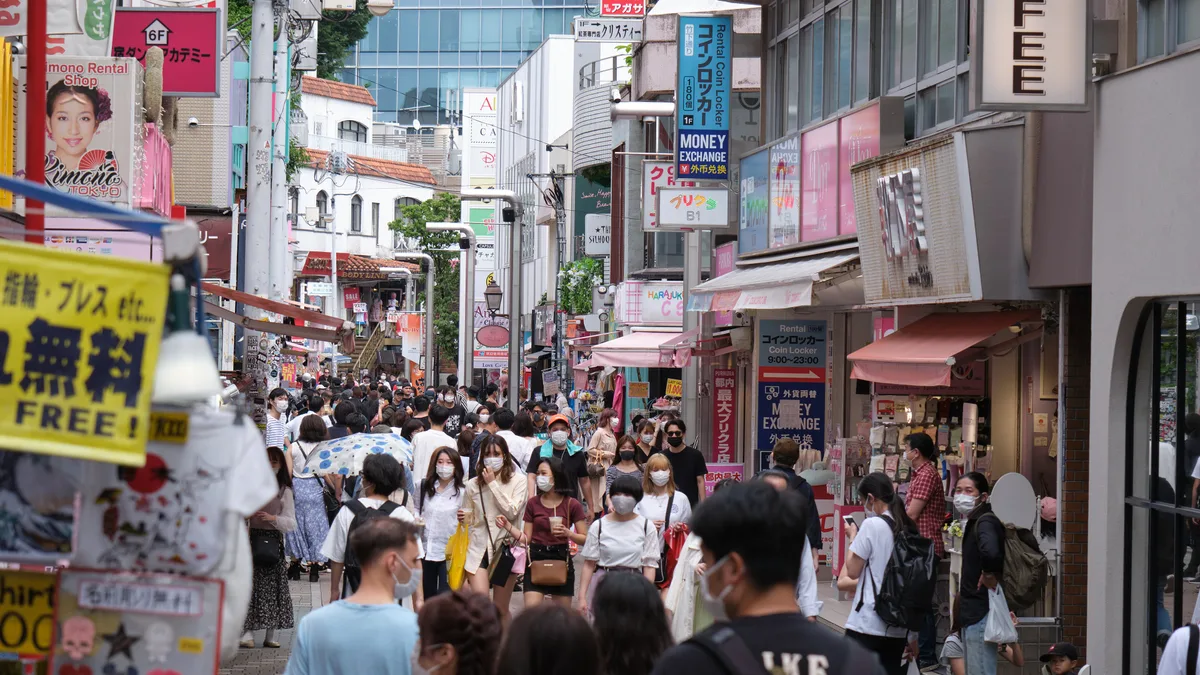
Visiting Harajuku, Where You Can Wear Anything and No One Turns to Look
Is Harajuku worth it? We counted 99 traveler voices: 64% say yes once you skip Takeshita Street's crush for Cat Street and Omotesando. Crepes, kawaii fashion, getting there, and how to walk it well, with an audio guide.
Harajuku
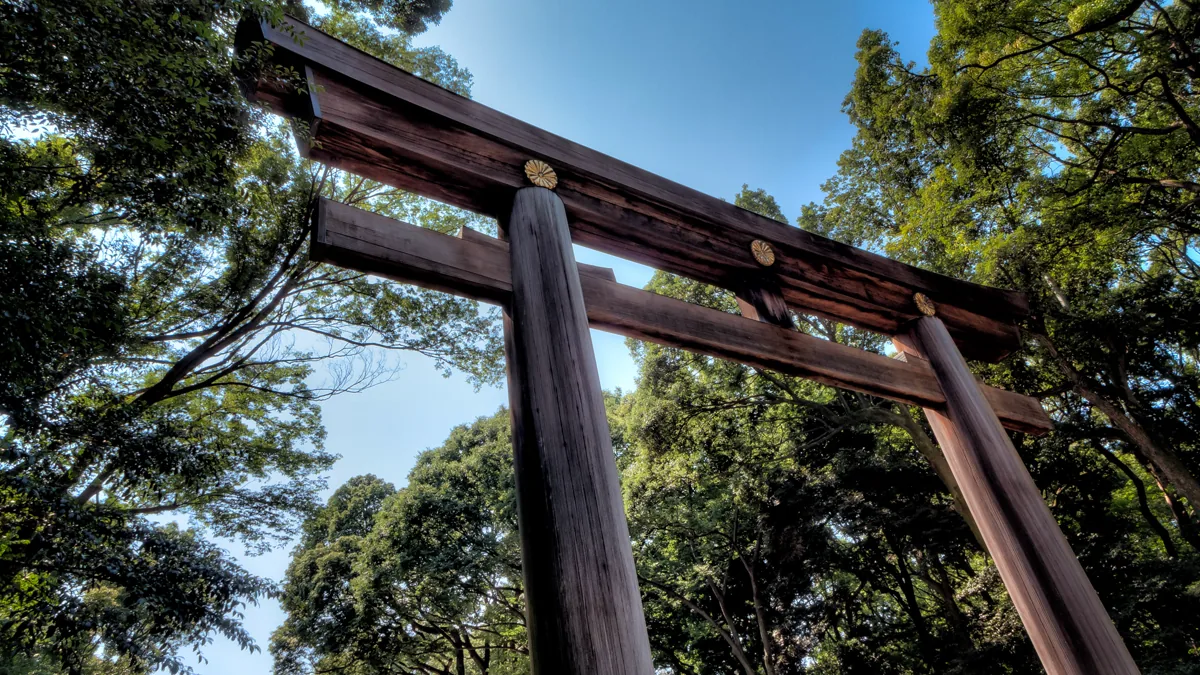
Visiting Meiji Jingu, Where 100,000 Trees Were Planted to Make a Forest That Tends Itself
Is Meiji Jingu worth visiting? We weighed 70 traveler voices: 75% say worth it, and Japanese locals rate it even higher at 82%. Free, a 70-hectare forest planted entirely by hand in 1920, home to the Great Torii and Kiyomasa's Well in the Inner Garden, with an audio guide.
Meiji Jingu
Visiting Senso-ji, Tokyo's Oldest Temple
Is Senso-ji worth visiting? We weighed 125 traveler voices: 54% say worth it outright. Hours, free admission, how long you need, and why the crowd has always been part of the prayer, with an audio guide.
Senso-ji Temple