
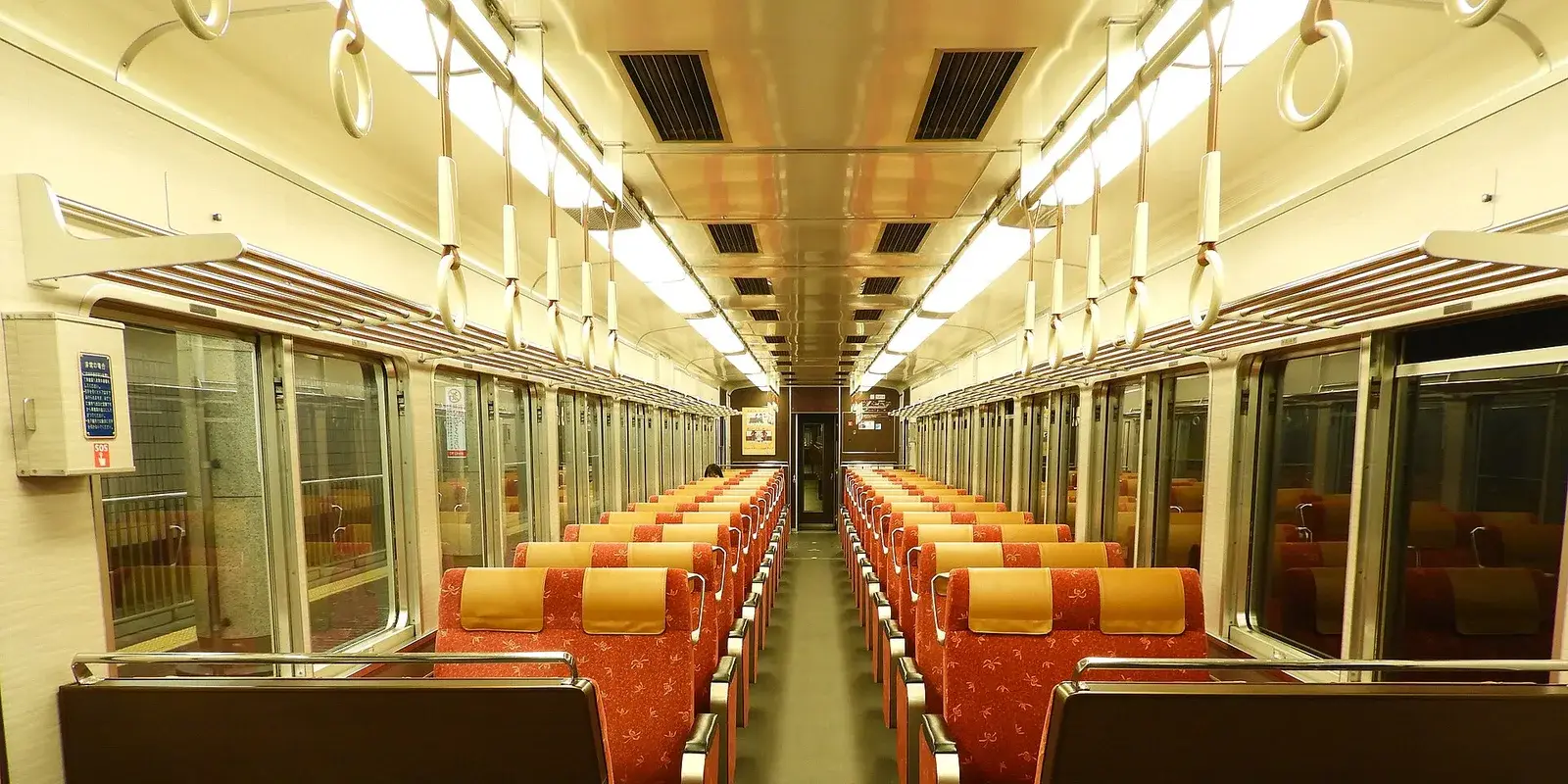
Why Japanese Trains Are Silent (And Why Riders Love It)
What you'll learn in this article:
- What 177 Japanese people said about talking, phone calls, and music on trains
- Why Japan's silence is a global outlier compared to other countries
- The cultural concept behind it all: kuuki wo yomu (reading the air)
Why are Japanese trains so quiet? We read what 177 Japanese commuters wrote in public posts. Quiet conversation is fine: of the 65 posts about chatting, 83% were OK or neutral about it. The real rule is no phone calls; this is Japan-specific and surprises many visitors. The cultural concept behind it is kuuki wo yomu (reading the air): match your energy to the mood of the car. Even Japanese people acknowledge their train silence is a global outlier.
If you've ever stepped onto a Japanese train and felt like you accidentally walked into a library, you're not imagining things. Japanese trains really are extraordinarily quiet, and it surprises a lot of visitors.
This isn't about a long list of strict rules to memorize. It's about something much more interesting: a shared cultural understanding that, once you get it, actually makes a lot of sense. And the best part? Japanese people themselves know their train silence is unusual. Many of them will tell you so.
We collected 177 real opinions from Japanese people about noise on trains, covering phone calls, chatting with friends, and earphone sound leakage, to find out what they actually think, what genuinely bothers them, and what they wish visitors knew.
Quick Guide
| Situation | What Japanese People Said | |
|---|---|---|
| 🟢 Relax | Quiet conversation with friends | Talking is fine, just keep your voice at a level that shows you're aware of others. "Twenty percent conversation, eighty percent awareness." |
| 🟡 Good to know | Phone calls | A Japan-specific rule. If you need to take a call, step off at the next station. Quick "I'll call you back" is generally fine. Texting is always OK. |
| 🔴 Worth noting | Loud music / sound leakage | This genuinely bothers people across the board, visitors included. Use in-ear or noise-canceling earphones, and do the Japanese commuter ritual: check that your sound is actually going to your earbuds. |
The one thing to remember: Japanese train silence comes down to kuuki wo yomu (reading the air), not a rulebook. Notice the mood of the car, match your energy to it, and you'll fit right in. After a long day of exploring, you might find that the silence is one of the best things about riding trains in Japan.
How We Gathered These Voices
We collected 177 Japanese-language responses across three train-noise topics: phone calls on trains (42 responses), chatting with friends (65 responses), and earphone sound leakage (70 responses). We gathered these voices from public Japanese Q&A sites, forums, and social posts, along with reporting from Diamond Online, Nikkan SPA!, and other Japanese media.
A quick note: This is not a controlled scientific survey. It's a collection of what real Japanese people said in their own words, in their own language, on public platforms. Most English-language guides simply tell you "be quiet on the train." We wanted to show you why, and just how much nuance there really is.
First, the Biggest Surprise
Here's something that Japanese people themselves point out all the time: Japan's train silence is globally unusual.
In most countries (across Europe, the Americas, Southeast Asia, the Middle East) talking and making phone calls on trains is completely normal. Japan's near-total silence is the global exception.
東南アジアのみならず、オーストラリアでも欧州のたいていの国でも、列車内での通話を禁止している国の方が少数派のような気がします。絵表示などを指さして教えると大抵はやめる。 Not just in Southeast Asia — in Australia and most of Europe too, countries that ban phone calls on trains are actually in the minority. If you point to the signs, most people stop.
あれね。日本がマナー良すぎるというか、日本の電車が異常なんだよ。海外からきたら電車の中で携帯で話すなとか、トラベルバッグ持ち込むなとかわかんないから。 Here's the thing — it's not that other countries are rude. Japan's trains are the unusual ones. If you're coming from abroad, you wouldn't know about the no-phone-calls thing or the luggage rules.
ヨーロッパには一切ありません。そのため、延々と大声で通話している人や、一緒に乗っている友達とペラペラしゃべっている人があちこちにいます。 In Europe, there are no such restrictions at all. So people are chatting on the phone or talking with friends everywhere. (Japanese writer living in the UK)
Some countries have found creative middle ground. The UK and several European countries offer "Quiet Coach" sections: designated cars where silence is expected, while other cars allow normal conversation. In Japan, the entire train operates as a quiet zone. As one Toyokeizai article noted, visitors who are used to the Quiet Coach system find Japan's "every car is quiet" approach genuinely surprising.
This context matters. When someone from abroad talks on a train in Japan, they're not being rude; they're doing something that's perfectly normal at home. Many Japanese people understand this, especially as visitor numbers continue to grow. If you're planning your trip, Your First Week in Japan covers what to know day by day.
旅行先のマナーを学んでから旅行に行く人なんていませんから……。こればっかりはどうしようもないですね。 Nobody studies the manners of their destination before traveling... It can't really be helped.
What Actually Matters: The Temperature Gauge
Not everything on a Japanese train carries the same weight. Train etiquette is one piece of a larger picture; What Actually Matters shows where it all fits. Some things are totally fine. Some require a little awareness. And one thing genuinely bothers people. Here's what 177 Japanese people wrote.
🟢 Quiet Conversation with Friends
The honest answer: talking on a train is fine, just keep it down.
Of 65 responses about talking with friends on trains, the majority were accepting or neutral. The key word everyone came back to? Volume.
ボリュームと内容による。 It depends on the volume and the content.
法律で禁止されてるわけでもなし、普通の声量なら日常の一部。 It's not illegal. At a normal volume, it's just part of daily life.
話し二割、周りへの気遣い八割。 Twenty percent conversation, eighty percent awareness of those around you.
That last one is gold. It perfectly captures how Japanese people think about shared spaces: talking isn't banned, but you do stay aware of the people around you while doing it.
Several people pointed out that the level of quietness varies depending on context:
関西人は電車で喋る、関東は喋らない、と、テレビで見ましたが。 I saw on TV that people in Kansai talk on trains, while people in Kanto don't.
満員じゃなきゃ普通に声を抑えて話すよ。 If the train isn't packed, I talk normally — just in a lower voice.
Here's something that might surprise you: Japanese people noted that trains aren't always quiet, even without visitors. Groups of high school students, weekend riders, and late-night passengers all chat freely.
その証拠に高校生が大勢乗る時間帯の、電車のうるさいこと!電車の静かさは文化ルールではなく一人で乗る人が多いという構造的理由。 Proof: just listen to how noisy trains get during high school commute hours! Train silence isn't a cultural rule — it's a structural thing, because most people ride alone.
学生の頃は多分周りからはうるさいと思われるくらい友達と喋っていた。今は喋るなら小声で喋るよ。 When I was a student, I probably talked with friends loud enough to bother people around me. Now I keep it to a whisper.
The bottom line: quiet conversation is perfectly fine. Just be aware of your volume: if you notice others around you are silent or resting, lower your voice a notch. That's genuinely all it takes.
💡 The golden rule, in one sentence
"Twenty percent conversation, eighty percent awareness of those around you." This single quote captures how Japanese people think about shared spaces better than any guidebook.
🟡 Phone Calls
This one is Japan-specific, and Japanese people know it.
Phone calls on trains are the behavior visitors are most often told to avoid. Our data shows that Japanese people do notice this, but their reactions are more nuanced than you might expect.
Of 42 responses about phone calls on trains:
The "positive" and "neutral" responses here don't mean people enjoy hearing phone calls: they mean many Japanese people understand why it happens and don't blame visitors for it.
電車で電話するなというのは日本特有のローカルルールです。外国人観光客も増えてきており、ルール・マナーを知らない人も多々います。 The 'no phone calls on trains' thing is a Japan-specific local rule. With more foreign tourists, there are naturally many who don't know.
日本では電車の中で居眠りをする人もいますので静かにするのがマナーだと教えられてますよね。でもそれは他の国に行くと必ずしもそう教えられてないんです。 In Japan, people nap on trains, so we're taught that being quiet is good manners. But in other countries, that's not necessarily what people learn.
One person explained something fascinating about why phone conversations feel more intrusive than regular talking:
片方の声しか聞こえない(会話が成立してない)話し声はやたら耳障りに感じちゃう。 When you can only hear one side of a conversation — where the dialogue doesn't add up — it's especially grating on the ears.
This lines up with what psychologists call a "halfalogue": hearing only one side of a phone conversation is more cognitively distracting than a full two-person chat, because your brain keeps trying to fill in the missing half.
And multiple Japanese people pushed back against the idea that phone rudeness is only about visitors:
私は外国人が、そんなことをしたのは、見たことはありません。この前、山手線で、なんと1車両で2人電話してまして、トラブルになってました。2人とも日本人です。 I've never actually seen a foreigner do that. The other day on the Yamanote Line, two people were on their phones in the same car and it caused trouble — both of them were Japanese.
どんな国にも常識はずれやマナーを知らない輩はいますよ。気にしないこと。 Every country has people who don't know the rules. Don't worry about it.
What to do: If you need to take an urgent call, step off at the next station; that's what Japanese riders do too. For a quick "I'll call you back," most people won't bat an eye. And texting or messaging? Completely fine, anytime.
🔴 Loud Music and Sound Leakage from Earphones
This is what genuinely bothers Japanese people the most, and it's not about visitors at all.
Of 70 responses about earphone sound leakage, the feelings were strong. This was the most negatively rated topic across all three categories.
According to a survey by Shirabee (2024, n=678), 79.9% of train riders have experienced earphone sound leakage from someone nearby. In the Japan Private Railways Association's annual commuter survey (FY2025, n=5,202), sound leakage ranked 11th among train annoyances at 9.8%, down from No. 1 back in 2008. The drop likely reflects better earphone technology, but the fact that 1 in 10 commuters still flags it shows the cultural norm hasn't faded.
僕は基本的には温厚である。優しくはなくても、寛容ではあると思う。そんな僕にもどうしても許せない行為がある。それが「音漏れ」だ。 I'm a mild-mannered person. Maybe not the gentlest, but I think I'm tolerant. Yet there's one thing I absolutely can't forgive: sound leakage.
音漏れしている本人はその事実に気が付きえない。 The person whose earphones are leaking can't possibly detect it themselves.
That second quote captures a key insight: unlike talking too loudly (which you can self-correct), sound leakage is invisible to the person causing it. You genuinely can't hear your own earphones from the outside.
And Japanese people don't just suffer in silence about it; they've turned it into a whole cultural phenomenon:
ワイヤレスのやつ実はイヤホンじゃなくて本体から音鳴ってるんじゃないかと何度も確認してしまう。 With wireless earbuds, I keep checking whether the sound is actually playing from my earbuds and not from the phone speaker.
心の中でなんの歌クイズをしてる。 I play a 'guess the song' quiz in my head.
むしろ「こういう音楽が好きなんだ」と個人情報盗んだ気になってる。 I actually feel like I'm stealing their personal information — 'oh, so that's the kind of music they like.'
Here's why your brain finds it annoying (it's not just you):
人の脳は、その不規則な旋律を意味あるものとして処理しようとするため、イヤホンの音漏れは不快になりやすい。 The human brain tries to process the fragmented melody as something meaningful — that's why earphone leakage is so irritating.
💬 What do you think?
Japanese readers: How do you feel about this?Visitors: Have you experienced this in Japan?
Share your voice →Practical tip: Use in-ear (canal-type) earphones or noise-canceling models. Open-ear and bone conduction headphones leak sound by design, which suits jogging more than packed trains. If you're using wireless earbuds, do what millions of Japanese commuters do: pull one earbud out briefly to make sure the sound isn't coming from your phone speaker. You'll be joining a nationwide ritual of quiet paranoia.
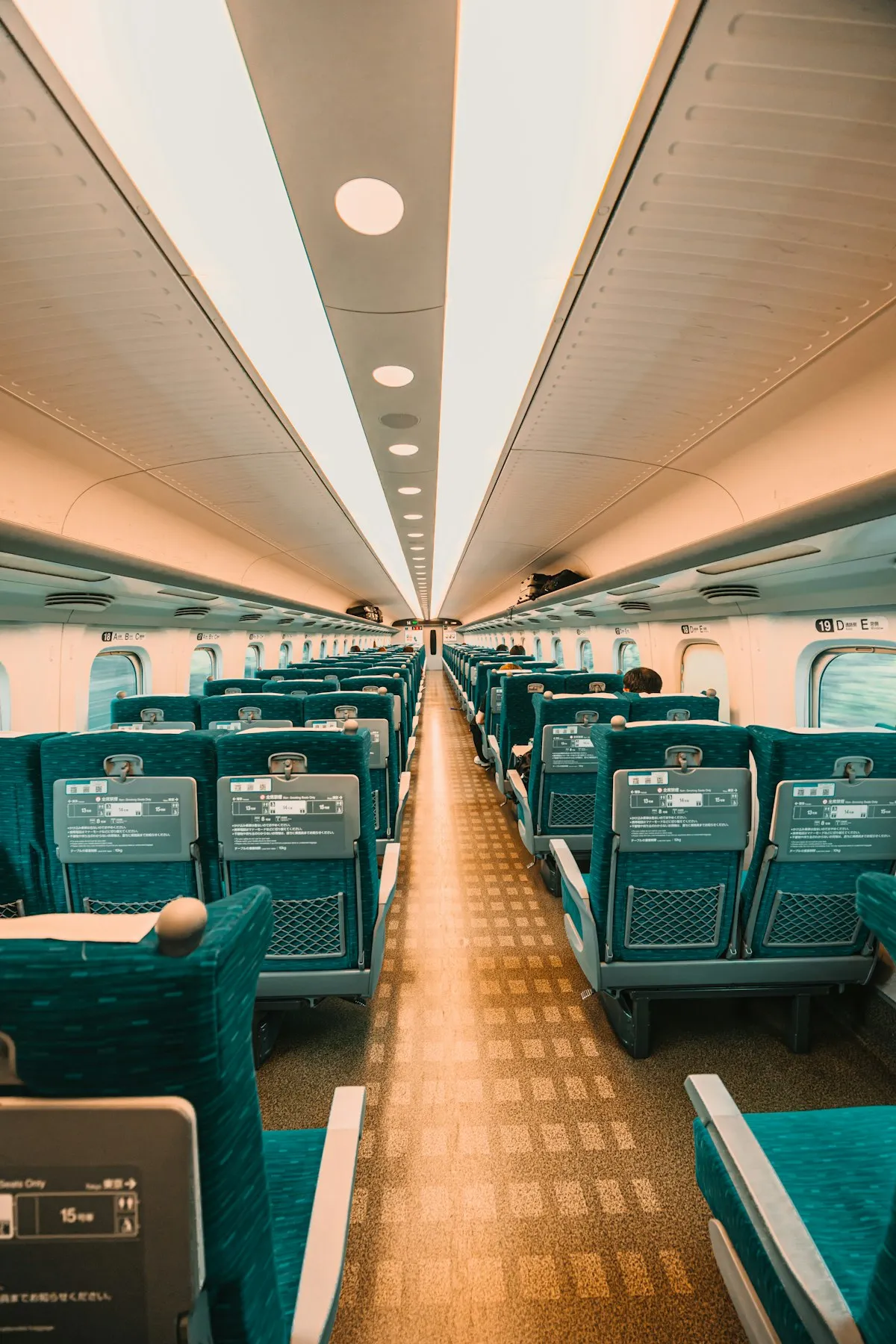
The Cultural Engine: Why Japanese Trains Work This Way
So what makes Japanese trains different? It's not laws; there's no legal prohibition against talking on trains. It's something more interesting: a shared cultural operating system built on three ideas.
Kuuki wo Yomu (空気を読む): Reading the Air
This is the idea that you pay attention to the atmosphere around you and adjust your behavior accordingly. On a quiet morning commuter train full of sleeping passengers, the "air" says: keep it down. On a Saturday afternoon train full of chatting families heading to a theme park, the "air" is completely different.
電車の中に限った話ではありませんが、その場の空気というものがあります。「空気を読む」ってことじゃないでしょうか? It's not just about trains — every space has its own atmosphere. Isn't that what 'reading the air' means?
Meiwaku (迷惑): Not Causing Inconvenience
Meiwaku is the Japanese value of not causing trouble or inconvenience to others. It's less about following a rulebook and more about being naturally aware of how your actions affect the people around you. You'll see the same principle at work in how people line up in Japan.
多くの人が不快と思うとそれが社会的にマナー違反となり禁止行為とされる訳です。 When many people find something unpleasant, that gradually becomes a social manners violation — and then a prohibited act.
マナーって固定されたルールじゃなくて、その時代と場所に合った人への配慮。 Manners aren't fixed rules — they're consideration adapted to the time and place.
Open Space vs. Closed Space
One of the most fascinating explanations came from a Japanese commuter who described the cultural gap in spatial terms:
そのスペースをオープンスペースとして捉えるか、クローズドスペースとして捉えるかの違いでしょうね。大多数の民族は、車も電車もオープンスペースとして扱う。 It comes down to whether you see that space as open or closed. Most cultures treat cars and trains as open spaces.
In most countries, a train car feels like an open space, like a plaza or park. In Japan, it's treated more like a closed space, like someone's living room. You wouldn't blast music in someone's living room. That instinct is what drives the quiet.
💡 The difference in one metaphor
Most cultures treat a train car as an open space, like a plaza. Japan treats it as a closed space, like someone's living room. You wouldn't blast music in someone's living room. That single shift in perspective explains everything.
And a Diamond Online article offered a deeper structural insight:
日本人は「許可されたこと以外やらない」ポジティブリスト思考。外国人は「禁止されたこと以外やっていい」ネガティブリスト思考。暗黙ルールが伝わらない構造的原因。 Japanese people follow 'positive list' thinking — don't do anything unless it's explicitly allowed. Many people abroad follow 'negative list' thinking — anything goes unless explicitly banned. That's the structural reason unwritten rules don't translate. (Diamond Online)
Neither approach is right or wrong; they're different cultural operating systems running in the same train car. Understanding this difference turns a confusing experience into an "oh, that makes sense" moment.
💡 Why the rules are invisible
Japanese people follow "positive list" thinking: don't do anything unless it's explicitly allowed. Many other cultures follow "negative list" thinking: anything goes unless explicitly banned. This structural difference is the real reason Japan's unwritten rules don't translate.
What Japanese People Actually Want You to Know
After reading all 177 responses, the most common theme wasn't "follow the rules." It was something much warmer. Here's what came through again and again:
They know Japan is the unusual one here.
この記事にも書いてあるけれど、ほぼ日本でしか聞かない「ガラパゴス」ルールだよね。 As this article says, it's a 'Galapagos' rule you basically only hear about in Japan.
外国の方は日本人のように周りの目を気にしてびくびくしないので大胆な行動をすることが多いです。その分心が広いんですけどね。 People from abroad don't worry about others' eyes the way Japanese people do, so they tend to act more boldly. But the flip side is that their hearts are wider.
They know it's not just a "foreigner" thing.
いっぱいありますよ?高校生のとき、帰りの電車の中で、他校の生徒がわざとらしく大声で大笑いしたり話をしていて、とても不愉快でした。 There are plenty of examples! When I was in high school, students from another school were being obnoxiously loud and laughing on the train home. It was really unpleasant.
日本人も結構煩いと思いますよ。一人だと静かにできるのに2人以上で乗ってくると結構煩い。 Japanese people are pretty noisy too, honestly. A person alone can keep quiet, but once two or more get together, it gets pretty loud.
They appreciate it when visitors show awareness.
One survey found that 62.4% of Japanese riders have noticed manner issues on trains. But the very same conversations reveal genuine warmth, much like the appreciation Japanese people feel when visitors offer a small bow:
有名な観光名所を通る路線を使ってますが、どっちかっていうと英語圏の外国人の方の方がお年寄りや子供連れに優先席を譲ってあげてるのを見ますよ。 I use a route that passes famous sightseeing spots, and honestly, I more often see English-speaking visitors giving up their seats to elderly passengers and parents with children.
And they understand that the silence can feel intimidating.
日本の電車は、ほぼ満員なのに驚くほど静か。 Japanese trains are packed — and somehow amazingly quiet. (Foreign visitor)
静かすぎて、逆に気を遣ってしまう。 It's so quiet that it actually makes me self-conscious. (Foreign visitor)
なにか悪いことしちゃった?と不安になる人も。 Some visitors start worrying: 'Did I do something wrong?'
If you've felt that, you're not alone. Japanese train silence can feel intimidating at first. But it's not personal, and nobody is judging you. Once you understand what's behind it, it goes from "what did I do wrong?" to "oh, this is actually kind of nice."
More Japanese Perspectives
Curious about other aspects of daily life in Japan? These articles explore what Japanese people actually think, based on hundreds of real voices.
- No Trash Cans, No Problem: 232 Japanese people share how they really feel about the "carry your trash" culture, including why many of them are embarrassed by it.
- Do Japanese People Actually Care How You Hold Chopsticks?: 163 Japanese people share the honest truth about chopstick etiquette. Spoiler: there's really only one thing worth knowing.
Share Your Experience
Had a moment on a Japanese train, funny, awkward, or surprisingly peaceful? We'd love to hear it. Your story helps build a bridge between cultures.
Share your experience on Voice Box →
Sources
Primary Research Data
- WMJS train silence research data (177 Japanese-language responses collected April 2026)
- Phone calls on trains: 42 responses
- Chatting with friends: 65 responses
- Earphone sound leakage: 70 responses
Statistical Data
- Shirabee (2024): 79.9% of train riders have experienced earphone sound leakage (n=678)
- Japan Private Railways Association: Annual commuter manner survey (FY2025, n=5,202). Earphone sound leakage ranked 11th at 9.8%, down from No. 1 in 2008.
- Railway Trend Research Institute: 62.4% of Japanese riders have witnessed manner issues with foreign passengers (n=306)
Opinion Collection Sources
The following sources were used to collect Japanese people's opinions and sentiments. These are not cited as factual authorities but as platforms where real Japanese people expressed their views on train etiquette.
Phone calls on trains:
Chatting with friends on trains:
- https://tetsudotrend.com/310/
- https://nikkan-spa.jp/2073476
- https://nlab.itmedia.co.jp/cont/articles/3654993/
- https://hint-pot.jp/archives/209670
- https://toyokeizai.net/articles/-/183456
- https://trilltrill.jp/articles/4198607
Earphone sound leakage:
- https://president.jp/articles/-/82329?page=1
- https://otonanswer.jp/post/138829/
- https://sirabee.com/2024/12/21/20163373584/
- https://diamond.jp/articles/-/348096
- https://limo.media/articles/-/18016?page=1
Note on Quotations
Quotes from online platforms have been lightly edited for readability (fixing typos, formatting for clarity). The meaning and intent of each comment remain unchanged. Original sources are linked above.
WMJS is written in Japan, in English, with AI help. We check every page, but English is not our first language. If a sentence reads oddly, tell us. One sentence is enough.
Thank you. A person reads every note.
How well do you know Japan?
Built from 635 public posts by Japanese people
Want to know more? Ask Japanese people
Have a follow-up question about this topic? We'll ask real Japanese people.
Voice Box →