
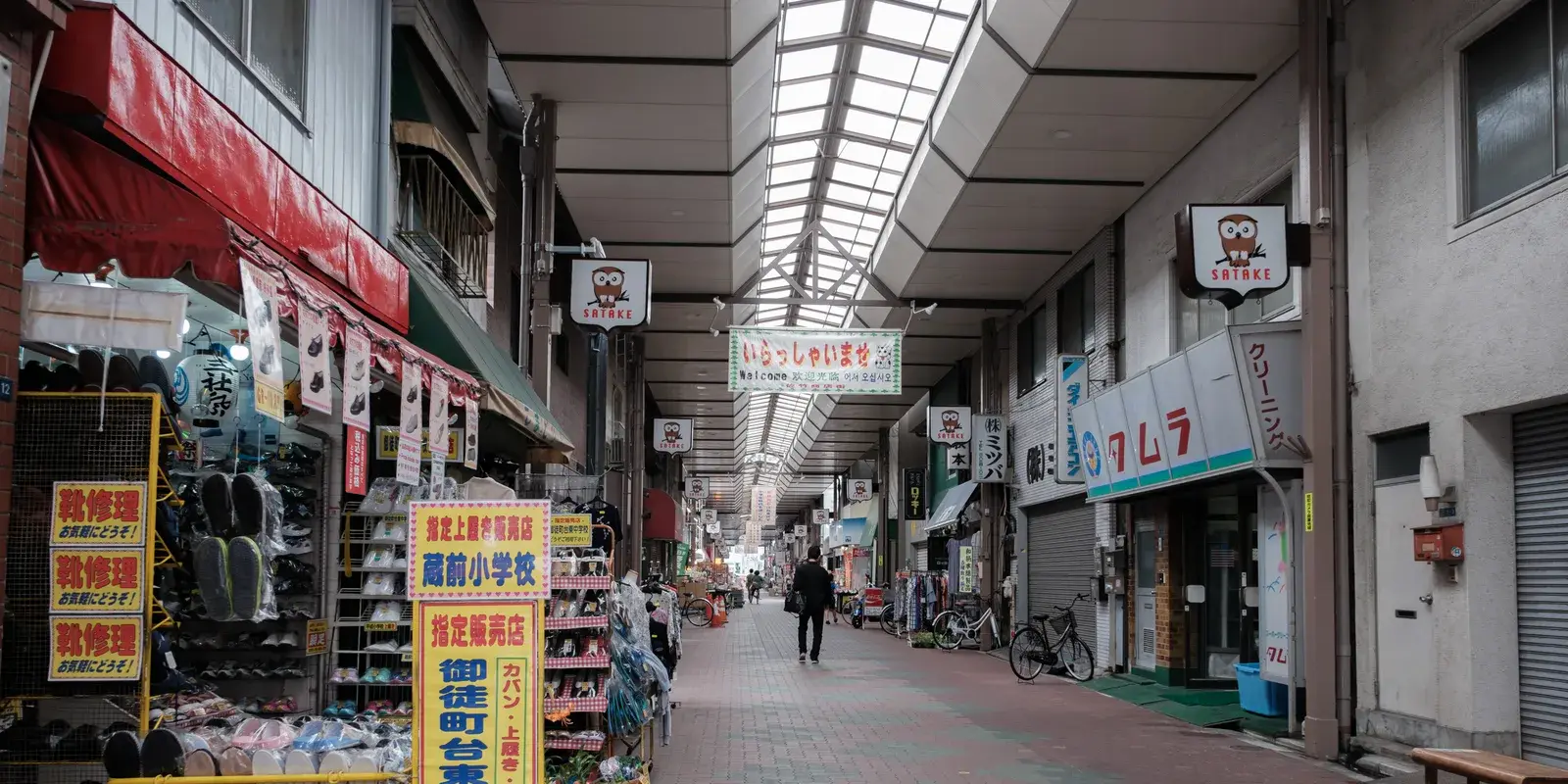
Japan's Regional Welcome Map: What Residents Really Say About Their Own Prefecture
What you'll learn in this article:
- How 308 Japanese people from different regions describe their own style of welcoming visitors, and why it varies so much
- The real difference between Kansai warmth and Kanto reserve (it's not what travel blogs tell you)
- Why "cold" Tokyo might actually be the kindest city you've ever visited
- What happens when you're the first foreign face a small town has seen in months
Is Osaka friendlier than Tokyo? We read what 308 Japanese people wrote about six regional topics. The honest answer: both cities are kind, but in completely different ways. Kansai people notice you and reach out (45% described their region as proactively warm). Tokyo people respect your space and help instantly when asked (48% defended their style as respectful distance rather than coldness). In rural Japan, 64% of residents said they actively want more foreign visitors, and the smaller the town, the bigger the welcome tends to be.
If you've traveled around Japan, you've probably noticed something: the country doesn't feel the same everywhere. Tokyo can feel like a beautifully organized machine where everyone respects your personal space. Osaka can feel like a street festival where strangers become friends within thirty seconds. And a small town in Tohoku or Shikoku? That's a different universe entirely.
Most travel guides describe Japan's welcome as one thing: polite, reserved, helpful. But Japanese people themselves will tell you: the way Japan welcomes you depends enormously on where you are. And the differences aren't random. They reflect centuries of commercial culture, community structure, and something much more personal: how each region thinks about the relationship between strangers.
We collected 308 Japanese-language voices across six topics, from Kansai pride to Tokyo's quiet kindness, from rural excitement to generational gaps, to map what Japan's welcome actually looks like from the inside. Not from the visitor's seat. From the host's living room.
Quick Guide
| Region | Welcome Style | What to Expect | |
|---|---|---|---|
| 🟠 | Kansai (Osaka, Kyoto, Kobe) | Proactive and expressive | Strangers will talk to you, help you before you ask, and might give you candy. The "Osaka musical" is real. |
| 🔵 | Kanto (Tokyo, Yokohama) | Reserved but responsive | People respect your space, but ask for help and watch how fast they respond. Some will walk you to your destination. |
| 🟢 | Rural Japan (Tohoku, Shikoku, San'in) | Deeply personal | You might be the highlight of someone's week. Expect vegetables from neighbors, hand-drawn maps, and genuine curiosity. |
| 🟡 | Okinawa | Immediately warm | Open, relaxed, and hospitable by default. Cultural roots in ichariba choodee: "once we meet, we're family." |
| ⚪ | Tourist-heavy areas (Kyoto center, Kamakura) | Polite but fatigued | Residents are kind but stretched thin. Your good manners matter more here than anywhere else. |
The one thing to remember: Japan's welcome spans a wide spectrum. Almost everywhere on that spectrum, the effort you show matters more than getting everything right.
How We Gathered These Voices
We collected 308 Japanese-language responses across six regional welcome topics: the Kansai-Kanto personality divide (20 responses), Tokyo's perceived "coldness" (73 responses), rural Japan's welcome (25 responses), the meaning behind staring in the countryside (60 responses), unexpected hospitality in small towns (75 responses), and generational differences in welcoming visitors (55 responses).
Sources include public Japanese Q&A sites, forums, and social posts, X/Twitter, local news outlets, BuzzFeed Japan, JNTO case studies, and published surveys from the Immigration Services Agency, the Cabinet Office, the Agency for Cultural Affairs, and IIBC.
A quick note: This is not a scientific survey. It's a collection of what real Japanese people said in their own words, on public platforms, about how their region welcomes outsiders. Most English-language guides tell you "Japanese people are polite." We wanted to show you the texture behind that: how different that politeness looks in Osaka versus Tokyo versus a village of 2,000 people.
The Kansai-Kanto Divide
Osaka People Talk to You. Tokyo People Don't. Both Mean Well.
This is the single most discussed regional difference among Japanese people themselves. Ask anyone in Japan "Is Osaka friendlier than Tokyo?" and you'll get an immediate, passionate answer, usually in favor of whichever region they grew up in.
Of 20 Japanese voices on this topic:
The best description of the difference came from a deeply thoughtful answer on OKWave:
東京の人情は『親切にされたことさえ気づかせない』のが理想形。一方大阪の人情はサービス精神。相手が『もうおなか一杯』と言うまでやるのが浪速流 Tokyo's version of kindness is "ideal when the recipient doesn't even notice they've been helped." Osaka's version is a spirit of service — the Naniwa way is to keep going until the other person says "I've had enough."
That single quote captures the entire dynamic. Two cities, two completely valid definitions of kindness, and neither one is wrong.
The Osaka Musical
Japanese internet has a name for what happens in Osaka: "ミュージカル," a musical. Strangers materialize out of nowhere, collectively, to help.
街中で突然激痛に襲われてヘタり込んだら次から次へと見知らぬ通行人たちがミュージカルのように集まり声をかけてくれた When I was suddenly struck by intense pain and collapsed in the street, strangers appeared one after another like a musical, gathering around and calling out to me.
駅に向かって走ってたらすれ違ったおばちゃんに「がんばれがんばれ!」って言われた I was running toward the station and an obaachan I passed called out "Go for it, go for it!"
タクシーに乗ったら運転手さんが「にいちゃんがんばりや」とイチゴ1パックをくれたこともあった Once when I got in a taxi, the driver said "Keep at it, young man!" and gave me a whole pack of strawberries.
This isn't an exaggeration for the internet. A Tokyo transplant living in Osaka reported being spoken to by strangers 3-4 times a day: at traffic lights, in hospital waiting rooms, at convenience stores. The cultural norm in Kansai is: if you notice someone, acknowledge them.
The Core Difference
A Japanese commenter online nailed the structural divide:
関西人は知らん振りするのは失礼だと思ってるのに対して、関東人は知らん振りするのがマナーと思ってる感じがある Kansai people feel it's rude to pretend you haven't noticed something. Kanto people seem to feel that pretending you haven't noticed IS proper etiquette.
Read that again. It explains almost every difference visitors experience between the two regions. In Kansai, not acknowledging a stranger feels rude. In Kanto, acknowledging them feels intrusive. Both are acts of consideration, just operating on opposite social norms.
What visitors often miss: Tokyo people absolutely will help you. They just won't do it until you ask.
困ってる時はすぐ助けてくれる。特に東京の人。さっと助けてくれてさらっと帰る When you're in trouble they help immediately. Especially Tokyo people. They swiftly help and then smoothly leave.
That "swiftly help, smoothly leave" style is Tokyo kindness in five words. No lingering, no conversation, no expectation of gratitude. Help delivered, personal space restored.
💡 The same kindness, two operating systems
In Kansai, pretending you haven't noticed someone feels rude. In Kanto, approaching them uninvited feels intrusive. Both are acts of genuine consideration, running on opposite social software. Neither is warmer or colder. They're just different default settings for the same underlying value: don't make others uncomfortable.
Tokyo's Quiet Kindness
Why "Cold" Might Be the Wrong Word Entirely
If Osaka's welcome is a musical, Tokyo's is a silent film with a powerful ending. Most visitors' first impression of Tokyo is that people seem distant, and plenty of Japanese people from other regions say the same thing.
But in 73 posts, Tokyo residents and observers described something more nuanced:
The most common defense of Tokyo wasn't "we're actually friendly." It was something more interesting:
「冷たい」って言うのは表現方法として正しくないと思います。僕的には「他人に関わりたくない・干渉したくない」が正解だと感じます。 Calling it "cold" isn't the right expression. To me, the accurate description is that people don't want to get involved with or interfere in others' affairs.
冷たいわけではなく、他人の領域を尊重しているのです。 They're not cold — they're respecting others' personal boundaries.
Japanese people have a phrase for this: 干渉しない優しさ (the kindness of non-interference). It's the idea that the most respectful thing you can do for a stranger is to leave them alone unless they signal they need help. In Tokyo, minding your own business isn't apathy. It's a form of care.
But Don't Mistake Distance for Indifference
Something remarkable happens when you actually ask for help in Tokyo:
道に迷ってしまい、携帯の地図を見てオロオロしていたら、同い年くらいの女性がわざわざ話しかけてくれ、目的地まで案内してくれました。 I got lost and was frantically looking at my phone's map when a woman around my age went out of her way to talk to me and guided me to my destination.
通勤ラッシュの時間帯のこと。改札を出たあたりで男性が勢いよくぶつかってきました。しばらくしてその男性が戻ってきて、『さっきはすみません!痛かったですよね?』と声をかけてくれたのです。 During the morning rush, a man bumped into me hard near the ticket gates. A little while later, he came back and said "I'm so sorry about before! That must have hurt, right?"
That man came back. In the middle of rush hour. That's not cold. That's someone who carries consideration like a background process: quiet, persistent, running even when you can't see it.
The Structural Explanation
Several voices offered a fascinating insight: Tokyo doesn't really have "Tokyo people."
実質的に地方出身者が地方出身者を冷たいと言ってるってことですよね。 In effect, what's happening is that people from rural areas are calling other people from rural areas cold.
Roughly half of Tokyo's population comes from somewhere else. The city's reserve isn't a native personality. It's an adaptation. When millions of people from different regions live together in extreme density, the unspoken agreement becomes: I'll respect your space if you respect mine. That habit of leaving strangers undisturbed grows stronger in dense cities everywhere, and Tokyo just happens to be the one visitors notice it in. Japanese commentators often reach for a term from social psychology when they describe the impression it leaves:
「都会の人は冷たい」という現象は「傍観者効果」と呼ばれるもので、多くの人がいる環境では個人の責任感が薄まる心理的メカニズムがある。東京の人が必ずしも本質的に冷たいわけではない The "city people being cold" phenomenon is called the "bystander effect" — a psychological mechanism where personal responsibility weakens in environments with many people. Tokyo people are not necessarily cold in their essential nature.
One Kansai person who'd been critical of Tokyo had an experience that changed their mind:
東京でバス乗り場が分からない時、サラリーマンのおじさんに尋ねたら「僕も知らないけど、一緒に探してあげる」って、コンビニの店員さんに事情話してくれて。東京めっちゃいい人多いやん。冷たいとか言って、ほんまごめん When I couldn't find the bus stop in Tokyo and asked a salaryman, he said "I don't know either, but let me help you find it" and explained my situation to a convenience store worker. Tokyo actually has so many great people. I'm really sorry for calling them cold.
That "I'm sorry for calling them cold" might be the most Tokyo-validating sentence in our entire collection.
💡 The kindness you don't notice
Tokyo's version of care is designed to be invisible. 干渉しない優しさ, the kindness of non-interference, means the most respectful thing you can do for a stranger is leave them alone unless they signal otherwise. It feels cold until you need help. Then it's the fastest kindness you've ever received.
The Countryside Welcome
Where "Nobody Comes Here" Becomes "Thank You for Coming"
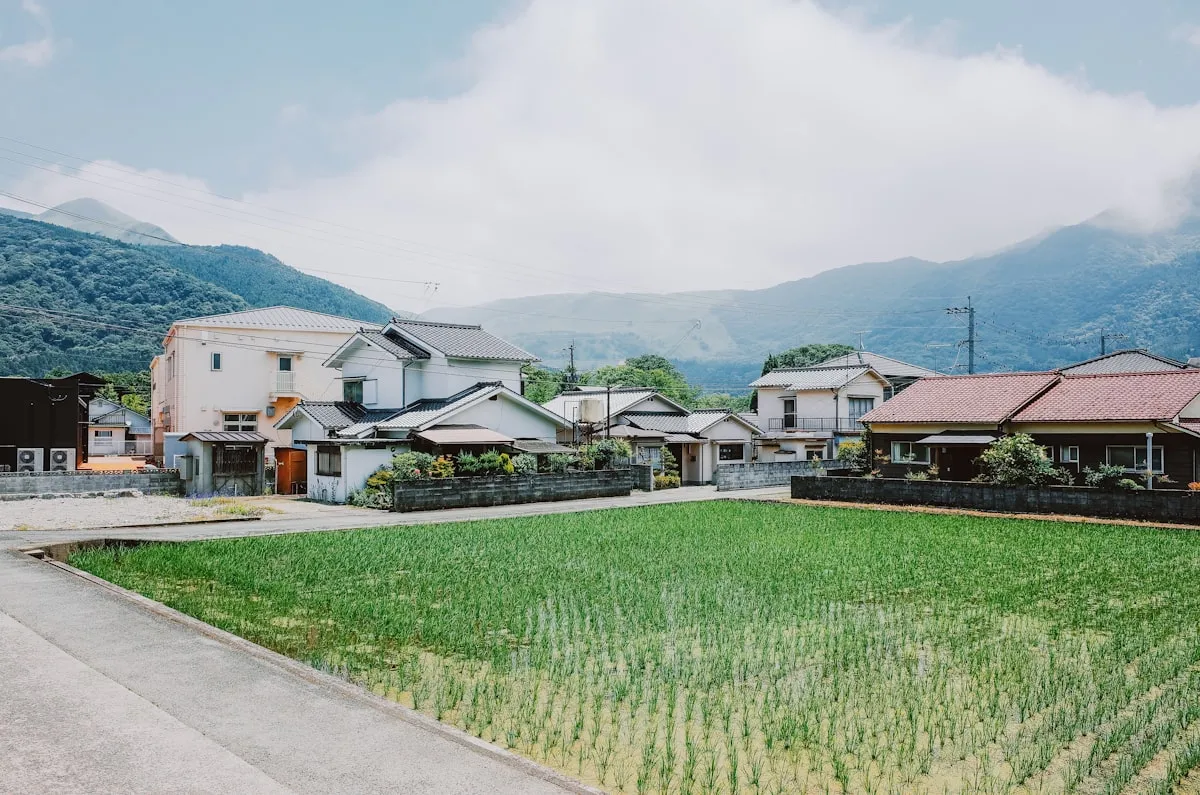
If the Kansai-Kanto difference is Japan's most debated regional divide, the urban-rural divide is its most emotional. Something fundamentally different happens when you visit a place where foreign faces are rare.
Of 25 Japanese voices from rural areas and small towns:
The single most powerful pattern in our rural data was this: Japanese people in the countryside consistently underestimate how interesting their own lives are to visitors.
住んでいる私たちにとって当たり前の景色や日常が魅力と捉えられていることに驚く I'm genuinely surprised to learn that the everyday scenery and daily life we take for granted is what they find attractive. — Tamba Sasayama Commerce and Tourism section
日本人にとって「何もない田舎」こそがインバウンドを呼び込む観光資源となる The "nothing-there countryside" that Japanese people take for granted is precisely the tourism resource that draws inbound visitors.
This gap between how locals see their own town and how visitors experience it creates something beautiful. When a foreign visitor is genuinely delighted by a rice paddy sunset or a local fish market that locals consider boring, the surprise on both sides becomes the beginning of a real connection.
The Welcome Spectrum
Rural Japan isn't one thing either. Our data revealed a clear spectrum tied to visitor volume:
Places that rarely see foreign visitors show genuine excitement. An accommodation owner in rural Akita described the feeling perfectly:
予約が入ると嬉しいのですが、毎回ドキドキワクワクしながらお迎えをしています I'm happy when a reservation comes in, but every single time I welcome guests I'm filled with nervous excitement.
わざわざ秋田の田舎まで宿泊に来てくれるくらいですので、お客様側も伝えようとする姿勢を見せてくれています Since they've come all the way out to rural Akita to stay, guests show real effort to communicate too.
Places being "discovered" bring a mix of delight and bewilderment. Tamba Sasayama in Hyogo Prefecture went from 450 foreign visitors to 30,000 in a few years:
うれしい半面、急増ぶりに戸惑う It makes me happy, but at the same time I'm bewildered by how fast the numbers have jumped.
Places already overwhelmed show genuine fatigue. A resident of Ine, a fishing village in Kyoto Prefecture with a population of about 2,000:
(週末は)もう出ないですし家から。穏やかな伊根に戻して欲しい…無理だろうけど On weekends I don't even go out anymore. I just want the peaceful Ine I used to know back… though I know that's not going to happen.
But even in overwhelmed places, the tension was almost always about volume, not about individual visitors. The same Ine resident acknowledged:
伊根は産業がないとこなんで、だから伊根町としては観光業で生活を立てようと思うとそれはOKかな。我々はいらんけど… Ine doesn't have industries, so if the town wants to make a living through tourism I suppose that's fine. But we personally don't need it…
That ellipsis at the end carries a lot. It's the sound of someone holding two truths at once: understanding why visitors come, and wishing their quiet life hadn't changed. Our companion article Is Japan Overtouristed? explores this tension in depth.
What Makes Rural Japan Different
One voice captured it simply:
できることをやって、できないことは諦めて、気持ちよく受け入れよう Do what you can, let go of what you can't, and welcome them with a good heart.
That philosophy (practical, unsentimental, warm) is rural Japan's welcome in a single sentence. For more data on which specific prefectures are being discovered fastest, see our companion article Where You're Most Welcome.
The Staring Question
Curiosity, Not Judgment
If you visit rural Japan, there's a good chance someone will stare at you. It might happen at a supermarket, on a local bus, or walking down a residential street. And if you're not expecting it, it can feel uncomfortable.
We collected 60 Japanese voices on why people in Japan, especially in rural areas, stare at foreigners:
The most common explanation was disarmingly simple:
田舎の人は好奇心を隠さないから、人をじろじろと見る。見慣れない者への警戒心もある。 Rural people don't hide their curiosity, which is why they stare. There's also a wariness toward people they're not used to seeing.
In dense urban Japan, people train themselves not to look at strangers, which is part of the "respectful non-interference" we discussed with Tokyo. But in the countryside, where everyone knows everyone, a new face is genuinely unusual. The staring is not hostility. It's a community's natural radar encountering something new.
The Pattern: Stare, Look Away, Then Help
Multiple voices described a distinctive Japanese pattern:
「どこに行くんだろう」と少し引いて見ているような人もいますが、興味を持って声をかけてくれる方もいます There are people who hang back and watch from a distance wondering "where are they going," but there are also people who show interest and come over to talk.
The sequence is: notice → watch → internal debate about whether to approach → often, approach with help. The initial staring is frequently just the first stage of a help sequence rather than the whole story.
The Freeze Factor
Here's something the data revealed that visitors almost never realize: many Japanese people who stare desperately want to help but are paralyzed by language anxiety.
In a Cabinet Office survey in February 2023 (2,500 people aged 15 to 79, answering online), 65.4% said they would want to help a foreign visitor who looked lost on the street or at a station. Among those willing, just under two-thirds said they actually help when the moment comes. And among the people who answered that they would rather not help, the reason given most often was not understanding foreign languages, at 56.6%.
訊く人は日本人は英語が分からないと思って尋ねています。理解しようとしているので、片言や身振りでも通じるから不思議。 The person asking already assumes Japanese people don't speak English. But because we're genuinely trying to understand, broken words and gestures somehow get through — it's remarkable.
What this means for you: if someone is watching you from a distance with an expression that's half-curious, half-anxious, they might be working up the courage to help. A smile or a wave from you can be the signal that unlocks their assistance. And if you're in rural Japan wondering whether you need to speak Japanese, gestures and a warm attitude will get you surprisingly far.
Small Town Magic
When Strangers Become Temporary Family
This was the most emotionally overwhelming section of our research. Of 75 voices about unexpected hospitality in small towns, 71 were positive. Not "politely positive." Genuinely moved, often to the point of tears.
Here are some of the stories Japanese people wrote:
The Sprint
梅田で『Shin-Osaka』と出して困っていた様子の外国人旅行者に英語で3駅先だと伝えた。新幹線の切符があって時間がないのがわかったので、「Run!」と言って一緒に走った。途中でおばちゃんも「こっちの方が近い!」と加わって3人で全力疾走した。外国人はお辞儀しながら「Thank you」と繰り返していた。 A foreign traveler at Umeda showed their phone with "Shin-Osaka" and looked lost. I told them in English it was 3 stops away. I saw they had a Shinkansen ticket and no time left, so I said "Run!" and we dashed together. An older woman joined in, shouting "This way is shorter!" All three of us sprinted full speed. The foreigner bowed repeatedly saying "Thank you."
Three strangers, running together. That's Japan in a single image.
The Escort
(仙台で道に迷っていた外国人に対して)年配の女性が自分の予定を変更してまで、目的地のビルの入口まで連れていってくれた。「日本人のおもてなしは規格外」と感じた。 An elderly woman in Sendai changed her own plans to personally walk me all the way to the entrance of the building I was looking for. Japanese hospitality is truly "out of spec." — British journalist Michael Church
This phenomenon (Japanese people physically walking you to your destination instead of giving directions) came up so frequently in our research that it deserves its own name. It's not unique to any one region. It happens in Tokyo, Osaka, and especially in small towns where someone might walk you ten minutes out of their way and refuse any thanks.
The Weekly Deliveries
富士山近くで農家を借りていた半年間、近所のおばちゃんが毎週欠かさず「畑でとれたから」と野菜や果物を持ってきてくれた。 During the six months I rented a farmhouse near Mt. Fuji, the neighbor lady came every single week without fail, bringing vegetables and fruit from her garden, saying "I grew these myself."
Every week. For six months. Not because of tourism duty or professional obligation. That's simply what neighbors do.
The Welcome Cake
引っ越したばかりの外国人がレストランで近くに住む年配の夫婦に話しかけられた。翌週には自宅に招待されて、日本料理をたくさん作ってくれ、息子さんが「日本へようこそ」とケーキを焼いてくれた。 A newly arrived foreigner was approached at a restaurant by an elderly couple who lived nearby. The following week they were invited to their home, where a spread of Japanese food awaited and the couple's son had baked a "Welcome to Japan" cake.
The Grandmother's Revival
In a depopulating village in Tokushima's Iya Valley, where exchange tourism with foreign visitors was introduced:
90代のおばあちゃんが普段はほとんど外出できないが、交流体験の日になると生き生きとして参加したがる A grandmother in her 90s who rarely goes out otherwise becomes noticeably lively and eager to join in on days when exchange experiences are scheduled.
観光客との交流でみんなが元気になっているみたい People seem to be gaining energy from their interactions with tourists.
That's the hidden truth about rural Japan's welcome: it's not one-directional. In communities where the average age is 70+, where young people have moved to the cities, where shops are closing, a foreign visitor doesn't just receive hospitality. They give something too. Attention. Interest. Proof that the world still sees this place.
外国人のお客さんが来てくれるたびに、自分の地域の良さを再発見できます Every time a foreign guest comes, I get to rediscover the good things about my own region.
💡 The welcome that goes both ways
In aging rural communities, foreign visitors don't just receive hospitality. They return something equally valuable. A 90-year-old grandmother comes alive on exchange days. A shopkeeper rediscovers pride in products they'd stopped noticing. Your visit to a small town isn't just tourism. It's a conversation.
The Generation Gap
Your Grandmother Will Walk You There. Your Barista Might Freeze.
One of the most surprising patterns in our research cut across all regions: the generation that seems least equipped to help foreign visitors is often the most willing, while the generation with the best language skills sometimes can't bring itself to act.
Of 55 voices on generational differences:
The data tells a paradox: the generation with the least English is the most likely to help, and the generation with the most English is the most likely to freeze.
As that Cabinet Office survey showed, 65.4% of respondents say they want to help foreign visitors, and among the people who say they would rather not, 56.6% name the language barrier as their reason. In the voices we collected, that same worry came up most often from Japanese people in their 20s and 30s, who've studied English for years and feel the pressure of "getting it right."
Meanwhile, elderly Japanese who never expected to speak English feel no such pressure. They just act:
新宿駅でご老体が外国人に道案内をしていたら『I can't speak English, I'm French』と伝えられたら、すぐにフランス語に切り替えていてかっこよかった。 An elderly person at Shinjuku Station was giving directions to a foreigner. When told "I can't speak English, I'm French," they immediately switched to French. So impressive.
The reaction from younger Japanese internet was telling:
これになりてえ〜 I want to be like that~
Not embarrassment. Aspiration.
How Each Generation Helps
In the Agency for Cultural Affairs' national survey on the Japanese language (January to March 2024, 3,559 respondents), people were asked how they would communicate if someone who doesn't understand Japanese well asked them the way. Read together with the voices we collected, the answers by age show the pattern:
| Method | Younger (10s-30s) | Older (40s+) |
|---|---|---|
| Smartphone translation apps | High | Low |
| Speaking foreign language | High | Low |
| Gestures and body language | High | High |
| Simple Japanese | Low | High |
| Physically walking them there | Low | High |
Gestures were the most common answer overall, chosen by 82.2% of the people who said they would try to answer, and only respondents under 30 put translation apps first. The younger generation reaches for technology. The older generation reaches for your hand. Both work.
英語ができないからと躊躇するけど、本当にやりたいなら絶対挑戦すべき People hesitate because they can't speak English, but if you truly want to do it, you absolutely should try.
And here's what matters most for you as a visitor: both generations respond to the same signal. A small bow, a smile, an attempt at Japanese: these unlock warmth across every age group. The 70-year-old shopkeeper and the 22-year-old barista both light up when you try. The difference is just how quickly they show it.
The Cultural Engine: Why Japan's Welcome Has a Geography
So why does Japan's welcome vary so much by region? Three structural forces shape the map:
1. Commercial vs. Feudal History
Osaka was Japan's kitchen: a merchant city where commercial success depended on being personable. Being friendly to strangers wasn't just nice; it was good business. Tokyo (Edo) was the shogun's capital: a hierarchical, samurai-centered city where the social order valued restraint and formal courtesy over spontaneous warmth.
大阪と言えば商業の町であり、商売をする上で愛想がよくなければ成功できない Osaka is a commercial city, and you can't succeed in business without being personable.
This commercial DNA still shapes Kansai's default setting: talk to strangers, share opinions freely, make the interaction enjoyable. It's why you'll still find shopkeepers in Osaka giving you their personal recommendations instead of the official featured item, and why even the ramen experience feels different in Kansai versus Kanto.
2. Population Density and the Habit of Non-Interference
The denser the population, the more people default to non-interference. This isn't uniquely Japanese. It's a universal psychological pattern. Tokyo's 14 million people naturally develop stronger boundaries than a Shikoku town of 5,000. The "coldness" visitors feel in Tokyo exists in London, New York, and Shanghai too. What makes Tokyo different is that the distance collapses instantly when help is needed.
3. The Depopulation Reversal
Japan's rural communities are aging and shrinking. When a foreign visitor appears in a town that's losing population, the dynamic inverts: instead of managing tourist overflow (the Kyoto/Kamakura problem), communities are grateful for attention. Your visit validates that the town still matters. This is why the places with the fewest tourists often try the hardest to welcome you.
More Japanese Perspectives
Curious about what Japanese people think on other topics? These articles explore the real voices behind the surface:
- You're Worrying Too Much: the data-backed case for relaxing about Japanese etiquette. Most of what you're nervous about doesn't matter.
- The People Behind Omotenashi: the invisible workers who make Japan's service culture possible, and what they wish you knew.
- Why Japan Wraps Around Solo Travelers: solo in Japan? You're never really alone. Here's why.
- The Unspoken Scorecard: what 5,202 Japanese commuters notice about visitors in shared spaces, and what they don't care about at all.
- Rules Japanese People Skip: even Japanese people don't follow all the rules. Here's which ones they quietly ignore.
Share Your Experience
Had a memorable moment with a local in Japan: an unexpected conversation, a helping hand, or something that surprised you? We'd love to hear it. Your story helps build a bridge between cultures.
Share your experience on Voice Box →
Sources
Primary Research Data
- WMJS regional welcome research data (308 Japanese-language responses collected May 2026)
- Kansai-Kanto personality divide: 20 responses
- Tokyo's perceived coldness: 73 responses
- Rural Japan welcome attitudes: 25 responses
- Staring and curiosity in rural areas: 60 responses
- Small town unexpected hospitality: 75 responses
- Generational differences: 55 responses
Survey Data
- Immigration Services Agency of Japan, Survey on Attitudes toward Coexistence with Foreign Nationals (Japanese respondents), fielded October and November 2023, n=4,424
- Cabinet Office, Survey on Barrier-Free and Universal Design, FY2022 (online, February 2023, n=2,500, ages 15 to 79): wanting to help a foreign visitor who looks lost (Q28 to Q30)
- Agency for Cultural Affairs, National Survey on the Japanese Language, FY2023 (by mail, January to March 2024, n=3,559): how people communicate when someone who doesn't understand Japanese well asks them the way, with results by age (Table 4)
- IIBC, Survey on Japanese People's Experiences with Foreign Tourists (2025)
- One Inc., Inbound Tourism Awareness Survey (2025, n=1,000)
Opinion Collection Sources
The following sources were used to collect Japanese people's opinions and sentiments. These are not cited as factual authorities but as platforms where real Japanese people expressed their views on regional welcome styles.
Kansai-Kanto divide:
- https://livejapan.com/ja/in-tokyo/in-pref-tokyo/in-tokyo_train_station/article-a0002350/
- https://okwave.jp/qa/q8328008.html
- https://www.e-aidem.com/ch/jimocoro/entry/galaxy61
- https://sirara.co.jp/blog/difference-between-tokyo-and-osaka/
- Public Japanese Q&A sites, forums, and social posts: first-hand opinions on the Kansai-Kanto personality divide
Tokyo's quiet kindness:
- https://woman.mynavi.jp/article/140503-20/
- https://www.j-cast.com/kaisha/2015/10/13247248.html?p=all
- https://diamd.hateblo.jp/entry/2017/01/28/164143
- Public Japanese Q&A sites, forums, and social posts: first-hand opinions on Tokyo's quiet kindness
Rural Japan welcome:
- https://www.ktv.jp/news/feature/250830-kanko/
- https://tanba.jp/2025/05/
- https://www.jnto.go.jp/projects/regional-support/casestudy/3867.html
- https://www.nippon.com/ja/in-depth/d00502/
- https://www.moneypost.jp/1141421
- Public Japanese Q&A sites, forums, and social posts: first-hand opinions on rural Japan's welcome
Staring and curiosity:
- https://localletter.jp/articles/inbound-niigata-tour/
- Public Japanese Q&A sites, forums, and social posts: first-hand opinions on staring and curiosity in the countryside
Small town hospitality:
- https://www.buzzfeed.com/jp/kylaryan/japan-omoide
- https://hint-pot.jp/archives/175267
- https://hint-pot.jp/archives/210287
- Public Japanese Q&A sites, forums, and social posts: first-hand opinions on unexpected small-town hospitality
Generational differences:
- Public Japanese Q&A sites, forums, and social posts: first-hand opinions on generational differences in welcoming visitors
Note on Quotations
Quotes from online platforms have been lightly edited for readability (fixing typos, formatting for clarity). The meaning and intent of each comment remain unchanged. Original sources are linked above.
WMJS is written in Japan, in English, with AI help. We check every page, but English is not our first language. If a sentence reads oddly, tell us. One sentence is enough.
Thank you. A person reads every note.
How well do you know Japan?
Built from 635 public posts by Japanese people
Want to know more? Ask Japanese people
Have a follow-up question about this topic? We'll ask real Japanese people.
Voice Box →