
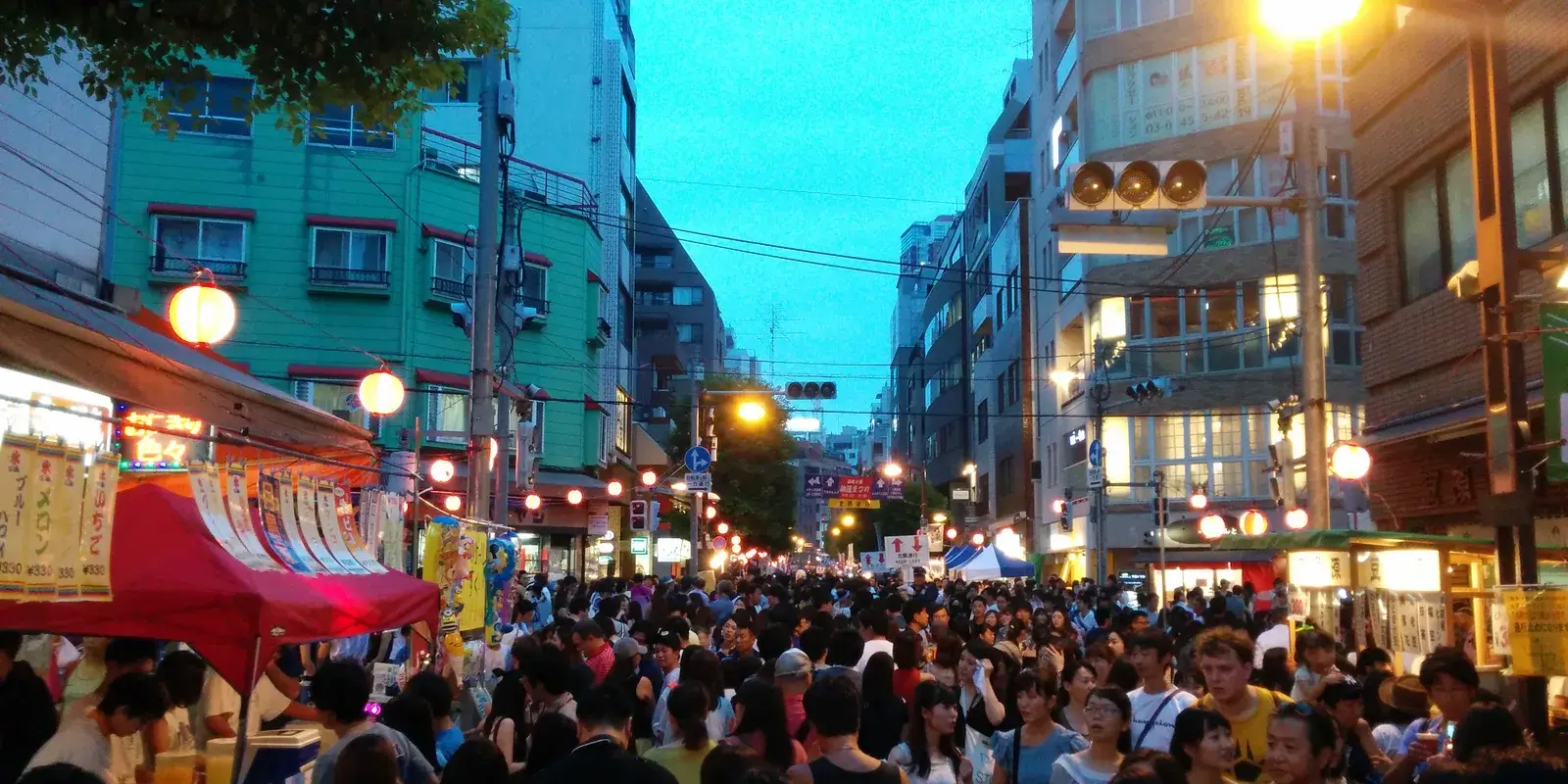
Do Japanese People Want to Meet You? What They're Too Shy to Say
What you'll learn in this article:
- What 400+ Japanese people said about connecting with foreigners, and why they freeze
- The government data showing 73.5% of Japanese people want to connect but lack "a place or opportunity"
- Why the "cold Japanese" perception is actually English anxiety in disguise
- Where friendships between Japanese people and foreigners actually begin
Here's something that might change how you see Japan: a Japanese man posted on an international forum saying, "I want to meet people from different backgrounds. But I have no idea how to reach you. It feels like we live in the same town but in parallel worlds."
That post got 243 upvotes, an extraordinary number for a forum where most posts get five.
If you've ever felt like Japanese people are polite but distant, like there's a wall you can't quite see, you're not imagining it. What most visitors never learn: they feel the same wall from the other side. And most of them wish it wasn't there.
We collected over 400 Japanese-language responses across seven angles of this topic, from "Are foreigners a burden?" to "What do you remember most about meeting one?", to find out what Japanese people actually think about connecting with you.
Quick Guide
| What You Might Think | What Japanese People Actually Said | |
|---|---|---|
| 🟢 Relax | "Japanese people are cold" | They're not cold, just nervous. 57% say they freeze because of English anxiety rather than disinterest. |
| 🟢 Relax | "I'll bother them if I approach" | 65% said interacting with a foreign tourist made them happy. You're an interesting encounter, not a burden. |
| 🟡 Good to know | "They switch to English on me" | They're trying to help, not telling you to stop. 70% of tourists find their English understandable; only 7.7% of Japanese people think so. |
| 🟡 Good to know | "I can't make real friends here" | 64% of Japanese people prefer "narrow and deep" friendships. It's not surface-level; it runs on a different clock. |
| 🟢 Relax | "They don't remember me" | Small moments stick for years. A "thank you" at checkout. Interest in their town. That's what they remember, more than your Japanese level. |
The one thing to remember: The wall between you and Japanese people is real, but it's thinner than you think. And it has a door on both sides. Most of the time, all it takes is a small gesture from either side. A smile. A "sumimasen." Showing up at a local festival. That's genuinely enough.
Do Japanese people actually want to meet foreigners? We read what 400+ Japanese people wrote and cross-referenced it with government data. The clear answer: 73.5% of those without foreign friends say the barrier is simply "no place or opportunity," not disinterest. 57% avoid approaching foreigners only because of English anxiety, and 65% felt happy after actually interacting with a tourist. The wall is real, but it has a door on both sides.
How We Gathered These Voices
We collected 400+ Japanese-language responses across seven aspects of cross-cultural connection: perceived coldness vs. shyness, the desire to connect, whether foreigners are a burden, the English-switch phenomenon, friendship depth, how friendships start, and what encounters are most memorable. We gathered these voices from public Japanese Q&A sites, forums, and social posts, along with reporting from Toyokeizai, Hint-Pot, BuzzFeed Japan, and SoraNews24.
We also drew on three institutional surveys: the Immigration Services Agency of Japan's coexistence survey (2023), the IIBC business communication survey (2024), and the Persol Research Institute's multicultural consciousness study (2020).
A quick note: This isn't a controlled scientific survey. It's a collection of what real Japanese people said in their own words, on public platforms. Combined with government data that confirms the patterns, it gives a picture that no travel guide has assembled before.
Not Cold, Just Nervous
This is the biggest misperception visitors have about Japan: that Japanese people are cold toward foreigners.
The reality, according to a 2024 business communication survey, is far more surprising: 65.2% of Japanese people have hesitated about whether to approach a foreign tourist who seemed to need help. The top reason wasn't disinterest. It was this:
"I have no confidence in my English ability." (57.0% of respondents)
Even among people who said they like English, 55.6% still wouldn't approach a struggling foreigner on the street. The desire to help is there. The confidence isn't.
外国人と目が合ったけど英語わからないから目逸らしちゃった…ごめんね本当は話したかったんだけど I made eye contact with a foreigner but looked away because I can't speak English… I'm sorry, I actually wanted to talk
外国人に道を聞かれてめっちゃ焦ったけど、「Red! Blue! Yellow! Left! Left!」って叫んでた自分がいた A foreigner asked me for directions and I panicked — I found myself shouting "Red! Blue! Yellow! Left! Left!"
外国人に道を聞かれると、一瞬ドキッとする。怖いんじゃなくて、英語で答えなきゃっていう緊張 When a foreigner asks me for directions, my heart jumps for a second. It's not fear — it's the tension of thinking "I have to answer in English"
There's even a well-known phenomenon that long-term foreign residents have documented: the "empty seat," where the seat next to a foreigner on a crowded train stays mysteriously vacant. It looks like avoidance. But multiple Japanese people have explained it the same way:
英語を話しかけられたらどうしよう、っていう緊張で隣に座れないだけ I just can't sit next to them because I'm nervous they might talk to me in English
The pattern is consistent across every source we found: what looks like coldness from the outside is anxiety from the inside. Japanese people aren't avoiding you. They're avoiding their own English.
💡 The key insight
What visitors read as coldness, Japanese people describe as nervousness. The desire to connect is there; it's the confidence that's missing. Understanding this changes every interaction you'll have in Japan.
The Parallel Worlds
A Japanese man posted this on an international forum:
日本人男性です。最近気づいたのですが、毎日多くの外国人を見かけるのに、彼らがどう暮らし、どんなコミュニティに属し、どうつながりを作っているのか全くわからない。同じ町にいるのに、別世界に住んでいるようです。 I'm a Japanese man. I recently realized that even though I see many foreigners every day, I have no idea how they live, what communities they belong to, or how they make connections. It feels like we live in the same town but in parallel worlds.
243 people upvoted this. In a forum where most posts get single digits.
The government data confirms this isn't just one person's feeling. It's structural. According to the Immigration Services Agency of Japan's 2023 coexistence survey:
- 49.8% of Japanese people have never interacted with a foreigner in daily life
- Among those without foreign contacts, 73.5% say the reason is "付き合う場やきっかけがないから": no place or opportunity to interact
- Only 15.5% said they "don't feel the need"
外国人の同僚とランチ行きたいんだけど、誘い方がわからなくて毎日一人で食べてる… I want to invite my foreign colleague to lunch, but I don't know how to ask, so I eat alone every day…
英語や海外が好きで外国人の友達になりたいけど、田舎で外国人がほとんどいない I love English and other cultures and want foreign friends, but I live in a rural area where there are almost no foreigners
外国人と多く交流できる所を探しています。でも迷惑にならないか不安で… I'm looking for places where I can interact with foreigners. But I'm worried about being a bother…
Read that last one again. Japanese people are worried about bothering you, the exact same fear you have about bothering them.
The Persol Research Institute's 2020 multicultural consciousness study adds another layer: 50.6% of Japanese people value opportunities to experience foreign cultures. The interest is there. The infrastructure isn't.
💡 The key insight
85% of Japanese people without foreign contacts would potentially want to connect. They just lack the mechanism. You're not being kept out. The door simply hasn't been built yet. Every small interaction you have is a brick in that door.
You're Not Bothering Them
If you've ever hesitated to ask a Japanese person for directions because you thought you'd be a nuisance, you're not alone. Most visitors feel this way.
Here's the data that should put that worry to rest: according to the IIBC survey (2024), 65.1% of Japanese people reported feeling happy after communicating with a foreign tourist. The most common descriptions: "Even my clumsy English got through and they thanked me with a smile." "I guided them to their destination and they were overjoyed."
駅で外国人に道聞かれてめっちゃ焦ったけど、なんか嬉しかった。選んでくれたんだなって A foreigner asked me for directions at the station and I panicked, but somehow I was happy. I felt chosen
出来ないながらも教えます。もしくは携帯使って一緒に調べます I try to help even though I can't speak well. Or I use my phone to look things up together
「すみません」と「ありがとう」だけでいい。その2つがあれば日本人は絶対に助ける Just "sumimasen" and "arigatou" are enough. With those two words, Japanese people will definitely help you
迷惑かどうかって聞かれたら、態度による。ニコニコしてる人なら全然迷惑じゃない If you ask whether it's a bother — it depends on attitude. Someone who's smiling is never a bother
There is a nuance worth knowing: the 25% who find it difficult are mostly service workers in heavily touristed areas dealing with communication challenges all day long. One izakaya worker wrote: "Ordering sometimes takes 10 minutes." But even they make an important distinction:
「負担」って聞かれたら、正直忙しい時はそう。でも「迷惑」とは違う。助けたい気持ちはある If you ask whether it's a "burden," honestly yes when I'm busy. But it's different from "annoying." I still want to help
In Japanese, there's a meaningful difference between 負担 (burden: a heavy load) and 迷惑 (nuisance: unwelcome trouble). Interaction can be a burden without being unwelcome. That distinction matters.
💡 The key insight
Both sides are frozen by the same fear, viewed from opposite sides of the glass. You worry: "Am I bothering them?" They worry: "Will my English be good enough?" A smile from either side is enough to break the ice.
The English Switch: A Misunderstanding Worth Knowing
You speak Japanese. The person in front of you replies in English. It stings. Many foreigners describe this moment as feeling like rejection: "stop trying, you don't belong."
But from the Japanese side, the intention is almost always the opposite.
外国人のお客さんが頑張って日本語で注文してくれたから、つい英語で返しちゃった。親切のつもりだったんだけど… A foreign customer worked hard to order in Japanese, so I instinctively replied in English. I meant it as kindness, but…
外国人を見る→パニック→英語に切り替え。反射的にやっちゃう See a foreigner → panic → switch to English. It's a reflex
There's a striking data gap at the heart of this misunderstanding: 70% of foreign tourists say they find Japanese people's English "easy to understand." But only 7.7% of Japanese people have confidence in their spoken English. The perception gap is enormous. This mirrors what we found in our article about trying to speak Japanese: both sides are nervous, both sides are trying. Japanese people switch to English thinking "I need to help this person." They don't realize that their effort to help is being read as "your Japanese isn't welcome here."
One story captures it perfectly: a foreigner who speaks fluent Japanese found that on the phone, people always assumed he was Japanese. In person, the same people would immediately switch to English. Same Japanese. Same fluency. The only difference was his face.
日本語で返事をすることは「あなたを受け入れている」というメッセージ。英語に切り替えることは「あなたはまだ外部の人」というメッセージ。どちらのメッセージを送りたいですか? Replying in Japanese sends the message "I accept you." Switching to English sends "you're still an outsider." Which message do you want to convey?
💡 The key insight
The English switch is a collision of good intentions. They're trying to help you; you're trying to connect. Neither side realizes the other's intention. If it happens to you, try gently continuing in Japanese. Most people are relieved when they realize they don't need to use English.
Slow Friendships, Deep Roots
If you've lived in Japan for a while, you may have thought: "Japanese people are polite, but I can never get past the surface." Long-term foreign residents say this a lot. One writer described it as: "It was easy to get into the doorway of Japanese friendships, but I never got very deep into the house."
Here's what the data says: 64% of Japanese people prefer "narrow and deep" friendships over "broad and shallow" ones. Among university students, that number rises to 83.4%.
自分のいいところ、悪いところ、全部ひっくるめて付き合ってくれているから Because they accept both my strengths and weaknesses — the whole package
広く浅い人間関係は自分が疲れてしまう Broad, shallow relationships exhaust me
Japanese friendships move through identifiable stages: hedatari (establishing boundaries), then gradual closeness through shared experiences, and finally najimi, a deep familiarity where barriers dissolve. The deepest form of friendship has a word: kenzoku (堅族). It literally means "family."
表面的な付き合いの段階を過ぎると、本音でダメ出ししたり、アドバイスをくれたりするようになる Once you pass the surface-level stage, they start giving honest criticism and advice
A French resident who spent eight years in Japan initially dismissed a Japanese man's invitation as empty courtesy. He was wrong:
一度打ち解けると、信じられないくらい優しくなる Once they open up, they become incredibly kind
And here's something that might be reassuring: Japanese people also struggle to make new friends as adults. Most of their close friends are still from school days. The slow pace isn't a foreigner-specific barrier. It's simply how Japanese friendship works for everyone.
日本人同士だって、大人になってから新しい友達を作るのは難しい。学生時代の友達がほとんど Even between Japanese people, making new friends as adults is hard. Most friends are from school days
💡 The key insight
Japanese friendship isn't shallow. It's architecturally different. It's optimized for trust and durability rather than speed and breadth. The entry feels slow, but once you're in, you're in. The word for the deepest friendship literally means "family."
Where It Actually Starts
So if Japanese people want to connect but freeze when it comes to cold approaches, where do friendships actually begin?
The government data has a clear answer. Among Japanese people who do have foreign friends, the most common context is the workplace (27.7%). But the broader pattern is more interesting: Japanese connections form through doing things together rather than through talking to strangers.
地元の祭りの片付けを手伝ってくれた外国人と連絡先交換した。そこから毎年一緒に参加してる I exchanged contact info with a foreigner who helped clean up at our local festival. We've participated together every year since
国を超えて人と繋がれること。言葉が違ってもすごく仲良くなるし、今でも連絡を取り続けている人がたくさんいます Being able to connect with people across borders — even with different languages, we became close friends, and I'm still in touch with many of them (Cooking class host)
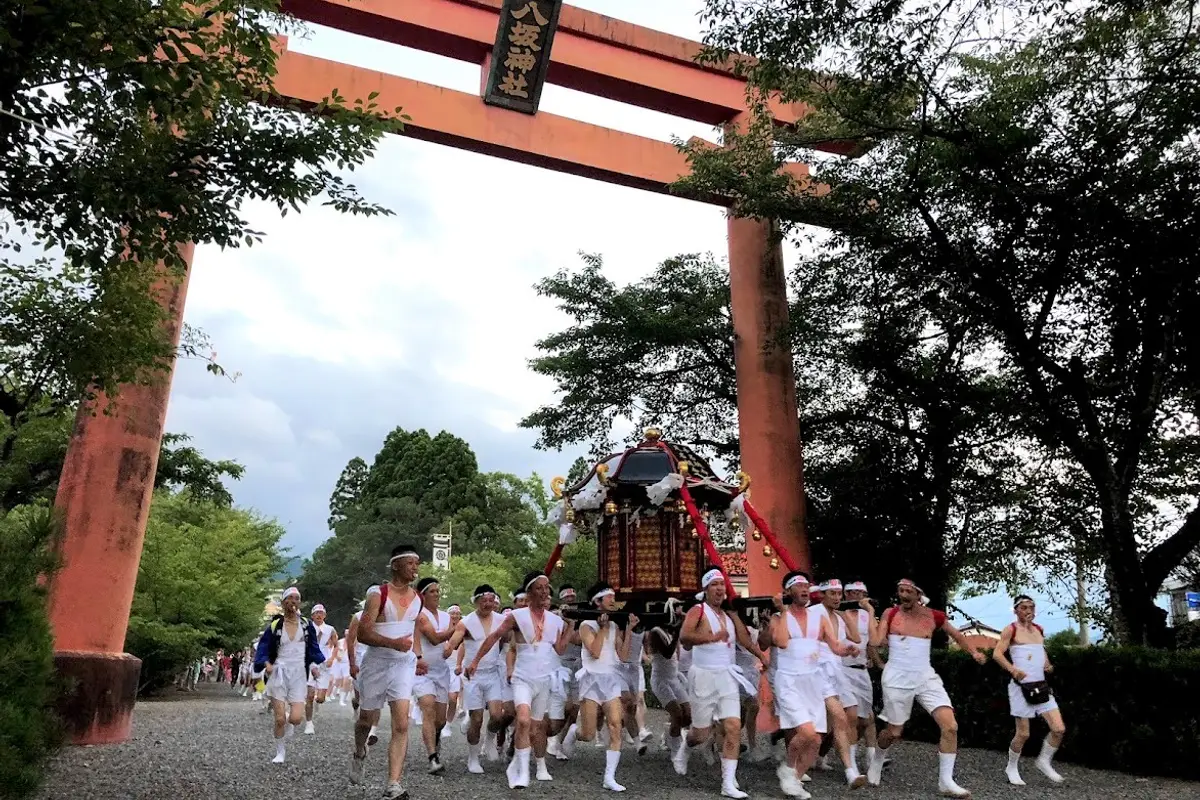
Festivals are particularly powerful. One foreigner was literally pushed into a group of mikoshi (portable shrine) bearers at a festival in Kawaguchi. The Japanese bearers were "kind and attentive." The writer called it "one of my fondest memories."
Standing bars (tachinomi) work through a different mechanism: physical proximity. Everyone stands close together, personal space disappears, and conversation happens naturally, a phenomenon we explore further in why Japan wraps around solo travelers. For a more structured form of group connection, karaoke in Japan offers one of the warmest settings for cross-cultural bonds to form: no language requirement, just a willingness to try. One visitor to a small bar in Miyazaki was immediately called over by the regulars and introduced to everyone present. The next evening, returning customers remembered him.
言葉が通じなくても人は繋がれる。職場の外国人と飲みに行った時、会話はお互いの母国語だったがまったく問題なし People can connect even without shared language. When I went drinking with foreign coworkers, we each spoke our native language and it was no problem at all
And here's a pattern worth knowing: becoming a regular is one of the most effective bridges. Staff and regulars at smaller bars memorize names and favorite orders within a few visits. Repeated presence builds the familiarity that Japanese people need before comfort sets in.
💡 The key insight
Japanese connection doesn't start with "Hi, I'm...". It starts with doing something side by side. Carry a festival float. Cook together. Help clean up. Sit at a counter bar and just be present. The conversation follows the activity rather than leading it.
What They Actually Remember About You
Here's the question that sits underneath everything else: Do Japanese people even remember meeting me?
The answer, based on everything we collected, is surprisingly specific. Japanese people don't remember your Japanese level. They don't remember how much you spent. They don't remember whether you bowed at the correct angle.
They remember how you made them feel.
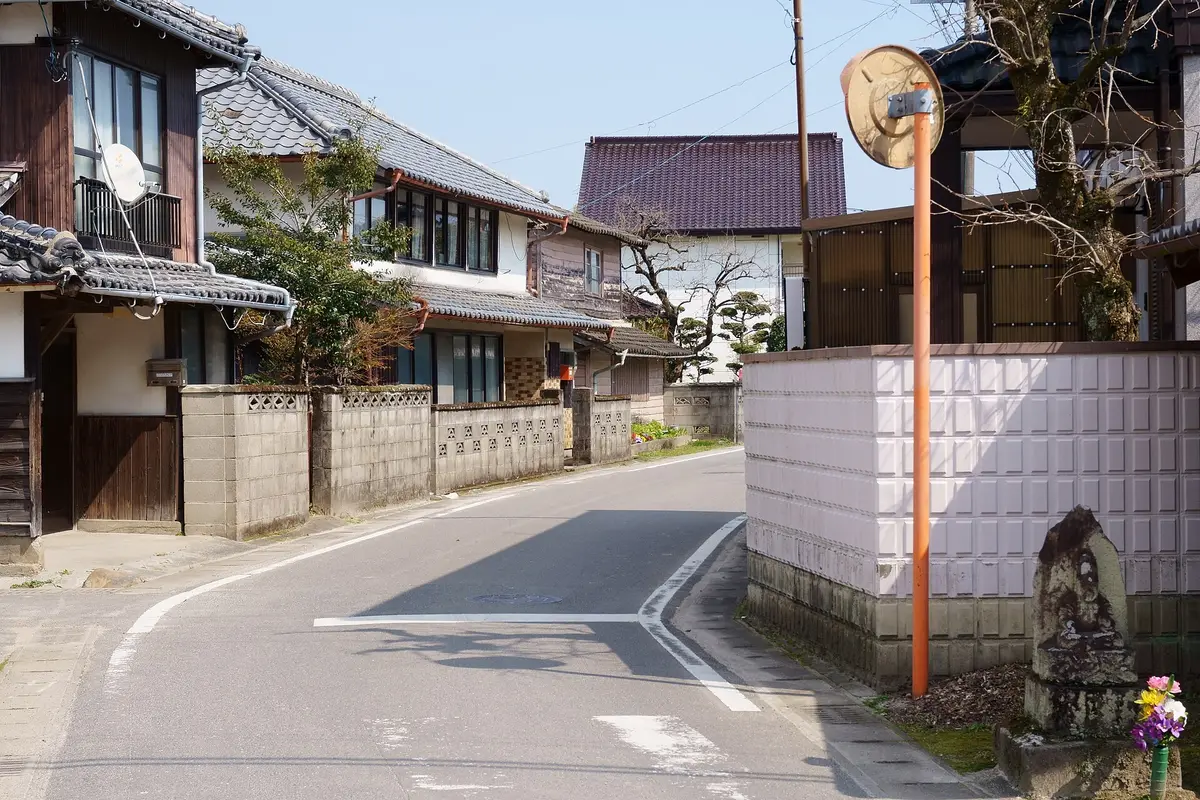
うちの田舎に来た外国人が「きれいな町ですね」って言ってくれて、もう3年経つけどまだ覚えてる A foreigner who visited our rural town said "What a beautiful town." It's been three years and I still remember
バス降りる時に「ありがとう」ってお辞儀してくれる外国人がいた。日本のマナーを知ってくれてるんだなって思うと、仕事の疲れが飛ぶ A foreigner bowed and said "arigatou" when getting off the bus. Knowing they've learned Japanese etiquette — that makes my work fatigue disappear (Bus driver)
ラーメン屋の常連の外国人が「ユデル時間変ワッタ?」って聞いてきた。「ありがとう」より深い愛を感じた A regular foreign customer at my ramen shop asked "Did the boiling time change?" in broken Japanese. I felt a deeper love than just "arigatou"
言葉は拙くても、その一言に笑顔が付いていたら、こちらも嬉しい気持ちになる。言葉って不思議ですね Even if the words are clumsy, when they come with a smile, it makes me happy too. Language is mysterious
The IIBC survey (2024) found that 77.6% of Japanese people expressed a desire to provide hospitality to foreign visitors. And among those who had actually interacted with tourists, 65.1% described the experience as positive. The most frequently cited moment: "When they greeted me in Japanese, that alone closed the distance."
What makes someone memorable versus forgettable breaks down into a clear hierarchy:
- Human warmth: a smile, eye contact, genuine appreciation
- Cultural effort: trying Japanese, a small bow, saying "itadakimasu"
- Interest in their world: asking about their town, their food, their work
- Reciprocal kindness: holding doors, offering to take photos, being patient
- Rule compliance: following queue etiquette, being quiet on trains (appreciated, but not memorable)
Notice what's at the top. Not perfection. Not fluency. Not spending money. Warmth.
💡 The key insight
You don't need to be perfect. You don't even need to speak the language. What stays in Japanese people's memories is simpler than that: Did you show warmth? A smile, a small effort, genuine interest: that's what they're still talking about years later.
The Wall Is Thinner Than You Think
Here's what the data tells us when you put it all together:
The wall is real. Nearly half of Japanese people have never interacted with a foreigner. The uchi/soto (inside/outside) social structure means foreigners start on the outside. Language anxiety freezes people in place. These are real barriers.
But the wall is not what you think it is. It's not built from dislike, or disinterest, or a desire to keep you out. It's built from:
- English anxiety (57%)
- Lack of opportunity (73.5%)
- A friendship style that starts slow by design (64% prefer "narrow and deep")
- A culture where approaching strangers feels inappropriate (even between Japanese people)
And the data reveals something that no travel guide mentions: the wall has a door on both sides, and both sides are waiting for the other to knock.
The Japanese man who wrote "parallel worlds" was the one knocking. The 243 people who upvoted him were saying: we hear you.
Every time you say "sumimasen" to ask for directions, you're knocking too. Every time you sit at a festival and help clean up. Every time you smile at someone on the train. Every time you say "kirei na machi desu ne" to someone in a small town.
And here's the part the data makes unmistakably clear: they remember when you knock.
Share Your Voice
Have you connected with Japanese people during your visit, or felt the "parallel worlds"? We'd love to hear your story.
Sources
Institutional Data
Immigration Services Agency of Japan: "外国人との共生に関する意識調査(日本人対象)" (FY2023, published March 2024)
- https://www.moj.go.jp/isa/support/coexistence/survey03.html
- Key data: 49.8% never interact with foreigners; 73.5% cite lack of opportunity
IIBC (International Business Communication Association): Foreign tourist interaction survey (2024, n=500, ages 20-50)
- https://www.iibc-global.org/iibc/press/2024/p272.html
- Key data: 65.2% hesitated to approach; 57.0% cite English anxiety; 65.1% felt happy after interaction; 77.6% want to provide hospitality
IIBC (via Ryugaku Press): English confidence survey (published January 2021)
- https://www.ryugakupress.com/english-6/
- Key data: 50.2% wouldn't approach a struggling foreigner; 57.0% cite lack of English confidence
Persol Research Institute: "多文化共生意識に関する定量調査" (FY2020, published March 2021)
- https://rc.persol-group.co.jp/thinktank/data/multicultural-consciousness.html
- Key data: 50.6% value experiencing foreign cultures
Speak Japan / Honichi Lab: Tourist-Japanese communication perception gap
- https://honichi.com/news/2025/04/09/speakjapan/
- Key data: 70% of tourists find Japanese English understandable; 7.7% of Japanese have English confidence
City Living Survey (April 2025, n=2,550): Friendship preference
- https://city.living.jp/common/ecology/1567849/
- Key data: 64% prefer "narrow and deep" friendships
Japanese-Language Sources
- Public Japanese Q&A sites, forums, and social posts: first-hand opinions on foreign interaction anxiety, friendship formation, language barriers, and memorable encounters
- Toyokeizai Online: "外国人観光客に『日本語』で話すとどうなるか" (https://toyokeizai.net/articles/-/303929)
- Hint-Pot: French resident 8-year friendship story (https://hint-pot.jp/archives/210287)
- BuzzFeed Japan: "Unforgettable memories in Japan" collection (https://www.buzzfeed.com/jp/kylaryan/japan-omoide)
- fundo.jp: Ramen shop regular story (https://fundo.jp/330767)
- Milltalk: International exchange benefits discussion (https://milltalk.jp/boards/14135)
- IU-Connect: Overcoming approach anxiety articles (https://iu-connect.com/)
- SoraNews24: "How to respond when Japanese people say 'I don't speak English'" (https://soranews24.com/2019/12/24/)
- NativeCamp Blog: "外国人に話しかけたいけど話しかけられない" stories
English-Language Sources
- GaijinPot: "How to Make Friends with Japanese People" (https://blog.gaijinpot.com/how-to-make-friends-with-japanese-people-in-japan/)
- GaijinPot: "The Gaijin Complex" (https://blog.gaijinpot.com/gaijin-complex/)
- Japan Expert Insights: "The Myth That Japanese Dislike Foreigners" (https://japanexpertinsights.com/the-myth-that-japanese-dislike-foreigners/)
- Abroad in Japan: "Making Friends in Japan" (https://www.abroadinjapan.com/content-300-making-friends-in-japan-my-experiences-and-tips)
- This Japanese Life: "Expat Friendships" (https://thisjapaneselife.org/2013/11/06/expat-friendships/)
- TOKI Tokyo: "Personal and Social Relationships" (https://www.toki.tokyo/blogt/2016/9/15/the-japanese-mind-personal-and-social-relationships)
- Medium/Japonica: "How to Really Make Friends in Japan" (https://medium.com/japonica-publication/how-to-really-make-friends-in-japan-37506da8576a)
- r/Tokyo: "I want to meet people from different backgrounds" post (243 upvotes, 134 comments)
Note on Quotations
Quotes from online platforms have been lightly edited for readability (fixing typos, formatting for clarity). The meaning and intent of each comment remain unchanged. Original sources are linked above.
This article is available in languages covering 95%+ of visitors to Japan (based on JNTO 2025 data). Need another language? Let us know through Voice Box.
WMJS is written in Japan, in English, with AI help. We check every page, but English is not our first language. If a sentence reads oddly, tell us. One sentence is enough.
Thank you. A person reads every note.
How well do you know Japan?
Built from 635 public posts by Japanese people
Want to know more? Ask Japanese people
Have a follow-up question about this topic? We'll ask real Japanese people.
Voice Box →