
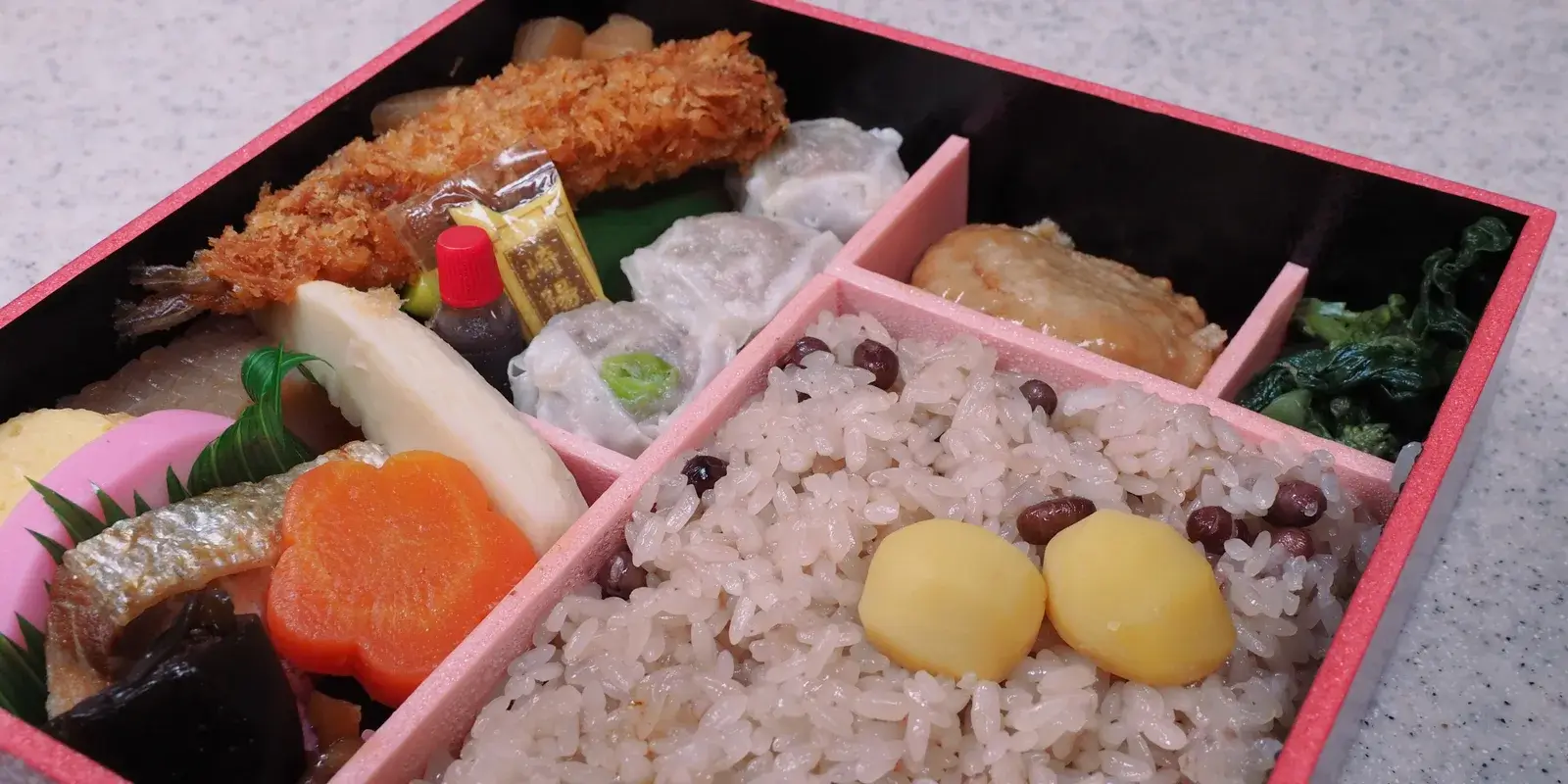
Can You Take Food Home in Japan? What Your Server Actually Thinks When You Ask
What you'll learn in this article:
- What 374 Japanese people said about taking food home from restaurants
- Why the "no doggy bags" myth is one of the internet's biggest Japan misconceptions
- The real reason some restaurants say no (hint: it's not about culture)
- A Japanese tradition called omiya that nobody told you about
Can you take food home from a Japanese restaurant? We collected 374 public posts by Japanese people, and the answer is clear: the real taboo is not taking food home: it is wasting it. Among 75 restaurant staff whose posts we read, 61% welcome or conditionally accept takeaway requests. Japan has a centuries-old tradition called omiya for wrapping leftovers, and four government ministries actively promote it through the mottECO campaign.
You've probably read it in a travel forum, maybe more than once: "In Japan, you should never ask to take food home. It's considered rude."
When Japanese people hear this, they laugh.
Not because the question is silly, but because the answer is so different from what the internet believes. The Japanese government actively promotes taking food home. Chain restaurants sell takeaway containers. And in Tokyo, wrapping up leftovers has a name that's been around for generations: omiya.
So where did the myth come from? And what do Japanese restaurant staff actually think when you ask?
We collected 374 Japanese-language voices from restaurant owners, kitchen staff, food loss experts, and everyday diners to find out.
Quick Guide
| Situation | What Japanese People Said | |
|---|---|---|
| 🟢 Go ahead | Regular restaurants, izakaya, Chinese restaurants | Just ask: "Mochikaeri dekimasu ka?" (Can I take this home?) Most will say yes, especially if it's not raw food. Some will give you a container; others may charge a small fee (10-20 yen). |
| 🟡 Good to know | High-end restaurants, kaiseki, sushi | It's worth asking, but some chefs prefer you don't, not because it's rude, but because the food won't taste the same later. If they say no, it's about their craft rather than about you. |
| 🔴 One real rule | Buffets and all-you-can-eat (tabehoudai) | Never take food from a buffet. This one actually is a rule, and Japanese people feel strongly about it. Order-based restaurants? Ask freely. Buffets? Absolutely not. |
The one thing to remember: The taboo in Japan isn't taking food home. The taboo is wasting food. If you ask to take leftovers home, many staff will see it as a sign that you valued their cooking enough to want to finish it later. That's a compliment: not an offense.
How We Gathered These Voices
We collected 374 Japanese-language responses across five topics: how restaurant staff feel about takeaway requests (75 responses), Japanese feelings about food waste (65 responses), the omiya takeaway tradition (75 responses), food safety concerns that explain refusals (75 responses), and generational differences in attitudes (84 responses).
We gathered these voices from public Japanese Q&A sites, forums, and social posts, along with Reddit's r/AskAJapanese, industry surveys (Cookbiz, USEN), government guidelines (Ministry of Health, Consumer Affairs Agency), and food loss expert publications.
A quick note: This isn't a controlled scientific survey. It's a collection of what real Japanese people said in their own words, on public platforms. Most English-language guides simply tell you "don't ask for a doggy bag." We wanted to show you what actually happens when you do, and why the myth exists in the first place.
Where the Myth Comes From
Before we look at the data, let's address the elephant in the room: why does half the internet believe that taking food home in Japan is taboo?
The answer turned out to be surprisingly simple. On Reddit's r/AskAJapanese, a Japanese user posted a thread titled "食べ残し持ち帰り" (Taking Leftover Food Home), specifically to ask other Japanese people whether the myth was true. Their reason?
JapanTravelTipsのサブでは、「日本で残り物を持ち帰るのはルール違反でタブーで絶対したらダメ!」ならしいです。ま、そんな間違えた情報が広がるのはレディットのあるあるなんですけど、あまりにも何人もの外国人が力強くそれを主張してるので、日本人の私まで「そんなルールだったのか!」と思ってしまいそうになってこちらで聞きました。 On the JapanTravelTips subreddit, apparently "taking leftovers home in Japan is against the rules, it's taboo, you should absolutely never do it!" So many foreigners said it so forcefully that even I — a Japanese person — almost started believing it. So I came here to ask.
The responses from Japanese people were unanimous: the myth is false.
Another commenter put it more sharply:
稀に貧乏くさいから持ち帰りなんてしないっていう現地人もいますが、そういう人達の感覚が勝手にアメリカ人が思うお上品なニッポンっていうファンタジーにうわ乗せされてる気がします Some Japanese people do think taking food home looks cheap — but I think that attitude gets layered on top of foreigners' fantasy of "refined Japan."
Meanwhile, the Japanese government tells a completely different story. In 2024, four ministries (the Ministry of Health, Labour and Welfare, the Consumer Affairs Agency, the Ministry of Agriculture, and the Ministry of the Environment) jointly published guidelines encouraging restaurants to offer takeaway under a "customer self-responsibility" framework. The campaign is called mottECO (a play on mottainai + eco).
So the internet says "never." The Japanese government says "please do." And Japanese people themselves say: "Wait, that was a rule?"
What Staff Actually Think When You Ask
Here's the question visitors are most nervous about: will the staff be offended?
We collected 75 responses from people who work or have worked in Japanese restaurants: owners, servers, kitchen staff, and hotel dining room workers. The results might surprise you.
The voices that welcomed takeaway were genuinely warm:
全然不快になんかならないです。けれど、お帰りの際に「お腹いっぱいになってしまって食べきれなくてごめんなさいね」とか仰ってくださるお客様がたまーにいらっしゃると、とても嬉しくなるものです。 Not offended at all. But when a customer says on their way out, "I'm sorry, I got too full and couldn't finish" — that actually makes us really happy.
One restaurant owner who runs multiple locations shared something that flips the narrative entirely:
何業態か飲食店を経営してます。食べ残しは逆に心配になりお声がけしてます・「お口に合いませんでしたか?」「なにか不具合ありましたか?」など I operate several restaurants. When customers leave food, we actually worry and ask them: "Was it not to your liking?" "Was something wrong?"
His follow-up:
笑顔 完食 おいしいね またきます は最高の褒め言葉ですので無理や辛いは心配になってしまいます A smile, a clean plate, "it was delicious," "we'll come again" — those are the best compliments. Struggling or looking uncomfortable just makes us worry.
In Osaka, the reaction can be even more enthusiastic:
大阪住んでた時居酒屋さんで食べきれなくて持ち帰りたいなって言ったら凄い喜んでお持ち帰りのタッパくれました。勿体無いから持ち帰ってまで食べてくれて嬉しいと。 When I lived in Osaka, I told an izakaya I couldn't finish and wanted to take it home. The staff was delighted — they gave me a container and said, "We're so happy you'd take it home rather than let it go to waste."
Some staff even anticipate the need:
女性一人で食事される方には定食など量が多いと前もって予測はできます。なのでうちではメニュー選びに困ってる方には最初に食べれなければお持ち帰り用のパックもご用意していますとご案内すると安心するそうです。 We can tell in advance that set meals might be too much for a woman dining alone. So we let customers know upfront: "If you can't finish, we have takeaway packs available." They seem relieved to hear it.
But there are honest counterpoints too. A high-end izakaya owner in Tokyo explained:
味が落ちる。来店したことない方に劣化した味で判断されたくない The flavor degrades. I don't want people who've never visited to judge my restaurant by food that's past its peak.
This isn't rudeness. It's craft pride. And a hotel restaurant worker offered the most surprisingly honest take:
正直なところ「食品を捨てるのになんの抵抗感はありません」 食べ残しだけでなく、不良品や作り過ぎ、諸事情で廃棄はどうしても出ますし、いちいち心を動かす余裕はないですよ。 Honestly, I don't feel any resistance to throwing food away. Between leftovers, defective items, and overproduction, waste is inevitable. We don't have the emotional bandwidth to care about each plate.
The takeaway: asking to take food home won't offend anyone. Some staff will be happy about it. Some will say yes with conditions. Some may decline, but when they do, it's almost always about food safety, not about you.
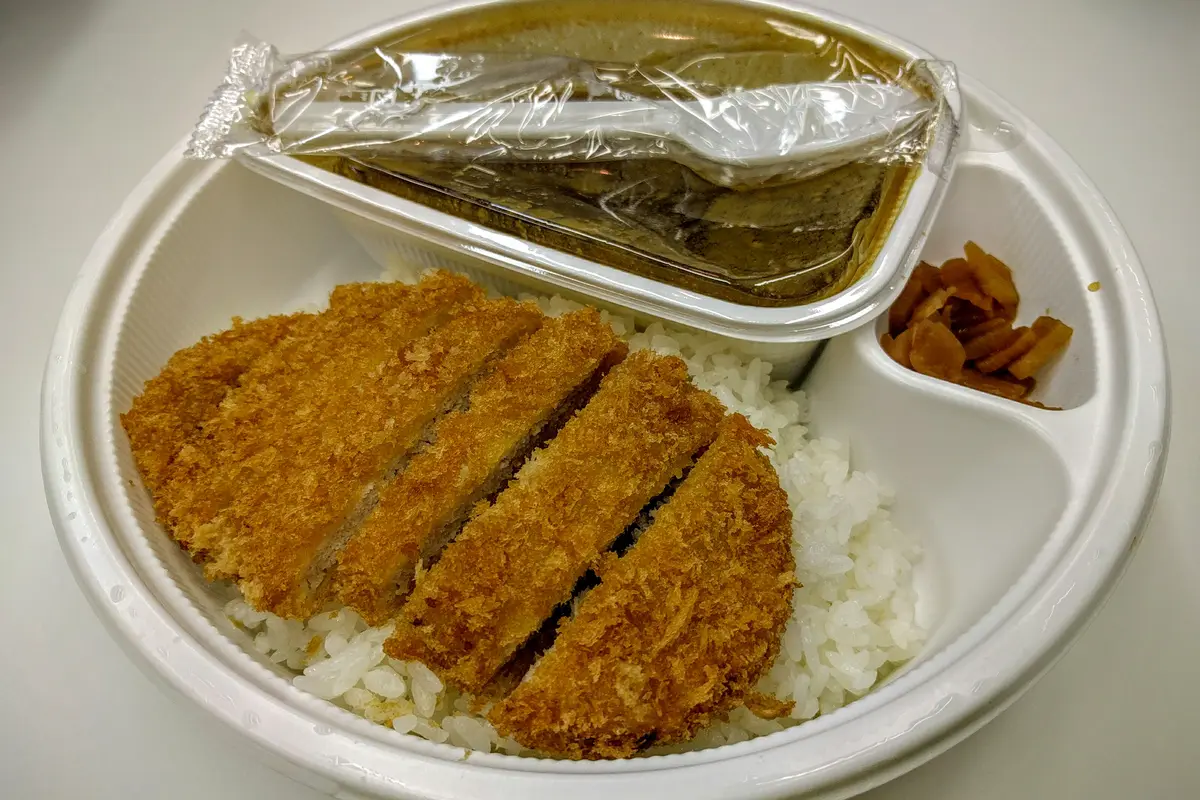
The Real Sensitivity: Wasting Food
If there's one thing you should know about food in Japan, it's this: the guilt about wasting food runs deep.
We collected 65 responses about how Japanese people feel about food waste. The emotional intensity was striking, far stronger than their feelings about takeaway requests.
Almost every Japanese person grows up hearing some version of this:
米粒残したら目が潰れる Leave a grain of rice and you'll go blind.
Or this:
お米には、お百姓さんの八十八の手間がかかっているよ Rice takes eighty-eight steps of a farmer's labor.
(The kanji for rice, 米, can be broken down into 八十八, or eighty-eight. It's a piece of cultural poetry that children learn at the dinner table.)
The guilt doesn't fade with age. Some voices were striking in their intensity:
捨てることへの罪悪感が強くあり、自分のうっかりミスで捨てなければならなくなった時には、どうして防げなかったのか?と自己嫌悪に陥る The guilt about throwing food away is so strong that when I have to discard something because of my own carelessness, I fall into self-loathing — why couldn't I have prevented it?
ある。絶対残さない。だから全然痩せない。 Yes, I have that guilt. I never leave anything. That's why I can never lose weight.
Even people who know the guilt is irrational can't shake it:
何でやろなぁ 別にお米に七人の神様がおるとか本気で信じてもないのになぁ I wonder why... It's not like I actually believe seven gods live in each grain of rice.
Here's where it gets interesting. One widely-upvoted answer captured a paradox that sits at the heart of this entire topic:
持ち帰りはお店の人に一声かけて、OKでしたらするといいでしょう。食べ物を残してお店の人に処分を頼むのは平気なのに、自分で持ち帰るほうが恥ずかしいと思うのは日本人の悪いところではないでしょうか Just ask the staff if you can take it home. Isn't it strange that we're perfectly fine asking staff to throw our food away, but we feel embarrassed about taking it home ourselves? That might be a bad habit of ours.
This is the key insight. Many Japanese people feel simultaneously:
- Deep guilt about wasting food (mottainai)
- Social embarrassment about being seen taking food home (looks cheap)
These two instincts directly contradict each other. And the voices show that people are aware of the contradiction, and frustrated by it.
The good news for visitors: when you ask to take food home, you're actually doing the thing that aligns with the deeper Japanese value. Taking food home = respecting the food = respecting the cook. The embarrassment factor is a surface-level social pressure that many Japanese people themselves think they should get over.
「残さず食べる」がやりたくてもできないのが辛い。持ち帰れたらどんなに楽か I want to finish everything but my body can't do it. If only I could take it home — what a relief that would be.
The Tradition Nobody Told You About
Here's something that might genuinely surprise you: Japan has had a word for taking restaurant food home since long before any travel blog existed.
In Tokyo, it's called omiya (おみや), originally from omiyage (souvenir/gift) and repurposed to mean "wrapping up leftovers to take home." Ask anyone over 60 in Tokyo and they'll likely know the term.
Of 75 voices we collected on this tradition, the results were overwhelmingly clear:
The myth-busting quote that started the Reddit thread:
タブーじゃないし(ちょっといい店で食べなかった皿をお土産に包んでもらうのは昔からあることだし、これを東京では「おみや」と呼びます)、むしろ最近は持ち帰り用の容器を10円とかで売るチェーンレストランがでてきたりで増えてると思います。 It's not taboo. Wrapping up uneaten dishes at a nice restaurant has been done forever — in Tokyo it's called "omiya." If anything, it's increasing: chain restaurants now sell takeaway containers for 10 yen or so.
The practice varies by region, cuisine, and setting:
沖縄では持ち帰るための箱を店がくれたりするのでダメとかないと思います。まぁ県外はわからないですけど In Okinawa, restaurants just give you boxes for takeaway. There's no "it's not allowed" thing here. I can't speak for the mainland, though.
中華や料亭のような多品種の料理が出てくる場合は、残りは持ち帰りで包んでもらうのが常識です。 At Chinese restaurants and ryotei where many dishes are served, taking home the leftovers is common sense.
And this one, which completely inverts the "high-end restaurants would never" assumption:
割と高額な料亭とかでもおにぎりにしてお持ち帰りしますか?って向こうから聞いてくれるよ。だからおかしくないと思う。 Even at fairly expensive ryotei, the staff asks "Shall we make onigiri for you to take home?" So I don't think it's strange at all.
Post-COVID, the practice has become even more mainstream. When delivery services like Uber Eats became widespread, restaurants invested in takeaway containers, and those containers are now available for dine-in leftovers too.
So why does a small minority (13%) still feel embarrassed? One voice captured it perfectly:
貧乏くさいなあ…と思ってしまう I can't help thinking it looks cheap...
This is real: some Japanese people do associate taking food home with looking frugal. But as the data shows, they're in the minority. And as we saw in the food waste section, many Japanese people themselves argue that this embarrassment is a social pressure worth overcoming.
Why Some Restaurants Say No
If the takeaway tradition exists and the government supports it, why do some restaurants still decline? The answer has nothing to do with culture, and everything to do with law.
We collected 75 responses about the food safety side of takeaway. The concern level was high:
A lawyer specializing in food service law explained the core issue:
お客との間で一切責任を負わないと約束したとしても、食中毒等が出てしまった場合には、食品衛生法上、お店は一切責任を負わないということにはならない Even if the customer agrees to take full responsibility, under the Food Sanitation Act, the restaurant cannot completely escape liability if food poisoning occurs.
This single legal fact explains almost everything. And the consequences aren't abstract:
食中毒が出たら店は営業停止。そのイメージがついたらそのまま潰れるかもしれん If food poisoning happens, the restaurant gets shut down. Once that reputation sticks, the business might never recover.
A former hotel worker revealed what happens behind the scenes when a guest asks:
衛生上のウンタラカンタラって言い訳して適当に断ってくれとの事でした。ちなみに衛生管理資格保持者の厨房のおばちゃんは対応してもいいけどキリないから忙しい時はイヤだなーって感じでした。 My boss told me: "Just make up some hygiene excuse and politely decline." The kitchen lady with the food safety certification said she'd be fine with it, but it's a hassle when they're busy.
There's also a strange logical contradiction that food loss expert Ide Rumi points out:
同じお店の「持ち帰りカウンター」では持ち帰りができるのに、イートインのところで食べ残したものは持ち帰りができないことです。同じ場所で同じように作った料理なのに At the same restaurant, the takeout counter sells food for takeaway — but food left over from dine-in can't go home. Same kitchen, same recipe.
And one more structural insight: even if a restaurant wanted to allow takeaway, making it work operationally is hard:
マニュアルが複雑過ぎると短時間で覚えられない。「これはOK、これはダメ、あれは…」などといちいち書くより「持ち帰りは一律禁止」 Complex rules can't be memorized by part-time staff in a short training period. It's easier to just say "no takeaway across the board."
What this means for you: If a restaurant says "sorry, we can't," don't take it personally. They're not judging you. They're navigating a legal system that makes even well-intentioned takeaway risky for them. A simple "wakarimashita" (understood) with a smile is the perfect response.
The Cultural Engine: Why Food Carries Weight
The mottainai spirit isn't just about food waste. It's part of a deeper relationship with food that shapes daily life in Japan.
Consider itadakimasu, the phrase said before every meal. It literally means "I humbly receive," an acknowledgment that the food required the labor of farmers, fishers, cooks, and the sacrifice of the ingredients themselves. And gochisousama, said after eating, literally means "it was a feast of running around," a thank-you for all the effort that went into the meal. (More about itadakimasu →)
When you understand this framework, taking food home isn't just "not rude." It's consistent with the values that itadakimasu represents. Wasting the food that someone prepared for you? That's the real disconnect.
This is also why the staff at a ryokan won't judge you for not finishing kaiseki: they'd rather you enjoy what you can than force yourself through twelve courses. And it's why Japanese people notice and appreciate when you say "gochisousama" on your way out of an izakaya: you're showing that you understood the exchange.
The One Real Rule
Let's be clear about the one place where taking food home is genuinely not OK: buffets and all-you-can-eat restaurants (tabehoudai / viking).
This came up repeatedly in the voices we collected, and the reaction was unambiguous:
そもそもバイキングで食べ物持ち帰っちゃダメでしょ。こういう人は常識が無い上、図々しいのも甚だしいといつも思います。 You obviously shouldn't take food home from a buffet. I always think people like that have no common sense and are incredibly brazen.
This was the highest-liked comment in the entire Reddit thread (11 upvotes). The distinction is simple:
- Order-based restaurants: You paid for specific dishes. Taking leftovers home = your food.
- Buffets: You paid for unlimited access on-site. Taking food out = breaking the deal.
If you're at a regular restaurant, izakaya, or Chinese restaurant: ask freely. If you're at a buffet: eat what you can and leave the rest.
How to Ask (It's Simpler Than You Think)
The practical phrase you need:
"Mochikaeri dekimasu ka?" (持ち帰りできますか?) Can I take this home?
That's it. If the restaurant can accommodate you, they'll likely offer a container or wrap it up. If they can't, they'll apologize, and now you know it's about food safety, not about you.
A few tips from the staff voices we collected:
- Avoid raw food. Sashimi and other raw items are the most common reason for refusal: they spoil fastest.
- Summer is trickier. Japan's heat and humidity accelerate spoilage. Staff are more cautious June through September.
- A word of apology helps. Several staff members said a customer adding "onakaippai de..." (I got too full...) with an apologetic smile makes the request feel natural.
- Some places charge for containers. Usually 10-20 yen. This is a standard fee, and it's not a penalty.
A Generational Shift in Progress
The relationship between Japanese people and food waste is changing, and it varies by generation.
We collected 84 voices on generational differences. The older generation carries memories of wartime scarcity:
昭和の時代の辛さが伝わってきてるのもあるよね。今95歳の祖母なんかは、本当に厳しかった The hardship of the Showa era gets passed down. My grandmother, who's 95 now, was incredibly strict about it.
That strictness sometimes crossed into harm:
保育園の頃体が小さかったのに残しちゃいけない教育のせいで完食するまで、後ろから口に食べ物を毎日詰め込まれてた In nursery school, I was small but the "finish everything" rule meant food was shoved into my mouth from behind every day.
The younger generation knows mottainai conceptually but experiences it differently:
罪悪感があるから、今の、給食でもなんでも「無理して食べない」っていう傾向に少しモヤモヤする I feel guilty about waste, so the modern trend of "don't force yourself to eat" makes me a little uneasy.
One voice captured the generational tension in a single sentence:
貧乏臭いのと、食べ物を大切にするのと紙一重 Looking cheap and valuing food are separated by a razor-thin line.
And a voice from Okinawa cut through the generational debate entirely:
沖縄では普通のことです。食堂では大盛りがデフォで必ず持ち帰り用の折り詰めがあります。残す方が心苦しいです In Okinawa it's completely normal. Restaurants serve huge portions by default and always have takeaway boxes. Leaving food feels worse.
The cultural reference that bridges all generations: in 1982, Japan's Ad Council ran a famous public service campaign featuring mottainai obake, the "waste ghost" that haunts children who don't finish their food. Decades later, the character is still referenced:
もったいないおばけが出るぞって言われた They told me "the mottainai ghost will come!"
The ghost may be a children's story, but the feeling it represents (that wasting food is a kind of betrayal) is very much alive across all generations. What's changing is how that feeling is expressed: from forced completion to voluntary conservation.
Share Your Experience
Have you ever asked to take food home at a Japanese restaurant? Were you nervous about it? Or did it go better than expected?
We'd love to hear your story.
Sources
Online Communities
- Public Japanese Q&A sites, forums, and social posts: first-hand opinions on takeaway etiquette, food waste guilt, restaurant staff perspectives, the omiya tradition, mottECO, and generational differences
- Reddit r/AskAJapanese: "食べ残し持ち帰り" thread (36 comments)
Government Sources
- Ministry of Health, Labour and Welfare: Joint guideline on takeaway leftovers (2024)
- Consumer Affairs Agency: Food loss reduction promotion materials
- Ministry of the Environment: mottECO campaign
Industry Sources
- Cookbiz: Restaurant staff survey on takeaway attitudes
- USEN canaeru: Food service industry analysis
- Nexill & Partners Law Office: Legal analysis of takeaway liability under Food Sanitation Act
Books and Expert Publications
- Ide Rumi: Food Loss Challenge (Gentosha), food waste expert analysis
Note on Quotations
Quotes from online platforms have been lightly edited for readability (fixing typos, formatting for clarity). The meaning and intent of each comment remain unchanged. Original sources are linked above.
This article is available in languages covering 95%+ of visitors to Japan (based on JNTO 2025 data). Need another language? Let us know through Voice Box.
WMJS is written in Japan, in English, with AI help. We check every page, but English is not our first language. If a sentence reads oddly, tell us. One sentence is enough.
Thank you. A person reads every note.
How well do you know Japan?
Built from 635 public posts by Japanese people
Want to know more? Ask Japanese people
Have a follow-up question about this topic? We'll ask real Japanese people.
Voice Box →