
What to Wear in Japan: What Japanese People Actually Notice (And What They Don't)
What you'll learn in this article:
- What 385 Japanese people said about tourist clothing across five specific situations
- Why your biggest fashion worry is probably the wrong one
- The one Japanese concept (TPO) that makes everything click
What should you wear in Japan? We collected 385 public posts by Japanese people about five clothing situations. In four out of five, they genuinely don't mind what you wear. 48% said they don't care about casual clothing at all. The one concept that covers everything is TPO (Time, Place, Occasion): read the setting, not a dress code. Some Japanese people even envy the freedom visitors have to dress casually.
If you've spent any time planning a trip to Japan, you've probably Googled "what to wear in Japan" at least once. And you've probably found articles telling you to "dress modestly," "cover your shoulders," and "avoid standing out."
So we went straight to the source and read 385 public posts by Japanese people about foreign visitors' clothing. The gap between what travel guides say and what Japanese people feel is enormous. In four out of five situations, Japanese people genuinely don't mind what you wear. In one situation, a little awareness goes a long way.
And there's a detail that might surprise you: some Japanese people actually envy the freedom visitors have to dress however they want.
Quick Guide
| Situation | What Japanese People Said | |
|---|---|---|
| 🟢 Relax | Shorts, tank tops, sandals | 48% said they don't care at all. "Nobody bats an eye in Tokyo." Several admitted they wish they could dress that casually too. |
| 🟢 Relax | Rental kimono | 65% said they're genuinely happy to see it. "Our identity doesn't waver just because foreigners wear kimono." Cultural appropriation is not a Japanese concern. |
| 🟢 Relax | Anime T-shirts | 55% find it charming or want to talk to you about it. Ironically, it's more socially accepted for foreigners than for Japanese adults. |
| 🟡 Good to know | Restaurant dress code | 57% said "it depends on the restaurant." Izakayas and ramen shops: anything goes. If the restaurant requires a reservation, consider dressing up a notch. |
| 🔴 Worth noting | Rural areas and sacred spaces | 65% expressed some concern, but it's mostly about safety (bugs, sunburn, terrain) and respect for the setting rather than personal judgment. |
The one thing to remember: Japanese people use a concept called TPO: Time, Place, Occasion. It's not about what you wear, it's about reading the setting. Get that right, and you're golden.
How We Gathered These Voices
We collected 385 Japanese-language responses across six clothing-related topics: casual clothing comfort (63 responses), kimono rental by foreigners (55 responses), anime fashion (67 responses), restaurant dress codes (65 responses), rural and sacred space attire (65 responses), and generational attitudes toward clothing (70 responses). Sources include public Japanese Q&A sites, forums, and social posts, along with articles from Fujinkoron, Hint-Pot, Gendai Business, and other Japanese media.
A quick note: This isn't a controlled scientific survey. It's a collection of what real Japanese people said in their own words, in their own language, on public platforms. Most English-language guides tell you what to wear. We wanted to show you what Japanese people actually feel, and how much of your clothing anxiety is probably unnecessary.
The Biggest Surprise: Some Japanese People Envy Your Freedom
Before we get into the data, here's something we didn't expect to find.
Multiple Japanese voices expressed something surprising: not judgment toward casually dressed visitors, but envy.
確かに今日はあたたかい。目の前に半袖短パンビーチサンダルの海外ニキが座っている。私もそこまでいかずともそういう服を着たい。まわりの目を気にしてコートを着て汗をかいている。 It's warm today. Across from me sits a foreign guy in a t-shirt, shorts, and flip-flops. I want to dress like that too. But I'm sweating in my coat because I'm worried about what people around me think.
日本だと、あの年齢・体形であの格好?などと、他人を馬鹿にしたり、笑い者にする人が異常に多いので、人の目を気にして、季節に合った服装もできないのではないでしょうか。 In Japan, there are so many people who mock others with "that outfit at their age? with that body?" that people can't even dress for the weather because they're worried about being judged.
Japan has a concept called seikaikōde ("correct outfit"). The idea that there's a right and wrong answer to what you wear in any given situation. Many Japanese people, especially younger ones, find this exhausting:
平均寿命86歳だよ!20代前半で好きな服着れなくなったら、60年も他人に気を使った服着ないとダメなの!? Life expectancy is 86! If you can't wear what you want after your early 20s, do you have to spend 60 years dressing for other people!?
So when you walk through Tokyo in shorts and a tank top, some Japanese people aren't thinking "how inappropriate." They're thinking "I wish I could do that."
What Actually Matters: The Temperature Gauge
Not every clothing choice carries the same weight. Some things are totally fine. Some require a little awareness. And one situation genuinely benefits from a bit of thought. Here's what Japanese people wrote in those 385 posts.
🟢 Casual Clothing: Shorts, Tank Tops, Sandals
The honest answer: in most of Japan, nobody cares.
Of 63 responses about casual tourist clothing, nearly half were positive and a further third were neutral. Only 11% expressed any concern at all.
どんなファッションでも誰も気にしないのが東京です!外国人はTシャツ短パンサンダルにでかいリュックとかでハイブランド店に入っていくし笑。 Nobody cares what you wear in Tokyo! Foreigners walk into luxury brand stores in t-shirts, shorts, sandals, and big backpacks.
スルー力が高い。見なくていいものを見ない。 Japanese people have strong "suruu-ryoku" — the power to not see what doesn't need to be seen.
That last concept (suruu-ryoku) is worth knowing. Even when Japanese people notice something unusual, the cultural default is to simply not react. You're more likely to be politely ignored than judged.
The 14% who expressed concern focused on one thing: not the clothing itself, but the setting.
常識的な服装してほしい。電車の中でタンクトップで胸見えそうなのとか。 I wish people would dress sensibly. Like tank tops on the train where you can almost see everything.
The pattern: in tourist areas, shopping districts, and most public spaces, casual is completely fine. The small exception is enclosed spaces (packed trains, formal restaurants) where very revealing clothing may draw some looks.
💡 The hidden truth
Japanese people don't judge your shorts. Many of them wish they could wear shorts too, but their own social pressure stops them. Your casual outfit isn't a problem; it's a small act of freedom they admire from a distance.
🟢 Rental Kimono: The "Cultural Appropriation" Gap
If you're worried about cultural appropriation, here's the clearest data point in this article: Japanese people love it when foreigners wear kimono.
This was the most overwhelmingly positive topic in our entire dataset. Of 55 responses about foreign visitors wearing rental kimono:
大歓迎。涙が出るほどうれしい。 Wholeheartedly welcome. It makes me so happy I could cry.
ヤバイ なんか海外の人が笑顔で日本の文化とかに触れ合ってくれて、笑顔になってくれるだけで込み上げてきてボロ泣きや Oh man... seeing foreigners happily engaging with Japanese culture, just seeing them smile is enough to move me to tears.
The "cultural appropriation" debate that runs hot in Western countries barely registers in Japan. Multiple voices addressed this directly:
自分たちは洋服を着るのに外国人が着物を着るのを怒るのは違うと思うから怒らない。 We wear Western clothes ourselves, so getting angry at foreigners wearing kimono would be hypocritical. That's why I don't get angry.
外国人が着物を来たくらいでアイデンティティがゆらいだりしない。 Our identity doesn't waver just because foreigners wear kimono.
So what does the 15% concern look like? It's almost entirely about how you wear it rather than whether you should:
着物を着るなら、立ち居振る舞いが大事。この座り方やつり革のつかみ方は本当に品がない。きれいな着物を台無しにしている。 If you're going to wear kimono, deportment matters. This posture and how she holds the strap lack refinement. It ruins the beautiful kimono.
In other words: the concern isn't "don't wear our culture." It's "the kimono is beautiful, so wear it beautifully." And even then, most Japanese people who notice a foreigner in a slightly disheveled kimono feel something closer to fondness than frustration:
海外在住で十数年住んでいます。着こなしうんぬんを言い出せば確かに帯の位置とか全体的に少しオカシイですけど。それはそれとして、良いと思います。 I've lived overseas for over 10 years. If we're going to talk about styling, the obi position and overall look might be a little off. But that aside, I think it's good.
💡 Wear the kimono
The "cultural appropriation" anxiety is a Western conversation. In Japan, wearing kimono is seen as a compliment to the culture. Rent one, enjoy it, and don't worry about getting every fold perfect. The effort itself is what Japanese people notice and appreciate. For the full answer, see our dedicated article on whether it's cultural appropriation to wear a kimono.
🟢 Anime T-Shirts: The "Foreigner Exception"
Here's an irony: wearing an anime T-shirt in Japan is more socially acceptable if you're a foreigner than if you're a Japanese adult.
Of 67 responses about foreign visitors wearing anime shirts:
このTシャツきてる旅行客に悪い人はいない。 No tourist wearing this T-shirt is a bad person.
外国の人にとって日本=アニメというよりも、アニメが好きだから日本を知ったといったケースが大多数。Tシャツを着ているほどですから熱狂的な「信者」ともいえる人が多い。 For most foreigners, it's not "Japan = anime" — they discovered Japan BECAUSE they loved anime. People who wear the T-shirt are usually passionate devotees.
The cultural double standard is fascinating. In Japan, wearing anime merchandise as an adult still carries a mild otaku (nerd) stigma, though this has been shifting since the mid-2010s:
海外ではアニメ=オタクではなくアニメ=日本文化という捉え方が主流。日本ではアニメTシャツというと恥ずかしいイメージを持つ人もいるが、海外では堂々と着られる。 Overseas, anime isn't seen as "otaku" but as "Japanese culture." In Japan, some people find anime T-shirts embarrassing, but abroad they're worn with pride.
Even the negative voices came wrapped in acceptance:
はいダサいです。けどそう思われても着たいならそれはもちろん自由です。 Yes, it's uncool. But if you want to wear it despite that, of course you're free to.
One practical note: Several voices mentioned that the only anime clothing that genuinely draws uncomfortable looks is sexually explicit designs. Standard character T-shirts (Dragon Ball, One Piece, Naruto, Studio Ghibli) are universally seen as either charming or unremarkable.
💡 Wear what you love
Your anime T-shirt isn't embarrassing in Japan. It's endearing. Many Japanese people feel a quiet pride when they see their pop culture loved by visitors. Some will even want to talk to you about it.
🟡 Restaurant Dress Code: The TPO Gradient
This is where things get more nuanced, and where one simple rule saves you all the worry.
Of 65 responses about tourist clothing at restaurants, the majority landed squarely in "it depends" territory:
The data reveals a clear gradient:
| Venue type | Dress expectation |
|---|---|
| Convenience stores, ramen shops, fast food | Anything goes. Nobody looks twice. |
| Izakayas, casual restaurants, chain eateries | T-shirt and shorts are completely fine. |
| Mid-range restaurants, sushi bars | Clean casual is appreciated. |
| Hotel restaurants, fine dining, Ginza | Smart casual or above. |
A Ginza sushi chef with 31 years of experience put it perfectly:
短パンやTシャツ、サンダルなどでの来店は避けた方がいいですね。理由は周りに対する配慮です。ただ、入店を断ることはありません。 I'd prefer guests avoid shorts, T-shirts, and sandals. The reason is consideration for the other diners. But we would never turn someone away.
That last sentence is key. The omotenashi (hospitality) ethic means that even restaurants with unwritten dress codes will almost always welcome you; they just might privately wish you'd dressed up a touch.
The one rule you need:
予約が必要なレストランはドレスコードがある可能性が高い。予約なしで入れるお店はたいていカジュアルでOK。 If a restaurant requires a reservation, there's a good chance it has a dress code. Walk-in restaurants are almost always casual-OK.
And here's something reassuring: Japanese people worry about restaurant dress codes too.
手持ちの服やカバンがみすぼらしくないかな…と不安になる。「洋服は?靴は?バッグはこれで大丈夫かな?」とその他諸々まで気を使わなきゃいけない。 I worry whether my clothes and bag look shabby... "Are these clothes OK? These shoes? Is this bag acceptable?" You have to think about so many things.
You're not alone in this anxiety. Even locals find it stressful.
There are also resources to help: if you're curious about izakaya culture and what to expect, we've written a separate deep-dive into that experience.
💡 The reservation rule
If a restaurant requires a reservation, bring your best casual outfit. If you can walk in off the street, wear whatever you want. That single rule covers 95% of dining situations in Japan.
🔴 Rural Areas and Sacred Spaces: Where a Little Awareness Helps
This is the one area where Japanese people genuinely notice, and it's mostly about your safety, not their judgment.
Of 65 responses about tourist clothing in rural areas and onsen towns, the temperature runs noticeably warmer than everywhere else:
A Kumano Kodo trail guide explained:
できれば肌の露出はやめてほしいですね。蛇やハチ、アブといった人間に危害を加える恐れのあるやつらが古道にはいるということ。 I'd prefer they don't expose skin. There are snakes, bees, and horseflies on the ancient trail that can harm people.
会うたびに彼女たちの肌が徐々に赤くなっていき、本宮大社到着時にはゆでダコ状態に。 Every time I saw them, their skin was getting redder, and by the time they reached Hongu Taisha, they were boiled-lobster red.
In onsen towns, the dynamic is different but related. These are small communities where most visitors (Japanese and foreign alike) walk around in yukata (light cotton robes). Showing up in very casual Western clothing doesn't offend anyone, but it does stand out in a way that it simply wouldn't in Tokyo.
茶会や成人式にジャージで行ったりする人がいないように、その場所に行くなら、それなりに着るべき服装というものがあり、理由もあります。 Just as nobody goes to a tea ceremony or Coming of Age Day in a tracksuit, there are appropriate clothes for certain places — and there are reasons for it.
But even here, Japanese people can find inspiration in visitor confidence:
彼らは好き勝手にラフな格好をしているだけです。でもそれが『他人に左右されず、好きな服を着ればいい』というメッセージに感じるのです。 They're just wearing whatever casual clothes they like. But it feels like a message saying: "Don't let others dictate what you wear."
And one story captured the perfect balance:
ブロンドヘアの外国人女性がタンクトップに短パン、裸足にサンダルというラフな装いで訪れたものの、玄関でサンダルを脱ぐ際に白い靴下をバッグから取り出して履いた。 A blonde foreign woman arrived in a tank top, shorts, and sandals on bare feet — but when taking off her sandals at the entrance, she pulled out white socks from her bag and put them on.
Casual clothing, but cultural awareness. The two are not mutually exclusive.
Practical tips for rural Japan and sacred sites:
- Carry a light layer (cardigan, overshirt) for temple and shrine visits, though 68% of Japanese people said casual clothes are fine there too
- In onsen towns, consider renting a yukata from your ryokan: it's part of the experience
- On hiking trails, long sleeves protect against sun and insects regardless of cultural expectations
- Removing your shoes matters far more than what's above your ankles
💡 Pack a light layer
A single cardigan or button-up shirt in your day bag handles every rural Japan situation. It's not about hiding yourself; it's about being comfortable on mountain trails, protected from sun, and blending into the yukata-clad rhythm of onsen towns.
The Generation Gap: It's Real, But Not What You'd Expect
Across all topics, one pattern kept emerging: age matters.
Of 70 responses specifically about generational differences in clothing attitudes:
The generational split is real:
ホットパンツにTシャツを着ていたところ、もうすぐ70歳になる叔父に「それは(下着の)パンツか」と言われた。 I was wearing hot pants and a T-shirt when my nearly-70-year-old uncle asked, "Are those underwear?"
Younger Japanese people tend to see clothing as personal expression and find Japan's norms restrictive. Older generations tend to view clothing through the lens of TPO and social consideration. But here's the critical nuance for visitors:
身内(同じ民族間)に対する態度の方が厳しい傾向にある。 Japanese people tend to be stricter about clothing within their own group than toward foreigners.
In other words: even the more conservative older generation holds foreign visitors to a lower standard than they hold fellow Japanese. The clothing rules that Japanese people enforce on each other don't fully apply to you.
Why This All Works the Way It Does
Japan has a cultural concept that explains almost everything in this article: TPO, Time, Place, Occasion.
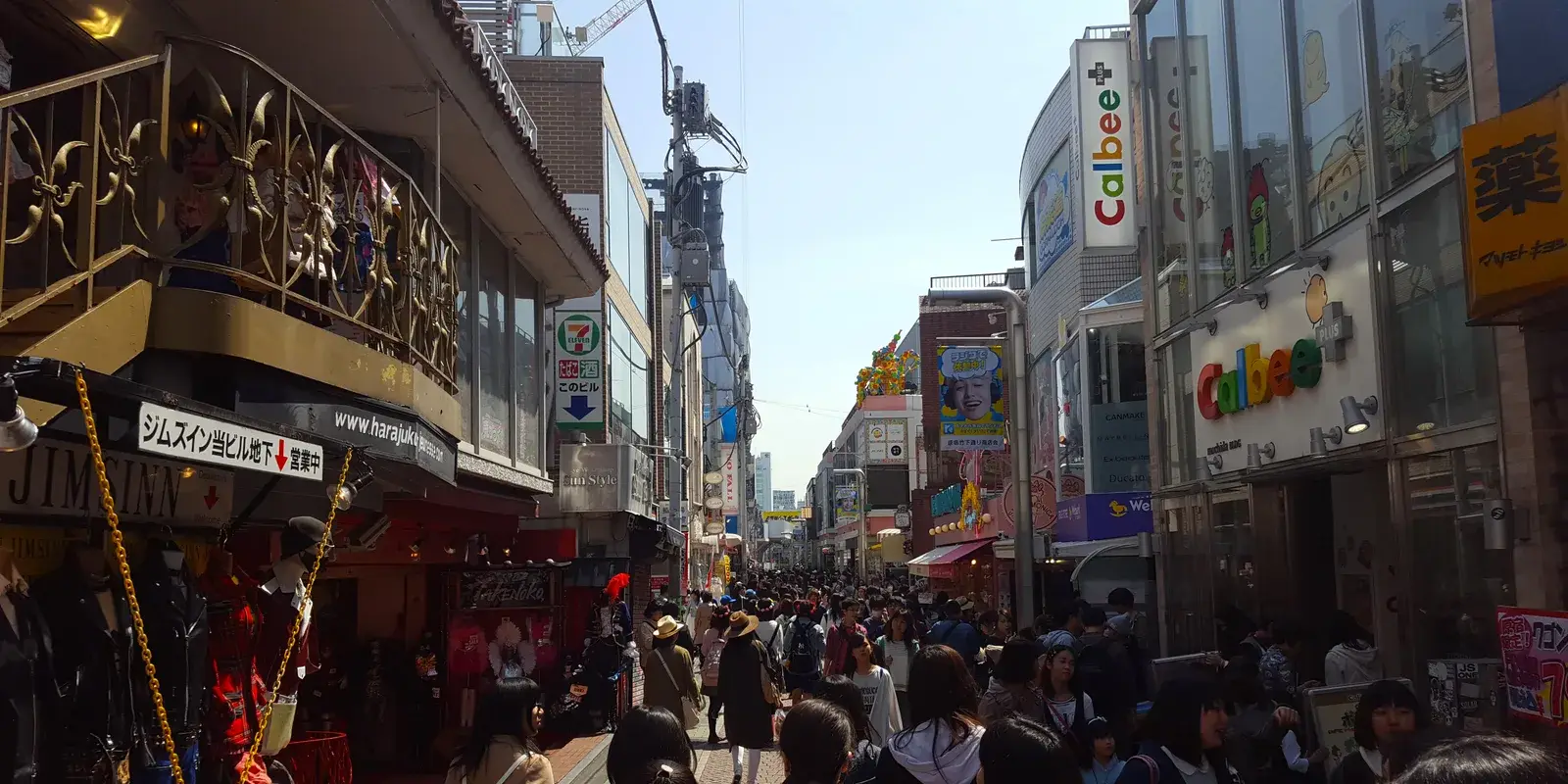
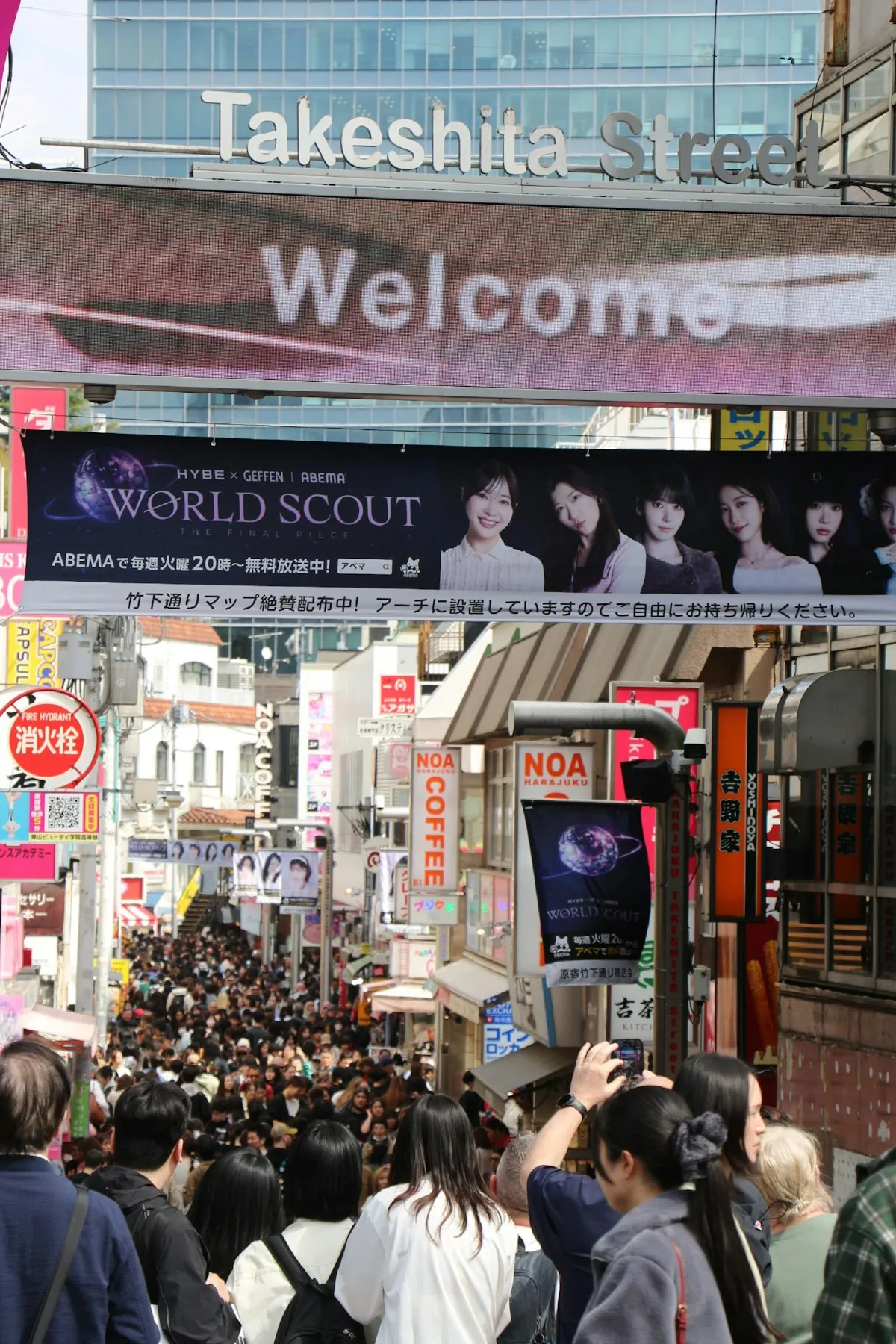
It's not that Japanese people are obsessed with clothing rules. It's that they're attuned to context. The same outfit that's perfectly fine on Takeshita Street in Harajuku might feel slightly out of place at a traditional ryokan, less because of a rule against it than because the air of the place is different.
This connects to a deeper cultural thread: kakusu bi, the beauty of concealment.
文化です。日本人の持つ「隠す美」「体型が見える服は野暮」という感覚は、アジア圏以外の国で通用しません。海外は体型を見せる服は大人の服装、ゆるっとした体型を隠す服やモコモコした服は子供っぽくて恥ずかしい服装、という印象を与えます。 It's cultural. The Japanese sense of "beauty in concealment" — that body-revealing clothes are uncouth — doesn't translate outside Asia. Abroad, showing your figure is adult dressing, while loose, concealing clothes seem childish.
This is a genuine cultural inversion: in Japan, covering up signals maturity; in many Western countries, covering up signals frumpiness. Neither is right or wrong; they're just different cultural defaults.
Understanding this helps explain why you might feel slightly self-conscious in shorts in rural Japan, even though nobody says anything to you. The cultural background music is different there. But it also explains why nobody in Tokyo gives you a second look: in a city of 14 million people, suruu-ryoku (the power to not see) is a survival skill.
More Japanese Perspectives
If you're curious about specific situations mentioned in this article:
- Visiting Temples and Shrines: 68% of Japanese people said casual clothes are completely fine. "Your clothes aren't the ones praying."
- Is It Cultural Appropriation to Wear a Kimono?: The dedicated deep-dive on whether wearing a kimono is appropriation, with 70+ Japanese voices on the question.
- Staying at a Ryokan: Everything you need to know about yukata, slippers, and the beautiful ritual of Japanese inn culture.
- Why Removing Shoes Makes Japanese People Smile: What happens below your ankles matters far more than what happens above.
- Onsen and Tattoos: If you're worried about tattoos showing through your clothes, this article covers what's actually changing.
- Your First Izakaya: Where shorts and T-shirts are always welcome, and other things to know.
Share Your Experience
Have you ever worried about what to wear somewhere in Japan, and then realized it was completely fine? Or did you have a moment where you wished you'd dressed differently?
Sources
Online Communities and Q&A Platforms
- Public Japanese Q&A sites, forums, and social posts: first-hand opinions on casual tourist clothing, kimono rental by foreigners, anime fashion, restaurant dress codes (including one poster's rule of thumb quoted in-article that a restaurant that requires a reservation is more likely to have a dress code), rural and sacred-space attire, and generational clothing attitudes
Media Articles
- Fujinkoron (婦人公論), Yamazaki Mari: "My Italian husband wears a pressed shirt even in the jungle"
- Hint-Pot: Foreign tourists' clothing, what Japanese people actually think
- Gendai Business (現代ビジネス): Why Japanese clothing norms are shifting across generations
- Nikkan SPA!: Ginza sushi chef on restaurant dress codes for foreign guests
- LIMO: Japanese fashion norms in international context, the "beauty of concealment"
- Record China: Cross-cultural perception of tourist clothing in Japan
Note on Quotations
Quotes from online platforms have been lightly edited for readability (fixing typos, formatting for clarity). The meaning and intent of each comment remain unchanged. Original sources are linked above.
This article is available in languages covering 95%+ of visitors to Japan (based on JNTO 2025 data). Need another language? Let us know through Voice Box.
WMJS is written in Japan, in English, with AI help. We check every page, but English is not our first language. If a sentence reads oddly, tell us. One sentence is enough.
Thank you. A person reads every note.
How well do you know Japan?
Built from 635 public posts by Japanese people
Want to know more? Ask Japanese people
Have a follow-up question about this topic? We'll ask real Japanese people.
Voice Box →