
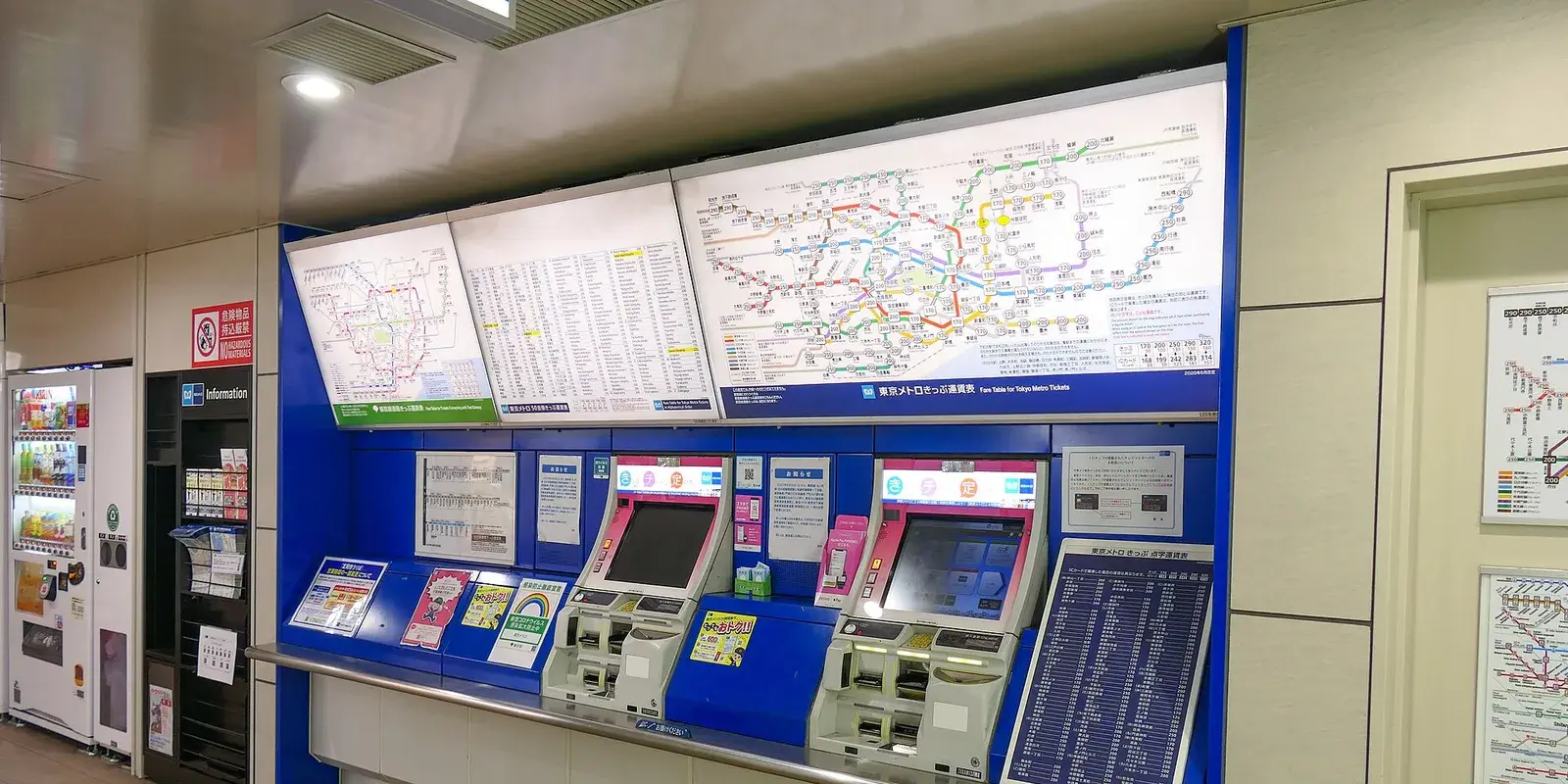
Do I Need to Speak Japanese? What Japanese People Actually Said
What you'll learn in this article:
- What 605 Japanese people said about the language barrier, and why it's smaller than you think
- The "help freeze" phenomenon: why Japanese people aren't ignoring you
- Why rural Japan is often warmer than the cities, despite less English
- What happens when you try (spoiler: it changes everything)
Do you need to speak Japanese to visit Japan? We read what 605 Japanese people wrote, and the short answer is no. 50.2% of Japanese people won't approach a struggling foreigner, not from coldness, but because 57% cite anxiety about their own English. One word of Japanese changes everything: over 90% respond positively to a simple "arigatou."
Here's the anxiety almost every visitor shares: What if nobody understands me?
Travel guides tell you to "learn basic Japanese phrases before you go." Reddit threads are full of people asking "can I survive in Japan with zero Japanese?" And every first-timer imagines that moment: standing at a ticket machine, completely lost, surrounded by kanji they can't read.
So we looked at what Japanese people write about it themselves. Not "what should tourists do?" but "what do you actually think when a foreigner can't speak Japanese?" We collected 605 voices from Japanese people across a dozen platforms (Q&A sites, forums, service workers, rural inn owners, survey data) to find out what really happens on the other side of the language barrier.
The short answer? You'll be fine. And the reasons why are more interesting, and more human, than any phrasebook can tell you.
Quick Guide
| Situation | What Japanese People Said | |
|---|---|---|
| 🟢 Relax | Zero Japanese, basic gestures | "We'll figure it out. Pointing, maps, translation apps: it works." Most Japanese people have helped a tourist who spoke no Japanese at all. |
| 🟢 Relax | Using a translation app | "Super helpful. Show us the screen and we'll make it work." Staff and locals overwhelmingly welcome this approach. |
| 🟡 Good to know | Outside major cities | English signage drops, but hospitality often rises. Rural Japanese people tend to try harder to help, never less. |
| 🟢 Relax | Saying even one word in Japanese | "Just hearing 'arigatou' changes the whole feeling." Trying, even badly, earns genuine warmth. Read more → |
| 🟡 Good to know | The person walking past you | They might want to help but freeze up: they're worried about their English, not your Japanese. |
The one thing to remember: The language barrier in Japan is real, but it's a two-way street. Japanese people are often just as nervous about their English as you are about your Japanese. That shared awkwardness? It's actually the beginning of connection.
How We Gathered These Voices
We collected 605 Japanese-language responses across eleven topics related to language and communication with foreign visitors. We gathered these voices from public Japanese Q&A sites, forums, and social posts, along with reporting from MoneyPost WEB, Toyo Keizai Online, government surveys (IIBC, Immigration Services Agency, MEXT), and various Japanese blogs and media.
For the "trying to speak Japanese" sections, we draw on an additional 244 responses collected for our companion article, When You Try to Speak Japanese: What They're Really Thinking.
A quick note: This isn't a controlled scientific survey. It's a collection of what real Japanese people said in their own words, on public platforms. Most English-language guides simply say "learn some phrases." We wanted to show you what actually happens, from the Japanese side, when words don't work.
What Happens When You Speak Zero Japanese
Let's start with the biggest fear: you arrive in Japan, you don't speak a word of Japanese, and you need help.
We collected 55 posts by Japanese people about this situation. Here's how they split:
Nearly half said some version of "we'll figure it out." The most common tools mentioned? Gestures, smartphone maps, and translation apps.
出来ないながらも教えます。もしくは携帯使って一緒にしらべます。最悪、時間に余裕があれば途中まで一緒に行きます。 I'll do my best to help, even if I struggle. Or I'll pull out my phone and look it up together. Worst case, if I have time, I'll walk you partway there.
勢いとジェスチャーで意外と通じる…ストレート!レフトに曲がる!ショップある! Enthusiasm and gestures get you surprisingly far... "Straight! Turn left! Shop there!"
観光客なので行きたい場所の本とか地図とか持ってる人が多いので、時間があって近場ならその場所まで案内します。 Most tourists carry a guidebook or map, so if I have time and it's nearby, I just take them there.
There is national data from the visitors' side, too. The Japan Tourism Agency surveys foreign visitors at five major airports as they leave Japan, and in its FY2025 survey, 43.7% of the 4,110 respondents said nothing had troubled them on their trip. Communicating with staff was a problem for 15.4%, second only to the shortage of trash cans. The language barrier exists, but most visitors did not name it as a problem.
言葉が通じなくとも心からゲストをもてなそうというホスピタリティーがあることこそが重要。 What matters most is genuine hospitality — even without a shared language.
But honesty matters here. 27% said it's genuinely difficult, and their frustration is real, especially for service workers dealing with the language barrier multiple times a day. What made the difference? Effort.
翻訳アプリ出してくれる人は謙虚なので親切にしちゃう。 When someone pulls out a translation app, they seem humble — so I end up being extra nice to them.
だからこんにちは、すみません、たすけてください、ぐらいは覚えてこいって意味だよ。 That's why — just learn "konnichiwa," "sumimasen," "tasukete kudasai." That's all we're asking.
💡 The number that says it all
43.7% of the 4,110 visitors in the Japan Tourism Agency's FY2025 survey said nothing had troubled them on their trip. Communicating with staff was a problem for 15.4%, and 68% of those visitors communicated through a translation app or a similar tool, used by the staff or by the visitors themselves. You don't need perfect language to have a great experience.
The Invisible Helper: Why That Person Isn't Ignoring You
Here's something no travel guide tells you: that Japanese person who walked past you while you were clearly struggling with the ticket machine? There's a good chance they wanted to help.
The IIBC (Institute for International Business Communication) surveyed 500 Japanese business workers in 2019 and found a striking number:
50.2% said they would NOT approach a foreigner in need.
The #1 reason? Not "I don't care." Not "that's not my problem."
"I'm not confident in my English ability": 57.0%
Even among people who said they like English, 18–36% still wouldn't approach a struggling foreigner, because they're afraid of being embarrassed by their own English.
The stories from the "freeze" side are heartbreakingly honest:
駅で外国人がめっちゃ困ってるの見えたんだけど、英語でなんて言えばいいかわからなくて…結局素通りしちゃった。あとからすごい後悔した。 I could see a foreigner struggling at the station, but I didn't know what to say in English... I just walked past. I really regretted it afterward.
遅れてるだけ、待ってれば来るよ…て英語がひとつも思い浮かばなくて申し訳なくなった。 I just wanted to say "it's only delayed, wait a bit"... but I couldn't think of a single English word. I felt terrible.
外国人観光客に英語で道を聞かれたときに全く答えられなくてへこみました。高校生です。英語はテストでも模試でもいい点数を取れるのに。 A foreign tourist asked me for directions in English and I completely blanked. I'm a high school student. I get good grades on English tests and mock exams, but...
But the success stories? They're wonderful:
私は、そのような場合、積極的に声をかけます。せっかく日本に来てくれたのだから、辛い思い出より日本人の親切さ・良さを思い出にして行ってほしいという気持ちからです。 In those situations, I actively approach people. They came all the way to Japan — I want them to leave with memories of Japanese kindness, not difficult experiences.
30分くらい歩いてて…結果楽しかったw We ended up walking together for about 30 minutes... it was actually fun lol
めっちゃ笑顔でありがとうって言ってくれた! They thanked me with the biggest smile!
💡 The most important thing in this article
When someone walks past you without offering help, it probably isn't coldness. It's English anxiety. 57% of Japanese people who wouldn't approach a foreigner cite their own English ability as the reason. They want to help. They just don't know how to start. If you make eye contact and say "sumimasen", even just that, you give them permission to try.
Your Secret Weapon: Translation Apps
If there's one piece of practical advice in this article, it's this: download a translation app before you arrive. Japanese people don't just tolerate it. They welcome it.
外国人のお客さんがスマホの翻訳画面を見せてきて「これください」って。最初びっくりしたけど、めっちゃ助かる。むしろこっちも翻訳アプリで返してる笑 A foreign customer showed me their phone screen with a translation that said "this please." I was surprised at first, but it's super helpful. We actually reply using our own translation app too lol
通じればツールはなんでも構いません。 As long as we can communicate, any tool is fine.
一生懸命やっているのだから、失礼なんて事はない。 If someone is making a genuine effort, it's not rude at all.
One Japanese writer tested Google Translate with about 50 foreigners in Asakusa and concluded: "the language barrier is disappearing." Not because everyone suddenly speaks the same language, but because the tools have gotten good enough to bridge the gap.
A few people did note that in high-end service settings, translation apps can feel impersonal, and during busy service rushes, they can slow things down. But the overwhelming consensus: if you pull out your phone and show the screen with a smile, you've already communicated the most important thing: that you're trying.
But What Happens When You DO Try?
Everything above assumes zero Japanese. Here's what happens when you try even a little, based on 244 additional responses from Japanese people:
Saying "arigatou": Over 90% of responses were positive. A single word of gratitude, said in Japanese, changes the entire emotional temperature of an interaction.
他の日本語を知らなくても、感謝の気持ちだけは日本語で伝えられたら嬉しい。その国の言葉で「ありがとう」と言うと、相手との距離が一気に縮まるはず。 Even if you don't know any other Japanese — if you can express gratitude in Japanese, that makes me happy. Saying "thank you" in someone's language instantly closes the distance between people.
Imperfect pronunciation: About 67% find it endearing, not embarrassing.
産まれたての子馬が一生懸命立ち上がるようなイメージ。外国人が日本語を頑張って話す姿にはそういう健気さがある。 It's like a newborn foal struggling to stand up. There's that kind of endearing perseverance when foreigners try hard to speak Japanese.
Using "sumimasen": This one word (meaning "excuse me," "I'm sorry," and "thank you" all at once) is what Japanese people called "the master key."
外国人が「すみません」と挟んだ後にお願いをすると、日本人はついつい助けてしまう。この一言が入るだけで安心感が生まれる。 When a foreigner says "sumimasen" before making a request, Japanese people can't help but assist them. Just this one word creates a sense of reassurance.
This is a deep topic. We've written a full deep-dive on what happens when you try to speak Japanese, with temperature gauges for each phrase and 244 individual responses. The short version: perfection is irrelevant. Effort is everything.
What About Outside Tokyo?
Travel guides often warn: "English works in Tokyo, but not in rural areas." And they're right about the English part. But they miss the bigger picture.
60% of rural responses were positive, the highest of any section in this article. Less English, more warmth.
うちの温泉宿に英語全然ダメなおばあちゃんがフロントに立ってるんだけど、外国人のお客さんとジェスチャーで盛り上がってた。帰り際にハグされてたし、言葉より気持ちなんだなって。 We have a grandma at our hot spring inn's front desk who speaks zero English, but she was having a great time with a foreign guest through gestures. The guest hugged her on the way out. It really is about feelings, not words.
やさしい日本語で話しかければ、コミュニケーションの最初の一歩をスムーズに踏み出すことができる。 If you start with "easy Japanese," you can take the first step in communication smoothly. (Ryokan owner, Oita Prefecture)
海外に行って助けられたことあるから日本でも同じように助けてるよ〜。 I was helped when I traveled abroad, so I do the same for visitors in Japan.
The "easy Japanese" (yasashii nihongo) movement is spreading across rural Japan: the idea that simple, slow Japanese with gestures works better than broken English for most visitors. Hotel owners in places like Takayama and Oita have found that warmth and patience solve more communication problems than English fluency ever could. This mirrors what we found in our article about getting around Japan. Even when signs aren't in English, people find ways to help you get where you're going.
The Japan Tourism Agency also breaks its results down by where visitors went. Among those who visited only regional areas, 16% had trouble communicating with staff, against 14% of those who visited only urban areas. 50% of the regional-only group said nothing had troubled them, against 43% of the urban-only group. Among everyone who struggled to communicate, the places named most often were restaurants (38%) and train stations or bus terminals (27%). In most daily interactions (convenience stores, hotels, tourist spots), the combination of gestures, maps, and goodwill gets the job done.
💡 The rural paradox
Less English ≠ worse experience. Rural Japan scored the highest positive rate (60%) of any section in this article. When the English safety net disappears, something more human takes its place: patience, gestures, and the kind of hospitality that turns a communication breakdown into a story you'll tell for years.
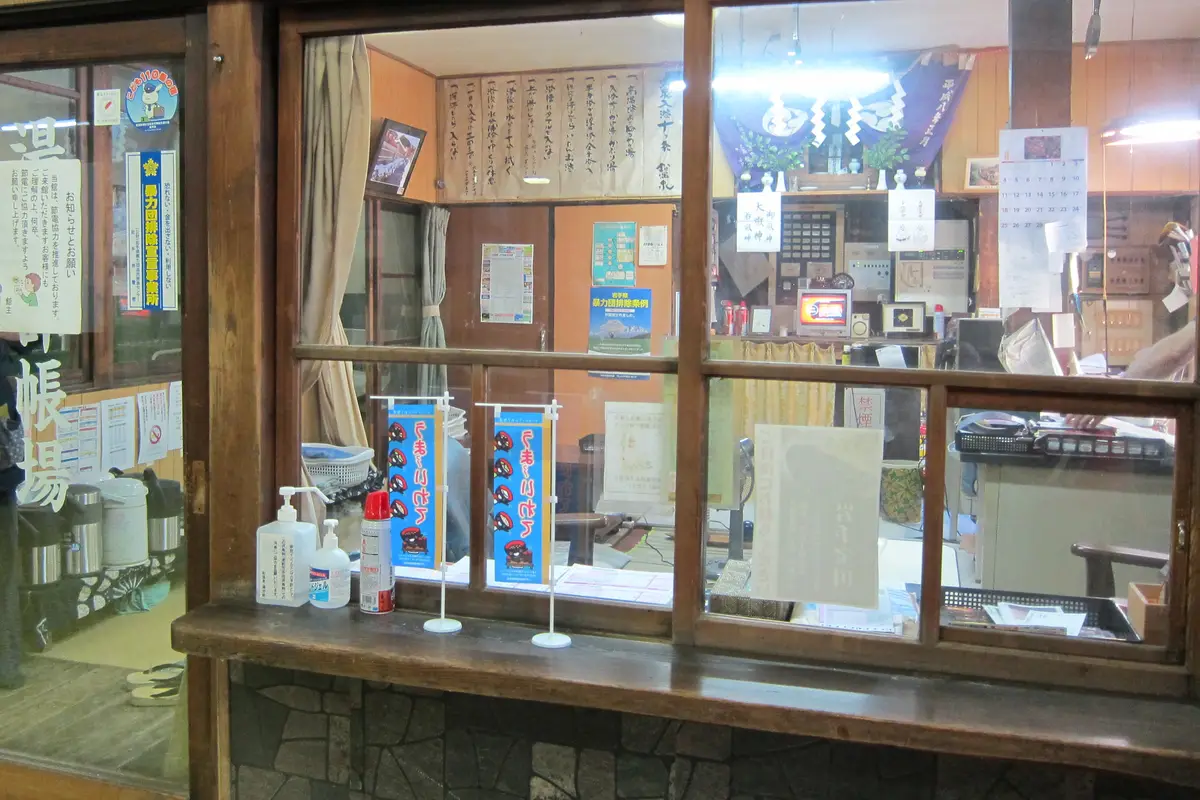
"Am I Being a Burden?"
This might be the question that matters most to anyone reading this article. If you care enough about Japanese culture to be reading a site like this, you probably worry about meiwaku, causing inconvenience to others.
So we collected what Japanese people wrote on one question: "Is a foreigner who can't communicate in Japanese a burden?"
This is the most evenly split section, and that honesty is important. Let's listen to both sides.
"Not a burden" voices:
ラーメン屋で外国人が指差しで注文してきたんだけど、全然迷惑じゃない。むしろ「来てくれてありがとう」って思う。慣れない国で一人でラーメン屋入る勇気すごいよ。 A foreigner ordered by pointing at my ramen shop. Not a burden at all. I actually thought "thanks for coming." It takes real courage to walk into a ramen shop alone in a foreign country.
でもこんなに外国人観光客が来てるのに頑なに日本語でしか接客しないのもなんか…日本は親切な国じゃないの? With this many foreign tourists visiting, insisting on Japanese-only service seems a bit... Isn't Japan supposed to be a kind country?
"Honestly difficult" voices:
精神的な疲労度がエグい。 The mental exhaustion is brutal. (Dining bar staff, 20s)
接客中なので翻訳アプリをいちいち使うわけにもいかず。 I'm in the middle of serving — I can't keep pulling out a translation app.
手のひらを挙げてため息をつかれたり、「用なし」と言わんばかりに手をひらひら振って軽くあしらわれたり。 Some customers sigh and wave their hand dismissively, as if to say "you're useless."
That last quote reveals the real issue. The "burden" feeling isn't about language. It's about attitude. The neutral 29%, the people who said "it depends", almost universally said the same thing: it depends on whether the person is trying.
A foreigner who pulls out a phone, points at a menu, smiles, and says "sumimasen"? Not a burden. A foreigner who speaks loudly in their own language, gets frustrated when no one understands, and acts dismissive toward staff? That's where the frustration comes from.
💡 The attitude test
The line between "not a burden" and "frustrating" has almost nothing to do with language ability. It has everything to do with effort. Show that you're trying: with a smile, a "sumimasen," a translation app, a bow, and Japanese people will meet you more than halfway.
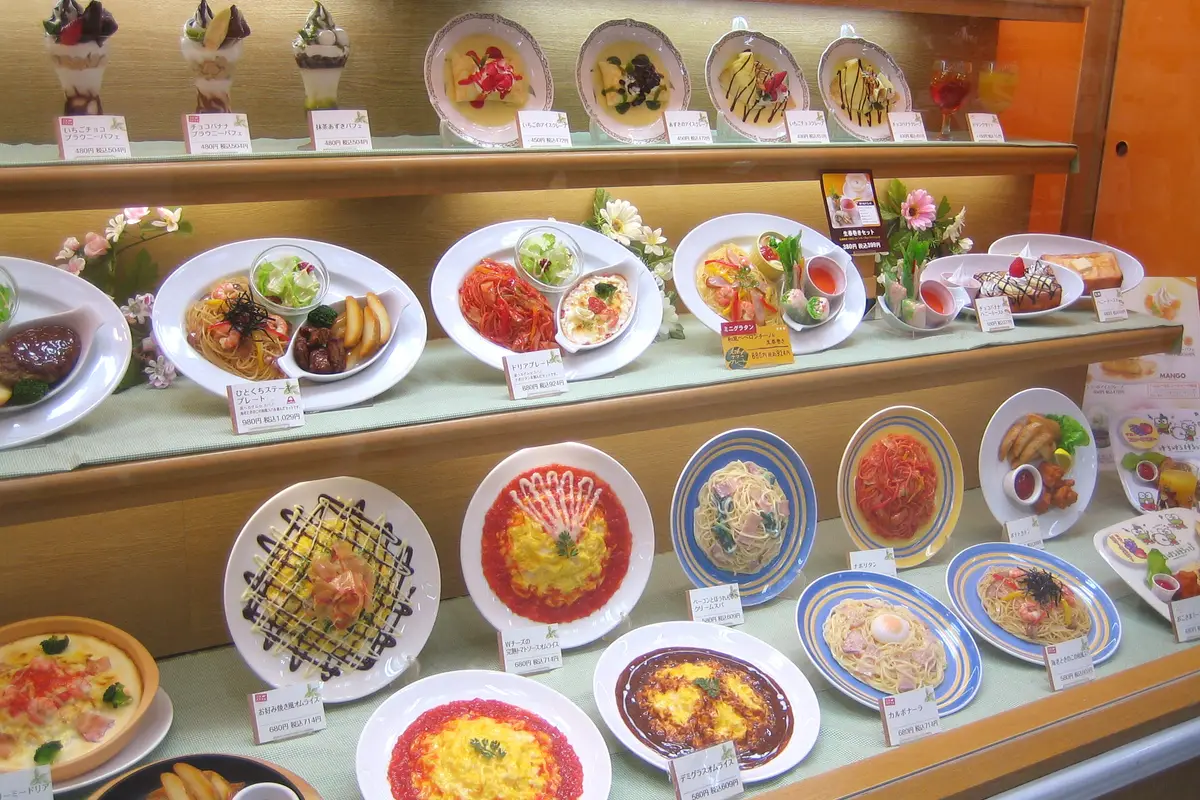
The Generation Gap
One more piece of the puzzle: age matters.
A 2023 national survey by the Immigration Services Agency found that over half of 18–19 year olds view the increase in foreigners positively, with favorable views holding above 30% through the early 40s. But among those 60 and older, 40–70% said they have no foreign acquaintances and have never had any.
On the English side, the picture is complex: 46% of teenagers say they can speak some English (the highest of any age group), but Japan's overall English proficiency has been declining: from 14th globally in 2011 to 96th in 2025, its lowest rank ever, according to the EF English Proficiency Index.
The practical takeaway for visitors: younger Japanese people are significantly more likely to approach you, attempt English, and feel comfortable with cross-cultural interaction. In tourist areas with younger staff, you'll likely find communication easier. In more traditional settings with older staff, gestures, patience, and translation tools become more important, but as the rural section above showed, the warmth is often greater.
Three Things You Can Do Today
Based on everything 605 Japanese people wrote:
Download a translation app (Google Translate, DeepL, or VoiceTra). This is the single most effective tool. Japanese people actively welcome it.
Learn three words: "sumimasen," "arigatou," "konnichiwa." You don't need Japanese to visit Japan, but these three words change how Japanese people respond to you. Not because they expect it. Because it shows you care.
Don't mistake silence for coldness. If someone walks past without helping, remember the 2019 IIBC survey: 57% of Japanese people who don't approach foreigners cite their own English anxiety as the reason. Make eye contact, say "sumimasen," and you'll often see their face change.
And one more thing: the fact that you're reading this article, that you care enough to wonder "am I being a burden?", already puts you in the category of visitor that Japanese people welcome most. The language barrier is real, but it's smaller than your anxiety about it. Japan has been welcoming visitors who don't speak Japanese for decades, and it works. Not perfectly, but warmly.
Want to know what happens when you do try to speak Japanese? We wrote a whole article about it:
When You Try to Speak Japanese: What They're Really Thinking →
Have your own story about the language barrier in Japan? We'd love to hear it, whether you were the visitor trying to communicate, or the Japanese person who wanted to help. Your voice helps us paint a fuller picture.
Sources
Survey Data
IIBC (Institute for International Business Communication): "English Learning Attitudes Survey" (2019), 500 business workers (20s-50s). 50.2% would not approach a struggling foreigner; 57.0% cite English ability as the reason.
For-It Inc. Survey (2023): English proficiency among Japanese adults: 34.8% can speak some English; 46.0% of teens (highest age group).
EF English Proficiency Index (2025): Japan ranked 96th of 123 globally, its lowest ever, down from 14th in 2011.
Immigration Services Agency / Nikkei Survey (2023): Generational attitudes toward foreigners. 50%+ of 18-19 year olds positive; 40-70% of 60+ have no foreign acquaintances.
Japan Tourism Agency (観光庁), Survey on the Reception Environment for Foreign Visitors (FY2025, published April 28, 2026): Face-to-face survey of 4,110 visitors leaving Japan at five airports (Narita, Haneda, Kansai, Fukuoka, New Chitose), multiple answers allowed. 43.7% had no trouble during the trip; 15.4% had trouble communicating with staff, second after the shortage of trash cans (17.2%). Of the 634 who had trouble communicating, 38% named restaurants and 27% train stations or bus terminals, and 68% communicated through translation apps or similar tools. Visitors to urban areas only (1,487): 14% had trouble communicating, 43% had no trouble. Regional areas only (901): 16% and 50%.
Online Voices
Public Japanese Q&A sites, forums, and social posts: first-hand opinions on language, communication, and helping foreign visitors
MoneyPost WEB: Service worker interviews on foreign tourist communication
Toyo Keizai Online: "Easy Japanese" (yasashii nihongo) approach for inbound tourism
Prebell / So-net: Google Translate experiment with 50 tourists in Asakusa
Honichi (訪日ラボ): Article on how foreign visitors rate restaurant service in Japan (2018)
Note on Quotations
Quotes from online platforms have been lightly edited for readability (fixing typos, formatting for clarity). The meaning and intent of each comment remain unchanged. Original sources are linked above.
WMJS is written in Japan, in English, with AI help. We check every page, but English is not our first language. If a sentence reads oddly, tell us. One sentence is enough.
Thank you. A person reads every note.
How well do you know Japan?
Built from 635 public posts by Japanese people
Want to know more? Ask Japanese people
Have a follow-up question about this topic? We'll ask real Japanese people.
Voice Box →