
Cash or Card? How Japan's Relationship With Money Affects Your Trip
What you'll learn in this article:
- What 280 Japanese people said about cash, cards, and the small moments at the register
- Why Japan's cash culture isn't backwardness. It's a conscious choice rooted in trust, disaster preparedness, and consideration
- The tiny payment gestures that make Japanese cashiers quietly smile
Do you need cash in Japan? We read what 280 Japanese people wrote. Japan's cashless payment ratio reached 58% in 2025 on the government's new domestic measure, but many small restaurants, temples, and local shops remain cash-only. When your card does not work, 91% of people behind you in line are patient. Carry 10,000-15,000 yen per day and you will never be stuck, and how you handle cash creates small moments of connection that cards cannot.
You've read the travel guides. They all say some version of the same thing: "Japan is a cash society. Bring yen."
And that's… true. Sort of. In 2025, Japan's cashless payment ratio reached 58.0% on the Ministry of Economy, Trade and Industry's new domestic measure, up from 22.5% in 2015. On the ministry's older international comparison measure, the 2025 figure is 46.3%. Credit cards work at most hotels, chain restaurants, and convenience stores. You can tap your way through Tokyo with a Suica card and barely touch a coin.
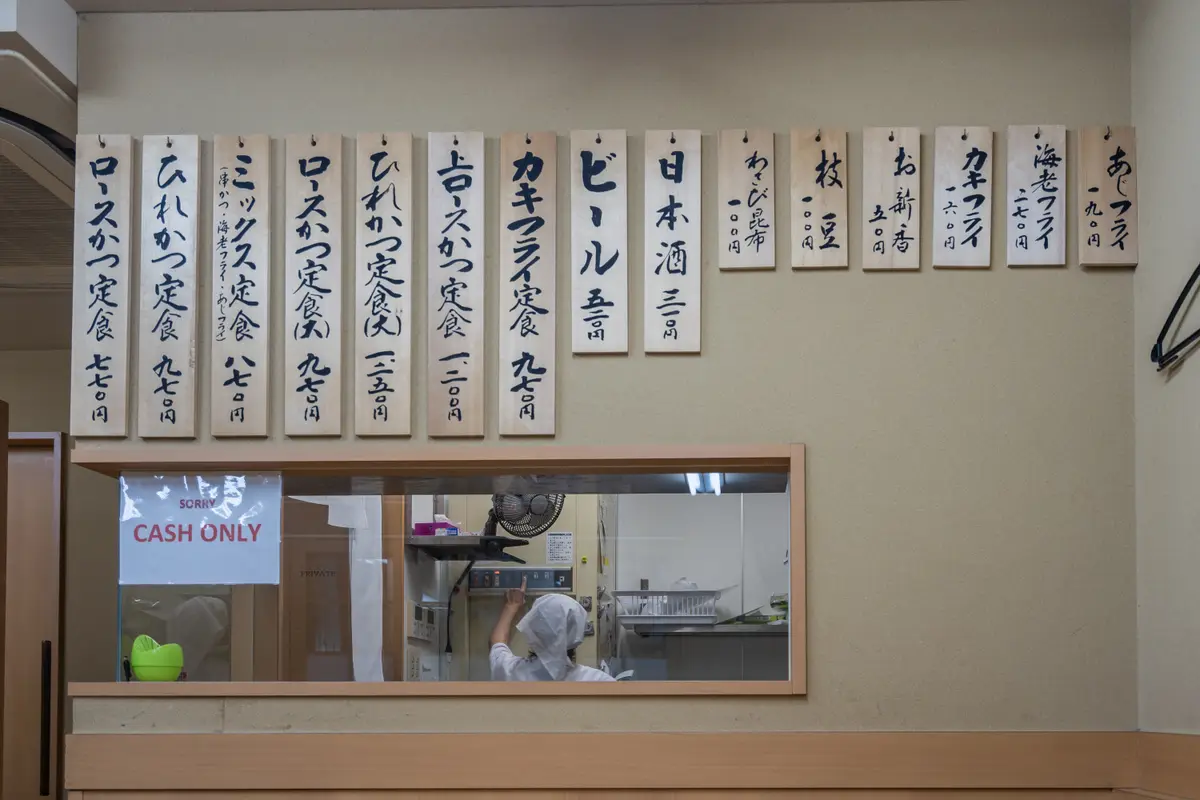
But then you'll walk into a cozy ramen shop in a side alley, a small café with hand-lettered menus, or a centuries-old temple gate, and the sign says 現金のみ. Cash only.
Here's what no travel guide tells you: how Japanese people actually feel about that moment. The cashier who can't take your card? There's a good chance they feel worse about it than you do.
We collected 280 real opinions from Japanese people (shop staff, convenience store cashiers, customers in line behind you) about what happens at the register when cultures meet. The results surprised us. And they'll probably change how you feel about carrying cash in Japan.
Quick Guide
| Situation | What Japanese People Said | |
|---|---|---|
| 🟢 Relax | Taking your time with coins | 91% of Japanese people said they're patient when a visitor fumbles with unfamiliar coins. "They're in a new country, so of course it takes time." |
| 🟢 Nice touch | Paying with exact change | Most cashiers appreciate it. In Japan, calculating your coins to minimize change is almost an art form, and when a visitor does it, staff notice. |
| 🟡 Good to know | Your card doesn't work here | Many small shops are cash-only, and the staff genuinely feels bad about it. They're not judging you. They're often trying to figure out how to help. |
| 🟡 Good to know | How much cash to carry | ¥10,000–¥15,000 per day is comfortable. Cards work at chains and stations; cash is needed at small shops, temples, local restaurants, and some taxis. |
The one thing to remember: Japan's relationship with cash isn't about being behind the times. It's about trust: in physical currency, in face-to-face transactions, and in a system that still works when the power goes out. Carry some cash, and you'll never be stuck. But more importantly, the way you handle that cash creates small moments of connection that cards simply can't.
How We Gathered These Voices
We collected 280 Japanese-language responses across four payment topics: staff reactions when cards don't work (55 responses), feelings about exact change (52 responses), patience with visitors at the register (65 responses), and generational attitudes toward cash vs. cashless (108 responses). We gathered these voices from public Japanese Q&A sites, forums, and social posts, along with reporting from WIRED Japan, TRiP EDiTOR, and industry publications.
A quick note: This isn't a scientific survey. It's a collection of what real Japanese people said in their own words, on public platforms. Most travel guides give you a yes-or-no answer on cash. We wanted to show you what's happening on the other side of the register, and why understanding it makes your trip warmer.
When Your Card Doesn't Work
Let's start with the moment every visitor dreads: you hand over your card, and the cashier shakes their head.
Here's what might surprise you: the person behind the register often feels more uncomfortable than you do.
A shop owner in Tokyo described the tension:
外国のお客さんがカードを出してきたんですが、カード会社の承認が下りなくて…使えない理由もわからなくて、何て言ったらいいか困りました A foreign customer handed me their card, but the card company wouldn't authorize it… I didn't even know the reason, and I had no idea what to say.
A public bathhouse in Ōta, Tokyo, shared a story that went viral. A Spanish traveler walked in with nothing but a credit card, no cash at all. He'd spent his last yen before heading to the airport.
その様子を見て察したのか、お客さんは「自分がそのスペイン人の分も払う」と、2人分の料金を支払い一緒に男湯へ A regular customer noticed the situation and said "I'll pay for him too," covering both their fees. They went into the bath together.
The regular didn't stop there. During their bath, he looked up English words on his phone, wrote a letter on scrap paper, and left it at the front desk with money for a bottle of water: "He'll be thirsty after the bath, please give him this." The bathhouse owner then called a card-accepting taxi to take the traveler to Haneda Airport.
風呂代に飲み物なんてせいぜい数百円。旅先での小さな親切って凄く心に残るんですよね Bath fare plus a drink is just a few hundred yen. But small acts of kindness on a trip stay with you forever.
This story captures something important about Japan's cash-only spaces: the inconvenience is real, but so is the warmth that often fills the gap.
Why Many Shops Stay Cash-Only
It's not stubbornness. Japanese shop owners face a genuine dilemma:
キャッシュレスにしてから外国人のお客さんは増えた。でも手数料を取られるから、思ったほど利益は残らないんです Since going cashless, we get more foreign customers. But the processing fees eat into our margins — the profit isn't what we expected.
手数料高すぎだよ。個人経営のとことかかわいそうだよ The fees are too high. I feel bad for small independent shops.
According to a December 2025 report from a Ministry of Economy, Trade and Industry study group, credit card fees for small shops in Japan generally fall between 1.98% and 3.25% per transaction, and most of the standard plans it lists as examples charge 3.24%. Unlike in some countries, the merchant absorbs the entire cost. For a small ramen shop with thin margins, that's the difference between staying open and closing.
When you encounter a cash-only shop, you're not seeing backwardness. You're seeing a small business owner protecting their livelihood. And if you happen to have cash ready? You've just made their day a tiny bit easier.
The Exact Change Moment
Now for something uniquely Japanese, and genuinely delightful once you understand it.
In most countries, coins are a nuisance. You dump them in a jar, toss them in a tip cup, or let them pile up until the weight of your pocket becomes unbearable. In Japan, coins are a tool.
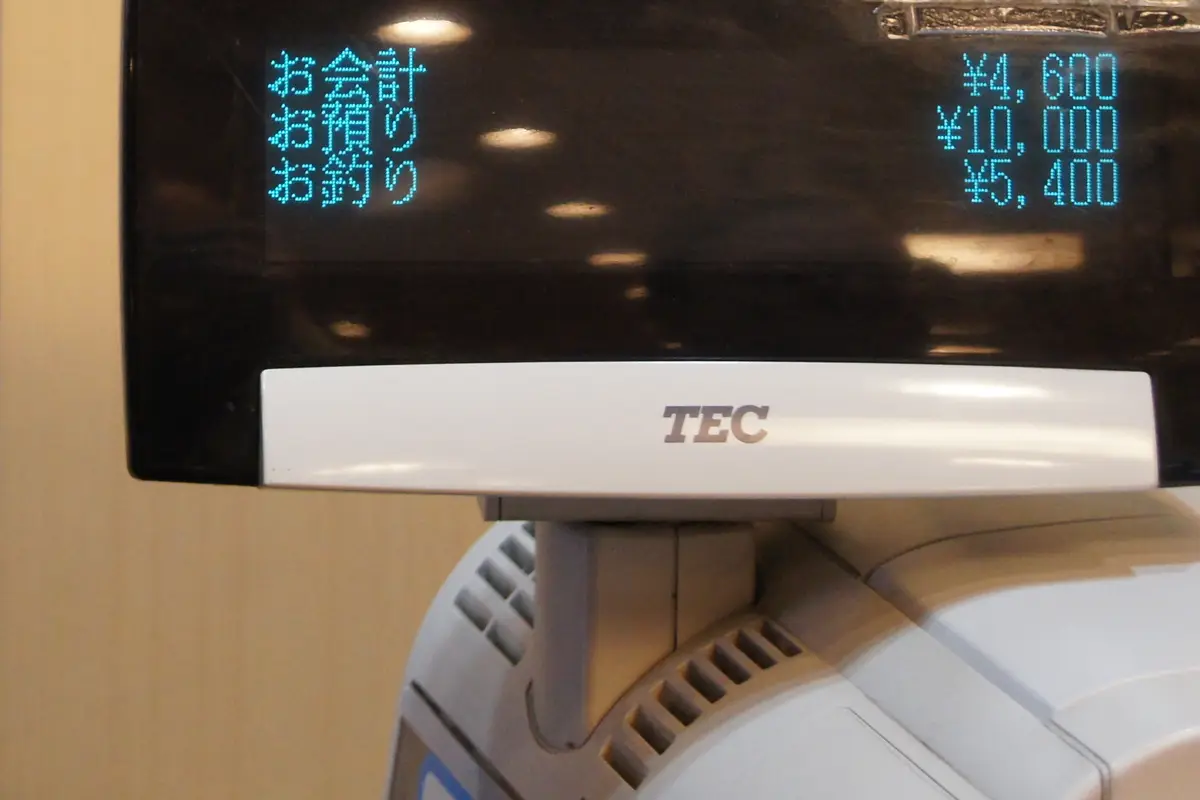
Japanese people have an entire mental arithmetic culture around payment. If your total is ¥751, you hand over ¥1,251 and receive exactly one ¥500 coin back. If it's ¥630, you pay ¥1,130 to get a clean ¥500 return. This isn't just math. It's consideration for the cashier.
返す小銭を少なくなるように計算して出してくださるお客さんは正直言ってありがたい Customers who calculate their coins to reduce my change — honestly, I'm grateful for them.
釣り銭用の硬貨の消費が少なくなるので両替の手間が減る It means I use fewer coins from the register, which saves me a trip to the bank for change.
751円の会計に1251円を出して500円玉1枚のみを受け取ることに快感を得る唯一の民族だから We might be the only people on earth who feel genuine pleasure paying ¥1,251 for a ¥751 purchase and receiving exactly one ¥500 coin back.
One person tried this system overseas, and discovered just how Japanese it is:
海外で「620円の買い物に1120円出す」相当のことをやっても「細かいのはいらないのよー」と突っ返されるだけ。全ての訪問国で一度も500円相当のお釣りが返ってきたことがない I tried paying the equivalent of ¥1,120 for a ¥620 purchase overseas, and they just handed the extra coins back saying "I don't need the small ones." In every country I've visited, not once did I get the clean change back.
The small red bar? That's mostly about speed, not the act itself:
慣れていて素早い人なら助かるけど、もたもたされると後ろの人に申し訳ない If they're quick about it, great. But if they fumble, I feel bad for the people waiting behind them.
💡 You don't need to master this
You absolutely don't need to calculate exact change like a Japanese commuter. But if you manage to pay ¥500 for a ¥500 purchase instead of handing over a ¥10,000 bill, the cashier will notice. It's the trying that counts, not the precision.
Taking Your Time (And Why Nobody Minds)
Here's the moment visitors worry about most: you're at the register, staring at a handful of unfamiliar coins, trying to tell the difference between ¥1 and ¥100, and there's a line forming behind you.
Deep breath. Here's what 65 Japanese people said about exactly that situation:
91% patient or neutral. The impatient voices? Just 9%.
慣れないんだから当然。ゆっくりでいい Of course it takes time when you're not used to it. Take your time — it's fine.
コンビニで前の外国人がすごい真剣に硬貨見比べてて、後ろの人みんな普通に待ってて、なんか良い光景だった A foreigner at the convenience store was carefully comparing coins with total concentration. Everyone behind them was just waiting normally. It was actually a nice scene.
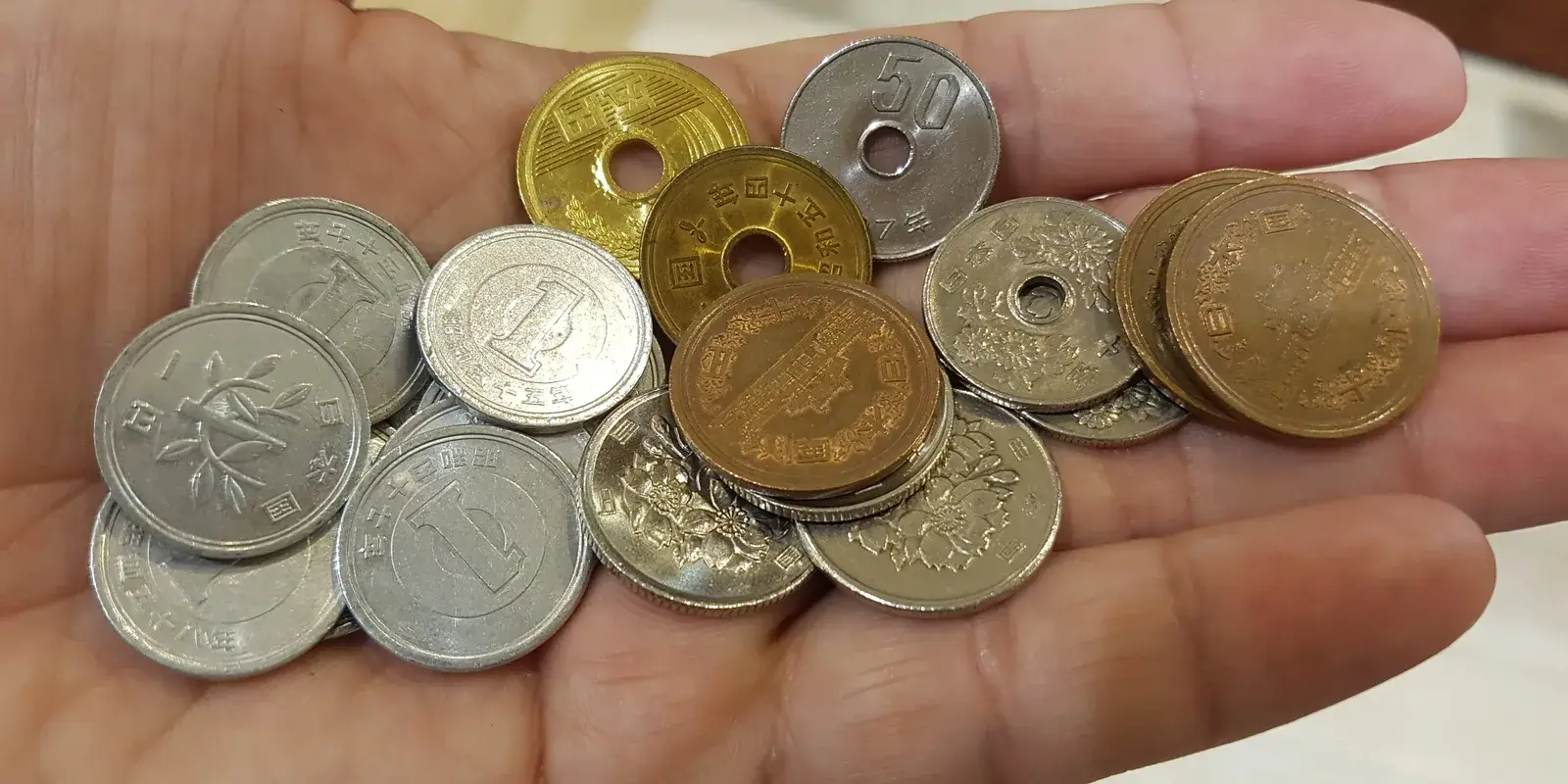
Japan has six types of coins: ¥1, ¥5, ¥10, ¥50, ¥100, and ¥500. The ¥5 coin is the tricky one: it's the only coin without Arabic numerals, showing only the kanji 五. Multiple voices described tourists holding up a ¥5 coin and asking "How much is this?" and nobody found it annoying.
Some visitors take a creative approach:
外国人がコインを全部トレーに広げて「ここから取ってください」と言ってきた。かわいいと思った A tourist spread all their coins on the tray and said "please take what you need." I thought it was cute.
And here's the cultural context that makes this patience make sense: Japanese people themselves invented the concept of not helping when someone is trying: the idea that letting someone figure it out shows more respect than swooping in to take over.
💡 The guilt gap
The guilt you feel when fumbling with coins at the register? Japanese people behind you almost certainly don't share it. 91% said they're patient or neutral. Your anxiety about holding up the line is louder than anyone else's impatience.
Why Japan Still Loves Cash
Understanding why Japan is still a cash-heavy society turns an inconvenience into something you can appreciate, and even respect.
The Disaster Factor
Japan experiences major earthquakes roughly every 5–10 years. When the power goes out, and it does, every card reader, every QR code scanner, every digital wallet becomes useless. Cash still works.
停電で電子全部使えないの経験したから絶対現金も持ち歩く I've been through a blackout where nothing electronic worked. I'll always carry cash.
地震大国だからこそ「なにかあった時」のことをみんなどこかで考えている Because we live in an earthquake country, everyone is thinking — somewhere in the back of their mind — about what happens "when something goes wrong."
完全に切り替わらず新旧のシステムが並立することは、バックアップでもある Having old and new systems running side by side isn't redundancy — it's backup.
The Trust Factor
Japan's currency is among the most trusted in the world. Counterfeiting is extremely rare. Coins feel solid. Bills are pristine. And there's a psychological weight to handing over physical money that many Japanese people value:
現金の信頼度に尽きる。キャッシュレスが進んでる国ほど紙幣の信用がない It comes down to trust in cash. The countries with the most cashless adoption are often the ones where paper money can't be trusted.
お金はまだ払ってないっていう気分的に嫌。災害や大規模停電も心配 With cashless, I feel like I haven't really "paid" yet. Plus there's always the worry about disasters and blackouts.
The Consideration Factor
Here's the part that connects back to the tipping article: many Japanese people consciously choose cash out of consideration for small businesses. This same spirit of respect for the transaction extends to another surprising aspect of Japanese commercial culture: why the price is always the price in Japan, and why attempting to negotiate often leaves everyone uncomfortable.
手数料を知ってるから普段の買い物は現金派 I know about the processing fees, so for everyday shopping I use cash.
When you pay cash at a small shop, you're not just paying for your meal. You're letting the owner keep 100% of what you paid. Many Japanese consumers are aware of this, and it's one of the quieter reasons cash persists.
The Generation Shift
But things are changing, and the generational divide is striking. Of 108 voices about cash vs. cashless preferences:
今更、現金持ち歩きたくない。財布もう小さいやつにしちゃった At this point, I don't want to carry cash anymore. I already switched to a tiny wallet.
キャッシュレスだと使いすぎちゃうんだよね。管理に甘くなって無駄遣い増えたから私には向いてなかった With cashless, I overspend. I got careless with money management, so it's just not for me.
クレカ、電子マネー、現金をフル活用しているから困った時に色々回避できる I use credit cards, e-money, and cash together. That way I can handle whatever comes up.
The pragmatic middle (people who use all three) might be the most Japanese response of all. Not all-in on any one system, but prepared for everything.
A Practical Note: Where Cards Work (and Don't) in 2026
| ✅ Cards usually work | ❌ Cash often needed |
|---|---|
| Convenience stores (7-Eleven, Lawson, FamilyMart) | Small independent restaurants |
| Chain restaurants | Temple and shrine admission fees |
| Hotels and hostels | Local markets and street food |
| Department stores | Some taxis (especially rural) |
| Train stations (tickets, Suica/Pasmo) | Coin lockers at smaller stations |
| Most drugstores | Vending machines (some) |
Our recommendation: Start each day with ¥10,000–¥15,000 in your wallet. You'll rarely need more than that, and you'll never be caught off-guard. Convenience store ATMs (7-Eleven and Lawson) accept most international cards and are open 24/7.
And if you find yourself at a cash-only register without yen? Don't panic. The person behind the counter is probably already thinking about how to help you, just like that bathhouse owner who called a card-accepting taxi for a stranded Spanish traveler.
Your Voice Matters
We're always collecting Japanese voices on topics like these, and your perspective as a visitor matters too.
Have you had a memorable payment moment in Japan? A cashier who went out of their way to help? A time when having cash (or not having it) changed your experience?
Sources
Japanese Voices (Public Platforms)
- Public Japanese Q&A sites, forums, and social posts: first-hand opinions on foreign customer card issues, exact change culture, register experiences, payment etiquette, and disaster preparedness
- The exact-change examples quoted in this article (a ¥751 purchase paid with ¥1251, receiving ¥500 back; a ¥630 purchase paid with ¥1130 for ¥500 change; and the overseas comparison of a ¥620 purchase handed over as the equivalent of ¥1120) come directly from these quoted responses.
Articles and Reports
- TRiP EDiTOR: "Why Foreign Visitors Are Impressed by Japanese Register Staff"
- WIRED Japan: "Why Japan Resists a Cash-Free Future"
- AI Credit (ポモチ): "Foreign Tourists Say Payment Inconvenience Is Their Biggest Problem"
- UnivaPay: "Inbound Service Challenges: Interview Insights"
Cashless Payment Data
- Ministry of Economy, Trade and Industry (METI): "2025 Ratio of Cashless Payment Among the Total Amount Paid by Consumers Calculated," news release (2026-03-31): the cashless payment ratio was 58.0% (162.7 trillion yen) on the new domestic indicator; the attached 2010-2025 table gives 46.3% for 2025 on the international comparison indicator used until 2024, and 22.5% for 2015 on the domestic indicator
- Ministry of Economy, Trade and Industry (METI): Cashless Promotion Study Group, summary report (2025-12-26), section 3.2.3: credit card fees for small merchants generally fall between 1.98% and 3.25%, and most of the standard plans in its examples (as of October 2025) charge 3.24%
- Japan Consumer Credit Association: Annual reports on card transaction volumes
- Bank of Japan: Notes and Coins Currently Issued: circulating coins ¥1, ¥5, ¥10, ¥50, and ¥100, plus the ¥500 bicolor clad coin; circulating banknotes include the ¥1000, ¥5000, and ¥10000 notes (the ¥2000 note is rarely seen)
Note on Quotations
Quotes from online platforms have been lightly edited for readability (fixing typos, formatting for clarity). The meaning and intent of each comment remain unchanged. Original sources are linked above. The ¥10000–¥15000 daily cash range in this article's "Practical Note" section is our own recommendation, synthesized from the collected responses and updated in 2026, not a figure drawn from an external pricing source.
WMJS is written in Japan, in English, with AI help. We check every page, but English is not our first language. If a sentence reads oddly, tell us. One sentence is enough.
Thank you. A person reads every note.
How well do you know Japan?
Built from 635 public posts by Japanese people
Want to know more? Ask Japanese people
Have a follow-up question about this topic? We'll ask real Japanese people.
Voice Box →