
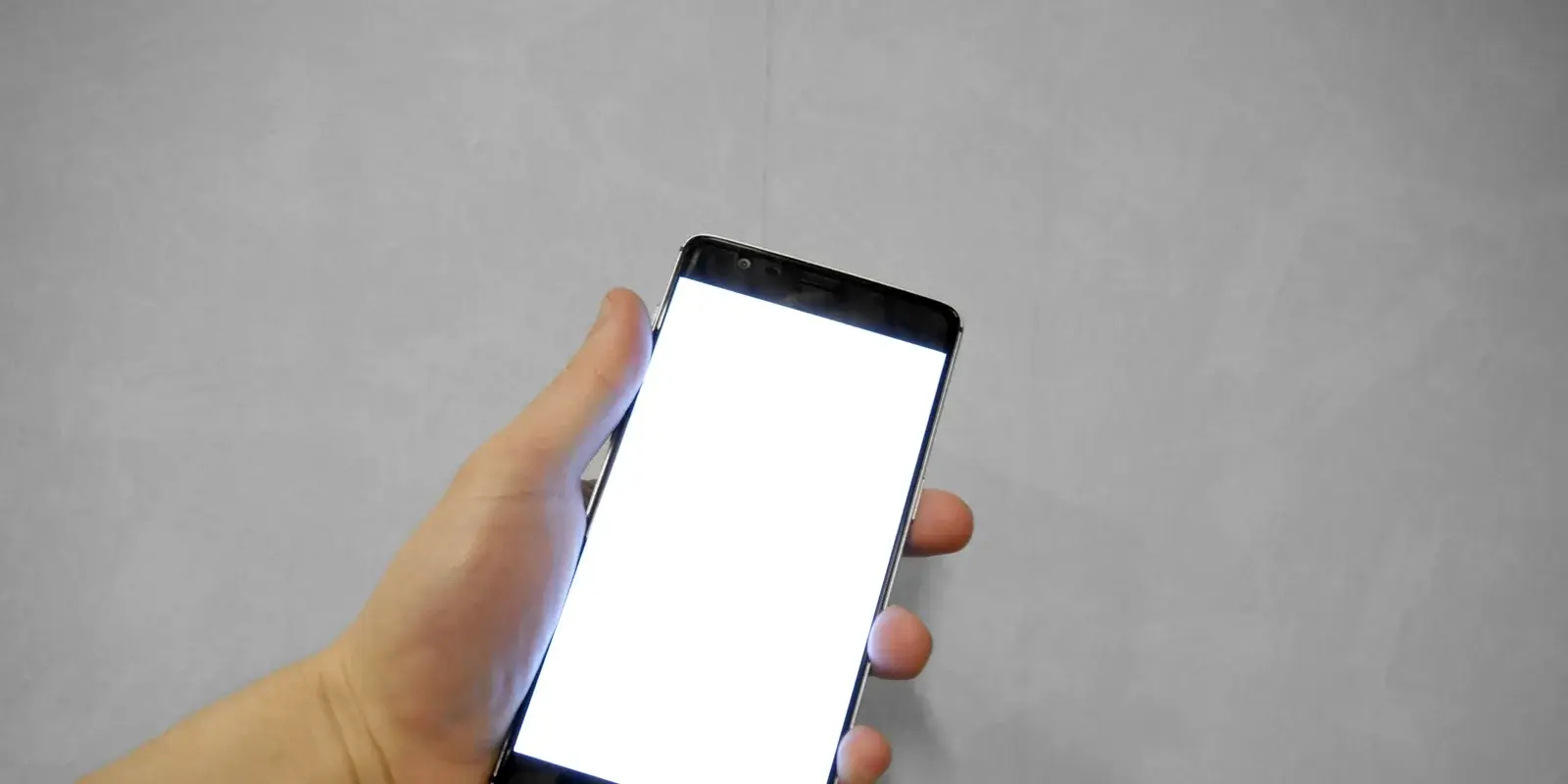
What Japanese People Actually Think When You Pull Out a Translation App
What you'll learn in this article:
- What 297 Japanese people said about translation apps — from cafe workers to taxi drivers to strangers on the street
- The moment a phone becomes a bridge vs. when it becomes a wall — and what determines which
- The one thing Japanese people wish you'd add alongside your translation app
Is it rude to use a translation app in Japan? We read what 297 Japanese people wrote. The clear answer: 45% are genuinely glad you're trying, and only 23% feel any discomfort. The real finding? It's not the app that matters — it's whether you look up from the screen.
We posted a Short asking: "When a foreigner uses a translation app at your shop, how do you honestly feel?"
The poll came back 70-30. Seven out of ten Japanese viewers said they prefer visitors to show the translated text on screen rather than play the audio aloud. One viewer added:
英語でそのまま喋りかけてくる方より、丁寧な方に感じられます。 It feels more polite than someone just speaking English directly at you.
That surprised us. The translation app wasn't just tolerated — it was read as politeness. As a sign of effort.
But when we dug into what Japanese people say about translation apps across the internet, a second voice told a very different story:
物理的に何かを交換するという温かい信頼と、Google翻訳で言語関係なくコミュニケーション取るという冷たい中立性がくすぐる。 There's something charming about the warm trust of physically exchanging something, combined with the cold neutrality of communicating through Google Translate.
Warm trust. Cold neutrality. The same tool, producing both. That contradiction sent us down a path we hadn't planned — collecting 297 voices from service workers, daily commuters, shop owners, and strangers who've been on the receiving end of a tourist's translation app.
What we found wasn't "use it" or "don't use it." It was something more human than that.
Quick Guide
| Situation | What Japanese People Said | |
|---|---|---|
| 🟢 Relax | You pull out your own app and show the screen | "When they proactively pull out the app, I end up being extra nice." Showing initiative is what matters most. |
| 🟢 Relax | The translation is imperfect or funny | Mistranslations become shared laughter — one woman's app told a stranger "Can I defeat you?" instead of "May I recline my seat?" Everyone found it charming. |
| 🟡 Good to know | You're at a busy counter or register | Staff can't always pause to read a screen. Show, don't explain — hold up the translated text briefly, then step back. |
| 🟢 Relax | You add a smile, a bow, or one word of Japanese | This is the unlock. "Sumimasen" + translation app is exponentially warmer than a silent screen shoved forward. |
The one thing to remember: The app is a tool. What Japanese people actually notice — and remember — is the person holding it. A smile, a "sumimasen," a moment of eye contact before you look down at the screen. That's what turns a cold screen into a warm bridge.
How This Article Came Together
This article didn't start with a research plan. It started with a poll on our YouTube channel.
We posted a Short about translation apps and asked Japanese viewers: "Do you prefer visitors to show the translated text on screen, or play the audio aloud?" Ten people responded, and 70% chose "show me the screen." The video itself drew 39% higher retention than average — a sign the topic resonated.
That small data point made us curious. If Japanese people have a clear preference for how translation apps are used, what else do they feel about them? So we went wider — collecting 297 Japanese-language responses from service workers, taxi drivers, cafe owners, convenience store staff, and everyday people across public Japanese Q&A sites, forums, and social posts, along with industry reports from Pocketalk, Nikkei, and Bloomberg.
A note on what you're reading: This isn't a scientific survey. It's a collection of what Japanese people said in their own words, in their own language, on public platforms. Some voices celebrate translation apps. Others describe a subtle distance they create. Both experiences are real.
Bridge or Wall? The First Reaction
45% of Japanese people are glad you're trying. But 32% feel something more complicated.
This is where the data gets interesting. The largest group is unambiguously positive — they see a visitor pulling out a translation app and think "they're making an effort." But a substantial middle group describes something harder to name: the app works, but something subtle shifts when a phone screen enters a human interaction.
Of 60 responses about their first reaction when a visitor uses a translation app:
The positive voices are clear and warm:
自分から翻訳アプリ出してきてくれる人が多い。そういう人には親切にしちゃう。 A lot of people proactively pull out their translation app. I end up being extra nice to people like that.
一生懸命やっているのだから、失礼なんて事はないと思います。 If you're doing your best, I don't think it's rude at all.
相手が翻訳アプリ使ってくれると助かる。こちらも一生懸命対応しようって気持ちになる。 It really helps when the other person uses a translation app. It makes me want to do my best to help them too.
And then there's this voice — the one that made us rethink the whole topic:
翻訳アプリで「コーヒーをありがとうございました。今日は今までで一番美味しかったです」って見せてくれた時はウルッときた。 When they showed me the translation app saying "Thank you for the coffee. Today's was the best ever," I got a little teary.
A translation app delivering gratitude so specific it made a barista cry. Technology as an emotional bridge — not despite its limitations, but through them.
But the 32% who feel "useful but creates distance" aren't being difficult. They're describing something real:
スマホ翻訳の課題として「画面が小さい」「入力に時間がかかる」「翻訳精度や音声認識のズレで間違ってる場合に気づきにくい」。 Challenges with smartphone translation: small screen, slow input, hard to notice when the translation is wrong.
翻訳アプリは日本語の指示を直訳するに過ぎず、会話内容の前後を踏まえた英訳をしない。不適切な意味に伝わる可能性が大きい。 Translation apps merely do literal translations without considering conversational context. There's a high chance of conveying inappropriate meanings.
And the 23% who prefer human effort aren't hostile — they're nostalgic for something the screen can't carry:
翻訳アプリだけでは無理です。それを使いこなすことと、相手と上手にコミュニケーションをとることができれば、外国人相手でもスムーズに意思の疎通ができます。 A translation app alone isn't enough. If you can master it AND communicate well with the other person, then smooth communication is possible.
💡 The bridge-or-wall verdict
The app is neutral. What determines whether it becomes a bridge or a wall is what surrounds it: eye contact, a smile, a moment of human acknowledgment before the screen appears. The 45% who feel warmth aren't responding to the technology — they're responding to the effort behind it.
What Service Workers Actually Experience
Staff are grateful for the tool — but stressed when they're expected to operate it.
This is where the gap between visitor assumptions and Japanese reality is widest. Many visitors think: "I have a translation app, so the staff can help me." But for a convenience store clerk in the middle of a rush, or a restaurant server with four tables waiting, pulling out a phone isn't an option.
Of 65 responses from Japanese service workers about translation app interactions:
The single most important insight for visitors:
相手の方から日本語に訳した画面見せてくれる。 The other person shows me the screen with the Japanese translation themselves.
This is what staff love — and it matches our YouTube poll, where 70% of Japanese viewers chose "show me the screen" over "play the audio." You do the work. You show the screen. They read it, nod, and help.
Compare that to the frustration in this voice:
なんで店側ばっかが対処法を考えてるんやろ。こういうので外国人が翻訳機を使って伝える努力をしてるっての聞いたことがない。 Why is it always the store side having to figure out solutions? I've never heard of foreigners making the effort to use translation devices to communicate.
接客中なので翻訳アプリをいちいち使うわけにもいかず。 I'm in the middle of serving customers, so I can't be pulling out a translation app every time.
A hotel worker described a problem that goes even deeper than workflow:
ホテルで働いてます。外国人の人には翻訳アプリを使うのですが、そもそも何語か分からないため翻訳アプリを使えません。 I work at a hotel. I use translation apps for foreign guests, but I can't even use them because I don't know what language they're speaking in the first place.
And a voice that surprised us — a worker who feels existentially threatened:
ポケトークには、脅威すら感じています。同僚がポケトークを使って、外国人との通訳を無事に終えたという話を聞いたとき、私のこれまでの勉強の努力は何だったんだという焦りがありました。 I even feel threatened by Pocketalk. When I heard that a colleague successfully interpreted for foreigners using Pocketalk, I felt a sense of panic — like what was all my studying for?
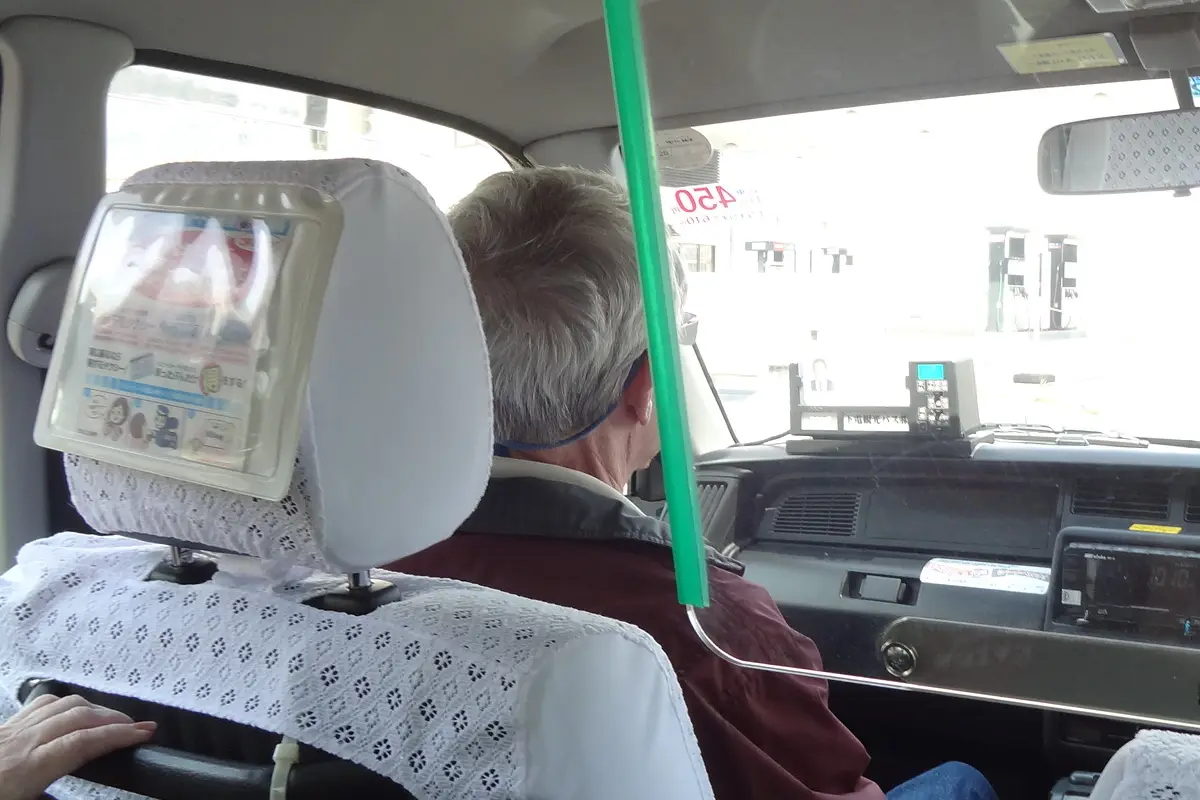
But when visitors take the initiative, the mood shifts completely. A taxi driver's story captures the best-case scenario:
田町駅で乗車した外国人客にスマートフォンの画面で行き先を伝えられた。 A foreign passenger who got on at Tamachi station showed me their destination on their smartphone screen.
Simple. Effective. No stress for the driver. The visitor did the work; the driver just drove.
What Makes the Moment Feel Human
75% say the same thing: add something human alongside the app.
This was the most lopsided result in our data. In the posts about what makes a translation app interaction feel warm instead of mechanical, the answer was overwhelming: it's not about the app. It's about what comes with it.
Of 60 responses about what visitors can add alongside translation apps:
The formula Japanese people described, again and again:
一生懸命日本語で伝えようとする外国人にはめちゃくちゃ親切にしたくなる。 When foreigners earnestly try to communicate in Japanese, I feel genuinely compelled to be extra kind.
カタコトでも日本語でなんとか伝えようとしてくれる人にはジェスチャー交えたりしてこちらも頑張るよ。 For someone trying hard to get their message across in broken Japanese, I'll use gestures and do my best to help too.
「スミマセン、タスケテクダサイ」って言ってくれたら、こちらも全力で助けたくなる。 When they say "sumimasen, tasukete kudasai," I want to help them with everything I've got.
One voice perfectly captured the magic combination:
「英語しか話せなくてごめん。いいかな?」って一言あるだけで印象が全然違う。 Just saying "Sorry, I only speak English — is that okay?" completely changes the impression.
That single sentence — an acknowledgment, not an apology — transforms everything. It says: "I know I'm asking for something. I'm grateful you're here." The app then becomes a supplement to that human warmth, not a replacement for it.
And when the app goes wrong? Even better:
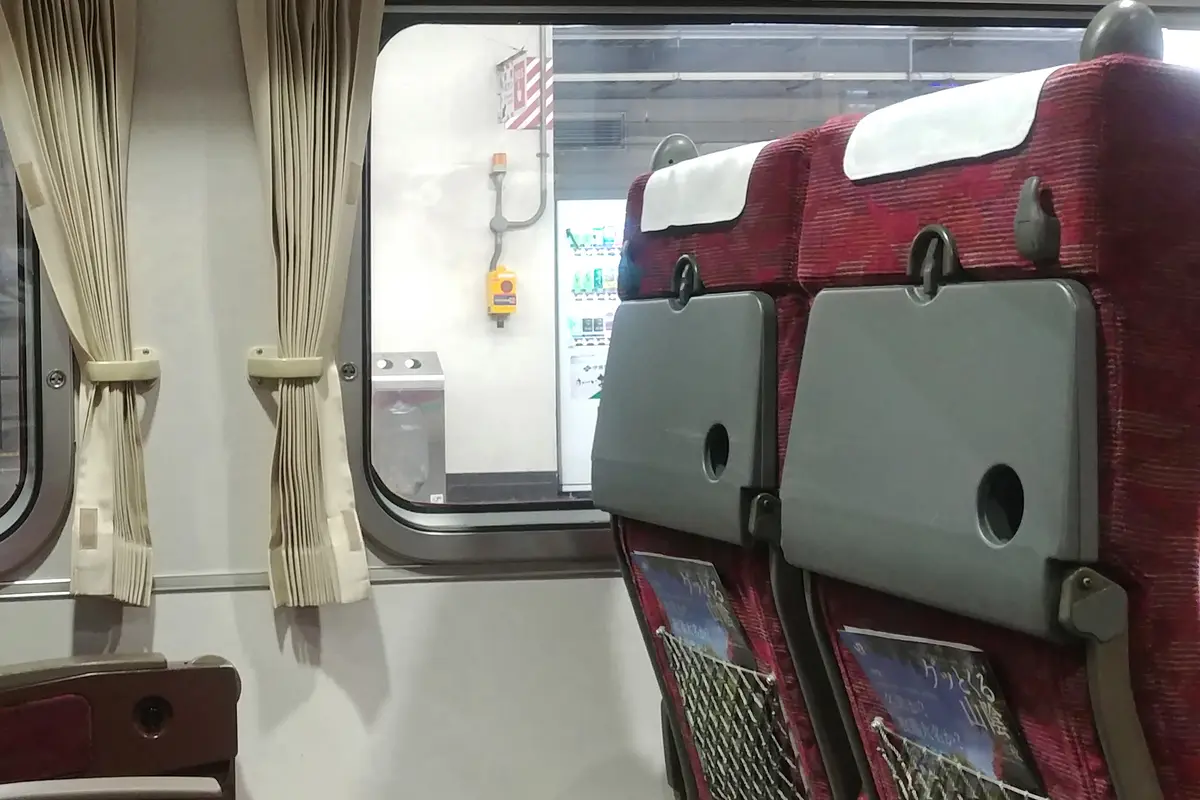
特急に乗ってこられたけっこう上品な感じのお婆さんが後ろの外国人に席を倒して良いか聞こうとしてて、恐らく翻訳アプリの発音機能で解決しようとしてたんだけど、響き渡った翻訳が「あなたを倒してもいいですか?」で口角が上がりまくってしまった。 An elegant elderly lady on the express train was trying to ask the foreigner behind her if she could recline her seat. She used the translation app's voice function, but the translation that echoed through the car was "Can I defeat you?" Probably not the right phrase.
いかん。つぼった。いや、なんとかしようとがんばったのはすごくいいことだと思う。 Oh no, I can't stop laughing. No but seriously, the fact that she tried so hard is really wonderful.
Mistranslation as connection. The app failed, but the human moment succeeded — because the effort was visible.
💡 The formula
Sumimasen + smile + translation app > silent screen shoved forward. Japanese people don't remember perfect translations. They remember visible effort. If you want to know more about what happens when you try Japanese — even imperfectly — this article shows the emotional impact of a single word.
The Generation Gap
The generational divide on translation apps is less about the technology and more about what communication means.
Younger Japanese people — digital natives who grew up with smartphones — see translation apps the way they see calculators: tools so obvious they don't deserve emotional weight. For them, questioning whether a translation app is "rude" is like asking whether a map is rude.
Older Japanese people, especially those who invested years in English study, have a more complex relationship with the technology. Some feel the "wall" more strongly — they grew up valuing face-to-face human communication and find the phone screen a barrier. But here's the surprise in our data: when older Japanese people discover translation tools for the first time, they often become the most enthusiastic adopters — because the tool suddenly gives them access to connections they'd given up on.
英語できなくて外人と遊ぶことを控えてたけど、AirPodsがあればオールオッケーやんけ。 I used to hold back from hanging out with foreigners because I can't speak English, but with AirPods it's all OK!
完璧に使いこなす必要はなく、大事なのは伝えたいという気持ちと、それをサポートしてくれる道具を持つこと。 You don't need to master it perfectly. What matters is the desire to communicate and having a tool to support that.
And a cross-generational consensus emerged in the data: regardless of age, Japanese people consistently said that basic words — arigatou, sumimasen, oishii — feel warmer in your own voice than through a screen.
What This Tells Us
This article started with a simple question: is it rude to use a translation app in Japan?
The answer is no. But the more honest answer is: it depends on who's holding the app.
A tourist who silently shoves a phone screen at a busy cashier — that's the wall. A tourist who makes eye contact, says "sumimasen," smiles, and then shows the translated text on their screen — that's the bridge. The technology is identical. The human element is what changes everything.
Japanese people aren't debating whether translation apps are good or bad. What they write points to something deeper: the tool works, but it can't carry warmth by itself. Warmth has to come from you — through your expression, your posture, your willingness to be a little awkward.
If you're wondering whether you need to speak Japanese at all, Do I Need to Speak Japanese? has the practical answer (no, but a few words change everything). If you want to understand why Japanese people switch to English when they see you, it's the same dynamic in reverse — they're trying to build a bridge too. And if you're curious about whether Japanese people actually want to meet you, the answer mirrors what we found here: the desire is there, but both sides are waiting for the other to go first.
Your translation app can be the first move. Just remember to look up from the screen.
Share Your Experience
Have you used a translation app in Japan? Did it feel like a bridge or a wall? We'd love to hear your story.
Sources
Japanese Voices (297 responses across 5 topics)
Collected from public Japanese Q&A sites, forums, and social posts, alongside Pocketalk case studies, Nikkei, Bloomberg, and industry publications. All quotes are from public Japanese-language platforms.
- Translation apps as bridge or wall (60 voices): Attitudes toward visitors using translation apps — from warmth to distance
- Service worker frontline (65 voices): Hotel, restaurant, taxi, convenience store, and pharmacy staff experiences
- Human touch alongside apps (60 voices): What Japanese people wish visitors would add to make app interactions warmer
- Generational differences (57 voices): How age affects attitudes toward translation technology
- Baseline research (55 voices): Initial data collection across Japanese platforms
WMJS First-Party Data
- JP Channel: language_translation_app Short (676 views, 139% average retention, poll n=10: 70% prefer screen text / 30% prefer audio, 1 viewer comment)
Note on Quotations
Quotes from online platforms have been lightly edited for readability (fixing typos, formatting for clarity). The meaning and intent of each comment remain unchanged. This article draws on Japanese-language voices and the publicly available platforms and publications named in this section.
WMJS is written in Japan, in English, with AI help. We check every page, but English is not our first language. If a sentence reads oddly, tell us. One sentence is enough.
Thank you. A person reads every note.
How well do you know Japan?
Built from 635 public posts by Japanese people
Want to know more? Ask Japanese people
Have a follow-up question about this topic? We'll ask real Japanese people.
Voice Box →