
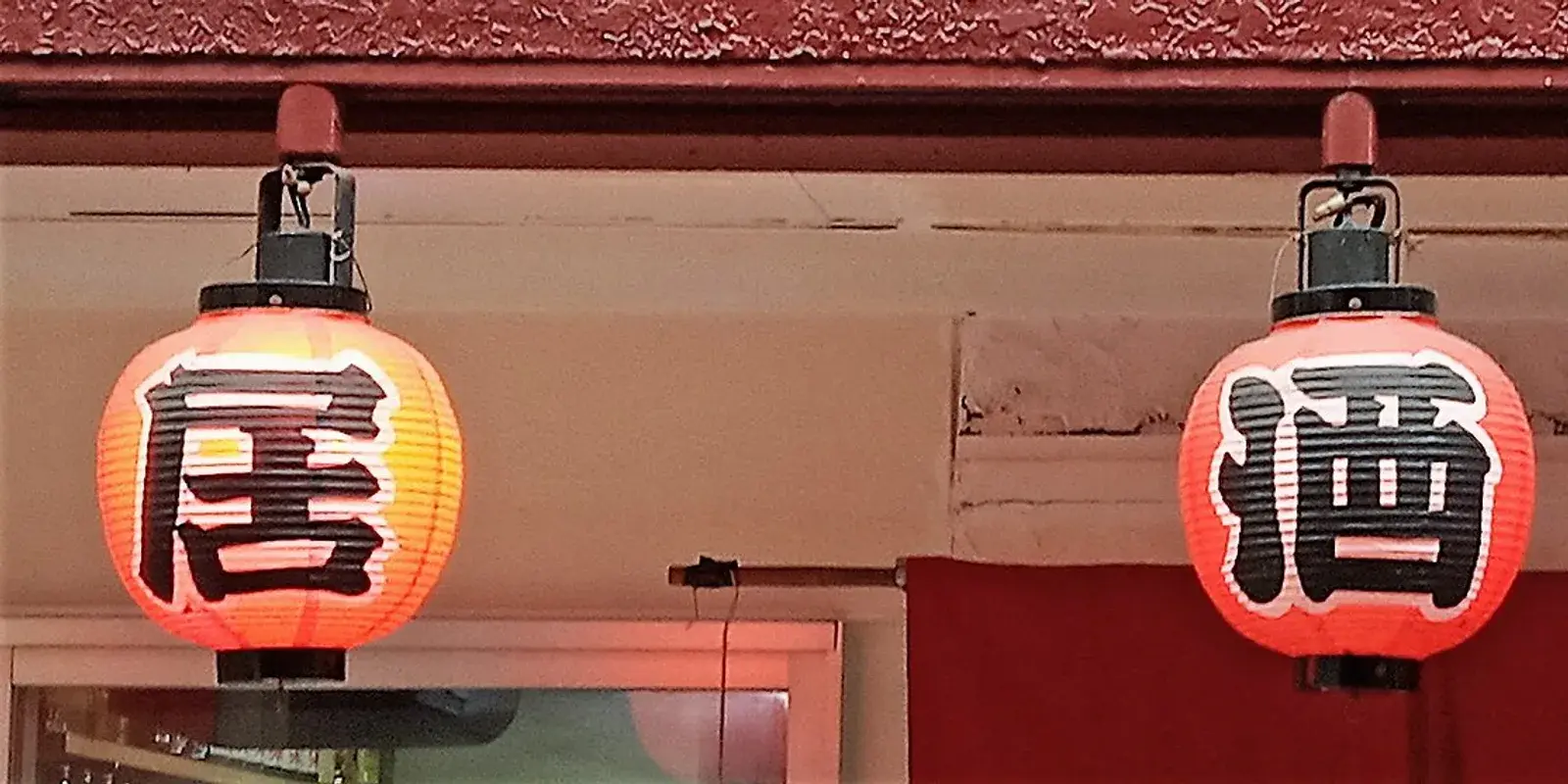
Do You Have to Drink in Japan? How Drinking Culture Changed and What Your Colleagues Actually Feel When You Say No
What you'll learn in this article:
- What 352 Japanese workers said about declining nomikai, attending without drinking, and working with foreign colleagues
- How Japan's drinking culture shifted from mandatory to optional, backed by government data and workplace surveys
- The one thing that matters more than whether you drink: just showing up
Do you have to drink in Japan? We read what 352 Japanese workers wrote online. The clear answer: no. In a separate 2024 survey of 831 workers, 64.5% said after-work drinking is unnecessary, and around 80% view pressuring attendance as harassment. When you decline, your colleagues' most common reaction isn't offense. It's relief.
If you're working in Japan, or even traveling with Japanese friends, you've probably heard about nomikai: the after-work drinking parties that are supposed to be where relationships are built, deals are sealed, and your career takes shape over beer.
And maybe you're wondering: do I actually have to go? What happens if I say no? What if I don't drink at all?
Japanese drinking culture has changed more in the last five years than in the previous fifty, and a lot of Japanese workers are just as relieved about it as you might be.
We collected 352 Japanese-language opinions from workers, managers, and organizers about nomikai: declining invitations, attending without drinking, and how they feel when foreign colleagues join, to find out what's actually happening behind Japan's famous drinking culture.
Quick Guide
| Situation | What Japanese People Said | |
|---|---|---|
| 🟢 Relax | Declining a nomikai | 48% feel relieved when someone declines, and many secretly want to go home too. Nobody's tracking attendance that closely. |
| 🟢 Relax | Attending without alcohol | Oolong tea is the standard non-drinker order. "Coming even though you can't drink? That actually raises my impression of you." |
| 🟡 Good to know | Showing up once | There's a real difference between "never comes" and "came once." The first team gathering or welcome party is the one that counts. |
| 🟢 Relax | Foreign colleagues joining | 57% are genuinely happy. "When they said 'kanpai!' in broken Japanese, the whole table warmed up." |
The one thing to remember: Nomikai isn't about alcohol anymore. It's about showing you value the relationship. You can say no. You can order oolong tea. You can leave after the first hour. What matters is that you showed up at least once, with warmth.
How We Gathered These Voices
We collected 352 Japanese-language responses across six nomikai topics: declining invitations (60 responses), attending without drinking (60), how the pressure has changed (58), foreign colleagues at nomikai (58), the effect of showing up once (58), and generational differences (58). We gathered these voices from public Japanese Q&A sites, forums, and social posts, along with reporting from Diamond Online, Nikkei, and other Japanese media.
A quick note: This isn't a controlled scientific survey. It's a collection of what real Japanese workers said in their own words, in their own language, on public platforms. Most English-language guides tell you "here's how to survive a nomikai." We wanted to show you why survival mode is no longer necessary.
The Cultural Shift: What Actually Changed
64.5% of Japanese workers now say after-work drinking parties are unnecessary.
Before we get to the emotional data, here's the context that changes everything: Japanese drinking culture is in the middle of a generational transformation. This isn't a subtle shift. It's a structural change backed by hard data.
The numbers tell the story:
- 78.4% → 57.8%: The percentage of Japanese companies holding year-end or New Year parties dropped from 78.4% in 2019 to 59.6% in 2024, then fell again to 57.8% in 2025, the first post-COVID decline, suggesting the change is permanent rather than temporary (Tokyo Shoko Research).
- 64.5%: The percentage of Japanese workers who now say nominication (building relationships through drinking) is unnecessary, up from a minority view a decade ago (Next Level / Mirai no Oshigoto, 2024, n=831).
- ~80%: The percentage of workers who view pressuring nomikai attendance or criticizing non-drinkers as nomi-hara: drinking harassment (Persol Research Institute, 2023).
- 2022: The year Japan's power-harassment law made prevention measures mandatory for all employers, small and mid-sized companies included. The Ministry of Health, Labour and Welfare says an after-hours gathering can count as part of the workplace when it is effectively an extension of work.
What COVID did was accelerate a change that was already brewing. When nomikai disappeared during the pandemic, many workers discovered they didn't miss them, and that realization stuck.
行きたくない飲み会を断れる若い子が羨ましい。私の時代は断るなんて選択肢なかった。時代は変わったなって思う、いい方向に。 I envy young people who can decline nomikai they don't want to attend. In my era, declining wasn't even an option. Times have changed, I think — for the better.
コロナで飲み会なくなった時、正直めちゃくちゃ楽だった。復活してからも断りやすい空気ができたのはよかった。 When nomikai disappeared during COVID, honestly it was incredibly freeing. Even after they returned, I'm glad it became easier to decline.
飲み会断る人のこと「付き合い悪い」って思う人、もう絶滅危惧種だと思う。令和の職場でそんなこと言ったらパワハラ認定される。 People who think "they have bad social skills" about those who decline nomikai are practically an endangered species. Say that in a Reiwa-era workplace and you'll be flagged for power harassment.
But the shift isn't without some honest nostalgia:
50代です。昔は飲みの席で部下の本音が聞けた。今はそういう場がなくなって、正直コミュニケーションの取り方がわからなくなった。 I'm in my 50s. In the old days, I could hear my subordinates' true feelings over drinks. Now those opportunities are gone, and honestly I don't know how to communicate anymore. (Manager, 50s)
💡 The big picture
The old stereotype, that declining a nomikai is career suicide, belongs to a Japan that's rapidly fading. Legal protections, generational change, and post-COVID clarity have made saying "no" not just acceptable but common. The question isn't whether you can decline. It's understanding what your choice means to the people around you.
What Happens When You Say No
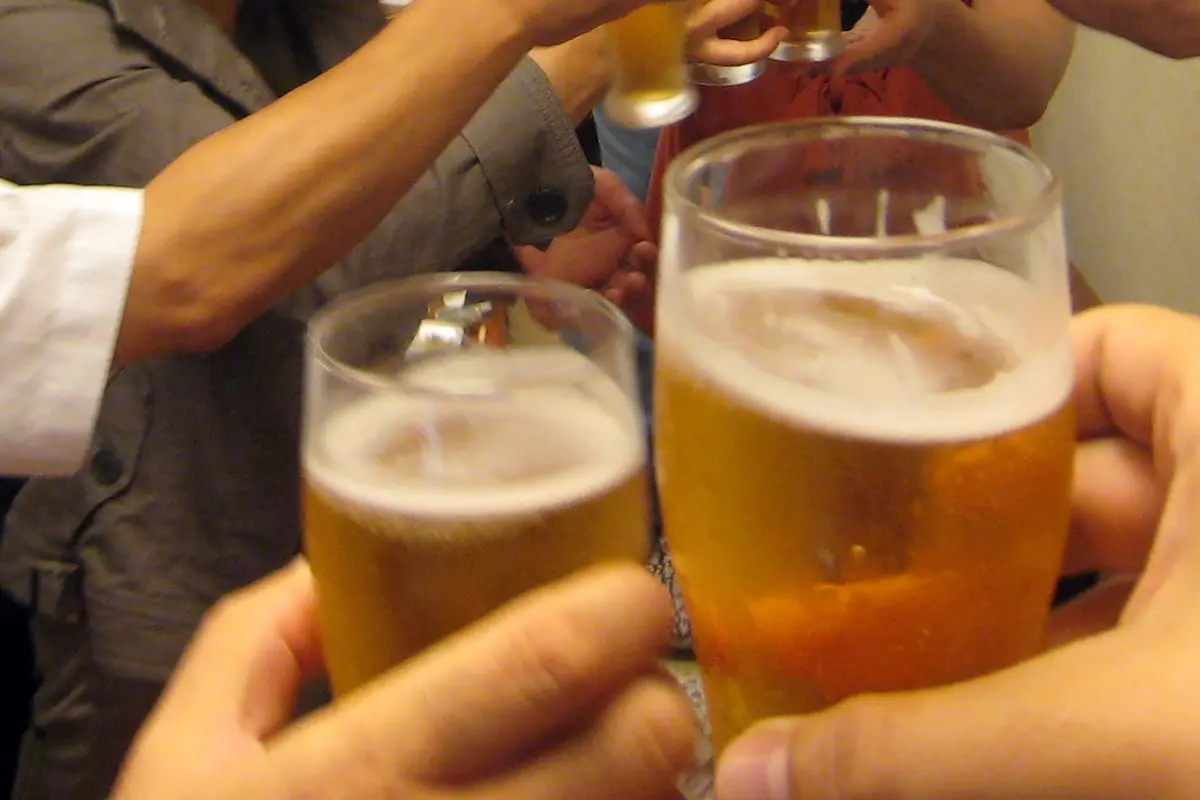
The honest answer: most of your colleagues will feel relieved, not offended.
This was the biggest surprise in our data. When someone declines a nomikai, the dominant emotional response from Japanese colleagues isn't disappointment. It's relief. Many of them want to go home too.
Of 60 responses about how they feel when a colleague declines:
正直、部下が飲み会断ってくれると内心ホッとする。自分も本当は早く帰りたいから。誰かが断ってくれると「じゃあ今日はやめとくか」って流れになるのがありがたい。 Honestly, when a subordinate declines a nomikai, I feel secretly relieved. I want to go home early too. When someone declines, it creates a flow where we can say "let's skip it today," and I'm grateful for that.
正直に言うと、飲み会断られた時の第一感情は「あ、じゃあ自分も今日は早く帰れるかも」。安堵が9割。 To be completely honest, my first emotion when someone declines is "oh, then maybe I can go home early too." Relief makes up 90% of it.
飲み会が嫌いなんじゃなくて、「断れない空気」が嫌い。だから誰かが断ってくれると、空気が変わって楽になる。断る人は勇者だと思ってる。 I don't hate nomikai — I hate the atmosphere where you can't say no. So when someone does decline, the pressure lifts. I think people who decline are heroes.
飲み会断られても全然気にしない。逆に「あ、今日飲み会あったんだ」レベルで忘れてる。みんなそんなに他人のこと見てない。 I don't care at all when someone declines. In fact, I forget it at the level of "oh, there was a nomikai today?" Nobody's watching others that closely.
A manager put it even more directly:
管理職だけど、飲み会の出欠で人を評価したことは一度もない。断る人は自分の時間を大切にしてるだけ。むしろ仕事ができる人ほどサクッと断る印象。 I'm a manager, but I've never once evaluated someone based on nomikai attendance. People who decline simply value their own time. In fact, the more capable someone is, the more cleanly they tend to decline. (Manager)
And this voice captured the self-reflection happening across Japanese workplaces:
新人が飲み会全部断ってるの見て最初は「え?」って思ったけど、よく考えたら業務外だし、強制する方がおかしい。価値観アップデートしないとダメだなって反省した。 At first I thought "huh?" seeing a new hire decline every nomikai, but then I realized it's outside work hours and forcing attendance is what's wrong. I reflected that I need to update my values.
But the 23% "a little sad" responses deserve attention too. They're not angry. They're wistful:
飲み会断られると寂しいっていうか、「あ、自分と飲むのつまんないのかな」ってちょっと凹む。でも強制はしたくないから何も言わない。 When someone declines, it's not so much loneliness as... I feel a bit deflated thinking "maybe drinking with me is boring?" But I don't want to force anyone, so I say nothing.
毎回断る人がいると、だんだん誘わなくなる。嫌いになったわけじゃなくて、申し訳ないから。本人は誘われなくなって寂しくないのかな。 If someone always declines, I gradually stop inviting them. Not because I dislike them, but because I feel bad asking. I wonder if they feel lonely not being invited anymore.
That last one is worth sitting with. The sadness in these voices isn't about hierarchy or control. It's about a genuine human desire for connection that doesn't know how to express itself in the new cultural landscape.
"I'll Come, But I Won't Drink"
Attending a nomikai without alcohol is completely fine, and it actually raises your stock.
If your worry is less about attending and more about the alcohol itself, here's reassuring news: nearly half of Japanese colleagues don't care at all if you don't drink. And some are genuinely impressed you showed up anyway.
Of 60 responses about non-drinkers at nomikai:
飲めないのに来てくれるんだぁって、むしろ好感度高いですよ。素直に飲めないって言ってくれた方が周りも安心します。 "They can't drink but came anyway" — that actually raises my impression of them. It puts everyone at ease when you're upfront about not drinking.
体質で飲めない人もいるんだし、ソフトドリンク頼めば何の問題もない。 Some people physically can't drink alcohol. Order a soft drink and there's no problem at all.
下戸の存在が許せないなんて時代遅れ。アルコール強要はアルハラですよ。 Not tolerating non-drinkers is outdated. Forcing alcohol is aru-hara — alcohol harassment.
The standard non-alcoholic order at nomikai is oolong tea, ūron-cha. It's so common that nobody blinks. Other popular choices include ginger ale, non-alcoholic beer, and sparkling water. Japan's non-alcoholic beverage market has exploded in recent years, and izakaya menus reflect it.
One practical tip emerged from the data: how you communicate matters. "I can't drink" (nomenai) is received more warmly than "I don't drink" (nomanai). The first suggests a physical limitation; the second can sound like a value judgment. It's a subtle distinction, but several voices mentioned it:
「飲めません」と控えめに伝えるのが無難。自分の主義主張を強調すると反感を買うこともある。 Saying "I can't drink" modestly is the safer approach. Emphasizing personal principles can rub some people the wrong way.
The 23% who find it slightly awkward aren't hostile. They're self-conscious. Their discomfort often comes from a surprising direction: they feel judged by the sober person watching them get tipsy.
無理して飲んで倒れたら逆に周りに迷惑かかりますよ。飲めないなら飲めないでいいんです。 If you force yourself to drink and pass out, you're the one causing trouble for everyone. If you can't drink, that's perfectly fine.
💡 The oolong tea rule
Oolong tea at nomikai is so standard it has its own abbreviation: ū-ron (ウーロン). Nobody questions it. What your colleagues care about isn't what's in your glass. It's that you're there.
When a Foreign Colleague Shows Up
57% are genuinely happy, and for reasons you might not expect.
If you're a foreign worker in Japan wondering whether you're welcome at nomikai, the answer is overwhelmingly yes. But the warmth isn't just politeness. Your Japanese colleagues are often excited for reasons that go beyond professional courtesy.
Of 58 responses about foreign colleagues at nomikai:
外国人の同僚が忘年会に来てくれた時、単純に嬉しかった。日本語がそこまで得意じゃないのにちゃんと参加してくれて、その気持ちだけでもう十分。 When my foreign colleague came to the year-end party, I was simply happy. Their Japanese wasn't great, but they showed up — that feeling alone was enough.
うちの会社のベトナム人の子、歓迎会で「カンパイ!」って覚えたての日本語で言ってくれて、みんな和んだ。 Our Vietnamese colleague said "Kanpai!" in Japanese they'd just learned at the welcome party, and everyone melted.
飲み会で外国人の同僚と話すと、いつもの仕事モードとは違う一面が見えて面白い。 Talking with foreign colleagues at nomikai, you see a side of them that's different from work mode. It's interesting.
外国人のお客さんじゃなくて同僚だから、飲み会に来てくれると「仲間」って感じがして嬉しい。チームの一体感が出る。 They're not a foreign customer — they're a colleague. When they come to nomikai, it feels like "we're a team." It creates unity.
The 19% who expressed concern aren't unwelcoming. They're anxious about their own English ability. This mirrors what we found in Do Japanese People Want to Meet You?: perceived coldness is usually English anxiety rather than rejection.
正直、英語が全然話せないから外国人の同僚と何を話せばいいか分からなくて困る。でも向こうが日本語頑張ってくれると距離が一気に縮まる。 Honestly, I can't speak English at all, so I don't know what to say to foreign colleagues. But when they try Japanese, the distance closes instantly.
飲み会の席で外国人に英語で話しかけようとして撃沈した。でもお酒の力で恥ずかしさが薄れて、結局カタコト同士で盛り上がった。 I tried to speak English to a foreign colleague at nomikai and crashed. But alcohol dulled the embarrassment, and we ended up having a great time in broken words on both sides.
And this story captures the magic of nomikai at its best:
うちのインド人の同僚、お酒飲まないけど飲み会には毎回来る。ウーロン茶飲みながらずっと笑ってて、場の雰囲気を明るくしてくれる。 Our Indian colleague doesn't drink alcohol, but comes to every nomikai. They sit there with oolong tea, laughing the whole time, brightening the atmosphere for everyone.
The Power of Just Being There
Showing up once, even without drinking, even just for an hour, makes a real difference.
This is where the practical wisdom lives. You don't have to attend every nomikai. You don't have to drink. You don't have to stay until the end. But there's a meaningful gap between "never comes" and "came once."
Of 58 responses about showing up versus always declining:
来てくれて、楽しもうとしてくれている時点で「ありがとう!」とさえ思いますよ。 The moment someone shows up and tries to enjoy themselves, I'm already thinking "thank you!"
1人だけ来ない、のが嫌ですね。1人だけしゃべらない、は問題ない。 "The only one who doesn't show up" is the problem. "The only one who doesn't talk much" is totally fine.
The second quote is key: you don't need to be the life of the party. Silent presence beats permanent absence.
The data suggests a strategic approach: there are certain nomikai that matter more than others.
The ones worth attending:
- Welcome party (kangei-kai): Your first team gathering is the most impactful
- Farewell party (sōbetsu-kai): Showing up when someone leaves shows you value the relationship
- Year-end party (bōnenkai): The one annual event where attendance is most noticed
The ones you can skip without worry:
- Regular Friday evening drinks
- Second rounds (nijikai): leaving after the first round is completely normal
- Casual "let's grab a drink" invitations
歓送迎会以外なら断っても良い。 Anything other than welcome and farewell parties, you can decline.
飲みニケーションをリスペクトニケーションに変えるべき。 We should change "nomini-cation" (drinking + communication) to "respecti-cation" (respect + communication).
The concept behind that last quote is exactly what's happening: the function of nomikai is being separated from alcohol. What matters is showing respect for the relationship, and you can do that with oolong tea, for one hour, once a quarter.
💡 The minimum viable nomikai
Show up to the welcome party with oolong tea. Stay for one hour. Say otsukare-sama deshita (good work today) when you leave. That's it. You've crossed the line from "never comes" to "showed up," and in Japanese workplace culture, that line matters more than anything you could say or drink at the party itself.
The Generation Gap
The generational divide on nomikai is real, but it's not what you'd expect.
The common narrative is "young people hate nomikai." But our data tells a more nuanced story: young workers don't hate drinking together. They hate being forced to. And here's the twist: some surveys show that workers in their 20s actually have the highest desire to participate (68-70%), while those in their 50s are the most reluctant.
The "twist phenomenon" (where managers are too afraid to invite, fearing harassment claims, while younger workers actually want relationship-building opportunities) creates a paradox where both sides want connection but neither knows how to initiate it.
What younger workers reject isn't nomikai itself. It's purposeless, hierarchical gatherings dominated by lectures and showing off. When the format changes to smaller groups, shorter events, and genuine conversation, participation jumps.
And this vocabulary shift tells the story perfectly: younger Japanese workers increasingly use gohan-kai (ごはん会, "meal gathering") instead of nomikai (飲み会, "drinking party"). Same purpose, different frame. The relationship matters; the alcohol doesn't.
What This Means for You
Whether you're working in Japan long-term or joining Japanese friends for a night out, here's the practical takeaway:
You can absolutely say no. The data shows most colleagues will be relieved, not offended. Japanese workplace culture has moved decisively toward respecting personal time.
But saying yes once opens a door. The difference between "never attends" and "attended once" is disproportionately large. If you're going to invest your time in one nomikai, make it the welcome party or your first team gathering.
You don't have to drink. Order oolong tea. Nobody will question it, and some colleagues will actually be impressed you came without needing alcohol as a reason.
Your presence matters more than your words. You don't need perfect Japanese. You don't need to be entertaining. Just being there, laughing along, and saying kanpai is enough to cross the line from "outsider" to "team."
Leave when you want. Slipping out after the first round is completely normal, and even Japanese workers do it. Say otsukare-sama deshita (good work today) and head home. Nobody will hold it against you.
If you're curious about what to expect at an izakaya, Your First Izakaya covers the ordering, the otoshi, and the "toriaezu beer" culture. And if you're wondering whether the small restaurant you're visiting needs your business, The Counter Is Getting Quieter tells the story of izakaya owners who are genuinely grateful when anyone walks through the door.
For more on how Japanese people actually want to connect with you, and why what looks like coldness is often just shyness, that article shows the other side of the wall. And Why Japanese People Choose These Rules explains the deeper cultural values that make these social dynamics make sense.
Share Your Experience
Have you been to a nomikai? Did you feel pressure, or was it more relaxed than expected? We'd love to hear your story.
Sources
Survey Data
- Tokyo Shoko Research (東京商工リサーチ): Year-end/New Year party survey, 2019-2025. Company party implementation rate: 78.4% (2019) → 59.6% (2024) → 57.8% (2025). TSR Data Insight
- Next Level / Mirai no Oshigoto (ミライのお仕事): 2024 survey of 831 workers. 64.5% view nominication as unnecessary. Top reasons: social pressure (61.8%), outside work hours (47.4%), cost (40.7%). PR Times
- Persol Research Institute (パーソル総合研究所): 2023 survey. ~80% of workers view pressuring nomikai attendance or criticizing non-drinkers as nomi-hara (drinking harassment). Persol Research Institute
- Nippon.com: "Nominication: Japan's Changing Culture of Company Drinking." Nippon.com
- Japan Power Harassment Prevention Law (労働施策総合推進法): Requires employers to take measures to prevent power harassment (large companies since June 2020, all employers since April 2022). In its pamphlet for employers, the Ministry of Health, Labour and Welfare notes that an after-hours social gathering that is effectively an extension of work can count as the workplace, judged case by case by its link to the job, who attends, and whether attending is compulsory or voluntary. Ministry of Health, Labour and Welfare, MHLW pamphlet on harassment measures (Japanese, PDF)
Japanese Voices (352 responses across 6 topics)
Collected from public Japanese-language Q&A sites, forums, and social posts, along with business media (Diamond Online, Nikkei, ITmedia). All quotes are from public Japanese-language platforms.
- Public Japanese Q&A sites, forums, and social posts: first-hand opinions on declining nomikai, non-drinker experiences, nomikai attendance and evaluation, workplace drinking pressure, and foreign colleagues
- Business media: Diamond Online, Nikkei, ITmedia Business surveys and analysis
Note on Quotations
Quotes from online platforms have been lightly edited for readability (fixing typos, formatting for clarity). The meaning and intent of each comment remain unchanged. Original sources are linked above.
WMJS is written in Japan, in English, with AI help. We check every page, but English is not our first language. If a sentence reads oddly, tell us. One sentence is enough.
Thank you. A person reads every note.
How well do you know Japan?
Built from 635 public posts by Japanese people
Want to know more? Ask Japanese people
Have a follow-up question about this topic? We'll ask real Japanese people.
Voice Box →