
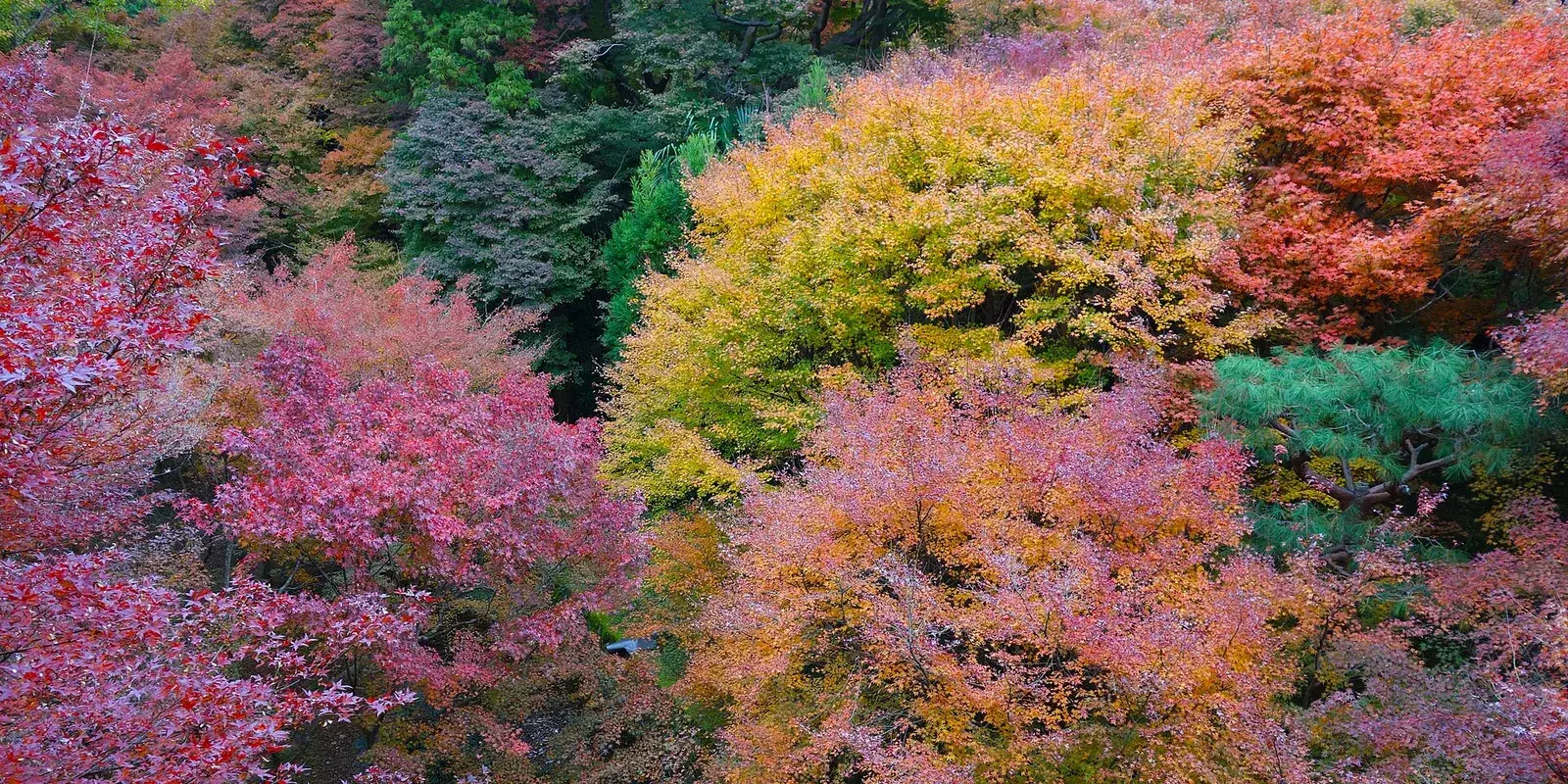
When Should You Visit Japan: The Months Japanese People Secretly Hope You'll Come
What you'll learn in this article:
- How 42.7 million visitors distributed across 12 months in 2025, and why the six busiest months hold just 52.5% of them
- What 286 Japanese people said about tourist timing, from Kyoto residents to rural inn owners to exhausted service workers
- Why shifting your trip by just one month can transform your experience, and earn you a warmer welcome
When is the best time to visit Japan? Based on 42.7 million visitor arrivals in 2025 and 286 Japanese voices, the quietest stretch is mid-January to February: February had the fewest foreign visitors of the year (3.26 million), and hotel occupancy is lowest in January, both nationwide (54.6%) and in Kyoto (52.8%). November brings autumn leaves and cool weather, with visitor numbers close to the monthly average (3.52 million). In 75% of the posts we collected about off-peak visitors, Japanese people wrote that they actively appreciate these travelers. Shifting your trip by just one month can transform the entire experience.
3.9 million vs. 3.3 million. That's the gap between Japan's busiest month (April) and its quietest (February) in 2025. The difference? A completely different Japan.
Every travel guide tells you the same thing: spring for cherry blossoms, autumn for foliage. And they're not wrong: those seasons are stunning. But here's what no guidebook shows you: the month you choose doesn't just affect what you see. It affects how Japan sees you.
We took three layers of government data (monthly visitor statistics from JNTO, accommodation occupancy from the Japan Tourism Agency, and 30-year climate normals from the Japan Meteorological Agency) and overlaid them with 286 real opinions from Japanese people to answer a question no one else has asked: when do Japanese people actually want you to come?
The numbers show you when it's crowded. The voices tell you when you're most welcome. The overlap reveals the real best time to visit.
Quick Guide
| What the Numbers Say | What Japanese People Say | |
|---|---|---|
| 🟢 The sweet spots | Mid-January to February: February has the fewest foreign visitors of the year (3.26 million), and hotel occupancy is lowest in January (54.6% nationwide, 52.8% in Kyoto). Cold but clear. | "むかし暮らしていた頃のような穏やかな空気感": "It felt like the calm Kyoto I used to live in." Off-peak visitors are genuinely appreciated. |
| 🟡 The trade-off months | April and October have mild temperatures AND the biggest crowds. 3.9 million visitors in April alone. Osaka hits 85% hotel occupancy in October. November brings autumn leaves and cool weather, with visitors near the monthly average (3.52 million) but the year's third-highest national hotel occupancy (65.4%). | "京都には観光シーズンなんてないわな": "There's no such thing as a tourist season in Kyoto anymore." Locals are tired of crowds that barely ease anymore. |
| 🔴 The honest warning | Outside Hokkaido, June–September brings rain, humidity, and heat. In a 2020 Japan Weather Association survey, 57% of people who had visited Japan in summer reported heat illness symptoms, and in its 2016 survey, 60% of residents from tropical Southeast Asia found Japan's summer harder than home. | "まじで日本の夏は暑すぎる": "Japan's summer is seriously too hot." Japanese people themselves warn visitors away from July–August. |
The one thing to remember: The "best" month isn't when the scenery peaks. It's when great weather, low crowds, and genuine local welcome overlap. That window is narrower than you think, and this article will show you exactly where it is.
About the Data
📊 Government statistics: Visitor numbers are from JNTO's Monthly Visitor Statistics 2025, covering all 42.7 million arrivals by nationality and month. Accommodation data is from the Japan Tourism Agency's Accommodation Survey 2025 (Confirmed/確定値), with monthly occupancy rates for all 47 prefectures. Excel data. Climate data uses JMA 30-year normals (1991–2020) for six major cities.
💬 Japanese voices: 286 Japanese-language responses collected from public platforms across five topics related to tourism timing. Not a scientific survey, but a collection of what real Japanese people said in their own words about when they want visitors to come.
Part 1: The Numbers
All temperatures are in Celsius. For reference: 20°C = 68°F, 30°C = 86°F, 0°C = 32°F.
42.7 Million Visitors, But Not Evenly Spread
In 2025, Japan welcomed a record 42.7 million visitors. But they didn't arrive evenly. Here's how 12 months actually looked:
| Month | Visitors | vs. Average | Hotel Occupancy | Foreign Stays |
|---|---|---|---|---|
| Jan | 3,781,629 | +6.3% | 54.6% | 15.2M nights |
| Feb | 3,258,491 | −8.4% | 60.4% | 13.8M nights |
| Mar | 3,497,755 | −1.7% | 61.1% | 14.9M nights |
| Apr | 3,909,128 | +9.9% 🔺 | 61.4% | 17.2M nights 🔺 |
| May | 3,693,587 | +3.8% | 61.7% | 15.9M nights |
| Jun | 3,377,985 | −5.0% | 58.8% | 14.2M nights |
| Jul | 3,437,118 | −3.4% | 61.2% | 14.2M nights |
| Aug | 3,428,406 | −3.6% | 65.7% | 14.1M nights |
| Sep | 3,267,228 | −8.1% | 62.8% | 12.8M nights 🔻 |
| Oct | 3,896,524 | +9.5% | 66.6% 🔺 | 16.9M nights |
| Nov | 3,517,659 | −1.1% | 65.4% | 14.8M nights |
| Dec | 3,617,791 | +1.7% | 59.5% | 15.8M nights |
Two things jump out. First, the gap between the busiest and quietest months is smaller than you'd expect: only 650,000 visitors separate April's peak from February's trough. Japan no longer has a true "off-season." Second, October has the highest hotel occupancy (66.6%) even though April has the most visitors. That's because October visitors stay longer, booking more nights per trip, a pattern that also shows up in how tourists distribute their spending.
But national averages hide dramatic regional differences.
The City-by-City Story
Where you go matters as much as when you go. Here's how hotel occupancy varies across Japan's most popular destinations:
| Month | Tokyo | Osaka | Kyoto | Hokkaido | Okinawa | Fukuoka |
|---|---|---|---|---|---|---|
| Jan | 71.1% | 71.6% | 52.8% 🔻 | 62.1% | 52.5% | 67.8% |
| Feb | 75.4% | 76.2% | 56.1% | 68.0% | 62.1% | 74.9% |
| Mar | 76.3% | 76.8% | 66.7% | 55.2% | 59.6% | 72.4% |
| Apr | 79.4% | 81.0% | 73.9% | 46.3% 🔻 | 60.5% | 73.8% |
| May | 77.5% | 82.0% | 71.3% | 55.1% | 56.2% | 72.9% |
| Jun | 73.2% | 79.4% | 66.1% | 64.7% | 58.8% | 68.5% |
| Jul | 73.5% | 74.9% | 61.9% | 69.8% 🔺 | 64.4% | 68.8% |
| Aug | 74.5% | 80.7% | 63.9% | 69.5% | 66.4% 🔺 | 71.2% |
| Sep | 76.5% | 83.4% | 70.1% | 67.4% | 62.6% | 69.9% |
| Oct | 80.6% 🔺 | 84.9% 🔺 | 76.8% 🔺 | 63.2% | 66.6% | 76.3% |
| Nov | 79.8% | 79.0% | 74.3% | 54.2% | 61.3% | 77.8% 🔺 |
| Dec | 78.2% | 72.9% | 67.0% | 59.5% | 51.9% 🔻 | 71.1% |
Kyoto tells the most dramatic story. January occupancy is 52.8%, with nearly half the rooms sitting empty. By October, it's 76.8%. That's a 24.0 percentage point swing, the widest of any major destination. If you've heard "Kyoto is always packed," the data says otherwise: Kyoto in January is a different city.
Hokkaido runs on the opposite calendar. April has the lowest occupancy (46.3%): spring hasn't arrived yet while mainland Japan celebrates cherry blossoms. Peak is July (69.8%) when the rest of Japan is sweltering. Even Mount Fuji follows seasonal logic: its daily climbing cap means timing your visit matters more than ever.
Osaka is the hardest city to find a room. It hits 85% in October and stays above 75% for nine months. If Osaka is your primary destination, the months below 75% are January (71.6%), December (72.9%) and July (74.9%).
Okinawa is most available in winter (51.9% in December, 52.5% in January) when the mainland is freezing but Naha still averages 17–19°C.
Where Your Country Fits
Not all visitors follow the same calendar. Your nationality might be working for or against you:
| Market | Peak Month | Trough Month | Concentration Ratio | Pattern |
|---|---|---|---|---|
| 🇰🇷 South Korea | Dec (974K) | Aug (661K) | 1.5x | Winter lovers: ski season, affordability |
| 🇨🇳 China | Aug (1,019K) | Dec (330K) | 3.1x | Summer surge: school holidays drive timing |
| 🇹🇼 Taiwan | Aug (621K) | Feb (507K) | 1.2x | Steady visitors: most evenly spread |
| 🇺🇸 USA | Jun (345K) | Jan (183K) | 1.9x | Summer + shoulder: peaks June, strong spring/autumn |
| 🇪🇺 Europe | Apr (405K) | Jan (113K) | 3.6x | Extreme spring/autumn: almost nobody comes in winter |
| 🇦🇺 Australia | Jan (140K) | Aug (41K) | 3.4x | Southern hemisphere flip: their summer = Japan's winter |
| 🇹🇭 Thailand | Dec (174K) | Aug (35K) | 4.9x | Avoiding heat: skip Japan's summer entirely |
| 🇸🇬 Singapore | Dec (141K) | Aug (21K) | 6.9x | Most concentrated: almost exclusively winter visits |
European visitors show one of the sharpest swings: 3.6 times more visitors in April than January. This means if you're European and you visit in winter, you're going against the grain of your own market, and you'll find fewer compatriots competing for the same ryokan, restaurants, and temple experiences.
Taiwanese visitors are the most evenly distributed: their busiest month brings only 1.2 times as many visitors as their quietest. This partly explains why Japanese businesses in tourism-heavy areas report consistently positive experiences with Taiwanese visitors: the steady flow prevents the "wave" effect that strains local resources.
The Weather Layer
Numbers don't matter if you're miserable. Here's what the climate actually looks like across Japan:
| Month | Tokyo | Osaka | Sapporo | Naha | Best For |
|---|---|---|---|---|---|
| Jan | 5.4°C ☀️ | 6.2°C ☀️ | −3.2°C ❄️ | 17.3°C 🌤️ | Okinawa escape, Hokkaido snow |
| Feb | 6.1°C ☀️ | 6.6°C ☀️ | −2.7°C ❄️ | 17.5°C 🌤️ | Sapporo Snow Festival, empty Kyoto |
| Mar | 9.4°C 🌸 | 9.9°C 🌸 | 1.1°C ❄️ | 19.1°C 🌤️ | Cherry blossoms open in late March (Kyushu to Kanto) |
| Apr | 14.3°C 🌸 | 15.2°C 🌸 | 7.3°C 🌤️ | 21.5°C ☀️ | Peak cherry blossom, peak crowds |
| May | 18.8°C ☀️ | 20.1°C ☀️ | 13.0°C ☀️ | 24.2°C 🌧️ | Golden Week ends, crowds ease |
| Jun | 21.9°C 🌧️ | 23.6°C 🌧️ | 17.0°C ☀️ | 27.2°C 🌧️ | Hokkaido only (no rainy season) |
| Jul | 25.7°C 🌧️ | 27.7°C ☀️ | 21.1°C ☀️ | 29.1°C ☀️ | Hokkaido summer, festivals |
| Aug | 26.9°C ☀️ | 29.0°C ☀️ | 22.3°C ☀️ | 29.0°C ☀️ | Extreme heat, Obon domestic rush |
| Sep | 23.3°C 🌧️ | 25.2°C 🌧️ | 18.6°C 🌧️ | 27.9°C 🌧️ | Typhoon season, still hot |
| Oct | 18.0°C 🍂 | 19.5°C 🍂 | 12.1°C 🍂 | 25.5°C ☀️ | Hokkaido's autumn leaves, nationwide peak occupancy |
| Nov | 12.5°C 🍂 | 13.8°C 🍂 | 5.2°C ❄️ | 22.5°C ☀️ | Autumn leaves in Tokyo and Kyoto, crowds easing |
| Dec | 7.7°C ☀️ | 8.7°C ☀️ | −0.9°C ❄️ | 19.0°C 🌤️ | Illuminations, year-end atmosphere |
The weather tells a clear story: mainland Japan has two ideal windows (mid-March to mid-May, and mid-October to late November) sandwiching a brutal summer. But Hokkaido and Okinawa run on different clocks: Hokkaido's best weather arrives when the mainland is drowning in rain, and Okinawa stays warm when everywhere else is freezing. Landscapes follow their own clocks too: the vast grasslands around Mount Aso turn fresh green in summer and ripple gold with pampas grass in autumn, when the clearest mornings bring a sea of clouds across the crater.
Tokyo receives more rain in October (235mm) than in any summer month, a fact that surprises most visitors planning an "autumn trip." September is the wettest month nearly everywhere. If rain is your enemy, Tokyo's driest months are February (56.5mm), December (57.9mm) and January (59.7mm); November gets 96.3mm, less than half of October's. And foliage keeps its own calendar by altitude: in the mountains around Nikko, north of Tokyo, the colors turn weeks earlier up high than down among the shrines, so an autumn trip there is really several timings at once.
Part 2: What the Numbers Don't Tell You
The data above tells you when it's crowded and where it's available. It doesn't tell you what the Kyoto shopkeeper feels when her street empties in January, or why a rural inn owner says "thank you for choosing us over Tokyo," or how Japanese people honestly feel when 3.9 million visitors arrive in a single month.
That's where 286 Japanese voices come in, and where the numbers start to mean something.
🟢 "Come When It's Quiet: We'll Be Glad to See You"
The clearest signal in all 286 responses: Japanese people overwhelmingly welcome off-peak visitors.
Of 60 posts about how Japanese people feel when tourists visit during quiet months:
75% positive: the highest welcome rate across any viewpoint we've measured on this site. For context, our research on general tourist feelings found positive rates closer to 30%. The timing makes a difference.
A Kyoto resident described January:
京都。1月は本当に観光客が少ないのでおすすめ。西欧系の人はクリスマスが大事なので国に帰ってるし、日本の人は年末年始が最後で1月3日を境に一気に来なくなる Kyoto. January has genuinely few tourists — I recommend it. Western visitors go home for Christmas, and Japanese visitors disappear after January 3rd.
Another visitor to off-season Kyoto:
人いなさ過ぎて不安になったぐらいだった It was so empty, I actually got worried.
むかし暮らしていた頃のような穏やかな空気感でえがった It felt like the calm Kyoto I used to live in. Lovely.
A local business owner put it simply:
この人ら来てくれんと、つぶれるし、ありがたい If these people didn't come, we'd go under. We're grateful.
The warmth extends beyond Kyoto. Residents of rural destinations like Yamaguchi, Aomori, and Tohoku actively invite visitors. A taxi driver reported that more foreign tourists are heading to San'in and Tohoku after "finishing" Kyoto. These quieter regions don't experience overcrowding. They experience undercrowding. Aomori's Hirosaki Castle, the only original castle keep left standing in the north, catches the cherry blossom in late April, weeks after the big cities have turned green, and stays calm outside its short festival. For them, every visitor in January or February represents survival. And getting around Japan is easier than most visitors expect, even to these off-the-beaten-path destinations. If you want to understand exactly where your welcome will be warmest before you book, Japan's regional welcome map breaks down the welcome dynamics prefecture by prefecture, giving you the data to choose not just the right season but the right place.
And there's a quality dimension that the data doesn't capture but the voices do:
「郷に入れば郷に従え」ができる客層が、閑散期に来る The kind of visitors who "follow local customs when in a new place" tend to come during quiet seasons.
In several of the posts we collected, Japanese people observed that off-peak visitors tend to be more culturally aware, more respectful, and more engaged with local customs: the kind who try a few words of Japanese or bow instinctively when saying thank you. Whether that's cause or effect (people who research deeper find quieter months, or quieter months bring out more considerate behavior), the result is the same: the welcome is warmer when the crowds are thinner.
Here's where the data and the voices tell the same story. The JNTO data shows February has 650,000 fewer visitors than April. The accommodation data shows Kyoto has 24.0 percentage points less occupancy in January than October. And the voices say, overwhelmingly: "we notice when you come during the quiet months, and we appreciate it." The numbers create the space. The welcome fills it.
💡 The timing premium
Off-peak visitors don't just get lower prices and shorter lines. They get a fundamentally different reception. 75% welcome rate vs. roughly 30% during peak season isn't a small difference. It's the gap between being part of a crowd and being a guest.
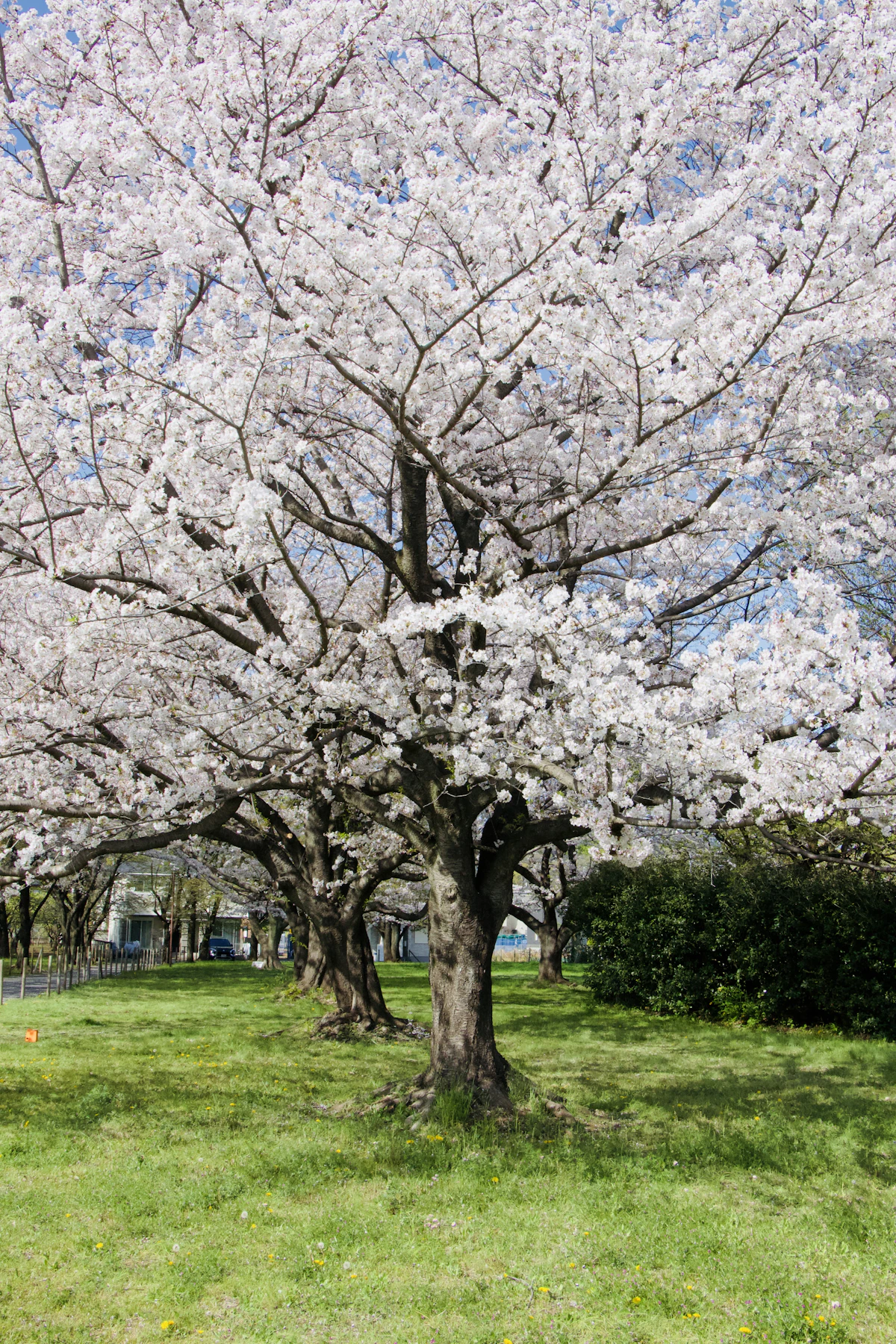
🟡 "We Love That You Want to See the Cherry Blossoms, But..."
Spring and autumn are beautiful. They're also when Japanese people feel most exhausted by tourism.
Of 62 posts about spring/autumn tourist concentration:
The autumn foliage crowds hit hardest:
紅葉シーズンの清水寺、人口密度がとんでもないことになっててほぼ身動き取れなかった During autumn foliage season at Kiyomizu Temple, the crowd density was unbelievable — you could barely move.
京都には観光シーズンなんてないわな。1年中人が途切れることなくなったから There's no such thing as a "tourist season" in Kyoto anymore. The crowds never stop, all year round.
If autumn is your season, it's worth knowing how Japanese people really feel about those crowds, and the gentle ways they still enjoy the colors: Autumn Leaves in Japan.
Kyoto's efforts to distribute tourists across seasons may have backfired:
京都は必死に観光客が来る時期を分散させました。その結果、観光シーズンが無くなって、年中混み合うようになった Kyoto worked hard to spread tourists across seasons. The result? The "tourist season" disappeared — now it's crowded year-round.
And the displacement of Japanese residents themselves:
10年前はまだそこまで人いなかったし、京都に住んでた学生の時にもっと観光したりいろいろしておけばよかったな Ten years ago it wasn't this bad. I wish I'd explored more when I was a student living in Kyoto.
But here's what makes this nuanced rather than simply negative. Several voices offered pragmatic acceptance:
観光って日本最後の競争力かもしれないからね Tourism might be Japan's last competitive advantage.
外国人観光客のマナー、日本人の花見客より良いかもしれない Foreign tourists' manners might actually be better than Japanese cherry blossom party groups.
The data confirms what the voices describe. April's 3.9 million visitors create a concentration ratio of 1.1x versus the annual average, not extreme on paper, but when combined with domestic travelers (total overnight stays hit 53 million in April), the pressure is real. In Kyoto specifically, the swing from 52.8% occupancy in January to 73.9% in April means the city absorbs nearly 50% more overnight guests in its busiest month.
But here's the integration insight: the frustration creates the opportunity. The same people who say "Kyoto is unbearable in October" also say "come in January, we'd love to see you." The 55% negative sentiment about peak season and the 75% positive sentiment about off-peak aren't contradictions. They're two sides of the same coin.
💡 The invitation hidden in the complaint
When Japanese people say "there are too many tourists in April," they're not saying "don't come." They're saying "come, but maybe not then." The data backs this up: shifting from April to February cuts crowds by 650,000 visitors, drops Kyoto's occupancy by 20 percentage points, and transforms the local welcome from strained to genuinely warm.
🔴 Summer: The Honest Warning
Japanese people aren't being dramatic when they tell you to avoid summer. The data supports their concern.
Of 52 posts about summer tourism:
The warnings are vivid:
まじで日本の夏は暑すぎるので外国人のみなさんは10月くらいまで来ない方がいい気がする Seriously, Japan's summer is way too hot. I feel like foreigners should just not come until October.
日本人でも湿気と雨、そして頭痛で嫌になります Even Japanese people can't stand the humidity, rain, and headaches.
This isn't exaggeration. A Japan Weather Association survey (2020, n=200) of people who had visited Japan in summer found that 57% reported heat illness symptoms, most often dizziness or facial flushing. A separate Japan Tourism Agency survey of 630 departing visitors at Narita and Haneda in August 2019 found that 89% called Tokyo's summer muggy, rising to 99% among its 110 North American respondents. And in a 2016 Japan Weather Association survey of 200 foreign residents, about 80% found Japan's summer as hard to bear as their home country's or harder, and 60% of those from tropical countries such as Singapore, Thailand and Indonesia found it harder.
The humidity is the differentiator. Tokyo in August averages 29°C, similar to Singapore or Bangkok, but with 74% humidity and concrete heat islands that push perceived temperature well above 35°C. It's not the heat, it's the wet heat.
But summer has a paradox worth understanding. August's 65.7% hotel occupancy is the second highest of any month, yet it's driven almost entirely by domestic travel. Japanese families flood resort areas during Obon (mid-August). Meanwhile, foreign visitor overnight stays actually drop to 14.1 million in August, among the lowest all year.
This creates a hidden opportunity:
お盆は逆に有名観光地が空く。日本人が実家に帰省するから Obon actually empties out famous tourist spots — because Japanese people go to their family homes.
And there is the cultural trade-off that 40% of these voices acknowledged. In a 2025 survey of 200 foreign residents of Japan, 85.4% named fireworks festivals as their best summer experience in the country.
So summer isn't a blanket "don't go." It's a "know what you're signing up for" situation. The data suggests two viable summer strategies: Hokkaido (no rainy season, 17–22°C, peak flower fields) or targeting Obon week in non-resort cities where domestic tourists have cleared out.
💡 The Hokkaido exception
While mainland Japan suffocates in June-August, Hokkaido skips the rainy season entirely and stays 10°C cooler. Its accommodation occupancy peaks in July (69.8%) but that's still lower than Tokyo or Osaka on an average month. If summer is your only option, redirect north, to a city like Hakodate, where summers stay cool even when Honshu swelters and the cherry trees don't open until around the start of May, weeks after the rest of Japan.
💬 What do you think?
Japanese readers: How do you feel about this?Visitors: Have you experienced this in Japan?
Share your voice →The Rainy Season: A Surprisingly Beautiful Exception
One finding we didn't expect: Japanese people have genuinely warm things to say about rain.
Of 60 posts about visiting during the rainy season (梅雨, mid-June to mid-July):
The warnings are practical:
せっかく観光に行くのに梅雨シーズンで雨でまともに観光できないのが勿体無い It feels like a waste to go sightseeing during rainy season and not be able to do it properly.
But the counterpoint was unexpectedly poetic:
しっとりとした空気が心を落ち着かせてくれる The moist air has a way of calming the soul.
Multiple voices described a Japan that only appears in the rain:
雨の鎌倉は紫陽花が本当に美しい Kamakura in the rain, with hydrangeas in bloom, is truly gorgeous.
苔が緑に光る The moss glows green.
Those rain-soaked hydrangeas are a season of their own: Japan's ajisai glow their deepest blues and pinks in exactly this rain, and locals say the wet weather is the whole point.
These same early-summer evenings, from late May into early July, are also when Japan's fireflies come out over the streams, a quiet, fleeting sight that Japanese people gather to watch in the dark and, tellingly, never catch.
The data supports trying rainy season if you can handle the dampness. June has the 3rd-fewest visitors (3.38 million) and Kyoto drops to 66.1% occupancy. The practical downsides are real: high humidity (75%+), unpredictable rainfall, limited outdoor activities. But the visual rewards and lower competition make it a legitimate option for flexible travelers.
And remember: Hokkaido has no rainy season. June in Sapporo averages 17°C, 60mm of rain (vs. 168mm in Tokyo), and 180 hours of sunshine. It's arguably Hokkaido's most pleasant month.
The Generation Gap
Our research across 52 voices revealed nuanced generational differences in how Japanese people feel about tourist timing:
Younger generations (10s–20s) are more likely to see tourism as cultural exchange (22.1% vs. 11.9% overall) and less likely to express frustration. They grew up with foreign tourists as a normal part of the landscape.
Older generations (60s+) take the most direct action, both positive and negative. They're the ones who physically guide lost tourists to their destinations, but also the ones most likely to call for visitor caps or express nostalgia for a quieter Japan.
Middle generations (30s–40s) focus on infrastructure: overcrowded buses, inability to get restaurant reservations, rising prices. Their frustration is practical, not cultural.
One cross-generational finding stood out: 65% cited manners as their primary concern, with no significant age gap. The stereotype that "older Japanese are less tolerant" doesn't hold: all generations care about the same thing, and it isn't when you come. It's how you behave while you're here.
Comparing the Windows: Weather, Crowds and Welcome
Three layers of data. 286 voices. Here is how the windows compare on weather, crowd numbers and local welcome, with late November listed separately for the autumn leaves:
| Window | Weather | Crowds | Local Welcome | The Catch |
|---|---|---|---|---|
| 🥇 Mid-Jan to Feb (excluding CNY week) | Cold but dry. Okinawa 17°C. Snow festivals in Hokkaido. | Lowest (3.26M visitors). Kyoto 53–56% occupancy. | Highest (75% positive). Locals genuinely grateful. | It's cold. "Cold enough to think it's trying to kill you," as one voice put it. |
| 🥈 June in Hokkaido | 17°C, no rainy season, lavender fields begin. | Low nationally: 3.38M visitors, 5.0% below the monthly average. Hokkaido 64.7%. | Not measured for Hokkaido. | Rest of Japan is in rainy season. Hokkaido-only trip. |
| Honorable mention: Early December | Daily average about 8–10°C in Tokyo and Kyoto, dry. Illumination season. | December as a whole: 3.62M visitors, 1.7% above the monthly average, though national hotel occupancy is the year's third lowest (59.5%). Tokyo 78.2%, Kyoto 67.0%, Osaka 72.9%. | Not measured for December. | Short days: in early December the sun sets at about 4:28 pm in Tokyo and 4:45 pm in Kyoto. |
| 🍁 Late November (for autumn leaves) | Daily average about 10–11°C in Tokyo and Kyoto. Kyoto City lists mid-to-late November as the usual best time at 51 of its 78 leaf spots. Tokyo's reference maple turns red on November 28 on average, and its ginkgo yellow on November 23. | November as a whole: 3.52M visitors, close to the monthly average. Kyoto 74.3% (October 76.8%). | Mixed. Of the 62 posts about spring and autumn crowds, 55% were frustrated by the crowding. | Leaf timing moves. Hokkaido's maples turn red about a month earlier (Sapporo's average is October 28), and Tokyo's reference maple turned red on November 23 in 2025, five days early. In Kyoto's 2025 reports, 72 of the 78 spots were at their best on November 25, and 15 on December 5. |
That December honorable mention is also illumination season: a companion piece on winter illuminations gathers Japanese voices on the crowds, the cold, who to bring along, and how to photograph the lights. If you're aiming for late November, see Japan in November for average temperatures, the weather agency's average leaf-coloring dates for ten cities, the usual best times at Kyoto's leaf spots, and the change to tax-free shopping that starts that month.
The window most visitors miss: February outside of Chinese New Year week. European visitors are almost entirely absent (113,000 in January vs. 405,000 in April). The weather is dry and clear: Tokyo gets only 57mm of rain, fewer than any other month. It's also when the plum blossoms that open before the cherries come into their own: late January through early March, weeks ahead of sakura. Kyoto runs its special "Winter Journey" program, opening normally closed temple interiors. February is also when the deep snow lies heaviest up north, when a snow-country hot-spring town like Ginzan Onsen, gas lamps glowing over snow-banked wooden inns, looks most like the Japan of old postcards. And the welcome? The warmest you'll find anywhere in Japan, any time of year.
The popular choice that still works: If cherry blossoms or autumn foliage are non-negotiable, plan around the usual dates. The weather agency's reference cherry trees reach full bloom on March 31 in Tokyo and April 4 in Kyoto and Osaka, on average, and in 2021–2026 full bloom came earlier than that in five of the six years in Tokyo and in four in Kyoto and Osaka. For autumn leaves, late November falls within the usual best time at 71 of the 78 spots on Kyoto City's list, and the reference maples in Tokyo and Osaka turn red on November 28 and December 1 on average. By the month, November's hotel occupancy is below October's in Tokyo, Osaka and Kyoto, though only slightly in Tokyo. And the bloom itself buys you time: on the sacred cherry mountain of Yoshino, the blossoms climb the slopes by altitude over weeks, so a single trip can catch them at different stages.
One More Thing
Every travel guide frames this question as "when is the best weather?" or "when are the cherry blossoms?" This article tried to answer a different question: when does Japan most want you there?
The answer isn't complicated. Come when it's quiet. Explore beyond the obvious. Stay a little longer. And if you do visit during peak season, no judgment. The cherry blossoms really are that beautiful.
But know this: the Japanese person serving your coffee in February, or the ryokan owner welcoming you to an almost-empty guesthouse in January, or the shopkeeper in Tohoku who can't believe you chose her town over Tokyo, they notice. And they're grateful.
That's not something the guidebooks can tell you. But the data and the voices can.
Sources
Statistical Data (Primary Sources, Directly Analyzed)
All statistical data was extracted directly from the following government files, downloaded and stored in the article's sources/ directory, or in a companion article's directory where noted. See sources/README.md for detailed extraction notes and sheet references.
JNTO: Monthly Visitor Statistics 2003–2026
- Published: Updated monthly (file used: the 2026-09-16 update; the 2025 figures have been JNTO's confirmed figures since the 2026-08-19 update)
- Excel tables (
jnto_visitors_2003_2026.xlsx):- Sheet "2025": Nationality/monthly visitor numbers for 2025 (confirmed figures)
- Sheet "2026": January–August 2026 data
- Downloaded from: https://www.jnto.go.jp/statistics/data/visitors-statistics/
Japan Tourism Agency: Accommodation Survey 2025 (Confirmed/確定値)
- Published: 2026-07-06
- Excel tables (
accommodation_2025_annual_confirmed.xlsx, stored in the42-million-visitorscompanion article'ssources/directory):- Tables 2 (monthly): Total and foreign overnight stays by prefecture
- Tables 8 (monthly): Room occupancy rates by prefecture
- Tables 2/8 (annual): Year totals
- Downloaded from: https://www.mlit.go.jp/kankocho/tokei_hakusyo/shukuhakutokei.html
Japan Meteorological Agency: Climate Normals 1991–2020
- 30-year statistical averages for monthly temperature, precipitation, and sunshine hours
- Stations used: Tokyo (47662), Osaka (47772), Kyoto (47759), Sapporo (47412), Naha (47936), Fukuoka (47807)
- Accessed at: https://www.data.jma.go.jp/stats/etrn/index.php
- Daily normals used for late November (daily averages for November 21–30: Tokyo 11.4 to 10.1°C, Kyoto 11.2 to 9.9°C): Tokyo, Kyoto. Saved in the
japan-in-novembercompanion article'ssources/directory - Daily normals used for early December (daily averages for December 1–10: Tokyo 9.9 to 8.4°C, Kyoto 9.7 to 7.8°C): Tokyo, Kyoto. Saved in this article's
sources/directory
Japan Meteorological Agency: phenological observations (autumn leaves)
- Maple leaf coloring, cumulative table (PDF): 1991–2020 averages of Sapporo October 28, Tokyo November 28, Osaka December 1, Kyoto December 5
- Maple leaf coloring dates, 2025: Tokyo November 23, five days before the average. Ginkgo yellowing dates, 2025: Tokyo's average of November 23 is the 2025 date minus the published difference from the average
- How maple leaf coloring is observed (PDF): the coloring date is the first day the reference tree, seen as a whole, has mostly red leaves
- Saved in the
japan-in-novembercompanion article'ssources/directory
Japan Meteorological Agency: cherry blossom full bloom
- Full-bloom dates, 2021–2026, with the 1991–2020 average: Tokyo March 31, Kyoto April 4, Osaka April 4. The same averages are in the cumulative table (PDF)
- How flowering and full bloom are observed (PDF): full bloom is the first day about 80% or more of the reference tree's buds have opened
National Astronomical Observatory of Japan: sunrise and sunset for December 2026 in Tokyo and Kyoto
- Sunset on December 1–10: 16:28 in Tokyo, 16:45 in Kyoto
- Saved in this article's
sources/directory
Official Tourism Information
- Kyoto City Tourism Association (Kyoto City official tourism site): Autumn leaves reports
- Usual best times for 78 leaf spots (mid-to-late November for 51 of them) and the 2025 color reports (spots at their best: 72 on November 25, 15 on December 5)
- Saved in the
japan-in-novembercompanion article'ssources/directory
Japanese Voices
- 62 responses on spring/autumn tourist concentration
- 60 responses on off-peak visitor welcome
- 60 responses on rainy season experiences
- 52 responses on summer tourism
- 52 responses on generational attitudes
Collected from public Japanese Q&A sites, forums, and social posts, along with LIVE JAPAN, travel media, news comments, and other public Japanese-language sources.
Survey Figures Cited in the Text
- Japan Weather Association heat-illness surveys: 2020, 200 people who had visited Japan in summer and 2016, 200 foreign residents
- Japan Tourism Agency survey of 630 departing visitors at Narita and Haneda, August 2019 (report published November 2019): survey report (PDF)
- 2025 survey of 200 foreign residents on summer experiences in Japan: press release
Note on Quotations
Quotes from online platforms have been lightly edited for readability (fixing typos, formatting for clarity). The meaning and intent of each comment remain unchanged. Original sources are linked in the research data files.
Data Notice
JNTO visitor statistics for 2025 are JNTO's confirmed figures (確定値), published from the 2026-08-19 update; against the provisional figures, only November changed (3,517,659 visitors, 536 fewer). Japan Tourism Agency accommodation data for 2025 was updated to the confirmed (確定値) release published 2026-07-06; occupancy rates and foreign guest-nights shifted by less than 1.5 percentage points from the preliminary figures across all months and cities shown here. Climate normals are confirmed 30-year averages.
WMJS is written in Japan, in English, with AI help. We check every page, but English is not our first language. If a sentence reads oddly, tell us. One sentence is enough.
Thank you. A person reads every note.
How well do you know Japan?
Built from 635 public posts by Japanese people
Want to know more? Ask Japanese people
Have a follow-up question about this topic? We'll ask real Japanese people.
Voice Box →