
Where You're Most Welcome: A Data Guide to the Japan Guidebooks Miss
What you'll learn in this article:
- Why 29 of Japan's 47 prefectures receive fewer foreign visitors than the national average, and why those places offer the warmest welcome
- Which regions are being "discovered" right now, with growth rates up to +72% in a single year
- Eight specific regions where the data and the voices both say: come here
Where in Japan are tourists most welcome? Government accommodation data reveals that 29 of 47 prefectures have fewer foreign visitors than the national average, and those are exactly the places with the warmest welcome. Tottori is growing fastest at +72% year-over-year, Fukui has the lowest foreign guest share at 2.8%, and the Tourism Agency's 2025 survey found 51.1% of visitors reported no difficulties at all in rural areas.
29 of 47. That's how many Japanese prefectures have fewer foreign visitors than the national average. Most travelers never find them. The data shows those are exactly the places where Japan's warmest welcome is waiting.
Our companion article 42 Million Visitors proved something the guidebooks never mention: the places with the most tourists aren't the places that welcome them most. Welcome intensity is inversely proportional to visitor density. Kyoto (55% foreign hotel guests) says "I wonder what country I'm living in." Fukui (2.8%) says "nobody comes here; please visit."
That article drew the big picture. This one draws the map.
This article uses the same government accommodation data, with year-over-year growth calculated for all 47 prefectures, to identify the places being discovered fastest. Alongside the data: voices from local hosts, tourism workers, and residents, showing what the welcome actually looks like on the ground.
The result is a guide to the Japan that guidebooks skip: places where foreign visitors make up less than 10% of hotel guests, but where the growth rate says the world is starting to notice.
Quick Guide
| Region | Prefectures | Foreign Share | YoY Growth | Best Season | What's There |
|---|---|---|---|---|---|
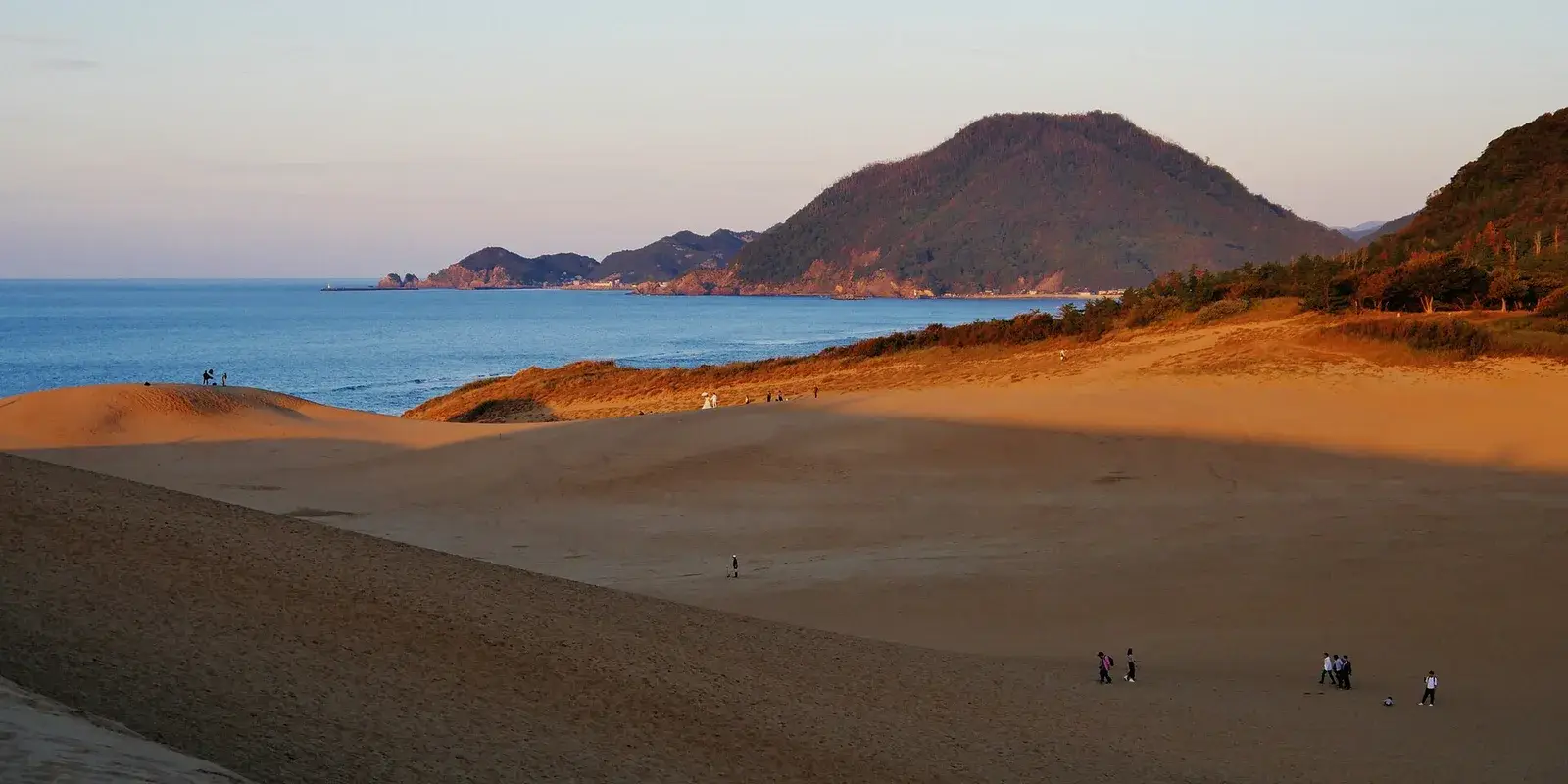
| 🏜️ San'in Coast | Tottori, Shimane | 3–8% | +37 to +72% | Spring, Autumn | Sand dunes, Izumo Taisha, matsuba crab |
| 🎿 Niigata | Niigata | 8% | +61% | Winter (ski), Autumn | Powder snow, 90+ sake breweries, rice country |
| ⛩️ Mie | Mie | 4% | +58% | Spring | Ise Grand Shrine, ama divers, Kumano |
| 🍂 Northern Tohoku | Akita, Aomori | 5–11% | +24 to +31% | Autumn, Summer festivals | Nebuta, Kakunodate, Oirase Gorge |
| 🛕 Shikoku | Ehime, Tokushima, Kochi | 5–13% | +7 to +33% | Spring, Autumn | Henro pilgrimage, Dogo Onsen, Iya Valley |
| 🦀 Hokuriku Deep | Toyama, Fukui | 3–10% | +18 to +55% | Spring, Winter | Tateyama Alpine Route, Eiheiji, Echizen crab |
| ⛰️ Yamagata | Yamagata | 7% | +22% | Winter, Autumn | Zao snow monsters, Ginzan Onsen, Dewa Sanzan |
| 🌋 Southern Kyushu | Kagoshima, Miyazaki | 7–8% | +14 to +24% | Autumn, Winter | Sakurajima, Yakushima, Takachiho Gorge |
The one thing to remember: The places with the fewest tourists often try the hardest to welcome you. Your visit matters more in these regions: economically, culturally, and personally.
About the Data
📊 Government statistics: Accommodation data is from the Japan Tourism Agency's Accommodation Travel Survey, 2025 Confirmed (47 prefectures, monthly) and 2024 Confirmed (year-over-year baseline). Visitor satisfaction data is from the Tourism Agency's Reception Environment Survey 2025 (4,189 respondents across 5 airports).
💬 Japanese voices: Regional voices collected from public platforms, local news, and tourism interviews. Not a scientific survey, but a collection of what Japanese people in specific regions said in their own words about welcoming foreign visitors. Supplemented by 304 voices from our companion research on visitor sentiment nationwide.
Part 1: The Discovery Map
The 47-Prefecture Picture
Japan has 47 prefectures. Three of them (Tokyo, Kyoto, and Osaka) account for a combined 102.9 million foreign guest-nights out of 179.9 million nationwide. That's 57.2% of all foreign hotel stays in just three prefectures.
The remaining 44 prefectures share the other 42.8%. And within that group, the variation is extreme:
| Prefecture | Foreign Share 2025 (Confirmed) | Foreign Share 2024 (Confirmed) | YoY Growth | Foreign Guest-Nights 2025 | |
|---|---|---|---|---|---|
| 🔴 | Tokyo | 55.7% | 51.5% | +5.8% | 60,115,730 |
| 🔴 | Kyoto | 55.2% | 49.5% | +8.0% | 18,291,230 |
| 🔴 | Osaka | 41.7% | 44.2% | -3.5% | 24,517,740 |
| 🟡 | Fukuoka | 33.0% | 30.8% | +14.0% | 8,421,130 |
| 🟡 | Hokkaido | 28.6% | 23.1% | +29.0% | 13,302,640 |
| National average | 27.2% | 25.0% | +9.4% | 179,922,120 | |
| 🟢 | Aomori | 10.7% | 9.2% | +31.4% | 542,880 |
| 🟢 | Tottori | 7.9% | 4.6% | +72.0% | 203,600 |
| 🟢 | Niigata | 8.3% | 5.0% | +60.6% | 848,870 |
| 🟢 | Mie | 4.1% | 2.9% | +57.7% | 380,310 |
| 🟢 | Shimane | 3.3% | 2.4% | +36.5% | 114,300 |
| 🟢 | Akita | 5.0% | 3.8% | +24.0% | 148,340 |
| 🟢 | Fukui | 2.8% | 2.3% | +17.7% | 108,550 |
The gap between top and bottom is staggering: Tokyo hosts 554 times more foreign guest-nights than Fukui. But the growth story is just as dramatic, and it runs in the opposite direction.
The Discovery Score
The most interesting places in this data aren't the most visited or the least visited. They're the ones being discovered right now: low foreign-visitor share but rapidly growing.
| Rank | Prefecture | Foreign Share | YoY Growth | What's Driving It |
|---|---|---|---|---|
| 1 | Tottori | 7.9% | +72.0% | Sand Dunes, Daisen, manga culture |
| 2 | Niigata | 8.3% | +60.6% | Ski tourism boom (Myoko, Echigo-Yuzawa) |
| 3 | Mie | 4.1% | +57.7% | Ise Grand Shrine, Kumano Kodo connection |
| 4 | Toyama | 9.8% | +54.5% | Tateyama Alpine Route, Gokayama |
| 5 | Shimane | 3.3% | +36.5% | Izumo Taisha, Adachi Museum |
| 6 | Tokushima | 8.6% | +32.5% | Iya Valley, Shikoku pilgrimage |
| 7 | Hyogo | 12.1% | +32.3% | Himeji Castle, Arima Onsen, Kobe's port culture |
| 8 | Okayama | 11.6% | +32.1% | Kurashiki, Naoshima art island gateway |
| 9 | Aomori | 10.7% | +31.4% | Nebuta Festival, Oirase Gorge, Hirosaki Castle |
| 10 | Miyagi | 9.6% | +29.4% | Sendai, Matsushima, Tohoku gateway |
Every prefecture on this list has a foreign guest share below 15%. Every one of them grew by more than 29% in a single year. These aren't hidden gems being gradually discovered. They're places experiencing a quiet revolution.
And here's the detail that matters most: the satisfaction data backs it up. The Tourism Agency's 2025 reception survey found that 51.1% of foreign visitors reported no difficulties at all during their trip, up 21.4 points from the previous year. When the data was split by urban and rural areas, congestion complaints at tourist spots were 62% in urban areas but only 42% in rural areas. Communication difficulties? About equal (50% at restaurants in both), but rural areas compensated with more personal effort.
The numbers suggest something the voices confirm: rural Japan is ready for you, with lower congestion, fewer reported difficulties, and a more personal welcome than the Golden Route. Whether you're heading to an off-the-beaten-path prefecture or navigating a city for the first time, Your First Week in Japan covers the practical side of arriving and settling in anywhere in the country.
When to Go Where
One of the most useful patterns in the data is seasonal. Each region has a peak foreign-visitor month, and knowing it helps you either ride the wave or dodge it:
| Region | Peak Month | Why | Quiet Months | Why Quiet Is Good |
|---|---|---|---|---|
| Niigata | January | Ski season | June, August | Rice paddies, festivals, no crowds |
| Yamagata | January | Zao snow monsters | June, September | Temple trekking, hot springs in peace |
| Mie | April | Cherry blossoms + Ise | January, February | Ise in winter is serene |
| Toyama/Fukui | April–May | Alpine Route opens | December | Snow crab season, zero tourists |
| Tottori | July | Summer holidays | February | Matsuba crab, San'in Coast in winter |
| Akita/Aomori | October | Autumn foliage | May, December | Deep snow or cherry blossoms with locals |
| Shikoku | April | Pilgrimage season | August, February | Walking the henro in solitude |
| Kagoshima | November–December | Mild winter | July, August | Summer festivals, fewer visitors |
Cross-reference this with our best-time-to-visit guide for the full picture of when Japan's welcome is warmest.
Part 2: Eight Places That Want You
The data identified the regions. Now the voices tell you what the welcome actually feels like.
🏜️ San'in Coast: Tottori & Shimane
| Tottori | Shimane | |
|---|---|---|
| Foreign guest share | 7.9% | 3.3% |
| YoY growth | +72.0% | +36.5% |
| Foreign guest-nights | 203,600 | 114,300 |
| Peak month | July | October |
Shimane is Japan's second-least-visited prefecture by foreign tourists. Tottori just posted the highest foreign visitor growth rate in the entire country. Together, they form the San'in Coast: a stretch of Japan Sea coastline that most international guidebooks skip entirely.
And that's exactly what makes it special.
Izumo Taisha, one of Japan's oldest and most important shrines, sits in Shimane with a fraction of the visitor pressure that Fushimi Inari in Kyoto faces. The Tottori Sand Dunes, Japan's largest, offer a landscape so unexpected that foreign visitors often can't believe they're still in Japan. And between the two, small fishing towns serve fresh matsuba crab in winter at prices that would be double in Tokyo.
The +72% growth in Tottori isn't random. It's the beginning of a pattern: travelers who've done Tokyo-Kyoto-Osaka once are coming back and going further. The San'in region is catching that second-trip wave, and it's ready. A telling detail from a San'in Inbound Organization report: residents who initially hesitated about foreign visitors shifted after repeated interaction, describing them as "easy to deal with" and "people we can relate to on equal terms."
Even at Izumo Taisha, Shimane's most visited site, the experience is fundamentally different from the Golden Route. As one visitor noted: the foreign tourists are increasing, but it's still far from what anyone would call crowded.
住んでいる私たちにとって当たり前の景色や日常が魅力と捉えられていることに驚く We're surprised that the everyday scenery and daily life we take for granted is seen as appealing.
Getting there: JR San'in Main Line from Osaka (2.5 hours to Tottori, 4 hours to Izumo). Limited express trains run along the coast. A rental car opens up the coastal villages.
When to go: October–November for autumn color and fewer visitors. February–March for matsuba crab season. Avoid July–August (peak domestic tourism).
🎿 Niigata: Snow Country Discovers the World
| Niigata | |
|---|---|
| Foreign guest share | 8.3% |
| YoY growth | +60.6% |
| Foreign guest-nights | 848,870 |
| Peak month | January |
"The train came out of the long tunnel into the snow country." Kawabata's Nobel Prize-winning opening line was about Niigata, and the prefecture still lives up to it, especially in January when 195,170 foreign guest-nights pack the ski resorts of Myoko and Echigo-Yuzawa.
But Niigata's +60.6% growth is driven by more than snow. The prefecture has over 90 sake breweries (the most in Japan), and the rice that feeds them is the country's best. Visitors who come for powder return for harvest festivals, brewery tours, and Sado Island's taiko drumming.
The seasonal pattern tells the story: January (195,170 foreign guest-nights) dwarfs August (36,400). Niigata's welcome is already warm in winter. The rest of the year, you'd have it almost entirely to yourself.
日本人がまだ気づいてないだけでインバウンドの人の方がもうとっくに妙高の魅力に気づいちゃってる Japanese people just haven't noticed yet — inbound tourists figured out Myoko's appeal a long time ago.
The growth isn't without tension. In Myoko, where foreign investment is transforming the ski area, a local inn owner voiced what many feel:
次のニセコにはなりたくない We don't want to become the next Niseko.
This is the healthy kind of concern, not anti-foreigner, but pro-community. Niigata's challenge is welcoming the world without losing itself. So far, at 8.3% foreign guests, it has plenty of room.
Getting there: Joetsu Shinkansen from Tokyo (1 hour 40 minutes to Echigo-Yuzawa, 2 hours to Niigata City). Incredibly accessible for a place this uncrowded.
When to go: January–February for ski and snow. October for rice harvest and sake. June is the quietest month, and the rice paddies are at their most photogenic.
⛩️ Mie: Japan's Spiritual Heart, Barely Touched
| Mie | |
|---|---|
| Foreign guest share | 4.1% |
| YoY growth | +57.7% |
| Foreign guest-nights | 380,310 |
| Peak month | April |
Ise Grand Shrine is the spiritual center of Shinto: the most sacred site in Japan, rebuilt every 20 years for over a millennium. Millions of Japanese pilgrims visit annually. Foreign visitors? Barely 4% of hotel guests.
This gap between domestic and international recognition is the widest of any prefecture on this list. Japanese people grow up knowing Ise; the rest of the world is only now discovering it. The +57.7% growth suggests word is spreading fast.
Mie extends beyond Ise: the Kumano Kodo pilgrimage trails connect through its southern mountains, ama pearl divers still work the coast, and Iga, birthplace of ninja culture, draws visitors into a history that most travel guides reduce to a paragraph.
The April peak (56,150 foreign guest-nights) coincides with cherry blossoms at Ise. But January and February (15,150–18,200) offer the shrine in near-solitude: a fundamentally different experience from the packed pathways of Fushimi Inari.
There's a specific gap that explains the low visitor share. The Shikinen Sengu, the complete rebuilding of Ise Grand Shrine every 20 years, is one of the most extraordinary cultural practices in the world. But most foreign visitors don't know about it until someone tells them:
先日も富裕層インバウンドの旅行関係者を案内したのですが、その方は2回目の伊勢志摩でした。遷宮の話をしたら、とても驚いていました。「それを早く知りたかった!」と興奮気味に I guided a luxury travel professional on their second visit to Ise-Shima. When I explained the Sengu ceremony, they were amazed — "I wish I had known about this sooner!" (Mitsuhiro Suzaki, Ise-Shima Tourism Convention Organization)
The story is there. The infrastructure is there. The +57.7% growth says the visitors are starting to come. What Mie needs (and what this article aims to provide) is simply for someone to say: this place exists, and it has something no other place in Japan can offer.
Getting there: Kintetsu Limited Express from Osaka-Namba (1 hour 40 minutes to Ise). From Nagoya, JR Rapid Mie (1 hour 30 minutes).
When to go: April for cherry blossoms, November for autumn. January–February for the quietest shrine experience imaginable. Avoid Golden Week and New Year.
🍂 Northern Tohoku: Akita & Aomori
| Akita | Aomori | |
|---|---|---|
| Foreign guest share | 5.0% | 10.7% |
| YoY growth | +24.0% | +31.4% |
| Foreign guest-nights | 148,340 | 542,880 |
| Peak month | October | October |
Northern Tohoku is Japan's deep north: a region where winter defines the culture, festivals erupt in summer with an intensity that surprises first-timers, and the concept of omotenashi (hospitality) takes on a directness that's different from the polished service of Kyoto.
Akita's 5.0% foreign guest share means that in most months, you might be the only foreign visitor in your ryokan. Aomori's Nebuta Festival in August draws crowds, but the rest of the year (particularly October, when both prefectures peak) the autumn foliage of Oirase Gorge and the samurai district of Kakunodate are yours with breathing room.
高山の小中学生たちは、自分たちのまちに外国の方々が歩いている姿を毎日のように見ながら大きくなり、おじいちゃんおばあちゃんたちも言葉が通じないときは相手の手を取って目的地まで連れて行く Even grandparents take visitors by the hand and lead them to their destination when they can't communicate verbally. (Takayama mayor)
This kind of physical, wordless hospitality (taking someone's hand, walking them there) is the everyday texture of the old castle town the mayor was describing, where Takayama's morning markets and lived-in streets still hum with daily life, and it mirrors the warmth we found in our research on whether Japanese people actually want to meet you. Northern Tohoku offers it at a level the big cities can't. A research study on Akita's farm stays captured it precisely:
農家民宿の方々が外国人宿泊者を大切な友人のようにとらえ、宿泊者とのコミュニケーションを心から楽しんでいる様子が印象に残った What left an impression was how farmhouse B&B owners treat foreign guests like dear friends, genuinely enjoying the communication with them. (Akita Economic Research Institute)
相手の文化を尊重しつつも、無理をしない範囲で自分たちにできる「おもてなし」を提供する。このような、等身大で人間味のある接客が、本県ならではの魅力の一つ Respecting guests' cultures while providing hospitality within their own comfortable limits — this authentic, human-scale service is one of our prefecture's unique charms.
And during Aomori's Nebuta Festival, a local participant described what happens when foreigners join the dance:
海外から遠路はるばる観光にきてこの祭りを心待ちにしてたであろう外国人に投げてあげたい I wanted to toss the bells to the foreigners who came all this way from overseas and must have been looking forward to this festival.
Getting there: Akita Shinkansen from Tokyo (3 hours 40 minutes). Tohoku Shinkansen to Shin-Aomori (3 hours 10 minutes). Flights to Akita Airport or Aomori Airport (1 hour 15 minutes from Tokyo).
When to go: October for autumn foliage. August for Nebuta (Aomori) and Kanto (Akita) festivals. February for Yokote Kamakura snow festival and Nyuto Onsen in deep snow.
🛕 Shikoku: The Pilgrim's Welcome
| Ehime | Tokushima | Kochi | |
|---|---|---|---|
| Foreign guest share | 13.3% | 8.6% | 5.0% |
| YoY growth | +28.4% | +32.5% | +6.9% |
| Foreign guest-nights | 580,850 | 230,080 | 140,780 |
| Peak month | October | April | April |
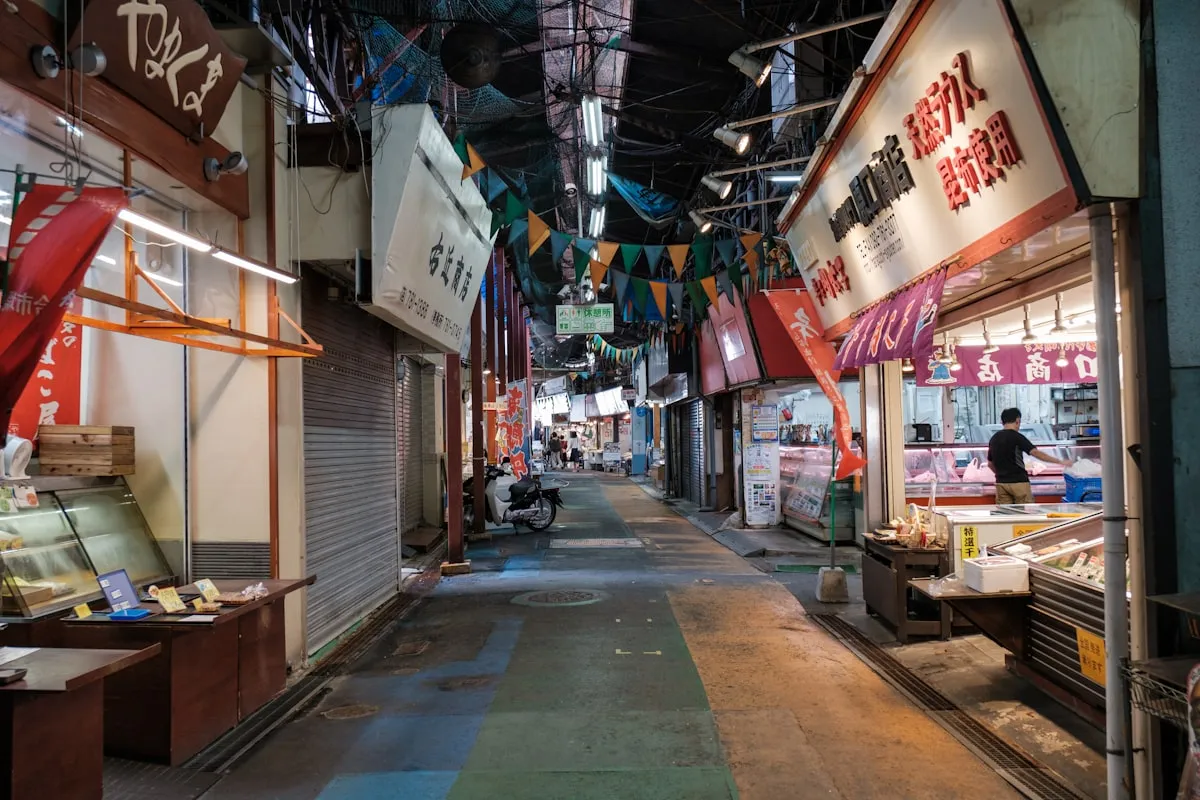
Shikoku has something no other region in Japan can claim: an 88-temple pilgrimage circuit that has been welcoming strangers for over 1,200 years. The henro tradition of osettai (offering food, drink, and shelter to passing pilgrims) is embedded in the culture of every town along the route.
This ancient hospitality infrastructure means Shikoku was ready for foreign visitors before foreign visitors knew Shikoku existed. Walking pilgrims report being offered rice balls by elderly residents, guided to temples by local children, and invited into homes for tea: experiences that don't happen on the Shinjuku-to-Shibuya tourist circuit.
Ehime's Dogo Onsen, one of Japan's oldest hot springs and a place where tattooed visitors navigate a nuanced welcome, drives the prefecture's higher numbers and +28.4% growth. Tokushima's Iya Valley, with its vine bridges and thatched-roof farmhouses, is growing even faster at +32.5%. Kochi, the quietest of the three at 5.0%, offers the Shimanto River (Japan's last free-flowing river) and a fish market culture that rivals Tsukiji without the crowds. The warmth of Tosa, as Kochi was historically known, is part of the visit: a town whose openness is as complete as its rebuilt castle, one of only twelve in Japan to keep its original keep.
What makes Shikoku truly different is the osettai tradition: the ancient practice of offering food, drink, and shelter to passing pilgrims. It doesn't discriminate by nationality:
52日間歩いたうちの50日、お接待を受けました。果物をくれたり、雨の日は車に乗せてくれたり。本当に素晴らしいし、信じられない Out of 52 days of walking, I received osettai on 50 of them. People gave me fruit, gave me rides on rainy days. Truly wonderful and unbelievable.
「なぜ、このようなことを?」と聞くと、「うちでは、先祖代々、家の前を通りかかったお遍路さんにはこうやってお接待しています。私の代で絶やすわけにいかない」と返ってきた When I asked "Why?", they replied: "In our family, for generations, we've always offered osettai to passing pilgrims. I cannot let this tradition die in my generation."
And Kochi adds its own layer, a directness unique even within Japan:
高知は、お節介な人柄が強み。もしもここで一人で食事をしていたら、知らない人が声をかけてくれます。決して一人ぼっちにはさせない Kochi's strength is its caring, nosy personality. If you eat alone here, a stranger will talk to you. They simply won't let you be lonely. (Miki Machida, Kochi Osekkai Association)
Getting there: Shimanami Kaido (cycling bridge from Hiroshima side) to Ehime. Flights to Matsuyama, Tokushima, or Kochi from Tokyo (1 hour 20 minutes). JR Seto-Ohashi Line from Okayama.
When to go: April for pilgrimage season and spring warmth. October–November for autumn. Kochi's summer (Yosakoi Festival in August) is fierce and festive.
🦀 Hokuriku Deep: Toyama & Fukui
| Toyama | Fukui | |
|---|---|---|
| Foreign guest share | 9.8% | 2.8% |
| YoY growth | +54.5% | +17.7% |
| Foreign guest-nights | 386,900 | 108,550 |
| Peak month | April | April |
Fukui Prefecture has the lowest foreign guest share in all of Japan: 2.8%. Only 108,550 foreign guest-nights in the entire year, fewer than a single busy week at a Tokyo hotel district.
And yet Fukui has Eiheiji, one of Japan's two most important Zen temples, where visitors can stay overnight and join monks for pre-dawn meditation. It has Tojinbo, dramatic sea cliffs overlooking the Japan Sea. It has Echizen crab, arguably the finest snow crab in the country. And since the Hokuriku Shinkansen extension reached Tsuruga in 2024, it's now just 3 hours from Tokyo.
Toyama, next door, has the Tateyama Kurobe Alpine Route (a 90-kilometer mountain crossing with 20-meter snow walls in spring) and Gokayama's UNESCO World Heritage thatched-roof villages, quieter cousins of the more famous Shirakawa-go, a working mountain village where a few hundred people still live and visitors are welcomed as guests into local life.
Together, these two prefectures form the deep Hokuriku: the Japan beyond Kanazawa (which, at 22.5% foreign guests, has already been "discovered"). Kanazawa's growth has actually turned negative, down 2.6% year-over-year. The energy is moving west, into places where your arrival is still an event.
Fukui's own officials are refreshingly honest about where they're starting from:
県の施策としてこれまで観光にはあまり力を入れてこなかった As a prefectural policy, we haven't really put much effort into tourism until now. (Kaori Suzuki, Fukui Prefecture Tourism Division)
タクシードライバーは観光客との接点。その人の印象が県のイメージになる Taxi drivers are the point of contact with tourists. That person's impression becomes the image of the entire prefecture.
That second quote captures something essential about places with 2.8% foreign guests: every individual interaction matters. In Tokyo, you're one of millions. In Fukui, the taxi driver who takes you to Eiheiji may be the only person from the prefecture you ever meet, and they know it.
Getting there: Hokuriku Shinkansen from Tokyo to Toyama (2 hours 10 minutes) or Tsuruga/Fukui (3 hours). From Osaka/Kyoto, JR Thunderbird limited express (1 hour 20 minutes to Fukui).
When to go: April–May for Alpine Route and spring. November–February for Echizen crab and Eiheiji in snow. December is Toyama's quietest month (23,460 foreign guest-nights): the snow crab is in season and the tourists are gone.
⛰️ Yamagata: Temple Mountains and Snow Monsters
| Yamagata | |
|---|---|
| Foreign guest share | 6.6% |
| YoY growth | +22.0% |
| Foreign guest-nights | 312,560 |
| Peak month | January |
Yamagata's seasonal pattern is the most dramatic of any prefecture on this list. January (62,070 foreign guest-nights) is more than five times August (11,200). The reason: Zao's juhyo, the "snow monsters," trees encased in ice and snow that create an alien landscape available nowhere else in the world.
But Yamagata offers something beyond ski tourism that few visitors discover. Dewa Sanzan, the Three Sacred Mountains, is one of Japan's most important mountain pilgrimage sites, where yamabushi (mountain ascetics) have trained for centuries. Ginzan Onsen, an early-20th-century hot spring town lit by gas lamps against snow-covered wooden buildings, looks like a scene from a Miyazaki film, and is often said to have inspired one.
The +22.0% growth is modest compared to Tottori or Niigata, but Yamagata's base is so low that the growth represents genuine discovery. At 6.6% foreign guests, a ryokan in Ginzan Onsen or a temple lodge on Dewa Sanzan offers an experience that few high-density destinations can match.
Ginzan Onsen's own officials are navigating the tension between welcome and capacity with care:
銀山温泉は尾花沢市にとって重要な観光資源の一つ。観光客のみなさんが満足して、1回だけでなくこの後も何回も来てもらえるようなまちづくりをしていきたい Ginzan Onsen is one of our most important tourism assets. We want to build a town where visitors are satisfied and come back not just once, but many times. (Obanazawa City Tourism Division)
Getting there: Yamagata Shinkansen from Tokyo (2 hours 45 minutes). Zao is 30 minutes from Yamagata Station. Ginzan Onsen requires a bus from Oishida Station.
When to go: January–February for Zao snow monsters and Ginzan Onsen in snow. July–September for Dewa Sanzan pilgrimage. October for autumn in the mountains.
🌋 Southern Kyushu: Kagoshima & Miyazaki
| Kagoshima | Miyazaki | |
|---|---|---|
| Foreign guest share | 8.4% | 6.8% |
| YoY growth | +14.3% | +23.5% |
| Foreign guest-nights | 708,960 | 263,050 |
| Peak month | December | April |
Southern Kyushu is Japan's volcanic frontier, and the furthest you can get from the Golden Route while still being in the main islands. Kagoshima's Sakurajima is an active volcano visible from downtown, occasionally dusting the city in ash. Yakushima's ancient cedar forests are a UNESCO World Heritage site. And Miyazaki's Takachiho Gorge (a narrow volcanic canyon with a waterfall you can row beneath) is one of Japan's most mythological landscapes.
Kagoshima's unusual December peak (78,300 foreign guest-nights) reflects its mild southern winter: while the rest of Japan shivers, Kagoshima averages 12°C and its gardens stay green. Miyazaki's April peak aligns with Japan's earliest cherry blossoms and the start of surf season on its Pacific coast.
The growth rates are more modest here (+14.3% and +23.5%), but the region's cultural distinctiveness is unmatched. Kagoshima's food (kurobuta pork, shochu, satsuma-age) is distinctly southern Japanese. Miyazaki's chicken nanban originated here. And the onsens of Kirishima, nestled between volcanic peaks, offer a bathing experience that feels like the edge of the earth.
地方に行けば行くほど面白い人や体験がある The further you go into rural areas, the more interesting people and experiences you find.
富裕層の方たちの心を動かすのは圧倒的に「人」ですね What overwhelmingly moves the hearts of travelers is "people." (Satoko Nagahara, DENEB (rural luxury tourism))
Getting there: Kyushu Shinkansen from Fukuoka to Kagoshima-Chuo (1 hour 15 minutes), and Fukuoka itself rewards a slower start, with the great Tenjin shrine of Dazaifu an easy half-day on the city's doorstep. Flights from Tokyo to Kagoshima or Miyazaki (1 hour 40 minutes). Yakushima by high-speed ferry from Kagoshima (2 hours).
When to go: November–December for mild weather and fewer visitors. April for early cherry blossoms. July–August for Yakushima hiking (rainy but lush). Avoid typhoon season (September–October).
Part 3: Why the Welcome Is Warmer Here
After analyzing all 47 prefectures and reading hundreds of voices from across Japan, a pattern emerges that connects the data and the human stories.
The Inverse Law
Our companion article 42 Million Visitors identified it first: welcome intensity is inversely proportional to visitor density. This article's data confirms it with precision.
In Tokyo (55.7% foreign guests), residents feel complicated. In Kyoto (55.2%), our companion research found that the majority of resident voices express overwhelm. Move to Tottori (7.9%) and the sentiment flips: local officials express surprise and gratitude that anyone found their prefecture at all.
This isn't about urban vs. rural in a generic sense. It's about saturation. Below roughly 15% foreign-guest share, something changes. Staff have time to be curious. Shop owners remember your face. The ryokan owner walks you to the station.
Better Visitors, Better Welcome
The data from our companion article Where Your Money Goes adds a second layer. Visitors who reach off-the-beaten-path destinations tend to be:
- Longer-staying: European visitors who go rural average 14–18 nights
- Higher-spending per day: because accommodation and dining replace shopping
- More culturally engaged: they researched the destination, not just the country
- More considerate: as one local observed, "the visitors who make it here tend to have very good manners"
This creates a virtuous cycle: the places with fewer tourists attract better-matched visitors, who generate a warmer welcome, which attracts more of the same kind of visitor. The data shows this cycle is already spinning in places like Tottori (+72%), Niigata (+61%), and Mie (+58%). For context on what Japanese people actually notice and care about wherever you visit, What Actually Matters (And What Doesn't) maps the full temperature guide to Japanese etiquette across 21 topics.
What the Satisfaction Data Confirms
The Tourism Agency's 2025 reception survey found that 51.1% of foreign visitors reported no difficulties at all, up 21.4 percentage points from the prior year and 14.5 points above pre-pandemic 2019 levels.
When split by urban and rural:
- Congestion complaints: 62% urban vs. 42% rural
- Communication at restaurants: ~50% in both (language is universal)
- Resolution via translation tools: 70%+ in both regions
The message is clear: rural Japan isn't less prepared. It's less crowded. And where specific challenges exist (language barriers at restaurants), both urban and rural areas solve them the same way. The difference is that in rural areas, the person helping you has time to smile while doing it.
💡 The map your guidebook doesn't show
The accommodation data reveals a Japan in two halves. In one, Tokyo, Osaka, and Kyoto absorb 57.2% of all foreign hotel stays. In the other, 29 prefectures share less than 15% each, and they're growing faster, welcoming warmer, and offering experiences the crowded destinations no longer can. Your most memorable trip to Japan may turn out to be the one where you go left when the guidebook says go right.
What This Means for Your Trip
If you're planning your first visit
Start with the Golden Route if you want: Tokyo, Kyoto, Osaka are extraordinary cities. But add one detour. A single day in Tottori, a side trip to Fukui, a climb to a quiet mountaintop castle town like Takahashi, a night in Yamagata's Ginzan Onsen, or a stop further north at a port town like Hakodate. That one off-script day will likely become the story you tell people about your trip.
If you've been to Japan before
This article is for you. The data shows exactly where the second-trip wave is going, and the growth rates tell you the window is open now. Tottori at 8% foreign guests won't stay at 8% forever.
Wherever you go off the beaten path
- Carry cash. Rural areas are less cashless than cities. Our guide to cash in Japan →
- Learn two more phrases. "Sumimasen" and "oishii desu" will carry you through most interactions. What happens when you try Japanese →
- Download translation apps before you go. WiFi can be spotty in rural areas, but offline translation works everywhere.
- Stay at a ryokan. In rural areas, the ryokan IS the destination. What your host wishes you knew →
- Tell people you came on purpose. The most powerful thing you can say in a rural Japanese town is: "I chose to come here." It changes the interaction immediately.
訪日ゲストは商店街で「こんなにすばらしい商品は初めて見た!」「あなたのお店はすごい」と褒め言葉をかけてくれ、失いかけていた誇りや商売への自信を取り戻す Foreign visitors praise the shopping street — "I've never seen such wonderful products!" "Your shop is amazing!" — and shopkeepers regain the pride and confidence they'd almost lost.
Explore More
These articles explore other aspects of visiting Japan, each one based on what Japanese people actually wrote.
- 42 Million Visitors: The big picture: are Japanese people happy about tourism?
- Where Your Money Goes: How visitors spent ¥9.45 trillion, and why attitude matters more than amount
- When Should You Visit?: The months Japanese people secretly hope you'll come
- Is Japan Worth Visiting?: Sixty specific places, counted one at a time, on which ones travellers said actually paid off
Share Your Experience
Have you visited a place in Japan where you felt genuinely welcomed: a town that surprised you, a host who went out of their way, a moment where you realized you'd found somewhere special? We'd love to hear it. Your story helps other visitors discover the Japan that's waiting beyond the guidebooks.
Share your experience on Voice Box →
Sources
Statistical Data (Primary Sources, directly analyzed)
All statistical data comes from the following government files. The 2025 and 2024 accommodation data Excel files are stored in the companion article's sources/ directory. YoY growth rates and seasonal analyses were calculated by WMJS.
Japan Tourism Agency (観光庁): Accommodation Travel Survey 2025 (Confirmed/確定値)
- Published: 2026-07
- Annual data Excel (
accommodation_2025_annual_confirmed.xlsx):- Sheet "第2表(年計)": Prefecture-level total and foreign overnight stays, used for all 47 prefecture foreign-guest share calculations
- Sheets "第2表(1月)"–"第2表(12月)": Monthly prefecture-level foreign guest-nights, used for seasonal pattern analysis
- Column A: Prefecture, Column B: Total overnight stays, Column Q: Foreign overnight stays
- Downloaded from: https://www.mlit.go.jp/kankocho/content/002010340.xlsx
- Survey page: https://www.mlit.go.jp/kankocho/tokei_hakusyo/shukuhakutokei.html
Japan Tourism Agency (観光庁): Accommodation Travel Survey 2024 (Confirmed/確報)
- Published: 2025
- Annual data Excel (
accommodation_2024_confirmed.xlsx):- Sheet "第2表(年計)": Used as YoY baseline for all growth rate calculations
- Downloaded from: https://www.mlit.go.jp/kankocho/content/001905499.xlsx
Japan Tourism Agency (観光庁): Foreign Visitor Reception Environment Survey 2025
- Survey period: December 13, 2024 – January 22, 2025
- Sample: 4,189 respondents at 5 airports (Sapporo, Narita, Haneda, Kansai, Fukuoka)
- Key finding: 51.1% reported no difficulties (up 21.4 points)
- Urban vs. rural comparison data on congestion, communication, and trash
- Press release: https://www.mlit.go.jp/kankocho/news08_00022.html
Companion Research
This article builds on data from two WMJS companion articles:
42 Million Visitors: Are Japanese People Happy About It?
- 304 Japanese voices across 5 topics (overall sentiment, concentrated areas, rural welcome, neighbors, generations)
- Prefecture-level accommodation data (same source, subset of analysis)
- Key finding: "Welcome intensity is inversely proportional to visitor density"
-
- Inbound Consumption Survey 2025 data
- 326 Japanese voices on spending attitudes
- Key finding: European visitors' longer-stay, higher-spend pattern aligns with rural welcome preferences
Opinion Collection Sources
Regional voices were collected from the following public platforms and news sources:
- https://yamatogokoro.jp/: Takayama mayor interview, rural tourism perspectives
- https://www.travelvoice.jp/: Kyotango ryokan owner interview
- https://tanba.jp/: Tamba Sasayama local government perspectives
- Public Japanese Q&A sites, forums, and social posts: first-hand opinions on rural tourism
- https://www.chunichi.co.jp/: Tohoku and Chubu regional reporting
- Regional tourism association publications
Note on Quotations
Quotes from online platforms have been lightly edited for readability (fixing typos, formatting for clarity). The meaning and intent of each comment remain unchanged. Original sources are linked above.
WMJS is written in Japan, in English, with AI help. We check every page, but English is not our first language. If a sentence reads oddly, tell us. One sentence is enough.
Thank you. A person reads every note.
How well do you know Japan?
Based on 51,218+ real Japanese voices
Want to know more? Ask Japanese people
Have a follow-up question about this topic? We'll ask real Japanese people.
Voice Box →