
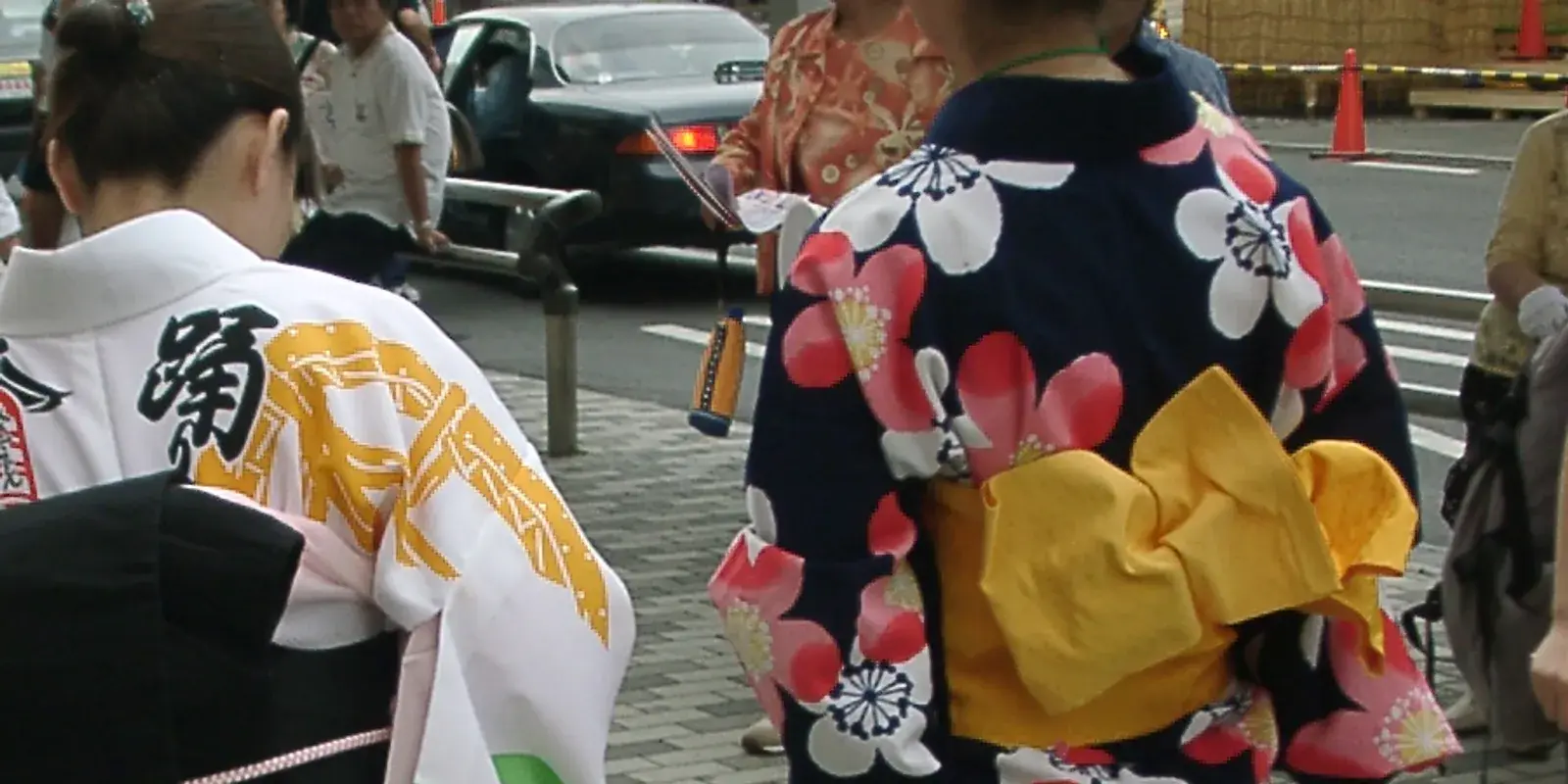
Why Your Yukata Doesn't Have to Be Perfect: What Japanese People Actually Think When You Give It a Try
What you'll learn in this article:
- What 263 Japanese people said about foreigners wearing yukata: imperfect wearing, the left-right rule, and the "helping moment"
- Why the one mistake that actually matters isn't what you think
- The rental yukata debate that has nothing to do with you
Do Japanese people judge you when your yukata comes loose? We collected 263 public posts by Japanese people across five topics. The clear answer: 55% said they'd want to help fix it, and only 18% found it bothersome. The left-right rule (wearing it backwards means "death shroud") sounds terrifying, but most Japanese people wouldn't point it out, and many younger Japanese don't even know the rule themselves. The biggest surprise? It's not you Japanese people are frustrated with. It's rental shops doing a poor job of dressing you.
263 Japanese voices on one question: When a foreigner tries wearing yukata imperfectly, what do you actually feel?
So you want to try wearing a yukata in Japan. Maybe at a summer festival, maybe wandering through a hot spring town, maybe just because you're in Japan and it feels right.
And then the anxiety kicks in. What if I wear it backwards? What if the obi comes undone? Will people stare? Will I look ridiculous?
Here's something you should know: our summer festivals article already found that 60% of Japanese people are happy to see foreigners in yukata. The cultural appropriation debate that worries many Western visitors? Most Japanese people find it puzzling. Their response tends to be gratitude rather than gatekeeping.
But "is it OK to wear yukata?" was only the first question. This article goes deeper: what happens when you wear it imperfectly? What do Japanese people think when your obi loosens, when you get the left-right overlap wrong, when you clearly don't know what you're doing, but you're trying?
We collected 263 Japanese-language responses across five topics to find out.
Quick Guide
| Situation | What Japanese People Said | |
|---|---|---|
| 🟢 Relax | Your yukata is a bit messy | 55% said they'd want to help. "Wearing it at all makes me happy: it shows interest in our culture." |
| 🟢 Relax | Someone offers to fix it | The famous "Asakusa madams," Japanese women who gently fix tourists' yukata, went viral for a reason. Say thank you and enjoy the moment. |
| 🟡 Good to know | The left-right rule | Left side over right = correct. Reversed = how the dead are dressed. Most people won't say anything, but knowing this one rule shows real awareness. |
| 🟡 Good to know | Rental yukata quality | Japanese people's frustration is with the rental industry, not with you. If you want better quality, ask for natural fiber options or go to a mid-range shop. |
| 🟢 Relax | You don't look "right" | Japanese people themselves struggle with yukata. 65.8% of young Japanese women didn't wear one even once last year. You're not expected to be perfect; they aren't either. |
The one thing to remember: Japanese people react to your effort, not your execution. A messy yukata on someone having a great time makes Japanese people happier than no yukata at all. And if something goes really wrong? There's a good chance someone will quietly step in to help.
How We Gathered These Voices
We collected 263 Japanese-language responses across five yukata-related topics: imperfect wearing (55 responses), the left-right rule (52), helping moments (52), rental quality (52), and generational attitudes (52). Sources include public Japanese Q&A sites, forums, and social posts, TikTok trend discussions, and kimono industry publications.
A quick note: This isn't a scientific survey. It's a collection of what real Japanese people said in their own words, on public platforms. We also drew on 125 additional voices from our summer festivals and fireworks research, bringing the total picture to nearly 400 Japanese perspectives.
When Your Yukata Comes Loose
This is the anxiety most visitors have, and it's the one Japanese people care least about.
Of 55 responses about seeing a foreigner in a loosened or imperfectly worn yukata:
The positive responses were often warm:
外国人が浴衣を着崩れていても、着てくれているだけで嬉しい。日本の文化に興味を持ってくれているんだなって思う。 Even if a foreigner's yukata is messy, I'm just happy they're wearing one. It tells me they're interested in our culture.
帯がほどけそうなレベルならさすがに声かけるけど、ちょっと衿が開いてるくらいなら気にしない。楽しんでるならそれでいい。 If the obi is about to fall apart, sure, I'd say something. But a slightly open collar? I don't care. If they're having fun, that's enough.
One thing rarely gets said: Japanese people themselves find yukata challenging. Multiple responses pointed this out:
日本人でも着崩れする人はたくさんいる。外国人だけ完璧を求めるのはおかしい。 Plenty of Japanese people have messy yukata too. It's strange to expect perfection only from foreigners.
And the concept of the "kimono police," self-appointed critics who point out wearing mistakes, came up repeatedly. Not as something to fear, but as something Japanese people themselves dislike:
着物にずっと興味抱いているけどお直しおばさんとか着物警察とか怖くて手が出せない。 I've always been interested in kimono, but the "kimono police" and unsolicited fixers scare me away from trying.
着物警察は日本人からも嫌われている。外国人にまで同じ目を向けるのは論外。 The "kimono police" are disliked even by Japanese people. Turning that lens on foreigners is out of the question.
💡 The real surprise
The anxiety about looking messy in a yukata is something Japanese people share. The "kimono police," people who critique how others wear traditional clothing, are widely disliked within Japan itself. When Japanese people see a foreigner in an imperfect yukata, the dominant reaction isn't judgment. It's recognition: they're trying, just like we do.
The Left-Right Rule: The One Thing That Actually Matters
Left side over right. That's the rule. Reversed means how the dead are dressed.
This sounds terrifying, and it's the #1 thing visitors worry about. So what do Japanese people actually think when someone gets it wrong?
Of 52 responses about the left-right rule:
The rule itself is straightforward, but the reactions revealed fascinating nuance:
今でも左前はNGです。でも他人が左前で着ていても注意しないです。 Left-front is still a no. But I wouldn't correct someone else wearing it that way.
毎年、お祭りシーズンに見かけますよ。もう珍しくもないし、何も言いません。 I see it every year during festival season. It's not even unusual anymore, and I don't say anything.
Several people explained why the terminology is so confusing, even for Japanese people:
「右前」の取り違えでしょうね。右が前だから自分の右手側を前に出せばいい…そう考えるのでは? It's the term "right-front" that confuses people. They think "right goes in front" — so they put the right side on top. But "right-front" means the right side goes against your body first.
And a modern twist: smartphone selfies flip the image, making it look like you're wearing it backwards even when you're not. Multiple voices mentioned this as a source of unnecessary panic.
自撮りしたら左右反転するから、正しく着てても写真では逆に見える。SNSで「左前だ!」って指摘されて混乱する人が多い。 When you take a selfie, the image flips. Even if you're wearing it correctly, the photo looks reversed. A lot of people get confused when someone on social media says "that's backwards!"
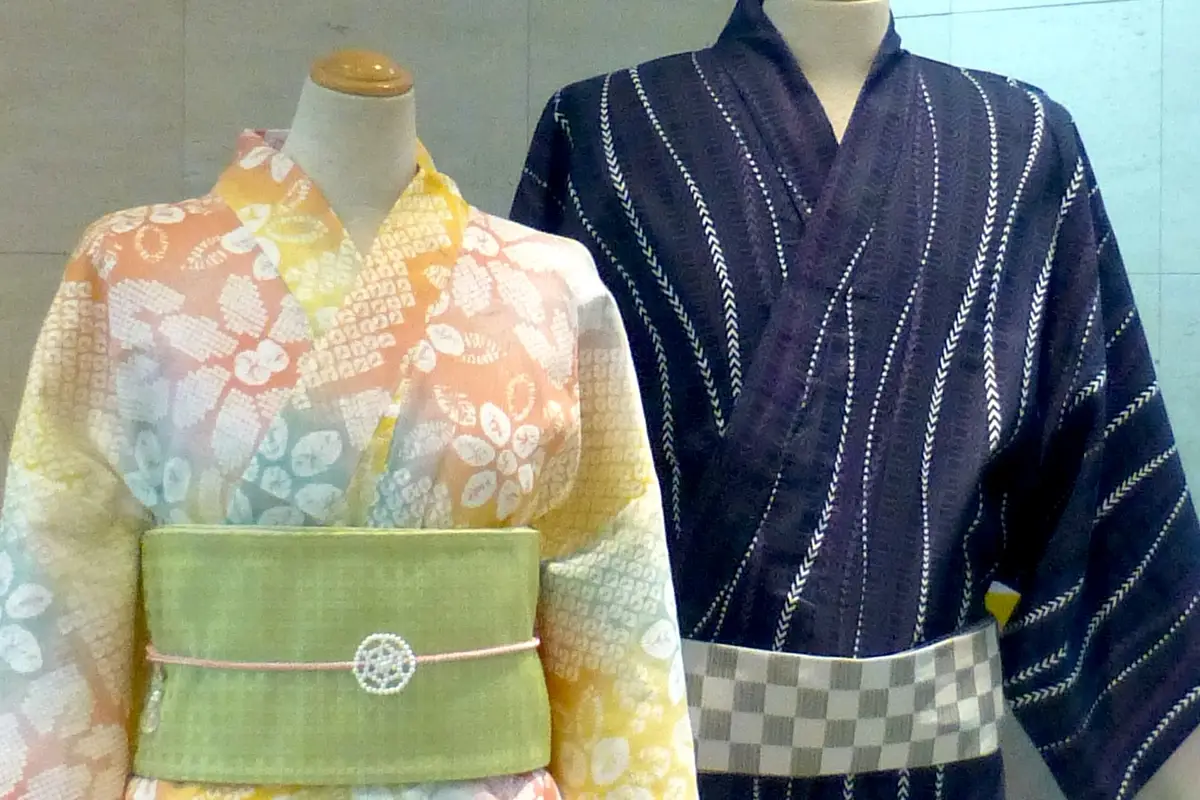
How to check: Slip your right hand into the front of your yukata, across your chest. If your hand slides in easily from right to left, you're wearing it correctly. Think of the letter "y": the right side crosses over first.
💡 The real surprise
The left-right rule has a genuinely serious cultural meaning: it's how the deceased are dressed. But 77% of Japanese people either wouldn't say anything or would gently teach you rather than judge. And here's the bigger revelation: younger generations of Japanese people increasingly don't know the rule themselves. You're not expected to know something that many Japanese people are also forgetting.
The Helping Moment: When a Stranger Fixes Your Yukata
Many visitors call this the highlight of their trip.
A viral TikTok trend captured it perfectly: in Asakusa, Tokyo, older Japanese women, affectionately called "Asakusa madams," were filmed gently fixing foreign tourists' loosened yukata. The videos went viral because they captured something genuine: a moment of wordless kindness between strangers.
Of 52 responses about helping foreigners with yukata:
The stories were heartwarming:
浅草で着崩れた外国人観光客に、日本のマダムが取った予想外の行動に世界が感動。帯が解けかけていたのを見て、さっと直してあげていた。 In Asakusa, a Japanese madam took an unexpected action with a disheveled foreign tourist that moved the world. She saw the obi coming undone and quickly fixed it.
成人式でゲーセンの若い女性の帯揚げがほどけたままひきずっていたので、帯の間に挟んであげた。 At a Coming of Age ceremony, a young woman's obi accessory was trailing on the ground. I tucked it back into the obi for her.
But the data also revealed something important: the line between "helping" and "policing."
通りすがりの女性に無言で帯のタレを直された。気持ち悪かった。一言声掛けてくれた方がありがたい。 A passing woman silently fixed my obi without saying anything. It felt creepy. I would have appreciated a word first.
助けるなら一言聞いて。「直しましょうか?」って言ってくれたら嬉しいけど、無言で触られるのは怖い。 If you're going to help, ask first. "Shall I fix it?" would make me happy, but being touched without a word is scary.
The 31% who want to help but hesitate explained why in their posts:
直してあげたいけど、外国人に英語で説明する自信がない。ジェスチャーでいいのかな。 I want to help, but I'm not confident explaining in English. Would gestures be enough?
余計なお世話かもしれないと思って声をかけられない。でも帯が落ちそうな時は見てられない。 I worry it might be meddling, so I can't speak up. But when the obi is about to fall off, I can't just watch.
💡 The real surprise
If someone approaches you during a festival, smiles, and gestures at your obi, they're not criticizing you. They're trying to help. The "Asakusa madams" went viral because they represent something real: many Japanese people want to help with your yukata. The ones who don't approach aren't judging. They're frozen by the same anxiety you feel: will this be welcome?
The Rental Yukata Debate: It's Not About You
This was the most divided topic, and the frustration is aimed at the industry rather than at tourists.
If you've rented a yukata in a tourist area, you may have noticed some Japanese people giving a second glance. Here's what's actually going through their minds.
Of 52 responses about rental yukata quality:
The defenders made a compelling case:
レンタル着物は今やディズニーランドの耳カチューシャみたいなもの。テーマパーク体験の一種。 Rental kimono are like Disneyland ear headbands now. They're a kind of theme park experience.
京都でペラペラの着物着て観光して馬鹿みたいって揶揄する人の事だけど、そういう発言は心底哀しいわ。 People who mock tourists for wearing thin kimono in Kyoto — those remarks are genuinely sad.
The critics weren't angry at tourists. They were frustrated with the rental industry:
観光地のレンタル着物はポリエステルの着物で2000-3000円。その価格で本格的な着付けを期待するのは無理がある。 Tourist area rental kimono are polyester, 2,000-3,000 yen. You can't expect proper dressing at that price.
ポリの着物は発色が良すぎて、日本人の色彩感覚にはどぎついものが多い。 Polyester kimono have colors that are too vivid — they look garish to Japanese color sensibilities.
If you want a better experience: ask for natural fiber options (cotton for summer yukata), choose a mid-range shop rather than the cheapest option, and allow extra time for dressing. The price difference is significant, but so is the result.
💡 The real surprise
When Japanese people give a second glance at rental yukata, they're not judging you. They're evaluating the shop. "Who dressed this person?" is a more common thought than "why are they wearing that?" The debate about rental quality is an internal Japanese conversation about how their culture is being commercialized. You're not the target; you're the reason they want the industry to do better.
What the Generations Say
The generational data added an important layer to everything above. Yukata culture is changing, and the change tells you something about why Japanese people are so welcoming when you try.
Survey data (Neo Marketing survey, 2015) shows that 65.8% of Japanese women aged 15-35 didn't wear a yukata even once last year. The most common reason? "I don't know how to put it on" (50.1%). The generation that knew how to dress themselves in yukata, grandmothers, is aging out, and the knowledge isn't being passed down as naturally as it once was.
着付けを教えてくれるおばあちゃんがもういない。YouTubeで独学する時代になった。 The grandmothers who taught you how to dress are gone. Now it's the era of self-teaching on YouTube.
母親世代(40代)の「着たことない」率が44.7%と最も高い。伝承が途切れたのは今の親世代。 The "never worn" rate is highest among mothers in their 40s, at 44.7%. The transmission broke at the parent generation.
This context matters enormously. When a Japanese person sees you in a yukata, even a messy one, they're seeing someone doing something that many young Japanese people themselves can't do. That's why the dominant reaction tends to be warmth instead of criticism.
Positive counter-trends exist: "mama furisode" (inheriting your mother's formal kimono), anime-inspired interest in traditional clothing, and YouTube tutorials replacing grandmother-to-granddaughter teaching. Yukata culture isn't dying. It's transforming.
Your Practical Yukata Guide
Where to Wear Yukata
| Setting | Notes |
|---|---|
| Summer festivals (matsuri) | The classic setting. You'll be surrounded by Japanese people in yukata too. Our festival guide has more. |
| Fireworks festivals (hanabi) | Same as festivals: yukata is expected and welcomed. Read more. |
| Hot spring towns (onsen-machi) | Ryokan provide yukata for guests. Wearing them outside, to restaurants, shops, even convenience stores, is normal and encouraged. In hot-spring towns like Kinosaki Onsen, strolling from bath to bath in a yukata and geta is simply how the evening is spent, the same rhythm you'll find at Dōgo Onsen in Matsuyama, one of Japan's oldest hot springs. |
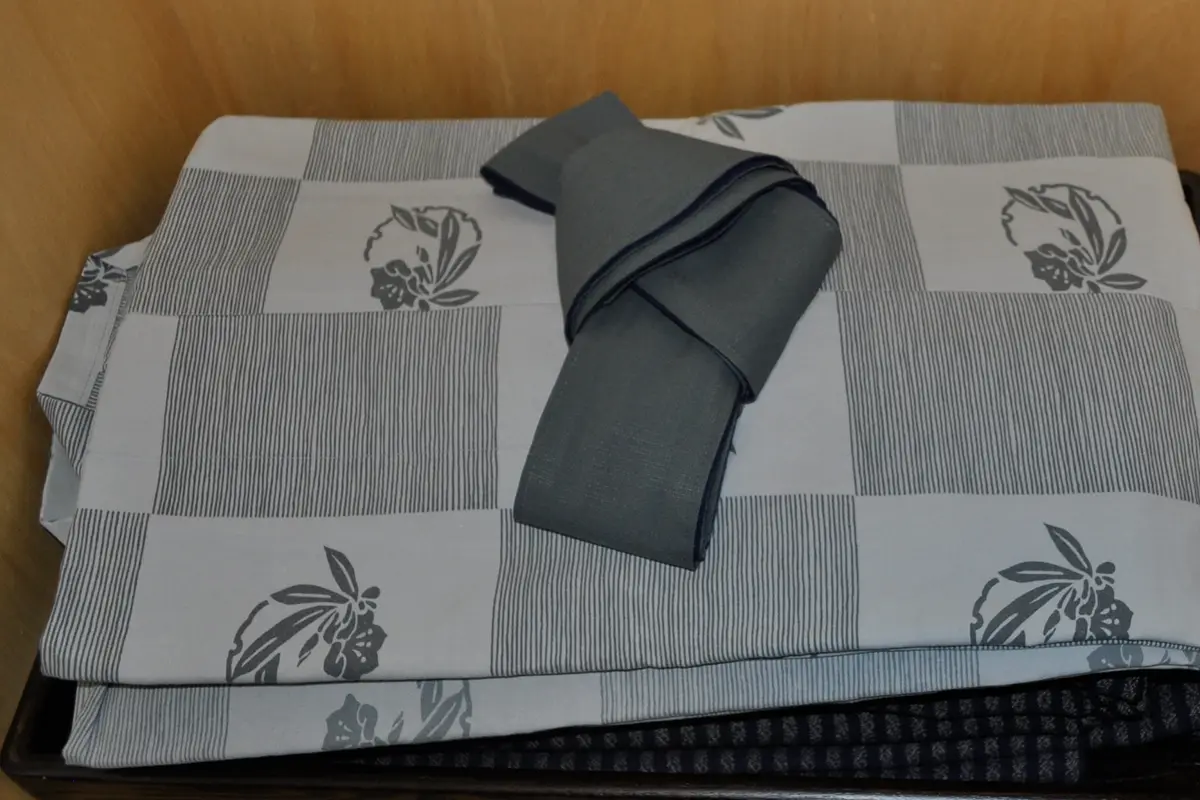
| Hotel/ryokan rooms | Most Japanese-style accommodations provide room yukata. These are simpler than formal yukata and meant to be comfortable. |
| Walking around tourist areas | Common in Asakusa, Kyoto, and Kamakura. Rental shops are everywhere. |
The Left-Right Rule (Quick Reference)
- Right side against your body first (right panel touches your skin)
- Left side crosses over on top (left panel is visible)
- Check: Slip your right hand into the front of the yukata across your chest. If it slides in easily, you're correct.
- Remember: The letter "y": the stroke goes right-to-left on top
This rule is the same for men and women. It's the opposite of Western women's clothing buttons.
For Men: Jinbei and Samue
If a full yukata feels like too much, jinbei (甚平) is a comfortable two-piece cotton set that's perfectly appropriate for summer festivals. It's easier to put on, stays in place better, and is popular with Japanese men too. Samue (作務衣) is a similar option with longer sleeves and legs, originally worn by Buddhist monks.
If Something Goes Wrong
- Obi loosening: Tighten it yourself or ask a friend. If it's really falling apart, step into a shop or restaurant; staff are usually happy to help.
- Left-right reversed: No one will likely say anything. If you notice, slip into a restroom and fix it. Takes 10 seconds.
- Collar opening too much: A safety pin on the inside works perfectly. Many Japanese people use this trick too.
More Japanese Perspectives
This article is part of a series on what Japanese people actually think when visitors try to connect with their culture:
- Is It Cultural Appropriation to Wear a Kimono?: the sister article. If yukata is about the fear of looking imperfect, this one is about the fear of being disrespectful, and why about 76% of Japanese people call it appreciation rather than theft
- How to Blend In at a Japanese Summer Festival: the 60% welcome data on yukata at festivals, plus bon odori, mikoshi, and local festivals
- What to Wear in Japan: Japanese people's real opinions on tourist clothing across all settings
- Japanese Fireworks Festivals: what happens when you shout "tamaya" together
Your Voice Matters
Have you worn a yukata in Japan? Did someone help you fix it? Was it the highlight of your trip, or a source of anxiety?
Every perspective helps us build a more complete picture of what really happens when cultures meet. Your experience could help the next visitor feel more confident.
Sources
Online Communities and Forums
- Public Japanese Q&A sites, forums, and social posts: first-hand opinions on foreigners wearing yukata, the left-right rule and its cultural significance, kimono police discussions, rental yukata quality, and generational change
Media and Industry Sources
- Kimono industry survey data on wearing frequency by age group
- TikTok trend analysis: Asakusa "お直しマダム" viral videos
- Neo Marketing survey (April 2015): yukata wearing habits among women aged 15-35
Related WMJS Articles
- How to Blend In at a Japanese Summer Festival: 325 voices on festival participation including 70 on yukata
- Japanese Fireworks Festivals: 55 voices on yukata at fireworks
Note on Quotations
Quotes from online platforms have been lightly edited for readability (fixing typos, formatting for clarity). The meaning and intent of each comment remain unchanged. Sources are listed by platform and publication name.
This article is available in languages covering 95%+ of visitors to Japan (based on JNTO 2025 data). Need another language? Let us know through Voice Box.
WMJS is written in Japan, in English, with AI help. We check every page, but English is not our first language. If a sentence reads oddly, tell us. One sentence is enough.
Thank you. A person reads every note.
How well do you know Japan?
Built from 635 public posts by Japanese people
Want to know more? Ask Japanese people
Have a follow-up question about this topic? We'll ask real Japanese people.
Voice Box →