
Visiting Senso-ji, Tokyo's Oldest Temple
Senso-ji Temple
By Kei · Born and raised in JapanIs Senso-ji worth visiting? By the voices we gathered, yes: of 125 international visitors who made the trip, weighted by how much each account resonated with fellow readers, 54% called it worth it outright, and most of the rest said the answer depends on timing rather than the temple itself. Japanese visitors and locals feel just as warmly about their own temple. Founded in 628, it is Tokyo's oldest temple, entry is free, and the grounds never close. Plan about an hour for the core walk, a five-minute walk from Asakusa Station, and arrive before 9:00 or after dark to beat the worst crowds. What those voices actually said, including the one letdown you can avoid, is further down this page.
The Meaning
Early on the morning of March 18, 628, two fishermen brothers (Hinokuma Hamanari and Hinokuma Takenari) pulled their net from the Sumida River and found a small statue tangled in it. They did not recognize it. A local elder named Haji no Nakatomo did: it was Sho-Kannon, the bodhisattva of compassion. He turned his own house into a hall for it and spent the rest of his life in its service. In 645, a wandering monk named Shokai built a proper Kannon hall and, following a dream, sealed the statue away as a hibutsu: a hidden Buddha. It has not been shown to anyone since. Not even the head priest looks at it.
That is how Senso-ji began. Not with an emperor or a warlord, but with two men working the river and a villager who knew what he was holding.
This origin decided everything about the place. Senso-ji never became a temple of the powerful. It became a temple of the people who lived around it: fishmongers, carpenters, actors, gamblers, mothers walking children up the steps. Its halls have burned down and been rebuilt many times over fourteen centuries, and the temple's own records note that the repairs were paid for by the ordinary people's donations, which only deepened the bond between the temple and the townsfolk. By the Edo period, the grounds had grown into one of the great pleasure quarters of the city: a place people came to worship, to relax, and to be entertained, all at once.
So if your first impression of Senso-ji is noise (a wall of souvenir stalls, the smell of grilled rice crackers, thirty million visitors a year pressing toward the gate), you have not stumbled onto a sacred site that tourism ruined. You have arrived at exactly what this temple has been for four hundred years. The crowd is not in the way of the prayer. In Asakusa, the crowd is part of the prayer.
What Happens When You're There
Step 1: The Thunder Gate, where Asakusa announces itself
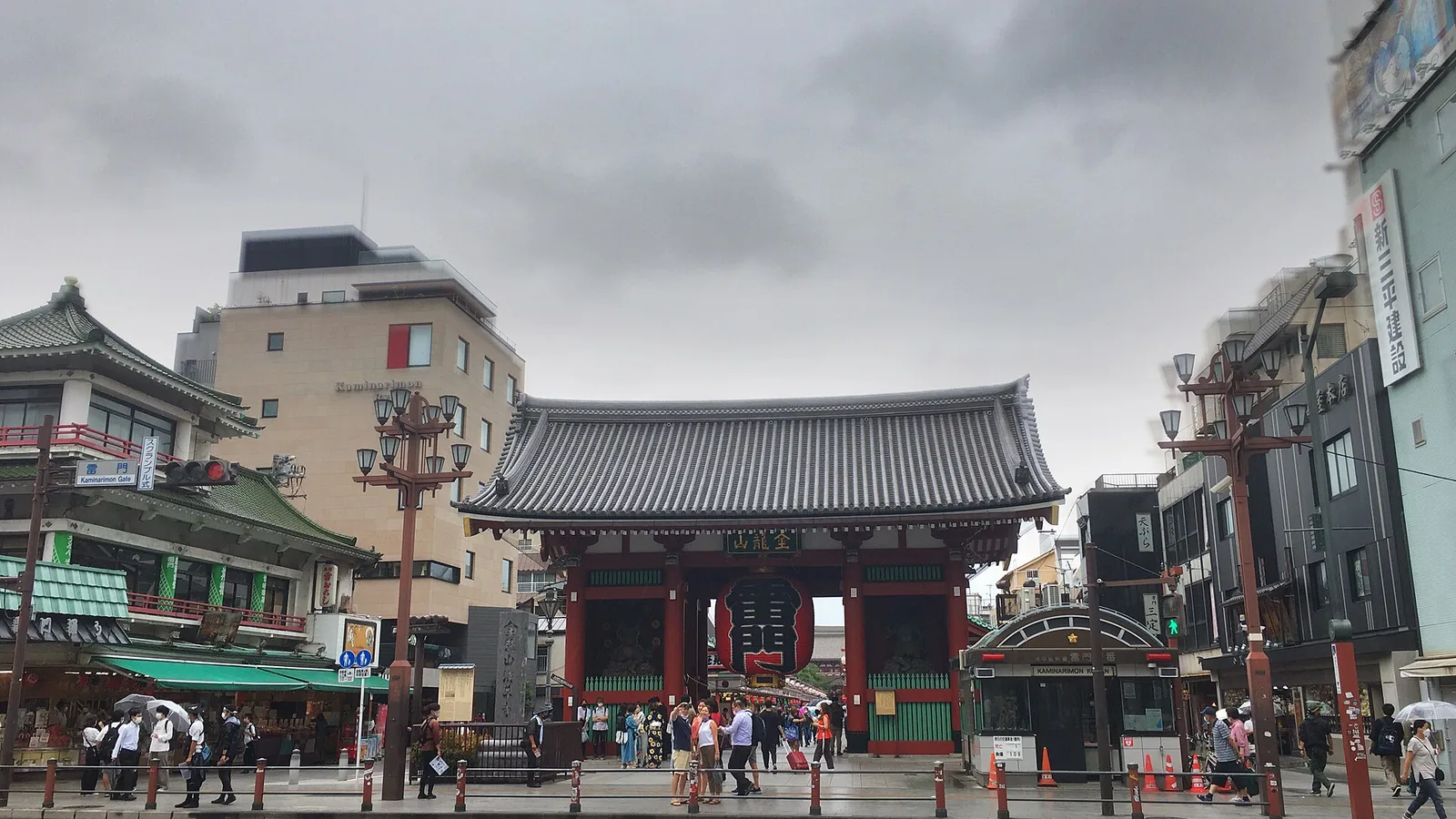
You will know it before you read its name. A red lantern almost four meters tall hangs in the center of the gate: 3.9 meters high, 3.3 meters wide, and roughly 700 kilograms of paper, bamboo, and lacquer. On its base, in black characters, it reads Kaminarimon: Thunder Gate. Two guardian deities stand in the alcoves on either side: Fujin, the wind god, on the right, and Raijin, the thunder god, on the left. They have been guarding this approach, in one form or another, since the gate was first raised in 942.
The lantern you are standing under is newer than it looks. The gate burned in 1865 and stayed gone for ninety-five years. It was rebuilt in 1960 with a personal donation from Matsushita Konosuke (the founder of the company now called Panasonic), who gave it in gratitude after prayers here were followed by the easing of a long illness. The current lantern is the sixth, hung in the spring of 2020. Every decade or so it is taken down and remade. Like the temple itself, the most photographed object in Asakusa is something people keep deciding to renew.
Many visitors pause here and give a small bow before stepping through. It is the kind of gesture that is easy to miss but rarely goes unnoticed by Japanese people, a quiet way of saying you understand that the street ahead is also a path to somewhere.
Step 2: Nakamise, where commerce meets prayer
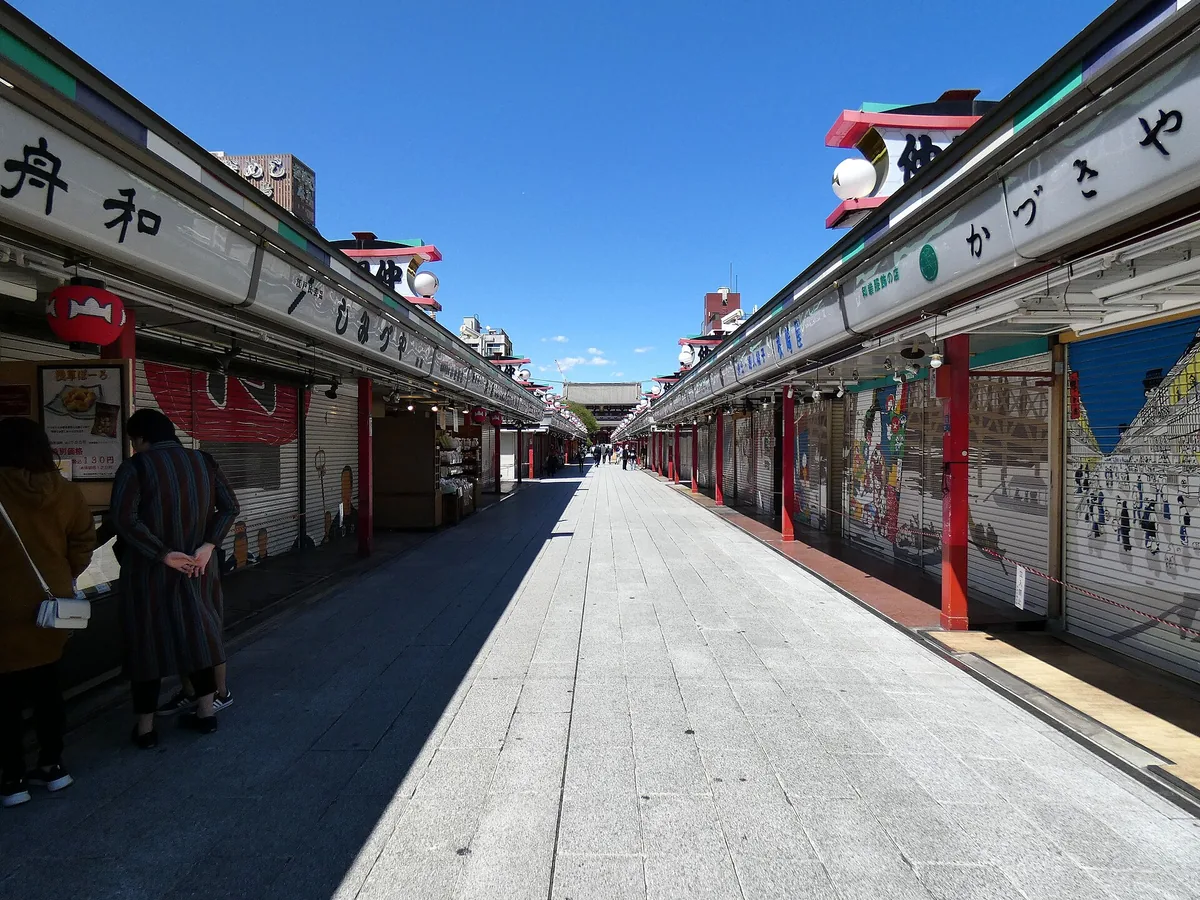
Step through the gate and you are on Nakamise, a shopping street about 250 meters long that runs straight to the temple's inner gate. There are eighty-seven shops, fifty-two on the east side and thirty-five on the west, and many of them have been run by the same families for generations. It is one of the oldest shopping streets in Japan. Stalls have stood on this approach since around 1685, when residents near the temple were first granted the right to set up shop along the path to the gate.
This is the part of the visit that quietly troubles thoughtful travelers. You came to see a thirteen-hundred-year-old temple, and the road to it is lined with rice crackers, folding fans, phone charms, and soft-serve ice cream. It can feel like the sacred has been crowded out by the gift shop.
Watch what the Japanese visitors do, and a different picture appears. They buy a bag of warm ningyo-yaki cakes. They try on a yukata. They laugh, they take photos, they eat as they walk, and then, a few dozen meters on, they fall silent, drop a coin in the box, and press their hands together. Nobody seems to feel they are doing two contradictory things. Because here, they never were. The snack and the prayer have shared this road for three hundred years. Senso-ji is the place that decided you do not have to leave your ordinary, hungry, delighted self at the gate in order to stand before Kannon.
Step 3: The Main Hall, bowing to what you cannot see
Past Hozomon, the inner gate (rebuilt in 1964, hung with giant straw sandals four and a half meters tall and weighing half a ton), the Main Hall opens in front of you. The current hall was finished in 1958, raised from the ashes of the firebombing that destroyed the old one on the night of March 10, 1945. Before you climb the steps, you will meet a large bronze cauldron with smoke curling out of it.
This is the jokoro, the incense burner, and it comes with a gentle, optional custom: people draw the smoke toward themselves with their hands and wash it over the part of the body they hope to keep well: a stiff shoulder, a tired head, an aching knee. No one will mind if you join in, and no one will mind if you simply watch.
At the hall itself, the etiquette is simpler than you might fear. Place a coin in the offering box without throwing it, bring your palms together quietly, bow, make your wish, and bow again. One thing worth remembering: this is a Buddhist temple, so you do not clap; clapping belongs at a Shinto shrine. If you would like the fuller picture of what Japanese people quietly notice when visitors pray at temples and shrines, we cover it on its own.
What you are bowing toward is the hidden Kannon, the same statue the fishermen found, sealed away since 645. You cannot see it. Almost no one ever has. The reverence here was never about looking at a holy object; it is about facing a presence you take on faith.
This is also where you may meet Senso-ji's most talked-about tradition. Draw an omikuji (a paper fortune) from the drawers near the hall, and there is a real chance it will say kyo: bad luck. Senso-ji is known across Japan for handing out kyo far more often than other temples, and travelers sometimes draw it and quietly panic, certain they have cursed their trip. The temple's own answer is reassuring: this is simply the old, unaltered fortune set, the way it has always been drawn, and kyo is not a verdict. The custom is to fold the slip, tie it to the rack provided, and leave the bad luck behind you; with patience and a sincere heart, the temple says, it turns toward good. In other words, the worst fortune in Asakusa comes with instructions for letting it go.
Step 4: The Pagoda and the Shrine Next Door
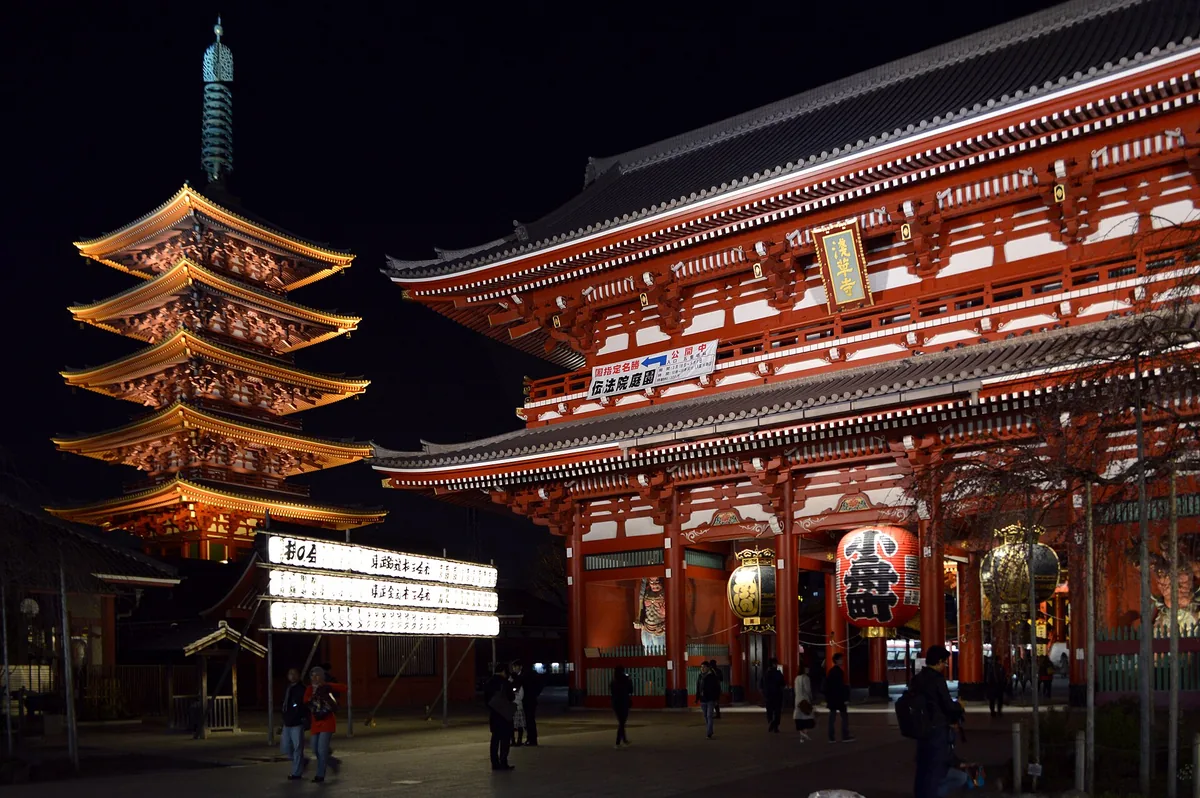
To the left of the Main Hall rises the five-story pagoda, about fifty-three meters tall, rebuilt in 1973. Its top floor holds relics of the Buddha, given to Senso-ji by a temple in Sri Lanka in 1966. Like nearly everything here, it is a modern reconstruction of something ancient: first raised in 942, lost in the war, and raised again.
Walk east of the Main Hall and you cross, without any sign telling you so, from a Buddhist temple into a Shinto shrine. This is Asakusa Jinja, known affectionately as Sanja-sama, "the shrine of the three." The three it honors are the two fishermen and the elder from the founding story, the men who pulled Kannon from the river and recognized it. Centuries ago, Japanese faith saw no need to keep its gods and its buddhas in separate buildings, and Senso-ji is one of the clearest places left to see it: the people who founded a Buddhist temple are worshipped as kami, Shinto deities, a few steps from its main hall.
The etiquette shifts when you cross over. At the shrine, the form is two bows, two claps, one bow: the claps you were holding back at the temple now belong. Each May, on the weekend anchored to the third Saturday, this quiet corner erupts into the Sanja Matsuri, one of Tokyo's wildest festivals, when roughly 1.8 million people fill these lanes over three days to carry the three founders through the streets they once fished and walked.
Step 5: Walking Back Through the Gate
If you come at the right hour, you will meet a different Senso-ji entirely. The temple grounds never close. The Main Hall's doors are open from 6:00 in the morning until 5:00 in the evening (half an hour later from October to March), but the gates, the pagoda, and the long approach belong to anyone, at any hour, for free.
Come at seven in the morning, before the shutters of Nakamise roll up, and the great gate stands almost empty, the lantern glowing over a swept and silent street. Come after dark, once the shops have closed, and the buildings are lit against the night while a handful of people drift through, unhurried. This is the Asakusa the tour buses miss, the one that feels, for a few minutes, the way it must have felt to the people who walked here a thousand years before the crowds.
And then the city returns: the trains, the snack smoke, the families on the steps. The fishermen are still here, carried each spring through the same streets. The crowd presses toward the gate, as it has for fourteen hundred years. You were, for an afternoon, one more person in a very long line of ordinary people who came to this temple to ask for something, and to be glad they came.
What Visitors Honestly Say
Before you plan the trip, it helps to hear from the people who have already made it. We collected 125 voices from international travelers who had actually been, weighted each by how much it resonated with fellow readers, and this is how they fell:
The green band and the wide middle band point at the same thing: the hour you choose decides the visit far more than the temple does. One frequent traveler put it simply: "Nighttime is the best time IMO. It's waaaaay less busy and so peaceful." The thin red band is real but narrow, and even inside it the complaint usually narrows to one street rather than the temple itself: "the place I would really call a tourist trap is some of the souvenir shops on Nakamise street... go to Asakusa for Senso-ji [and] the food."
Japanese visitors and locals, reviewing the same temple in their own words, land even more warmly:
What they share with the visitors is the same clock. One Tokyo reviewer wrote, "If you go at 6 o'clock you can see the opening of the hall's doors, [and] join the morning prayers." Their honest middle band is mostly about the same peak-hour crush: "it's so crowded there's nowhere to go."
The full picture, the letdowns included and what prevents each one, is in Is Senso-ji Worth It?
Good to Know
Look around
What you'll see when you get there
On Kaminarimon-dōri, facing the Kaminarimon gate about 40 m ahead.
Street View shows one day. Crowds, construction and seasons change the scene.Open in Google Maps ↗
Getting there: Asakusa Station is served by four lines: the Tokyo Metro Ginza Line, the Toei Asakusa Line (use Exit A4), the Tobu Skytree Line, and the Tsukuba Express, and the temple is about a 5-minute walk from any of them. On the Ginza Line, Exit 1 is closest to Kaminarimon. Allow roughly 50 minutes by train from Haneda Airport and about an hour and a half from Narita. The temple has no parking; for the bigger picture of trains and passes, see getting around Japan.
Hours and cost: The grounds are open 24 hours and admission is entirely free. The Main Hall is open 6:00–17:00 (6:30–17:00 from October to March). Nakamise shops generally open around 9:00 and close with the temple near 17:00.
Time needed: The core walk (gate, Nakamise, Main Hall, pagoda) takes about an hour. Add the incense burner, an omikuji, Asakusa Shrine, and a snack or two and it becomes a relaxed 1.5 to 2.5 hours. The surrounding streets and the Sumida riverfront easily fill a half-day.
When to visit: Early morning (before about 9:00, when Nakamise opens) and evening (after the shops close, when the buildings are illuminated) are the calm, photogenic Senso-ji. The heaviest crowds fall between roughly 11:00 and 15:00. Rain thins the crowds as well, and a wet, lantern-lit approach has its own quiet beauty.
Photography: The gates, lantern, pagoda, and street are yours to photograph freely. The one gentle line is people: try not to frame someone mid-prayer at the offering box, and don't photograph the inner sanctuary. A half-second of awareness around other visitors is the kind of small courtesy that locals notice.
Temple and shrine, side by side: Remember that Senso-ji (the temple, with the incense and the main hall) and Asakusa Shrine (a few steps east, with the torii gate) are two different places of worship. Hands together and silent at the temple; two bows, two claps, one bow at the shrine.
Last verified: 2026-05
Official website: senso-ji.jp/english
If Things Don't Go as Planned
It is impossibly crowded. Come back at the edges of the day. By 7:00 in the morning the grounds are nearly empty, and after the shops close at night the lit-up gate and pagoda are almost yours alone. The grounds never close, so there is always a quieter hour.
You drew "kyo" (bad luck) on your omikuji. Don't worry: this is the temple Senso-ji is famous for, and kyo here is tradition, not a curse. Fold the slip, tie it to the rack near the drawers, and leave the bad luck behind. The temple's own teaching is that it turns toward good with patience. One draw is plenty; there is no need to keep trying for a better one.
You're not sure how to pray, or you accidentally clapped. No one is judging. A coin placed gently, palms together, a quiet bow: that is all it takes at the temple, and clapping (which belongs next door at the shrine) is a very common, very forgivable mix-up. Sincerity matters more than getting the form perfect. For more, we cover temple and shrine etiquette in its own article.
The shopping street feels too commercial. It is one of the oldest shopping streets in the country, and the snacks-and-souvenirs tradition is part of the pilgrimage here, not a betrayal of it. The fresh, made-on-the-spot sweets (ningyo-yaki, age-manju, rice crackers) are the genuinely worthwhile buys. If shopping isn't your thing, it is perfectly fine to walk straight through; arriving early makes the street far easier to move along.
You wanted to see the famous Kannon statue. You can't, and neither can anyone else. The principal image has been a hidden Buddha since 645, sealed from view even from the priests. What you bow to is a presence held on faith, which is the older and deeper point of the place. A stand-in image is revealed just once a year, on December 13.
You arrived at night and the hall is closed. The Main Hall's doors close at 17:00, but the grounds, the gate, the pagoda, and the approach stay open and illuminated. A night visit means quiet courtyards and unobstructed photos: you simply admire the hall from outside and can still tie an omikuji. Many would say it is the best version of Asakusa.
Sources:
- Senso-ji Temple Official Website (English): Founding history, hidden Kannon, post-war rebuilding, annual visitors
- Senso-ji Temple Official, History / 縁起 (Japanese): Founding legend (628/645), common-people's faith, Edo-period character, ~30 million annual visitors
- Senso-ji Temple Official, Grounds Guide (Japanese): Main hall hours, Kaminarimon lantern (3.9m / 3.3m / ~700kg), Hozomon, five-story pagoda, structures
- Senso-ji Temple Official, FAQ (Japanese): Omikuji and the high proportion of kyo; the hidden principal image
- Asakusa Shrine Official Website: The three founders enshrined as deities; Sanja Matsuri
- JNTO, Sensoji Temple: Free admission, 24-hour grounds, access by four lines
- GO TOKYO (Official Tokyo Travel Guide), Sensoji Temple: Incense-smoke custom, Nakamise, access
- Is Senso-ji Worth It? (WMJS): The two visitor-voice gauges reproduced in "What Visitors Honestly Say" (125 international voices, 54/40/6; 110 Japanese voices, 56/41/3) and the verbatim visitor quotations
Photos: sourced under free commercial-use licenses; see captions where attribution applies.
WMJS is written in Japan, in English, with AI help. We check every page, but English is not our first language. If a sentence reads oddly, tell us. One sentence is enough.
Thank you. A person reads every note.
Real voices
Is it worth it?
Were you there? Share your photos.
Your photo could appear in this guide — with your name and a link to your profile.
Submit a photoRelated Articles
Visiting Temples and Shrines: What Japanese People Notice
"Excuse Me, Can You Take My Photo?": What Japanese People Really Think

The Power of a Small Bow: Why a Simple Nod Makes Japanese People Smile
More guides in Kanto
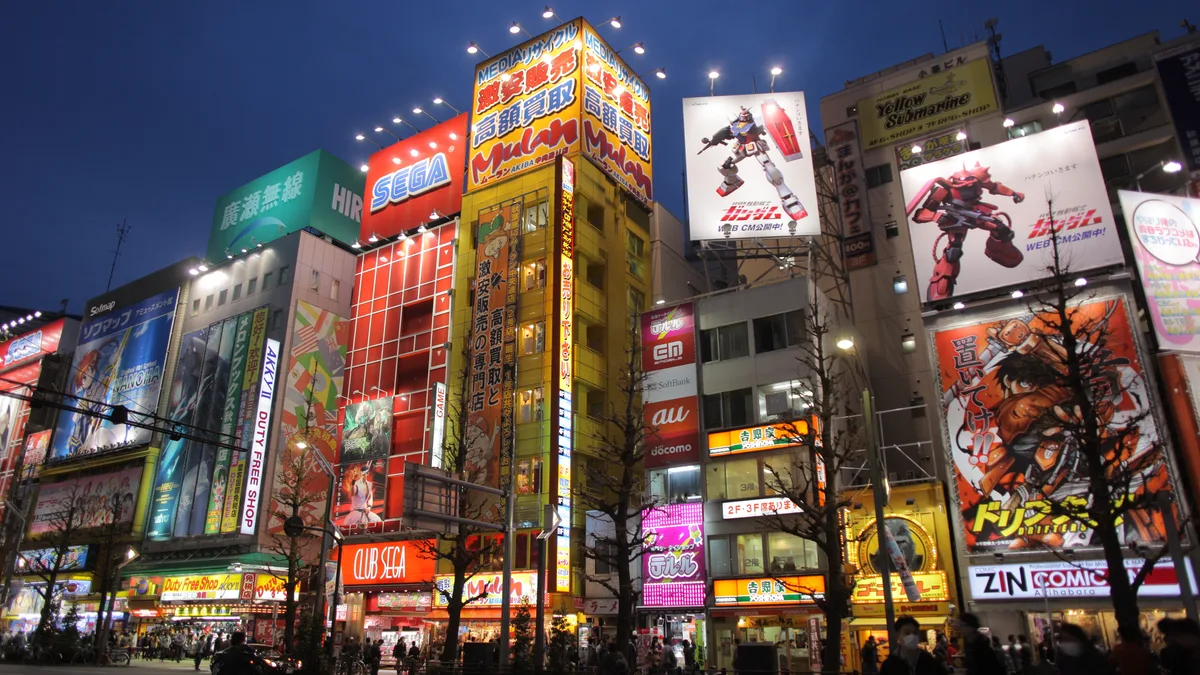
Visiting Akihabara, Tokyo's Electric Town Where You're Allowed to Love What You Love
Is Akihabara worth visiting? We weighed 149 traveler voices: 29% say yes outright, 44% say it depends on whether you love anime, games or electronics, and Japanese reviewers land warmer at 69%. How the district is laid out, getting there, and who it's for, with an audio guide.
Akihabara (Electric Town)
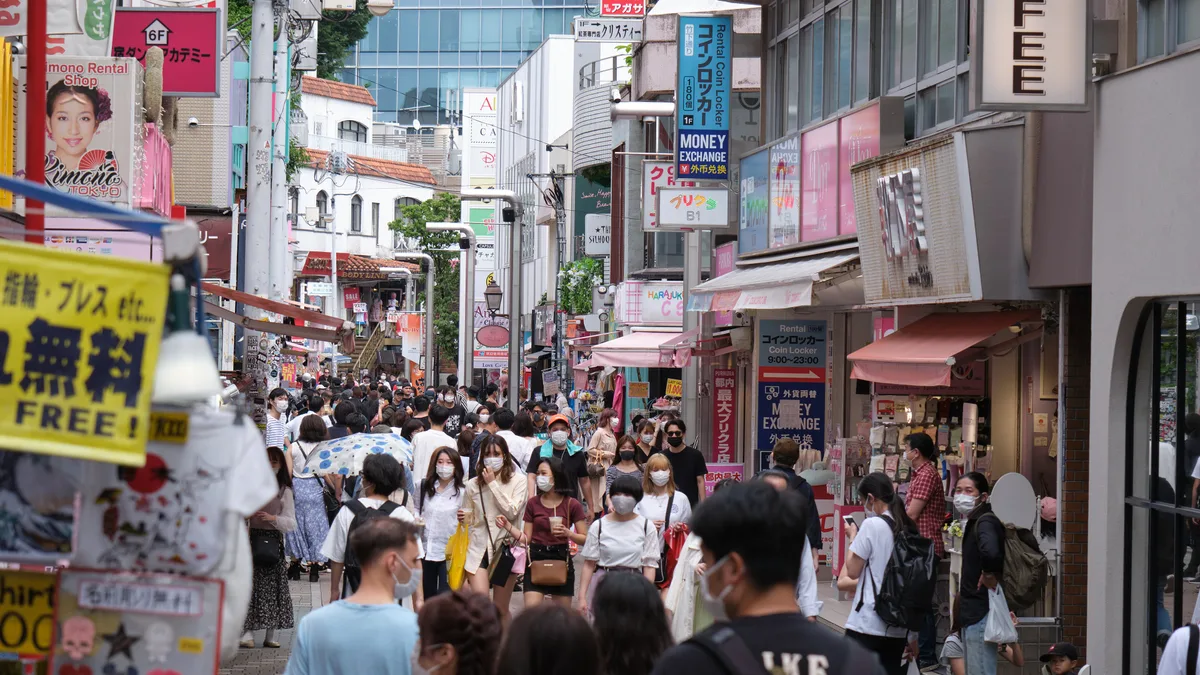
Visiting Harajuku, Where You Can Wear Anything and No One Turns to Look
Is Harajuku worth it? We counted 99 traveler voices: 64% say yes once you skip Takeshita Street's crush for Cat Street and Omotesando. Crepes, kawaii fashion, getting there, and how to walk it well, with an audio guide.
Harajuku
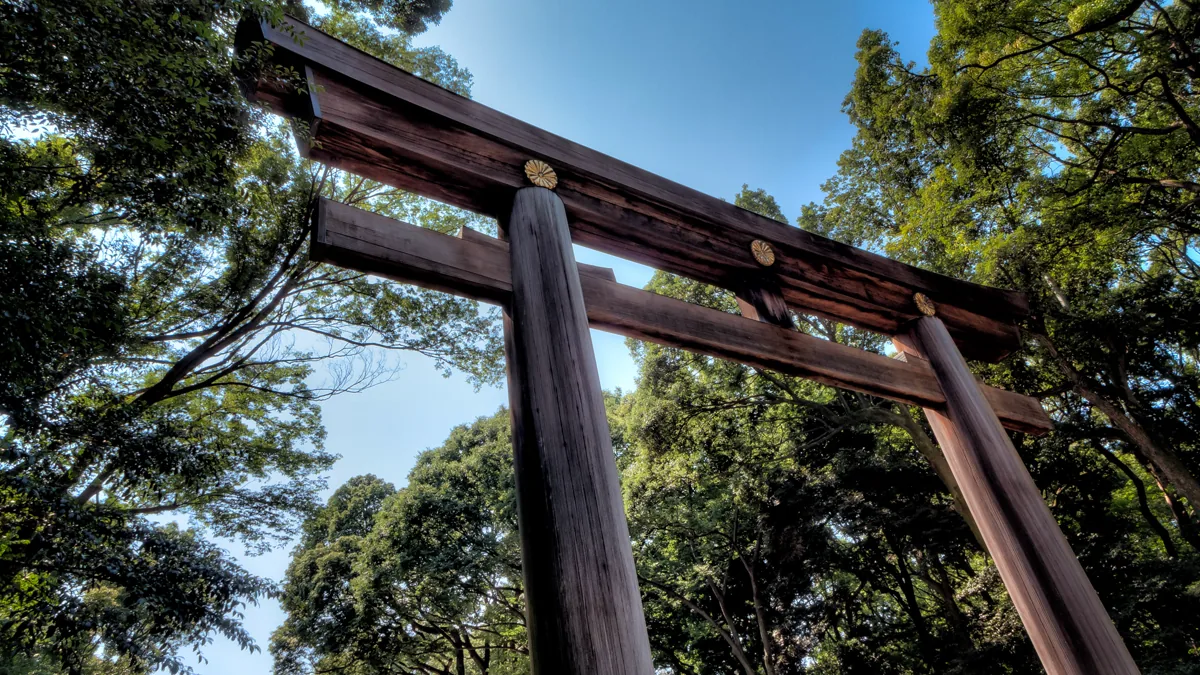
Visiting Meiji Jingu, Where 100,000 Trees Were Planted to Make a Forest That Tends Itself
Is Meiji Jingu worth visiting? We weighed 70 traveler voices: 75% say worth it, and Japanese locals rate it even higher at 82%. Free, a 70-hectare forest planted entirely by hand in 1920, home to the Great Torii and Kiyomasa's Well in the Inner Garden, with an audio guide.
Meiji Jingu
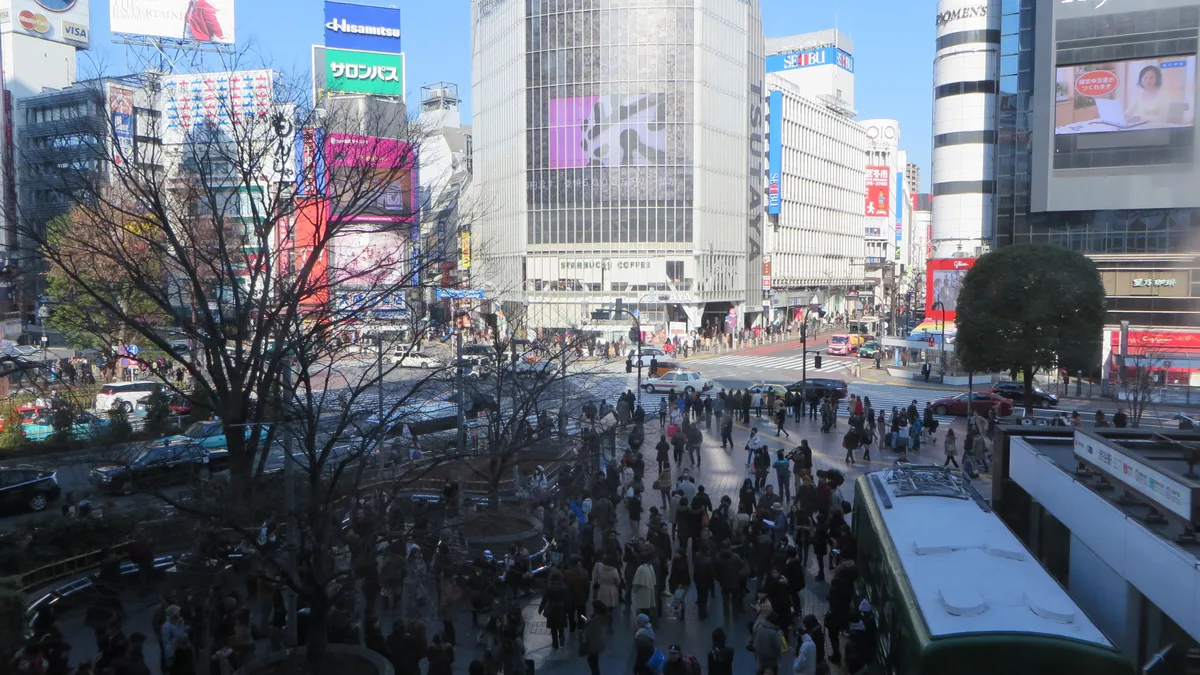
Shibuya — The Crossing No One Directs, and the Dog Who Never Stopped Waiting
An audio walking guide to Tokyo's Shibuya, verified against official sources — the Scramble Crossing, the Hachiko statue, Shibuya Sky, and how to walk it.
Shibuya