
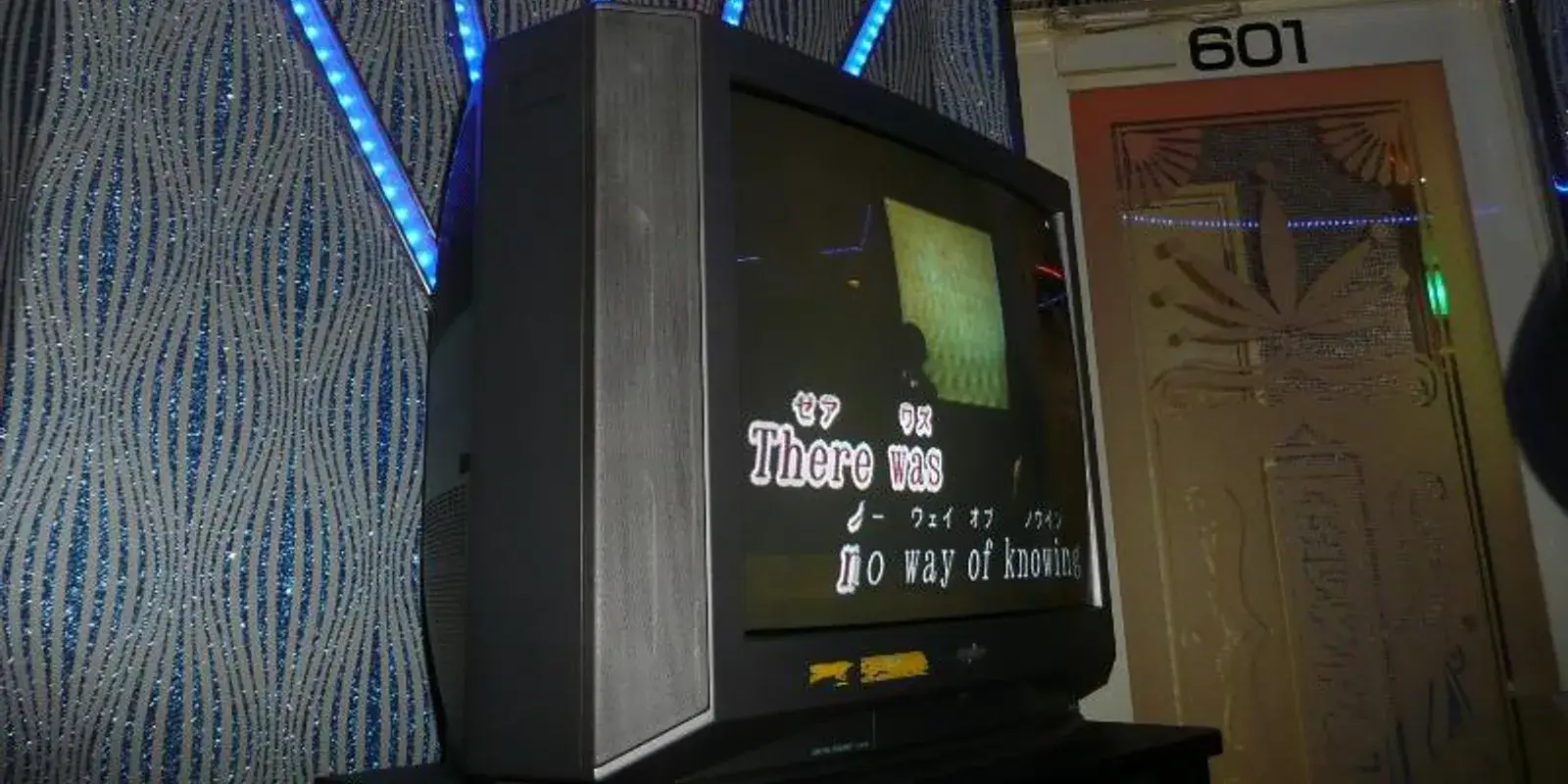
What Your Japanese Friends Actually Think at Karaoke, and the Songs They Love Hearing You Try
What you'll learn in this article:
- What 432 Japanese people said about karaoke across five topics, from singing ability to song choice
- Why the biggest karaoke faux pas has nothing to do with your voice
- The specific songs that make Japanese people genuinely light up when foreigners sing them
- Why 39.4% of people in a 2016 MyVoice survey said they don't even like karaoke, and what that means for you
What's the real etiquette at Japanese karaoke? We read what 432 Japanese people wrote about it in public posts. The clear answer: nobody cares if you sing badly. 34% wrote that they genuinely enjoy it when someone gives it their all regardless of skill. What they do care about is one thing that has nothing to do with singing: not paying attention while someone else performs, because you're scrolling your phone or chatting through their song. And here's the surprise: try a Japanese song, even badly, and the reaction shifts from polite to genuine.
Quick Guide
| Situation | What Japanese People Said | |
|---|---|---|
| 🟢 Relax | Singing badly but trying | 34% genuinely enjoy the effort. "The people who sing with everything they've got, even off-key, those are the best karaoke partners." Skill doesn't matter; energy does. |
| 🟢 Relax | Trying a Japanese song | 82% had positive reactions. "I never expected to sing Japanese songs with my Vietnamese coworkers. It made me so happy." Even imperfect pronunciation is forgiven as goaikyo (charm). |
| 🟡 Good to know | Not wanting to sing | In a 2016 MyVoice survey, 39.4% of respondents said they dislike karaoke. "Just being there and enjoying other people's songs is completely fine." XING reports that 42% of young regulars use karaoke rooms for something other than singing. |
| 🔴 Worth noting | Looking at your phone while someone sings | It was the most-named complaint (20.8%) in a 2008 iShare survey. Not your voice. Your attention. "When everyone's chatting during my song, my motivation just dies." |
The one thing to remember: Japanese karaoke isn't about singing well. It's about omoiyari: being present for each other. Give your attention when someone sings, try something when your turn comes, and the room takes care of the rest.
How We Gathered These Voices
We collected 432 Japanese-language responses across five karaoke-related topics: reactions to bad singing (105 responses), songs they want foreigners to try (62 responses), feelings about non-singers (75 responses), mic-sharing etiquette complaints (75 responses), and generational attitudes toward karaoke culture (115 responses). Sources include public Japanese Q&A sites, forums, and social posts, alongside Rocket News 24, LIVE JAPAN, JOYSOUND/XING survey data, Mynavi, Bunshun Online, Diamond Online, MyVoice Inc.'s 2016 karaoke usage survey, and Japanese media outlets.
A quick note: this isn't a controlled scientific survey. It's a collection of what real Japanese people said in their own words, in their own language, on public platforms. Most karaoke guides tell you how to use the machine. We wanted to show you what Japanese people actually feel, and why your biggest worry is probably the wrong one.
You're Terrible, and They Love It
The honest answer: your singing ability matters far less than you think.
Of 105 responses about reactions to bad singing, about a third were genuinely positive: people who said they actively enjoy enthusiastic bad singing. Another quarter were neutral, and the rest expressed annoyance. But here's the key: most of that annoyance was directed at specific behaviors (singing without self-awareness, hogging the mic), not at the act of singing badly itself.
音痴でも楽しめればオッケーといって誘っちゃいます。 "If they can have fun even being tone-deaf, that's all that matters — I'd invite them every time."
上手い人も下手な人も別け隔てなく楽しむのがカラオケだと思ってるので、気にならないですね。 "I think karaoke is about enjoying it equally whether you're good or bad, so it doesn't bother me at all."
家族だと笑って終われるけど、友達とかであれば、一緒に歌ってくれて盛り上げてくれた方が断然嬉しいです。 "With family you can just laugh it off, but with friends, someone who sings along and hypes up the room is way more welcome."
The Praise Paradox: When "You're Amazing!" Means Nothing (And Everything)
Here's something every karaoke visitor discovers: Japanese friends will tell you your singing is amazing. Every. Single. Time.
Is it real?
お世辞9割方、本心はうわの空です。 "About 90% is flattery. In their hearts, they're somewhere else entirely."
自分もだいたいお世辞で言います。 "I pretty much say it as flattery too."
This isn't dishonesty. It's omoiyari in action. At karaoke, protecting someone's confidence matters more than honest criticism. Japanese people don't evaluate your performance. They evaluate your willingness to participate.
But here's the twist that travel guides don't mention: when a foreigner attempts a Japanese song, the reaction shifts from polite to real.
発音こそ少々怪しいがそこはご愛嬌。みんなで歌って楽しいが一番なのだ!まさか日本語の楽曲をベトナム人のみんなと歌う日が来るとは思ってもみなかった。なんだか嬉しくなった。 "The pronunciation may be a little off, but that's part of the charm. Singing together and having fun is what matters most! I never imagined I'd be singing Japanese songs with my Vietnamese colleagues. It made me genuinely happy."
This is the same pattern we see across WMJS research, from chopstick etiquette to trying to speak Japanese: effort registers more than perfection. At karaoke, it's amplified. A foreigner stumbling through a Japanese song isn't embarrassing. It's a moment of unexpected connection.
The real rule: Japanese friends don't care if you can sing. They care if you're willing to try. And if you try a Japanese song, even badly, the compliments might actually be real for once.
The Songs That Make Them Light Up
This is the data nobody else has.
We collected 62 responses specifically about what songs Japanese people want to hear foreigners sing, and what makes them light up versus tune out. The results were overwhelming: 82% were positive about foreigners singing Japanese songs. Only 5% expressed any negative reaction.
The Crowd-Pleaser List
Based on JOYSOUND/XING official data on what foreigners actually sing most, cross-referenced with Japanese reactions, here are the songs that consistently light up the room:
The Guaranteed Hit:
- 🏆 残酷な天使のテーゼ (Zankoku na Tenshi no Thesis, Evangelion). #1 across every single survey. Universal. Everyone knows it, everyone sings along.
Anime Songs (34 of the top 50 songs foreigners sing are anime):
- ウィーアー! (We Are!, One Piece)
- 君をのせて (Carrying You, Laputa: Castle in the Sky)
- となりのトトロ (My Neighbor Totoro)
- 千本桜 (Senbonzakura, Hatsune Miku)
J-Pop That Crosses Generations:
- First Love (宇多田ヒカル / Utada Hikaru)
- 上を向いて歩こう (Ue wo Muite Arukou / Sukiyaki)
- 真夜中のドア (Mayonaka no Door, Miki Matsubara, viral worldwide starting in 2020)
- ドライフラワー (Dry Flower, Yuuri)
外国人とカラオケ行ったものです。やっぱり、日本語の歌を期待されるよ。みんな知ってるアニソン。ドラゴンボールとか、ワンピースとか、海外でも人気のやつ。 "I've been to karaoke with foreigners. You're expected to sing Japanese songs, honestly. Anime songs everyone knows — Dragon Ball, One Piece, stuff that's popular overseas too."
カラオケって本当に正義だな…英会話が出来なくたっていい。カラオケでマイクを握れば通じる気持ちがある。 "Karaoke really is amazing... You don't need to speak English. When you grab that mic at karaoke, there's a feeling that just gets through."
Why Anime Songs Work So Well
It's not just familiarity. Anime songs are designed for emotional impact: big melodies, dramatic builds, and choruses that invite the whole room to join in. When a foreigner sings Zankoku na Tenshi no Thesis, every Japanese person in the room knows the melody, the timing, the emotional arc. It becomes a shared experience instead of a performance.
あっという間に、いきものがかりや、アンジェラ・アキ、YOASOBI、清水翔太、アニメの楽曲などが登録されていった。確かに日本のカラオケシステムのベースは日本の楽曲だ。しかし、それにしたって、こんなにもみんな日本語の歌が歌えるなんて…! "Before I knew it, they were queuing up Ikimonogakari, Angela Aki, YOASOBI, Shimizu Shota, anime songs... Sure, the Japanese karaoke system is built around Japanese music. But still — I couldn't believe how many Japanese songs everyone could sing!"
The Songs to Think Twice About
Not every song lands equally well in a group setting. Slow, contemplative songs in a language nobody else speaks can create awkward silences. Japanese voices specifically mentioned that when someone picks a long, quiet ballad nobody recognizes, the energy drops.
The principle: pick songs the room can feel, even if they can't understand the words. Energy and melody matter more than lyrics.
The shortcut: if you only learn one Japanese song, make it Zankoku na Tenshi no Thesis (Evangelion theme). It's the universal karaoke anthem: everyone knows it, everyone sings along, and your Japanese friends will genuinely lose their minds.

What If You Don't Want to Sing?
Here's something karaoke guides never tell you: in a 2016 MyVoice survey of 10,903 people in Japan, 39.4% said they don't like karaoke. That's more than the 34.0% who said they do. You're not alone.
Of 75 responses about non-singers at karaoke, a third said it's completely fine, half said it depends on the vibe, and only 15% expressed any frustration.
その場にいるのが好き何じゃないですかね。 "I think they just like being there."
自分は歌わなくても他の人の歌で満足しているのではないでしょうか。その人は歌わされることのほうが不快でしょうし、ほっといてって感じじゃないかな。 "They're probably satisfied just listening to everyone else sing. Being forced to sing would make them more uncomfortable. I think they'd rather just be left alone about it."
なんか怖いんですよね…音痴なので「引かれたりバカにされたらどうしよう」とか…恥をかくくらいなら歌わずお金を払った方がマシだと思ってます。それに聞いてるだけでも楽しいです。 "It's kind of scary for me... I'm tone-deaf, so I think 'what if people are put off or make fun of me?' I'd rather pay and not sing than be embarrassed. Besides, just listening is fun too."
The "Listening Specialist" Is a Real Role
Japanese karaoke culture has a name for the person who comes to karaoke but doesn't sing: 聞き専 (kiki-sen: "listening specialist"). It's not an insult. It's a recognized role. The listening specialist operates the tablet, picks the next song for others, keeps drinks flowing, and, most importantly, gives enthusiastic reactions when others perform.
The Bigger Picture: Karaoke Rooms Aren't Just for Singing
One fact reframes everything: according to XING, the company behind the JOYSOUND karaoke system, 42% of people in their teens and twenties who use a karaoke room at least once a month use it for something other than singing, such as in place of a café or a meal out, or to watch videos (ORICON NEWS, 2025).
The private room format is what makes Japanese karaoke fundamentally different from Western bar karaoke. There's no stage, no strangers watching, no public judgment. It's a living room with a sound system. This is why the social pressure is far lower than visitors expect.
The real message: if 39.4% of people in that survey don't like karaoke, and 42% of young regulars use the room for something other than singing, you have full permission to just enjoy the atmosphere. Order drinks, work the tablet, cheer for your friends. Nobody's keeping score.
The One Rule Nobody Mentions
Here's the surprise: the thing that actually bothers Japanese people at karaoke has nothing to do with singing ability, song choice, or whether you participate.
It's attention.
Of 75 responses about karaoke pet peeves, the top complaints all centered on one theme: not being present for the person singing.
The Top Karaoke Complaints in One Survey
In a July 2008 survey of 447 people by the research firm iShare, reported by RBB TODAY, the three most-named complaints were:
| Rank | Behavior | % Who Named It |
|---|---|---|
| 1 | Others playing with their phones while you sing | 20.8% |
| 2 | Someone queuing several songs in a row | 17.9% |
| 3 | Others talking among themselves while you sing | 13.2% |
歌ってる時、みんなが別の話で盛り上がってる。 "When you're singing, and everyone else is having a conversation about something else."
聴いてない感が半端ない時はテンションが下がりまくる。 "When it's painfully obvious nobody's listening, my enthusiasm just dies."
Notice the pattern: two of the three top complaints are about not paying attention to the person singing. Not about talent. Not about song choice. Not about volume or rhythm or language.
This connects to something deeper in Japanese culture. The concept of omoiyari (consideration for others) shows up in WMJS data across every topic we've studied. At karaoke, omoiyari means: when someone is singing, you're their audience. You clap, you sway, you mouth the lyrics. You make them feel like their three minutes matter.
カラオケでの歌のアドバイスって、なんであんなカッコ悪いんだろうね。 "Why does giving singing advice at karaoke look so uncool?"
What This Means for You
The invisible rule at Japanese karaoke isn't about how you sing. It's about how you listen. When your Japanese friend picks up the mic:
- Put your phone away
- Make eye contact
- Clap when the song ends
- If you know the song, hum along or sing the chorus
That's it. That's the entire etiquette guide, distilled from 432 Japanese voices.
The one real rule: give your attention when someone sings. Everything else (your skill level, your song choice, whether you sing at all) is negotiable. Your presence isn't.
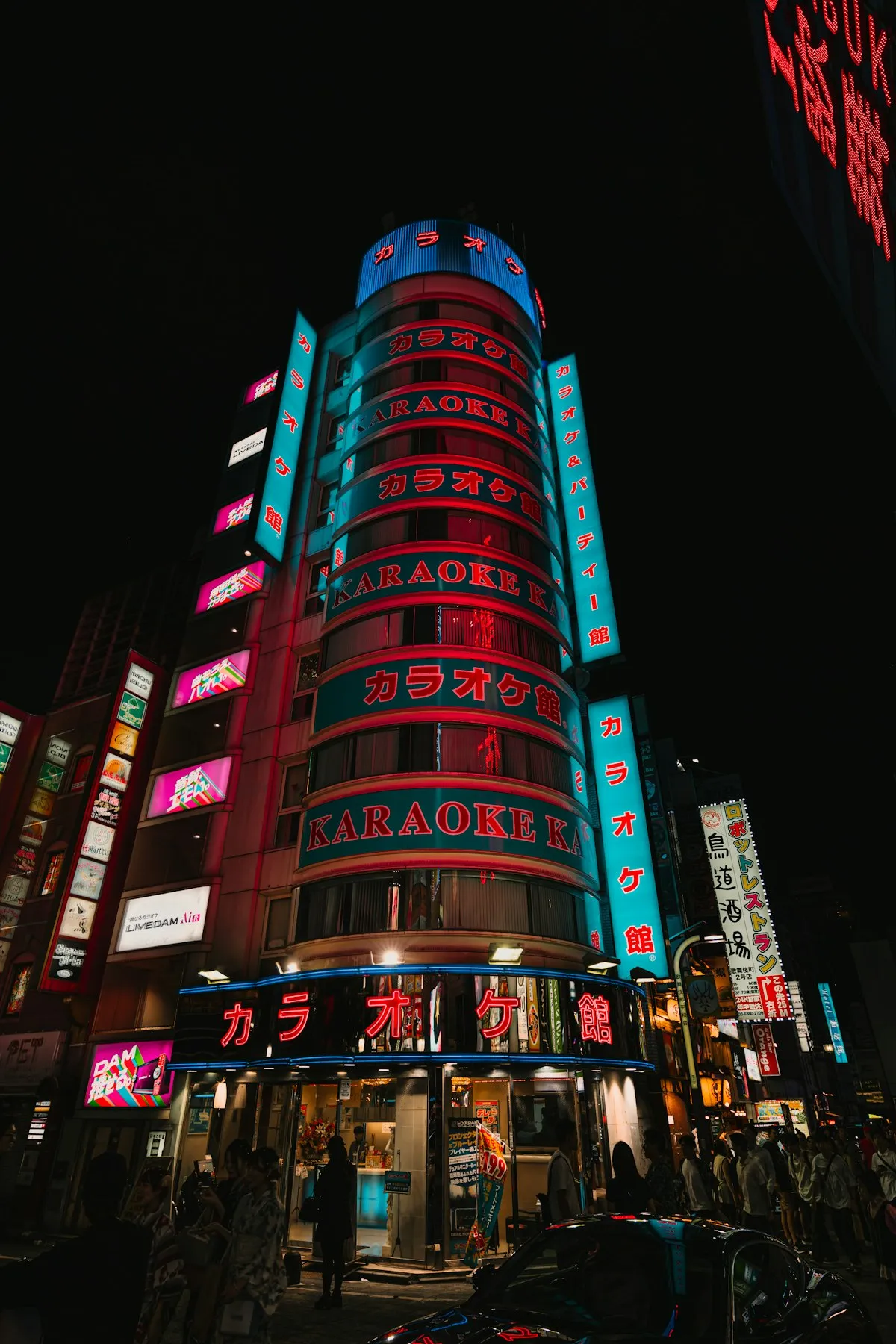
Karaoke Is Changing, and That's Good News for You
The karaoke you've seen in movies isn't quite the karaoke you'll find today. From our 115 responses on generational attitudes, a clear picture emerges: Japanese karaoke culture is becoming more relaxed, more personal, and more welcoming.
The Rise of Hitokara (Solo Karaoke)
One of the biggest shifts: solo karaoke, known as hitokara (ヒトカラ), has gone from niche to mainstream. Karaoke chains now offer dedicated solo booths, solo pricing plans, and some locations report that single-person bookings make up a significant portion of their business.
This matters because it signals a cultural shift: karaoke is no longer defined by group obligation. It's become a personal space: for stress relief, vocal practice, or just having fun alone.
The Death of "Forced Fun"
The older generation's workplace karaoke tradition, where junior employees were expected to sing for the boss at after-work parties, is rapidly declining. Japanese workers increasingly use the term カラハラ (karahara: "karaoke harassment") to describe being forced to sing, and awareness of this concept is growing.
The nijikai (after-party) culture, where the group would move from dinner to karaoke as a mandatory second round, is fading. COVID accelerated this, but the trend was already underway: younger workers simply don't want to spend their evenings performing for superiors.
What This Means for Visitors
The karaoke you'll experience as a tourist today is almost certainly the relaxed, friend-group version rather than the high-pressure corporate version. Private rooms, tablet ordering, unlimited drinks packages, and a crowd that genuinely just wants to have fun.
The pressure is lower than ever. The rooms are more comfortable than ever. And as one Japanese voice put it:
大勢のカラオケを楽しむためのポイントは、うまく歌えるかどうかではなく、一緒に盛り上がれるかどうか。 "The key to enjoying group karaoke isn't whether you can sing well — it's whether you can have fun together."
What Japanese People Actually Want You to Know
After reading 432 Japanese voices about karaoke, a few truths come through clearly:
Your singing doesn't matter. Really. A third of Japanese people actively enjoy bad-but-enthusiastic singing. The rest don't care as long as the vibe is good.
Try a Japanese song. This is where the magic happens. The shift from polite praise to genuine excitement is real and measurable. Start with Zankoku na Tenshi no Thesis: you can't go wrong.
It's OK not to sing. Nearly 40% of people in the 2016 MyVoice survey said they don't like karaoke. The "listening specialist" is a real and respected role. Just be present.
Give your attention. This is the actual etiquette. When someone sings, be their audience. Put the phone away. This matters more than anything you do with a microphone.
Have fun. Japanese karaoke is a private room with friends, not a public stage. There's no judgment, no scoring (unless you want it), and no wrong answer.
The gap between what visitors worry about and what Japanese people actually care about is enormous. You're worried about your voice. They're hoping you'll just relax and be yourself.
A Practical Note: How Karaoke Boxes Work
For first-time visitors, here's the quick version:
- Private rooms: You rent a room by the hour. It's just you and your group, no strangers.
- The tablet: Songs are selected on a touch-screen tablet or remote. Most have English song search. Type in the song name or artist, and it queues up.
- Drinks and food: Most places offer a nomihoudai (all-you-can-drink) package. The drink bar is usually in the lobby: you go fill your glass and come back.
- Cost: Expect ¥500-1,500 per person per hour during the day, more at night and on weekends. Late-night free time packages (midnight to morning) can be surprisingly cheap.
- English songs: Major chains (JOYSOUND, DAM) have extensive English song libraries: pop, rock, Disney, you name it. Search in English and you'll find plenty.
If you want a deeper dive into Japanese food and drink culture, check out Your First Izakaya: the social dynamics overlap more than you'd expect. And for another side of Japan's indoor fun, its game centers (claw machines, purikura, and gachapon) run on the same easygoing, all-ages spirit as the karaoke box.
Share Your Karaoke Experience
Have you been to karaoke in Japan? Did your Japanese friends teach you a song? Did the "上手い!" feel real or suspiciously enthusiastic?
We'd love to hear your story, and the stories of Japanese people reading this. Your experience helps others feel more confident walking into that karaoke room for the first time.
Sources
Japanese Voices (432 responses across 5 topics)
karaoke_sing_badly (105 responses):
- Public Japanese Q&A sites, forums, and social posts: first-hand opinions on reactions to tone-deaf singing
- Rocket News 24: tone-deaf "aruaru" feature
karaoke_foreigner_song (62 responses):
- JOYSOUND/XING: official data on most-sung songs by foreign users
- Public Japanese Q&A sites, forums, and social posts: first-hand opinions on songs foreigners should sing in Japan
- LIVE JAPAN: foreigner perspectives on Japanese karaoke
- kjtimes, Mynavi, ITmedia: articles on international karaoke culture
- Billboard: "Mayonaka no Door – Stay With Me" Popularity Explained: the song topped Spotify's Global Viral 50 chart for the week of 10-16 December 2020, the peak of the city pop revival that made it go viral worldwide starting in 2020
karaoke_not_singing (75 responses):
- Public Japanese Q&A sites, forums, and social posts: first-hand opinions on non-singers and karaoke anxiety
- MyVoice Inc.: karaoke usage survey (July 2016, n=10,903, 34.0% like karaoke, 39.4% dislike it)
- Mama Star, Nifty Kids: family perspectives
karaoke_mic_etiquette (75 responses):
- RBB TODAY: iShare survey on karaoke (July 2008, n=447): others playing with their phones while you sing 20.8%, someone queuing several songs in a row 17.9%, others talking among themselves while you sing 13.2%
- Mynavi Freshers: workplace karaoke etiquette survey
- Bunshun Online: analysis of karaoke egoism vs group harmony
- Diamond Online: generational karaoke culture analysis
- Public Japanese Q&A sites, forums, and social posts: first-hand opinions on unwritten karaoke rules
karaoke_generation (115 responses):
Public Japanese Q&A sites, forums, and social posts: first-hand opinions on hitokara, solo karaoke, and generational views
Seikatsu Soken / Hakuhodo: after-party decline data
Money Post WEB: Z-generation karaoke interviews
ORICON NEWS: karaoke rooms used for more than singing (February 2025): XING reports that 42% of users in their teens and twenties who visit a karaoke room at least once a month use it for something other than singing
Taishoku Assist: karahara (karaoke harassment) documentation
Japan Guide: Karaoke: background on standard box pricing structure, cited for the practical-note cost range — all-you-can-sing day plans run from around 500 yen per person during slower daytime periods, and pay-per-hour rates run roughly 100 to 400 yen per person during off-peak weekday hours
Note on Quotations
Quotes from online platforms have been lightly edited for readability (fixing typos, formatting for clarity). The meaning and intent of each comment remain unchanged. Original sources are linked above.
- Public Japanese Q&A sites, forums, and social posts: first-hand opinions on karaoke
- https://rocketnews24.com/2015/03/19/559164/
- https://kjtimes.jp/knowhow/life/aoyama10/
- https://livejapan.com/ja/article-a0001849/
- https://syouhuku-3po.com/karaoke-aruaru-30/
- https://www.kaikatsu.jp/column/028942.html
- https://www.cotedazur.jp/column/cat1/038318.html
- https://www.newagevoice.com/voice-world/karaoke/karaoke-embarrassing/
- https://karaoke-riser.com/karaokedehetananayamiwokaiketu/
- https://www.ongaku-kentei.com/blog/2345
- https://iiuta.jp/karaoke-hannou/
- https://www.english-brain-creator.site/%E3%82%AB%E3%83%A9%E3%82%AA%E3%82%B1%E3%81%A7%E5%A4%96%E5%9B%BD%E4%BA%BA%E3%81%A8%E7%9B%9B%E3%82%8A%E4%B8%8A%E3%81%8C%E3%82%8D%E3%81%86%EF%BC%81%E3%82%A2%E3%83%8B%E3%82%BD%E3%83%B3%E3%83%BB%E3%82%B8/
- https://ej.alc.co.jp/tag/CULTURE/20180503-karaoke
- https://kachibito.net/private/eva-karaoke.html
- https://xing.co.jp/archives/27559
- https://vethel.media/archives/1455/
- https://gendai.media/articles/-/112925
- https://news.j-wave.co.jp/2017/01/post-3022.html
- https://blogs.itmedia.co.jp/global20/2011/02/post-5257.html
- https://chouseisan.com/l/post-48295/
- https://news.mynavi.jp/article/20130304-a153/
- https://wkimono.tokyo/wp_dic/index.php/2018/10/16/karaoke_kimono/
This article is available in languages covering 95%+ of visitors to Japan (based on JNTO 2025 data). Need another language? Let us know through Voice Box.
WMJS is written in Japan, in English, with AI help. We check every page, but English is not our first language. If a sentence reads oddly, tell us. One sentence is enough.
Thank you. A person reads every note.
How well do you know Japan?
Built from 635 public posts by Japanese people
Want to know more? Ask Japanese people
Have a follow-up question about this topic? We'll ask real Japanese people.
Voice Box →