
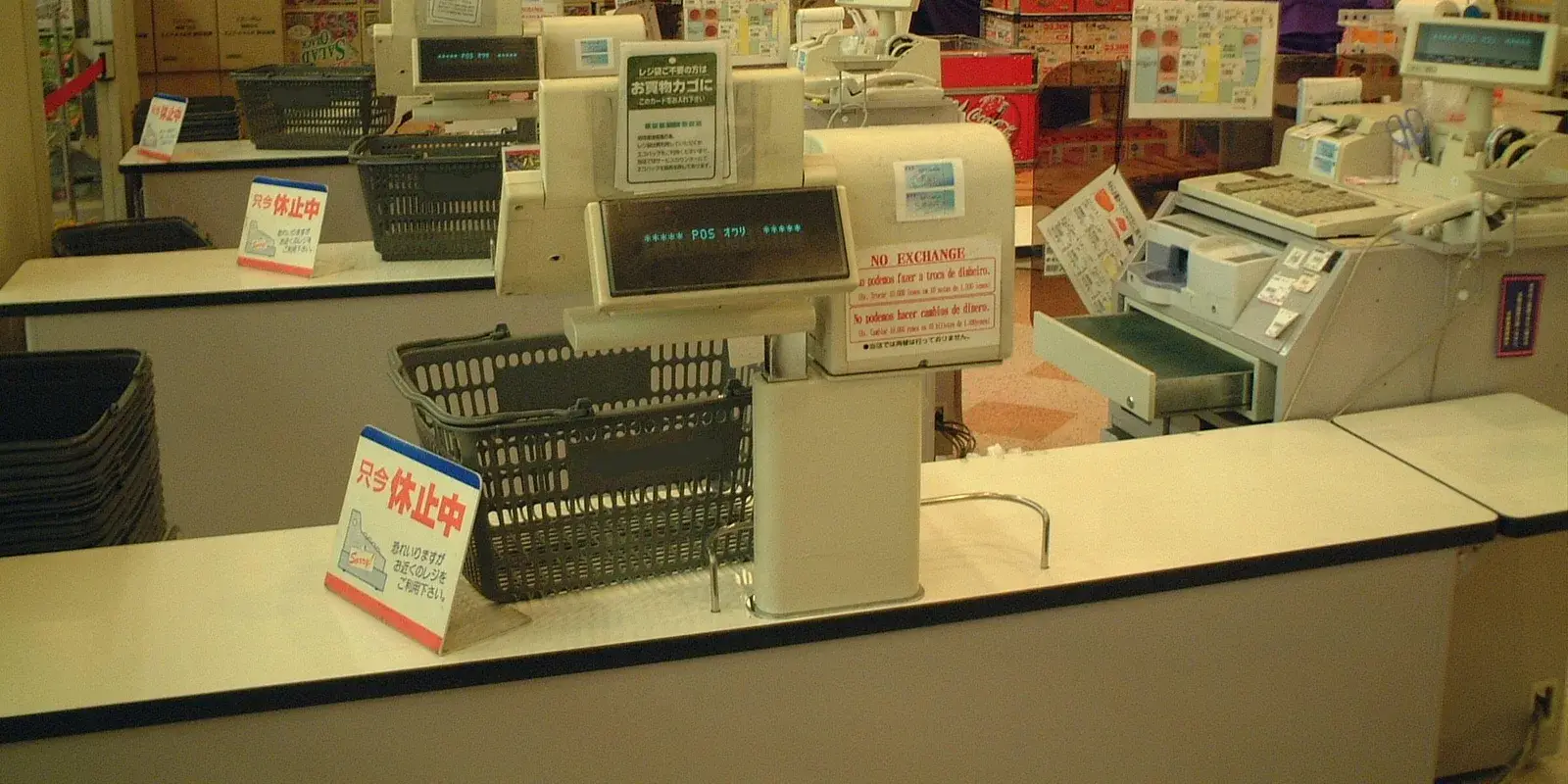
What Happens When You Tip in Japan?
What you'll learn in this article:
- What 411 Japanese people said about tipping, from restaurant staff to taxi drivers to hotel cleaners
- Why your tip might be chased down the street and returned as "forgotten change"
- The surprising reason Japanese service is world-class without tips, and it's not what you think
What happens when you tip in Japan? We collected 411 public posts by Japanese people. Tipping isn't rude, but 49% called it "unnecessary or uncomfortable." The most common word was komaru (troubled). Staff may chase you down the street to return your money, genuinely believing you forgot your change. The best way to show gratitude? A smile and "arigatou gozaimasu."
Here's something that surprises a lot of visitors: tipping in Japan isn't rude. Nobody will be offended. Nobody will be angry. But something else will happen: something that perfectly captures how differently Japan thinks about service. And once you understand it, you'll see Japanese hospitality in a completely new light.
We collected 411 real opinions from Japanese people (service workers, taxi drivers, hotel staff, and everyday people) to find out what they actually think when someone leaves a tip. The answer is more nuanced, more fascinating, and honestly more heartwarming than any travel guide will tell you.
Quick Guide
| Situation | What Japanese People Said | |
|---|---|---|
| 🟢 Relax | Is tipping rude? | No. Not rude. Not offensive. The feeling is closer to "confused but touched by the gesture." Nobody will be angry at you for trying. |
| 🟡 Good to know | What actually happens | Staff will likely try to return your money, sometimes chasing you out the door. Hotels treat pillow tips as "lost property." Many companies have rules against accepting tips. |
| 🔴 Worth noting | Why service is different here | Japanese service workers don't provide excellent service for tips. The motivation is completely different: professional pride, care for the guest, and a belief that "good service is just what you do." Understanding this changes everything. |
The one thing to remember: You don't need to tip in Japan, and trying might create an awkward moment for both of you. But if you want to show gratitude, there's something Japanese service workers value far more than money, and we'll get to that.
How We Gathered These Voices
We collected 411 Japanese-language responses across five tipping topics: staff reactions to receiving tips (85 responses), the "chase" phenomenon (72 responses), why service doesn't depend on tips (70 responses), whether tipping is considered rude (90 responses), and generational differences in attitudes toward tipping (94 responses). Sources include public Japanese Q&A sites, forums, and social posts, news articles from MoneyPost and Mainichi, and various blogs.
A quick note: This isn't a controlled scientific survey. It's a collection of what real Japanese people said in their own words, on public platforms. Most English-language guides simply say "don't tip in Japan." We wanted to show you why: what's actually going on inside the heads of the people you're trying to thank.
First, a Surprise: Japan Used to Have Tips
Here's something most travel guides don't mention: Japan actually had a tipping culture. And deliberately got rid of it.
かつて日本にもチップが給料のすべてだった「カフェーの女給」という職業が存在しましてね。何が起こったかというと、カフェーというのが性的サービスの場になりました Japan once had "cafe waitresses" whose entire salary was tips. What happened? The cafes turned into venues for sexual services.
During the Meiji era (1868–1912), tipping was common in Japanese teahouses and cafes. But problems emerged quickly: tips created power dynamics between customers and servers, wages collapsed because employers assumed tips would cover the gap, and the system degraded the quality and nature of service itself.
チップの習慣、江戸時代からありますよ。食事したり、休憩、宿泊したら必ず。お正月はご祝儀、数万から十万づつ、一晩で百万以上とか Tipping customs have existed since the Edo period. Always, whenever you ate, rested, or stayed over. At New Year there was celebration money, tens of thousands to 100,000 yen apiece, sometimes over a million yen in a single night.
By the Taisho era (1912–1926), the tourism industry actively moved away from individual tipping and replaced it with service charges built into prices. Japan didn't just lack a tipping culture. It tried one, saw what happened, and chose a different path.
This context matters. When a Japanese person declines your tip, they're not being difficult. They're part of a culture that specifically examined tipping and decided: we can do better.
What Actually Happens: The Temperature Gauge
Not everything about tipping in Japan carries the same weight. Some things are reassuring. Some are worth knowing. And one thing is genuinely eye-opening. Here's what 411 Japanese people wrote.
🟢 Is Tipping Rude? (Spoiler: No)
The honest answer: it's not rude, just confusing.
This is the question visitors worry about most, so let's put it to rest. Of 90 responses about whether tipping is considered rude in Japan:
別に失礼ではないと思いますが一般的にはチップを渡す習慣がないので、レストランやホテル、タクシーなどでは受け取り側が戸惑う傾向にあります I don't think it's particularly rude, but since there's generally no tipping custom, the person receiving it at a restaurant, hotel, taxi and so on tends not to know how to respond.
The word that came up most wasn't "rude" or "offensive." It was komaru (困る), which means "to be troubled" or "not know what to do." It's the same feeling you'd have if someone handed you a gift at a moment when you had nothing to give back.
「お気持ちだけ、嬉しく受け取っておきます」と話しお返しするしかないのですが、お客様からすれば、一度出したものを引っ込めるというのもバツが悪いらしくこちらも申し訳ない気持ちになりましたね All I can do is say "I'll gladly accept just the thought" and give it back. But for the customer, taking back something they already offered seems embarrassing, and I ended up feeling sorry too.
That last one captures the real dynamic perfectly: it's not anger, just mutual awkwardness. Both sides are trying to be polite, and the tipping custom creates a situation where neither person quite knows the right move.
💡 The real feeling
Tipping in Japan isn't rude, just confusing. The word that comes up most isn't "offensive" but komaru (困る): "I don't know what to do with this." It creates mutual awkwardness where both sides are trying to be polite.
🟡 The Chase: When Your Tip Becomes "Forgotten Change"
This is the part that makes visitors laugh, and it happens more than you'd think.
Of 72 responses about the "chase" phenomenon, where staff run after customers to return what they think is forgotten money:
東京のラーメン店でアメリカ人旅行者がテーブルに1,000円札を置いて帰ろうとしたところ、店員が「お客様、忘れ物です!」と店の外まで追いかけてきた At a Tokyo ramen shop, an American traveler left a 1,000-yen bill on the table and was about to leave, and a staff member followed them out of the shop: "Customer, you forgot something!"
コメダでコースターに「ごちそうさまです」と置き書きして100円を置いて帰ろうとしたら、店員から「お忘れ物です」と返されてしまいました At a Komeda coffee shop, I wrote "thank you for the meal" on a coaster and left 100 yen. The staff returned it saying "you forgot this."
That second one is particularly telling: even a Japanese customer who tried to tip got the money handed back as a forgotten item. The reflex to return money left on a table is that deeply wired.
Hotels have their own version of this:
チップは拾得物として扱われ、3か月後に雑収入として処理されます。直接手渡しはお金受け取り禁止です Tips are treated as lost property and processed as miscellaneous income after 3 months. Accepting cash directly is prohibited. (Hotel cleaning staff)
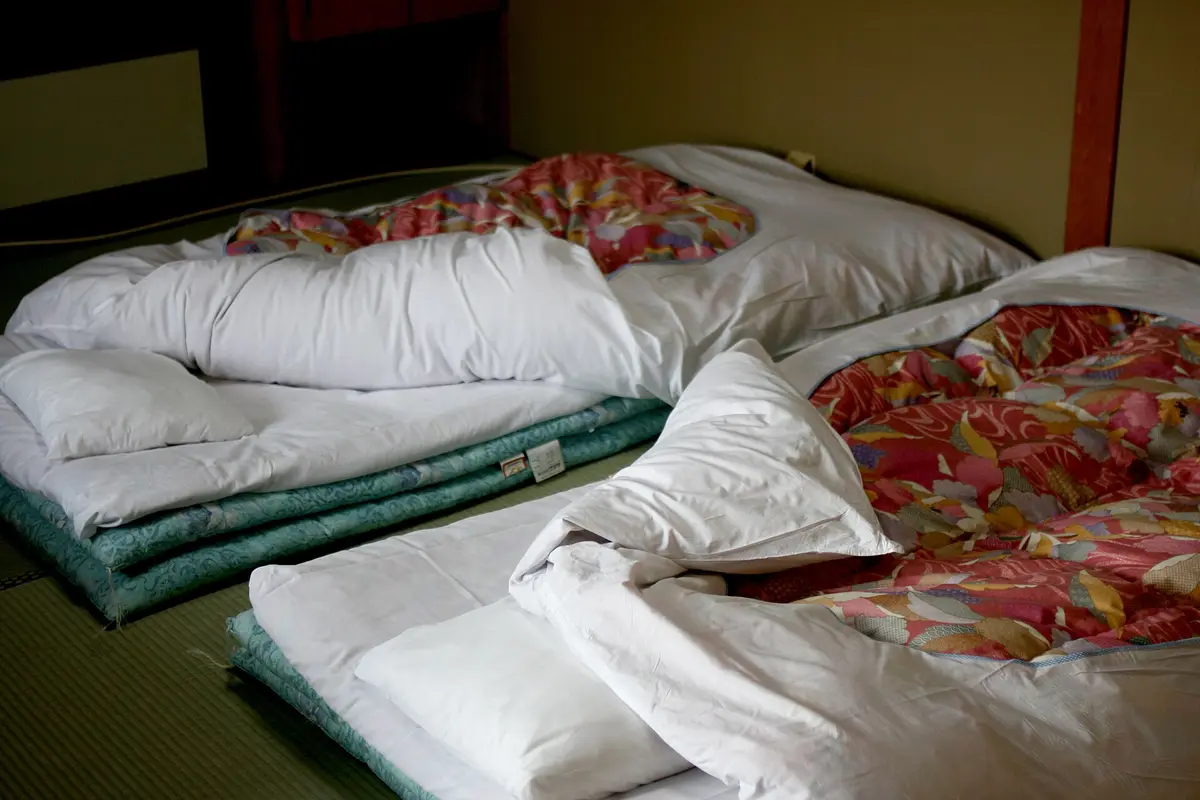
枕元に現金を置くと、忘れ物としてフロントに保管される。必ずメモ書きを添えてチップであることを明示する必要がある If you leave cash on the pillow, it will be stored at the front desk as lost property. You absolutely need to attach a note making clear it's a tip.
The head clerk of a hot-spring ryokan (traditional inn) described a three-step way of declining:
一度目は普通に断り、二度目は会社の決まりで受け取れないと断り、三度目は「では、このお金でお友達へお土産を買って、お友達や知り合いへ当ホテルの宣伝をお願いします。」とお断りします。これで95%の人が引っ込めます First refusal: a normal decline. Second: "company policy prohibits it." Third: "Please use this money to buy souvenirs for your friends and tell them about our hotel." This works on 95% of people.
💡 Why the chase happens
It's not theater. Japanese service staff genuinely interpret money left on a table as forgotten change. The concept of "intentionally leaving extra money" simply doesn't register as a possibility, so they do what any honest person would: run after you to return it.
🔴 The Real Reason: It's Not About Money
This is where tipping in Japan goes from "cultural quirk" to genuinely fascinating.
Of 70 responses about why Japanese service is excellent without tips, the answers were passionate:
In tipping cultures, the logic goes: good service → tip → motivation to serve well. In Japan, that equation doesn't exist. The motivation comes from somewhere else entirely.
チップ制度はダメだよ。払いたくないからじゃない。日本人の心が汚れる。真心が歪むから A tipping system is no good. Not because I don't want to pay. It would taint Japanese hearts, and it would warp sincere care.
チップをくれないヤツへのサービスは如実に下がるよね。それは今の「おもてなし」日本を捨てる事になるのは確か With tipping, service visibly drops for people who don't tip. That would mean abandoning Japan's current "omotenashi" culture — that's certain.
This gets to the heart of it. In Japan, service quality doesn't change based on who you are or what you pay. Everyone gets the same level of care. Walk into any convenience store and you'll see this firsthand. Japanese people see this equality of service as something worth protecting.
やりがいは、たまに「この人の役に立てた!」という手ごたえがあった時。マニュアル通りの対応でなく、ちゃんと相手と気持の交流が持てた時、ですかね What makes it worthwhile is the occasional moment when I feel "I was really useful to this person!" When, instead of a by-the-manual response, I truly connected with the other person's feelings, I suppose. (Service industry worker)
チップなんか払わないで、リピーターになってあげて Don't pay tips — become a repeat customer instead.
That last one is gold. For many Japanese service workers, the ultimate compliment isn't a tip. It's you coming back.
💬 What do you think?
Japanese readers: How do you feel about this?Visitors: Have you experienced this in Japan?
Share your voice →What about the workers who say the system isn't perfect?
Not everyone romanticizes tip-free service. About 30% of responses pointed out real problems, including low wages in the service industry, the expectation to maintain perfect service regardless of pay, and companies that pocket tips meant for individual workers:
接客業ってコミュ能力が高くないとできないのに、何で給料安いんですか? Service jobs require strong communication skills — so why are the wages so low?
4ヶ月前から日本食料理店でアルバイトをしている大学生です。外国人客からチップをよくもらいます。マネージャーに指示されて今まで全てのチップを渡してきました。これまで15万円以上のチップを渡してきた I'm a college student who's been working at a Japanese restaurant for 4 months. Foreign customers often tip me. My manager told me to hand over all tips. I've given over 150,000 yen so far.
These voices tell a fuller story: "no tipping culture" doesn't mean "perfect working conditions." But even among those who wish wages were higher, almost nobody wanted the solution to be tipping.
The Cultural Engine: Why This System Works
So what makes Japanese service different? It's not just tradition. It's a set of deeply held values that make tipping unnecessary.
Equal Service for Everyone
This is the value Japanese people defend most passionately. In a tip-based system, service quality naturally fluctuates based on who tips well. In Japan, the grandmother ordering tea and the business executive ordering a full course receive the same level of care.
顧客に心地よいサービスを提供することが「あたりまえ」という日本の文化的背景があります。チップの金額でサービスの質に差をつけるのではなく、より良いサービス提供そのものを目的としています In Japan, providing comfortable service to customers is simply "expected." Rather than varying service quality based on tip amount, the goal is better service itself.
心付けお持ちになるお客様は1%もいらっしゃいません。心付けの有無でお客様を区別したり、接客姿勢を変える事もありません Less than 1% of guests bring kokorozuke (traditional monetary gifts). We never differentiate between guests or change our service based on whether they do. (Ryokan industry worker)
Professional Pride, Not Transaction
Many Japanese service workers described their motivation in terms that have nothing to do with money:
自分を利用者の立場に置き換えて何をしてほしそうなのか推測して実行する事がおもてなしの心だと感じています I feel that the heart of omotenashi is putting yourself in the customer's position, guessing what they need, and acting on it.
サービス業は、「誠意を尽くす」ということに尽きる気がします。要は、お客を身内や親戚と思い、身内や親戚をもてなすような接し方をすれば一番良い気がします I think service comes down to "giving your genuine best." Treat the customer like family — serve them the way you'd serve your own relatives. That's the ideal.
Kokorozuke ≠ Tip
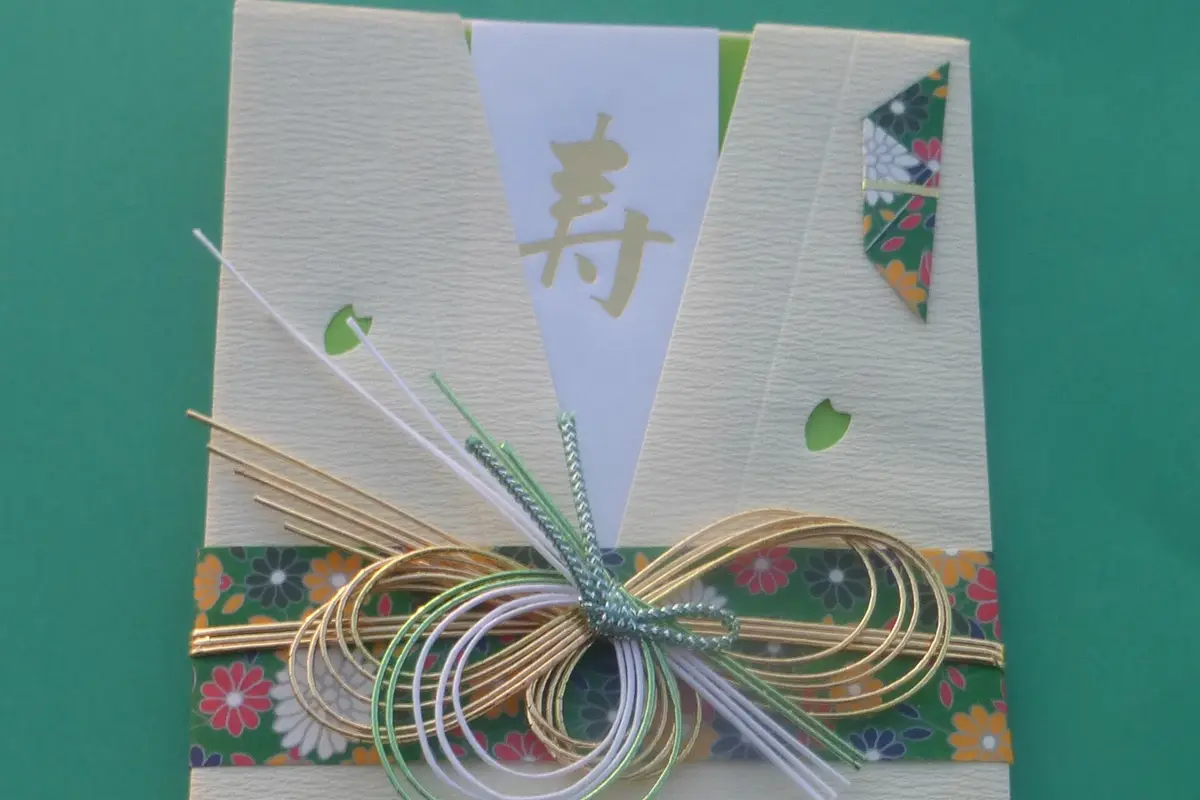
Japan does have something that looks like tipping: kokorozuke (心付け), small monetary gifts traditionally given at ryokan or during events like weddings. But there's a crucial difference:
チップは、そもそも客側からの『心付け(謝意)』であって店側からの『規定料金』ではないハズだが A tip is supposed to be "kokorozuke" — gratitude from the customer — not a "standard fee" from the establishment.
心づけを出す行為が、何となくお大尽風を吹かせた様に感じられ、日本人の感覚に合わないので、廃れていったのでしょう The act of giving kokorozuke started to feel like "playing the rich patron." It didn't match Japanese sensibilities, so it probably faded.
Kokorozuke was wrapped in paper, given discreetly, and was never expected. Western-style tipping (visible, calculated as a percentage, and effectively mandatory) is structurally different. Japan tried both, and chose to move away from both.
💡 The different equation
In tipping cultures: good service → tip → motivation. In Japan, that equation doesn't exist. The motivation comes from professional pride, the belief that everyone deserves the same level of care, and a culture that sees "good service" not as something you earn through tips, but as something that's simply expected of a professional.
What Japanese People Actually Want You to Know
After reading all 411 responses, the clearest theme wasn't "don't tip." It was something more specific.
They know it's a gesture of kindness, and they appreciate that.
チップを渡す理由は「英語が上手だから」でも「特別なサービスをしたから」でもなく、「気持ちが伝わったから」である The reason for a tip isn't "because your English was good" or "because you gave special service." It's "because feelings got across." (Bar worker)
チップ文化のない日本のホテルでも、チップを渡された場合は「これからも良いサービスを提供する宿であってほしい」という気持ちが込められているはず。その気持ちをお金以上に大切に受け止めましょう Even in Japan where there's no tipping culture, a tip carries the message: "I hope this place keeps providing great service." We should cherish that feeling more than the money itself.
But there's something they value more than money.
チップなんか払わないで、リピーターになってあげて Don't pay tips — become a repeat customer instead.
実際には日本語での「ありがとうございます」やGoogleレビューへの投稿が、金銭よりもはるかに価値がある In reality, a "thank you" in Japanese or a Google review is worth far more than money.
If you want to make a Japanese service worker's day, here's what actually works:
- Say arigatou gozaimasu (ありがとうございます) with a smile; even a few words in Japanese can make someone's day
- Leave a Google review mentioning them or their establishment
- Come back: being a repeat customer is the highest compliment
- A small gift from your country (wrapped, not cash) is welcome at ryokan
These things carry more weight than any tip because they're personal. They say "I noticed your effort, and it mattered to me," which is exactly what omotenashi is designed to create.
Tipping is just one piece of the picture. What Actually Matters maps out which etiquette points Japanese people truly care about. For a day-by-day guide to your trip, see Your First Week in Japan.
More Japanese Perspectives
Curious about other aspects of daily life in Japan? These articles explore what Japanese people actually think, based on hundreds of real voices.
- Why Japanese Trains Are Silent: 177 Japanese people share why train silence is the global exception rather than the rule.
- Do Japanese People Actually Care How You Hold Chopsticks?: 163 Japanese people share the honest truth. Spoiler: there's really only one thing worth knowing.
Share Your Experience
Ever tried to tip in Japan? Did the staff chase you? Did they look confused? We'd love to hear your story: it helps build a bridge between cultures.
Share your experience on Voice Box →
Sources
Primary Research Data
- WMJS tipping research data (411 Japanese-language responses collected April 2026)
- Staff reaction to tips: 85 responses
- The "chase" phenomenon: 72 responses
- Why service doesn't need tips: 70 responses
- Is tipping rude?: 90 responses
- Generational differences: 94 responses
Historical Data
- Meiji-era cafe waitress (女給) tipping system and its collapse, referenced across multiple Japanese sources
- Taisho-era anti-tipping movement in Japanese tourism industry
- Kokorozuke (心付け) tradition at ryokan: an online discussion recalled a TV feature reporting that approximately 30% of guests bring kokorozuke (secondhand account; original broadcast and year not identified)
Opinion Collection Sources
The following sources were used to collect Japanese people's opinions and sentiments. These are not cited as factual authorities but as platforms where real Japanese people expressed their views on tipping.
Staff reactions to tips:
- Public Japanese Q&A sites, forums, and social posts: first-hand opinions on staff reactions to receiving tips
- https://www.moneypost.jp/1107152
- https://ameblo.jp/polaris-eigo/entry-12846350595.html
- https://omotenashi.work/column/bits_of_knowledge/14074
- https://omotenashi.work/column/accommodation-industry/5662
- https://mezamashi.media/articles/-/264100
The "chase" phenomenon:
- Public Japanese Q&A sites, forums, and social posts: first-hand accounts of staff returning tips as "forgotten change"
- https://kawaraban.jp/money/50096.html
- https://honyaku-channel.net/archives/31201941.html
- https://tsuchiyashutaro.com/archives/19201
- https://ameblo.jp/socchidiary/entry-12753926409.html
- https://maidonanews.jp/article/15206628
- https://www.j-cast.com/kaisha/2020/01/18377423.html
- https://mamastar.jp/bbs/topic/4187197
- https://www.e-mansion.co.jp/bbs/thread/140496/res/1-200/
Why service doesn't need tips:
- Public Japanese Q&A sites, forums, and social posts: first-hand opinions on why Japanese service stays excellent without tips
Is tipping rude?:
- Public Japanese Q&A sites, forums, and social posts: first-hand opinions on whether tipping is considered rude
Generational differences:
- Public Japanese Q&A sites, forums, and social posts: first-hand opinions on generational attitudes toward tipping
- Yahoo! News poll (news.yahoo.co.jp/polls, July 2025): 91.5% opposed tipping (1,630 of 1,781 votes)
Note on Quotations
Quotes from online platforms have been lightly edited for readability (fixing typos, formatting for clarity). The meaning and intent of each comment remain unchanged. Original sources are linked above.
Prefer just the numbers? The counts behind this topic live on one page: Tipping in Japan: what staff actually think, in numbers.
WMJS is written in Japan, in English, with AI help. We check every page, but English is not our first language. If a sentence reads oddly, tell us. One sentence is enough.
Thank you. A person reads every note.
How well do you know Japan?
Based on 51,218+ real Japanese voices
Want to know more? Ask Japanese people
Have a follow-up question about this topic? We'll ask real Japanese people.
Voice Box →