
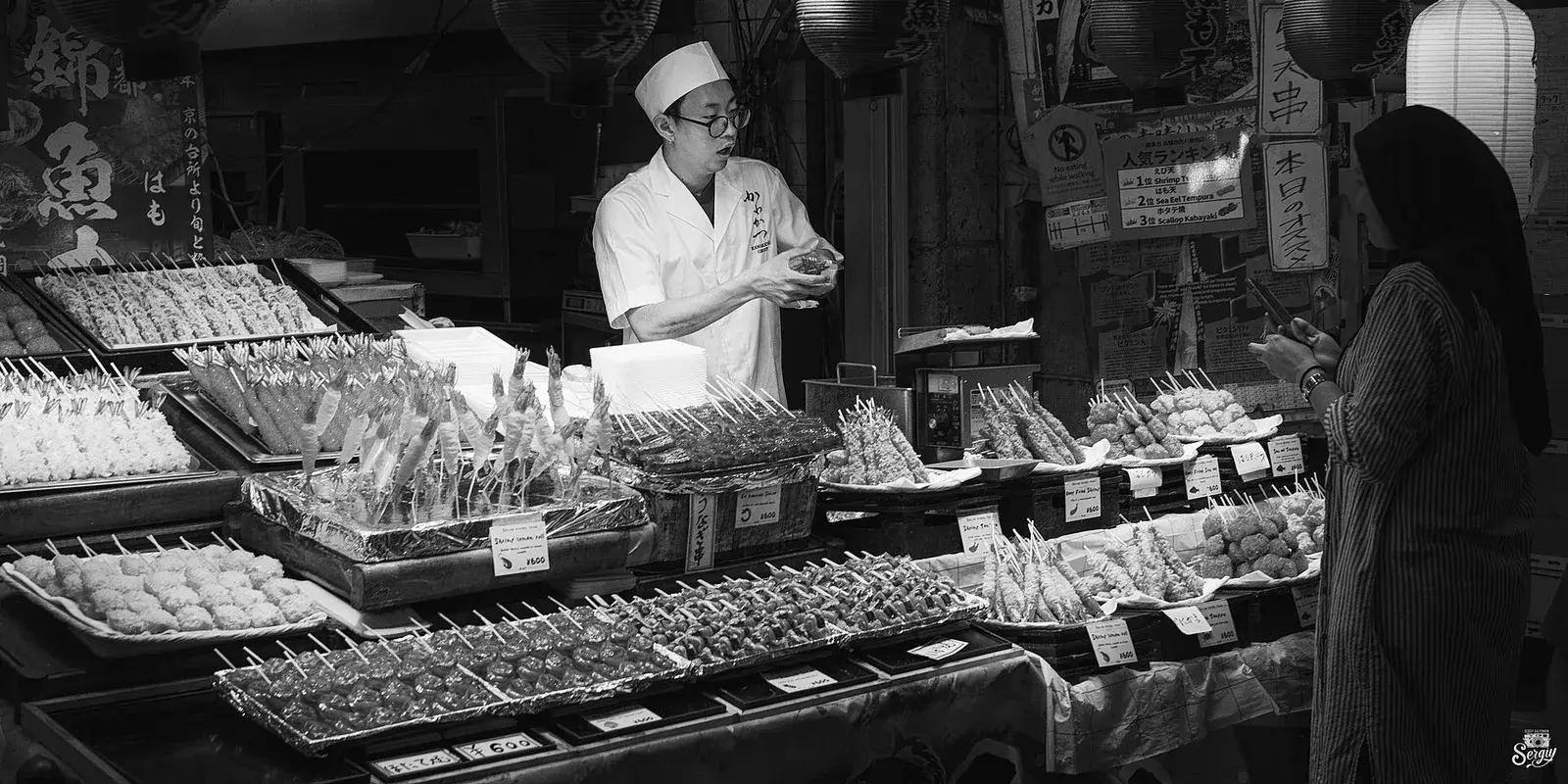
When You Try to Speak Japanese: What They're Really Thinking
What you'll learn in this article:
- How Japanese people actually feel when you try speaking Japanese, even badly
- Why a single "arigatou" can change the whole mood of an interaction
- The one word that works like a magic key in Japan (hint: it's not "konnichiwa")
Here's something most travel guides won't tell you: Japanese people don't care if your Japanese is perfect. They care that you tried.
We read 251 public posts written by Japanese people (shop staff, train commuters, ryokan workers, language teachers and others) about how they feel when a foreigner attempts Japanese. The result? An overwhelming wave of warmth that might surprise you. And one common situation that's more complicated than it looks.
What happens when you try to speak Japanese as a tourist? We collected 251 public posts by Japanese people. Of the 42 about hearing "arigatou" from a visitor, 35 (83%) were happy ones. On pronunciation, 37 of 55 found broken Japanese endearing. Not one of 53 posts on "sumimasen" was negative. You don't need to speak Japanese well. You just need to try. The effort itself is the message.
Quick Guide
| Situation | What Japanese People Said | |
|---|---|---|
| 🟢 You're golden | Say "arigatou" | One word. That's all it takes. 35 of the 42 posts we collected about it were happy ones, broken pronunciation and all. "The feeling comes through even if the words aren't perfect." |
| 🟢 You're golden | Imperfect pronunciation | Nobody expects perfection. Most people find it endearing. "It's like watching a baby deer try to stand: you just want to cheer them on." |
| 🟢 Bonus points | Use "sumimasen" | This is the insider move. Japanese people open almost any request to a stranger with it, and when a foreigner nails the timing, the reaction is: "Oh, they really get it." |
| 🟡 Good to know | Getting English replies | You try Japanese, they reply in English. It can feel dismissive, but the posts describe it as a reflex of kindness, and 29 of 53 admit it can backfire. |
The one thing to remember: You don't need to speak Japanese well. You just need to try. The effort itself is the message, and Japanese people hear it loud and clear.
How We Gathered These Voices
We collected 251 public Japanese-language posts across five topics: saying "arigatou" (42 posts), pronunciation reactions (55), using "sumimasen" (53), the "English switch" phenomenon (53), and generational differences (48). Sources include public Japanese Q&A sites, forums, and social posts, as well as LIVE JAPAN, Honichi.com, and published articles from Nikkei Shimbun and Toyokeizai Online.
A quick note: This isn't a scientific survey. It's a collection of what real Japanese people said in their own words, on public platforms. We didn't put these questions to anyone; we read what people had already written. So every percentage in this article is a share of the posts we collected on that topic, and only of those posts. Most guides tell you "learn these phrases." We wanted to show you what happens on the other side: what Japanese people actually feel when they hear you try.
"Arigatou": The One Word That Changes Everything
35 of the 42 posts we collected about hearing "arigatou" from a foreigner (83%) were plainly happy ones.
This wasn't even close. Only 4 of the 42 were negative, and 3 were neutral. The warmth in the happy posts was striking: not polite tolerance, but real joy.
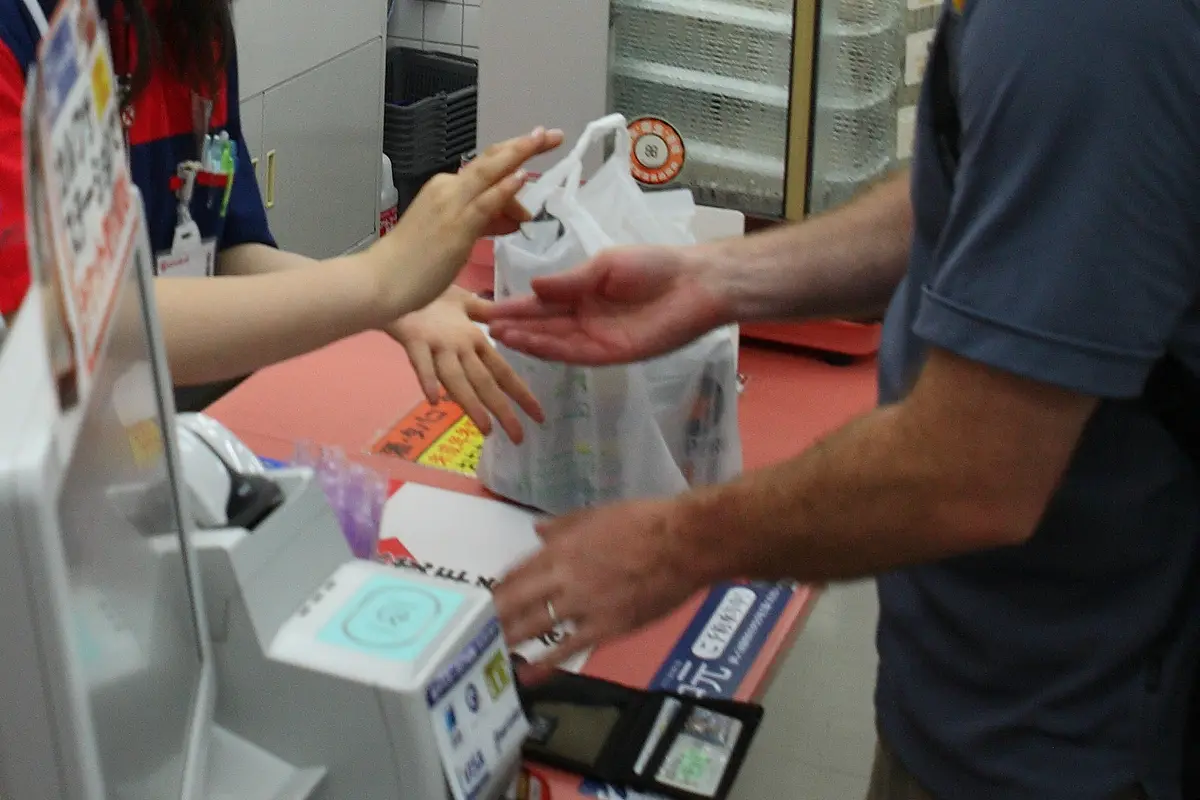
レジで外国人のお客さんが会計後に「ありがとうございます!」って丁寧に言ってくれた時、思わず笑顔になった。こちらこそありがとうって気持ちになる。 When a foreign customer politely said "arigatou gozaimasu!" after paying at the convenience store, I couldn't help but smile. It made me feel "thank you too."
他の日本語を知らなくても、感謝の気持ちだけは日本語で伝えられたら嬉しい。その国の言葉で「ありがとう」と言うと、相手との距離が一気に縮まるはず。 Even if they don't know any other Japanese, I'd be happy if they could express gratitude in Japanese. Saying "thank you" in someone's language instantly closes the distance between people.
旅館で働いてるけど、外国人のお客さんが「ありがとうございます」って帰り際に言ってくれると、おもてなしが伝わったんだなって実感できる。最高の褒め言葉。 I work at a ryokan, and when foreign guests say "arigatou gozaimasu" as they leave, I can feel that our hospitality got through to them. It's the greatest compliment. Ryokan staff
タクシー運転手やってるけど、外国人のお客さんが降りる時に「ありがとう」って言ってくれるだけで、その日一日気分がいい。 I'm a taxi driver, and just hearing a foreign passenger say "arigatou" when getting out makes my whole day better.
お店で外国人観光客に対応した時、最後に笑顔で「アリガトウ!」って言ってくれた。発音はカタコトだったけど、その一言でこちらも幸せな気持ちになった。言葉って不思議。 When I served a foreign tourist at my shop, they said "arigatou!" with a smile at the end. The pronunciation was broken, but that one word made me feel happy too. Language is mysterious.
Notice something? Even the post that mentions broken pronunciation says it didn't matter. Nobody talked about pitch accent or whether you said "arigatou" or "arigatou gozaimasu." The feeling landed every time, because the message isn't in the sounds. It's in the effort.
💡 What actually matters
A taxi driver. A ryokan worker. A convenience store clerk. Three different jobs, one identical reaction: a single "arigatou" made their day. Not because the word was said correctly, but because someone tried. As we explored in our article on the language barrier in Japan, this kind of effort is exactly what bridges the gap.
But there's one nuance worth knowing. Two of the four posts in the "it's complicated" slice came from a long-term resident perspective:
ちょっとした「こんにちは」「ありがとうございます」といった表現を使っただけで「すご~い!!日本語上手ですね!!」と言われると、ちょっと嫌な気持ちになる。 When a foreigner uses just a simple "konnichiwa" or "arigatou gozaimasu" and gets told "Wow!! Your Japanese is so good!!", it can actually feel unpleasant.
This is the "nihongo jouzu" problem: when Japanese people over-praise basic greetings, it can feel patronizing to people who actually live in Japan and speak the language fluently. If you're a tourist, this won't apply to you. But it's a fascinating window into how language and identity intersect in Japan.
Pronunciation: Nobody Expects Perfection
37 of 55 posts (67%) found imperfect pronunciation endearing. 10 (18%) noted it can be tricky in certain contexts.
Here's where your fears can really relax. Most of these posts don't just tolerate broken pronunciation. They actively find it charming.
産まれたての子馬が一生懸命立ち上がるようなイメージ。外国人が日本語を頑張って話す姿にはそういう健気さがある。 It's like a newborn foal struggling to stand up. There's that kind of endearing perseverance when foreigners try hard to speak Japanese.
一生懸命に正確に日本語を話そうと努力しているけど、まだうまくいかない、と必死になっている様子をとても好ましく思う。 I find it very endearing when someone is desperately trying hard to speak Japanese correctly but hasn't mastered it yet.
万国共通ですね。例えばアメリカ人がフランスのブランドを英語で発音すると、フランス人はキュートに感じるそうです。 It's universal. French people find it cute when Americans pronounce French brands in English too.
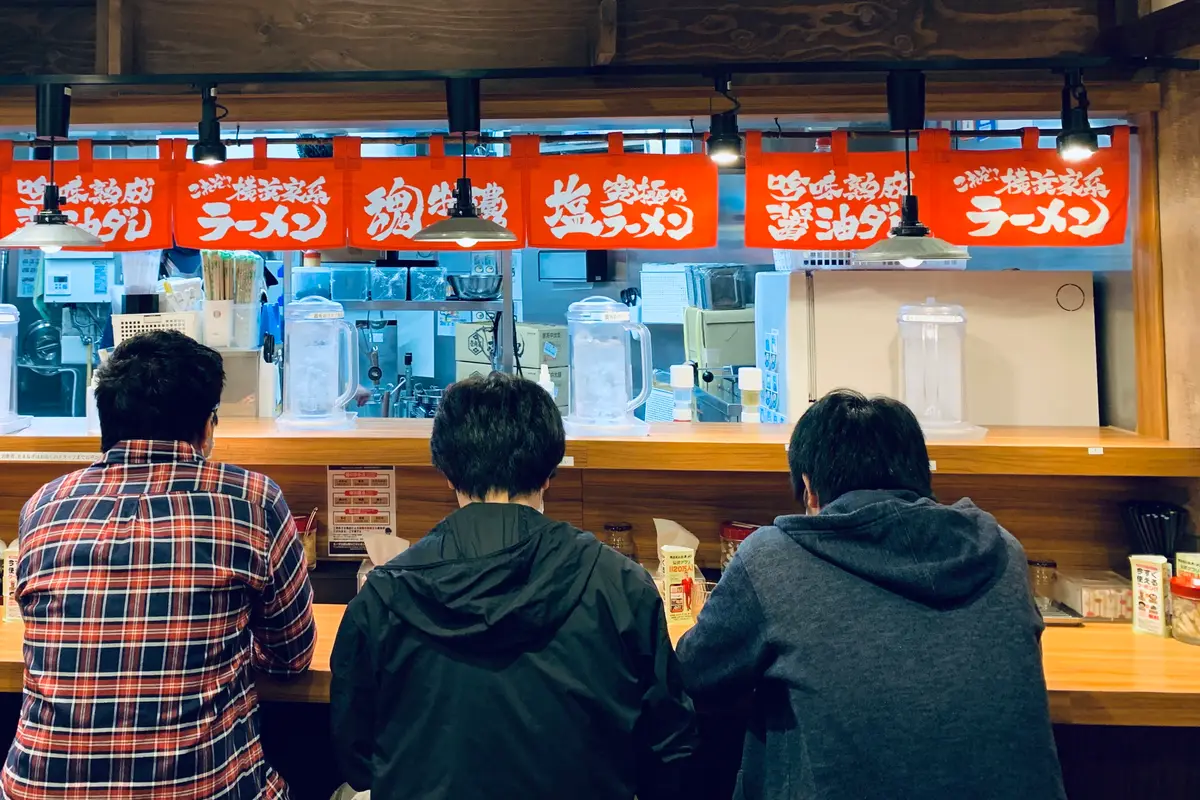
ラーメン屋の常連の外国人が、店主にカタコトで麺の茹で時間の変更について質問していた。発音はめちゃくちゃだったけど、この店を愛してくれてるのが伝わって微笑ましかった。 A foreign regular at a ramen shop asked the owner in broken Japanese about noodle cooking times. The pronunciation was all over the place, but you could feel their love for the restaurant and it was heartwarming.
And then there's this bittersweet one:
もう私が助けなくてもいいんだ…なんだか寂しい。外国人の友達の日本語が上手になると、カタコト時代が懐かしくなる。 I don't need to help them anymore... it's kind of lonely. When my foreign friend's Japanese improved, I started missing their broken Japanese days.
One important perspective to keep in mind:
外国人の片言日本語を「おもしろい」と笑うべきではない。その笑い、悪意がなくても、外国語学習者にとっては大きなプレッシャーになる。 We shouldn't laugh at foreigners' broken Japanese as "funny." Even without malice, that laughter creates enormous pressure for language learners.
This is a thoughtful reminder. The difference between laughing with someone and laughing at them matters. But the dominant sentiment in the posts? Your effort to try is beautiful, pronunciation and all.
"Sumimasen": The Magic Key
28 of 53 posts (53%) were impressed when a foreigner used "sumimasen" well. None of the 53 were negative.
If "arigatou" opens the door, "sumimasen" is the key that unlocks everything behind it. This single word (part apology, part thank-you, part "excuse me") is the Swiss Army knife of Japanese communication. And when a foreigner uses it naturally, Japanese people notice.
日本人同士でも知らない人に話しかけるときには「すみません」と頭に付けるのが一般的。外国人がこれを使いこなしてくれると、「分かってるな」と感心する。 Even among Japanese people, it's standard to start with "sumimasen" when speaking to strangers. When foreigners master this, we think "they really get it."
外国人が「すみません」と挟んだ後にお願いをすると、日本人はついつい助けてしまう。この一言が入るだけで安心感が生まれる。 When a foreigner says "sumimasen" before making a request, Japanese people can't help but assist them. Just this one word creates a sense of reassurance.
外国人が電車で「すみません、降ります」と言いながら出口に向かうと、周りの日本人は反射的に道を開ける。 When a foreigner heads for the exit on a train saying "sumimasen, orimasu," the Japanese people around them reflexively make way.
新幹線で隣に座った外国人が「すみません」と一言言ってから荷物を上の棚に置いた。たったそれだけなのに、この人とは良い旅になりそうだと思った。 A foreigner sitting next to me on the Shinkansen said "sumimasen" before putting their bag on the overhead rack. That's all it took for me to think, "this is going to be a good trip."
Here's why "sumimasen" is so powerful: it's the word Japanese people themselves use to initiate every interaction with a stranger. When you start with "sumimasen," you're not just speaking Japanese. You're following the exact social protocol that Japanese people use with each other. That's what triggers the "oh, they get it" response.
Honichi.com, a Japanese inbound-tourism news site, reported on a "SUMIMASEN Card" made for visitors with one instruction: when you ask for directions, say "sumimasen" first. The idea is that people relax and want to help when a request opens with this one word.
💡 The Swiss Army knife of Japanese
"Sumimasen" means "excuse me," "I'm sorry," and "thank you," all at once. When a foreigner uses it naturally, it's not just language. It's cultural fluency. And people notice.
When to use it:
- Getting a waiter's attention at a restaurant: "Sumimasen!"
- Asking someone for help: "Sumimasen, [your question]"
- Squeezing past people on a train: "Sumimasen..."
- When someone holds a door for you: "Sumimasen" (as a thank-you)
The English Switch: When Kindness Feels Like Rejection
This is the one topic where feelings are truly divided.
You try your best Japanese. The person replies in English. It's one of the most common and most confusing experiences foreigners have in Japan. But what's actually going on in the Japanese person's head?
The most eye-opening story came from an Italian man who had lived in Japan for decades:
黒船祭で大きな白人男性にHello!と声をかけたら、怒った顔で「なぜ俺に英語で話しかけるんだ?」と返された。彼はイタリア人で何十年も日本に住んでいて日本語が話せるのに、日本人はいつも英語で話しかけてくる。そのたびに悲しい気持ちになると言われた。 At the Kurofune Festival, I greeted a large white man with "Hello!" and he responded angrily, "Why are you speaking to me in English?" He was Italian, had lived in Japan for decades and spoke Japanese, yet Japanese people always spoke to him in English. He said it made him sad every time.
This reveals a deeper tension: the "English switch" comes from a place of kindness, wanting to help, but it can inadvertently send the message "you don't belong here linguistically."
日本人が外国人に英語で返すのは、親切心からやっていることが多い。でも結果的に相手の日本語学習の努力を否定することになってしまっている。善意が裏目に出る典型例。 Japanese people usually switch to English out of kindness. But it ends up negating the other person's effort to learn Japanese. A classic case of good intentions backfiring.
相手が日本語で話しかけてきたなら、日本語で返すのが礼儀。英語に切り替えるのは、相手に「あなたは外国人だ」と突きつけるようなもの。 If someone speaks to you in Japanese, replying in Japanese is the polite thing to do. Switching to English is like pointing out "you're a foreigner" to their face.
Here's the encouraging part. Some of the posts show that awareness growing:
反省した。今まで外国人を見たら反射的に英語で対応していた。でも相手の言語を尊重することが本当のおもてなしだと気づいた。これからはまず日本語で話しかけてみる。 I reflected on my behavior. Until now, I'd reflexively switch to English when I saw a foreigner. But I realized that respecting the other person's language choice is true hospitality. From now on, I'll try speaking Japanese first.
What to do if it happens to you: Don't take it personally. The posts that explain the English switch describe it as a wish to help rather than a judgment. If you want to keep practicing, you can gently say "nihongo de daijoubu desu" (日本語で大丈夫です, meaning "Japanese is fine"). It gives the other person an easy way to switch back.
The Generation Gap: A Shift in Progress
The posts and survey data we gathered point to a generational divide in how Japanese people respond to foreigners trying Japanese.
A 2023 survey by Japan's Immigration Services Agency (published in Nikkei Shimbun) found that over 50% of 18-19 year olds view the increase of foreigners positively, compared to much lower rates among those 60 and older, where 40-70% reported having zero foreign acquaintances.
The reason? Exposure.
10〜20代は3人に1人以上が「通う学校に外国人がおり、知り合いである」と回答。学校生活などを共にした経験を踏まえ外国人の増加を前向きに考えている。 More than 1 in 3 people in their teens-20s said there are foreigners at their school who they know personally. Having shared school life, they view increases in foreigners positively.
This creates two very different reactions to a foreigner trying Japanese:
Younger generation: treats it as normal. Won't over-praise basic greetings. More likely to just continue the conversation naturally.
若者は「日本語上手ですね」と言わない傾向がある。外国人が日本語を話すことが当たり前になっているから。 Young people tend not to say "your Japanese is good." Because foreigners speaking Japanese is normal to them.
Older generation: often genuinely moved. Less daily exposure means each attempt feels special.
おばあちゃん世代は外国人と接する機会が少なかったから、外国人が日本語で話しかけてくると本当に感動する。地方に行くと特にそう。「まあ、日本語お上手ねえ!」って目をキラキラさせる。 The grandma generation had few opportunities to interact with foreigners, so they're genuinely moved when a foreigner speaks Japanese. It's especially true in rural areas. Their eyes sparkle as they say "Oh my, your Japanese is so good!"
うちのじいちゃん(80代)は外国人を見ると緊張するけど、相手が日本語で「こんにちは」と言ってくれたら急にニコニコして話し始める。日本語が壁を溶かす鍵。 My grandpa (80s) gets nervous around foreigners, but when someone says "konnichiwa" in Japanese, he suddenly starts smiling and talking. Japanese is the key that melts the wall.
Both reactions are beautiful in their own way. And both confirm the same thing: trying to speak Japanese, at any level, creates connection.
Why This Matters More Than You Think
Here's the cultural context that makes all of this make sense: in Japan, effort is the message.
Japanese culture places enormous value on gambaru (頑張る): giving your best effort, even when the outcome isn't perfect. When you attempt Japanese (stumbling over words, mixing up sounds, getting the pitch accent wrong), Japanese people don't see failure. They see gambaru. And that resonates deeply.
This is why a broken "arigatou" from a tourist can make a taxi driver's entire day. It's why a fumbled "sumimasen" at a ramen shop earns you a warm smile. It connects to what we found about itadakimasu, another single phrase that carries the same weight of genuine appreciation. The quality of your Japanese is almost irrelevant. What matters is that you showed up and tried.
言葉は完璧じゃなくても気持ちは伝わる。 Even if the words aren't perfect, the feeling comes through.
This single sentence, said by a convenience store worker, might be the most important thing in this entire article. It connects to something bigger: What Actually Matters shows which gestures carry the most weight across all of Japanese etiquette. And if you're planning your trip, Your First Week in Japan walks you through what to expect day by day.
💡 The real message
In Japan, effort is the message. When you try to speak Japanese, even badly, Japanese people don't see failure. They see gambaru. And that resonates deeply.
More Japanese Perspectives
Curious about what else makes Japanese people smile? These articles look at what Japanese people have written about other everyday moments.
- Do Japanese People Actually Care How You Hold Chopsticks?: What 163 posts by Japanese people say about chopstick etiquette. Spoiler: there's really only one thing worth knowing.
- The Power of a Small Bow: Why a tiny nod makes Japanese people think "ah, they get it," and why a perfect 45-degree bow is completely unnecessary.
- Why Removing Your Shoes Makes Japanese People Smile: The "acha" gut reaction when shoes stay on, and the instant warmth when you try.
Share Your Experience
Tried speaking Japanese in Japan? Had a moment, funny, awkward, or surprisingly heartwarming? We'd love to hear it. Your story helps build a bridge between cultures.
Share your experience on Voice Box →
Sources
Primary Research Data
- WMJS language research data (251 public Japanese-language posts collected April to September 2026; a collection of posts, not a survey)
- Saying "arigatou": 42 posts
- Pronunciation reactions: 55 posts
- Using "sumimasen": 53 posts
- English switch phenomenon: 53 posts
- Generational differences: 48 posts
Statistical Data
- Immigration Services Agency of Japan (2023): Survey on attitudes toward foreign residents, published via Nikkei Shimbun
Opinion Collection Sources
The following sources were used to collect Japanese people's opinions and sentiments. These are not cited as factual authorities but as platforms where real Japanese people expressed their views.
Saying "arigatou":
- Public Japanese Q&A sites, forums, and social posts: first-hand opinions on saying "arigatou"
- https://aminaflyers.amina-co.jp/list/detail/1265
- https://tarosac.com/laboratory/1147
English switch phenomenon:
- Public Japanese Q&A sites, forums, and social posts: first-hand opinions on the English switch
- https://ei-tatsu.com/why-i-dont-say-hello-to-a-stranger/
- https://kotobalog.com/negative-experience/
- https://toyokeizai.net/articles/-/303846
Pronunciation reactions:
- Public Japanese Q&A sites, forums, and social posts: first-hand opinions on pronunciation
- https://www.amamiyashion.com/entry/katakoto
- https://tokutei-higashi.com/blog/detail/20230216114421/
- https://fundo.jp/133140
Using "sumimasen":
- https://honichi.com/news/2017/01/26/nipponjinnokuchiguses/
- https://livejapan.com/ja/article-a0003856/
- https://www.plazahomes.co.jp/living-in-tokyo/japanese-culture/different-sumimasens/
- https://madameriri.com/2013/12/01/
Generational differences:
- https://www.nikkei.com/article/DGXZQOUE036MC0T00C24A4000000/
- Public Japanese Q&A sites, forums, and social posts: first-hand opinions on generational differences
- https://prtimes.jp/main/html/rd/p/000000199.000014685.html
- https://www.hellotalk.com/m/txNxSEyWyJWxZD
- https://ny-future-lab.com/2023/09/15/do-not-be-afraid/
Note on Quotations
Quotes from online platforms have been lightly edited for readability (fixing typos, formatting for clarity). The meaning and intent of each comment remain unchanged. Original sources are linked above.
WMJS is written in Japan, in English, with AI help. We check every page, but English is not our first language. If a sentence reads oddly, tell us. One sentence is enough.
Thank you. A person reads every note.
How well do you know Japan?
Built from 635 public posts by Japanese people
Want to know more? Ask Japanese people
Have a follow-up question about this topic? We'll ask real Japanese people.
Voice Box →