
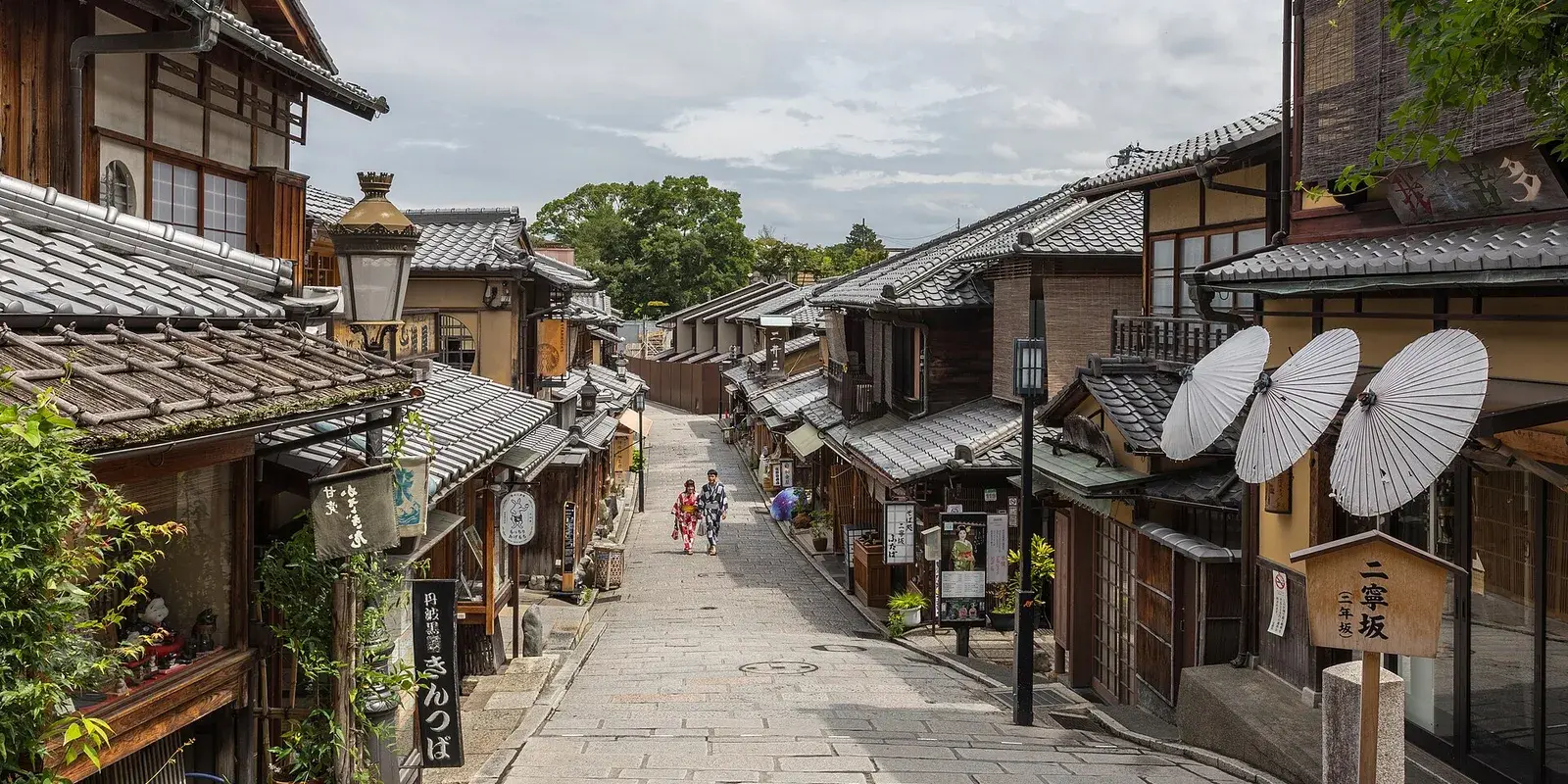
Are Travel Guides Wrong About Japan?
What you'll learn:
- What 364 Japanese people said about whether travel guides get their country right
- The pattern: which guide rules actually matter vs. which ones Japanese people laugh at
- What guides miss entirely: the unwritten expectations that matter most
Are travel guides wrong about Japan? We collected 364 public posts by Japanese people, and 70% said guides are too strict. The pattern is clear: ceremonial rules like chopstick grip and bowing angles generate low concern, while practical considerations like noise (60.4%), spatial awareness, and trash matter far more. Even 75.2% of Japanese residents report never having trouble with foreign visitors. Japan is more forgiving than the internet suggests.
If you've been anxiously reading travel guides about Japan, worried you'll accidentally insult someone with the wrong chopstick grip or an imperfect bow, this article might be the most reassuring thing you read before your trip. We collected 364 public posts by Japanese people on whether guides are too strict, and what they wrote might surprise you.
Here's the thing: the biggest finding wasn't about any single rule. It was a pattern that showed up across every topic we looked at, and it flips the standard travel guide on its head.
Quick Guide
| What Guides Say | What Japanese People Actually Think | |
|---|---|---|
| 🟢 Relax | "Hold chopsticks correctly" | 77% said guides are too strict. Most don't care about your chopstick technique. They care that you're enjoying the food. |
| 🟢 Relax | "Bow at the correct angle" | No one measures angles. A simple nod with a smile earns warmth. |
| 🟡 Good to know | "Don't tip" | Guides are right on this one, but it's not about offense, it's about confusion. |
| 🟡 Good to know | "Be quiet on trains" | Silence isn't a rule: it's a shared habit. Keep your voice down, and you'll fit right in. |
| 🔴 Worth noting | "What guides don't say" | Noise, spatial awareness, and trash. These are what actually matter, and most guides barely mention them. |
The pattern: The more "ceremonial" the rule (chopstick grip, bowing angle, slurping technique), the LESS Japanese people actually care. The more "practical" the rule (noise level, blocking paths, trash disposal), the MORE they care. Guides have it backwards.
How We Gathered These Voices
We collected 364 Japanese-language responses across six topics related to travel guide accuracy, effort vs. perfection, how often tourists actually cause problems, what really matters, what guides miss, and generational differences. We gathered these voices from public Japanese Q&A sites, forums, and social posts, along with government surveys (Saitama Prefecture, Japan Tourism Agency) and industry surveys (JARC accommodation survey).
A quick note: This isn't a controlled scientific survey: it's a collection of what real Japanese people said in their own words, in their own language, on public platforms. We present the data as it is and let you draw your own conclusions.
The Pattern: Ceremony vs. Consideration
Before diving into the temperature data, here's the cross-article pattern that emerged when we looked at all of our research together. Over the past months, we've read what Japanese people have written about dozens of specific "rules" that travel guides emphasize. The results paint a remarkably consistent picture.
Things guides stress that Japanese people mostly don't care about:
Chopstick technique: In our research for Do Japanese People Actually Care How You Hold Chopsticks?, fewer than half of Japanese adults hold chopsticks with the textbook grip themselves. The vast majority said they don't mind how you hold them. They care that you're enjoying the meal.
Bowing angles: When we researched The Power of a Small Bow, not a single person mentioned measuring angles. A gentle nod with eye contact was all anyone expected from visitors.
Slurping noodles: Our data for Is It Rude to Slurp Noodles? showed that Japanese people don't expect you to slurp. Eat however feels comfortable.
Things guides mention briefly (or not at all) that actually matter:
Shoes: In Why Removing Shoes Makes Japanese People Smile, the emotional weight of this one surprised us. It's connected to home, cleanliness, and respect in ways that go far deeper than "it's a rule."
Train silence: Our research for Why Japanese Trains Are Silent revealed it's less about rules and more about a shared social habit, one that visitors naturally pick up when they notice what everyone else is doing.
Tipping: In What Happens When You Tip in Japan?, we found guides are actually right about this one, but the reason isn't offense. It's confusion. Staff genuinely don't know what to do with extra money.
The pattern is clear: ceremonial rules generate low concern, while practical consideration generates high concern. And the irony? Most travel guides spend 80% of their space on the ceremonial stuff and 20% on the practical stuff. The priorities are inverted.
Are Guides Too Strict?
The honest answer: most Japanese people think so.
Out of 60 responses about whether travel guides accurately represent Japanese expectations, the clear majority felt guides paint an overly strict picture.
One of the most telling responses came from a person answering someone who was worried about foreign tourists' manners:
あなたは間違っていないですよ。でも外国人が間違っているというわけでもありません You're not wrong. But that doesn't mean foreigners are wrong either.
That answer was widely upvoted by other readers. It captures something that a lot of guides miss: the idea that cultural differences aren't mistakes. They're just... differences.
Another response cut right to the heart of how Japan actually works:
日本はお客さんには優しいけど、身内には厳しい国だ Japan is kind to guests, but strict with its own people.
And here's something that might really put your mind at ease: Japanese people themselves push back against over-codified manners. When asked about unnecessary rules, the responses were sharp:
マナー講師とかいう謎のマイルールを押し付けてくる奴が作ったマナー()全部 All those "manners" invented by self-proclaimed manner consultants who push their own made-up rules on everyone.
That wasn't a one-off. Across multiple threads, Japanese people listed rules they find pointless: the angle of your seal stamp, the direction of the beer label when pouring, the height of your glass at a toast, which seat to sit in. If Japanese people themselves think these rules are excessive, maybe you can relax a little too.
A guesthouse owner in Nara, who hosts international visitors daily, offered a perspective shaped by years of real experience:
インバウンドを悪者にする前に、我々がやらねばならないことはまだまだある Before making tourists the villains, there's still plenty we need to do on our side. (Guesthouse owner in Nara)
And honestly? Even the minority who disagreed made an interesting point. One person wrote simply:
厳しいんじゃなくて、あんたらが雑 It's not that we're strict. It's that you're careless.
That's a valid counterpoint. But notice what it's saying: the issue isn't ceremony. It's basic thoughtfulness. Which brings us right back to the pattern.
What Japanese people want you to know
70% of Japanese people in our research think travel guides are too strict. Even Japanese people reject the over-codification of manners by "manner consultants." The rules that matter aren't the ceremonial ones: they're the practical ones rooted in consideration for others.
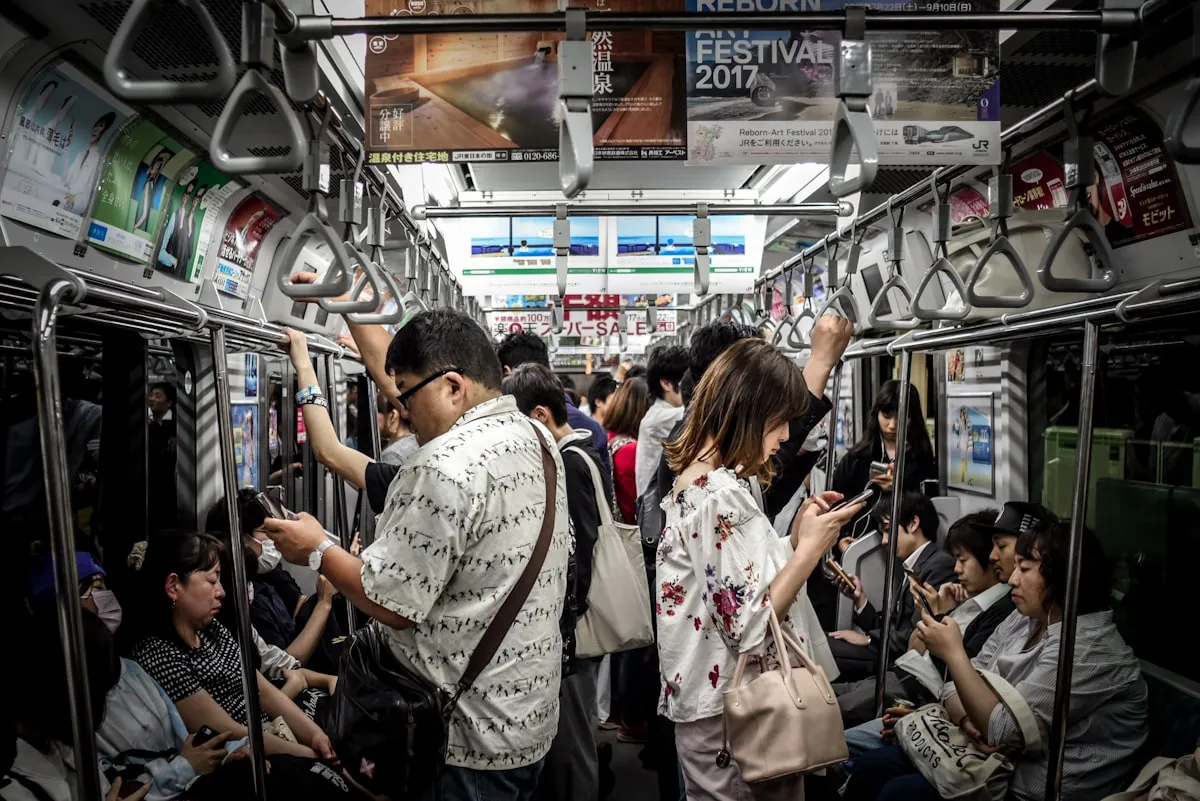
Effort Beats Perfection, Every Time
This was the most lopsided result in our entire dataset.
87% of responses said that effort matters more than getting things right. And the way people described this feeling was genuinely warm:
一生懸命に正確に日本語を話そうと努力しているけど、まだうまくいかない...「私がこの人を助けてあげたい」と感じる When someone is trying so hard to speak Japanese correctly but isn't quite getting it yet... I feel "I want to help this person."
That was the top-voted answer. The effort doesn't just earn tolerance. It triggers a desire to help. That's a fundamentally different dynamic than what travel guides prepare you for.
The growth dimension came up again and again:
コンビニの店員さんが、だんだん、言葉が上手くなって行くのを見ると、こちらまで嬉しくなる Watching a convenience store worker gradually get better at the language makes me happy too.
It's not about where you start. It's about the fact that you're trying. And this principle extends beyond language to everything: chopsticks, bowing, train etiquette, all of it.
One response captured the mutual dynamic perfectly:
カタコトの日本語で相手からの歩み寄りが感じられればこっちだってカタコトの英語で歩み寄る If I can feel someone reaching out to me in broken Japanese, I'll reach out to them in my broken English too.
And another got to the core of why effort matters more than fluency:
日本語を話すのが上手か下手かよりも、相手が自分の国の言語で話しかけてきてくれるという行為そのものが嬉しい It's not about whether their Japanese is good or bad. The act of someone speaking to me in my country's language is what makes me happy.
If you want to see the full picture of how Japanese people respond to language effort, we covered this in depth in Trying to Speak Japanese and Do I Need to Speak Japanese?.
Now, what about the 8% who said perfection matters? Here's where it gets interesting:
簡単な日本語話す努力もしないで英語ゴリ押しするから腹立つねん It makes me angry when people don't even try simple Japanese and just force English on everyone.
Read that carefully. The frustration isn't about imperfect Japanese. It's about zero effort. The negative voices actually confirm the thesis: anger comes from the complete absence of trying, not from trying and failing. Even a single "arigatou" or "sumimasen" shifts the entire dynamic.
What Japanese people want you to know
87% of Japanese people value your effort over your accuracy. Even the 8% who expressed frustration weren't asking for fluency: they were frustrated by zero effort. A single word of Japanese changes the entire interaction.
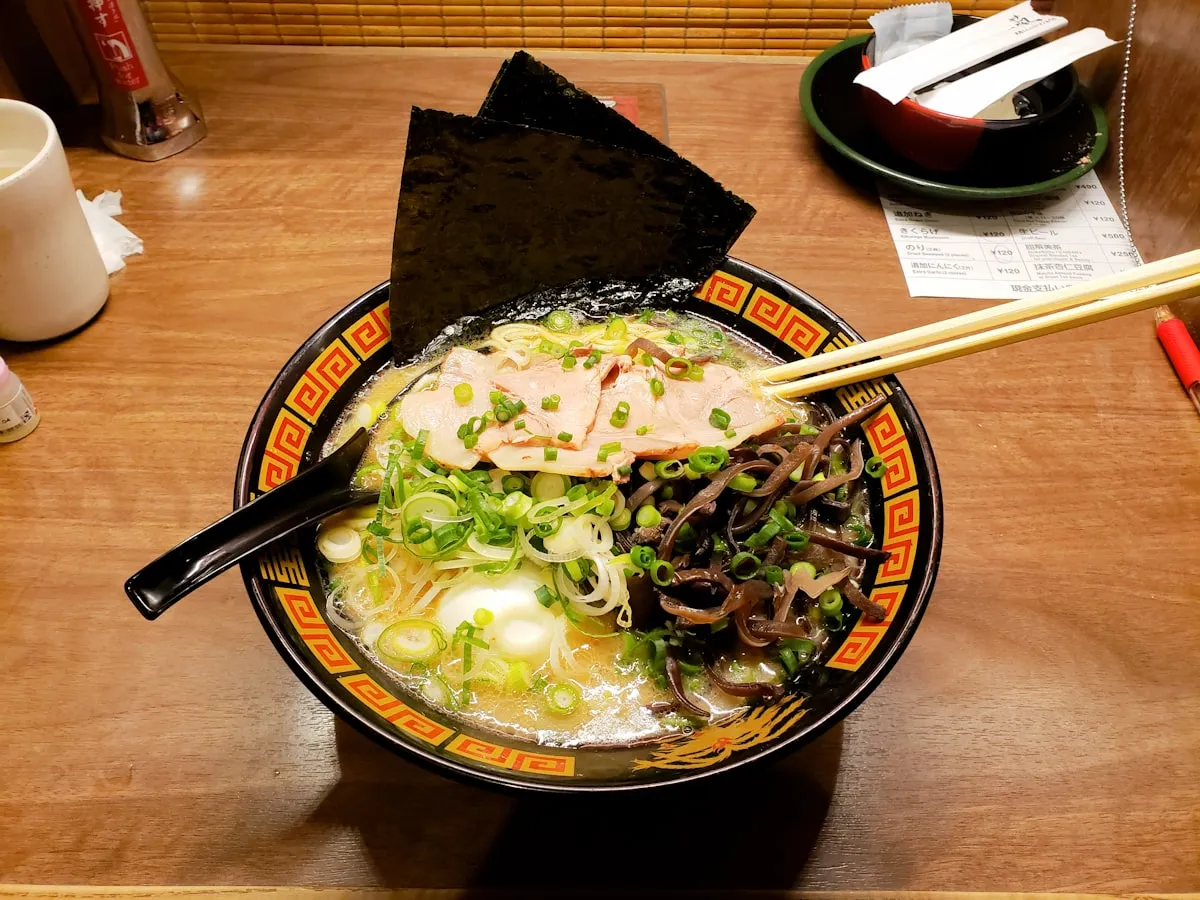
How Often Are People Actually Bothered?
This section might be the most reassuring of all. We looked at how often Japanese people say they actually encounter problematic tourist behavior in their daily lives.
And here's the government data that backs it up: a Saitama Prefecture survey (2023) found that 75.2% of residents had never had trouble with foreign residents or visitors. Three out of four people: never a single issue.
東京住んでるけど、マナーの悪い外国人は遭遇したことない I live in Tokyo and I've never encountered a foreign tourist with bad manners.
Several people pointed out that the media plays a role in creating a perception that doesn't match reality:
その瞬間を撮影するために張り込んでいる日本メディアの人格の方が悪い The character of Japanese media people who stake out locations to capture those moments is worse.
And this one genuinely made us smile:
自分が知る限り日本行った海外勢 日本きれい過ぎてゴミのポイ捨てに対して罪悪感を芽生えさせて帰ってくる笑 As far as I know, foreigners who go to Japan come back feeling guilty about littering because Japan is too clean.
A long-term foreign resident offered the longest view of all:
日本に50年以上住んでいる外国人ですが...むしろ、かなり良くなっています I'm a foreigner who has lived in Japan for over 50 years... things have actually gotten significantly better. (Long-term foreign resident in Japan)
The 20% who said they encounter issues frequently made an important distinction, though. For most of them, the concern wasn't about individual behavior. It was about sheer volume:
いや増え過ぎですよ...観光スポットの外国人の数に嫌気が差しています There are just too many... I'm tired of the sheer number of foreigners at tourist spots.
That's volume fatigue, not a manners complaint. It's the same frustration any local feels when their neighborhood gets overrun with visitors, regardless of where those visitors are from. For a deeper dive into this topic, see Is Japan Overtouristed?.
What Japanese people want you to know
75.2% of Japanese residents have never experienced trouble with foreign visitors (Saitama Prefecture survey). The negative stories you see online represent a loud minority. Most complaints are about tourist volume, not tourist behavior.
What Actually Matters
So if the ceremonial rules don't matter as much as guides suggest, what does matter? The data pointed overwhelmingly to practical, everyday consideration.
The numbers tell a clear story. When surveys asked about friction with foreign visitors, the answers kept pointing to the same practical issues:
- 60.4% said "loud voices in quiet places" was their top concern (ONE, Inc. survey, 2025)
- 38% of accommodation operators said "noise" was the number one issue (JARC survey, 2026)
- 41% of foreign residents themselves said "garbage disposal" was the rule they found most confusing (YOLO Japan survey, 2019)
Not a single survey put "chopstick grip" or "bowing angle" anywhere near the top.
One of the most fascinating insights was about spatial awareness, something no travel guide we've seen has ever mentioned:
日本人は直前で避けるんじゃなくて、ぶつからないルートに軌道修正して歩いてるんよ Japanese people don't dodge at the last second. They adjust their walking path so they never collide in the first place.
That's an invisible social skill that operates constantly in Japanese public spaces. Nobody teaches it. Nobody writes about it. But it's one of the things that makes Japanese cities feel different, and noticing it helps you fit in naturally.
The language angle also showed up here, but not in the way guides frame it:
日本語なんて、二言三言使ってくれただけで...歓喜しちゃいやすね! Just using two or three words of Japanese... is enough to make us overjoyed!
And the underlying principle? Mutual respect:
礼を持って接しくれる相手には礼で返す When someone treats me with courtesy, I return it with courtesy.
Here's something that might genuinely surprise you, a concern that almost no English-language guide mentions:
香水は問題です。私たち日本人が香水をつけないのは、寿司を味わううえで、匂いを大切にしているからです。 Perfume is an issue. The reason we Japanese don't wear perfume is that we value scent when appreciating sushi. (Sushi restaurant context)
Strong scents at a sushi counter. Walking three abreast on a narrow sidewalk. Playing music from phone speakers on a quiet train. These are the things that actually register, and they're all rooted in awareness of the people around you, not in memorizing ceremonial rules.
For the full picture of what matters most, see our companion article: What Actually Matters.
What Japanese people want you to know
The top three concerns are noise (60.4%), spatial awareness, and trash (all practical issues). Not a single survey puts ceremonial rules near the top. The real guidebook is simple: be aware of the space and people around you.
What Guides Don't Tell You
This section surfaced things that no English-language travel guide covers: the unwritten cultural patterns that Japanese people recognize in each other but rarely explain to outsiders.
When Japanese people wrote about what they'd want visitors to understand about Japan that guides don't explain, the responses were revealing, and the like counts show how many other Japanese people agreed.
The most upvoted response, with over 1,500 likes:
電話なのに、すみませんといいながら頭を下げる Saying "excuse me" and bowing even though they're on the phone. (+1,537 likes)
That's not a rule for visitors to follow: it's a window into how deeply certain behaviors are wired into Japanese social life. Bowing is so natural that people do it when the other person can't even see them. Understanding this helps you see why even a small nod from you carries so much weight.
Another insight with massive community agreement:
控えめという美学 The aesthetic of restraint. (+1,352 likes)
This one concept explains so much about why Japan operates the way it does. Quiet trains, small portions, understated packaging, gentle speech: it's not a collection of random rules. It's an aesthetic philosophy that runs through everything.
最後の一個を残す Leaving the last piece. (+1,240 likes)
If you're sharing food and there's one piece left, you'll notice Japanese people hesitate to take it. It's not about being polite: it's about not being the person who took the last one. This tiny behavior says a lot about how consideration works in Japan.
And perhaps the most profound observation came from a Brazilian resident who has lived in Japan for over 20 years:
日本人は優しいね、でもダメになるまで優しいよ。ダメになると嫌いになる。教えてくれないわけじゃなく、その前ちゃんと言ってるよ Japanese people are kind, but they're kind until they can't take it anymore. When they hit their limit, they turn cold. It's not that they don't tell you. They did tell you, before that point. (Brazilian resident, 20+ years in Japan)
That last one is worth reading twice. Japanese communication tends to be indirect. What sounds like a gentle suggestion ("it might be nice if...") might actually be the warning before the limit. No guide explains this, but it's one of the most important things to understand about living or traveling in Japan.
What Japanese people want you to know
The things guides miss aren't additional rules to memorize. They're the underlying philosophy: restraint as an aesthetic, awareness of shared space, indirect communication, and the quiet signals that carry more weight than words.
The Generation Gap
This was our most evenly split section, and it reveals something important about how Japan itself is changing.
Here's something that complicates the reassuring picture we've been building, and we want to present it honestly. Japan's relationship with foreign visitors is evolving, and not everyone is moving in the same direction.
The historical context is striking. Professor Tsuda Shotaro of Keio University documented what Japanese trains were actually like in the 1970s and 80s:
かつては列車内で座席をめぐって殴り合いになる乗客、ゴミを床に捨てる乗客、窓から弁当箱やビール瓶を投げ捨てる人など、現在の基準では考えられないような行為が日常的だった There was a time when passengers fought over seats, threw garbage on the floor, and tossed lunchboxes and beer bottles out the windows: behavior that would be unthinkable by today's standards. (Professor Tsuda Shotaro, Keio University)
The paradox is real: manners have improved dramatically, but intolerance has increased. As Japan's public behavior standards rose, the threshold for what counts as "bad manners" dropped with it. Professor Tsuda's research shows that what triggers outrage on social media today (eating on a local train, not folding a stroller) would have been completely unremarkable a generation ago.
Younger Japanese people tend to be more open. Survey data shows that people in their teens and twenties seek interaction with foreign tourists at nearly twice the rate of the overall average. Several young people in our research pointed out a double standard:
日本語を話す若者の騒音は「若い人たちだからね」で済まされるのに対し、外国人だと「外国人が大声で不快」と受け取られる不公平性 When Japanese-speaking young people are noisy, it's dismissed as "they're young." But when foreigners are the same volume, it becomes "foreigners being loud and unpleasant." That double standard.
And the historical mirror is powerful:
日本人はマナーが悪いから来るなって欧米に言われてましたね。70-80年代頃は。 Western countries used to say "Japanese tourists have bad manners, don't come." That was the 70s and 80s.
The most honest response in this section captured the genuine ambivalence that many Japanese people feel:
うざいなあっていう一時的な感情は否定できないけど...感謝してます I can't deny the momentary feeling of "ugh, annoying"... but I'm grateful. Tourism is part of how we make a living.
That's real. It's complicated. And it's worth knowing, not because it should make you anxious, but because understanding the full picture helps you be a more thoughtful visitor.
What Japanese people want you to know
Japan's relationship with visitors is evolving. Younger generations tend to be more open, while social media amplifies complaints. The paradox: Japanese public behavior has improved dramatically since the 1970s, but the threshold for "acceptable" has risen even faster. Understanding this context helps you see the full picture.
What This Means for You
Based on 364 voices, here are the real priorities, not what travel guides emphasize, but what Japanese people say matters in their own posts.
1. Keep your voice at room level. This is the number one thing that actually matters. 60.4% of Japanese people said noise in quiet places was their top concern. You don't have to whisper. Just match the volume of the people around you.
2. Try a word or two of Japanese. "Arigatou" changes everything. 87% of people said effort matters more than accuracy, and even the critics only got frustrated by zero effort. Two words is enough to shift the entire dynamic.
3. Be aware of the space around you. Japanese people navigate by not colliding: they adjust their path early so contact never happens. Notice this in train stations and sidewalks, and you'll naturally start doing it too.
4. When in doubt, watch what locals do. That's the real guidebook. If everyone is quiet on the train, match it. If everyone removes shoes at the entrance, follow. Japanese social norms are mostly visible if you look.
5. Relax about the rest. 70% of Japanese people think guides are too strict. 75.2% of residents have never had trouble with foreign visitors. You're already more welcome than you think.
Share Your Experience
Have you visited Japan and found the guides too strict, or not strict enough? Did something surprise you that no guidebook mentioned? We'd love to hear your story.
Share your experience in our Voice Box
Sources
Government and institutional surveys:
- Saitama Prefecture Multicultural Coexistence Survey (2023) — https://www.pref.saitama.lg.jp/a0306/tabunkakyousei/supportersurvey5.html
- Japan Tourism Agency visitor data
- ONE, Inc. survey on Japanese-foreign tourist interaction gap (2025) — https://one-inc.co.jp/news/release/954/
Industry surveys:
- JARC (Japan Accommodation Related Consortium) accommodation facility survey, 134 facilities (2026)
- YOLO Japan foreign resident survey on Japan's rules (2019)
Academic sources:
- Tsuda Shotaro (Professor, Keio University), "Historical changes in public manners on Japanese trains" — https://diamond.jp/articles/-/344954
Community discussions:
- Public Japanese Q&A sites, forums, and social posts — first-hand opinions on travel-guide accuracy, effort vs. perfection, and what Japanese people wish visitors knew
Other sources:
- Guesthouse Hajimari blog (Nara) — https://blog.guesthouse-hajimari.jp/works/ownernotsuuyaki/post-184.html
- Yahoo Travel article — https://travel.yahoo.com/advice/lifestyle/articles/spent-years-worrying-id-break-120601291.html
- tripeditor — https://tripeditor.com/439363, https://tripeditor.com/479883
- Sankei Human — https://human.sankei.co.jp/guide/blog/inbound-vol-20/
- FUNDO — https://fundo.jp/330767
- Nikkei Business — https://business.nikkei.com/atcl/seminar/19/00118/00043/
- NY Future Lab — https://ny-future-lab.com/2025/08/21/manners-for-foreign-tourists-visiting-japan/
Note on quotations: All Japanese-language quotes are translated by the editorial team. Original text is provided alongside translations for transparency. Quotes from public platforms represent individual opinions and are presented in context. We do not attribute quotes to platform names alone, only to specific roles where relevant to the reader's understanding (e.g., "Guesthouse owner in Nara").
WMJS is written in Japan, in English, with AI help. We check every page, but English is not our first language. If a sentence reads oddly, tell us. One sentence is enough.
Thank you. A person reads every note.
How well do you know Japan?
Built from 635 public posts by Japanese people
Want to know more? Ask Japanese people
Have a follow-up question about this topic? We'll ask real Japanese people.
Voice Box →