
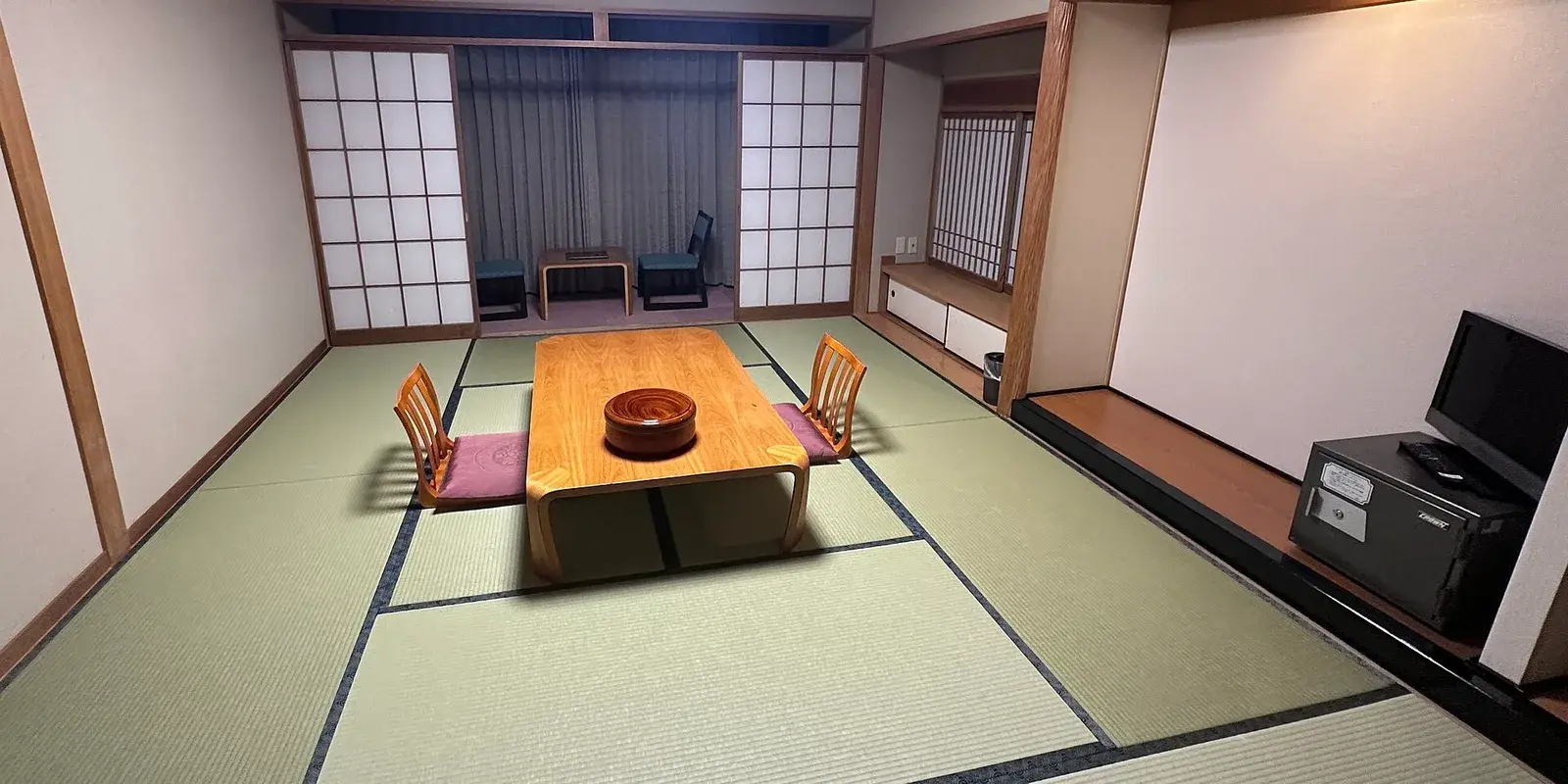
Staying at a Ryokan: What Your Host Wishes You Knew
What you'll learn in this article:
- What 394 Japanese voices said about how foreign guests actually behave at ryokan
- Why most of the rules in your guidebook matter less than they sound
- The one place where guidebooks have gotten it backwards, and what hosts actually want
If you've planned a ryokan stay, you've probably been buried under instructions: wrap your yukata left over right or you'll be wearing death attire. Finish every dish of the kaiseki, or the chef will be insulted. Bow back perfectly when the okami greets you. Don't forget the kokorozuke (the traditional tip in a small white envelope).
So we collected 394 public posts in which Japanese people, including former nakai (room attendants), ryokan managers, and current okami (proprietresses), wrote about what they actually feel. Most of those rules turn out to be much softer than they sound, and one of them is essentially backwards.
The short version? Your hosts watch your effort, not your form. A foreign guest in a slightly off-wrapped yukata is not a problem. Leftover sashimi is not a problem if you've said something. A clumsy arigatou gozaimasu is precisely what they're hoping for. And the kokorozuke envelope, the one travel guides treat as essential, is something fewer than 5% of Japanese guests bring today.
Let's look at what they actually wrote.
Quick Guide
| What you might worry about | What Japanese hosts actually said | |
|---|---|---|
| 🟢 Relax | Yukata wrap (the "left-over-right" rule) | 78% said the effort matters more than the form. A Japanese kimono professional who dressed German guests said even her "professionally dressed" guests ended up looking loose, and everyone was delighted. |
| 🟢 Relax | Leftover kaiseki | "What makes a chef saddest is when guests force themselves to eat through dishes they don't enjoy." If something doesn't suit you, leaving it is fine, and a quick word in advance is even better. |
| 🟢 Easy win | The okami's room greeting | A single "thank you," even a clumsy one, is enough. A nakai-in-training said being told arigatou gozaimasu by a guest she'd barely served stayed with her for years. |
| 🟢 Counter-rule | Kokorozuke (the tipping envelope) | A working ryokan manager said fewer than 5% of guests bring one today. A former nakai put it directly: "Forget the kokorozuke: what's really best is a guest who's kind and easy to take care of." |
The one thing to remember: Your hosts are not waiting for you to perform a checklist. They're watching whether you're trying: to enjoy yourself, to communicate, to be present. If you carry that with you, the rest forgives itself.
What do ryokan hosts actually expect from foreign guests? We collected 394 public posts by Japanese people, including working nakai and okami. The answer: 78% say yukata effort matters more than form, fewer than 5% of Japanese guests bring a kokorozuke tip today, and a chef's greatest sadness is "a guest forcing themselves through food they don't enjoy." Your hosts watch your spirit far more closely than any checklist. Kindness and ease are the only etiquette that truly matters.
How We Gathered These Voices
We collected 394 Japanese-language responses across five aspects of staying at a ryokan: yukata wear (78 responses), leftover kaiseki (75 responses), the okami's room greeting (80 responses), kokorozuke envelopes (61 responses), and how all of this has changed across generations (100 responses). Sources include public Japanese Q&A sites, forums, and social posts, ryokan official blogs, news interviews, and direct statements from working nakai, okami, and ryokan managers.
A quick note: This isn't a controlled scientific survey. It's a collection of what real Japanese people said in their own words on public platforms, often in conversations among themselves about what the "right" answer is. The most striking finding? The strict ryokan etiquette that English-language travel guides present is much warmer in practice, and on the kokorozuke question, the guides have it almost exactly backwards.
🟢 The Yukata: Form Forgiven, Effort Remembered
The honest answer: a slightly mis-wrapped yukata is not a crisis. The "left-front = death attire" rule is real, but the response to it is much softer than guidebooks suggest.
If you've watched any "ryokan etiquette" video, you've heard the warning: men and women both wrap right side first, then left side over it. Wrap it the other way and you're wearing the hidari-mae (the way the dead are dressed for their funeral).
This is true. Japanese people do know it. But here's what they actually do when they see a foreign guest get it wrong.
Of 78 responses about yukata wear:
A Japanese kimono dressing professional posted about an event where she dressed about ten German guests in yukata. Her conclusion was striking:
ドイツのお客様約10人に浴衣を着付けたが、お国柄、体型がだいぶ違って苦戦した。腰位置が高く、胸も肩幅も広く、上半身の筋肉のメリハリが大きい。私が常々写真などで「外人さんは浴衣をだらしなく着ている」と思っていた、まさにあの姿に仕上がった。それでもお客様は大喜びだった。 I dressed about ten German guests in yukata. Their proportions are very different — higher waist, broader chest and shoulders, more pronounced upper-body muscle. The result was exactly the "loose-looking yukata" I'd always seen in photos and silently judged. And every single guest was overjoyed. (Professional kimono dresser)
That last sentence, every single guest was overjoyed, is the actual story. Even when a professional couldn't make a yukata sit on a Western body the way it sits on a Japanese one, the guests didn't notice and didn't care. They were having the experience they came for.
Most Japanese people watching foreign guests at ryokan land somewhere similar:
浴衣を間違えて着ていても、夏だしね、頑張って着たんだなと周りは勝手に解釈してくれる。 Even if your yukata is wrapped wrong, in summer everyone just thinks "well, they tried" — they fill in the gap on their own.
あるある事案だと思ってるので生暖かく見守りますw 大人も着物・浴衣の違いわからん人多いし、そういう自分も最初はよくわからなかったし。 I treat it as one of those things that happens — I just watch with quiet warmth. A lot of Japanese adults don't even know the kimono vs yukata distinction; I didn't either, at first.
The Japanese internet has a name for the people who do publicly correct strangers' yukata: kimono police. The term is used dismissively. A common reply on threads about whether to point out a yukata error:
注意するのは賢明ではありません—ネット上では『きものポリス』と呼ばれて批判されますから。 Pointing it out isn't wise — online they're called "kimono police" and they get criticized.
助けてあげるのでなければ意味がないアドバイスです。間違いを指摘するだけの人は、その場で直してあげない限り、何の役にも立ちません。 If you're not going to help fix it, the comment is meaningless. People who only point out mistakes — without offering to fix them on the spot — aren't doing anything useful.
There is a strict-traditional minority. About 20% of voices used strong language: hidari-mae is "death attire," even yuurei (ghost) appears in some posts. A typical strict view:
浴衣を左前に着るのはお見舞いに菊を送るのと同じレベルのマナー違反なので気をつけてもらいたいです。 Wearing your yukata left-front-over is a manner violation on the same level as sending chrysanthemums to a hospital patient. People should be careful.
But notice who these voices were actually talking about: Japanese people who "should know better." When the same threads turned to foreign guests, they softened. And at a ryokan, the staff who would actually correct it are gentle:
旅館では、大勢の人の前で恥をかく前に一声掛ける心遣いをすると思う。 At a ryokan, the staff will quietly say something before you embarrass yourself in front of a crowd. It's a kindness.
So the real ryokan reality is this: a slightly off yukata earns warmth, not judgment. If a nakai notices, she'll mention it gently, probably while also offering to help. If she doesn't, no one else will say anything. And if you're walking down the corridor in something that looks more like a bathrobe than a yukata? You're far from the first.
💡 Loose-looking is not the same as disrespectful
Japanese people know that yukata wrap is unfamiliar; they say so themselves. The "left-over-right" rule is real, but the response to a foreign guest getting it wrong is overwhelmingly to either fix it gently (if staff) or watch with quiet warmth (if other guests). A "loose yukata" reads as effort more than anything else. The kimono professional who dressed those ten Germans went into the day worried and came out delighted.
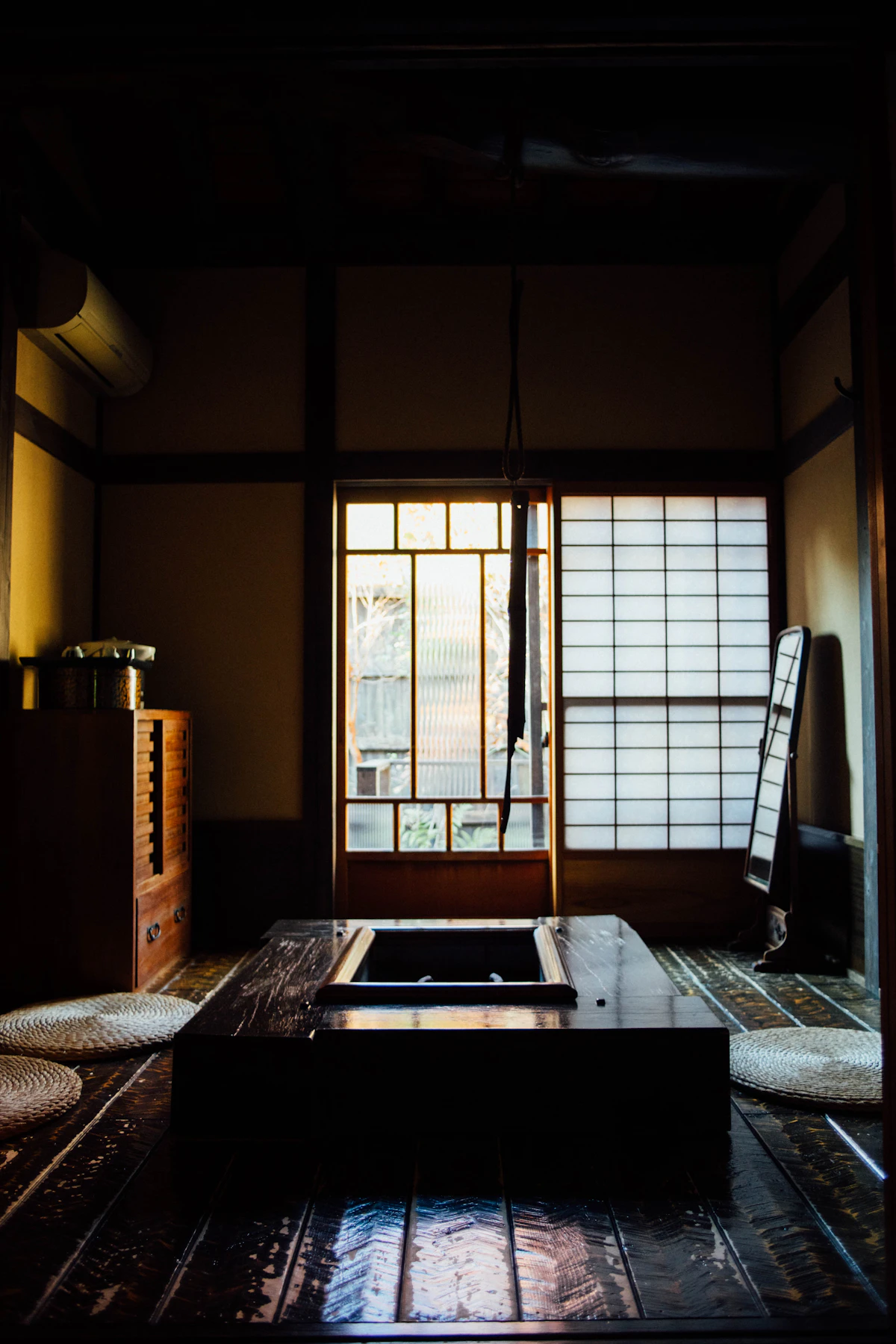
🟢 The Kaiseki: When You Can't Finish Everything
The honest answer: leave what you can't eat. A word in advance helps the kitchen, but isn't required. What actually keeps a chef up at night is a guest forcing themselves through food they don't enjoy.
Maybe this is the deepest fear at a ryokan dinner: the multi-course kaiseki arrives, dish after dish, ten or fifteen plates, and you realize you cannot possibly finish it all. You don't like sashimi. The portions are enormous. You're full by course six.
Here's what the chefs and ryokan staff actually said.
Of 75 responses about leftover kaiseki:
This is one of the highest "neutral" readings in any of our research, and the neutrals tell the story. Most aren't saying "yes, finishing matters" or "no, just leave it." They're saying: tell us in advance, and we'll work with you. The actual negative voices were almost all Japanese guests embarrassed about their own leftovers; almost none of them came from staff judging anyone.
The most direct chef-side statement:
失礼ではありませんよ。お客様が無理をして嫌な思いをしながらお召し上がりになるのが、料理人にとって一番悲しいことだと思います。 It's not rude. The saddest thing for a chef is when a guest forces themselves through food they don't enjoy.
That last line is the kaiseki ethic in one sentence. Chefs are not protective of their leftovers. They are protective of your experience.
The recurring practical advice across nearly every voice:
事前に好き嫌いや量が食べれない旨を伝えておくと、それに応じて食事内容を変更してくれる旅館も多いですよ。どうしても残す場合は仲居さんに『お腹いっぱいで食べれなくて、すみません』とひと言伝えれば心象も随分違うと思います。 If you tell them in advance about dislikes or that you can't eat much, many ryokan will adjust the meal. If you do end up leaving something, just say "I'm full, sorry I couldn't finish" to the nakai — that one sentence changes the impression completely.
Notice the structure: advance notice is best, a one-line apology is good, untouched leftovers are still fine. Nowhere does anyone say "you must finish." Multiple voices made the same point even more bluntly:
客なんですからまずいものはまずい。嫌いなものは嫌い。多すぎれば食べきれないって素直に表現すればいいと思いますよ。 You're the guest. If something doesn't taste good, it doesn't. If you don't like it, you don't. If there's too much, you can't finish it — just be honest about it.
どんなに高級な料理にも好き嫌いが有ります。食べられない物は残しても問題ありませんょ。仲居さんに残して済みませんと一声掛けましょう。 Even the most expensive food can have dishes you don't like. Leaving them is no problem. Just say a word to the nakai.
There's also a structural reality almost no guidebook mentions: ryokan kaiseki is often too much for Japanese guests too. A common complaint:
そこそこいい宿に泊まると、こりゃ絶対無理だって程次々と料理が出されます。そうなるとマナー云々の問題ではない。 At a half-decent ryokan, course after course comes out and you reach a point of "there's no way." At that point it's not really a manners question anymore.
私も食べれません。量控え目プランがあれば、そちらにしてもらっていますが、それでも食べきれないですね。 I can't finish either. I always pick the "lighter portion" plan when it's offered, and I still can't finish.
A working ryokan banto (manager) added the operational context behind the abundance:
旅館で夕食の量が多いのは、夜間の『お腹が空いてしまって、、何かありませんか?』と言う要望を回避するためです。 The reason ryokan dinner portions are so large is to head off "I got hungry, can you bring me something?" requests later in the night. (Onsen ryokan banto)
So the portion size is not a test of your respect for the chef. It's a buffer for the "midnight snack request." That's it.
If you have specific foods you can't eat (religious restrictions, allergies, strong dislikes), advance notice is genuinely useful, because the kitchen plans portions and ingredients in advance. Many ryokan keep substitution lists for common allergies. But if you discover at the table that something doesn't suit you, you have not committed any error. Set it down. Say one word to the nakai. Move on.
It's also worth knowing that the most classic ryokan kaiseki dinners are found in the hot-spring towns. If you stay in an onsen town such as the hot-spring loop of Hakone, Beppu, with its eight steaming hot-spring districts or Kusatsu, built around a steaming field of hot water, an abundant evening spread is part of the whole ritual: the bath, then the table. In some towns the ryokan and the town blur together entirely: in an onsen town like Kinosaki Onsen, where the whole town is run as a single inn, your stay spills out into its streets, and you walk between the public baths in the same yukata your ryokan lends you, the same unhurried walk that leads, in Matsuyama, to Dōgo Onsen, one of Japan's oldest hot springs, whose historic wooden bathhouse you can still bathe in. In a few places the staying is the experience: in a hot-spring town like Ginzan Onsen, where wooden inns line a gaslit river in the snow, the evening stroll in your yukata between glowing ryokan is the whole point of coming. Or in an onsen town like Yufuin, where private detached villas lie scattered across the fields below Mount Yufu and morning mist settles over the springs, the ryokan itself (a self-contained cottage with its own bath) is the reason you come. And not every overnight stay in Japan revolves around an abundant kaiseki. If you spend a night in a shukubo, a temple lodging on Koyasan, the evening meal is the opposite of a ryokan's: spare, vegetarian shojin ryori served not by innkeepers but by the monks who live there. It's run differently and feels different, a quieter kind of welcome that some travelers seek out precisely because it asks so little of the table. And in some places the building itself is the experience: spending a night in a thatched gassho-zukuri farmhouse in Shirakawa-go, where a family runs their centuries-old home as a minshuku, means a hearth-cooked dinner and deep mountain quiet once the day-trippers have gone.
💡 What actually keeps a chef up at night is your unhappiness, never your leftovers
Ryokan kaiseki is built around abundance rather than as a test of will. The portions are large for operational reasons. Chefs would rather you say "I can't eat this" than make yourself miserable trying. Advance notice helps the kitchen plan; a one-line apology to the nakai softens any rough edges; untouched leftovers, in themselves, are fine. Even Japanese guests can't always finish.
🟢 The Okami's Greeting: A Single Word Is Enough
The honest answer: one Japanese word, even mispronounced, is enough. A silent bow is also fine. What the okami is actually reading is whether you're at ease.
Maybe this is the moment that intimidates people most: you're in your room, possibly half-changed into your yukata, and there's a soft knock. The okami (the proprietress) is at the door, kneeling on the tatami, ready to welcome you with a formal greeting. You don't speak Japanese. What do you do?
Here's what the women on the other side of that door actually said.
Of 80 responses about the room greeting and Japanese-language interaction:
Forty-eight percent, the highest positive rating of any of our four ryokan topics, said the smallest gesture is more than enough. A nakai-in-training shared the moment that stayed with her:
何もしていない『実習生』の自分に『ありがとうございました』と言われた時は本当に嬉しかった。 When a guest told me — me, an apprentice who hadn't really done anything — "arigatou gozaimashita," it made me genuinely happy. (Nakai apprentice)
That's the data: a single thank-you, in clumsy Japanese, lands harder than guidebooks suggest. The "negative" 24% in our gauge above is mostly Japanese guests saying the formal greeting itself isn't really required: even less is being asked of you than guides suggest.
客側の本音として、女将の挨拶は必須ではないとの感覚。別にあいさつしてくれなくても構わないというのが、本音ですけどね。 Honestly, from the guest side, the okami greeting itself isn't required. It's fine even if there's no formal greeting — that's the truth.
One running theme: ryokan staff are often more relaxed than guests are. A common reassurance to anxious foreign visitors planning a ryokan stay was that simple English works fine too:
Hello! や Hi! で十分ですよ。 "Hello!" or "Hi!" is more than enough.
Hello。Good Morning でよいでしょう。 "Hello. Good morning." That's all you need.
A common note from in-Japan foreign residents and tourism guides: "Nihongo o-jouzu desu ne" ("your Japanese is so good") is something Japanese people say to anyone who attempts even a single word. Travelers who hear this sometimes wonder if it's sarcastic. It isn't.
The seiza (formal kneeling) question? Almost no one expects you to do it. From a guest blog covering the okami greeting at a famous Kyoto ryokan:
正座しなくて座布団の上で良い。 You don't need to do seiza — sitting on the cushion is fine.
If you want to bow back from the cushion, do it: even a small nod carries the same warmth we explored in the power of a small bow. If you want to say one word in Japanese, do it. If you want to smile and say hello in English, do it. The okami's job is to make you feel welcome. Your job is just to receive the welcome, in whatever form fits you.
💡 What they're reading is your ease
The okami's room greeting is one of the warmest small ceremonies in Japanese hospitality. Foreign guests often imagine they're being evaluated. They're not. The staff is reading whether you're comfortable, and the smallest word (Japanese or English, perfect or mispronounced) confirms that you are. A nakai-in-training remembered, years later, the single "thank you" a guest gave her. That's the scale we're at.
🟢 The Kokorozuke: Where the Guidebook Got It Backwards
The honest answer: don't bring a kokorozuke envelope. Travel guides framing this as "the one place tipping is traditional in Japan" are describing a custom that has largely faded: fewer than 5% of Japanese guests bring one today, and ryokan staff overwhelmingly prefer warmth over money.
This is the section where we have to gently push back on the guidebooks.
If you've read about Japan in English, you've almost certainly seen this: "Tipping is rude in Japan, except at a ryokan, where the traditional kokorozuke (a small envelope of cash given to the nakai) is expected." Variations of this advice appear in every major travel guide. (For context on why tipping confuses Japanese service workers in general, see our piece on what happens when you tip in Japan.)
Here's what actually happens.
Of 61 responses about kokorozuke from Japanese guests, ryokan staff, former nakai, and ryokan managers:
That 46% reading is the highest in any of our four topics, and it's precisely the bar that's most reassuring for foreign visitors. Together with the "only in special cases" neutrals, 80% of voices say the kokorozuke is at most situational and at least unnecessary.
A working ryokan banto put a number on it:
一般的な宿だと心付けをくれる人は5%以下。入ってる金額は2〜3000円。 At a typical ryokan, fewer than 5% of guests give a kokorozuke. When they do, it's usually ¥2,000–3,000. (Onsen ryokan banto)
That alone reframes the whole question. The "tradition" in your guidebook describes the behavior of fewer than 1 in 20 Japanese guests today.
The most direct statement on the host side came from a former nakai who worked at a high-end ryokan:
心づけなんてなくてもいいから、とにかく優しくて手間がかからないお客さんがベストでした! Forget the kokorozuke — what's really best is a guest who's kind and easy to take care of. (Former high-end ryokan nakai)
She added something even more revealing:
貰えることにプラスの感情(嬉しい・もっと尽くしたい)という感情はあるけども、貰えないことにマイナス感情(ケチ・残念)はない。 Receiving one creates a positive feeling — happiness, wanting to give back. But not receiving one doesn't create a negative feeling. We don't think "stingy" or "disappointing." Those feelings just aren't there. (Former high-end ryokan nakai)
The asymmetry matters. The English-language framing of the kokorozuke implies staff feel snubbed without it. They don't. They feel pleased with it, and neutral without it. Modern ryokan staff are professionals who already receive a salary; the kokorozuke is, at best, a bonus warmth; it was never a baseline expectation.
Several Japanese voices were even more direct:
奇特な方ですねぇ。特別なお願いをしたとかであれば、気持ちとしてアリですが、昭和時代の慣習ですから、現在は不要です。 That's an unusual person to be asking. If you made a special request, sure, as a gesture. But it's a Showa-era custom — these days it's not necessary.
ちょっと豪華な和風旅館に泊まる時は、仲居さんに心づけを渡すべきかということは、誰でも考えることだと思うけれど、ほとんどの人は、本音は渡したくないのだと思う。 When you stay at a slightly upscale ryokan, everyone wonders whether to give a kokorozuke. But honestly, most people don't actually want to.
給料のない仲居さんたちは、お客の心づけが唯一の収入だったとか。でも今は、普通の人たちが、普段の生活を節約して、旅行に行く。やっぱり、心づけは、すでに、時代遅れの、慣習なのではないかと。 Originally, nakai had no salary, and the kokorozuke was their only income. But today, ordinary people scrape together savings to take a ryokan trip. The kokorozuke is, at this point, an outdated custom.
There's also a structural reason it's fading. Modern ryokan have largely shifted away from one-on-one nakai service. Most guests no longer have a single attendant who handles everything: meals are often in a dining hall, room service is staffed by a rotating team, and many ryokan have adopted compliance policies that prohibit individual cash gifts to specific staff.
A current ryokan worker explained the practical issue:
必要ないと思っています。勤務経験から、心付けが従業員間の不和を招いた事例があります。菓子折りの方がよいと思います。 I don't think it's necessary. From experience, kokorozuke can create friction among staff. A small box of sweets to share is much better. (Current ryokan worker)
So what do they want? The same thing the former nakai said: kindness. A "thank you" at the dinner table. A clean room when you check out. A note in the guest book. One ryokan staff member, on a foreign guest she remembered for years:
ケーキワンホール丸ごとくれたお客さんもいました(笑) We had a guest who brought us a whole cake once (laugh). (Ryokan staff)
That's the spectrum. You don't need a discreet envelope of cash. If you want, you can bring a small box of sweets to share with the staff. You can write a thank-you note. You can leave a generous review online. Or you can simply be the guest who is kind, who is at ease, who participates with goodwill. That is the kokorozuke that lands.
💡 The "tipping exception" your guidebook describes has largely faded
Fewer than 5% of Japanese ryokan guests bring a kokorozuke today. Modern ryokan have moved away from one-on-one nakai service, and many actively discourage individual cash gifts. Staff who receive one feel pleased; staff who don't, feel nothing missing. The "tradition" your guidebook treats as essential describes a Showa-era custom that most Japanese hosts now consider optional at best, and sometimes unwelcome. The thing they actually remember is kindness: a thank-you, a smile, a guest at ease.
What Generations Reveal: The Practice Is Still Softening
Across all four topics, our generation-focused research (100 responses) showed the same direction: the strict version of ryokan etiquette your guidebook presents is the older Japanese version, and it's being relaxed by the people who actually run ryokan.
The clearest example is the kokorozuke. Older Japanese travelers (60s+) often grew up watching their parents give kokorozuke and inherited the practice; many have stopped. A 60-year-old reflecting on the change:
親の背中を見て心付けを渡してきましたが、最近の旅館は部屋食が少なくなったため現在は渡していません。10年前の旅行雑誌のアンケートで8割くらいの人が心付けを渡さないと知り中止しました。 I learned to give kokorozuke from watching my parents. But ryokan have moved away from in-room dining, and ten years ago I saw a travel magazine survey that found about 80% of people don't give one anymore. I stopped after that. (Visitor in their 60s)
The yukata-wrap question follows the same arc. Older voices say "everyone used to know"; younger voices say "we picked it up casually if at all"; ryokan staff say "we just help anyone who needs it." The strict knowledge isn't being passed down, and the people running ryokan have already adjusted.
The okami room greeting is becoming optional in many ryokan. The kaiseki is being scaled down or replaced with selectable options at some inns trying to reduce food waste. The whole institution is, gently, modernizing.
What this means for foreign guests: you are arriving at a moment when even the strict version of ryokan etiquette is being softened by Japanese hosts themselves. The version of ryokan staying that gets translated into English-language travel guides is, in many cases, frozen at a stricter point in time than today's actual practice.
What Japanese Hosts Actually Remember
After reading all 394 responses, the things that came up most often from working nakai, okami, and ryokan managers (what they actually remember about good guests) were small.
- A single word of Japanese. Arigatou lands. Konnichiwa lands. Even mispronounced, it tells them you're at ease, and as we found in our research on trying to speak Japanese, that attempt itself is what Japanese people remember most.
- A "thank you" at the dinner table. When the nakai pours your sake or sets down the next course. A smile and a word: that's it.
- Leaving the room reasonably tidy at checkout. Not perfect. Not cleaned. Just clearly cared-for.
- Being kind and easy. The former nakai's words: 優しくて手間がかからないお客さんがベスト (a guest who's kind and easy to take care of is the best). That's the highest compliment.
- A small physical gesture, if you want. A box of local sweets to share with the staff. A short note in English on a piece of paper. A generous review online. Any of these, if they feel right, replace the kokorozuke envelope your guidebook described.
You are the guest. You are meant to enjoy yourself. The hosts have already done their work: they've prepared the room, the meal, the welcome. The only "etiquette" that really matters is whether you receive that welcome with goodwill. And part of what an overnight stay gives you is the quiet that arrives after the day is over, the same reason some travelers choose to stay overnight on the sacred island of Miyajima, where the floating shrine grows still once the day-trippers have left.
形にとらわれず、心を添えれば充分です。 Don't get caught up in form. Bring your heart, and that's enough.
That's the ryokan in one sentence.
More Japanese Perspectives
Curious about other small ways to show respect in Japan? These articles explore what Japanese people actually think, based on hundreds of real voices.
- Why Removing Your Shoes Makes Japanese People Smile: The visceral feeling of shoes-off, and why even a clumsy attempt is endearing. Directly relevant for ryokan entryways.
- What Happens When You Tip in Japan?: The broader context for why tipping confuses Japanese service workers, and what the "ryokan exception" actually looks like up close.
- Onsen and Tattoos: A Gentle Guide to What's Actually Changing: If your ryokan has a hot spring bath, this is the companion article for how Japanese bathers feel today.
- The Power of a Small Bow: The same principle as the okami greeting, in everyday encounters.
Share Your Experience
Stayed at a ryokan? Maybe a moment with the okami that surprised you, or a nakai who quietly helped, or the dish you couldn't finish but was forgiven for? We'd love to hear it. Your story helps build a bridge between cultures.
Share your experience on Voice Box →
Sources
Primary Research Data
- WMJS ryokan research data (394 Japanese-language responses collected April 2026)
- Yukata wear and the left-front rule: 78 responses
- Leftover kaiseki: 75 responses
- Okami's room greeting and language interaction: 80 responses
- Kokorozuke (tipping envelope) practice today: 61 responses
- Generational differences: 100 responses
Opinion Collection Sources
The following sources were used to collect Japanese people's opinions and sentiments. These are not cited as factual authorities but as platforms where real Japanese people expressed their views on staying at a ryokan.
Yukata wear:
- Public Japanese Q&A sites, forums, and social posts: first-hand opinions on wearing a yukata at a ryokan
- https://allabout.co.jp/gm/gc/509974/
- https://omotenashi.work/column/work-in-accommodation/53674
Leftover kaiseki:
- Public Japanese Q&A sites, forums, and social posts: first-hand opinions on leaving food at a ryokan kaiseki
- https://www.anjuann.com/%E5%AE%89%E4%BD%8F%E5%BA%B5%E3%81%8B%E3%82%89%E3%81%AE%E3%81%8A%E7%9F%A5%E3%82%89%E3%81%9B/1805/
- https://www.anjuann.com/%E5%AE%89%E4%BD%8F%E5%BA%B5%E3%81%8B%E3%82%89%E3%81%AE%E3%81%8A%E7%9F%A5%E3%82%89%E3%81%9B/1097/
- https://atami-furuya.co.jp/faq_cuisine
- https://www.shiraraso.co.jp/service/food-allergy
- https://ushiogumo.com/notice/ushiogum_6/
- https://www.masyuu.co.jp/news/9121/
- https://toyokeizai.net/articles/-/872444?display=b
- https://unseen-japan.com/kyoto-ryokan-food-foreign-tourists/
- https://koeeru.com/2019/07/omotenashi-meiwaku/
- https://tabi-labo.com/283422/unpleasant-customer
- https://www.j-cast.com/2020/08/14392196.html?p=all
- https://www.ski-gelende.com/column/2019/12/31/allergie/
Okami's room greeting:
- Public Japanese Q&A sites, forums, and social posts: first-hand opinions on the okami's room greeting and language interaction
- https://hotelstork.jp/nakai-kitsui/
- https://kinarino.jp/cat6/31490
- https://precious.jp/articles/-/16196
- https://omotenashi.fun/omotenashi/english/
- https://omotenashi.work/column/work-in-accommodation/2210
- https://owner-blog.tabelog.com/sekkyaku-service/post-87.html
- https://media.yayoi-kk.co.jp/9912/
- https://japanhandbook.com/ryokan-etiquette-yukata-kaiseki-and-quiet-hours/
- https://kimini.online/blog/archives/90021
- https://mailmate.jp/blog/tipping-in-japan
- https://runbkk.net/room-attendants-resort-baito/
- https://trilltrill.jp/articles/4300848
- https://weknowledge.jp/blog/others/post_34568
Kokorozuke (tipping envelope) today:
- Public Japanese Q&A sites, forums, and social posts: first-hand opinions on the kokorozuke tipping custom today
- https://www.tabier.com/forums/topic/post_732/
- https://www.japawifelife.com/ryokan/
- https://futsupa.exblog.jp/22685670/
- https://ameblo.jp/masimaron/entry-12873592816.html
- https://ameblo.jp/rikako40/entry-12800334418.html
- https://allabout.co.jp/gm/gc/474990/
- https://bookingmethod.com/list/column/kokoroduke/
- https://onsenryokan.jp/kokorotuke
- https://onsen-s.com/n009-siawase6-1.html
- https://omotenashi.work/column/accommodation-industry/5662
- https://g-azumino.com/ryokan-kokorozuke/
- https://3shisuimei.com/683.html
- https://4travel.jp/dm_qa_each-76108.html
- https://news.yahoo.co.jp/articles/4f579a022329e6797d3165b128c9ac38dd67c70f
- https://www.flyertalk.com/forum/japan/1479034-pricier-ryokan-do-most-japanese-natives-tip-not.html
- https://truejapanexperience.com/travel-essentials/tipping-in-japan/
- https://president.jp/articles/-/103212
- https://www.mag2.com/p/news/127976
- https://www.13hw.com/jobcontent/05_06_02.html
- https://www.kousaiclub-hikaku.com/column/0522.html
Generational differences:
- Public Japanese Q&A sites, forums, and social posts: first-hand opinions on how ryokan customs have changed across generations
- https://j-town.net/2019/05/23286032.html?p=all
- https://chosa.nifty.com/travel/chosa_report_A20151009/5/index.html
- https://nikki-1965nen.com/entry/2024/10/16/193230
- https://milltalk.jp/boards/68168
- https://ampmedia.jp/2018/11/09/hotel_as_a_destination/
- https://borderlesstraveworker.com/tough-job-ryokan-resortbaito/
- https://careergarden.jp/nakai/taihen/
- https://news.yahoo.co.jp/articles/a2b9c464bade94ca0ea2175ee400f7f31359c0bd
Note on Quotations
Quotes from online platforms have been lightly edited for readability (fixing typos, formatting for clarity). The meaning and intent of each comment remain unchanged. Original sources are linked above.
WMJS is written in Japan, in English, with AI help. We check every page, but English is not our first language. If a sentence reads oddly, tell us. One sentence is enough.
Thank you. A person reads every note.
How well do you know Japan?
Built from 635 public posts by Japanese people
Want to know more? Ask Japanese people
Have a follow-up question about this topic? We'll ask real Japanese people.
Voice Box →