
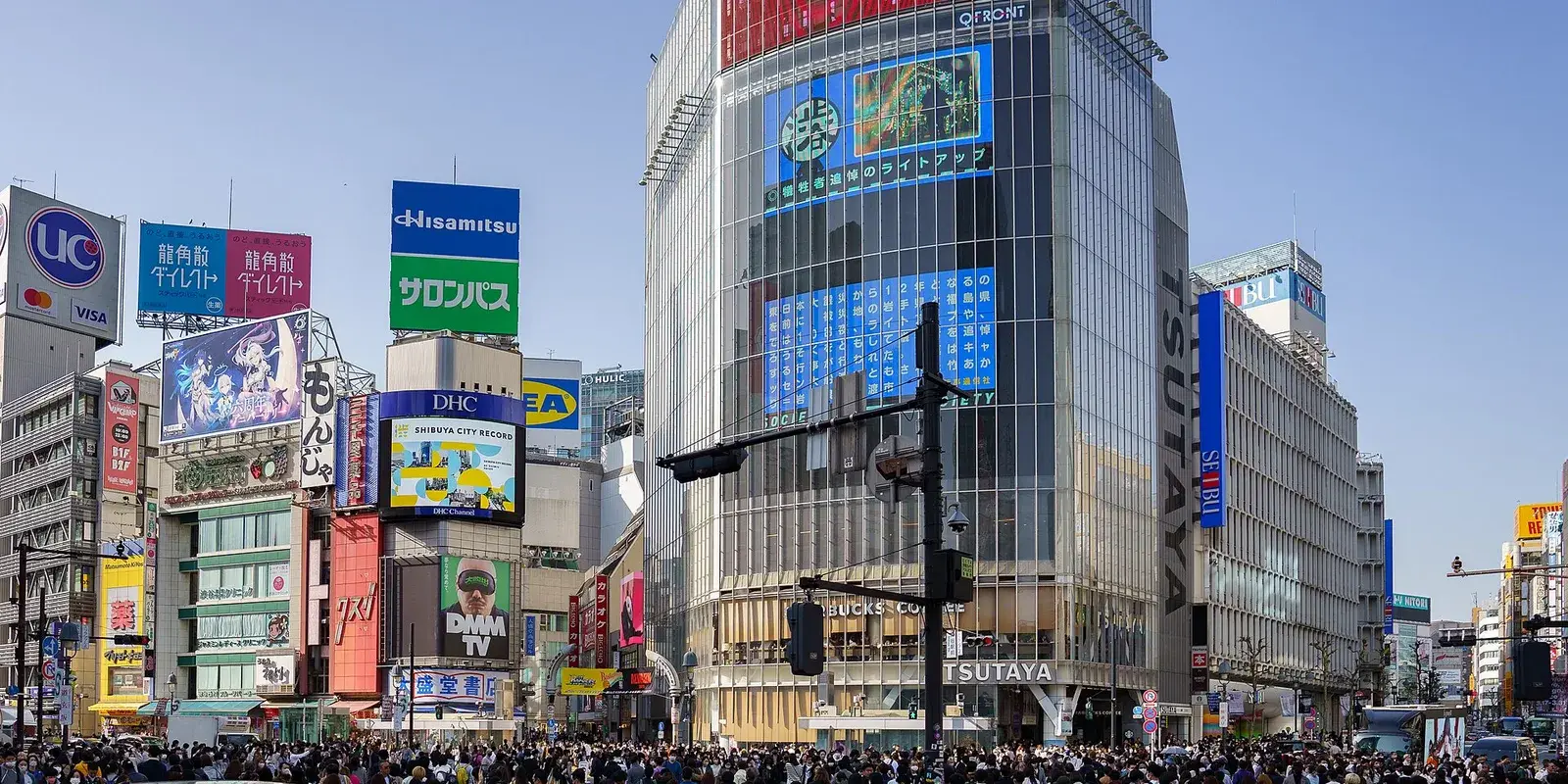
42 Million Visitors: Are Japanese People Happy About It?
What you'll learn in this article:
- How Japan went from 5 million to 42.7 million annual visitors in just two decades, and where all those visitors actually go
- What 304 Japanese people said about the tourist surge: from Kyoto residents who feel "outnumbered" to rural towns begging for visitors
- Why the places with the most tourists aren't always the places that welcome them most, and what that means for your next trip
How do Japanese people feel about 42.7 million visitors? We collected 304 public posts by Japanese residents and analyzed government accommodation data across all 47 prefectures. The answer depends entirely on where you go: Tokyo and Kyoto hotels are 55%+ foreign guests and residents feel overwhelmed, while rural prefectures like Fukui (2.8% foreign guests) actively ask for more visitors. Welcome intensity is inversely proportional to visitor density.
42,683,301. That's how many people visited Japan in 2025: an all-time record, and eight times the number from just twenty years ago.
But here's what those numbers don't tell you: how the people who live in Japan actually feel about it. A Kyoto resident who passes more foreigners than Japanese on their daily commute feels very differently from a pottery studio owner in rural Hyogo who's amazed that anyone found their town at all.
We took the official visitor data published by JNTO and the Japan Tourism Agency, mapped where visitors concentrate, and then layered in 304 real opinions from Japanese people (city dwellers, rural hosts, tourism workers, and ordinary residents) to build a picture no tourism statistic can show.
The numbers tell you where visitors go. The voices tell you where they're actually welcomed.
Quick Guide
| What the Numbers Say | What Japanese People Say | |
|---|---|---|
| 🟢 Good news | 42.7 million visitors in 2025, a record that brought economic revitalization to communities across Japan | Most Japanese people appreciate the economic contribution, especially rural areas that say "nobody comes here, please visit!" |
| 🟡 The real story | 59% of all visitors come from just 3 countries (Korea, China, Taiwan) and concentrate in Tokyo, Kyoto, and Osaka | "I work in Shijo and 80% of people around me are foreigners": residents in concentrated areas feel complicated. Grateful, but stretched. |
| 🔴 The gap | Tokyo hotels: 56% foreign guests. Fukui hotels: 3%. The concentration is extreme, and so is the gap in how people feel | Where visitors are most numerous, frustration is highest. Where they're least common, the welcome is warmest. |
The one thing to remember: The best destinations in Japan might not be the most famous ones. The places that will welcome you most warmly are often the ones that guidebooks skip, and the data and voices both point to the same conclusion.
About the Data
📊 Government statistics: Visitor numbers are from JNTO's Visitor Arrivals Statistics (2003–2026 monthly data by nationality). Accommodation data is from the Japan Tourism Agency's Accommodation Travel Survey 2025 (Confirmed/確定値), covering all 47 prefectures. Visitor data (Excel) · Annual press release (PDF)
💬 Japanese voices: 304 Japanese-language responses collected from public platforms across five topics. Not a scientific survey, but a collection of what real Japanese people said in their own words about living alongside 42 million visitors.
Part 1: The Numbers
Monetary amounts in this article are in Japanese yen (¥). For reference: ¥1,000 ≈ about $7 USD / €6 / £5. Current rates →
From 5 Million to 42 Million in Twenty Years
Japan's transformation into a global tourism destination happened fast. Here's how fast:
| Year | Visitors | Milestone |
|---|---|---|
| 2003 | 5,211,725 | Starting point |
| 2008 | 8,350,835 | Steady growth |
| 2013 | 10,363,904 | First 10 million |
| 2015 | 19,737,409 | Nearly doubled in 2 years |
| 2018 | 31,191,856 | First 30 million |
| 2019 | 31,882,049 | Pre-pandemic peak |
| 2020 | 4,115,828 | COVID-19 collapse |
| 2021 | 245,862 | Near-total shutdown |
| 2023 | 25,066,350 | Recovery year |
| 2024 | 36,870,148 | Surpasses 2019 record |
| 2025 | 42,683,301 | All-time record: 8.2x the 2003 level |
The trajectory is remarkable. It took 15 years (2003–2018) to go from 5 million to 30 million. Then COVID erased it all: Japan went from 32 million to 246,000 in a single year. And yet, just three years later, the country blew past its old record and kept going.
But the raw number hides two forms of extreme concentration that shape how Japanese people experience this surge.
Concentration #1: Where They Come From
Not all 42.7 million visitors are spread evenly. Three neighboring countries account for more than half:
| Market | 2025 Visitors | Share | YoY Growth |
|---|---|---|---|
| 🇰🇷 South Korea | 9,459,711 | 22.2% | +7.3% |
| 🇨🇳 China | 9,095,931 | 21.3% | +30.3% |
| 🇹🇼 Taiwan | 6,763,424 | 15.8% | +11.9% |
| 🇺🇸 USA | 3,306,820 | 7.7% | +21.4% |
| 🇭🇰 Hong Kong | 2,517,399 | 5.9% | -6.2% |
| 🇹🇭 Thailand | 1,233,103 | 2.9% | +7.3% |
| 🇦🇺 Australia | 1,058,396 | 2.5% | +15.0% |
| 🇵🇭 Philippines | 885,023 | 2.1% | +8.1% |
| 🇸🇬 Singapore | 726,251 | 1.7% | +5.1% |
| 🇨🇦 Canada | 688,019 | 1.6% | +18.7% |
| Top 3 total | 59.3% | ||
| Top 10 total | 83.7% |
Korea, China, and Taiwan alone send 25.3 million visitors, nearly 60% of the total. The top 10 markets account for about 84%. For the remaining ~200 countries and territories in the world, Japan receives about 6.9 million visitors combined.
This matters because geographic proximity shapes travel patterns. Korean visitors average just 4 nights, often visiting the same cities repeatedly. European visitors stay 14–18 nights and tend to explore further. The concentration of short-stay visitors from nearby countries amplifies the crowding effect in popular spots.
Concentration #2: Where They Stay
This is the data point that explains more about Japanese sentiment than any other. Foreign visitors don't spread evenly across Japan's 47 prefectures. They pack into a handful of cities:
| Prefecture | Foreign Guest Share | Total Foreign Nights (万人泊) |
|---|---|---|
| 🔴 Tokyo | 55.7% | 6,012 |
| 🔴 Kyoto | 55.2% | 1,829 |
| 🔴 Osaka | 41.7% | 2,452 |
| 🟡 Fukuoka | 33.0% | 842 |
| 🟡 Hokkaido | 28.6% | 1,330 |
| 🟡 Yamanashi | 27.7% | 275 |
| 🟡 Okinawa | 27.2% | 921 |
| ... | ... | ... |
| 🟢 Akita | 5.0% | 15 |
| 🟢 Tochigi | 4.3% | 48 |
| 🟢 Gunma | 4.1% | 36 |
| 🟢 Mie | 4.1% | 38 |
| 🟢 Fukushima | 3.7% | 36 |
| 🟢 Shimane | 3.3% | 11 |
| 🟢 Fukui | 2.8% | 11 |
In Tokyo and Kyoto, more than half of all hotel guests are foreign. In Fukui, it's less than 3%. The national average is 27.2%, but that average obscures a 20:1 ratio between the most and least visited prefectures.
This isn't just a statistic. It's the lived reality that shapes how 125 million Japanese people feel about 42 million visitors. A hotel worker in Shijo, Kyoto passes more foreign faces than Japanese ones on her commute. A ryokan owner in Fukui hasn't hosted a foreign guest in months. Our deep dive into the prefectures that welcome you most maps exactly where the warmest reception is waiting.
The same number, 42,683,301, means completely different things to these two people.
Part 2: What the Numbers Don't Tell You
The data above tells you where visitors go. It doesn't tell you what the Kyoto bus driver feels when his regular passengers can't board, or why a pottery studio owner in Hyogo lights up when a foreign visitor knows about the "Six Ancient Kilns," or what makes someone in Asakusa say "it doesn't bother me at all."
That's where 304 Japanese voices come in, and where the data starts to mean something.
"42 Million: Is That Too Many?"
We started with the broadest question: how do Japanese people feel about the sheer scale of inbound tourism?
Of 62 responses about the overall visitor surge:
The welcoming voices are straightforward and genuine:
地方経済の活性化につながるので歓迎だ I welcome it because it helps revitalize local economies.
浅草に住んでるけど全くなんとも思わないよ I live in Asakusa and it doesn't bother me at all.
The conditional middle was the most revealing group: not for-or-against, but drawing a clear line:
迷惑かけるやつは来んな。それ以外は別にいい If you're going to cause trouble, don't come. Otherwise, it's fine.
マナーが良ければ問題ない。普通に過ごしている人には何も思わない No problem if they have good manners. I don't think anything of people who behave normally.
And the frustrated voices reveal something important: the frustration isn't really about visitors. It's about the system:
外国人のせいで国内のホテルや旅館の宿泊費も高騰している Hotel and ryokan prices have skyrocketed because of foreign tourists.
自分の国なのに気軽に旅行できない I can't casually travel in my own country anymore.
利益を受けるのは業者だけで、一般市民は混雑や物価上昇の被害を受けている Only businesses benefit. Ordinary citizens just suffer from crowding and rising prices.
Here's where the data and voices converge on the same conclusion. The accommodation data shows foreign guests now make up 27.2% of all hotel stays nationwide, nearly triple the pre-pandemic level. That doesn't just mean more tourists on the street. It means Japanese families planning a Kyoto trip find hotel prices doubled, bullet trains packed, and their favorite restaurants full. The 45% frustration isn't anti-foreigner sentiment. It's the experience of being priced out of your own country's tourism infrastructure.
💡 Priced out of your own country
Japanese people aren't frustrated with visitors. They're frustrated with what 42 million visitors did to their travel infrastructure. When the same hotel room costs twice what it did five years ago, a weekend trip to Kyoto becomes a luxury. The numbers show a tourism boom. The voices show who's paying the hidden cost.
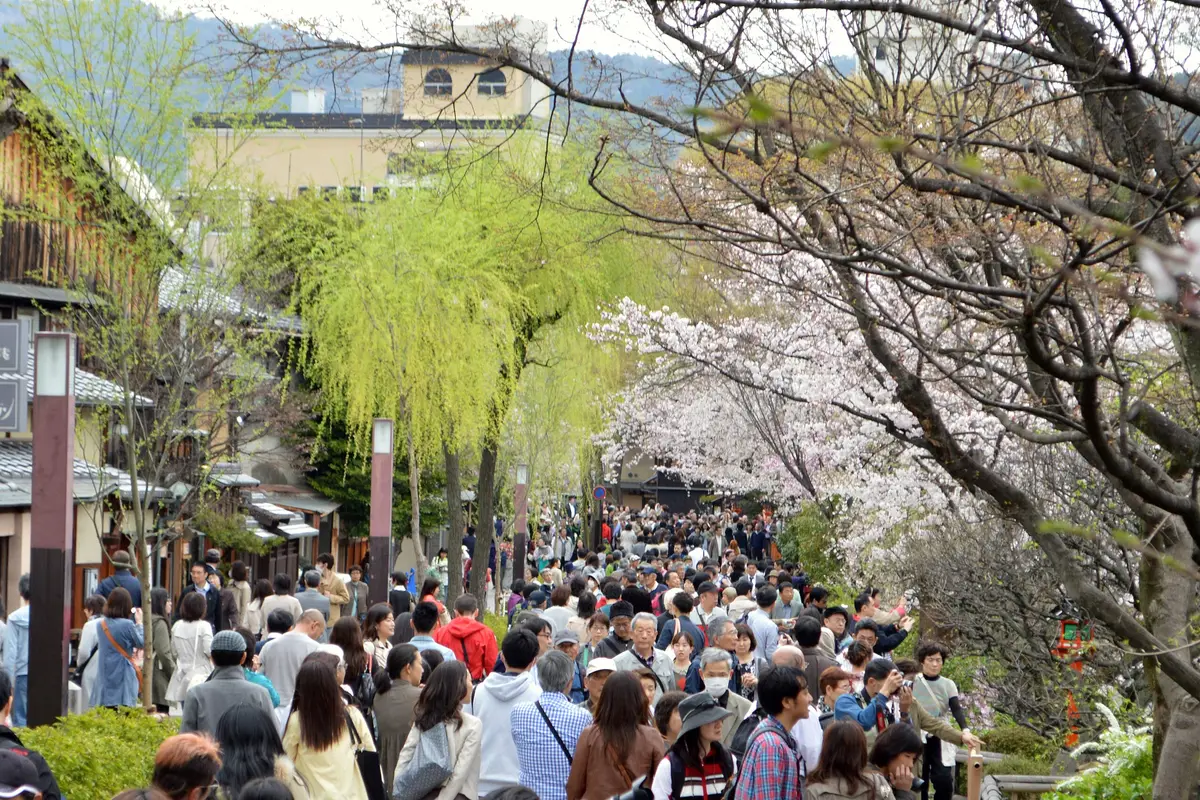
🔴 The View from Kyoto, Osaka, and Tokyo
What happens when more than half the people around you are foreign?
Of 65 responses from residents of high-concentration tourism areas:
The voices from residents paint a vivid picture of daily life in a tourism-saturated city:
四条に住んでるけどすれ違う人ほぼ外人。一体どこの国に住んでるんだろう? I live in Shijo, and almost everyone I pass is a foreigner. I wonder what country I'm living in.
伏見稲荷の近所に住んでるけどマジで外国人しかおらん I live near Fushimi Inari, and there's seriously nobody but foreigners around.
嵐山に住んでるけど毎日地獄。人の家のガレージで平気で座ってアイス食べてる外人 I live in Arashiyama, and every day is hell. Foreigners sit in people's garages eating ice cream like it's nothing.
The pandemic offered an involuntary comparison:
コロナ禍は京都は平和だった During COVID, Kyoto was peaceful.
But even in the most frustrated voices, there's a thread of self-awareness:
日本人もマナー悪い人沢山見かけるよ。守らないのは意外と日本人の方が多い I see plenty of Japanese people with bad manners too. Surprisingly, it's often Japanese who break the rules more.
And the Kyoto citizen survey data adds a crucial nuance the online voices alone don't capture:
観光の重要性は認識している(70.1%)。観光評価を誇りに感じる(65.2%)。一方、一部観光地周辺の混雑で迷惑している(70.6%) 70.1% recognize the importance of tourism. 65.2% feel pride in Kyoto's tourism reputation. However, 70.6% are troubled by crowding near certain tourist areas.
Here's where the concentration data becomes personal. The accommodation statistics show Kyoto at 55.2% foreign guests, meaning the majority of hotel occupants are foreign. That single number explains why Shijo, the avenue that runs through Kyoto's flower district of Gion, feels like a different country to its residents. But the Kyoto citizen survey reveals that even those residents hold two feelings at once: pride that the world values their city, and exhaustion from sharing it with millions.
This duality of proud and overwhelmed is the emotional reality that no visitor number can capture. That same coexistence of welcome and fatigue lives inside individual people too, a dynamic this site explores further in Do Japanese People Really Want Tourists?. And it points to a structural problem: the issue isn't 42 million visitors. It's 42 million visitors going to the same five places. Mount Fuji faced the same pressure, and responded with Japan's first-ever daily climbing cap, a story we unpack in Why Mount Fuji Is Capped.
💡 Proud and overwhelmed, at the same time
Kyoto's data shows 55.2% foreign hotel guests. Kyoto's citizen survey shows 65.2% pride and 70.6% frustration with crowding. These aren't contradictions. They're the same city seen from two angles. The world's admiration is flattering. Forty million annual footsteps through your neighborhood are not.
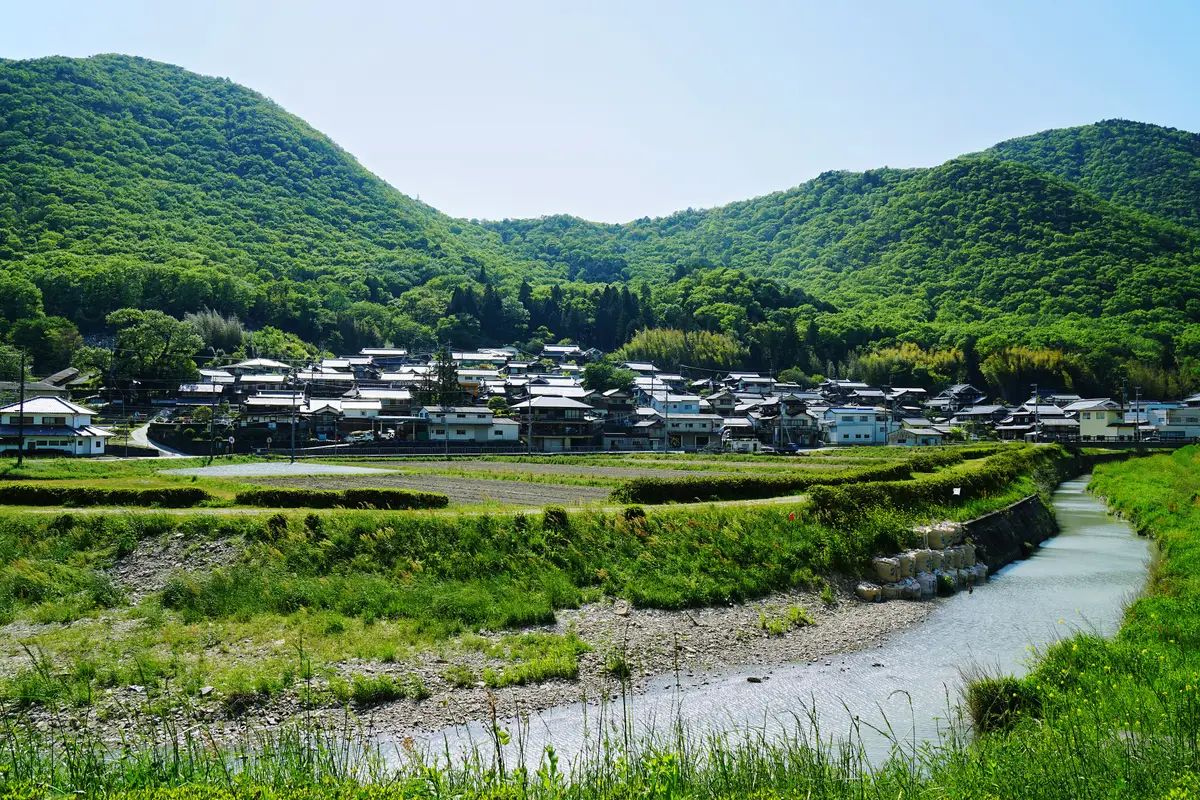
🟢 The View from Rural Japan
What about the places where foreign guests make up 3% or less?
Of 55 responses from residents and business owners in less-visited areas:
The difference from Kyoto is striking. Where concentrated areas say "too many," less-visited places say:
今、一人も来ないのでもっと来てほしい Nobody comes here right now, so I'd like more people to visit.
大阪や京都ばかりに行ってしまうから、もっと来てほしい They only go to Osaka and Kyoto. I wish more would come here.
Some of the most moving voices came from rural hosts who found unexpected meaning in foreign visitors:
訪日ゲストは商店街で「こんなにすばらしい商品は初めて見た!」「あなたのお店はすごい」と褒め言葉をかけてくれ、失いかけていた誇りや商売への自信を取り戻す Foreign visitors praise the shopping street — "I've never seen such wonderful products!" "Your shop is amazing!" — and shopkeepers regain the pride and confidence they'd almost lost.
「私に会いに来て」というのがコンセプト。そのうえでの京丹後の風景、食、文化歴史なんです "Come to see me" — that's my concept. The scenery, food, and cultural history of Kyotango come after that. (Ryokan owner, Kyotango)
住んでいる私たちにとって当たり前の景色や日常が魅力と捉えられていることに驚く We're surprised that the everyday scenery and daily life we take for granted is seen as appealing. (Tamba Sasayama city official)
And a detail that delighted a rural mayor:
高山の人たちはいつの時代も外から来る人々を迎え入れ、宿や食事を提供して相手に喜ばれてきた。その喜ぶ姿を、自分たちの喜びに変えることができる人たち The people of Takayama have always welcomed visitors from outside, offering lodging and meals. They're people who can turn their guests' joy into their own. (Takayama mayor)
Even the negative voices in rural areas revealed something different from Kyoto's frustration. Where Kyoto says "too many," rural complaints were about being unprepared:
外国人観光客が来るのは別によいのですが、そのために我々日本人があれこれ「おもてなしのし過ぎ」に走ってしまうのはどうも腑に落ちない I don't mind foreign tourists coming, but it doesn't sit well that we Japanese are overdoing the "omotenashi."
Now look at what happens when you overlay the data with the voices. The accommodation statistics show Fukui at 2.8% foreign guests and Shimane at 3.3%. The voices from these areas say "please come!" The statistics show Tokyo at 55.7% and Kyoto at 55.2%. The voices from there say "I wonder what country I'm living in."
The pattern is consistent: welcome intensity is inversely proportional to visitor density. And one voice captured the quality difference perfectly:
準富裕層や文化に関心が高い人が多いためか、とてもマナーが良い人が多い印象 Perhaps because many are semi-affluent or have strong cultural interests, the visitors who make it to our area tend to have very good manners.
The visitors who reach rural Japan tend to be the kind of visitors that communities want: culturally curious, longer-staying, and deeply respectful. The data confirms this: our companion article Where Your Money Goes showed that European visitors who stay 14–18 nights and spend ¥360,000–¥390,000 generate the highest per-person spending with the lowest crowding impact.
💡 The welcome map is upside down
The data shows a 20:1 ratio between the most and least visited prefectures. The voices show the welcome ratio is almost exactly inverted. Fukui (2.8% foreign guests) says "please come." Kyoto (55.2%) says "I wonder what country I'm living in." The places that will welcome you most are the ones the guidebooks skip.
💬 What do you think?
Japanese readers: How do you feel about this?Visitors: Have you experienced this in Japan?
Share your voice →Tourists and Neighbors: A Blurring Line
Japan doesn't just have 42 million visitors. It has 4.13 million foreign residents, the first time the figure has ever passed 4 million (Immigration Services Agency, as of the end of 2025). The line between "tourist" and "neighbor" is getting harder to draw.
Of 62 responses about living alongside foreign residents:
This distribution, almost perfectly split three ways, tells its own story. Unlike the clear skew toward frustration in tourism-concentrated areas, attitudes toward foreign residents are remarkably balanced.
The positive voices show that integration happens through small, consistent gestures:
2軒隣が中国人夫婦です。挨拶も笑顔でしてくれるし、地域の掃除にも出てくる A Chinese couple lives two doors down. They greet us with smiles and even come out for the neighborhood cleanup.
トラブルないよ。むしろ老害のがヤバい No trouble at all. Honestly, the elderly troublemakers are worse.
The Shibazono housing complex in Saitama, where over 60% of residents are foreign, has become a nationally recognized example of successful integration:
外国出身の住人や芝園かけはしプロジェクトのような若い人たちが加わることで、イベントが開催できたり、お祭りに参加してもらったりして大変助かっています Having foreign-born residents and young people from the Shibazono Bridge Project join has been a huge help — they participate in events and festivals.
The conditional middle draws a clear, practical line:
ルールを守ってくれてる人なら無問題 No problem as long as they follow the rules.
日本人でもマナー悪い人はいる There are Japanese people with bad manners too.
And the anxiety is often about communication rather than hostility:
言葉が通じないことが不安 I feel anxious because we can't communicate in the same language.
The core finding from these voices connects directly to the tourism data. Visitors pass through. Residents stay. And staying (learning garbage sorting rules, showing up for neighborhood cleanups, greeting people by name) transforms perception entirely. The accommodation data counts "person-nights." But the voices distinguish between 4 nights and 4 years. Time earns trust in a way that tourism spending alone never can.
💡 From tourist to neighbor
The voices draw a sharp distinction between passing through and settling in. A tourist who stays 4 nights is a statistic. A neighbor who joins the neighborhood cleanup is a community member. The accommodation data counts both as "foreign person-nights," but Japanese residents feel the difference immediately.
The Generation Gap
Do younger Japanese people feel differently about the visitor surge?
Of 60 responses about generational attitudes:
The data from Japan's Immigration Services Agency survey paints a clear picture:
18歳から29歳では「通う学校に外国人がおり、知り合いである(あった)」が最も高い。60歳以上では「外国人の知人はいないし、付き合ったこともない」が最も高い Among 18–29-year-olds, the most common response was "there are/were foreigners at my school." Among those 60+, the most common was "I don't have any foreign acquaintances and never have."
25~29歳で外国人との日常的な交流頻度が最も高く、38.8%が「頻繁に」または「ときどき」交流があると回答 The 25–29 age group had the highest daily interaction with foreigners — 38.8% reported frequent or occasional contact.
But the generation gap isn't a simple "young = welcoming, old = resistant" story. The data revealed two surprises:
「原則反対」は20-50代で3-4割台だが、60代以上では2割台に下がる。高齢者は人手不足の現実を感じて容認する傾向 "Opposition in principle" was 30–40% for ages 20–50, but dropped to around 20% for those 60+. Older people tend to accept the reality of labor shortages.
外国人観光客の増加に「興味がない」と答えた20代は25.5%で全世代最高 25.5% of people in their 20s said they had "no interest" in the increase of foreign tourists — the highest of any age group.
So young people aren't necessarily more welcoming. They're more indifferent. Having grown up with foreign classmates, K-pop, and translation apps, the presence of foreigners simply isn't remarkable to them. It's not a warm embrace. It's a shrug.
And the communication gap cuts across all ages:
外国語がわからないことが手助けをためらう最大の理由で56.6%。若い世代ほど翻訳ツールの使用率が高く、40代以上は「やさしい日本語」での対応が多い Not understanding foreign languages was the #1 reason for hesitating to help (56.6%). Younger people use translation tools more; those over 40 rely on "simple Japanese."
The generation data ultimately tells the same story as the geography data, but along a different axis. Just as welcome intensity is highest where visitor density is lowest, comfort with foreigners is highest where contact experience is greatest. Young people who grew up with foreign classmates feel relaxed. Older people with zero contact feel anxious. The variable is exposure rather than age.
💡 Not warmer, just used to it
The biggest predictor of comfort with foreigners isn't age. It's contact. Young people grew up with foreign classmates. Older people often have zero interaction history. The generation "gap" is really a contact gap, and that's good news, because contact is increasing at every age level.
The Invisible Map
After reading all 304 responses across five topics, a pattern emerged that none of the voices stated directly, but all of them pointed to.
There is an invisible map of Japan that no guidebook shows. It's not a map of where to go. It's a map of where you're wanted.
The visible map says: Tokyo, Kyoto, Osaka. The invisible map says: the places where your arrival makes someone's day: the pottery studio in Tamba Sasayama, the shopping street where the owner regains lost pride, the ryokan in Kyotango where "come to see me" is the concept.
The data confirms what the voices feel:
- Where visitor density is highest → frustration is highest
- Where visitor density is lowest → welcome is warmest
- Where personal contact exists → comfort is highest
These three patterns point to a single conclusion: the "overtourism problem" is not a volume problem. It's a distribution problem. Japan has room for 42 million visitors. It does not have room for 42 million visitors in the same five cities.
And the voices add a dimension the data alone can't: what visitors do matters more than where they go. Even in concentrated areas, the people who try Japanese, follow local rhythms, and show consideration earn warmth. Even in welcoming rural areas, visitors who disrespect local life earn resentment.
Behind the headlines about 42 million arrivals, Japanese people are quietly curious about visitors in ways that rarely surface in policy discussions: what Japanese people actually search about foreigners reveals a more personal, sometimes surprising picture of how the host country thinks about its guests.
The invisible map isn't just geographic. It's behavioral.
What Japanese People Actually Want You to Know
After 304 voices, the message wasn't "don't come" or "come more." It was something more specific.
You're welcome, especially where you're least expected.
If you're choosing where to go
- Consider the places that aren't in every guidebook. The data shows 97% of Japan's hotel capacity has very few foreign guests. Those are the places where your arrival will be most appreciated.
- Stay longer in fewer places. Japanese voices consistently distinguished between visitors who "rush through" and those who "stay and engage." The accommodation data confirms it: longer stays generate higher spending with lower crowding impact.
- Think of it as visiting someone's home. The most welcoming rural hosts described their concept as "come to see me." When you treat a visit as a personal connection rather than a checklist, the response transforms.
- Timing matters as much as destination. The same city feels completely different depending on the month. Discover when Japanese people most want you to visit. The answer may surprise you.
Wherever you go
- Your manners are your passport. The single most consistent finding across all 304 voices: consideration earns welcome, regardless of location, age, or tourism density.
- A few words go a long way. "Sumimasen," "arigatou gozaimasu," and a smile were mentioned more often than any specific behavior.
- Follow the local rhythm. Queue when others queue. Keep your voice at the room's level. Don't eat while walking in residential areas. These aren't rules. They're signals that say "I see you, and I respect this place."
- Small towns remember you. In Tokyo, you're one of millions. In a rural town, you might be the only foreign visitor that week, and they'll remember you.
しずしずと写真撮ったり、静かな観光客には「来てくれてありがとう」と思う When tourists quietly take photos and behave calmly, I think "thank you for coming."
More Japanese Perspectives
Curious about other aspects of visiting Japan? These articles explore what Japanese people actually think, based on hundreds of real voices.
- Where Your Money Goes: How 42.7 million visitors spent ¥9.45 trillion, and why staff chase you down to return your tip.
- Why Japanese Trains Are Silent: 177 Japanese people explain why quiet trains are the national standard.
- Do Japanese People Actually Care How You Hold Chopsticks?: 163 Japanese people share the honest truth. Spoiler: there's really only one thing worth knowing.
- The Power of a Small Bow: Why a simple nod earns more warmth than a perfect 45-degree bow.
Share Your Experience
Have you visited a place in Japan where you felt genuinely welcomed? A small town that surprised you? A moment where you realized you were somewhere special? We'd love to hear it. Your story helps other visitors discover the Japan that's waiting beyond the guidebooks.
Share your experience on Voice Box →
Sources
Statistical Data (Primary Sources, directly analyzed)
All statistical data was extracted directly from the following government files, downloaded and stored in the article's sources/ directory. See sources/README.md for detailed extraction notes and sheet references.
Japan National Tourism Organization (JNTO): Visitor Arrivals Statistics
- Published: Updated monthly (file used: the 2026-09-16 update; the 2025 figures have been JNTO's confirmed figures since the 2026-08-19 update)
- Visitor data Excel (
jnto_visitors_monthly_2003_2026.xlsx):- Sheets "2003"–"2026": Monthly visitor counts by 30+ nationalities
- Annual totals extracted from each sheet
- 2025 annual total: 42,683,301 (+15.8% YoY)
- Downloaded from: https://www.jnto.go.jp/statistics/data/_files/20260916_1615-5.xlsx
- 2025 Annual Press Release PDF (
jnto_2025_annual_press_release.pdf, 8 pages):- p.1: 2025 annual total and highlights
- p.2-8: Monthly and market-level detail
- Downloaded from: https://www.jnto.go.jp/news/_files/20260121_1615.pdf
- Historical trend PDF (
jnto_annual_trend_1964_2024.pdf):- Downloaded from: https://www.jnto.go.jp/statistics/data/_files/20250820_1615-8.pdf
- Statistics page: https://www.jnto.go.jp/statistics/data/visitors-statistics/
- Annual totals extracted from the "2003"-"2025" sheets (see
sources/README.md"抽出した主要データ"): 2003 5211725; 2008 8350835; 2013 10363904; 2015 19737409; 2018 31191856; 2019 31882049; 2020 4115828 (COVID-19 collapse); 2021 245862 (near-total shutdown); 2023 25066350 (recovery year); 2024 36870148; 2025 42683301
Japan Tourism Agency (観光庁): Accommodation Travel Survey 2025 (Confirmed/確定値)
- Published: 2026-07
- Annual data Excel (
accommodation_2025_annual_confirmed.xlsx):- Sheet "第2表(年計)": Prefecture-level total and foreign overnight stays
- Column B: Total overnight stays, Column Q: Foreign overnight stays
- National total: 661,105,480 person-nights, Foreign: 179,922,130 (27.2%)
- Downloaded from: https://www.mlit.go.jp/kankocho/content/002010340.xlsx
- 2024 Confirmed data (
accommodation_2024_confirmed.xlsx):- Downloaded from: https://www.mlit.go.jp/kankocho/content/001905499.xlsx
- Survey page: https://www.mlit.go.jp/kankocho/tokei_hakusyo/shukuhakutokei.html
Companion-article figures: the "¥360,000–¥390,000" (360000-390000 yen) and "14–18 nights" range cited for European visitors is this article's own rounded illustration of the per-country data sourced in the companion article "Where Your Money Goes" (Japan Tourism Agency Consumption Trend Survey, Excel Sheet "参考2") rather than a distinct source figure: Italy 357002 yen / 13.7 nights, France 359869 yen / 18.4 nights, Spain 362767 yen / 13.9 nights, Australia 386512 yen / 13.5 nights, UK 391320 yen / 14.4 nights, Germany 392251 yen / 18.0 nights.
Primary Research Data
- WMJS visitor sentiment research data (304 Japanese-language responses collected April 2026)
- Overall sentiment: 62 responses (
visitors_too_many.json) - Concentrated areas: 65 responses (
visitors_kyoto_overwhelmed.json) - Rural welcome: 55 responses (
visitors_rural_welcome.json) - Tourist vs. neighbor: 62 responses (
visitors_neighbor_or_tourist.json) - Generation gap: 60 responses (
visitors_generation.json)
- Overall sentiment: 62 responses (
Referenced Surveys
- JTB Tourism Research & Consulting: Travel trends survey 2025
- EY Japan: Resident attitudes toward inbound tourism 2025
- Immigration Services Agency (出入国在留管理庁): Survey on attitudes toward coexistence with foreigners (令和5年度)
- Kyoto City: Citizen awareness survey 2025 (令和7年市民意識調査)
- Immigration Services Agency (出入国在留管理庁): Foreign residents statistics, end of 2025: 4,125,395 total
Opinion Collection Sources
The following sources were used to collect Japanese people's opinions and sentiments. These are not cited as factual authorities but as platforms where real Japanese people expressed their views.
Overall sentiment (visitors_too_many):
- Public Japanese Q&A sites, forums, and social posts: first-hand opinions on inbound tourism and overtourism
- https://www.ey.com/ (Japan resident survey)
- https://www.jtb.co.jp/ (travel trends survey)
- https://yamatogokoro.jp/ (regional revitalization)
Concentrated areas (visitors_kyoto_overwhelmed):
- Public Japanese Q&A sites, forums, and social posts: first-hand opinions on Kyoto and Osaka crowding and transport congestion
- https://maidonanews.jp/ (Gion garbage)
- https://www.ktv.jp/ (Gion private road restrictions, tourist express bus)
- https://www.tokyo-np.co.jp/ (Asakusa resident stress)
- https://diamond.jp/ (Nishiki Market)
- https://www.nippon.com/ (overtourism)
Rural welcome (visitors_rural_welcome):
- Public Japanese Q&A sites, forums, and social posts: first-hand opinions on rural tourism and inbound travel
- https://www.chunichi.co.jp/ (Shirakawa-go residents)
- https://www.tokai-tv.com/ (Hida Takayama businesses)
- https://tanba.jp/ (Tamba Sasayama officials)
- https://yamatogokoro.jp/ (Takayama mayor interview)
- https://travelvoice.jp/ (Kyotango innkeeper)
Tourist vs. neighbor (visitors_neighbor_or_tourist):
- Public Japanese Q&A sites, forums, and social posts: first-hand opinions on foreign neighbors and neighborhood relations
- https://suumo.jp/journal/ (Shibazono housing complex)
- https://president.jp/ (Shibazono noise resolution)
- https://www.chunichi.co.jp/ (neighborhood associations)
Generation gap (visitors_generation):
- Immigration Services Agency coexistence survey (official government data)
- Public Japanese Q&A sites, forums, and social posts: first-hand opinions on generational attitudes
- https://shueisha.online/ (customer harassment toward foreign workers)
Note on Quotations
Quotes from online platforms have been lightly edited for readability (fixing typos, formatting for clarity). The meaning and intent of each comment remain unchanged. Original sources are linked above.
WMJS is written in Japan, in English, with AI help. We check every page, but English is not our first language. If a sentence reads oddly, tell us. One sentence is enough.
Thank you. A person reads every note.
How well do you know Japan?
Built from 635 public posts by Japanese people
Want to know more? Ask Japanese people
Have a follow-up question about this topic? We'll ask real Japanese people.
Voice Box →