
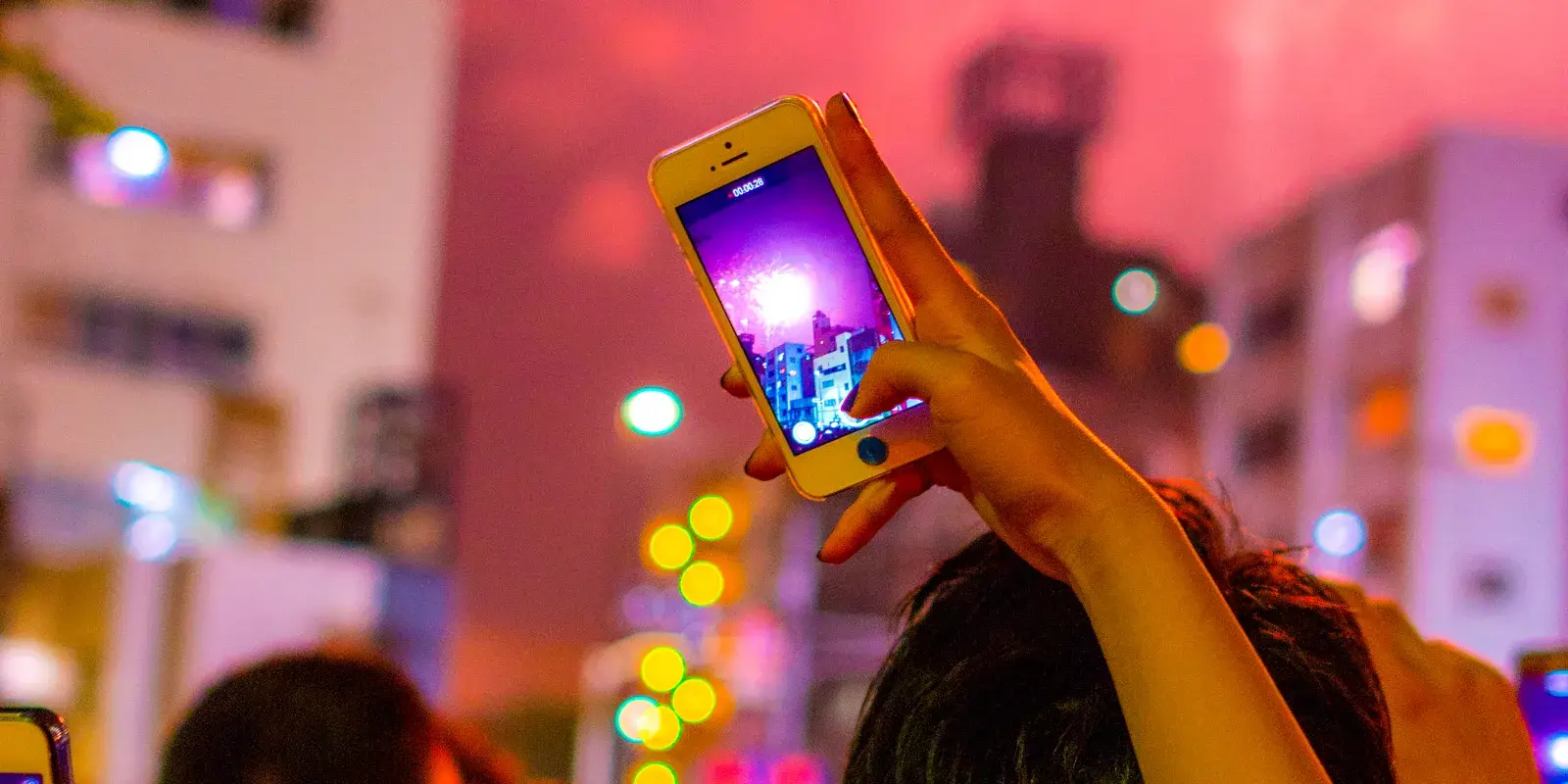
Being Filmed in Japan: What It Actually Feels Like
We posted a short video asking Japanese people a simple question: How do you feel when a stranger points a camera at you without asking?
One comment stopped us in our tracks.
修学旅行で着物を着たら海外の方が何も言わずに写真を撮ってきた。聞いてくれた人は数人で、撮った9割は許可なしで勝手に撮ってきた。ピースをしたらすごい嬉しそうに笑ってくれた人もいて嬉しい気持ちになったけど海外の人が普通にとってくることに驚いた On a school trip, I wore kimono and foreign visitors just started photographing me without a word. Only a few asked permission — 9 out of 10 just took photos without asking. But when I made a peace sign for one of them, they smiled so happily it made me happy too. I was surprised how casually foreigners just photograph you.
One comment. Discomfort and warmth in the same breath. Surprise and acceptance tangled together.
That comment sent us down a path we hadn't planned, and what we found was the strongest emotional response in any topic we've ever studied. The video's poll confirmed it: 92% of Japanese viewers chose "honestly, I wish they'd stop" (n=52).
Key Takeaways:
- 92% of our YouTube poll chose "honestly, I wish they'd stop," and 79% of 70 collected voices expressed genuine distress. The strongest negative response in any WMJS topic
- The remaining 20% are neutral ("it happens, I understand why") and 1% don't mind at all, but that 1% said something important
- One question changes everything. Even a simple "OK?" or a gesture toward your camera transforms the moment from invasion to connection
- In 2026, the concern has evolved: it's no longer just about photos. It's about becoming an unwitting character in someone's vlog or livestream
- Japanese Gen Z shows more privacy-consciousness than older generations: 75.6% resist showing their face online
What do Japanese people actually feel when you film them without asking? We asked 52 Japanese viewers and collected over 130 voices. The answer: 92% of the people we asked chose "honestly, I wish they'd stop," and 79% of collected voices expressed genuine distress. But one finding changes everything: a simple "may I?" transforms the camera from an intrusion into a bridge. The real story isn't "don't photograph in Japan." It's "one question opens the door."
92% of Japanese viewers on our poll chose "honestly, I wish they'd stop." 79% of 70 collected voices expressed genuine distress. That's the strongest negative response we've found in any topic.
But one question changes everything.
Quick Guide
| Situation | What Japanese People Said | |
|---|---|---|
| 🟢 Welcome | You ask before photographing, even with just a gesture | "When someone asks 'may I?', I actually feel happy." Even broken Japanese or a simple camera gesture is enough. Many people will smile, pose, and enjoy the moment with you. |
| 🟡 Uncomfortable | You photograph without asking, but from a distance | "I know they think it's exotic, but it still feels strange." Many people understand tourist curiosity but wish you'd acknowledged them as a person first. |
| 🔴 Distressing | You film continuously for a vlog or livestream | "I went to the supermarket and later found myself on someone's Instagram without any mosaic." Being captured on video, especially without blur, feels fundamentally different from a single photo. |
The one thing to remember: Japan has a concept called shōzōken (肖像権), the right to your own image. You don't need to understand the legal details. Just know that pointing a camera at someone without acknowledging them can feel like something is being taken rather than shared. A nod, a smile, a gesture of "may I?" turns the same camera into a bridge.
How This Article Came Together
This article didn't start with a research plan. It started with a pattern on our YouTube channel.
When we posted a video about photo etiquette, something unexpected happened. Japanese viewers didn't just answer our question: they shared stories. A high school student who wore kimono on a school trip and was photographed by nine out of ten passing tourists. A woman whose face ended up on a stranger's Instagram after a trip to the supermarket. A service worker who gets filmed daily and feels she can't say no.
The data confirmed what the comments were telling us. The video's built-in poll asked a simple binary question: "If a stranger suddenly pointed a camera at you?" Respondents chose between two options: "don't mind" and "honestly, I wish they'd stop." Of the 52 Japanese people we asked, 92% chose "honestly, I wish they'd stop." Only 8% said they didn't mind.
And the voices we'd collected told the same story from a different angle. Of 70 Japanese voices on unauthorized photography, 79% expressed genuine distress: the strongest negative response in any topic we've studied across 21 subjects. Stronger than concerns about tipping, louder than frustrations about queue-cutting, more intense than opinions on chopstick etiquette.
But it was the 1% (the single positive voice) that made us dig deeper. Because that person said: "Just ask first, and we'll usually say yes."
So we expanded our research. We collected over 130 voices total: the original 70 on unauthorized photography, plus additional voices specifically about the "ask first" experience, about being filmed for vlogs and livestreams, and about generational differences in how people feel about cameras. We also incorporated survey data from the NTT Docomo Mobile Society Research Institute and the SHIBUYA109 Lab.
A note on what you're reading: This isn't a scientific survey. It's a collection of what Japanese people said in their own words, on public platforms, in Japanese. Some voices are angry. Some are understanding. Some are both at the same time, like the school-trip student who felt surprised and happy in the same moment. That complexity is the point.
The Temperature: 79% Distressed
Of 70 Japanese voices about being photographed without permission:
To put this in perspective: the most controversial topic we've covered, priority seats on trains, splits Japan roughly 60/15/25. Chopstick etiquette runs about 92% green. This is the only topic where the red bar dominates so completely.
The voices are hard to hear, and important to listen to.
The Daily Reality
For people who wear traditional clothing (whether they're cultural professionals like the geiko and maiko of Kyoto's flower district of Gion, or visitors enjoying a rental kimono experience), being photographed without consent is routine, not rare.
浅草で着物着て歩いてたら、外国人にいきなりカメラ向けられた。声もかけずに。モデルじゃないんだけど… I was walking in Asakusa wearing a kimono, and a tourist just pointed their camera at me without a word. I'm not a model...
観光地にいくと、結構な頻度で外国人がストーカーの如くずっとついてまわって写真とってくる At tourist spots, foreign visitors follow you around like stalkers, constantly taking photos.
京都で友達と着物着て観光してたら、ずーっと外国人の二人組についてこられて、写真撮られまくった。やめて!って言ってもぜんぜん撮るのやめなくて I was sightseeing in Kyoto with a friend, both wearing kimono, when two foreigners kept following us taking photos. I said "stop!" but they wouldn't stop at all.
One detail appears again and again: the feeling of being treated as a spectacle rather than a person.
外国人は日本に来て日本人勝手に撮るのも動物園行って動物撮るのも同じ感覚なのか見下されてる気分 Foreigners coming to Japan and photographing Japanese people without asking — is it the same feeling as photographing animals at a zoo? It feels like being looked down on.
Children and Schools
Multiple voices raised a specific concern: children being photographed by strangers.
大阪の都市部、外国人が凄く多いのよね。制服を着た小学校の子ども達が集団でいると、珍しいから、写真撮ろうとするんですわ In central Osaka, there are so many tourists. When they see groups of elementary school kids in uniform, they try to photograph them because it's "unusual."
幼稚園で遠足に行くと、外国人が勝手に園児達の写真を撮るから困るらしい On kindergarten field trips, foreigners just photograph the children without asking — it's a real problem.
One voice traced the impact across years:
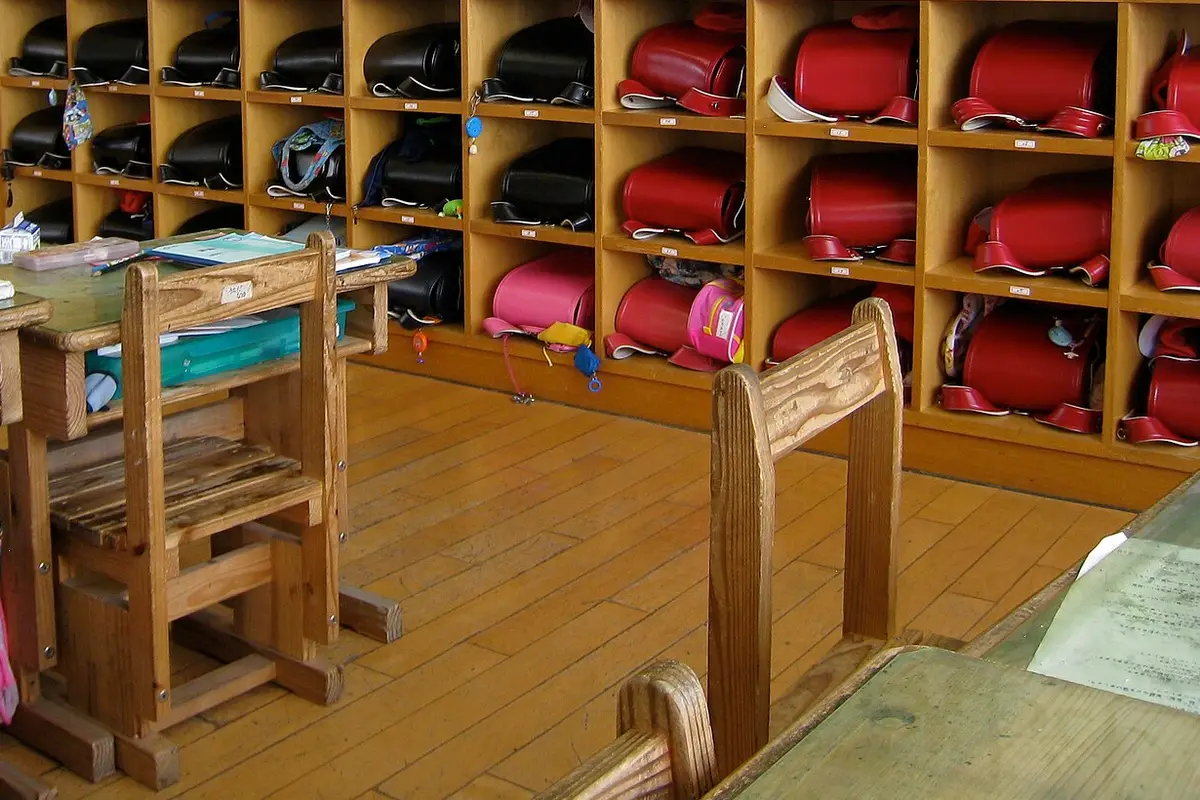
小学生の頃ランドセルが珍しかったからか、学校の帰り道に写真を撮られました。もう小学生ではないですが、外国人が増えるので、浴衣とか着てたらまた撮られるのではないかと怖いです When I was in elementary school, someone photographed me — probably because my school backpack looked unusual. I'm not a child anymore, but with more tourists coming, I'm afraid it'll happen again if I wear a yukata.
A childhood moment, still shaping how someone feels about cameras years later.
The Hidden Cost: SNS Exposure
For many people, the camera itself isn't the worst part. It's what happens after.
温泉地に住んでるので、ただスーパーに買い物に行くだけでも世界の誰かの写真か動画に映り込んで、SNSに知らず知らず晒されてると思う I live in a hot-spring town. I think that just going to the supermarket means I'm ending up in someone's photo or video, exposed on social media somewhere in the world without knowing it.
地元の朝市に野菜買いに行ったら、インスタに私と夫の姿晒されてた…モザイクなんてもちろん無し I went to the local morning market to buy vegetables, and later found photos of me and my husband posted on Instagram — no mosaic, of course.
インターネット上に上がってる写真や動画の中に、迷惑撮影で映り込んで勝手に晒された自分の顔、どれだけあるんだろ…? Of all the photos and videos on the internet, how many contain my face — captured without my consent and posted for the world to see...?
This isn't abstract anxiety. One person reported a concrete case:
外国人からの盗撮について。SNSにあげられてしまいました。報告をしているのですが動画が消えません。しかも動画が拡散されてしまっていて本当に困っています About being secretly filmed by a foreigner — it was uploaded to social media. I've been reporting it, but the video won't come down. It's been shared and I'm truly at a loss.
💡 The strongest response we've ever found
Across 21 topics and thousands of Japanese voices, unauthorized photography generated the most intense negative response we've measured. Not noise complaints on trains. Not tipping confusion. Not chopstick handling. Being photographed without asking is what hits hardest because it touches something deeper than etiquette. It touches the feeling of being seen as a subject instead of a person.
The Moment Someone Asks
Here's where the data reveals something the 79% alone doesn't show.
When we collected voices specifically about what happens when someone does ask before photographing, the emotional temperature reversed completely.
写真撮ってもいいですか?って一声かけてくれる人はむしろ嬉しかったかな When someone asked "may I take a photo?", I actually felt happy.
基本的には、恥ずかしながら両方OKです…こちらから聞いて一緒にワイワイ撮ります Honestly, I'm OK with both — and when they ask, I initiate more interaction. We take photos together and have a great time.
外国人なら気持ちは分かるので撮ります。着物が珍しいのかな… If it's a foreigner, I understand their interest, so I'll take the photo. They probably find the kimono unusual...
One voice captured the contrast perfectly:
ちゃんと撮ってもいいですか?って聞いてきた方もいました。とても丁寧だったので、余計に盗撮してきた人に腹が立ちます Some people did ask "may I take your photo?" very politely. And because they were so considerate, it made me even angrier at the ones who photographed me secretly.
The bar is remarkably low. Several voices confirmed that even minimal effort counts:
「OK?」って聞いてくる人もいるけど Some people just say "OK?" — and even that helps.
A woman at a fireworks festival described the feeling when someone used broken Japanese to ask:
花火大会で妹と浴衣で行ったのですが、外国人の方にカタコトで「可愛いですね。一緒に写真撮ってください」と言われて写真を撮りました At a fireworks festival with my sister, we were wearing yukata when a foreigner said in broken Japanese, "You look cute. May I take a photo together?" So we did.
"カタコト" is broken, imperfect Japanese. It didn't matter. The asking itself was the bridge.
And then there's the school-trip student from our YouTube channel, the comment that started this article. Nine out of ten tourists photographed her without a word. But the one who made a peace sign? "They smiled so happily it made me happy too."
The same camera. The same kimono. The same tourist spot. A completely different experience, separated only by whether someone acknowledged her as a person first.
💡 One question changes everything
The gap between the 79% and the 1% isn't about rules or cultural sensitivity training. It's about one moment of recognition. A nod toward your camera. A smile. An "OK?" in any language. The gesture says: I see you as a person, not a subject. And in Japan, where omoiyari (考慮 for others) runs deep, that recognition transforms the entire interaction. Not sometimes. Every time.
The 2026 Question: When You Become Someone's Content
The conversation has shifted. When we started collecting voices in 2025, most stories were about still photos: a camera pointed, a shutter clicked, a moment stolen, and then it was over.
By 2026, a new dimension has emerged. It's no longer just about being photographed. It's about being filmed: for vlogs, for livestreams, for content. And it feels fundamentally different.
入店時からスマホ片手に動画を撮影し続けていた外国人グループがいたんです。楽しむのはいいと思うんですけど、正直声がうるさくて、さっさと店を出てしまいました A group of foreigners came into the restaurant filming on their phone from the moment they walked in. I don't mind them having fun, but honestly they were so loud that I just left.
電車内の様子をハンディカメラで撮影している外国人がいたんです。ぐるっと端から端まで映していたんです A foreigner on the train was filming with a handheld camera, sweeping from one end of the car to the other. (Woman in her 30s)
The distinction matters. A photo captures a moment. A vlog captures you: your face, your reactions, your daily life, as content for someone else's audience. The feeling is sharpest where people live right among the sights: on the art island of Naoshima, travelers wander lanes where residents are simply going about their day, and a raised camera can turn that ordinary life into someone else's content.
外国人て一切ボカシ入れずに動画撮るし、観光地住まいだから本当に迷惑してる Foreigners film without any blur or mosaic at all. I live in a tourist area and I'm truly fed up.
知らない所で全世界に公開されてたら嫌すぎる The thought of being broadcast to the entire world without knowing — it's unbearable.
YouTuberにモザイク無しで顔と名札も映像にばっちり映されてたから A YouTuber captured my face and my name badge clearly on video — no mosaic at all.
One voice described how this changes physical behavior:
周りを勝手に映してネットにあげてる人多すぎじゃない?それが嫌でマスクしたい Too many people filming everyone around them and uploading it. That's why I want to wear a mask.
Another noticed how young people are already adapting:
映されてる高校生らしき子達が顔映されないようにフード被ったり顔背けてるのが可哀想過ぎた I saw what looked like high school students pulling up their hoods and turning away to avoid being filmed. It was heartbreaking.
And perhaps the most telling voice of all:
週末は街なかでも生配信してたりするから、何処で遭遇するかわからなくてマジ憂鬱 On weekends there are livestreamers everywhere downtown. You never know where you'll run into one. It genuinely depresses me.
The anxiety isn't about a single encounter anymore. It's ambient: the feeling that at any moment, in any public space, you might become an unwitting character in someone's content.
💡 From snapshot to content
There's a word that appears constantly in Japanese discussions about filming: 晒される (sarasu, meaning "to be exposed"). Not "photographed." Not "captured." Exposed. The shift from still photography to continuous video filming has changed not just the scale of the problem but its nature. A photo is a moment. A vlog is a narrative, and you're a character in it without ever auditioning.
The Generation Question
You might assume younger Japanese people (the Instagram generation, the TikTok generation) would care less about being filmed. The data says the opposite.
The SHIBUYA109 Lab (2025) found that 75.6% of Japanese Gen Z feel resistance to posting photos showing their face or body online. They've developed elaborate workarounds: mirror selfies (56.9%), photos showing only their back or side (43.6%), holding a phone over their face (43.3%).
A separate survey by Z-SOZOKEN (2025) found that 52% of Gen Z would quit social media entirely if showing their face was required.
And the NTT Docomo Mobile Society Research Institute found a counterintuitive pattern: young adults in urban areas (63% concerned about unauthorized filming) actually show higher concern than seniors in the same areas (59%).
This isn't what most people expect. But it makes sense when you listen to younger voices:
高校1年生の女です。よく観光地とか、遊びに行った時に外国人の方によく盗撮されるんですけどなんか意味とかってあるんですか? I'm a first-year high school student. When I go to tourist spots, I often get secretly photographed by foreigners. Is there some reason for it?
高2女子です。外国人の方に「写真写って貰っても良いですか?」と言われたので撮ってもらいましたが、後から不安になりました I'm a second-year high school student. A foreigner asked "may I take your photo?" in broken Japanese, so I agreed. But afterward I felt anxious.
The second voice reveals something important: even when someone did ask, even when the interaction was polite, the digital awareness kicked in after the fact. Where will that photo go? Who will see it? This generation understands digital permanence in a way that older generations may not.
And here's the detail that reframes the entire conversation: a TesTee survey (2017) found that 55% of young women own silent or low-sound camera apps: not for sneaking photos, but specifically to avoid bothering others in public. The generation most immersed in camera culture is also the generation most conscious of camera impact.
💡 The generation that gets it
Japanese Gen Z didn't grow up with less sensitivity to cameras. They grew up with more. They understand that a photo taken today lives on the internet tomorrow. They use silent camera apps not to sneak shots, but to be considerate. They hide their own faces on their own profiles. So when a stranger points a camera at them, they don't shrug it off. They know exactly what's at stake.
What This Tells Us
This article started with a school-trip student in a kimono and a camera. It could have been a simple story: tourists should ask before photographing. And that is the takeaway, but the voices told us something more complex.
Japanese people aren't uniformly against being photographed. The 20% neutral voices understand tourist curiosity. The 1% who don't mind see it as cultural exchange. Even among the 79% who feel distressed, many said something like: "If they'd just asked, I would have said yes."
The division isn't between "photograph" and "don't photograph." It's between acknowledging someone and not acknowledging them.
What makes this a Voices-level conversation (rather than a simple etiquette tip) is the layers underneath:
The asymmetry of power. The person with the camera has options. The person being filmed has almost none. Multiple voices described wanting to object but feeling unable to, especially service workers who fear confrontation, like the costumed staff handing out flyers in a place like Akihabara, who are people at work rather than props for a photo.
The evolving threat. In 2026, a photograph isn't just a photograph anymore. It's potential content, potentially broadcast to the world, potentially permanent, and potentially discoverable by anyone: employer, neighbor, stranger.
The generational insight. The people most comfortable with technology are the most uncomfortable with being filmed by strangers. This isn't a contradiction. It's literacy.
And then there's the voice that started it all. A student on a school trip, wearing a kimono, photographed without asking by nine out of ten tourists. She could have told only that story. But she also told the other one: the tourist who made a peace sign, who smiled so happily that she felt happy too.
That's the space this article lives in. Not the rule ("ask first") but the reason behind it. In Japan, the difference between a camera pointed at you and a camera shared with you is the difference between being someone's content and being someone's memory.
For practical tips on photographing respectfully in Japan, including what works at temples, festivals, and on the street, see our full guide: Photo Etiquette at Tourist Spots.
To understand the cultural value of considering others that underlies this conversation: Omoiyari: Japan's Invisible Thread of Consideration.
Have You Experienced This?
Whether you've been on either side of the camera (as a visitor wondering about the right thing to do, or as someone who's been photographed without being asked), we'd like to hear your story.
Sources
Survey Data
NTT Docomo Mobile Society Research Institute: Survey on Photography Manners (2023)
- Ages 15-79; urban vs. rural breakdown
- 63% of young urban adults concerned about unauthorized filming
- Source
SHIBUYA109 Lab: Gen Z Social Media Behavior Report (2025)
- 75.6% of Gen Z resist posting face-showing photos
- Mirror selfies (56.9%), back/side views (43.6%), phone covering face (43.3%)
- Source
Z-SOZOKEN: Gen Z SNS Usage Survey (2025)
- 52% would quit SNS if face exposure was mandatory
- Source via PR Times
TesTee: Young Women's Camera App Survey (2017)
- 55% of young women (10s-20s) own silent camera apps to avoid disturbing others
- Source via PR Times
Bengo4 (Lawyer Dot Com): Secret Photography Survey (2023)
- 44% of women have experienced or suspected being secretly photographed
- 50.4% took no action
- Source via PR Times
Online Voices
- Public Japanese Q&A sites, forums, and social posts: first-hand opinions on being photographed without permission, photography in kimono, children photographed by strangers, requests for photos, fireworks-festival encounters, video uploaded without consent, public filming and live streaming, foreign vloggers in Japan, and street photography and portrait rights in Japan.
News Media
- Shueisha Online: Former maiko on daily photography harassment
- Nikkan SPA!: Maiko chased by tourists in Gion
- Nikkan SPA!: Kimono-wearing women surrounded by photographers
- Nikkan SPA!: GoPro filming in public baths
- Diamond Online: Gion residents' frustration
- Bunshun Online: Gion residents wish tourists would stop coming
- encount.press: Kyoto residents on tourist photography
- MoneyPost: Train filming and restaurant vlogging
- PRESIDENT Online: Daily life disrupted by tourism
WMJS Original Data
- YouTube channel (JP): photo_without_permission video, 3 organic viewer comments including the school-trip kimono account (video ID: jPlJU5q-T-o, published 2026-05-16)
- YouTube channel (JP): photo_without_permission poll, 52 people we asked as of 2026-05-27. "Don't mind": 8%, "Honestly, I wish they'd stop": 92%
- YouTube channel (EN): photo_without_permission poll, pinned comment citing 79% result (video ID: 6LRbbzC3y5w)
- Original voice collection: 70 voices on unauthorized photography (collected 2026-04-25)
- Additional research: 60+ voices on ask-first experiences, vlog/streaming concerns, and generational attitudes (collected 2026-05-28)
Note on Quotations
Quotes from online platforms have been lightly edited for readability (fixing typos, formatting for clarity). The meaning and intent of each comment remain unchanged. Original sources are linked above.
This article is available in languages covering 95%+ of visitors to Japan (based on JNTO 2025 data). Need another language? Let us know through Voice Box.
WMJS is written in Japan, in English, with AI help. We check every page, but English is not our first language. If a sentence reads oddly, tell us. One sentence is enough.
Thank you. A person reads every note.
How well do you know Japan?
Built from 635 public posts by Japanese people
Want to know more? Ask Japanese people
Have a follow-up question about this topic? We'll ask real Japanese people.
Voice Box →