
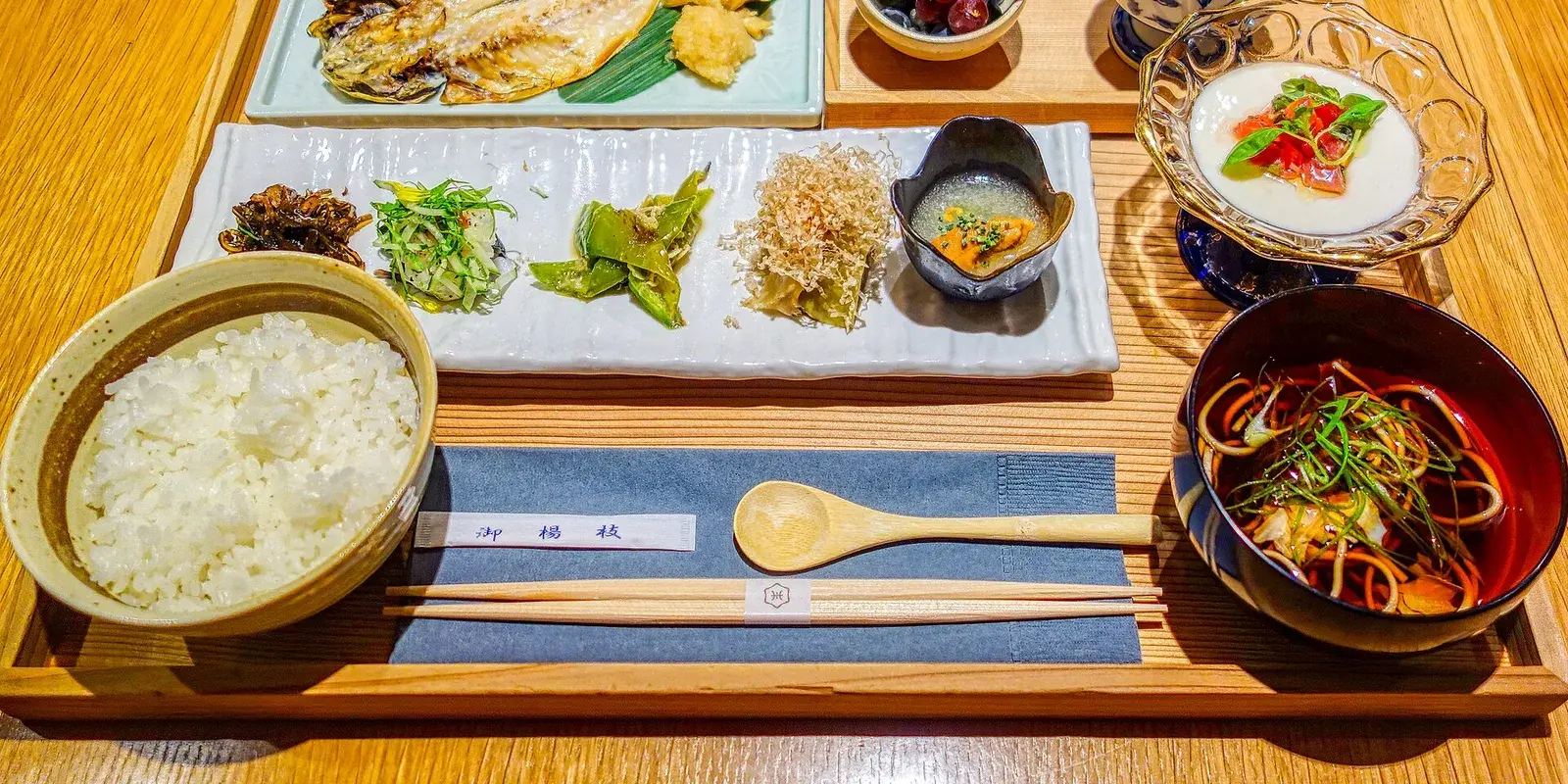
Beyond Chopsticks: What Japanese Diners Actually Notice First
We posted a series of videos asking Japanese people how they feel about foreigners using chopsticks.
The most-liked comment had nothing to do with chopsticks.
まず肘を机に置くな〜〜! First of all, don't put your elbows on the table!
Four likes: the highest engagement of any Japanese comment across all our chopstick videos. While visitors agonize over grip technique, this viewer skipped straight past it to something they considered far more important.
Then another comment reframed the entire conversation:
外着を脱いで着席からスタートで、箸使いだけでもタブーが40弱あり食材でも食べ方が変わる。そんな事を来日旅行者に要求しませんが、麺料理を啜るのがオカシイと他国の文化を押し付けるのは止めて下さい。 From removing your coat before sitting down, there are nearly 40 chopstick taboos alone, and eating methods change with each ingredient. We don't expect visiting tourists to know all this — but please stop imposing your culture by saying slurping noodles is strange.
Two things stood out. First, Japanese dining rules are far deeper than any travel guide shows, and Japanese people know visitors can't learn them all. Second, what frustrates them isn't your imperfect technique. It's being judged for their own.
Those comments sent us down a path we hadn't planned. What do Japanese people actually notice when they watch someone eat? We gathered 351 voices from Japanese online platforms, and discovered that the dining anxiety visitors carry to Japan is aimed at the wrong things entirely.
Quick Guide
| What Visitors Worry About | What Japanese People Actually Notice | |
|---|---|---|
| 🟢 Relax | "Am I holding the chopsticks wrong?" | ~90% of Japanese voices say posture and attitude catch their eye long before chopstick grip. Don't worry about technique → |
| 🟢 This helps most | "What's the single best thing I can do?" | Eat happily. ~79% say seeing someone enjoy the food with a smile matters more than any rule. A genuine "oishii!" changes the whole mood. |
| 🟡 Good to know | "Is it bad to leave food on my plate?" | This one's split. ~48% feel a pang when food goes to waste; it's tied to deep cultural values. But most say: just order carefully, and if you can't finish, that's human. |
| 🟡 Worth knowing | "Should I study all the rules before I go?" | ~45% say trying is enough. ~28% say it depends on the situation. ~27% would like visitors to learn the basics before coming. The consensus: effort matters infinitely more than perfection. |
| 🔴 Worth noting | "Can I comment on Japanese food customs?" | ~49% feel strongly about this. Judging customs like noodle-slurping hits a nerve, even when the comment comes from genuine curiosity. Appreciate first, ask questions second. |
The one thing to remember: Japanese people have been watching visitors eat for decades. They know you don't know the rules. What they notice isn't your technique. It's your attitude. Sit up, smile, and enjoy the food. That alone puts you ahead of what any guidebook could teach.
What do Japanese people actually notice first at the table? We collected 351 public posts by Japanese people. The answer: about 90% notice posture and elbows before chopstick grip, and 79% say what matters most is simply enjoying the food with a smile. Only 3% think chopstick technique is what counts. Sit up straight, say "oishii," and you've already passed the real test.
How This Article Came Together
This article didn't start with a research plan. It started with a pattern in our YouTube comments.
When we posted videos about chopstick etiquette, Japanese viewers kept redirecting the conversation, away from chopsticks and toward things they considered more fundamental. Posture. Attitude. Appreciation. The comments were telling us: you're asking the wrong question.
So we investigated. We collected 351 Japanese voices from online platforms (Q&A sites, forums, surveys, and social media) across six topics: posture, enjoying food, food waste, how much effort visitors should make, reactions to cultural judgment, and generational differences.
A note on what you're reading: This isn't a scientific survey. It's a collection of what Japanese people said in their own words, on public platforms, in Japanese. Some voices are gentle. Some are blunt. Some contradict each other, and that's the point. Dining culture is one of the few areas where Japanese people will say what they really think.
The Thing They Notice Before Chopsticks
Every travel guide starts with chopsticks. Japanese people start somewhere else.
Out of 58 voices about what catches the eye at a dining table, the answer was overwhelming: posture first, everything else second. And the feeling ran deep.
肘つき、立て膝とか無理だ。怒りをおぼえる Elbows on the table, knees up — I can't handle it. It actually makes me angry.
作った人に失礼でしょと…肘をついてたべる姿は「出されたから仕方なく食べている」という姿に見えます It's disrespectful to the person who cooked, isn't it? Eating with elbows on the table looks like "I'm only eating this because it was put in front of me."
That second voice reveals something visitors rarely consider: in Japan, how you sit communicates how you feel about the food, and by extension, the person who prepared it. Elbows on the table doesn't just look lazy. It looks ungrateful.
This isn't something people learn as adults. It's drilled in from childhood:
10代です。親から注意を昔され直しました。小学校はいる前には教えてもらうものではないでしょうか? I'm a teenager. My parents corrected me when I was little. Isn't this something you learn before starting elementary school?
私も40代ですが両親が厳しかったから食事の際に肘をついたり、犬食いしたりしたら即、叩かれました I'm in my 40s, and my parents were strict — if I put my elbows on the table or ate hunched over, I'd get hit immediately.
A 420-person survey (Next Level Inc., 2024) listed "eating with elbows on the table" among the top deal-breakers for a dinner companion, on the same ranking as chewing with your mouth open. And here's the detail that matters most for visitors: this standard applies to everyone. Japanese people judge each other for elbows on the table just as much as they'd notice it in a visitor.
The good news? Simply sitting upright, no special technique required, already signals respect.
What Actually Makes Them Happy
If posture is what they notice first, what makes them genuinely glad you're at the table?
This was the clearest signal in our entire dataset. When Japanese people talk about what makes a meal feel good, the word that comes up again and again isn't manner. It's oishii (delicious).
どんなものでも「おいしい!」って笑顔になってくれる人との食事は、とても幸せな気持ちになります Eating with someone who smiles and says "oishii!" to anything you serve — it makes you feel genuinely happy.
毎回美味しい美味しいって言って食べてくれるので本当に嬉しいし幸せです Every single time, they say "oishii, oishii!" while they eat — it truly makes me happy.
But the most striking insight came from a food specialist describing what makes meals actually work:
「絶対にひどいことを言われない」という心理的安全性がある上で、さらに笑顔で幸せそうな表情で食べてくれるから、こちらまで嬉しくなります It's the psychological safety of knowing they won't say anything harsh — combined with seeing them eat with a happy expression — that makes me feel happy too.
And the reverse? When someone eats correctly but joylessly?
目の前でいやいや口に運んでいくのをみていると、食事がおいしくなくなるし、ものすごくエネルギーを吸い取られた気分でした Watching someone joylessly put food in their mouth... it ruined the meal for me. It felt like my energy was being drained.
Perfect manners with no warmth is worse than imperfect manners with genuine enjoyment. That's the insight no travel guide has ever captured, and it's the single most useful thing a visitor can know about dining in Japan.
You don't need to learn 40 chopstick rules. You need to enjoy the food, and let it show.
The Weight of Leftovers
Here's where the voices split in ways that matter for visitors.
Nearly half of Japanese voices express genuine discomfort with food going to waste. This goes beyond politeness. It connects to something deeper.
むしろ罪悪感無い人いるの? Is there anyone who DOESN'T feel guilty about leaving food?
命を頂いている We are receiving a life.
That second voice, just four words in Japanese, captures a feeling rooted in Shinto animism and Buddhist thought. The word itadakimasu, which visitors learn as "let's eat," literally means "I humbly receive." It's an acknowledgment that something lived and died so this meal could exist. More on itadakimasu →
But the picture isn't one-sided. A significant minority pushes back:
食べ物を残すことが悪いとは思いません I don't think leaving food is a bad thing.
相手の良心に訴えて、反駁し辛い雰囲気を醸成する論法です "Don't waste food" is an argument that appeals to conscience and creates an atmosphere where it's hard to disagree.
And the practical voices, the ones that actually help visitors, say something refreshingly simple:
The real manner isn't cleaning your plate. It's ordering thoughtfully in the first place. Start with less. Add more if you're hungry. In Japan, most restaurants are happy to accommodate smaller portions, and asking for less is far more appreciated than forcing down food you can't finish.
"We Don't Expect You to Know Everything... But..."
This is where the tension lives: the most emotionally complex split in our data.
The comment that sparked this investigation contained a telling phrase: "そんな事を来日旅行者に要求しませんが" (we don't expect visiting tourists to know all this, but...). That trailing "but" is where Japan lives.
The tolerant voices are empathetic, and honest about reciprocity:
おそらく、日本人だって、海外に行く前に、その国のマナーやルールをどれだけ調べているかと言うと、ガイドブックを読む程度でしょう? Honestly, how much do Japanese people research a country's manners before visiting? Probably just reading a guidebook, right?
あなたは間違っていないですよ。でも外国人が間違っているというわけでもありません。彼らは彼らなりに自国の文化的価値観の範疇で礼儀を守っていると思います You're not wrong. But the foreign visitors aren't wrong either. They're being polite within the framework of their own cultural values. (University student, 20s)
And a voice that captures how understanding grows:
日本語多分とっつきづらい言語なのに素晴らしい。現地語挨拶程度くらいは覚えていけ派だったけど意外と難しいことに気づいてからはさらに訪日外国人に寛容になった Japanese is probably a really hard language to start with. I used to think "at least learn basic greetings" — but once I realized how difficult that actually is, I became even more tolerant of visitors.
But the "learn the basics" voices are also worth hearing:
日本語は別に学ばなくて良いけどマナーは守って欲しい You don't need to learn Japanese — but I do want visitors to follow basic manners.
The pattern that emerges: the line isn't between "know everything" and "know nothing." It's between trying and not caring. A visitor who fumbles with chopsticks but sits up straight, says a clumsy "itadakimasu," and smiles at the food: that visitor has already crossed the line into "effort," and Japanese people notice.
"Don't Judge Our Food Culture"
We didn't expect to find this voice in the data. But it was one of the loudest.
The trigger is almost always the same: noodle-slurping. When the "noodle harassment" (nu-hara) debate made international headlines, the Japanese response was sharp:
外国人にとやかく言われる筋合いはない。それだったらラーメン屋、蕎麦屋に入るな! Foreigners have no business telling us how to eat. If you don't like it, don't go to a ramen or soba shop!
おもてなしを一方的に外国人サマへの譲歩と捉えている向きがある。自国の風俗習慣を「殺す」たくらみとしか思えない Some people interpret "omotenashi" (hospitality) as one-sided concession to foreigners. It feels like a plot to kill our own customs.
But alongside the frustration, there were also voices explaining why it stings:
外国人に対して蕎麦の「伝統的な食べ方」を教えるのが正しいおもてなしの心だろ Teaching foreigners the "traditional way to eat" soba is the right spirit of hospitality, isn't it?
The comment from our own YouTube channel captures the core feeling:
麺料理を啜るのがオカシイと他国の文化を押し付けるのは止めて下さい Please stop imposing other countries' culture by saying slurping noodles is strange.
Here's what this tells visitors: the fastest way to create warmth at a Japanese table isn't learning which end of the chopstick to use. It's showing genuine curiosity about why things are done this way, and holding the judgment. The difference between "why do you slurp?" (curiosity) and "slurping is gross" (judgment) is the difference between a conversation and a wall.
For more on the slurping question specifically, see Is It Rude to Slurp Noodles in Japan?
The Generation Myth
When we started collecting voices about generational differences in table manners, we expected a clear pattern: older generation strict, younger generation relaxed.
What we found was different.
マナーもクソもない時代を生きてきた人たちだからね They lived through an era with zero manners.
That comment, with over 900 likes, wasn't talking about young people. It was talking about the elderly.
実感として、若者よりも高齢者の方が断然マナーが悪い In my actual experience, the elderly have far worse manners than young people.
And a study by Nikkei and Mejiro University (2012) delivered the data point that demolishes the "young people have no manners" narrative: only about 30% of Japanese adults across all age groups hold their chopsticks correctly.
Not 30% of young people. 30% of everyone.
親から躾けられなかった人が親になり、子供にも教えない、の連鎖なんでしょうね People who weren't taught by their parents become parents who don't teach their children. It's a cycle.
The real dividing line isn't age. It's sodachi (育ち), the Japanese word for upbringing. Japanese people consistently point to family, not generation, as the determining factor. A 70-year-old who was never taught and a 20-year-old who was never taught have more in common with each other than with their age peers.
One observation captured the modern evolution perfectly:
牛丼チェーン店やラーメン屋に入ると片手でスマホを持ち、耳にはイヤホンして肘をついて食べてる人がほとんど Walk into a gyudon chain or ramen shop — almost everyone is eating with one hand on their phone, earbuds in, elbows on the table.
The dining table standard hasn't disappeared. It's split: formal settings still demand traditional manners, while casual settings have quietly gone their own way. And Japanese people themselves navigate this split every day.
Why does this matter for visitors? Because it means the person sitting across from you at an izakaya probably isn't grading your chopstick technique against some ideal standard. They're navigating the same informal-vs-formal spectrum you are. The playing field is more level than any guide suggests.
What This Tells Us
We started by asking what Japanese people notice at the dining table. The answer came in layers.
Layer 1: The hierarchy is different from what guides teach. Visitors worry about chopstick grip. Japanese people notice posture, attitude, and appreciation, in that order. The skill that matters most isn't in your hands. It's in how you sit and whether you seem to enjoy being there.
Layer 2: Japanese people are arguing with each other, too. Leftovers provoke genuine tension between the "mottainai" instinct and practical compassion. Generational manners defy the "old = strict, young = lax" stereotype. The cultural landscape is more nuanced than any outsider view, or insider view, tends to capture.
Layer 3: The bridge goes both ways. The loudest voices in our data weren't about what visitors do wrong. They were about being judged. The frustration of having your food culture called "strange" by people who've never asked why: that's a wound that runs deeper than any chopstick fumble.
Understanding doesn't require perfection. It requires a willingness to sit upright, eat with gratitude, and ask "why?" before saying "that's weird." Those three things (posture, appreciation, curiosity) are the chopstick technique nobody teaches. And they're the ones that actually matter.
Share Your Experience
Have you eaten at a Japanese table and noticed something the guides didn't prepare you for? Or are you Japanese and have thoughts on what visitors get right (or miss)?
Sources
Japanese Voices (351 voices across 6 topics)
What Japanese diners notice first (posture vs. technique)
- Public Japanese Q&A sites, forums, and social posts: first-hand opinions on posture vs. chopstick technique
Enjoying food vs. correct technique
- https://junkosasai.com/communication/
- Public Japanese Q&A sites, forums, and social posts: first-hand opinions on enjoying food vs. correct technique
Food waste and leftovers
- Public Japanese Q&A sites, forums, and social posts: first-hand opinions on food waste and leftovers
How much effort visitors should make
- Public Japanese Q&A sites, forums, and social posts: first-hand opinions on how much effort visitors should make
Reactions to cultural judgment
- https://www.j-cast.com/2016/11/19283707.html?p=all
- Public Japanese Q&A sites, forums, and social posts: first-hand opinions on reactions to cultural judgment
Generational differences
- Public Japanese Q&A sites, forums, and social posts: first-hand opinions on generational differences in table manners
WMJS YouTube Comments (Primary data)
- Video: 箸の持ち方が変だと嫌われる?(chopsticks_grip)
- Video: 外国人がご飯にお箸ぶっ刺してた…(chopsticks_rice)
Surveys Referenced
- Matching App University / Next Level Inc. survey (2024, published via DreamNews): 420 respondents on dining deal-breakers
- https://www.dreamnews.jp/press/0000298402/
- Nikkei / Mejiro University study (2012): chopstick-holding accuracy across age groups (~30% correct across all demographics)
- https://www.nikkei.com/article/DGXDZO46373710R20C12A9W03201/
Note on Quotations
Quotes from online platforms have been lightly edited for readability (fixing typos, formatting for clarity). The meaning and intent of each comment remain unchanged. Original sources are linked above.
This article is available in languages covering 95%+ of visitors to Japan (based on JNTO 2025 data). Need another language? Let us know through Voice Box.
WMJS is written in Japan, in English, with AI help. We check every page, but English is not our first language. If a sentence reads oddly, tell us. One sentence is enough.
Thank you. A person reads every note.
How well do you know Japan?
Built from 635 public posts by Japanese people
Want to know more? Ask Japanese people
Have a follow-up question about this topic? We'll ask real Japanese people.
Voice Box →