
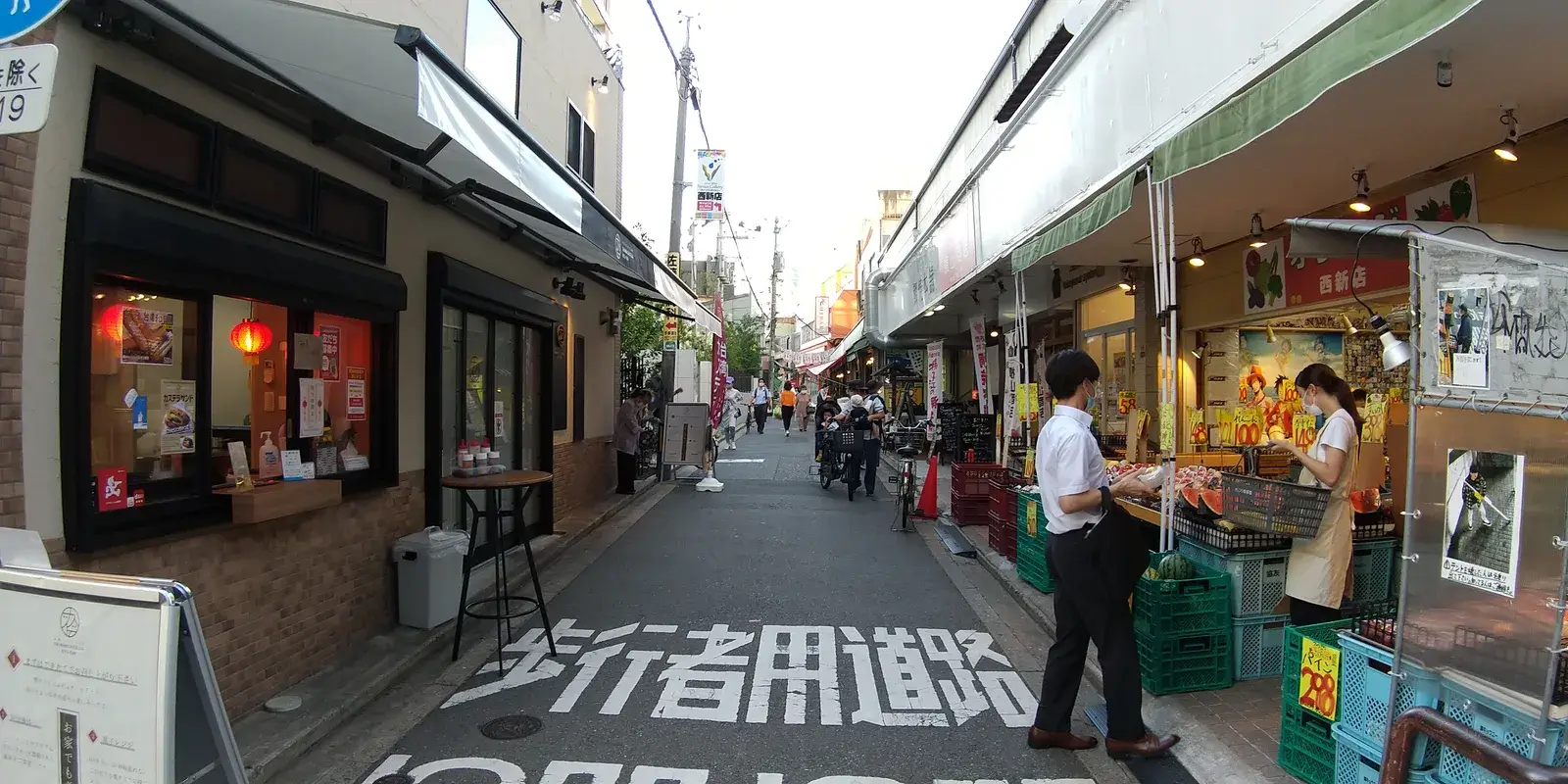
Where Your Money Goes: And Why Staff Chase You Down to Return Your Tip
What you'll learn in this article:
- How 42.7 million visitors spent ¥9.45 trillion in Japan in 2025, and the surprising shift from shopping to experiences
- What 326 Japanese people said about tourist spending: from shop owners to local residents to tourism workers
- Why "how you show up" matters more than how much you spend, and the one thing that earns you genuine warmth
How do tourists spend money in Japan? In 2025, 42.7 million visitors spent a record ¥9.45 trillion, nearly double pre-pandemic levels. The biggest shift: spending moved from shopping to experiences, with accommodation and dining now accounting for 59% of all spending. But when we read what 326 Japanese people wrote about tourist spending, the overwhelming theme wasn't the amount. It was attitude. Consideration earns more warmth than any purchase.
¥9.45 trillion. That's how much visitors spent in Japan in 2025, nearly double the pre-pandemic level.
But here's what the numbers alone don't capture: the number itself isn't what matters to the Japanese people who serve you, cook for you, and live beside you. What matters is something the statistics can't measure.
We took the official spending data published by Japan's Tourism Agency and layered it with 326 real opinions from Japanese people (restaurant owners, shop staff, local residents, and tourism workers) to find out what they actually think when visitors spend money in their cities and towns. We also drew on 411 additional voices about tipping from our companion research.
The numbers tell you where the money goes. The voices tell you what it means.
Quick Guide
| What the Numbers Say | What Japanese People Say | |
|---|---|---|
| 🟢 Good news | ¥9.45 trillion in 2025, visitor spending nearly doubled since 2019, supporting local economies across Japan | Most Japanese people genuinely appreciate the economic contribution, especially when visitors explore local shops and try local food. |
| 🟡 The real story | Spending shifted from shopping to experiences, accommodation and dining now make up 59% of all spending, overtaking shopping for the first time | "お金を落とせばいいって問題じゃない": "It's not just about spending money." Attitude, manners, and small gestures matter far more than the amount. |
| 🔴 The paradox | Japan is the only country where staff chase you to return your tip, because service isn't motivated by money | "Don't tip. Become a repeat customer." The highest compliment isn't cash. It's coming back. |
The one thing to remember: Japanese people welcome your spending, but what really earns their warmth is how you show up. A smile, a few words of Japanese, and basic consideration will take you further than any amount of money.
About the Data
📊 Government statistics: Spending figures are from the Japan Tourism Agency's Inbound Consumption Survey 2025 (Final/確報), the most comprehensive official dataset on visitor spending in Japan. Summary (PDF) · Full data tables (Excel)
💬 Japanese voices: 326 Japanese-language responses collected from public platforms across four topics, plus 411 tipping-related responses from our companion research. Not a scientific survey, but a collection of what real Japanese people said in their own words.
Part 1: The Numbers
All amounts are in Japanese yen (¥). For reference: ¥1,000 ≈ about $7 USD / €6 / £5. Current rates →
¥9.45 Trillion: Where It Actually Goes
In 2025, 42.7 million people visited Japan and spent ¥9.45 trillion. Here's how they spent it:
| Category | Total | Share | Per Person |
|---|---|---|---|
| 🏨 Accommodation | ¥3.46 trillion | 36.6% | ¥84,057 |
| 🛍️ Shopping | ¥2.55 trillion | 27.0% | ¥61,136 |
| 🍜 Food & Dining | ¥2.07 trillion | 21.9% | ¥50,221 |
| 🚃 Transportation | ¥945 billion | 10.0% | ¥22,933 |
| 🎭 Entertainment | ¥424 billion | 4.5% | ¥10,295 |
The biggest story in these numbers? Spending is shifting from things to experiences. In 2024, accommodation and shopping were close at 33.6% vs. 29.5%. By 2025, accommodation had pulled decisively ahead at 36.6% vs. 27.0%. Visitors are choosing longer stays, better ryokan, and deeper cultural experiences over buying more stuff.
Who's Spending, and How Differently
Not all ¥228,782 trips look the same. The way visitors from different countries spend reveals strikingly different travel styles:
| Country | Per Person | Top Spending Category | Avg. Stay |
|---|---|---|---|
| 🇩🇪 Germany | ¥392,251 | Accommodation (46%) | 18.0 nights |
| 🇬🇧 UK | ¥391,320 | Accommodation: ¥192,926 on lodging alone | 14.4 nights |
| 🇦🇺 Australia | ¥386,512 | Entertainment: ¥35,165 (highest of any country) | 13.5 nights |
| 🇪🇸 Spain | ¥362,767 | Food: 23.0% of spend on dining | 13.9 nights |
| 🇫🇷 France | ¥359,869 | Accommodation (44%) | 18.4 nights |
| 🇮🇹 Italy | ¥357,002 | Food: 23.7% (highest among European visitors) | 13.7 nights |
| 🇺🇸 USA | ¥339,708 | Balanced across all categories | 12.0 nights |
| 🇸🇬 Singapore | ¥319,901 | Shopping: ¥100,620 (highest of any country) | 9.1 nights |
| 🇻🇳 Vietnam | ¥303,379 | Accommodation: 48.7% (highest share) | 45.3 nights |
| 🇨🇳 China | ¥246,550 | Shopping: ¥91,457 (2nd highest) | 9.1 nights |
| 🇰🇷 South Korea | ¥105,058 | Food: 27.3% (highest food share ratio) | 4.0 nights |
Two patterns stand out in this data. South Korean visitors spend the least per trip (¥105,058) but visit the most often: 9.4 million visits in 2025, averaging just 4 nights. German visitors spend nearly 4x as much (¥392,251), stay 18 nights, and come far less frequently.
This isn't just a spending difference. It represents two fundamentally different ways of experiencing Japan. And as the voices in Part 2 reveal, Japanese people have strong feelings about which pattern they prefer.
How Spending Has Changed
| Year | Total Spending | Per Person | Key Shift |
|---|---|---|---|
| 2015 | ¥3.48 trillion | ¥176,000 | Shopping-dominated era |
| 2019 | ¥4.81 trillion | ¥159,000 | Pre-pandemic peak |
| 2020–22 | pandemic, near zero | - | - |
| 2023 | ¥5.31 trillion | ¥213,000 | Recovery surpasses 2019 |
| 2024 | ¥8.13 trillion | ¥227,000 | Accommodation overtakes shopping |
| 2025 | ¥9.45 trillion | ¥229,000 | Experience economy arrives |
Total spending nearly doubled since 2019, but per-person spending jumped even more dramatically, from ¥159,000 to ¥229,000 (+44%). The gap is explained by longer stays (average 9.5 nights, up 0.5 from 2024), higher hotel prices, and the weak yen.
But the most telling shift isn't in the totals. It's in what visitors spend on. The move from shopping (34.7% in 2019) to accommodation and dining (now 59% combined) means visitors are choosing to be in Japan rather than buy from Japan. That distinction turns out to matter enormously to the people who live here.
Part 2: What the Numbers Don't Tell You
The data above tells you what tourists buy. It doesn't tell you what the ramen chef feels when someone photographs his bowl, or why the hotel cleaner reports a ¥1,000 tip as "lost property," or what makes a shop owner say "maybe I've been too hard on tourists."
That's where 326 Japanese voices come in, and where the data starts to mean something.
🟢 "We're Grateful," and They Mean It
The majority of Japanese people appreciate tourist spending, but the feeling is more complicated than simple gratitude.
Of 86 responses about how Japanese people feel about tourist spending:
The grateful voices are genuine and warm:
うざいなあっていう一時的な感情は否定できないけど、そのおかげで生活できてるし成り立ってる面もあるので感謝してます I can't deny the occasional "ugh" feeling — but our livelihoods depend on it, and that side of things makes me genuinely grateful.
金が服着て歩いてると思うことにしている。それに悪い人もいるけど気さくでマナーのいい人も多い I tell myself "that's money walking around in clothes." And honestly, while some people cause trouble, many visitors are friendly and well-mannered.
But the complicated feelings are worth understanding too:
経営者がケチなんでしょうね。一泊10万円クラスのホテルでも、従業員は最低賃金ですので The owners are just stingy. Even at hotels charging ¥100,000 per night, the staff are on minimum wage.
極端な話3万円しか使わない観光客が100人来るより、30万円使ってくれる観光客が10人きた方が混雑しなくてありがたい To put it bluntly — we'd rather have 10 visitors who each spend ¥300,000 than 100 visitors spending ¥30,000 each. Less crowding, same gratitude.
And the historical perspective that many Japanese people raised themselves:
日本人も海外旅行を始めたころは、ホテルでステテコでうろうろしたり、バブル期は欧米でブランドもの漁ったり...日本人はすごく嫌われてました。今の外国人観光客のように。日本人は外国人のこと言えないです When Japanese people first started traveling abroad, they wandered around hotels in their underwear. During the bubble era, they went on brand-shopping sprees across Europe... Japanese tourists were really disliked. Just like today's foreign tourists. We're in no position to judge.
That self-awareness came up again and again. And it connects directly to what the spending data shows. Remember the "10 visitors at ¥300,000 vs. 100 at ¥30,000" quote? The data confirms this isn't just a feeling: European visitors who stay 18 nights and spend ¥390,000 on experiences generate far less friction than high-volume, short-stay traffic. The ¥3.46 trillion accommodation boom is exactly the kind of spending Japanese communities welcome, because it means visitors are staying, rather than just passing through.
Meanwhile, the frustration about hotel prices isn't directed at tourists. It's aimed at an industry where ¥100,000/night rooms coexist with minimum-wage staff. The ¥9.45 trillion flows in, but 41% of voices ask: who's actually receiving it?
💡 The mirror
During the bubble era, Japanese tourists were the ones causing headaches in Paris, New York, and Honolulu, and the data shows that era's shopping-heavy spending pattern (34.7%) is exactly what's fading today. The shift toward experiences isn't just a trend. It's what Japan asked for.
🟡 "It's Not About the Money: It's About How You Show Up"
This is the core insight, and the one thing that came through louder than anything else.
Of 70 responses about what matters more (money or attitude):
This was the most consistent theme across all 326 responses. Japanese people didn't say "spend more." They said "show up well."
お金を落とせばいいって問題じゃない It's not just about spending money.
That single sentence was echoed in dozens of variations:
どこの国から来たかより、本当マナー!マナー守れるか、周りに配慮できて自己中にならず楽しめるか、これだけ It doesn't matter where you're from — it's really about manners! Can you be considerate, enjoy yourself without being selfish? That's all it takes.
大金を使ってくれることへの感謝の気持ちを軽々と超えてくるマナーの悪さ Bad manners easily outweigh any gratitude for big spending.
And the flip side, what good manners look like:
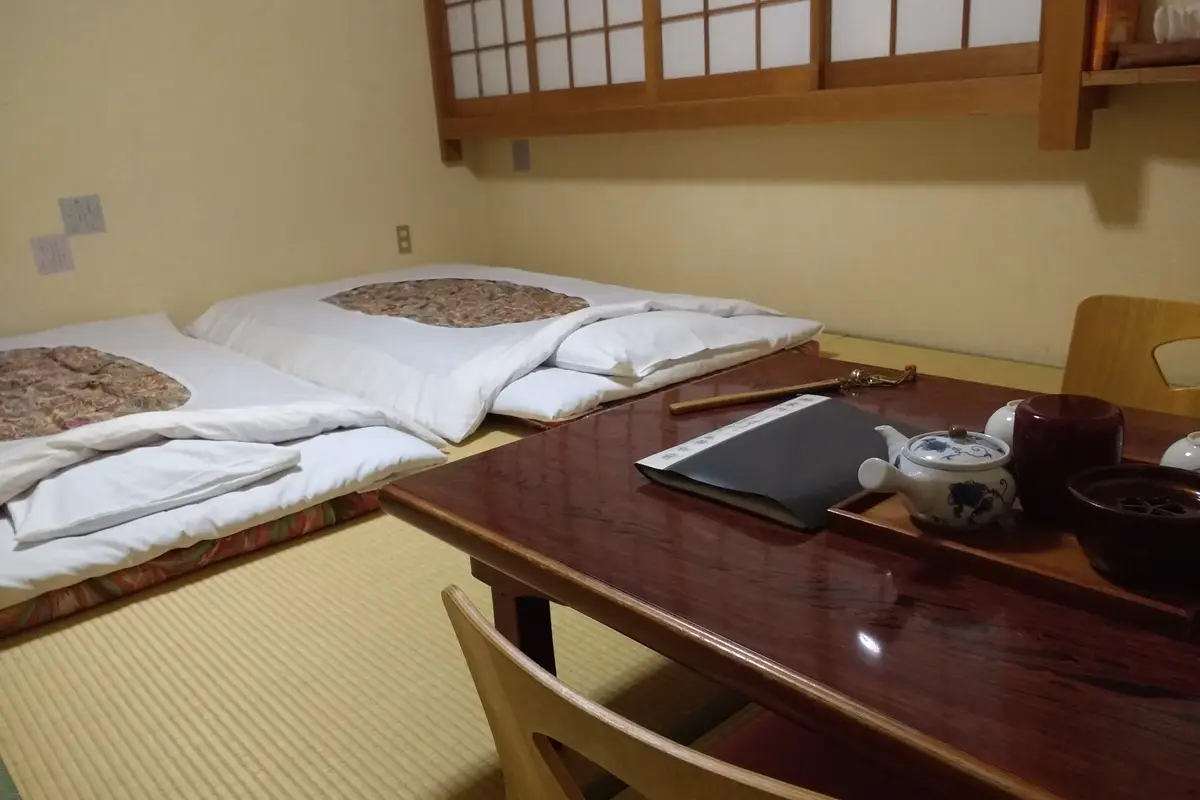
外国人はチェックアウト時に掃除してゴミをまとめて、布団は畳む Foreign guests clean up at checkout — they gather the trash and fold the futon.
コミュニケーションの本質は語学力ではなく相手の言ってることを理解したいという気持ちだよね The essence of communication isn't language ability — it's wanting to understand what the other person is saying.
One tourism industry voice offered a revealing comparison:
Go Toトラベルの客は、インバウンドの客よりも悪かった Go To Travel customers [Japanese domestic tourists on government subsidies] had worse manners than inbound tourists.
When Japanese domestic tourists received deep discounts through the government's travel subsidy program, their behavior was reportedly worse than international visitors'. The issue was never "foreign vs. Japanese." It was "entitled vs. considerate."
Here's where the data and voices converge on the same conclusion. The spending data shows visitors are shifting from shopping to experiences: staying longer, eating local, engaging with culture. The voices say the exact same thing in human terms: "it's not about spending money, it's about how you show up." Even the question of cash or card connects to this: many Japanese people consciously choose cash out of consideration for small businesses. The ¥9.45 trillion is welcome precisely because it increasingly represents genuine engagement rather than transactional consumption.
💡 Where the numbers and feelings agree
The data shows a shift from shopping to experiences. The voices say "attitude matters more than amount." These aren't separate findings. They're the same story told two ways. Visitors who stay longer, eat local, and engage with culture are both the highest spenders and the most welcomed. The numbers and feelings point in the same direction.
💬 What do you think?
Japanese readers: How do you feel about this?Visitors: Have you experienced this in Japan?
Share your voice →🔴 The View from Behind the Counter
What do the people who actually serve you (the ramen chef, the convenience store clerk, the souvenir shop owner) really think?
Of 86 responses from people working in or near businesses that serve tourists:
This is the most positive distribution across all our spending research, and it makes sense. The people who interact with tourists face-to-face are often the ones who have the warmest stories.
A sushi chef offered the most poetic summary:
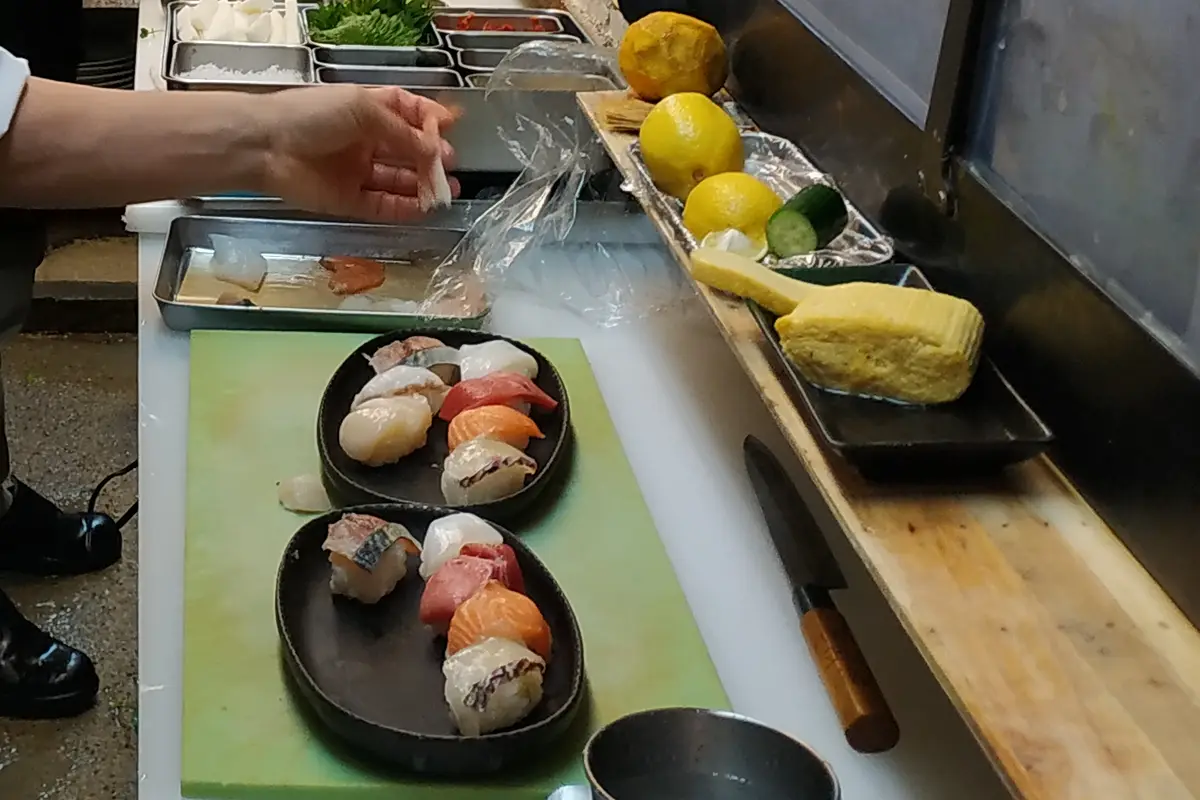
寿司も握るが心も握る I grip sushi, but I also grip hearts.
From a restaurant owner in a tourist area:
客単価は高く、原価率は低く、滞在時間は短い High per-customer spending, low ingredient cost ratio, short dining time.
From a pure business perspective, foreign tourists are often ideal customers. They order well, don't linger, and leave quickly. But not everyone celebrates this:
近所の常連さんが満席で入れなくなるため Our regulars from the neighborhood can't get in anymore because we're always full.
売上が上がってホッとするところもありますが、現場で働いてる人間はただただ疲れます Revenue is up, and that's a relief — but the people actually working the floor are simply exhausted.
And then there are the moments that make it all worthwhile:
外国人観光客に日本語で道を聞かれて笑顔でお礼を言われて...なんか私折角日本を好きで来てくれてる人達にカッカしすぎてたのかなーと A tourist asked me for directions in Japanese, then thanked me with a big smile... I thought, maybe I've been getting too irritated at people who came here because they love Japan.
一生懸命日本語で伝えようとしてくれる人にはジェスチャー交えたりしてこちらも頑張る When someone tries their best to communicate in Japanese, I use gestures and try my best too.
That last pair of quotes reveals something the spending data can't capture: reciprocity. The data shows that local businesses are economically better off with tourist spending: "high per-customer spend, low cost ratio, short dining time." But 49% of staff say they're "happy to serve" not because of the revenue, but because of moments like these. Your effort unlocks their effort.
This is the gap between the ¥9.45 trillion story and the human story. The money matters: small shops in tourist areas depend on it. But what turns a transaction into a relationship is a smile, an attempt at Japanese, a moment of genuine connection. The data tells you visitors are spending more on experiences. The voices tell you why that matters: because experiences are where relationships happen.
💡 Where ¥9.45 trillion meets a single smile
The data says local shops benefit from tourist spending. The voices say what makes it worthwhile is a smile, an attempt at Japanese, a moment of connection. Both are true, and together they reveal what Japan actually wants from its visitors: not just economic engagement, but human engagement.
The Tipping Paradox
Here's where spending culture in Japan takes an unexpected turn. In a country that welcomes your ¥9.45 trillion in tourism spending, staff will literally chase you down the street to return a ¥1,000 tip.
We explored this paradox in depth in our companion article: What Happens When You Tip in Japan?, based on 411 Japanese voices. Here's the essence:
チップ制度はダメだよ。払いたくないからじゃない。日本人の心が汚れる。真心が歪むから Tipping would be terrible for Japan. Not because I don't want to pay — because it would corrupt Japanese sincerity.
チップなんか払わないで、リピーターになってあげて Don't pay tips — become a repeat customer instead.
Japanese service is excellent without tips because the motivation isn't money. It's professional pride, care for the guest, and a belief that everyone deserves the same quality of service regardless of what they pay. Introducing tips would, in their view, break that system.
This captures how Japan thinks about money: welcome the spending, but don't let money define the relationship.
The Generation Gap
One pattern emerged across our 84 responses about generational attitudes toward tourism. A national survey found that people under 40 are more likely to welcome tourism and see its economic benefits, while those over 50 more often cite manner concerns.
But the data tells a more nuanced story than "young = welcoming, old = resistant":
でも、"マナーは改善されていますよ"という話はなかなかテレビでは流してもらえないんですよね The thing is, "manners are actually improving" stories don't make it onto TV. (Tourism journalist)
This is a structural insight: older Japanese people watch more traditional TV, which disproportionately covers negative tourism stories. Younger people get information from social media, where positive cross-cultural interactions are widely shared. The generation gap may be partly a media consumption gap.
賛成派は自分のビジネスに直結している人が多く、反対派は不利益ばかり被っていると感じている人が多い Supporters tend to be people whose businesses directly benefit. Opponents tend to be people who feel they only bear the costs. (Chieko Chiba, tourism journalist)
In other words, the real dividing line isn't age. It's whether you personally benefit from tourism or not. A 70-year-old ryokan owner may be the most welcoming person you meet, while a 30-year-old commuter whose train is packed with suitcases may be the most frustrated.
And yet, even the most frustrated voices often circle back to understanding:
バブルの時代も日本人観光客が嫌われまくってたって有名だよね。自分もやってたことすっかり忘れて外国人ガーやってる年寄り多そう Everyone knows Japanese tourists were hated during the bubble era. There are probably plenty of older people who've completely forgotten they did the same thing, now complaining about foreigners.
What Japanese People Actually Want You to Know
After reading all 737 responses across spending and tipping research, the message wasn't "spend more" or "spend less." It was something more specific, and more actionable.
Your money is welcome. Your consideration is treasured.
The things that cost nothing
- Try a few words of Japanese. "Arigatou gozaimasu" and "sumimasen" go further than any purchase. Staff will light up, and try harder for you.
- Follow the local rhythm. Queue when others queue. Keep your voice at the level of the room. These aren't rules. They're signals that say "I see you, and I respect this place."
- Be patient with small shops. The owner might not speak English, but they want to help you. Pull out your phone translator. Point. Smile. They'll do the same.
The things that cost money, done right
- Eat local. The spending data shows a shift from shopping to dining and experiences. That's exactly what Japanese communities want: visitors who engage with local culture rather than just buying stuff to take home.
- Stay longer in fewer places. European visitors spend the most per trip because they stay 18+ nights and go deep into fewer cities. Japanese people consistently said they prefer fewer visitors who stay longer over more visitors who rush through.
- Skip the tip. Come back instead. The highest compliment to a Japanese restaurant isn't extra money on the table. It's your face at the door again next year.
- Timing matters as much as the destination. The same ryokan costs less and welcomes you more warmly in the months Japanese people secretly hope you'll visit.
Small things that go a long way
- Finish food and drinks before entering shops. Shop owners appreciate when visitors keep food outside: it's one of the most-mentioned ways to earn their respect. The same awareness applies at convenience stores, where a few unspoken customs go a long way.
- Let your attitude speak louder than your wallet. What genuinely earns warmth is consideration rather than the amount you spend.
片言でも話してくれたら日本人察する能力だけは非常に高い部類 Even broken Japanese works — Japanese people are among the best in the world at figuring out what you mean.
More Japanese Perspectives
Curious about other aspects of life in Japan? These articles explore what Japanese people actually think, based on hundreds of real voices.
- What Happens When You Tip in Japan?: 411 Japanese people reveal the real reason behind the "chase," and what they'd rather you do instead of tipping.
- Why Japanese Trains Are Silent: 177 Japanese people explain why train silence is the global exception rather than the rule.
- Do Japanese People Actually Care How You Hold Chopsticks?: 163 Japanese people share the honest truth. Spoiler: there's really only one thing worth knowing.
Share Your Experience
Had a moment in a Japanese shop, restaurant, or market that stuck with you? A shopkeeper who went above and beyond? A cultural surprise around money? We'd love to hear it. Your story helps build a bridge between cultures.
Share your experience on Voice Box →
Sources
Statistical Data (Primary Sources, directly analyzed)
All statistical data was extracted directly from the following government files, downloaded and stored in the article's sources/ directory. See sources/README.md for detailed extraction notes and sheet references.
- Japan Tourism Agency (観光庁): Inbound Consumption Survey 2025 Calendar Year (Final/確報)
- Published: 2026-03-31
- Summary PDF (
inbound_consumption_2025_summary.pdf, 6 pages):- p.1: Country totals, total ¥9兆4,549億円 (+16.4% YoY)
- p.2: Fee breakdown, Accommodation ¥34,578億円 (36.6%), Shopping ¥25,541億円 (27.0%), Food ¥20,688億円 (21.9%), Transport ¥9,449億円 (10.0%), Entertainment ¥4,236億円 (4.5%)
- p.3: Per-person by country, average ¥228,782, with visitor counts and average stays
- p.4: Per-person fee breakdown by country (all purposes + tourism/leisure)
- p.5: Historical trend 2015–2025
- p.6: Prefectural visitor data
- Downloaded from: https://www.mlit.go.jp/kankocho/content/001992584.pdf
- Excel tables (
inbound_consumption_2025_tables.xls, 42 sheets):- Sheet "参考2": Per-person fee breakdown by 21 nationalities with composition ratios (used for country comparison table)
- Sheet "表4-1": Average nights by nationality
- Downloaded from: https://www.mlit.go.jp/kankocho/content/001992581.xls
- Prefectural data (
inbound_consumption_2025_prefectural.xlsx):- Downloaded from: https://www.mlit.go.jp/kankocho/content/001992606.xlsx
- Survey overview page: https://www.mlit.go.jp/kankocho/tokei_hakusyo/gaikokujinshohidoko.html
- Japan National Tourism Organization (JNTO): Visitor Arrivals, 2025 Annual Report
- Total visitors: 42,683,301 (+15.8% YoY, all-time record; JNTO confirmed figure since the 2026-08-19 update, slightly below the January estimate)
- https://www.jnto.go.jp/news/press/20260121_monthly.html
- https://www.jnto.go.jp/statistics/data/visitors-statistics/
Detailed Figures (Primary Source Cross-Reference)
Every specific yen figure and year comparison used in this article traces to the government files above. Values below are given without thousands separators for easy verbatim matching against the article text.
- National per-person average (Excel Sheet "参考2", row "全体"/"全国籍地域"): total 228782, accommodation 84057, shopping 61136, food/dining 50221, transportation 22933, entertainment 10295.
- Per-person total by nationality (Excel Sheet "参考2"): Germany 392251, UK 391320, Australia 386512, Spain 362767, France 359869, Italy 357002, USA 339708, Singapore 319901, Vietnam 303379, China 246550, South Korea 105058.
- Category detail by nationality cited in this article (Excel Sheet "参考2"): UK accommodation 192926, Australia entertainment 35165, China shopping 91457, Singapore shopping 100620.
- Category totals, national (Summary PDF p.2, 図表2): Transportation ¥945 billion (9,449億円, 10.0%), Entertainment ¥424 billion (4,236億円, 4.5%).
- 2024 vs. 2025 category-share comparison (Summary PDF p.2, 図表2): in 2024 accommodation was 33.6% (27,331億円) and shopping was 29.5% (23,952億円); by 2025 accommodation rose to 36.6% (34,578億円) and shopping fell to 27.0% (25,541億円).
- Historical trend, total spending and per-person spending (Summary PDF p.5, 図表7): 2015 total 34,771億円 / per-person 176000; 2019 total 48,135億円 / per-person 159000; 2020-22 total suppressed to 7,446億円 / 1,208億円 / 8,987億円 during the pandemic survey suspension (surveys paused from 2020 Q2 through 2021 Q3); 2023 total 53,065億円 / per-person 213000; 2024 total 81,257億円 / per-person 227000 (consistent with the 2025 figure's stated +0.9% year-on-year change on Summary PDF p.3: 228782 / 1.009 ≈ 226741, rounding to the commonly reported 227000); 2025 total 94,549億円 / per-person 229000.
- Quote-derived figures: the ¥100,000-per-night hotel room figure (100000 yen) referenced twice in the "We're Grateful" section is the respondent's own stated price point (quoted directly as 一泊10万円) rather than an independently sourced statistic. The ¥390,000 figure (390000 yen) for typical European visitor spending is this article's own rounded illustration of the per-person country data above (Germany 392251, UK 391320, France 359869) rather than a distinct source figure.
Primary Research Data
- WMJS spending research data (322 Japanese-language responses collected April 2026)
- Feelings about tourist spending: 86 responses (
spending_gratitude.json) - Attitude vs. money: 70 responses (
spending_attitude.json) - Local shop perspectives: 86 responses (
spending_local.json) - Generational differences: 84 responses (
spending_generation.json)
- Feelings about tourist spending: 86 responses (
- WMJS tipping research data (411 Japanese-language responses collected April 2026)
- Referenced from companion article: What Happens When You Tip in Japan?
Opinion Collection Sources
The following sources were used to collect Japanese people's opinions and sentiments. These are not cited as factual authorities but as platforms where real Japanese people expressed their views on tourist spending.
Feelings about tourist spending:
- Public Japanese Q&A sites, forums, and social posts: first-hand opinions on how Japanese people feel about tourist spending
- https://g-w.st/blog/?p=7548
- https://president.jp/articles/-/95451?page=1
Attitude vs. money:
- Public Japanese Q&A sites, forums, and social posts: first-hand opinions on attitude vs. money
- https://www.newsweekjapan.jp/tokyoeye/2019/12/post-6.php
- https://mbp-japan.com/okayama/mikio/column/5170829/
- https://gendai.media/articles/-/68161
- https://president.jp/articles/-/92141?page=1
- https://shueisha.online/articles/-/251885
Local shop perspectives:
- Public Japanese Q&A sites, forums, and social posts: first-hand opinions from people working in or near businesses that serve tourists
- https://www.inshokuten.com/research/magazine/article/3
- https://cookbiz.jp/soken/news/inshokuten_inbound/
- https://gentosha-go.com/articles/-/8741
- https://g-w.st/blog/?p=7548
- https://yamatogokoro.jp/inbound_data/54293/
Generational differences:
- Public Japanese Q&A sites, forums, and social posts: first-hand opinions on generational attitudes toward tourism
- https://one-inc.co.jp/news/release/954/
- https://www.smbc.co.jp/hojin/report/investigationlecture/resources/pdf/3_00_CRSDReport061.pdf
- https://www.research-plus.net/html/investigation/report/index99.html
- https://hint-pot.jp/archives/175267
- https://ny-future-lab.com/2023/09/15/do-not-be-afraid/
- https://news.yahoo.co.jp/special/inbound-tourism/
- https://gendai.media/articles/-/68161
- https://hint-pot.jp/archives/210287
- https://prtimes.jp/main/html/rd/p/000000223.000033586.html
Note on Quotations
Quotes from online platforms have been lightly edited for readability (fixing typos, formatting for clarity). The meaning and intent of each comment remain unchanged. Original sources are linked above.
WMJS is written in Japan, in English, with AI help. We check every page, but English is not our first language. If a sentence reads oddly, tell us. One sentence is enough.
Thank you. A person reads every note.
How well do you know Japan?
Built from 635 public posts by Japanese people
Want to know more? Ask Japanese people
Have a follow-up question about this topic? We'll ask real Japanese people.
Voice Box →