
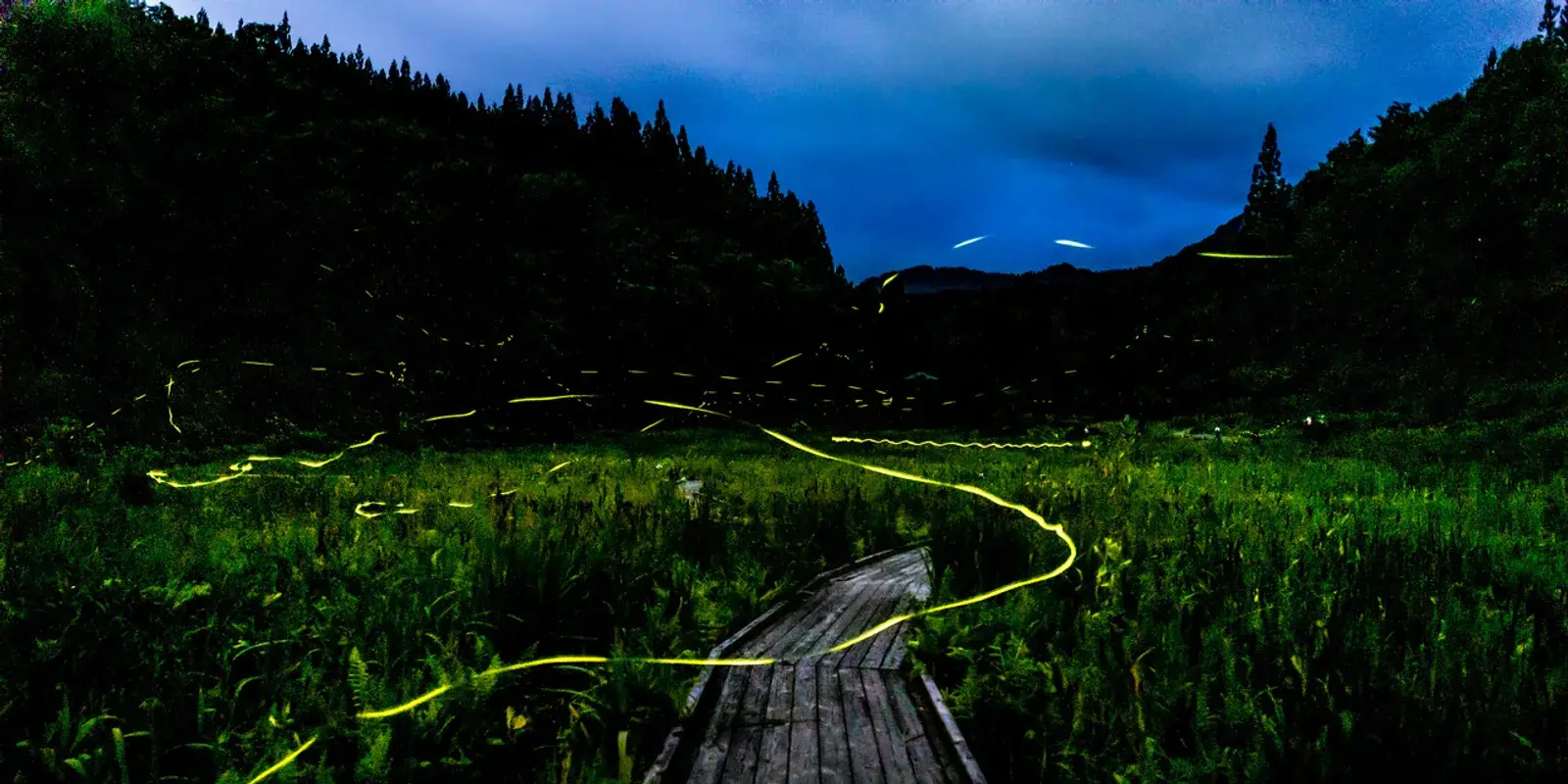
Why Do Japanese People Watch Fireflies in the Dark, and Never Catch Them?
What you'll learn in this article:
- What more than 140 Japanese people said about watching fireflies (hotaru)
- The two small acts that genuinely matter, and the gentle reason behind both
- Why turning your light off doesn't make you see less. It makes you see more.
If you're hoping to catch Japan's fireflies on a summer night and feeling unsure how to do it "right," take a breath. You're going to be just fine. Honestly, the whole thing asks almost nothing of you except to stand still in the dark and watch.
We gathered more than 140 voices from Japanese people, across public Q&A sites, blogs, and social posts, about firefly-watching: the light, the catching, the photos, the quiet, the dark. Most of what we found wasn't a list of rules. It was a kind of shared tenderness toward a tiny creature that glows for only a week or two, and then is gone.
Is it rude to watch fireflies in Japan, or will you somehow do it wrong? We gathered more than 140 Japanese voices. The clear answer: relax. Japan is gentle about almost everything here, but two small acts genuinely matter: turning your light off, and never catching them. Not one voice we found defended taking fireflies home. Both come from the same quiet wish: keep tomorrow's light glowing.
Quick Guide
| Situation | What Japanese People Said | |
|---|---|---|
| 🟢 The kindest thing | Turning your phone or flashlight off | A firefly's glow is how it calls for a mate. Bright light makes it go dark. Switching your light off isn't a rule to obey. It's the whole experience. |
| 🟢 Just watch | Catching them or taking them home | Adults live only about a week or two. Almost everyone says: let them be. Not a single voice defended taking one home. |
| 🟡 Don't stress about | Getting the perfect photo | Even people with tripods and proper cameras often fail completely. Most give up and just look, and say the memory is better anyway. |
| 🟢 Good to know | The dark and the quiet | It's genuinely dark, and people watch in near silence. Daunting at first. Then your eyes adjust, and it turns into something magical. |
The one thing to remember: Japanese people aren't watching you to see if you get it right. They're standing in the dark for the same reason you are. The two gentle acts that matter, lights off and hands off, both protect the same thing: that the fireflies are still glowing here next year, for someone else.
How We Gathered These Voices
We gathered more than 140 Japanese-language voices across seven aspects of firefly-watching: turning your light off, whether to catch them, photographing them, the quiet and the dark, when and where to go, what the fleeting light means, and how the experience differs across generations. We collected these from public Japanese Q&A sites, personal blogs, and social posts.
A quick note: this isn't a controlled scientific survey. It's a collection of what real Japanese people said in their own words, on public platforms. The facts about fireflies themselves (their lifespan, their light, the clean water they need) come from a separate set of sources: government and municipal wildlife pages, conservation societies, and academic research, all listed at the end.
The Temperature Gauge
Firefly-watching works a little differently from a lot of Japanese etiquette, where the honest answer is often "nobody really minds." Fireflies are a place where small acts of care genuinely matter. Not because anyone's judging you, but because a firefly is a fragile, short-lived thing, and the whole experience only works if everyone is gentle together. The good news? The two things that matter most are also the two easiest things in the world to do. Let's walk through what Japanese people actually said.
🟢 Turn Your Light Off
This is the single kindest thing you can do, and once you know why, you'll never want a light on again.
Of 21 voices about lights at firefly spots, the feeling was strong and almost entirely in one direction: the dark is the point.
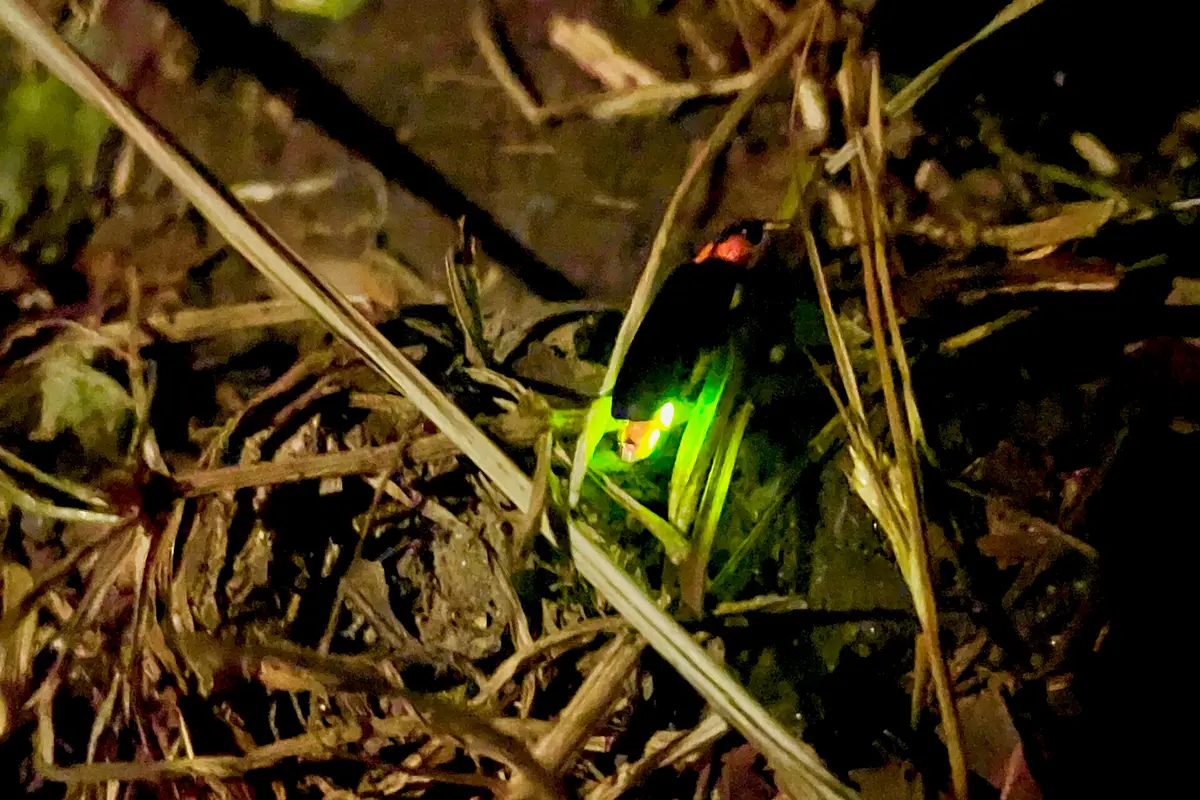
Why does it matter so much? A firefly's light isn't decoration. It's how it speaks. The glow is a courtship signal, the way a male and female find each other in the dark. Shine a bright light nearby and the firefly simply stops. The conversation goes quiet.
自らが光るほたるにとって、周囲が光るのは都合が悪いです。光でコミュニケーションしているので、周りが明るいとコミュニケーションできなくなってしまいます。だから、月がこうこうと輝くよりも、闇夜が好きなんです。 For a creature that glows by its own light, having light all around is a problem. They communicate with light, so when it's bright, they can't. That's why they prefer a dark night to a bright moon.
ホタルの生息地で赤い懐中電灯を振り回したり、赤い足元灯を点けるのは止めて欲しい。ホタルは確かに白い光よりは、赤い光の方が感度は鈍いだろうが、赤い光が見えていないわけではない。その証拠に赤い光だろうが向けて付けると発光を止める。 Please don't wave a red flashlight around or leave a red footing-light on in a firefly habitat. They may be less sensitive to red than white light, but it's not invisible to them. The proof: point any light at them, even red, and they stop glowing.
And the loveliest part: you don't actually need a light at all. People who go every year describe the same trick: arrive while there's still a little dusk, let your eyes adjust, and the dark stops being dark.
大丈夫、早めに到着するようにして、目を慣らせば懐中電灯は必要なくなります。あなたが思っているよりも夜は明るいです。 It's okay — arrive early, let your eyes adjust, and you won't need a flashlight at all. The night is brighter than you think.
In one mountain village, a writer noticed that the residents switch off their own house lights all through June, just so visitors can see better, and called it, simply, a kindness. Turning your light off isn't a sacrifice. It's a small act of omoiyari, the quiet Japanese habit of imagining how your actions land on the people (and creatures) around you. You give the dark back to everyone, and the dark gives the fireflies back to you.
💡 Why the dark is the whole point
A firefly's glow is how it calls for a mate. Shine a bright light nearby and it stops glowing. Turning your light off doesn't make you see less. It makes everyone see more.
🟢 Just Watch, Don't Catch
Here's the second thing that matters, and it's just as easy: look all you want, but let them stay.
Of 25 voices about catching fireflies or taking them home, the feeling was overwhelming, and remarkably tender.
The reason is simple, and it's the same as the light: a firefly's life is almost unbearably short. As adults, they barely eat. They sip a little dew and spend their week or two doing one thing: finding each other, and laying the eggs that become next year's light. Take one home and it dies, having never finished. Many people described the same small heartbreak:
蛍持ち帰っても直ぐに死んじゃいますよ。自然的に生活してるので、放置して見るのがマナーかと思いますよ。 Even if you take a firefly home, it dies right away. They live in nature, so the manners are to leave them be and just watch.
花見の時に、桜の枝を折って帰る人はいないのに、ホタルは捕まえて帰る人がいます。 At cherry-blossom time, nobody snaps off a branch to take home — yet some people catch fireflies and carry them away.
That cherry-blossom comparison says everything. To many Japanese people, a firefly is like a blossom: something you go to, witness, and leave where it belongs. There's even a gentle math people repeat: if everyone took "just one," there'd be none left.
ホタル飛ぶ素敵な光景を目撃させてもらっているんだから、人間の勝手な自己満足を押し付けちゃいかんのではと悲しくなる。見守ろうよ。 We're being allowed to witness this lovely sight of fireflies in flight — so it makes me sad to think of forcing our own selfish satisfaction onto them. Let's just watch over them.
And if you're traveling with kids who desperately want to hold one? You're in good company. Plenty of Japanese adults admitted they themselves caught fireflies as children, before they understood. One person put the shift gently:
ホタルを捕まえたいというのは人間の本能なのかもしれません。昔はたくさん飛んでいたから当たり前のように捕まえていた。でも、今は時代が違うのです。本当は見るだけにするのが一番いい方法です。 Maybe wanting to catch fireflies is just a human instinct. Long ago there were so many that everyone caught them without thinking. But times are different now. Really, just watching is the best thing of all.
One practical note that's actually about kindness, not rules: fireflies are astonishingly fragile, and a slightly rough hand can injure one without you meaning to. So the safest, gentlest move is simply not to touch. In some towns, catching fireflies (and even the river snails they feed on) is restricted by local conservation rules, with small fines in protected areas. It's not a nationwide ban. It's just communities protecting something they nearly lost.
💬 What do you think?
Japanese readers: How do you feel about this?Visitors: Have you experienced this in Japan?
Share your voice →💡 The number that explains everything
A firefly lives as an adult for only about a week or two, barely eating, just glowing to find a mate and lay next year's eggs. That's why "just watch, don't catch" isn't a rule. It's a way of keeping the light going.
🟡 Your Phone Won't Catch It (and That's Okay)
You're going to want to photograph it. You probably won't manage. And almost everyone says that's exactly when the night gets good.
Of 32 voices about photographing fireflies, a clear and slightly funny pattern emerged: people try, people fail, and people end up grateful they just looked.
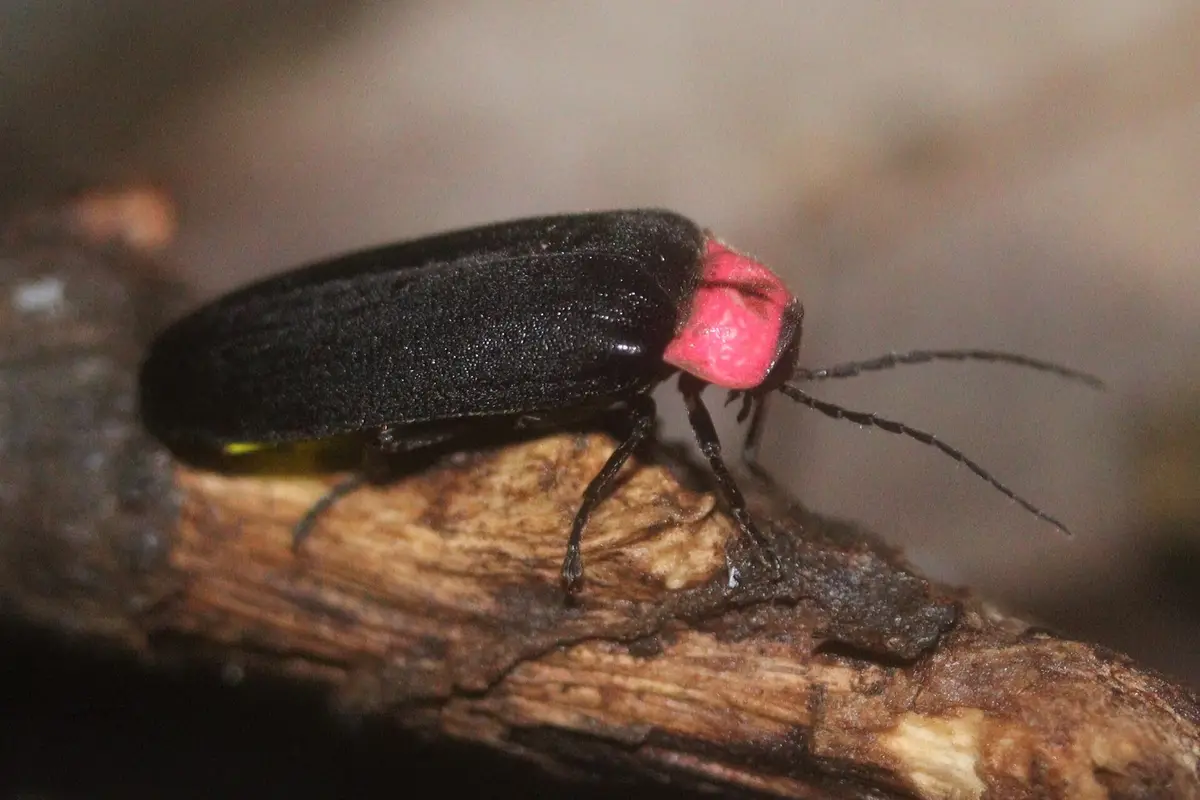
This is the one place where you can completely relax, because the thing you're worried about (getting a beautiful shot) turns out to be nearly impossible even for serious photographers. A phone, in particular, just can't do it:
ホタルの光は肉眼ではとってもキレイで、飛んでる蛍もたくさんいたのです。でも、スマホでの撮影はコレが限界。甥っ子に「スマホ画面にゴミついてる」言われた。 To the naked eye the firefly light was so beautiful, and there were so many flying. But this was the limit of what my phone could capture. My nephew told me, "There's dirt on your screen."
いざ、一眼レフで撮影しようと三脚、レリーズ持参で撮影したのですが、蛍の光をまったく写真に納めることが出来ず、悔しい思いをしました。 I came ready to shoot with a DSLR, a tripod, and a remote release — and I couldn't capture the firefly light at all. It was so frustrating.
So here's the permission almost every Japanese voice gives you: stop trying, and just be there.
スマホでの撮影はほぼ真っ暗になってしまうので、潔く諦めて「目に焼き付ける」のが一番の正解です。 Phone photos come out almost pitch black, so the best answer is to gracefully give up and burn it into your eyes instead.
動画には全然映らなかったけど、だからこそ自分のその肉眼で見て肉眼に焼き付けなさいってこと。 It didn't show up in the video at all — but that's exactly the point: see it with your own eyes, and burn it into them.
There's a quiet wisdom hiding in those failed photos. The same light that's too faint for your camera is also why this place stays special: the fireflies need it pitch dark, and the moment someone raises a bright screen or a flash, the spell breaks for everyone nearby. (This is a different thing from photo etiquette around people and temples: here it's not about privacy, it's about the dark itself.) Even photographers who do bring tripods describe the long exposure turning into something unexpected: minutes of standing still, just watching the fireflies drift, while the shutter stays open. They came to shoot, and ended up doing the very thing everyone recommends: looking.
💡 Why "I couldn't get a photo" is a happy ending
The firefly light that's too faint for any phone is the same light that needs total darkness to exist. Most people try, fail, and discover the memory was better than any photo could be.
🟢 The Quiet, and the Dark
Two things surprise first-timers: how dark it really is, and how quiet everyone keeps. Both feel strange for about five minutes. Then they become the best part.
Of 29 voices about the darkness and the hush, feelings split almost evenly between "this is the magic" and "this was genuinely daunting at first," which is exactly the reassurance you need.
Let's be honest about the dark first, because nobody warns you: at a real firefly spot, it can be properly, can't-see-your-feet dark.
実際真っ暗で、足元は見えず、どこが池なのかもわからないのに、カエルの鳴き声はすぐそばから大量に聞こえて、、、私だけは入り口で断念しました(笑)。 It was genuinely pitch black — I couldn't see my feet or even where the pond was, and the frogs were singing right next to me at full volume. I gave up at the entrance, just me (laugh).
So a little practical care helps: wear long sleeves, bring bug spray, walk slowly, and use a tiny light pointed at your feet if you need it to stay safe. But here's what the people who keep going want you to know: the dark isn't something to survive. It's something that opens up:
暗いのがダメな人は、危険な位真っ暗です。でも、その先には、星空のようなホタルの光がキレイで。ものすごい感動しました。 If you're not good with the dark, it's dark to the point of feeling unsafe. But beyond that darkness, the firefly light is as beautiful as a starry sky. I was completely moved.
「何もなくなって、真っ暗、怖い」って感じるかもしれません。じつは、明かりがなくても夜は思ったよりもずっと明るいし、生きものたちのコーラスが聴こえます。 You might feel, "There's nothing here, it's pitch black, it's scary." But actually, even without light, the night is far brighter than you'd think — and you can hear the chorus of living things.
And the quiet? It isn't a stern rule. It's what happens naturally when something this delicate appears. People describe a whole crowd holding its breath together, and then, when the first firefly rises, the hush breaking into soft gasps anyway, because nobody can help it.
あの神秘的な光を、暗い中でみんな息を詰めるようにして見ています。 Everyone watches that mysterious light in the dark, as if holding their breath.
You don't need to be perfectly silent. You just lower your voice, the way you would in a quiet shrine, which, in a way, is what a firefly riverbank becomes after dark. If you've felt that hush on a Japanese train, you already know the feeling; Japanese people themselves find that quiet a little unusual, and they don't expect you to be perfect at it.
💡 The dark is daunting for five minutes, then magical
Real firefly spots are properly dark and nearly silent. It feels strange at first. Then your eyes adjust, the night opens up, and the light becomes, in one person's words, "as beautiful as a starry sky."
When and Where (and Why It's Okay to Miss It)
The most common worry we saw wasn't about manners at all. It was simply when. Fireflies are gloriously unreliable, and that's part of their charm. Here's what's true enough to plan around:
- Season: roughly late May to early July, depending on where you are: earlier in warmer western Japan, later in cooler and mountainous areas. It's a window of weeks, not months.
- Time of night: the peak is about 30 minutes to two hours after sunset. Come too late and the show fades.
- Weather: fireflies fly most on warm, humid, windless nights: cloudy, or just after rain. On cold, windy, or bright-moonlit nights, they mostly stay put. (This is one more reason to love Japan's rainy season: a muggy evening after the rain is prime firefly weather.)
It's a lovely symmetry: the same early-summer rain that brings out the fireflies at night also fills the daytime with hydrangeas glowing in the wet: the day's quiet flower and the night's quiet light, sharing one rainy season.
But here's some reassurance, straight from Japanese people themselves: locals miss the timing too, and don't always know the secret spots. You are not expected to get this perfect.
見ごろは少し過ぎてたようで、乱舞とまではいきませんでしたが、それなりに見ることができました。 It seemed I was a little past peak — it wasn't a full swirling display, but I still got to see them, in their own way.
気まま気まぐれなホタルゆえ、出るのか出ないのか、時間と気持ちに余裕がある方は、ちょっとのぞいてみてください。 Fireflies are free and fickle, so who knows if they'll appear — if you've got a little time and an easy heart, just go take a peek.
That's the spirit to bring. If you catch a riverbank full of them, it'll be one of the most beautiful nights of your trip. If you catch only a few drifting lights, that's still the real thing, and the people around you will be just as happy. For where fireflies fit into the wider rhythm of the year, our month-by-month guide to visiting Japan can help you place them alongside everything else early summer offers.
The Bigger Picture
Step back from the lights-off and hands-off advice, and a single, gentle logic ties it all together, and it has almost nothing to do with "Japanese people being delicate by nature."
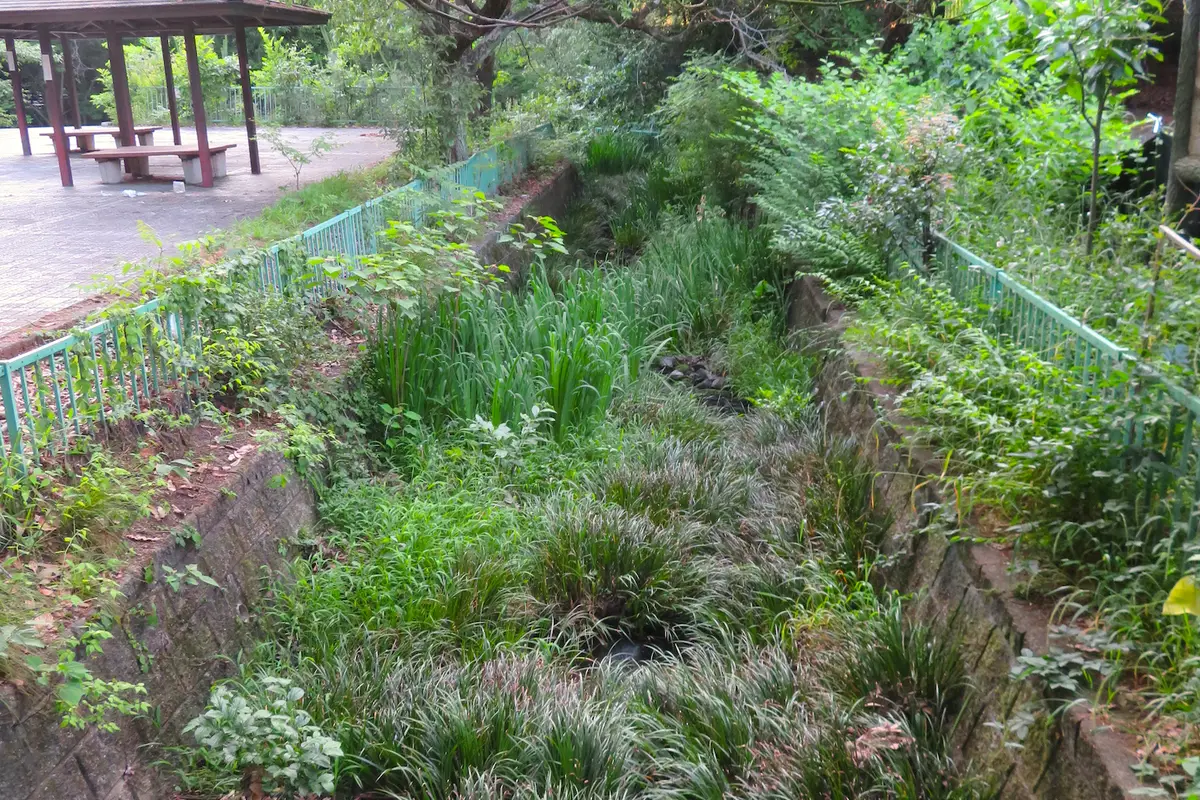
It's a system, not a personality. Every piece of firefly etiquette traces back to the same biology. The adult firefly lives only about a week or two, barely eating, glowing to find a mate before it dies. Its light is a courtship signal, so artificial light interrupts the one thing it has time to do. Its young grow only in clean, flowing water, feeding on small river snails, which means a glowing riverbank is, quietly, a sign of clean water. Put those facts together and the "rules" stop being rules: don't add light (it stops the courtship), don't catch them (you remove next year's eggs), keep the water and the dark intact (that's the whole habitat). Nobody has to memorize manners. The fireflies' fragility writes the manners for you.
It's also a story of loss, and of people who fought it. Older Japanese people remember when fireflies were ordinary: "right behind the house," "nothing special at all," filling the small streams of childhood. Then, in the postwar decades, polluted water and concrete-lined rivers wiped them out across much of the country. What you see today is, in many places, something a community deliberately brought back: protecting the snails, cleaning the streams, building habitats by hand. The grief of that loss runs deep in the voices we read:
今はコンクリートに覆われた、草一つも生えてない川になっている。もうホタルもドジョウもザリガニもなんにもいない。昔見た風景がなくなっていくのは、なんだかさみしいね。そこで作られた思い出は、我が子には経験させてあげることはできないんだなぁ。 Now it's a concrete river with not a single blade of grass. No fireflies, no loaches, no crayfish — nothing. It's a little lonely, watching the scenery I knew disappear. The memories made there, I can't give to my own children.
That's why the small acts carry so much weight. When you turn your light off, you're not just being polite. You're joining a long, mostly invisible effort to keep something rare from vanishing again.
And there's a kind of beauty Japan has always reached for here. The fireflies belong to the same family of feelings as cherry blossoms: things made more precious, not less, by how briefly they last. Where blossoms bloom all at once and fall within days, fireflies glow for a handful of nights in the dark and are gone. The response isn't to grab and keep. It's to go, witness, and let go. People carry these few minutes for decades:
夏になると、高知県に住む祖父が、ホタルを虫かごに入れて送ってくれました。その祖父が亡くなって30年になりますが、毎年夏になると、祖父への思いが募ります。 Every summer, my grandfather in Kochi would send me fireflies in a little cage. He passed away thirty years ago now — but every summer, my thoughts of him come flooding back.
You don't need to understand all of this to enjoy a firefly night. But it's why a quiet, lights-off, hands-off visitor is so genuinely welcome. Without saying a word, you're treating the fireflies exactly the way the people around you treasure them: as a borrowed light, to witness and pass on.
💡 The manners write themselves
Firefly etiquette isn't about national character. A week-long life, a glow that's really a mating call, and young that need clean water: those facts alone explain every piece of advice. Be gentle, and you're already doing it right.
More Japanese Perspectives
Curious about other moments where a little understanding goes a long way? These are built the same way, on hundreds of real Japanese voices.
- Why Japanese Trains Are Silent: the same gentle hush you'll feel at a firefly riverbank, explained by 177 Japanese people.
- No Trash Cans, No Problem: how Japanese people really feel about the "carry it with you" culture, from 232 voices.
- Japan's Summer Has a Loud Side Too: if fireflies are the quiet summer night, fireworks are the loud one. Both are worth catching.
Share Your Experience
Have you watched fireflies in Japan, or somewhere else in the world? We'd love to hear what it was like. Your story helps us build a bridge between the people who travel here and the people who live here, and we may add new voices to this article.
Share your experience on Voice Box →
Sources
Primary Research Data
- WMJS firefly-watching research data (more than 140 Japanese-language voices collected June 2026), across seven aspects:
- Turning your light off: 21 voices
- Catching vs. watching: 25 voices
- Photographing vs. remembering: 32 voices
- The quiet and the dark: 29 voices
- When and where (and missing it): 20 voices
- The fleeting feeling: 13 voices
- Generational differences: 9 voices
Factual Sources (firefly biology, conservation, and viewing conditions, Tier 1-2)
These public, official, and academic sources were used to verify every factual claim in this article (firefly lifespan, the courtship function of their glow, sensitivity to artificial light, dependence on clean water, regional differences, viewing season, conservation history, and collection rules).
- Shiojiri City, "The Life of the Genji Firefly": https://www.city.shiojiri.lg.jp/soshiki/77/3814.html
- Kitakyushu City, firefly viewing points and notes: https://www.city.kitakyushu.lg.jp/contents/05101048.html
- Kurashiki City, "Let's Go See Fireflies": https://www.city.kurashiki.okayama.jp/kurashi/kankyo/1003374/1003417/1012554/1010531.html
- Aizuwakamatsu City, firefly ecology: https://www.city.aizuwakamatsu.fukushima.jp/docs/2007081000620/
- Tatsuno Town (Nagano), history of firefly conservation: https://www.town.tatsuno.lg.jp/gyosei/soshiki/sangyoshinkoka/kankosite/1/1205.html
- Moriyama City (Shiga), firefly protection ordinance: https://www.city.moriyama.lg.jp/machikankyobousai/kankyo/1001808/1001835.html
- Kochi City, firefly protection: https://www.city.kochi.kochi.jp/soshiki/186/hotaru.html
- Tokyo Metropolitan Government (GO TOKYO), firefly viewing in Tokyo: https://www.gotokyo.org/jp/see-and-do/nature/waterfront/seeing-fireflies-at-tokyo.html
- Ministry of the Environment, National Water Organism Survey: https://www.env.go.jp/press/press_05029.html
- Ministry of Land, Infrastructure, Transport and Tourism (Ota River), Genji firefly ecology: https://www.cgr.mlit.go.jp/ootagawa/Monosiri/floor5/seitai/GenjiBotaru.htm
- Biological Laboratory (Iguchi Yutaka), geographic variation in Genji firefly flash patterns: https://biolab.sakura.ne.jp/genji.html
- Saga TV, regional differences in firefly flashing confirmed by Saga University: https://www.sagatv.co.jp/news/archives/2020013101913
Opinion Collection Sources
The following are places where real Japanese people shared their feelings about firefly-watching. They are not cited as factual authorities, but as public spaces where people spoke in their own words: public Japanese Q&A sites and community forums, personal blogs and essays, and social posts. Individual anonymous comments are gathered here under "Japanese voices" rather than attributed one by one.
Note on Quotations
Quotes from online platforms have been lightly edited for readability (fixing typos, formatting for clarity). The meaning and intent of each comment remain unchanged. Original sources are linked above.
WMJS is written in Japan, in English, with AI help. We check every page, but English is not our first language. If a sentence reads oddly, tell us. One sentence is enough.
Thank you. A person reads every note.
How well do you know Japan?
Built from 635 public posts by Japanese people
Want to know more? Ask Japanese people
Have a follow-up question about this topic? We'll ask real Japanese people.
Voice Box →