
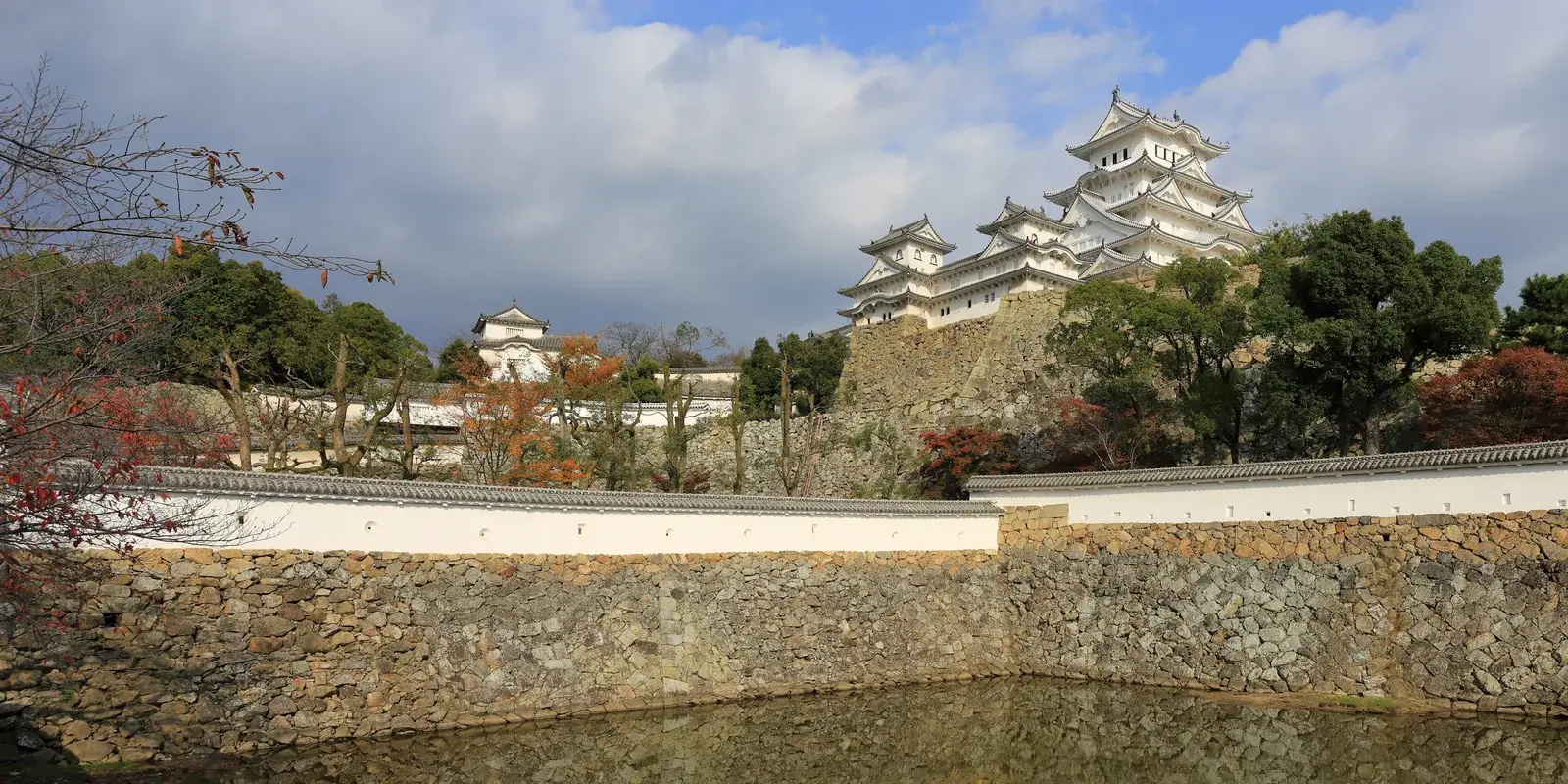
Is Himeji Castle Worth It? Why the "Empty" Inside Is the Whole Point
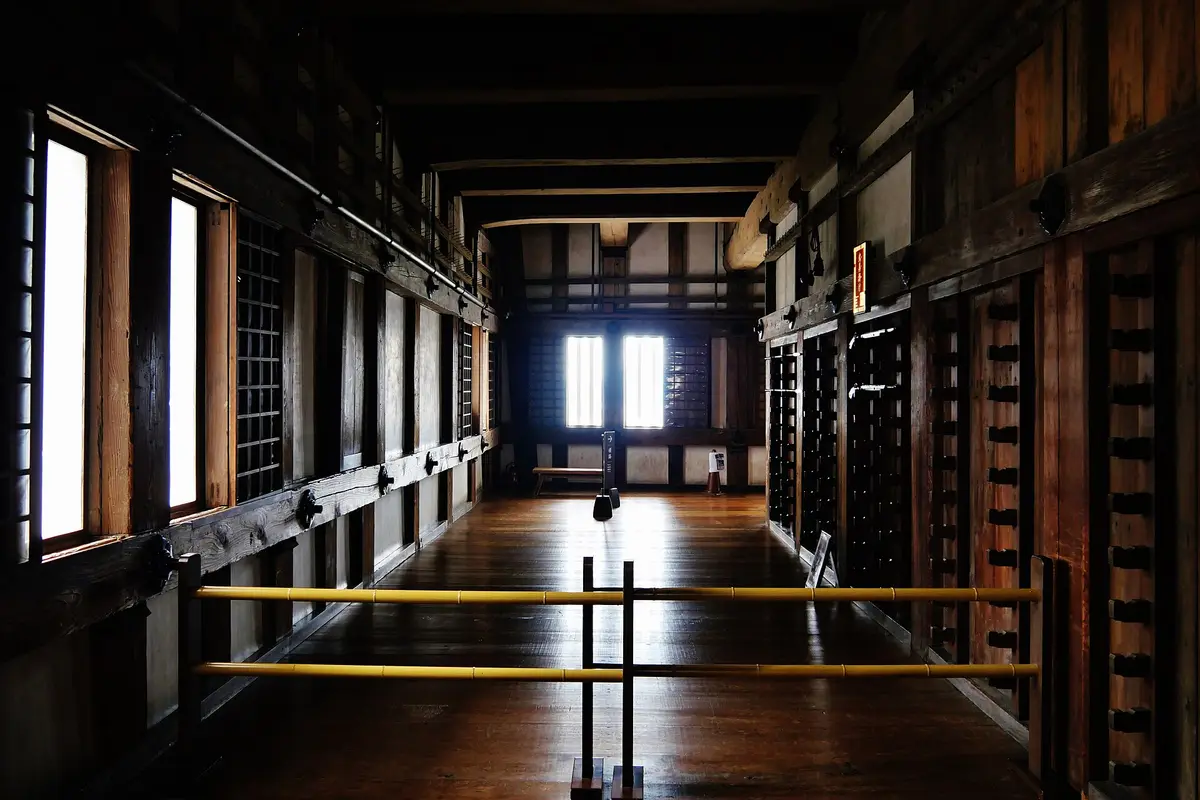
You have seen the photo: a white tower floating above its hill, so clean it looks computer-drawn. So you arrive picturing a grand museum inside: armor in glass cases, painted screens, rooms set up the way a lord once lived. Then you take off your shoes, climb a steep wooden ladder of a staircase, reach the top a little out of breath, and find… bare timber, and a view. Some people walk out thinking there was nothing in there.
Here is the short answer, and everything below explains the empty keep behind it: yes, it's worth it, and the single most preventable disappointment is expecting a museum and finding a bare wooden tower, because the bare wooden tower is the treasure. The building itself is the exhibit.
Is it worth the trip? (in visitors' own words)
We gathered the voices of international travelers, most of whom have actually been to Himeji, and read them with one question in mind: was it worth it? Counting each voice once, here is how they fell:
Of the 122 travelers who loved it, 21 gave the same reason: it is real. One put it best: "Himeji castle is the real deal and, as a result, is entirely authentic, including the small, thick doors and small windows. There isn't much inside the interior but I find it interesting because of the construction, including the huge wooden beams." Another, ranking it against the more famous concrete keeps: "Unlike Osaka and Wakayama (which are both concrete reconstructions) Himeji is one of the 12 original castles." And 22 of them ranked it first among Japan's castles: "arguably the best castle in Japan. Absolutely worth the short trip from Osaka."
Now look at that thin red sliver, because it is the entire reason this page exists. Of the 16 let-down voices, 7 found little to see inside and 8 hit the crowds and the queue (2 of them both), and both can be planned around. "The exterior is really nice, but inside it's quite bland. There is not much to see," one wrote. Another, more precisely: "The lack of info in Himeji Castle was a bit disappointing. Things might be different now, as I went in 2019, but I found it really hard to picture how each room would have been used. Even an info board with some illustrations would have made a huge difference." They didn't dislike the castle. They expected a museum like Osaka's ("Osaka castle is beautiful with a museum on the inside") and met an empty wooden fortress instead. Mismatch, not a bad castle.
And the fat middle band? That's the most practical voice on the page: see it, but go in clear-eyed. As the most-upvoted comment we collected from its thread said, "most Japanese castles are fairly disappointing on the inside. Even Himeji, which is one of the best preserved, has a rather empty interior. Having said that, we had a guide who told us stories as we toured the Himeji Castle and its grounds, and that really made a difference." More on that fix below.
How Japanese visitors feel about the same castle
Here is the layer most guides skip: what Japanese visitors say, in their own reviews, about the very same building.
Four in five treasure it: "I'm convinced it's Japan's best," "as expected of a World Heritage site, you're overwhelmed," "my 4th visit, and I'm moved every time." And notice what they treasure: not displays, but the building's own body. One wrote, "touching the thick wooden beams that hold up the castle, I felt their energy." Another, on the same steep stairs that wear other visitors out: "the old, steep staircases let you feel the past. It was thrilling."
But here is the most useful line on this whole page, and it comes from a Japanese visitor who gave the castle five stars: "It wasn't boring, but it was unsatisfying. You just climb up and up inside an empty castle, and you don't really learn any history." Read that again. The "there's nothing inside" observation isn't a foreign misunderstanding. Japanese visitors notice it too. The fork in the road was never nationality. It's expectation. The people on the awe side and the people on the let-down side are looking at the exact same bare timber; one came to see a museum, the other came to touch a four-hundred-year-old building. This page exists to put you, before you go, on the side that leaves moved.
The small Japanese red bar is about the visit more than the building: the crowds and the queue, a closed day or a missed last entry, and that one empty keep. The body is a different and gentler thing, and it mostly comes from people who loved it: 22 of the 102 reviews mention the steep, narrow stairs, 16 of them in the treasured group. "A graceful castle, but it's a test of stamina. It's stairs all the way up to the keep … narrow and steep," one wrote; "the hot summer is rough, and since you take off your shoes for the keep, the cold winter looks rough too." And a quiet note about the price, in 9 of the 102: more on all of it below.
What we wish you'd noticed
The "empty" inside is not a castle that lost its museum. It's a castle that never pretended to be one. Only twelve original keeps are left in Japan; every other keep you can climb was built or rebuilt later, and some of the most famous are twentieth-century concrete. Osaka's, rebuilt in 1931 in steel-framed reinforced concrete, has elevators and a museum inside. Himeji is wood. The keep completed in 1609 was taken apart, repaired and put back together in 1956–1964, but never rebuilt: one of the twelve, and the best-preserved of them. Its emptiness is the proof. There are no furnished rooms because the lord never lived up here; he lived in the residence below, and the great keep stored weapons and supplies. You are not visiting a model of a castle. You are climbing the actual building.
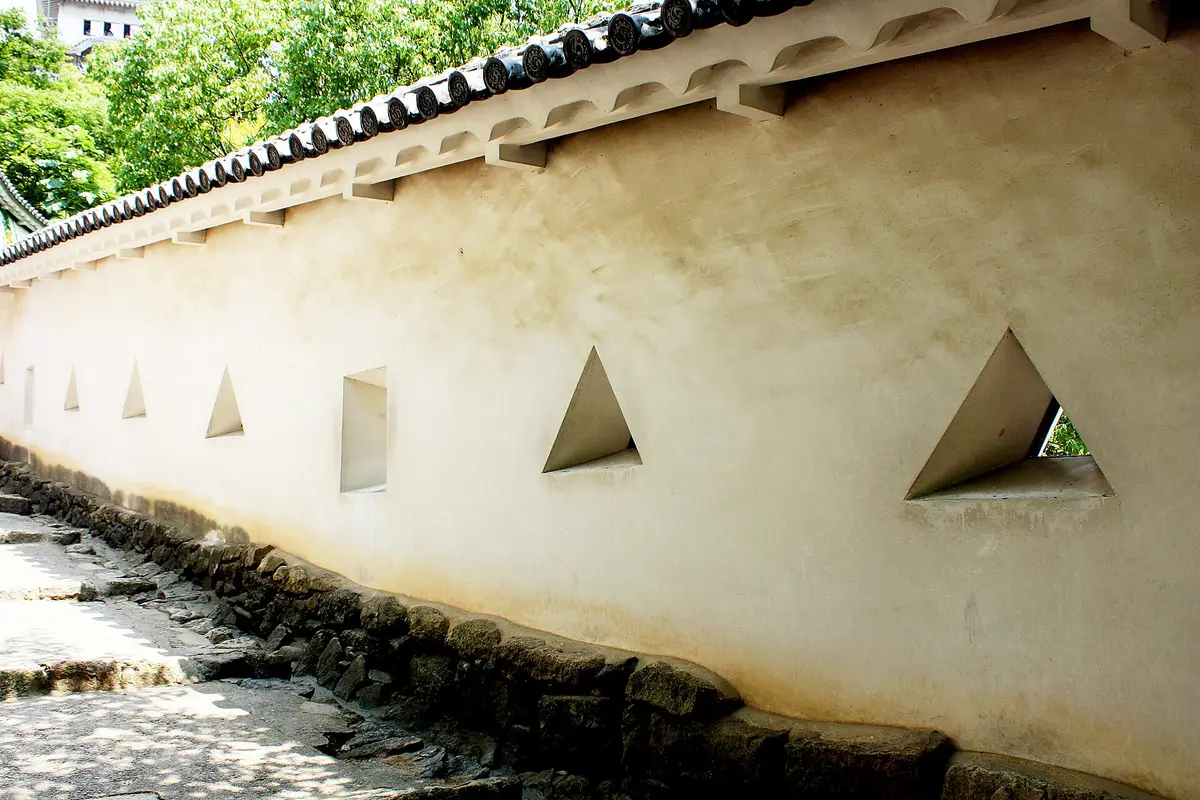
The famous white is a weapon, not paint, and it rewards a close look. The colour that earned it the name White Heron is thick lime plaster, sealing the whole structure inside and out. The castle's own guide calls it fire-resistant and attractive. Set into those white walls are 997 small openings: tall slits for archers, squares and circles and triangles for gunners, at three different heights. From a distance they look like decoration. They are firing positions, aimed at the winding path you just walked up. The beauty and the defence are the same surface, and that, not a display case, is what you came to read.
The reward is mostly outside the keep, and a lot of it is free. Two things outside the keep keep coming up. First, the grounds: the moat, the stone walls along it and the wide lawn of the San-no-maru square are free to walk without a ticket and give the best wide view of the tower; past the ticket gate, the spiral of gates turns an attacker in circles under fan-sloped stone walls. Second, the garden next door, recommended by 22 of the 122 happy visitors. Four of the 174 liked it even more than the castle: "Kokoen garden though, was beautiful and we actually enjoyed that more than the castle." A combined castle-and-garden ticket is only ¥100 more than the castle alone.
The information gap is the one real flaw. And it has a free fix. The most common let-down inside (little to see, "hard to picture how each room would have been used") fades with a story-teller. Himeji has free foreign-language volunteer guides: no booking, and when one is free, a guide stands just inside the ticket gate with a Free Guide sign. There is also a detailed brochure at the entrance. As one visitor learned: a guide "told us stories as we toured," and the bare rooms came alive. Some travelers debate an expensive private tour; others found the free guide was all they needed.
Getting the Most From an Empty Keep
Everything above resolves into a handful of moves the castle quietly rewards.
- Go right at opening (9:00), or late afternoon. For cultural-property protection, the keep admits 1,000 people per hour, so on busy days the posted wait to reach the top can pass two hours (one traveler saw 2.5 hours at noon) and the climb becomes a slow queue. Arrive early and you walk straight in; one traveler wrote, "We were in the castle at 10:08 AM and out by 10:30 AM," with "no queues or anything until the top floor." Late afternoon empties out too: "It was breathtaking not many people there either." Last entry is 16:00. (A pre-bought digital ticket speeds up buying, but it does not jump the keep queue when it's full. The castle says so plainly.)
- Come for the building rather than a museum, and take the free guide. Decide before you climb that the timber, the loopholes, and the view are the exhibit. If you want the history, grab the free volunteer guide at the gate or read the brochure first. This one shift turns the most common disappointment into the best part.
- Don't skip the grounds and Koko-en. The moat, the walls along it, and the San-no-maru lawn are free and arguably the finest view; the gate maze is past the ticket gate, and the garden combo is just ¥100 extra. 14 of the 174 voices say the outside alone is enough, or better than the inside.
- Dress for a climb instead of a gallery. Steep, narrow, original stairs, with no elevator and no air-conditioning; you climb in socks on bare wood, so bring a shoe bag and thick socks. It is, in the official words, "like climbing a small mountain." Summer is hot (carry water); winter floors are cold. Take the descent slowly. One Japanese reviewer found the stairs down even harder than the stairs up.
- Know the price, plainly. Admission is ¥2,500 for everyone, ¥1,000 for residents of Himeji City, and free for under-18s; the Koko-en combo is ¥2,600. The lower rate is by residency, not nationality: a foreign resident of Himeji pays the resident price, a visitor from Tokyo pays the full one. Half a day is plenty; pair it with Kobe or the garden rather than cramming Hiroshima into the same day.
Do these, and the day tends to go the way the moved reviewers describe rather than the way the let-down ones do. The castle isn't testing you. It is simply the real thing, left standing. It meets clear-eyed visitors with four hundred years of quiet.
So: is Himeji Castle worth it? The stairs are steep, the queue is real on a busy afternoon, and yes, there are no glass cases at the top. And still, a true 1609 wooden keep, white as the day it was raised, that has survived every war and fire sent at it, with a free garden of a fortress wrapped around it. Come for the building, climb it slowly, and Himeji gives you something no replica can.
Still deciding which famous places actually earn a slot on a short trip? Start with what actually matters in Japan, and for the full walk through the gates, the white walls, and the climb to the top, the Himeji Castle audio guide is just below.
Sources
- Himeji Castle Official: Visitor Information (English): opening hours (09:00–17:00, last entry 16:00), admission fees (¥2,500 adult / ¥1,000 Himeji citizen / under-18 free / ¥2,600 castle-and-Kokoen combo; written without thousand-separators, that is 2500 yen adult / 1000 yen Himeji citizen / 2600 yen combo, so the Koko-en addition is 100 yen), no air-conditioning, elevators, or escalators; very steep, narrow stairs; shoes-off on bare wooden floors, with a request to bring a shoe bag and thick socks; reaching the main keep "like climbing a small mountain"; night illumination in white.
- Himeji Castle Official: Guide & History: the keep completed in 1609 under Ikeda Terumasa; the whole keep dismantled, repaired and reassembled in 1956–1964; weapons and supplies stored in the main keep; white lime plaster, on both sides of the walls, as fireproofing as well as decoration; the castle survived the 1945 bombing.
- Himeji City: Himeji Castle Information: the main keep is limited to 1,000 climbers per hour for cultural-property protection and safety (waits at the entrance on busy days); "citizen" means a person with a residential address in Himeji City; the digital ticket speeds entry but does not guarantee priority when crowded; free foreign-language volunteer guides, no booking, standing just inside the ticket gate with a Free Guide sign when available.
- Himeji City: Scale of the Castle: one of Japan's surviving original keeps; the connected-keep structure and triple left-turning spiral layout; the castle never fell in battle and never burned.
- Himeji City: Castle Guide: the deliberately winding defensive approach, the fan-slope stone walls, the West Bailey, and Bizen-maru, where the lord Ikeda Terumasa lived.
- Japan Tourism Agency / MLIT: Loopholes (Sama): 997 loopholes in shapes for archers and gunners, set at three firing heights.
- UNESCO World Heritage Centre: Himeji-jo: inscribed 1993; described as a masterpiece of construction in wood that combines function with aesthetic appeal.
- JNTO: Himeji Castle: the best-preserved castle in Japan and one of its twelve remaining original castles, the White Heron; the San-no-maru outer bailey free to enter, the paid area beyond the Hishi Gate; the keep sparsely furnished aside from a few explanatory signs; the Otemae-dori approach and Koko-en garden.
- Osaka Castle Main Tower: 90 Years of History (Official): the third Osaka Castle keep completed in 1931 in steel-framed reinforced concrete, used as a history museum inside from the start, with elevators.
WMJS is written in Japan, in English, with AI help. We check every page, but English is not our first language. If a sentence reads oddly, tell us. One sentence is enough.
Thank you. A person reads every note.
How well do you know Japan?
Based on 51,218+ real Japanese voices
Want to know more? Ask Japanese people
Have a follow-up question about this topic? We'll ask real Japanese people.
Voice Box →