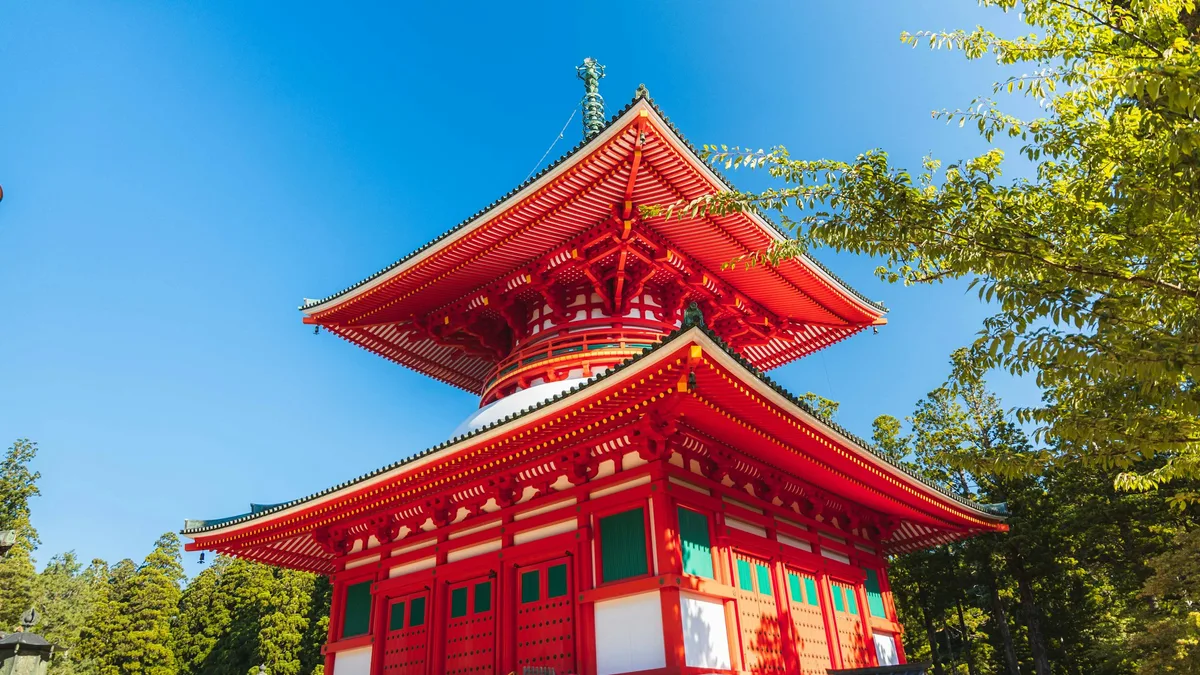
Japan for two, a first trip together
A slower golden route — Tokyo, a night in the Hakone hot springs, then Kyoto — built around the quiet moments two people remember, in a country that makes a space for two rather than performing romance at you
Last verified: 2026-06-23
Who this plan suits
- First tripGreat fit
- Been beforeWorks well
- With kidsNot the focus
- SoloNot the focus
- As a coupleGreat fit
- Gentle paceWorks well
Good all year. Spring blossom and autumn colour draw the biggest crowds; winter trades scenery for the year's clearest Mount Fuji from Hakone and near-empty dawn lanes; Kyoto's riverside terraces and the Sagano Romantic Train are warm-season pleasures (roughly spring through autumn).
If you're planning a first trip to Japan as a couple, there's a particular worry I'd like to take off the table early, because almost everyone arrives carrying it: the quiet fear that Japan might not be romantic. You go looking for it the way you would at home — the candlelit restaurant that sweeps you off your feet, the grand gesture, a city that broadcasts love back at you — and at first Japan can read as reserved. Couples here rarely kiss in the street; dinners can feel more precise than swoony; no one is performing romance at you. It's easy to conclude, a day or two in, that maybe the spark just isn't here. Here's what I've come to believe, and what this whole plan is built to show you: Japan doesn't perform romance at you — it makes a quiet space for two. There's a word I keep coming back to, ma: the value placed on meaningful space, on what's left unsaid, on the pause that holds more than the gesture would. Closeness here isn't broadcast; it's kept — and that is exactly what makes it feel precious. The romance is real. It's just sitting somewhere you might not be looking yet.
So once you stop hunting the grand gesture, you start to notice where Japan was being romantic all along — in presence rather than performance. It's the counter where you sit side by side and watch the chef work, close and unhurried, with nothing you need to fill. It's the inn where dinner comes to your room and the evening belongs only to the two of you. It's the bath you sink into together after a long day of walking, the stone lane you have entirely to yourselves at dawn, the riverbank in the cool of the evening. Below is how I'd shape a first trip around those moments: a slower version of the classic route — a couple of days in Tokyo, a night in a Hakone hot-spring inn, then Kyoto — with the keystone being that onsen night, the thing two people tend to remember longest. Pull it apart and rebuild it however your trip wants to go. The unhurried pace isn't the price of the trip; it is the date.
Where to base yourself
For two people, the room is a bigger part of the trip than it is alone or in a group — it's where the day's noise drops away and it's just the two of you again — so I'd choose where you sleep for the feeling as much as the address.
In Tokyo and Kyoto, an ordinary, comfortable hotel near a station does the job: you'll be out most of the day, and a calm base on a line you'll use often beats a grand address you have to commute from. In Tokyo I'd lean toward somewhere with an easy evening around it — Asakusa for old-Tokyo quiet, or a well-connected hub like Shinjuku or Tokyo Station if you'd rather be in the thick of it. In Kyoto, sleeping near Kyoto Station makes the arrival and the day trips effortless, while downtown (Kawaramachi/Pontocho) or the Higashiyama slopes put the old lanes and the riverside within an evening stroll.
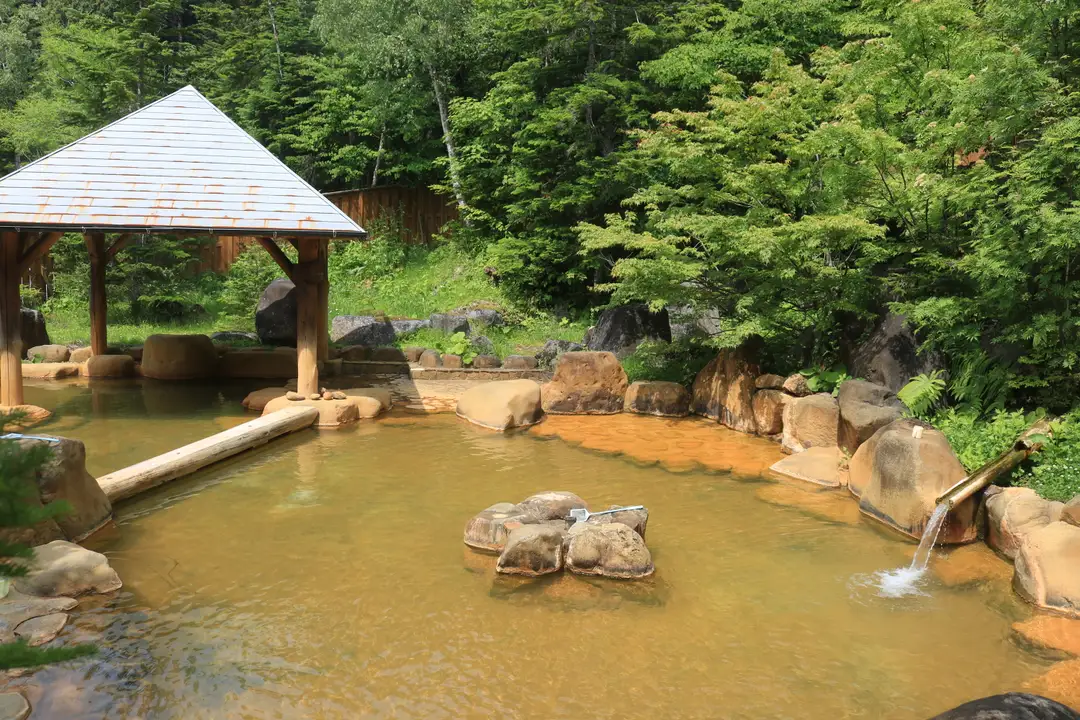
The night I'd plan most carefully is Hakone, because there the ryokan — the traditional inn — is the experience, not just a bed. This is the keystone of the trip: dinner is a multi-course kaiseki brought at an unhurried pace, you spend the evening in the cotton yukata the inn lends you, and the hot-spring bath is the heart of it. One thing worth knowing as a couple: the big public baths are separated by gender, so if you'd like to soak together, look for an inn with a kashikiri-buro — a private bath you reserve for the two of you — or a room with its own open-air tub (the fact box has the shape of it). That's also the simplest answer if either of you has a tattoo. And don't overthink the etiquette: as we heard from ryokan hosts themselves, they're watching your ease, not your form.
Getting around & tickets
Sort one IC card each first — a Suica or an ICOCA, either is fine — and you can mostly stop thinking about tickets: touch in, touch out, the fare works itself out, and because the cards are interoperable nationwide, the one you buy in Tokyo works in Hakone and on Kyoto's buses too. You can tap it to pay at convenience stores as well.
For the two long moves, a small heads-up each. To Hakone I'd take the Odakyu Romancecar, a reserved limited express straight from Shinjuku — and around Hakone itself, one Hakone Freepass carries you both through the whole mountain loop (train, cablecar, ropeway, the boat across the lake) without buying a ticket at each leg. Hakone to Kyoto runs on the Tokaido Shinkansen from Odawara; the one catch is that the fastest Nozomi trains don't stop at Odawara, so you'll take a Hikari or Kodama (the box explains it). And the thing that trips people up: a plain IC card will not tap you onto the Shinkansen — you reserve through Smart-EX or buy a ticket. I'd book two seats together while you're at it.
Beyond that, moving as a pair here is genuinely low-stress, and Google Maps is the reason — it gives you the train, the platform, often the exact carriage to board. The fear of getting lost mostly evaporates, which leaves more of the day for wandering.
Tokyo — an easy landing, and the first evening for two

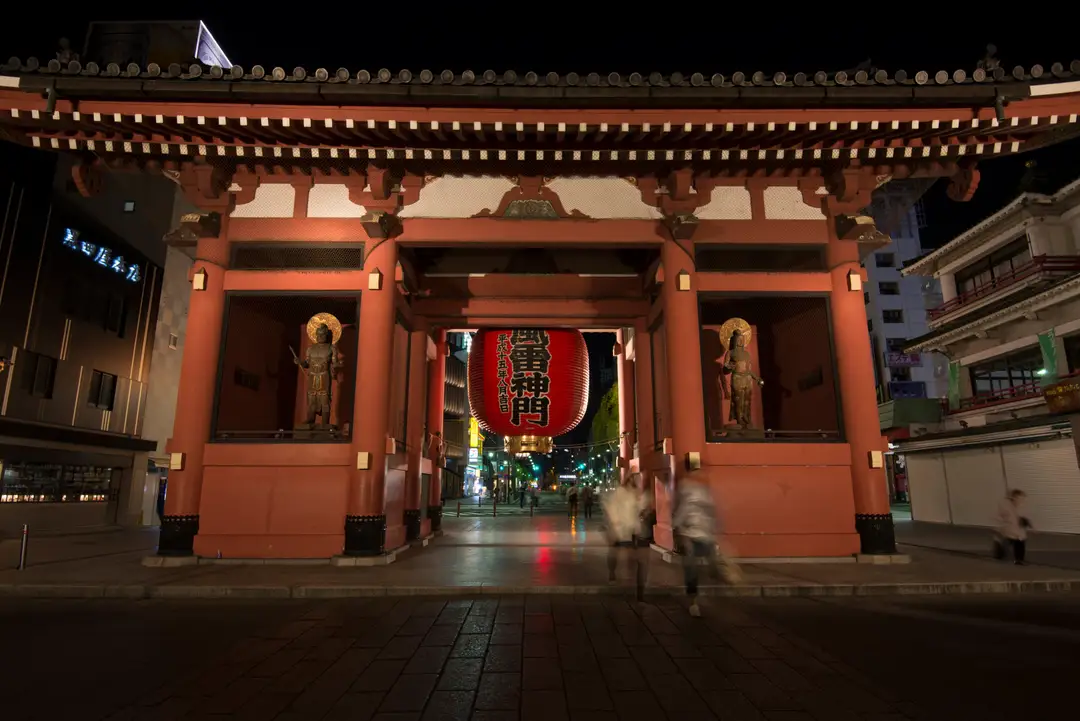
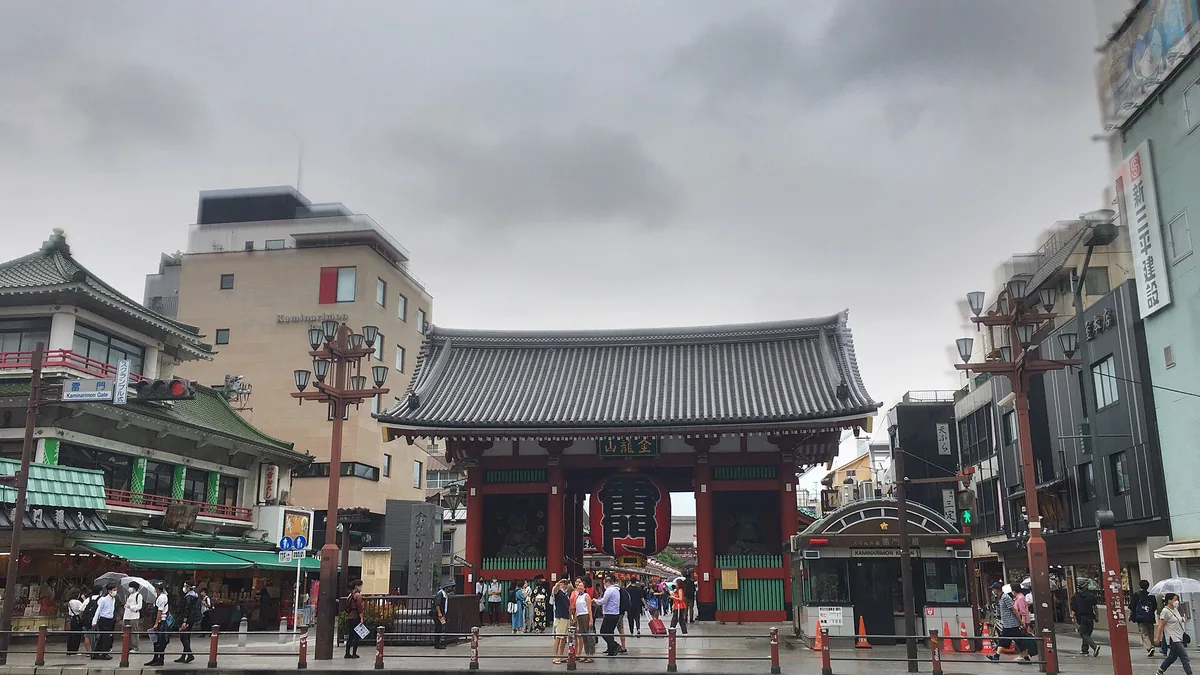
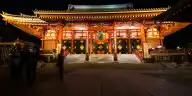
I'd keep the first day deliberately gentle — you'll likely arrive jet-lagged, and there's no prize for forcing a sight through the fog of a long flight. Draw a little cash at a convenience-store machine, drop the bags, and let the afternoon stay close to base. Then do the one small thing that quietly sets the tone for everything after: an early, unhurried dinner together at a counter. The 'table for two?' question that can feel so loaded back home barely exists here — at a great many places you order from a machine by the door, take two stools at the counter, and watch the cooks work an arm's length away. There's nothing to fill, no performance to keep up; you just sit side by side and let the day come down. Senso-ji, lit and open into the evening once the day-trippers thin out, is a calm and lovely place to take a first slow walk together.
- AfternoonLand, settle, and slow downFrom Haneda the Tokyo Monorail, or from Narita the all-reserved N'EX, brings you in to a hub like Tokyo Station or Shinjuku (times in the boxes); from there a short hop reaches an Asakusa base. Draw cash at a convenience-store or post-office ATM — they take foreign cards — and check in before anything else, so the rest of the day has a soft floor under it.
- Early eveningSenso-ji, unhurriedA few minutes on foot from Asakusa Station, the great red Kaminarimon lantern and the Nakamise lane lead up to Tokyo's oldest temple. After dark the grounds stay lit and the crowds fall away — a quiet, almost private first walk together. Linked guide: Senso-ji.
- DinnerA counter, side by sideFind a ramen or standing-sushi shop with a ticket machine out front (photos and an English button make it painless). Buy your tickets, take two counter stools, and eat — a perfect bowl an arm's length from the cooks, not a word required. It's a small thing, and it's exactly the kind of close, easy moment this trip is full of.
- NightcapThe konbini ritualOn the way back, the convenience store becomes a quiet little habit: a late snack to share, a hot or cold drink, tomorrow's breakfast, all for a few coins. Don't be surprised if it's one of the things you miss most when you get home.
Tokyo — the loud city by day, a small warm room by night

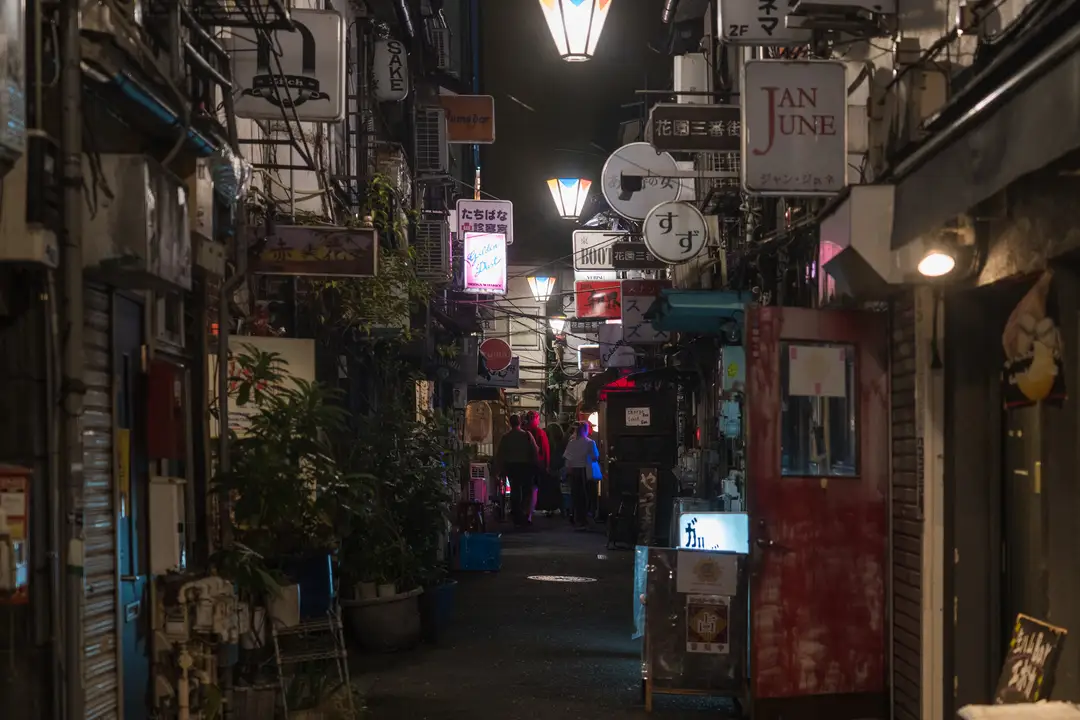
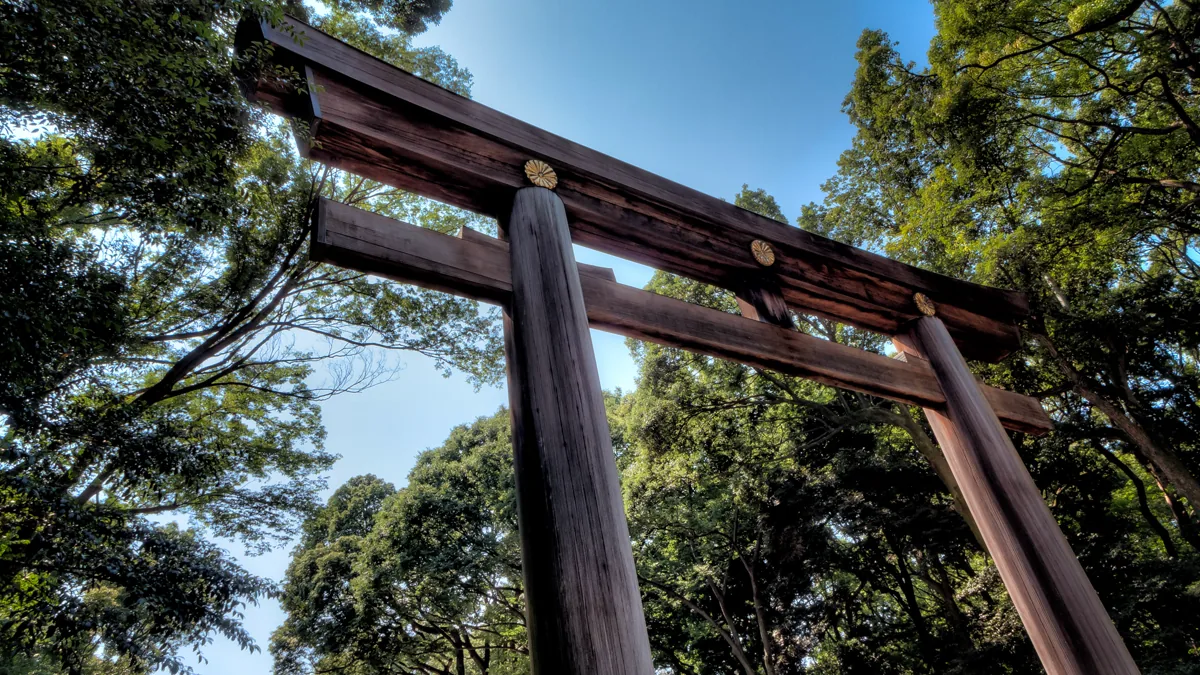
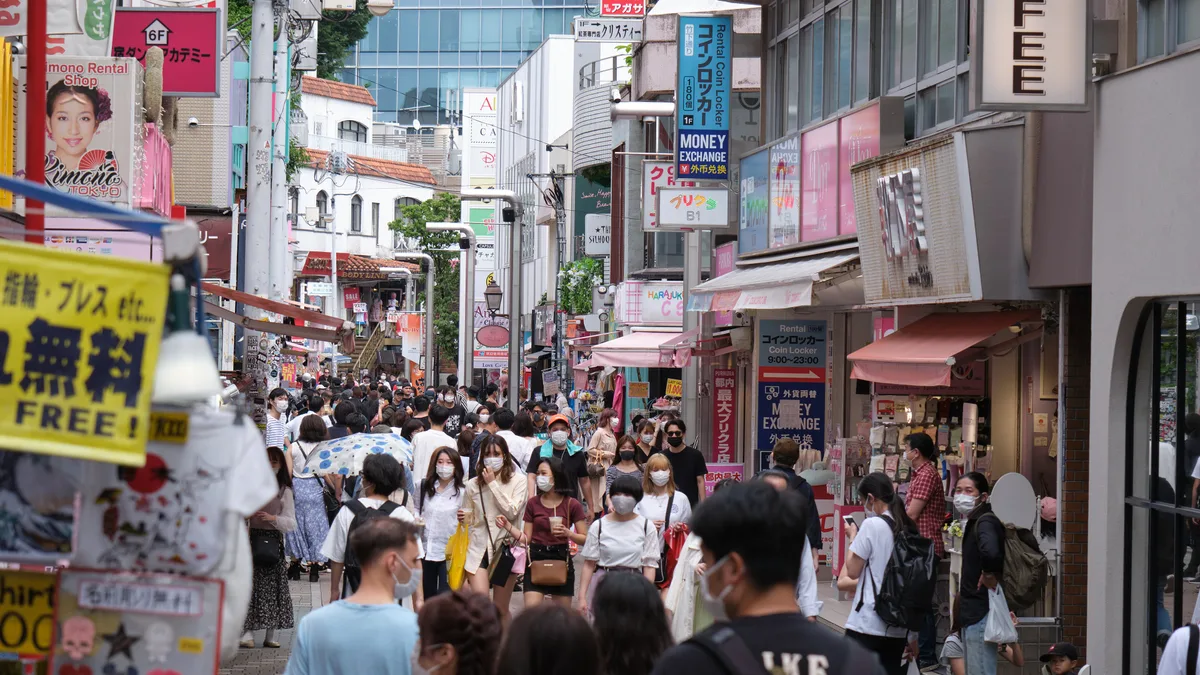
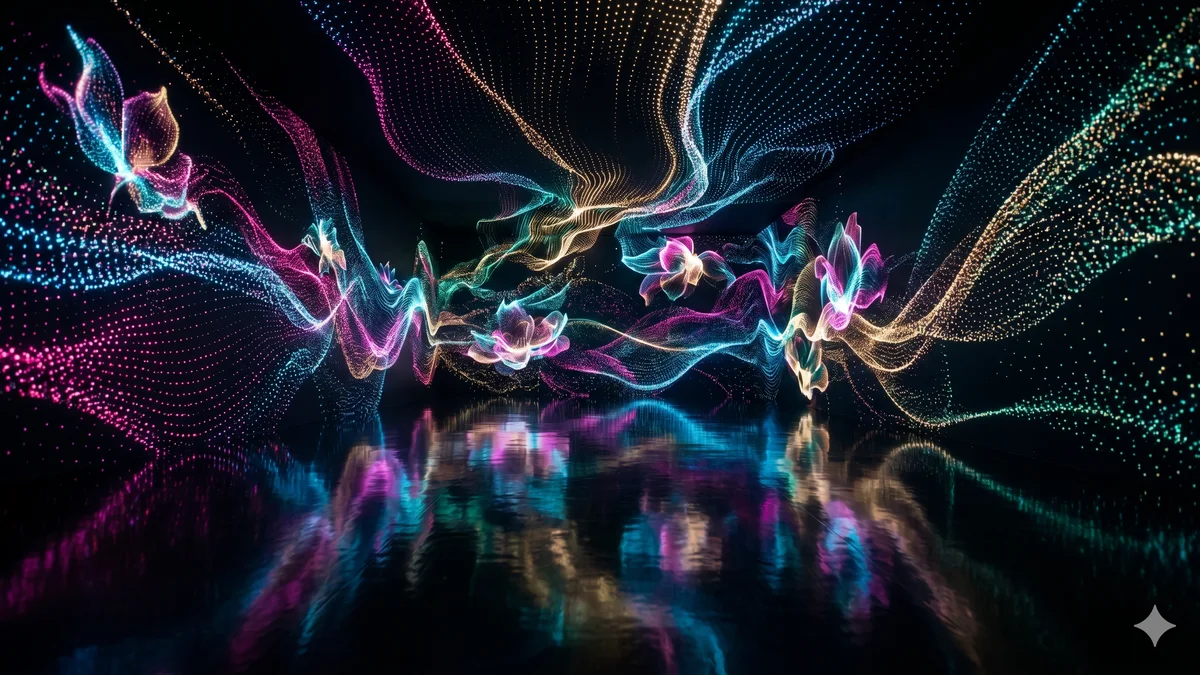
Today is the city at full volume, and the fun of it as a pair is the contrast — go big and bright through the afternoon, then let the evening fold back down to just the two of you. I'd open in the green hush of Meiji Jingu, a forest shrine that opens at sunrise, then step straight out into the colour of Harajuku and the tree-lined boutiques of Omotesando. In the afternoon I'd share something you can only really feel together — the digital-art world of teamLab, where you wander a glowing, shifting space hand in hand, losing each other and finding each other again; it's romance you're inside of rather than watching (book a time slot ahead — the box explains). And I'd end where Tokyo is warmest for two: a yokocho, one of the lantern-lit lanes of tiny stand-up bars and izakaya, where you squeeze onto a counter, order a few small plates as you go, and the whole room feels like someone's living room. The city is loud; the evening doesn't have to be.
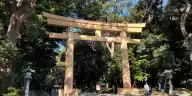
- MorningMeiji Jingu, at an easy paceFrom Harajuku Station it's a single step into the tall forest that wraps the shrine — wide gravel paths, a great wooden torii, a hush you can take as slowly as you like. Free to enter, open sunrise to sunset. Linked guide: Meiji Jingu.
- Late morningHarajuku & OmotesandoOut of the trees and straight into Takeshita Street's pop colour, then the calmer, tree-lined avenue of Omotesando a few minutes away — a fun, fast contrast to wander side by side. Linked guide: Harajuku.
- AfternoonteamLab, togetherThe immersive digital-art museum is a rare kind of shared experience — rooms of light and water you move through as a pair, losing each other and finding each other again. It's timed-entry, so reserve a date-and-time slot before you go (box). Linked guide: teamLab.
- EveningA yokocho counterFind a cluster of tiny bars and izakaya — the yokocho lanes are made for one or two — and settle in. Order as you go, and let the warmth of the little room do its work; a reserved Japan tends to surprise couples here. Prefer a quiet night instead? A konbini dinner back in the room is its own small pleasure.
Hakone — the onsen-inn night, the heart of the trip

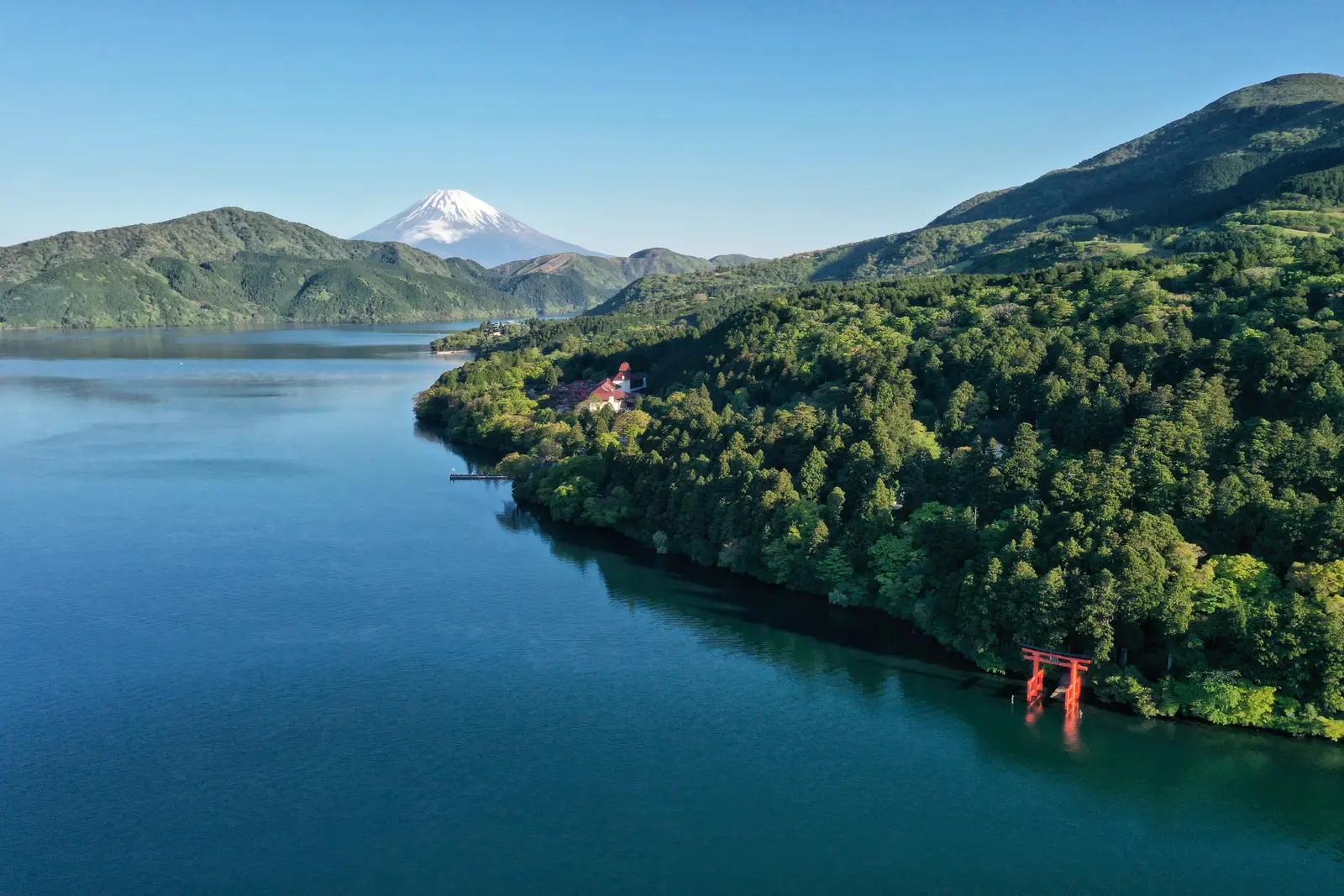
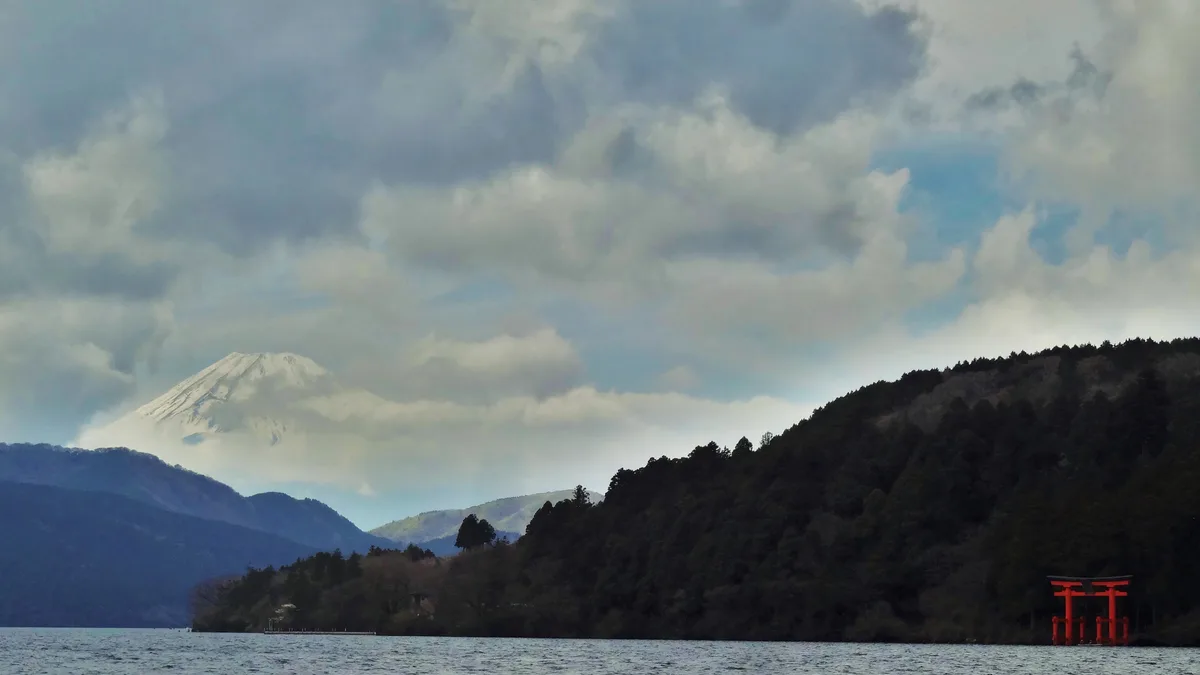
This is the day I'd protect above all the others. You'll ride out of Tokyo on the Romancecar and trade the city for a mountain of hot springs — and the whole day bends toward one evening. By afternoon you'll have looped the mountain (a little train, a cablecar, a ropeway over a steaming valley, a boat across a lake to a red shrine gate standing in the water), and on a clear day Mount Fuji will be there above Lake Ashi, the way it's drawn in every old print. But the loop is really the overture. The night is the thing: you check into a ryokan, change into yukata, and the trip exhales. The bath, the slow kaiseki dinner, an evening with nowhere to be and no one else to please — this, more than any single sight, is what two people tend to carry home. If there's one splurge I'd make on a first trip together, it's this one night.
- MorningOut on the RomancecarFrom Shinjuku, the Odakyu Romancecar runs straight to Hakone-Yumoto — a reserved limited express, so book two seats together and watch the suburbs give way to mountains (box). I'd buy a Hakone Freepass for the loop while you're at it.
- MiddayAround the mountain loopThe classic circuit climbs by mountain train to Gora, a cablecar to Sounzan, then a ropeway sailing over Owakudani — the bare, steaming volcanic valley where they boil the black eggs — down to Lake Ashinoko, where a sightseeing boat crosses to the red lake torii of Hakone Shrine. One Freepass covers every leg. (The ropeway can pause in high wind or weather, and the volcanic valley has closed during periods of raised activity, so glance at the day's status — there's a gentler lower route either way.) Linked guide: Hakone.
- Late afternoonCheck in, and let the day goSettle into the ryokan, change into the yukata the inn provides, and take your first soak. The big baths are separated by gender; if you'd like to bathe together, this is where a reserved kashikiri private bath earns its keep (box). Wandering an inn in matching yukata, a little warm from the bath, is a particular and very ordinary kind of romance here.
- EveningKaiseki, unhurriedDinner is the ryokan's quiet showpiece — course after seasonal course, often brought to a private room, at a pace that asks nothing of you but to sit and taste and talk. If a dish doesn't suit you, leaving it is completely fine; as ryokan hosts told us, they read your ease, not your etiquette. Then one more bath, and an easy, deep sleep.
Into Kyoto — old lanes at dusk, the river in the evening

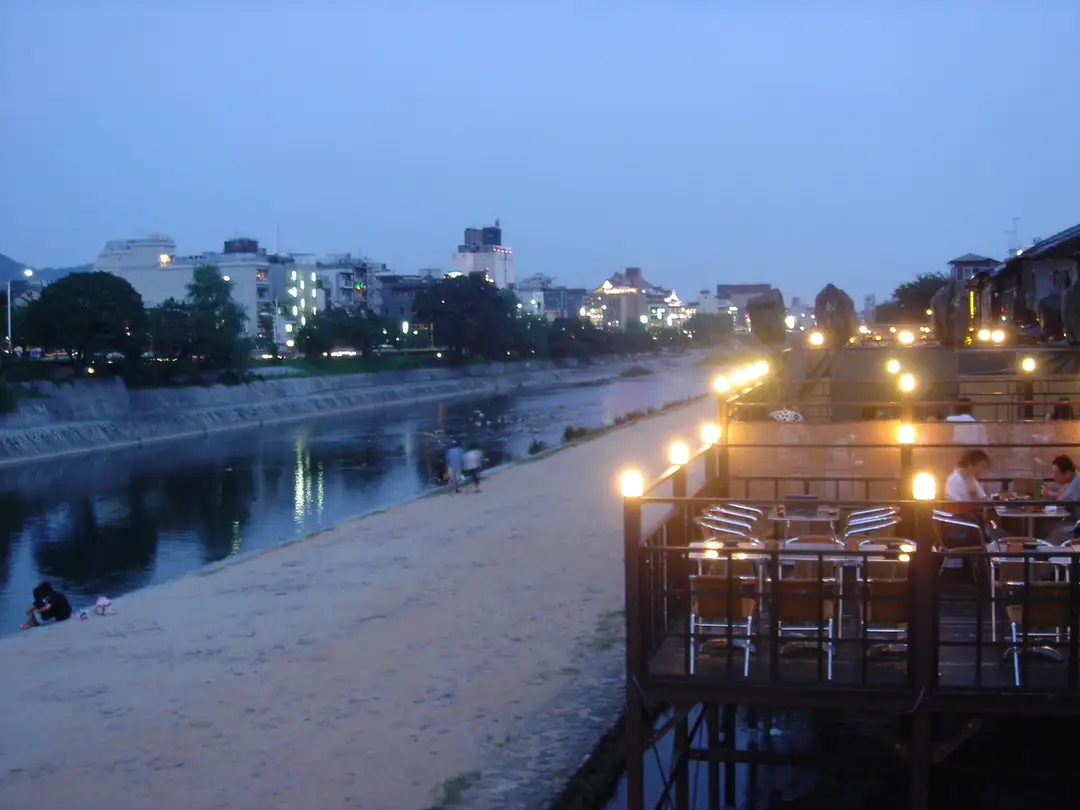
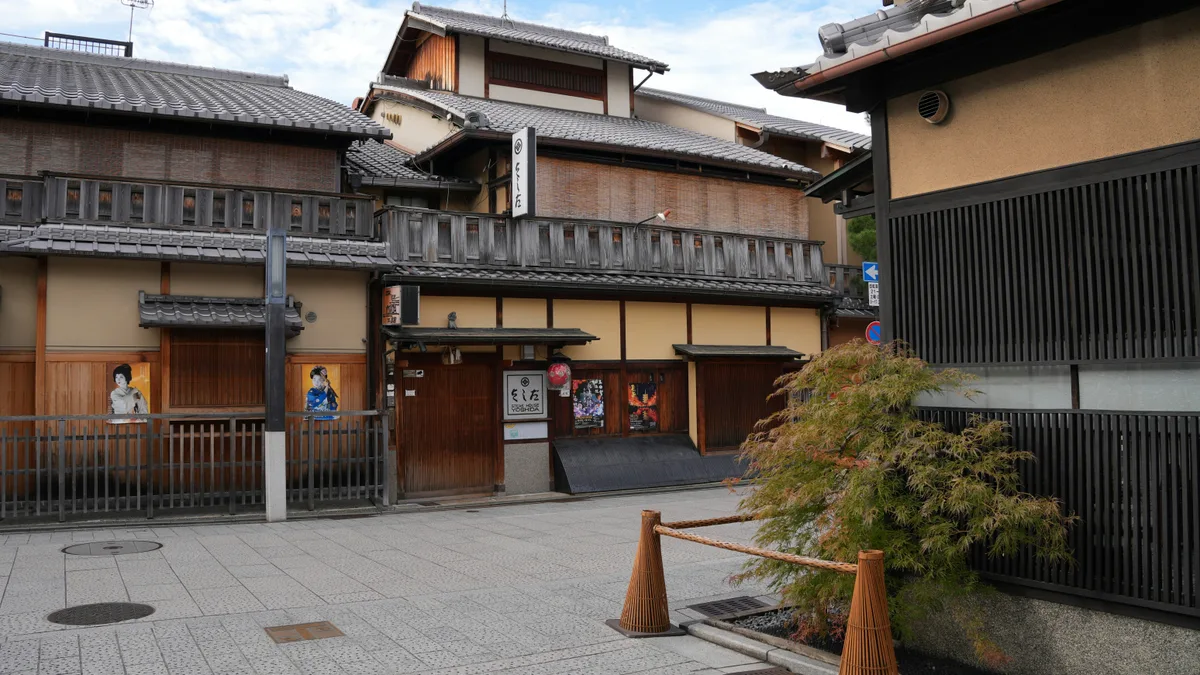
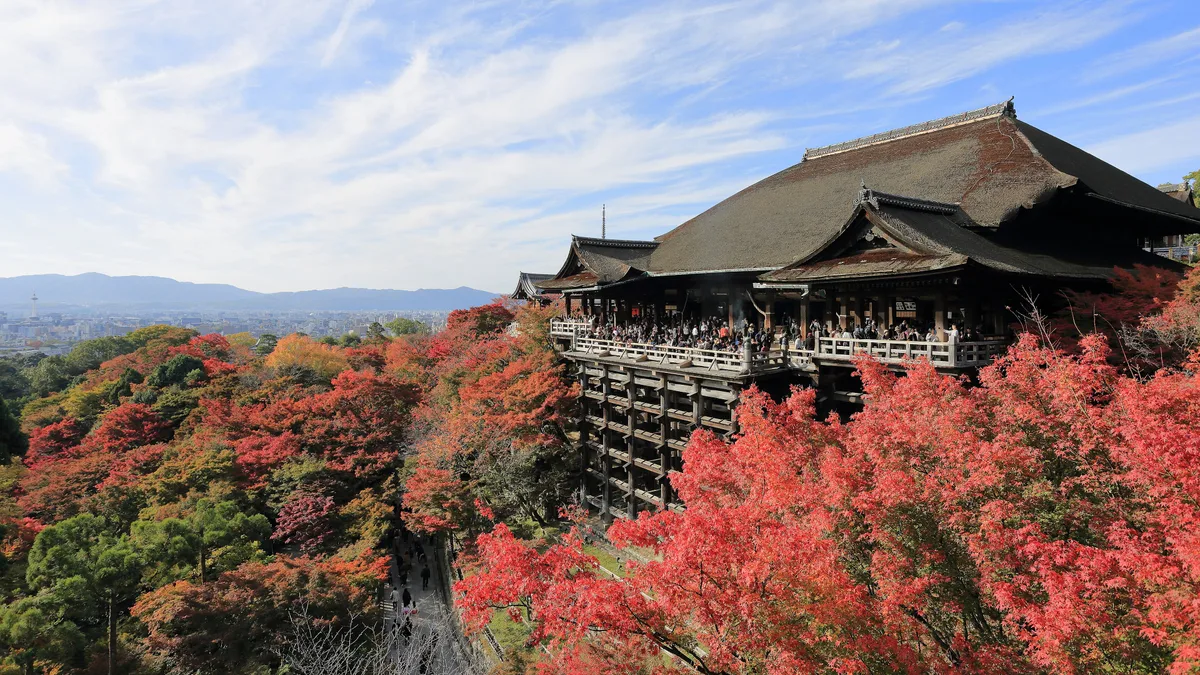
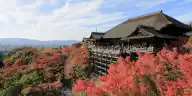
I'd steal one more morning bath before you go — a fine farewell to Hakone — then ride the Shinkansen west into the old capital. Drop the bags and give the afternoon to the eastern hills, where the old city is closest to the surface: the great wooden stage of Kiyomizu-dera, the stone lanes of Sannenzaka and Ninenzaka spilling downhill beneath it, and Gion as the lanterns come on. As a pair this is where the day slows down beautifully — you can let the tour groups stream off toward their buses while you linger on the emptying lanes into the blue hour, and then drift down to the water. For couples, a lot of Kyoto's romance sits by the river: along the Kamogawa, and the narrow lantern-lit alley of Pontocho beside it, people have come to eat and walk in the cool of the evening for centuries — and in the warm months the restaurants build kawayuka terraces right out over the river (box). A gentle reminder for Gion: people live and work in these lanes, so keep to the public streets and walk softly, and you'll be welcome.
- MorningHakone to KyotoFrom your inn, drop back down to Hakone-Yumoto (the Tozan train or a bus, still on the Freepass), then ride on to Odawara and board the Tokaido Shinkansen to Kyoto. Note the fastest Nozomi skips Odawara, so take a Hikari or Kodama — and remember a plain IC card won't tap you through the Shinkansen gate (box). Reserve two seats together and pick up an ekiben lunchbox for the ride.
- AfternoonKiyomizu and the slopesFrom Kyoto Station a city bus climbs toward Kiyomizu; from the temple's cliff stage the stone-paved slopes of Sannenzaka and Ninenzaka drop away on foot — no transit needed, just follow the hill past the Yasaka pagoda standing over the rooftops. Opens early; small admission (box). Linked guide: Kiyomizu-dera.
- Early eveningGion at lantern timeDrift into Gion as the lights come on, gently and on the public streets — old wooden facades, the Shirakawa canal, the little Tatsumi bridge. It's quietly atmospheric, and lovely to have at your own slow pace. Linked guide: Gion.
- EveningThe riverside, PontochoDown to the Kamogawa and into Pontocho — a lantern-lit lane barely wide enough for two, threaded with little restaurants. (There's no WMJS guide to Pontocho yet, so I'll just point you toward it.) Walk the river afterward; in the warm months the kawayuka terraces hang right out over the water, and the sound of the river is the whole point.
Kyoto — a dawn to yourselves, then Arashiyama

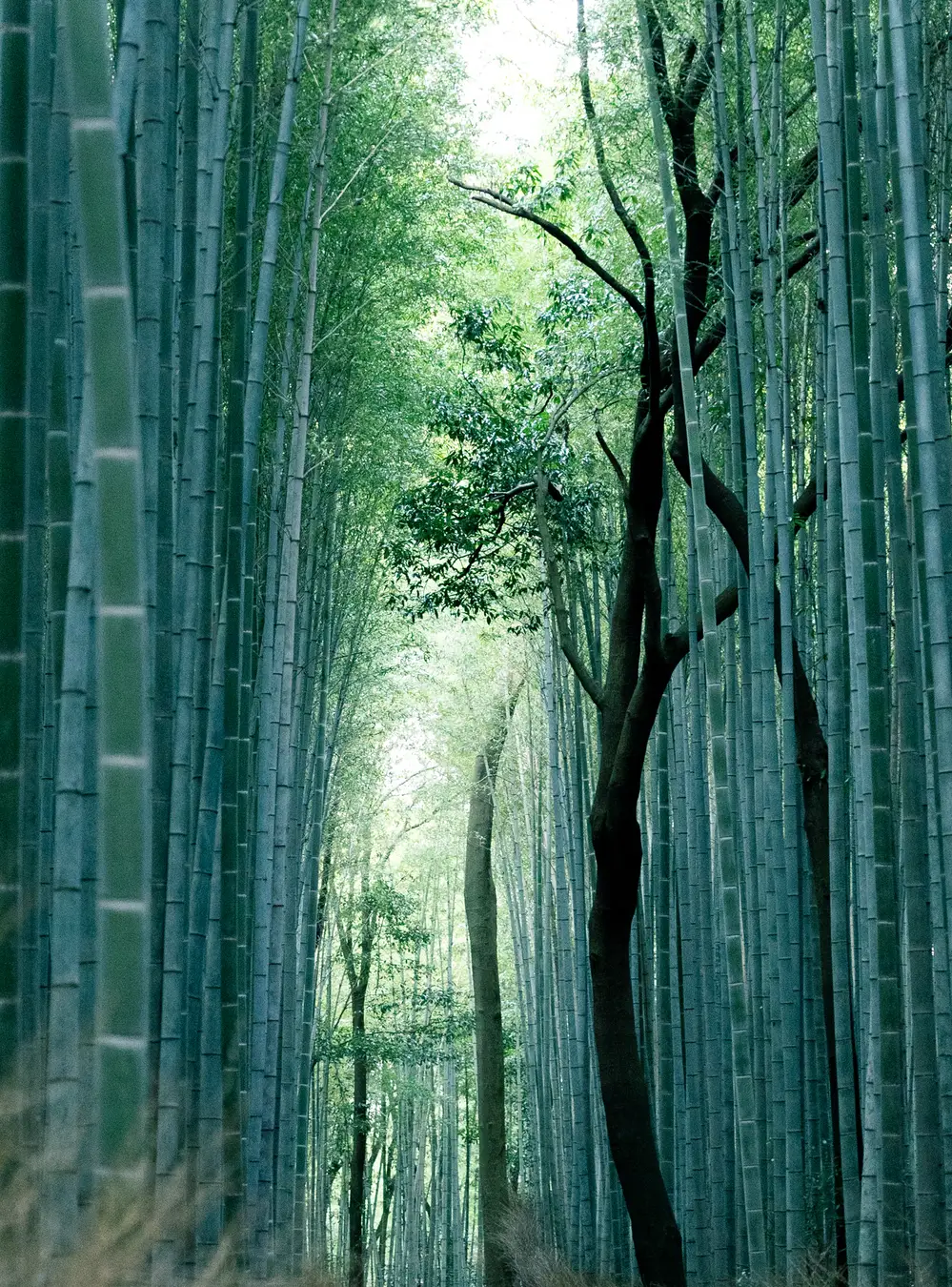
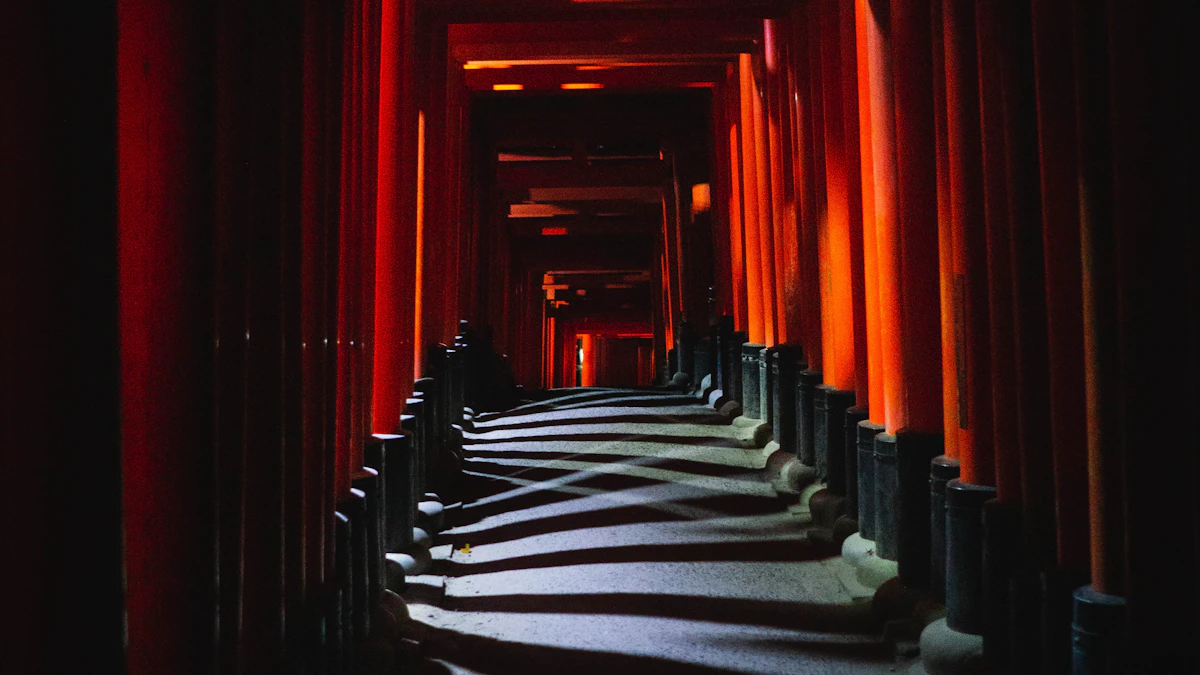
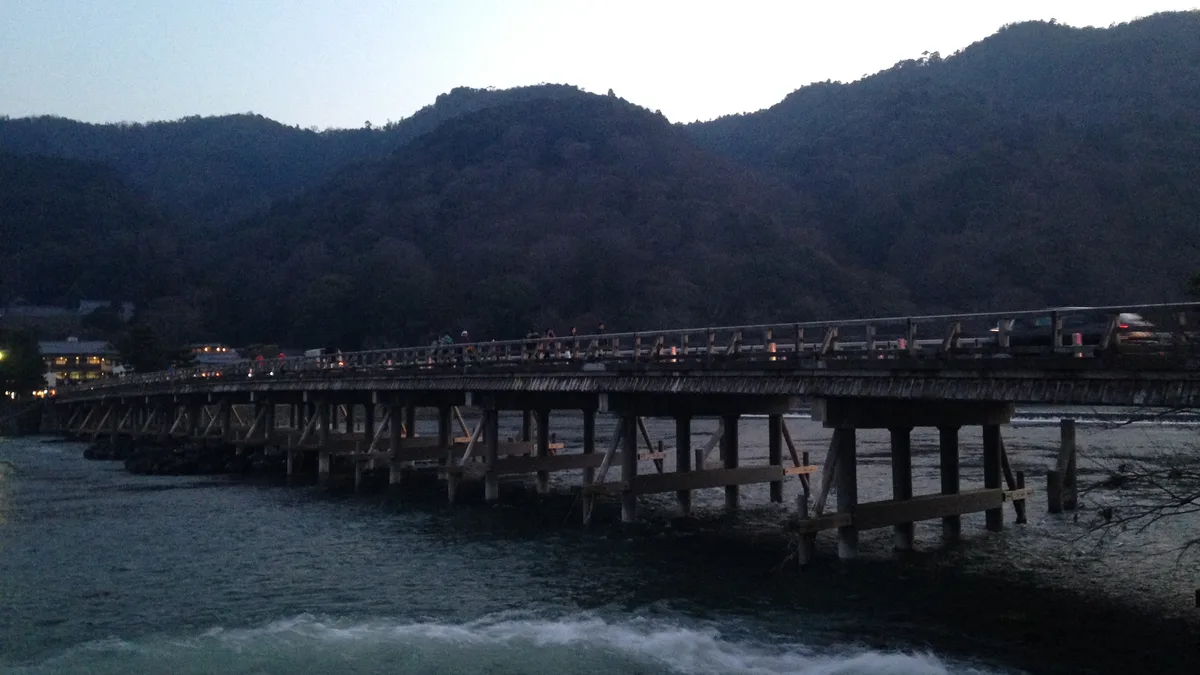
Here's the gift two early risers can give themselves: a famous place, empty. Before nine the old city belongs to whoever's awake — so I'd set an alarm once and go stand inside the vermilion gate-tunnels of Fushimi Inari at first light, when the corridor is nearly silent and your footsteps are the loudest thing on the mountain (it's open around the clock). Then the day eases west to Arashiyama, Kyoto's riverside-and-bamboo edge: the towering bamboo grove walked early while it's still hushed, the Zen garden of Tenryu-ji opening onto the hills behind it, the Togetsukyo bridge over the river. If your dates fall in the open season, the little Sagano Romantic Train (that really is its name) clatters up the Hozugawa gorge — a slow, leaf-framed ride that needs no narration (box). I'd close with an unhurried meal somewhere, and the quiet realisation couples often end on: the trip you'll talk about wasn't the sights so much as the spaces between them — the bath, the counter, the dawn lane, the river — the room Japan kept making for the two of you.
- DawnFushimi Inari, before the crowdsFrom Kyoto Station, a Local train on the JR Nara Line reaches Inari in a few minutes (the Rapid skips it); the gates begin right outside. Climb as far up the tunnels as you like — the higher and earlier you go, the more it's yours alone. Free and open around the clock. Linked guide: Fushimi Inari.
- Late morningArashiyama: bamboo and the gardenOut west to Saga-Arashiyama. Walk the bamboo grove early while the path is quiet, then step into Tenryu-ji's Zen garden, laid out to borrow the mountains behind it (small admission; box). Linked guide: Arashiyama.
- AfternoonThe river, and the Romantic TrainDown to the Togetsukyo bridge and the river. In season, the Sagano Scenic Railway — the 'Romantic Train' — runs up the gorge and back, all reserved, so book ahead (box). Out of season, the riverside walk and a boat are lovely too.
- EveningA last slow dinnerBack toward the centre for an unhurried final meal — a counter, or a small place along the river. Nothing to tick off now; just the two of you, and a country that turned out to be romantic all along, quietly, on its own terms.
If you have one more day
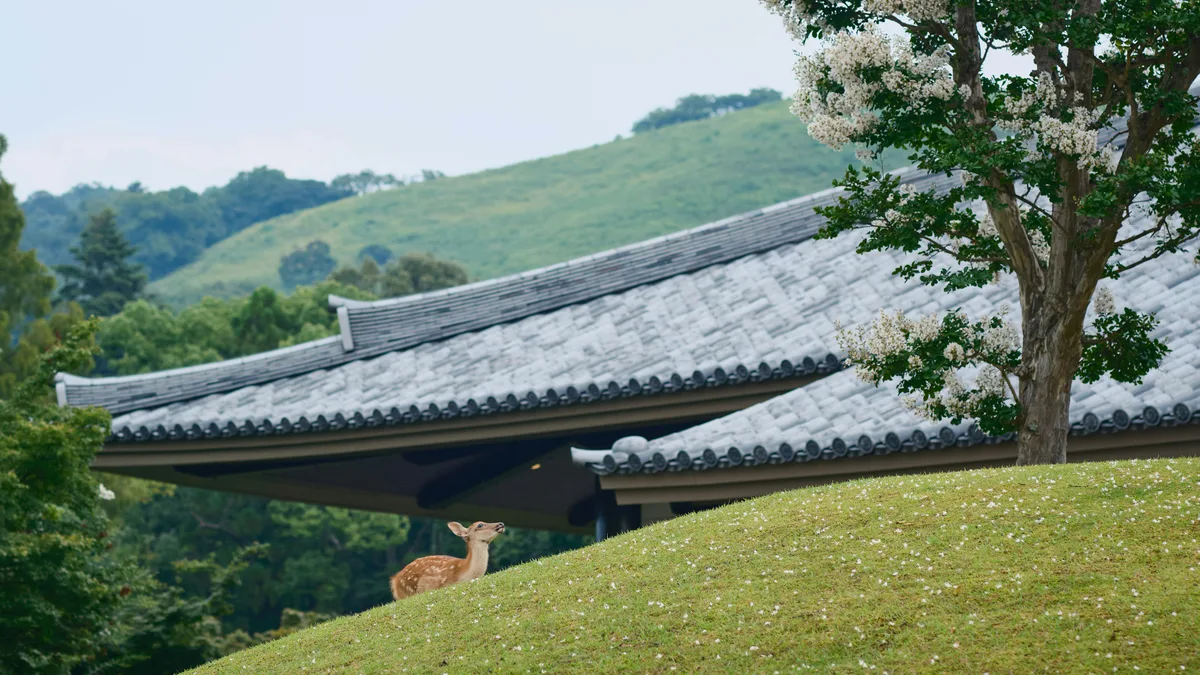
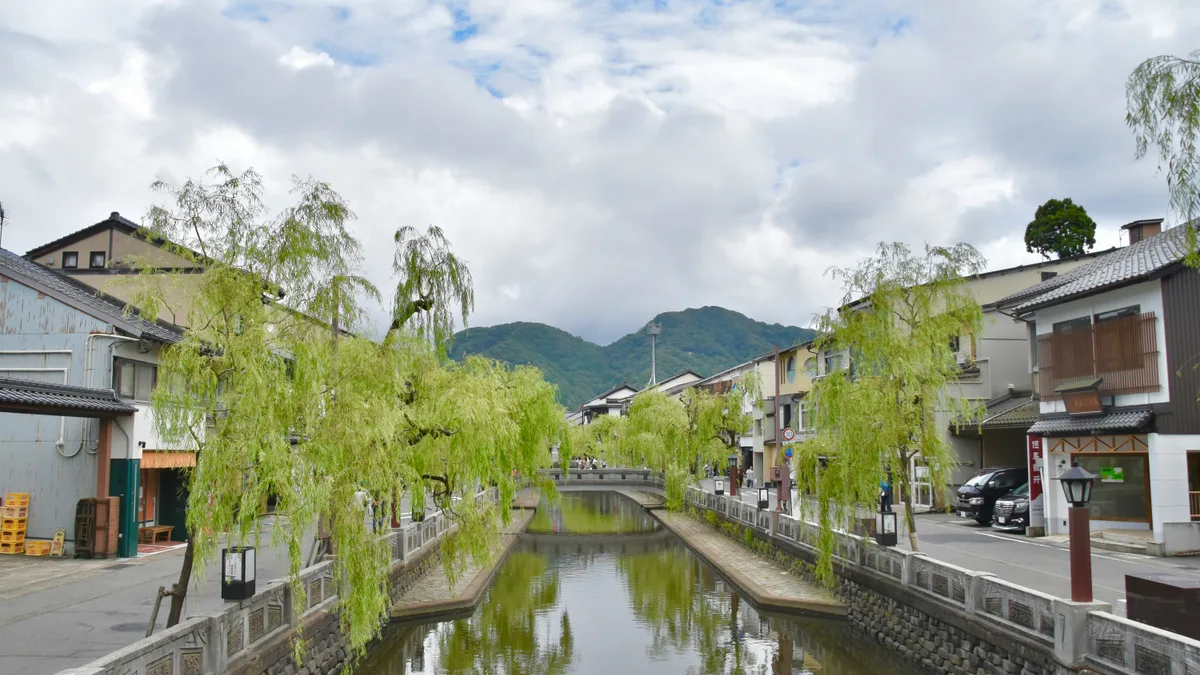
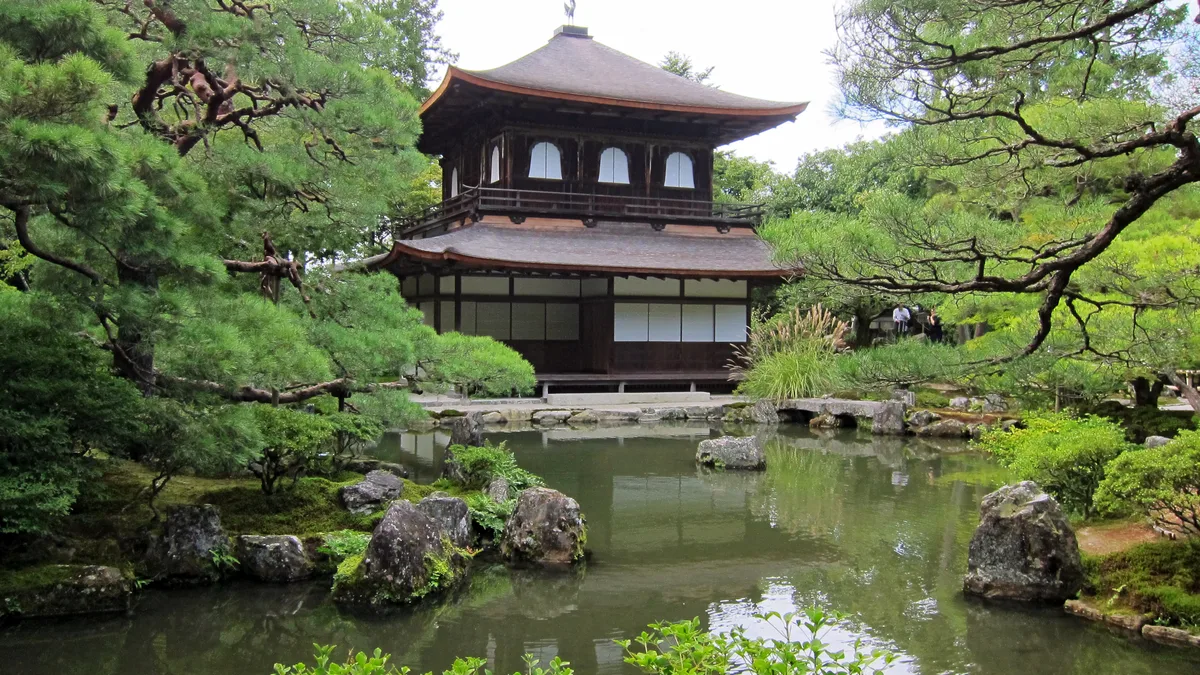
+1 dayWith an extra day, I'd lean further into the quiet rather than add more sights. One more Kyoto day suits a couple beautifully — a slow morning along the Philosopher's Path to the silver pavilion of Ginkaku-ji, a tea house, a long lunch, an afternoon with nowhere to be. Or a gentle day out to Nara, where the bowing deer and the Great Buddha make for an easy, low-stakes wander together. Or, if the Hakone night left you wanting another, give the extra night to an onsen town rather than a city — Kinosaki, north of Kyoto, runs the whole town as a single inn: you stroll between seven public baths in the yukata your ryokan lends you, geta clacking on the stone bridges in the evening.
If you're short a day
−1 dayShort on time? The trip folds down without losing its heart — and its heart is the Hakone night, so that's the one thing I'd protect. I'd keep it Tokyo, the onsen night, and Kyoto, and simply trim a city day at each end: a day and a half in Tokyo, the night in Hakone, then Kyoto. The instinct on a first trip is to cram, but for a couple the opposite serves you — fewer places, held slowly, leave room for the dawn lane and the long dinner that make the trip feel like yours. Pick the two or three things that pulled at you both, and give them room to breathe.
Extend from here
OnwardThis route is the spine of a longer trip in both directions. Westward, Kyoto hands straight off to the rest of Kansai — Nara in full, Osaka's neon and street food, the white keep of Himeji — and to a night unlike any other on this trip: a temple lodging on Koyasan, with the monks' vegetarian meal and a dawn service. Eastward, Tokyo opens onto the rest of Kanto. And if your dates land on the cherry blossom or the autumn blaze, the very same backbone re-led by the season becomes its own kind of trip — the bloom or the colour turning an ordinary lane into something you'll both remember. Whatever you add, I'd carry the one habit that served you here: leave more white space than feels sensible, because the moments two people remember tend to arrive in the gaps.
Good to know — fares & times
Go deeper
箱根——為了泡一場湯而繞行的山
搭紅色登山電車、纜車、索道與遊船繞行箱根,完成這趟為了泡湯而生的環。認識湯治療養傳統、大涌谷增壽七年的黑蛋、蘆之湖中的箱根神社紅色鳥居,以及在晴日才現身的富士山。
Hakone (Lake Ashinoko)
祇園——漫步京都的花街,一座至今仍有人生活的城
祇園不是景點,而是京都至今仍有人生活與工作的花街。從八坂神社、花見小路到白川巽橋,學會如何懷著敬意漫步、認識藝妓與舞妓、避開私人小巷,以及最佳造訪時段與交通方式。
Gion
嵐山 — 為什麼日本把這片竹林列入「最值得守護的聲音」
嵐山語音導覽:一千多年來,山、河與橋讓旅人在同一處駐足。聆聽嵯峨野竹林——風穿過竹竿的聲音,被日本列入百大「最值得守護的聲景」之一;走過以渡月為名的橋,在天龍寺借山入景的庭園裡多站一會兒。放慢腳步、比人群多走一段路,避開喧囂,您將遇見嵐山最美、卻無法用相機留住的東西。
Arashiyama
淺草寺 —— 為什麼東京最古老的寺廟,從來就不該是安靜的
628 年,兩位漁夫從隅田川撈起一尊觀音,淺草寺由此而生。它從不屬於權貴,而屬於市井百姓。雷門、仲見世、本堂、五重塔與隔壁的淺草神社 —— 一份溫柔的導覽,告訴您人潮本身就是祈禱的一部分。
Senso-ji Temple
明治神宮——為什麼種下十萬棵樹,只為打造一座能自我照料的森林
明治神宮語音導覽:原宿車站旁這片七十公頃的「神聖森林」,其實全由人手種下,且被設計成能自我更新、永世長存。帶您慢行穿過大鳥居、森林小徑、本殿與清正之井,讀懂這份跨越百年的給予。
Meiji Jingu
原宿——在這裡,您穿什麼都行,沒有人會回頭多看一眼
原宿是 kawaii 文化的發源地,也是卸下「被注視」壓力的街。從竹下通的可麗餅與大頭貼,到貓街與表參道的從容,帶您走進這個讓人盡情做自己的角落。
Harajuku
teamLab 東京 —— 別只是「看」藝術,而是走進去「活」在裡面
東京 teamLab Borderless 與 Planets 完整攻略:兩館差異、訂票、赤腳涉水、攝影禮儀與交通。別只是看藝術,而是走進去活在裡面,感受日本當代之美。
teamLab Tokyo
清水寺 — 人們為何爬上山坡、站在懸崖邊許願
清水寺不只是觀景台。從千年不涸的音羽瀑布、無一根釘的懸造木舞台,到拾級而上的產寧坂——陪您在凌空的舞台前,靜靜許下一個心願。
Kiyomizu-dera Temple
伏見稻荷 — 為什麼一萬座鳥居不斷出現在這座山上
經官方資料驗證的伏見稻荷大社語音文化指南。了解約一萬座鳥居為何不斷出現、狐狸使者的真正含義,以及如何體驗1,300年的參拜之路。
Fushimi Inari Taisha
奈良公園——鹿兒為何鞠躬,而日本又為何守護牠們千年之久
一份依官方資料逐一查證的奈良公園聲音文化導覽。理解這裡的鹿為何被稱為神明的使者、牠們為何鞠躬,以及如何溫柔地與牠們共度一個午後——從鹿仙貝攤位,走到東大寺的大佛,再走過通往春日大社的燈籠之路。
Nara Park
城崎溫泉——整座小鎮就是一間旅館
城崎溫泉,整座小鎮就是一間旅館:穿上浴衣、踩著下駄,沿垂柳運河漫步於七間外湯之間。一份溫柔的泡湯巡禮指南,附交通、螃蟹季與刺青友善資訊。
Kinosaki Onsen (Otani River)
高野山——千年祈禱從未間斷的山
高野山——千年祈禱從未間斷的真言宗聖地。據傳弘法大師仍在奧之院入定,僧人每日兩次送餐。從交通、宿坊、精進料理到早課,溫柔陪您規劃這趟身心之旅。
Koyasan (Mount Koya)
銀閣寺 —— 為什麼「銀閣」上沒有銀,而日本人卻覺得這份樸素很美
銀閣(觀音殿)上其實沒有銀——這正是日本人眼中的美。本指南帶您讀懂這座素樸的木造禪寺:銀沙灘與向月台那些誰也說不準的沙形、青苔山坡、登高俯瞰京都北側的觀景點,以及沿水渠延伸約兩公里的哲學之道。內含開放時間(夏8:30、冬9:00)、參拜費(成人1,000日圓,2026年4月起)、從京都車站經今出川轉乘的交通方式,以及與金光燦燦金閣寺「加法 vs 減法」的對照。
Ginkaku-ji (Jishō-ji)

Combine with another plan
Kansai, an easy few days
Japan's older heart — Kyoto, Nara, Osaka — at a comfortable pace
Tokyo & around, an easy few days
The capital and its day trips — old-city Tokyo, seaside Kamakura, mountain Nikko — at a comfortable pace
Autumn leaves, a trip timed to the colour
Kyoto at peak maple — and how to read the clock the colour runs on, so you stand in it instead of chasing it
Cherry blossom, a trip timed to the bloom
The Tokyo-to-Kyoto golden route led by the blossom — and how to read the moving front the way locals do, so a date you can't book becomes the best part of the trip
Sources
- Odakyu Electric Railway — Romancecar
- Odakyu Electric Railway — Hakone Freepass
- Hakone Navi (Odakyu Hakone Group) — Hakone Ropeway & the loop
- Hakone Shrine — official
- JR-Central / Smart-EX — boarding the Shinkansen with an IC card
- JR-Central — Kyoto by Shinkansen
- JR-West — How to use ICOCA (usage area & nationwide mutual use)
- Tokyo Monorail — Haneda-Tokyo access
- JR-East — Narita Express (N'EX)
- JNTO / japan.travel — Japanese Ryokan guide
- JNTO / japan.travel — Onsen etiquette guide
- Beppu City Official Tourism — private (kashikiri) onsen
- teamLab — Tokyo (official)
- Kiyomizu-dera Temple — official visit
- Kyoto City Official Travel Guide — Noryo-yuka / Kawadoko riverside terraces
- Sagano Scenic Railway (Sagano Kanko Tetsudo) — official
- Tenryu-ji — official visit (UNESCO World Heritage)
- JNTO / japan.travel — Arashiyama Bamboo Grove
- JNTO / japan.travel — Togetsukyo Bridge
- Fushimi Inari Taisha — official access