
What Makes Japan Smile
This page is also available in English.Read in English →
このページは日本語でも読めます。日本語で読む →
이 페이지는 한국어로도 읽을 수 있습니다.한국어로 읽기 →
這個頁面也有繁體中文版。閱讀繁體中文版 →
这个页面也有简体中文版。阅读简体中文版 →
หน้านี้มีภาษาไทยด้วยอ่านภาษาไทย →
Trang này cũng có bản tiếng Việt.Đọc bằng tiếng Việt →
Halaman ini juga tersedia dalam Bahasa Indonesia.Baca dalam Bahasa Indonesia →
Cette page existe aussi en français.Lire en français →
Diese Seite gibt es auch auf Deutsch.Auf Deutsch lesen →
Questa pagina è disponibile anche in italiano.Leggi in italiano →
La ruta clásica a un ritmo más pausado (Tokio, una noche en las aguas termales de Hakone y luego Kioto), pensada en torno a los momentos tranquilos que las parejas recuerdan, en un país que prefiere dejaros un espacio para los dos antes que hacer alarde de romanticismo
Última verificación: 2026-06-23
A quién le va bien este plan
Good all year. Spring blossom and autumn colour draw the biggest crowds; winter trades scenery for the year's clearest Mount Fuji from Hakone and near-empty dawn lanes; Kyoto's riverside terraces and the Sagano Romantic Train are warm-season pleasures (roughly spring through autumn).
Si estáis planeando un primer viaje a Japón en pareja, hay una preocupación que me gustaría despejar desde el principio, porque casi todo el mundo la trae consigo: el temor, que no siempre se dice en voz alta, de que Japón quizá no sea romántico. Lo buscáis como lo haríais en casa (la cena a la luz de las velas que os deja sin aliento, el gran gesto, una ciudad donde el amor se exhibe en cada esquina) y, al principio, Japón puede parecer reservado. Aquí las parejas rara vez se besan en la calle; las cenas pueden resultar más cuidadas que apasionadas; nadie hace alarde de romanticismo. Es fácil concluir, tras uno o dos días, que quizá la chispa simplemente no está aquí. Esto es lo que he llegado a pensar, y lo que este plan quiere enseñaros: Japón os ofrece a los dos un espacio tranquilo solo para vosotros. Hay una palabra a la que vuelvo una y otra vez, ma: el valor que se da al espacio con sentido, a lo que se calla, a la pausa que expresa más que cualquier gesto. Aquí la ternura se queda entre las dos personas, y eso es justo lo que la hace tan valiosa. El romanticismo es real; simplemente está en sitios donde quizá todavía no habéis mirado.
En cuanto dejáis de buscar el gran gesto, empezáis a notar dónde ha estado siempre el romanticismo de Japón: en el simple hecho de estar juntos. Es la barra donde os sentáis el uno junto al otro y veis trabajar al cocinero, de cerca y sin prisa, sin necesidad de hablar. Es la posada donde os sirven la cena en la habitación y la velada es solo vuestra. Es el baño en el que os metéis juntos tras un largo día caminando, la callejuela de piedra que tenéis para vosotros solos al amanecer, la orilla del río en el fresco de la tarde. A continuación os cuento cómo organizaría un primer viaje en torno a esos momentos: la ruta clásica a un ritmo más pausado (dos días en Tokio, una noche en una posada termal de Hakone y luego Kioto), con esa noche de onsen como momento central, el que las parejas suelen recordar durante más tiempo. Desmontadlo y rehacedlo a vuestro gusto. Ir sin prisa es precisamente lo que convierte este viaje en una auténtica cita.
Para dos personas, la habitación cuenta más que cuando se viaja solo o en grupo: es donde se apaga el ruido del día y volvéis a estar solos los dos, así que yo elegiría el alojamiento tanto por el ambiente como por la ubicación.
En Tokio y Kioto basta con un hotel normal y cómodo cerca de una estación: pasaréis casi todo el día fuera, y más vale una base tranquila en una línea que uséis a menudo que una dirección de lujo desde la que tengáis que hacer largos trayectos. En Tokio me inclinaría por una zona agradable para pasear por la noche: Asakusa por la calma del Tokio antiguo, o un barrio bien conectado como Shinjuku o la Estación de Tokio si preferís estar en pleno ajetreo. En Kioto, dormir cerca de la Estación de Kioto facilita mucho la llegada y las excursiones, mientras que desde el centro (Kawaramachi/Pontocho) o las laderas de Higashiyama tenéis las callejuelas antiguas y el río a pocos pasos para pasear por la noche.
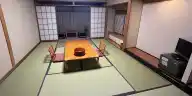
La noche que planearía con más cuidado es la de Hakone, porque allí el ryokan (la posada tradicional) es una experiencia en sí misma. Es el momento central del viaje: la cena es un kaiseki de varios platos servido sin prisa, pasáis la velada con el yukata de algodón que os presta la posada, y el baño termal es lo más importante. Algo que conviene saber en pareja: los grandes baños públicos están separados por sexo, así que si os apetece bañaros juntos, buscad una posada con kashikiri-buro (un baño privado que reserváis para los dos) o una habitación con su propia bañera al aire libre (en el recuadro tenéis los detalles). Es también la solución más sencilla si alguno de los dos lleva un tatuaje. Y no os agobiéis con la etiqueta: como nos contaron los propios anfitriones de ryokan, lo que les importa es que estéis a gusto, no que lo hagáis todo perfecto.
Lo primero, conseguid una tarjeta IC cada uno (una Suica o una ICOCA, cualquiera vale) y casi podréis olvidaros de los billetes: la pasáis por el lector al entrar y al salir, la tarifa se calcula sola y, como las tarjetas son compatibles en todo el país, la que compréis en Tokio sirve también en Hakone y en los autobuses de Kioto. También podéis pagar con ella en las tiendas de conveniencia.
Para los dos trayectos largos, un pequeño aviso en cada caso. A Hakone yo tomaría el Romancecar de Odakyu, un expreso limitado con asientos reservados que sale directo desde Shinjuku; y ya en Hakone, el Hakone Freepass os sirve para todo el circuito de la montaña (tren, funicular, teleférico, el barco que cruza el lago) sin comprar billete en cada tramo. De Hakone a Kioto se va en el Shinkansen de la línea Tokaido desde Odawara; la única pega es que los trenes más rápidos, los Nozomi, no paran en Odawara, así que tendréis que tomar un Hikari o un Kodama (el recuadro lo explica). Y lo que suele pillar desprevenida a mucha gente: con una tarjeta IC normal no podéis subir al Shinkansen; hay que reservar por Smart-EX o comprar un billete. Yo aprovecharía para reservar dos asientos juntos.
Por lo demás, moverse en pareja aquí es realmente poco estresante, y es gracias a Google Maps: os indica el tren, el andén y muchas veces hasta el vagón exacto al que subir. El miedo a perderse casi desaparece, y os queda más tiempo para pasear sin rumbo.
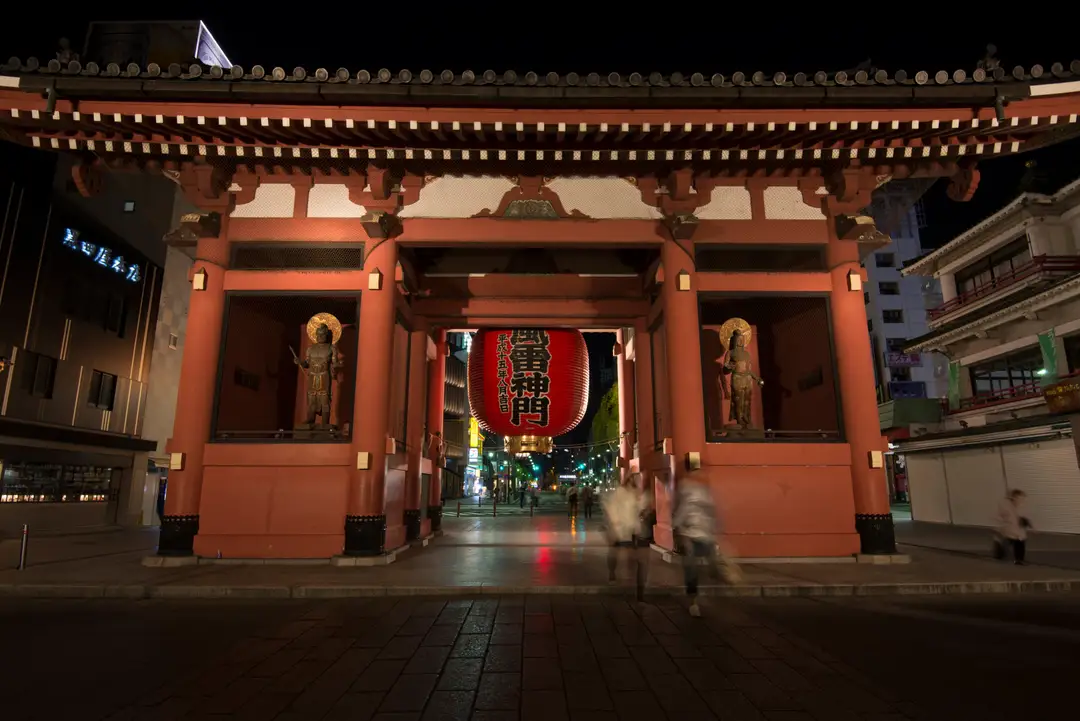
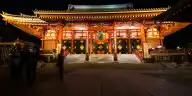
Yo haría que el primer día fuera tranquilo a propósito: es probable que lleguéis con jet lag, y no tiene sentido obligaros a ver algo con la cabeza nublada tras un vuelo largo. Sacad algo de efectivo en el cajero de una tienda de conveniencia, dejad las maletas y quedaos por la zona del alojamiento durante la tarde. Después, daos un pequeño gusto que marca el tono de todo lo demás: una cena temprana y sin prisa, juntos, en una barra. La pregunta de «¿mesa para dos?», que en casa puede resultar tan cargada, aquí apenas existe: en muchísimos locales se pide en una máquina junto a la puerta, os sentáis en dos taburetes de la barra y veis trabajar a los cocineros justo delante. No hace falta llenar silencios ni aparentar nada; simplemente os sentáis el uno junto al otro y dejáis que el día se calme. Senso-ji, iluminado y abierto por la noche una vez que se marchan los visitantes de un día, es un lugar tranquilo y precioso para dar juntos un primer paseo sin prisa.
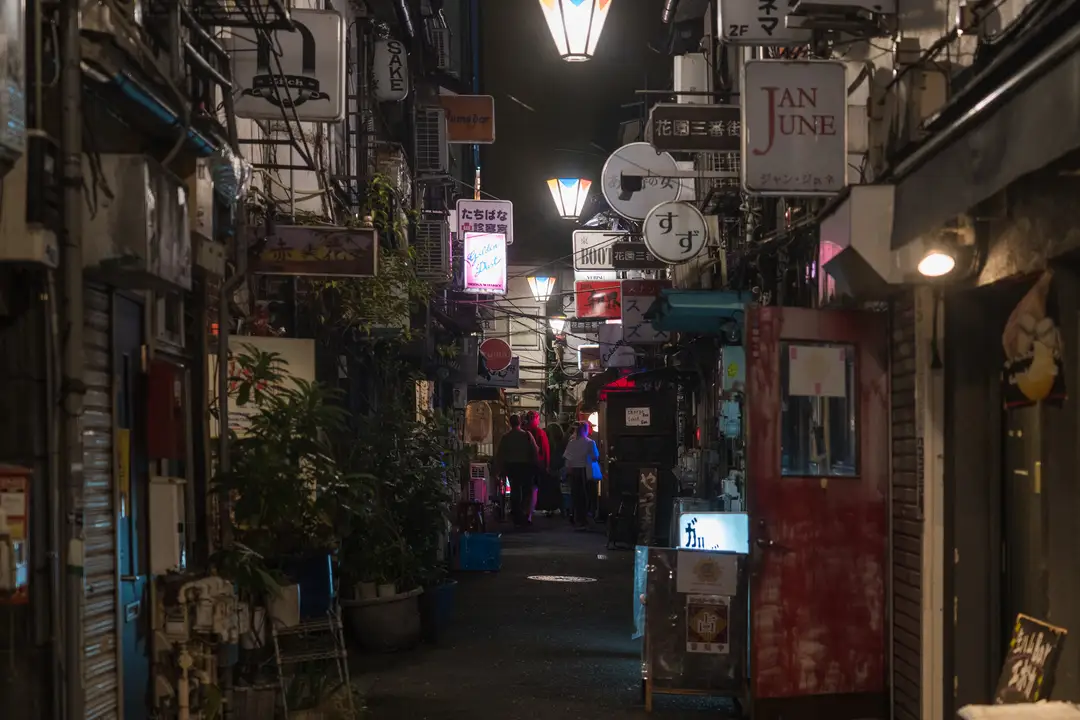
Hoy toca Tokio en pleno bullicio, y en pareja lo divertido es el contraste: ruido y color toda la tarde, y luego una velada tranquila solo para los dos. Yo empezaría en el silencio verde de Meiji Jingu, un santuario en medio del bosque que abre al amanecer, y de ahí saldría directo al color de Harajuku y a las boutiques de la avenida arbolada de Omotesando. Por la tarde elegiría algo que de verdad se disfruta más en pareja: el mundo de arte digital de teamLab, donde os movéis de la mano por un espacio luminoso y cambiante, perdiéndoos y reencontrándoos; aquí estáis dentro del romanticismo en lugar de mirarlo desde fuera (reservad franja horaria con antelación; el recuadro lo explica). Y terminaría donde Tokio es más acogedor para dos: un yokocho, uno de esos callejones iluminados por farolillos llenos de diminutos bares de pie e izakaya, donde os apretujáis en una barra, vais pidiendo platillos sobre la marcha y os sentís como en el salón de alguien. La ciudad es ruidosa, pero vuestra noche puede ser tranquila.
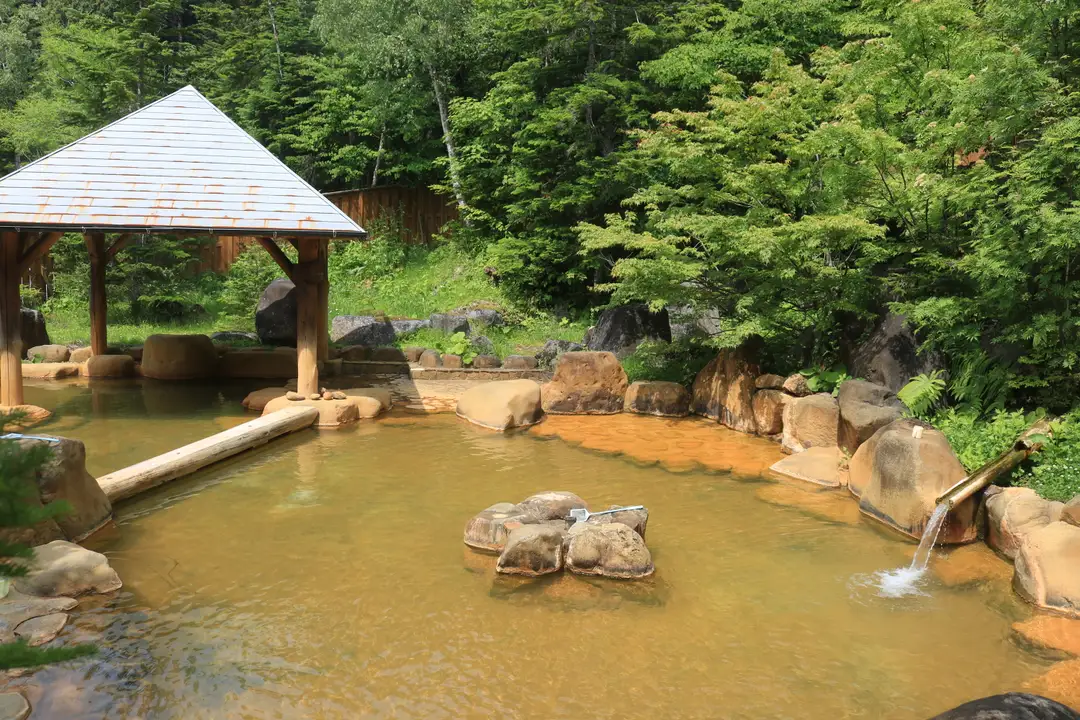
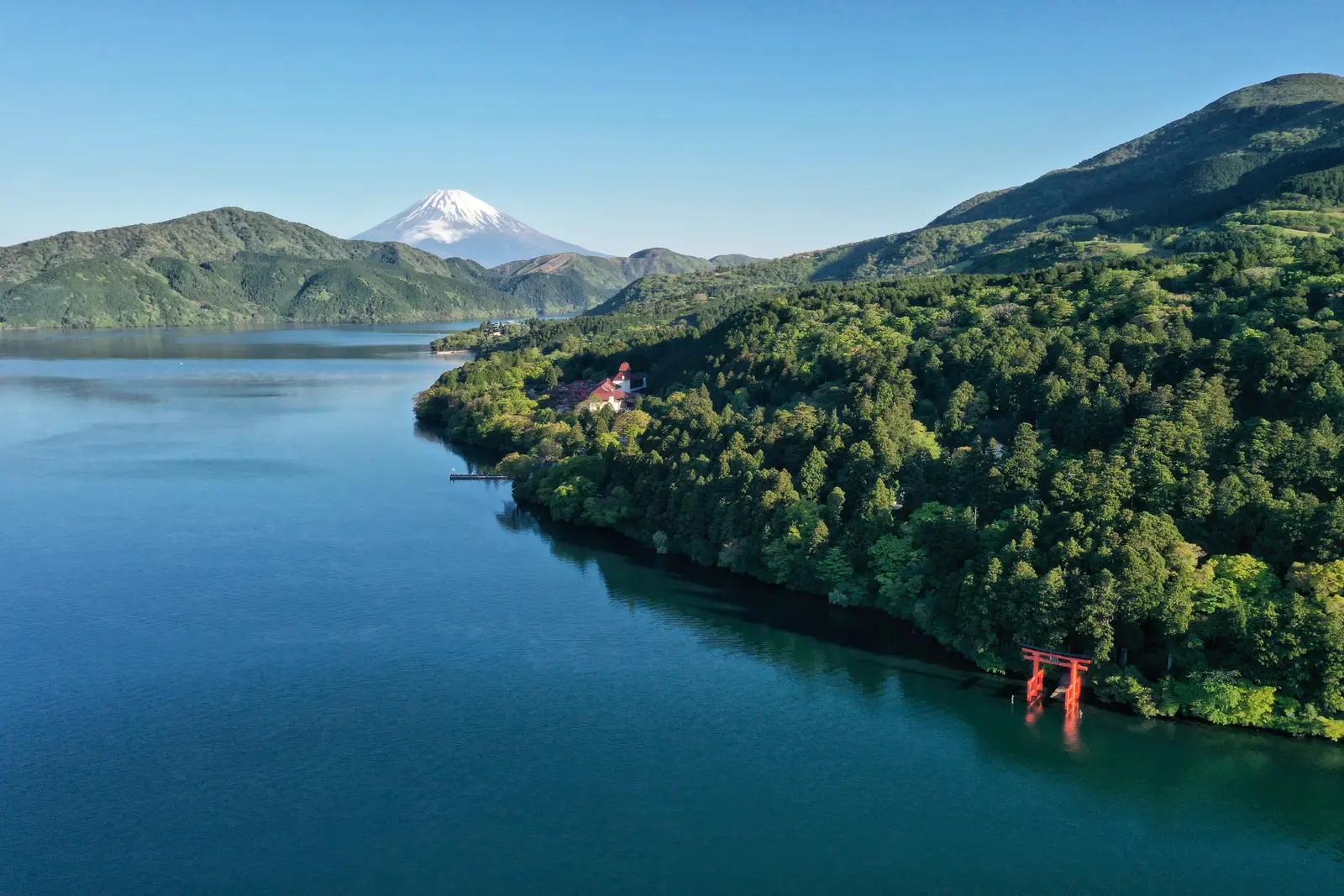
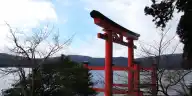
Este es el día que yo protegería por encima de todos. Salís de Tokio en el Romancecar rumbo a las aguas termales de la montaña, y todo el día gira en torno a una sola velada. Por la tarde ya habréis dado la vuelta a la montaña (un trenecito, un funicular, un teleférico sobre un valle humeante, un barco que cruza un lago hasta un pórtico rojo de santuario que se alza en el agua), y si el día está despejado veréis el monte Fuji sobre el lago Ashi, igual que en los grabados antiguos. Pero el circuito es solo el preludio. Lo importante es la noche: hacéis el check-in en un ryokan, os ponéis el yukata y por fin podéis relajaros del todo. El baño, la cena kaiseki sin prisas, una velada sin nada que hacer y sin nadie más a quien complacer: esto, más que cualquier monumento, es lo que las parejas suelen recordar. Si tuviera que darme un capricho en un primer viaje juntos, sería esta noche.
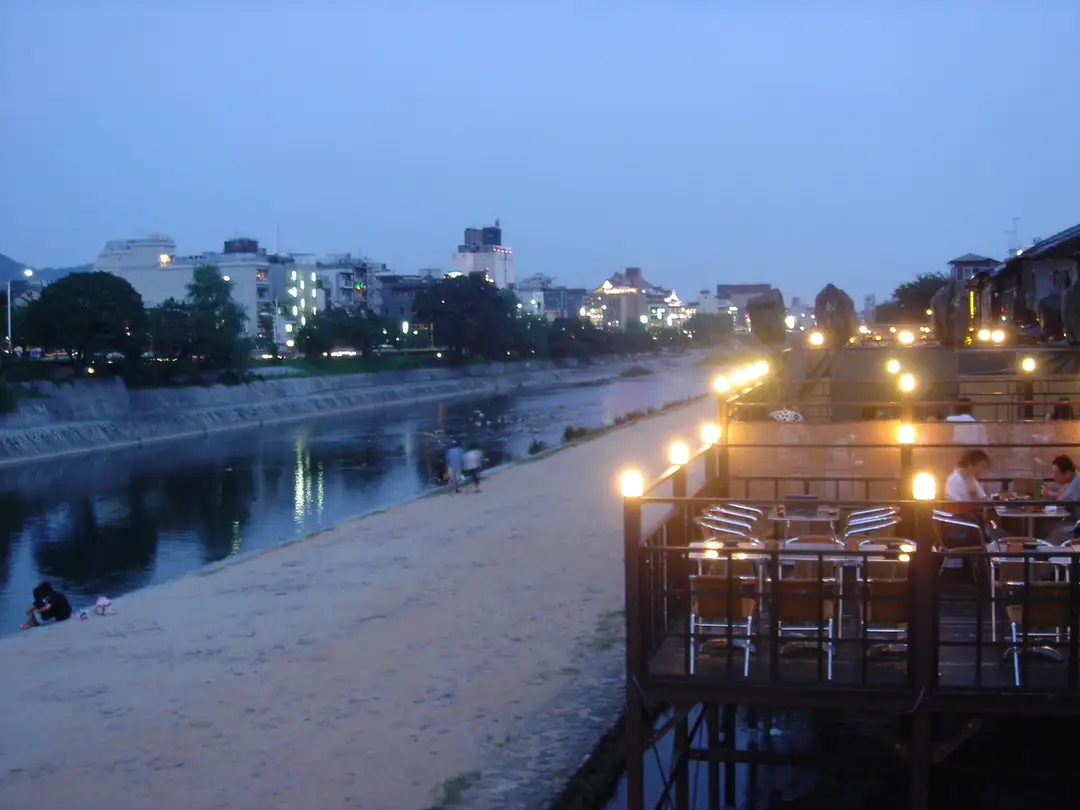
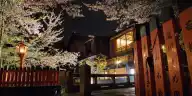
Antes de irme me daría un último baño por la mañana (una buena despedida de Hakone) y luego tomaría el Shinkansen hacia el oeste, hasta la antigua capital. Dejad las maletas y dedicad la tarde a las colinas del este, donde mejor se conserva el Kioto antiguo: la gran terraza de madera de Kiyomizu-dera, las callejuelas de piedra de Sannenzaka y Ninenzaka que bajan por la ladera a sus pies, y Gion a la hora en que se encienden los farolillos. En pareja, aquí el día se vuelve deliciosamente lento: dejáis que los grupos turísticos vuelvan a sus autobuses mientras vosotros os quedáis en las callejuelas que se van vaciando hasta la hora azul, y luego bajáis sin prisa hacia el río. Para las parejas, buena parte del encanto de Kioto está junto al río: a lo largo del Kamogawa y en el estrecho callejón de Pontocho, iluminado por farolillos, la gente lleva siglos viniendo a cenar y pasear con el fresco de la noche, y en los meses cálidos los restaurantes montan terrazas kawayuka justo sobre el río (recuadro). Un pequeño recordatorio para Gion: en estas callejuelas vive y trabaja gente, así que quedaos en las calles públicas y caminad con discreción; seréis bienvenidos.
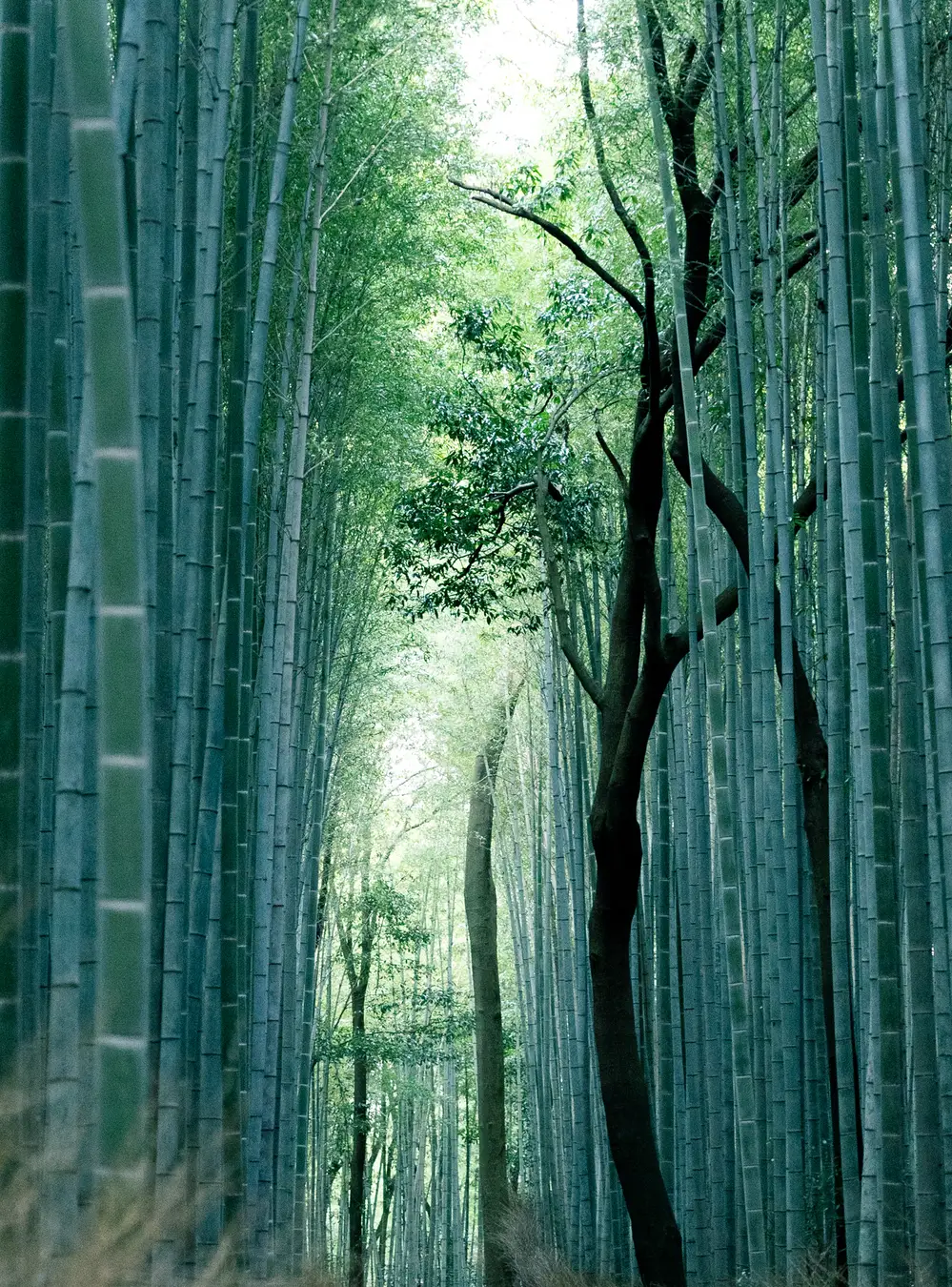
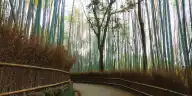
Este es el regalo que pueden hacerse dos madrugadores: un lugar famoso, vacío. Antes de las nueve, la ciudad antigua es de quien ya está despierto, así que yo pondría el despertador por una vez y me plantaría en los túneles de pórticos bermellón de Fushimi Inari con las primeras luces, cuando el pasillo está casi en silencio y vuestros pasos son el único ruido de la montaña (está abierto las 24 horas). Luego el día sigue con calma hacia el oeste, hasta Arashiyama, la zona de Kioto donde se juntan el río y el bambú: el imponente bosque de bambú, recorrido temprano mientras aún está en calma, el jardín zen de Tenryu-ji abierto a las colinas de detrás, el puente Togetsukyo sobre el río. Si vuestras fechas caen dentro de la temporada en que funciona, el pequeño Tren Romántico de Sagano (así se llama de verdad) remonta traqueteando la garganta del Hozugawa: un trayecto lento entre follaje, que no necesita explicación (recuadro). Yo terminaría con una comida sin prisa en algún sitio, y con algo de lo que muchas parejas se dan cuenta al final: lo que recordaréis después no serán tanto los monumentos como los momentos entre uno y otro (el baño, la barra, la callejuela al amanecer, el río), esos ratos que Japón os fue dejando solo para vosotros dos.
Con un día más, yo apostaría todavía más por la calma en lugar de añadir visitas. Un día más en Kioto le sienta de maravilla a una pareja: una mañana tranquila por el Camino del Filósofo hasta el pabellón de plata de Ginkaku-ji, una casa de té, una comida larga, una tarde sin planes. O una excursión tranquila a Nara, donde los ciervos que hacen reverencias y el Gran Buda dan para un paseo fácil y relajado para los dos. O, si la noche de Hakone os dejó con ganas de otra, dedicad la noche extra a un pueblo termal en lugar de a una ciudad: en Kinosaki, al norte de Kioto, todo el pueblo funciona como una sola posada; paseáis entre siete baños públicos con el yukata que os presta vuestro ryokan, mientras los geta repiquetean sobre los puentes de piedra al anochecer.
¿Poco tiempo? El viaje se puede acortar sin perder lo esencial, y lo esencial es la noche de Hakone: eso es lo único que yo no tocaría. Me quedaría con Tokio, la noche de onsen y Kioto, y simplemente recortaría un día de ciudad en cada extremo: día y medio en Tokio, la noche en Hakone y luego Kioto. En un primer viaje, lo que apetece es meterlo todo, pero en pareja funciona mejor lo contrario: menos lugares, vividos despacio, dejan sitio para la callejuela al amanecer y la cena larga que hacen que el viaje sea de verdad vuestro. Elegid las dos o tres cosas que más os atraigan a los dos, y dedicadles todo el tiempo que necesiten.
Esta ruta puede ser la base de un viaje más largo en cualquiera de las dos direcciones. Hacia el oeste, desde Kioto se llega directamente al resto de Kansai (Nara con más calma, el neón y la comida callejera de Osaka, el torreón blanco de Himeji) y a una noche distinta a cualquier otra de este viaje: el alojamiento en un templo del Koyasan, con la comida vegetariana de los monjes y una ceremonia al amanecer. Hacia el este, desde Tokio se abre el resto de Kanto. Y si vuestras fechas coinciden con los cerezos en flor o los colores del otoño, esta misma ruta, vivida al ritmo de la estación, se convierte en un viaje distinto: las flores o las hojas convierten una callejuela corriente en un recuerdo que compartiréis los dos. Añadáis lo que añadáis, yo mantendría la costumbre que os ha funcionado aquí: dejad más tiempo libre del que parece razonable, porque los momentos que las parejas recuerdan suelen llegar en esos ratos sin plan.
WMJS se escribe en Japón, por un japonés que quiere que conozcas su país un poco mejor, y se traduce al español con ayuda de la IA. Revisamos cada página, pero el español no es nuestra lengua materna. Si una frase suena rara, dínoslo. Con una frase basta.
Gracias. Cada mensaje lo lee una persona.
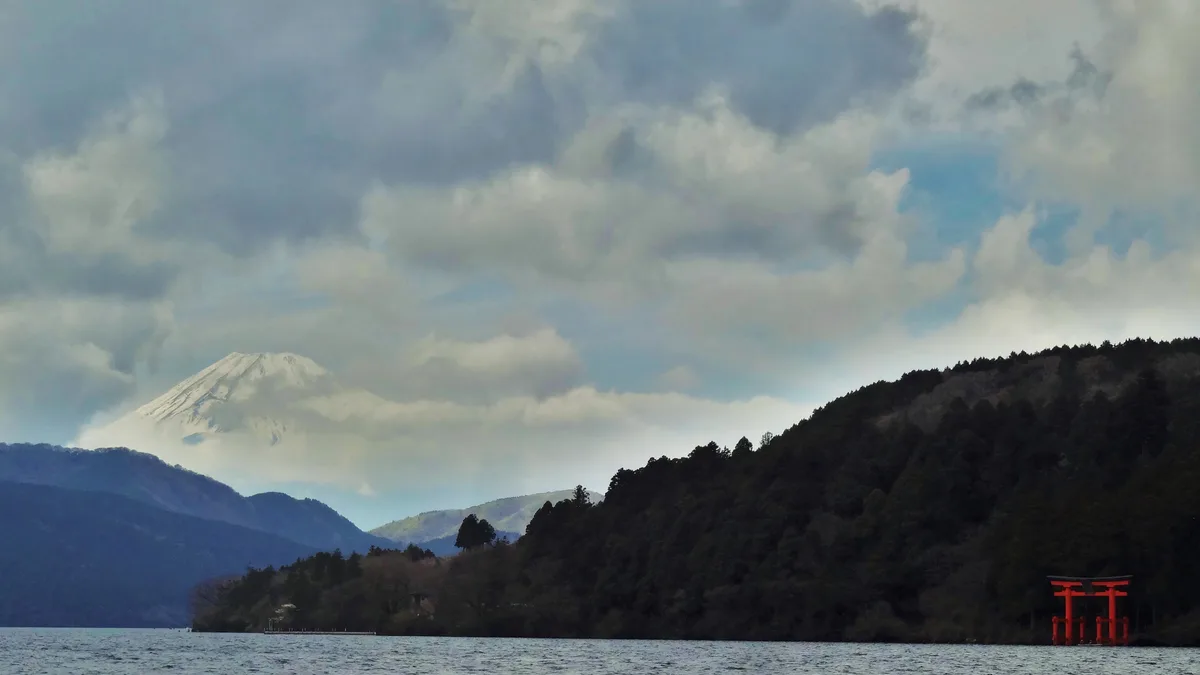
¿Vale la pena el circuito de Hakone? Ponderamos 186 voces de viajeros: el 59% dice que sí, solo el 15% quedó decepcionado. El circuito de tren de montaña, funicular, teleférico y barco nacido en torno a la cura termal, con billetes, mejores fechas y audioguía.
Hakone (Lake Ashinoko)
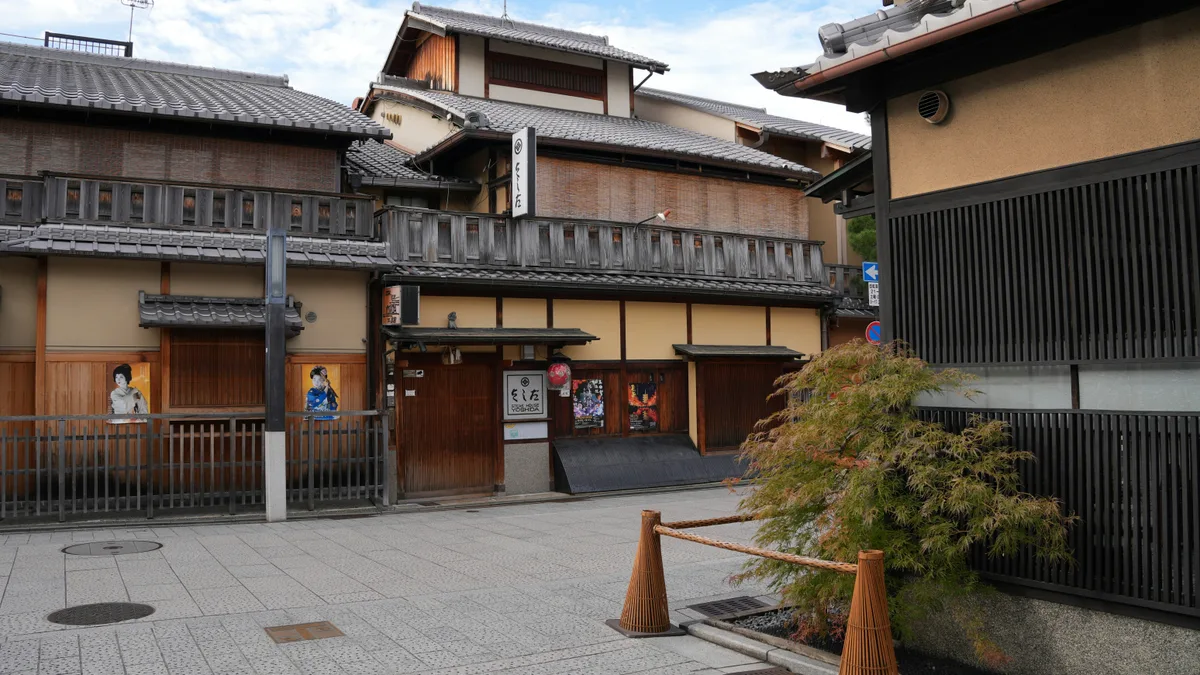
Pasea por Gion, el barrio de las flores de Kioto: el Santuario Yasaka, Hanamikoji y el canal Shirakawa, con respeto hacia las geiko y maiko que viven y trabajan aquí.
Gion
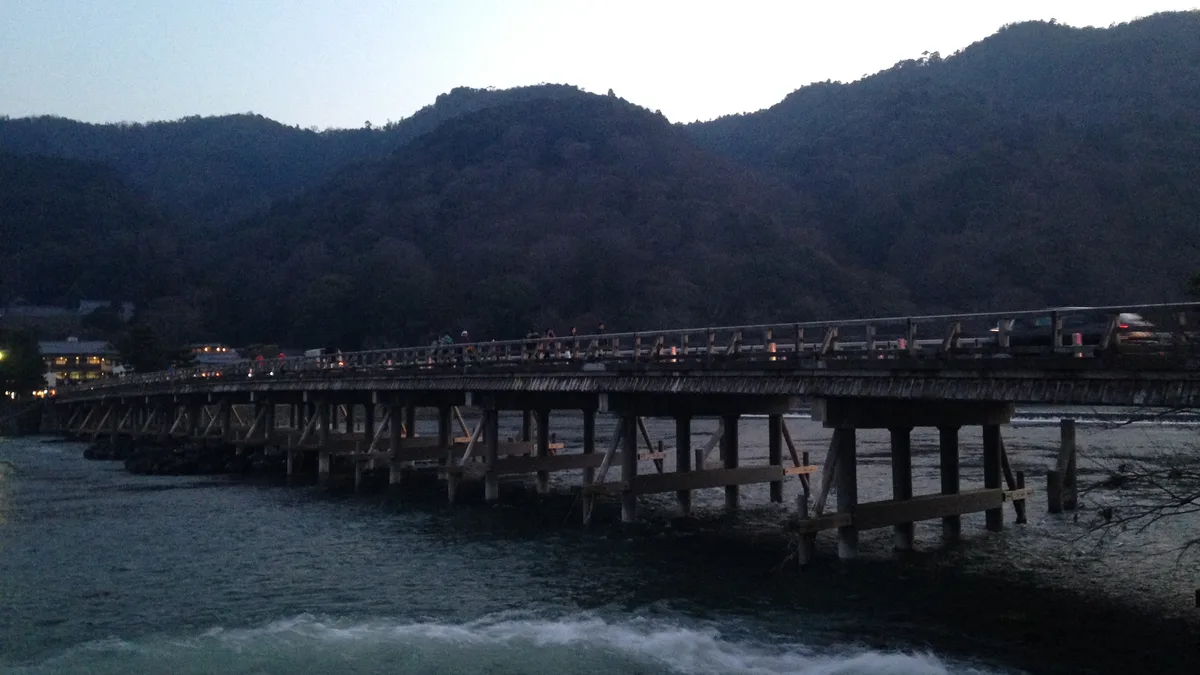
Guía en audio de Arashiyama: el bambú de Sagano, uno de los 100 paisajes sonoros que Japón eligió conservar. Cruza el puente Togetsukyo, el Puente de la Luna, descubre el jardín del Tenryu-ji que toma prestada la montaña y aléjate de la multitud para escuchar el viento entre los tallos.
Arashiyama
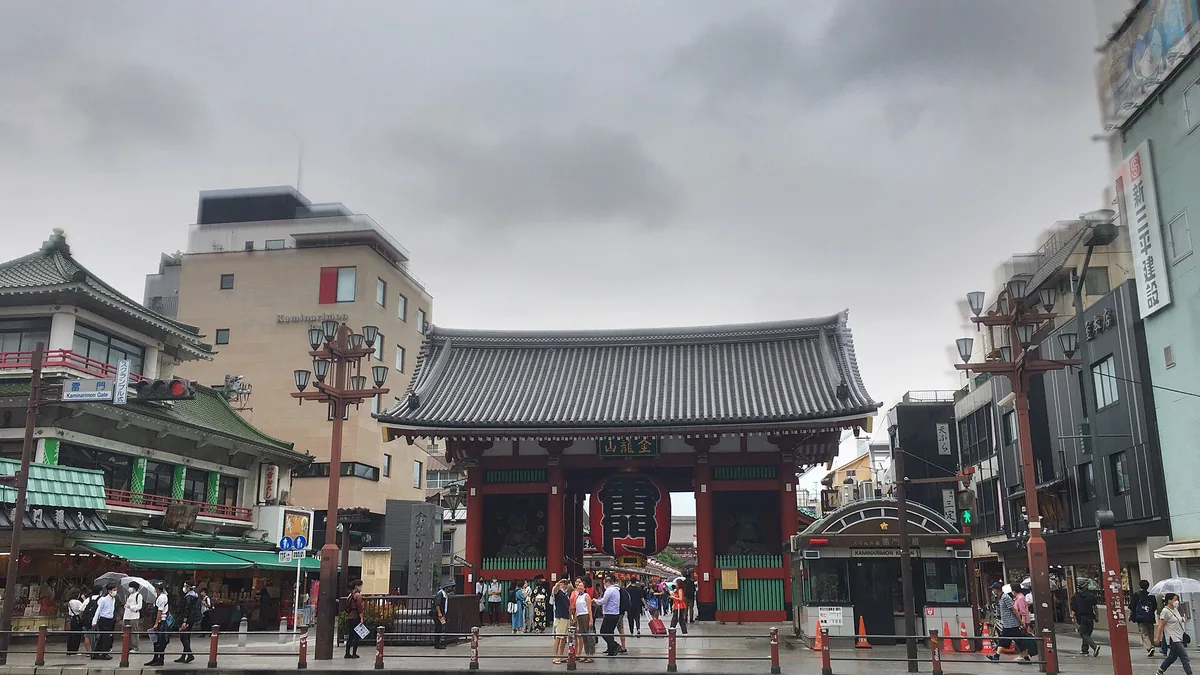
¿Vale la pena visitar el Senso-ji? Ponderamos 125 voces de viajeros: el 54% dice claramente que sí. Horarios, entrada gratuita, cuánto tiempo necesitas y por qué la multitud siempre ha sido parte de la oración, con audioguía incluida.
Senso-ji Temple
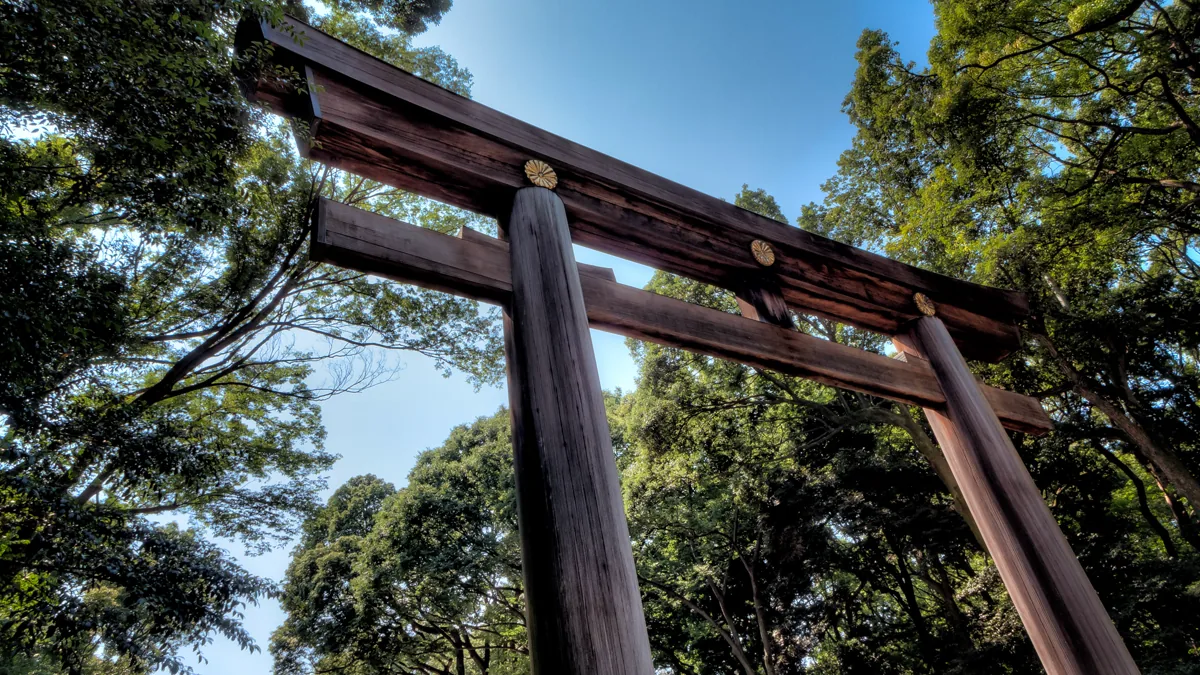
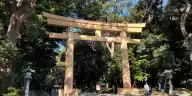
¿Vale la pena visitar el Meiji Jingu? Ponderamos 70 voces de viajeros: el 75% dice que sí vale la pena, y las reseñas japonesas lo valoran aún más cálido, con 82%. Gratuito, un bosque de 70 hectáreas plantado enteramente a mano en 1920, con el Gran Torii y el pozo de Kiyomasa en el jardín interior, con audioguía.
Meiji Jingu
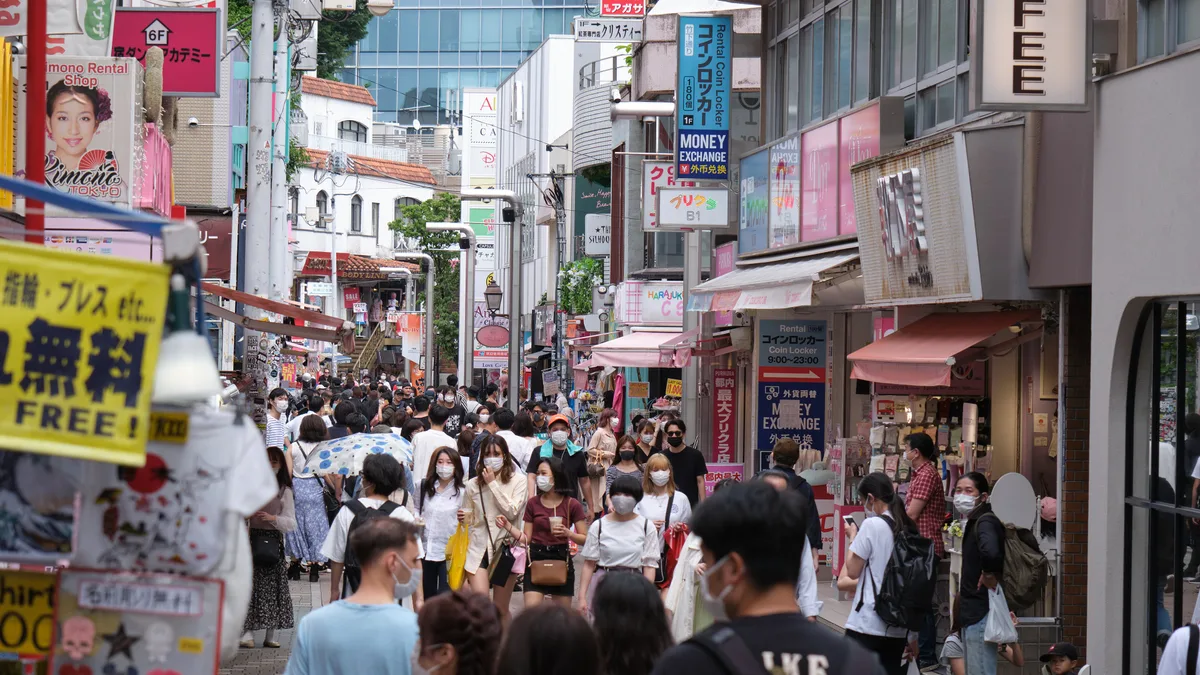
¿Vale la pena Harajuku? Contamos 99 opiniones de viajeros: el 64% dice que sí si dejas atrás el agobio de Takeshita Street y sigues hasta Cat Street y Omotesando. Crepes, moda kawaii, cómo llegar y qué recorrido hacer, con audioguía.
Harajuku
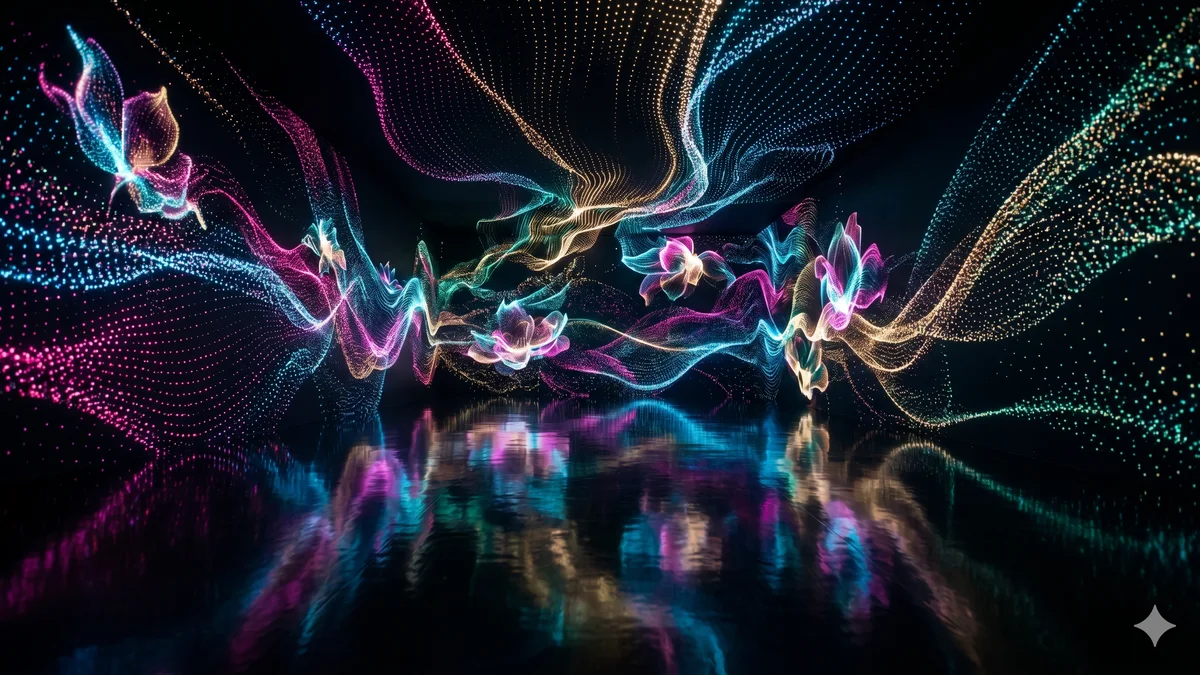
¿Vale la pena teamLab Tokio? Ponderamos 79 voces de viajeros: el 57% dice que sí, las reseñas japonesas son aún más cálidas con un 75%. Cómo elegir entre Borderless y Planets, reservar, vestirse, con audioguía.
teamLab Tokyo
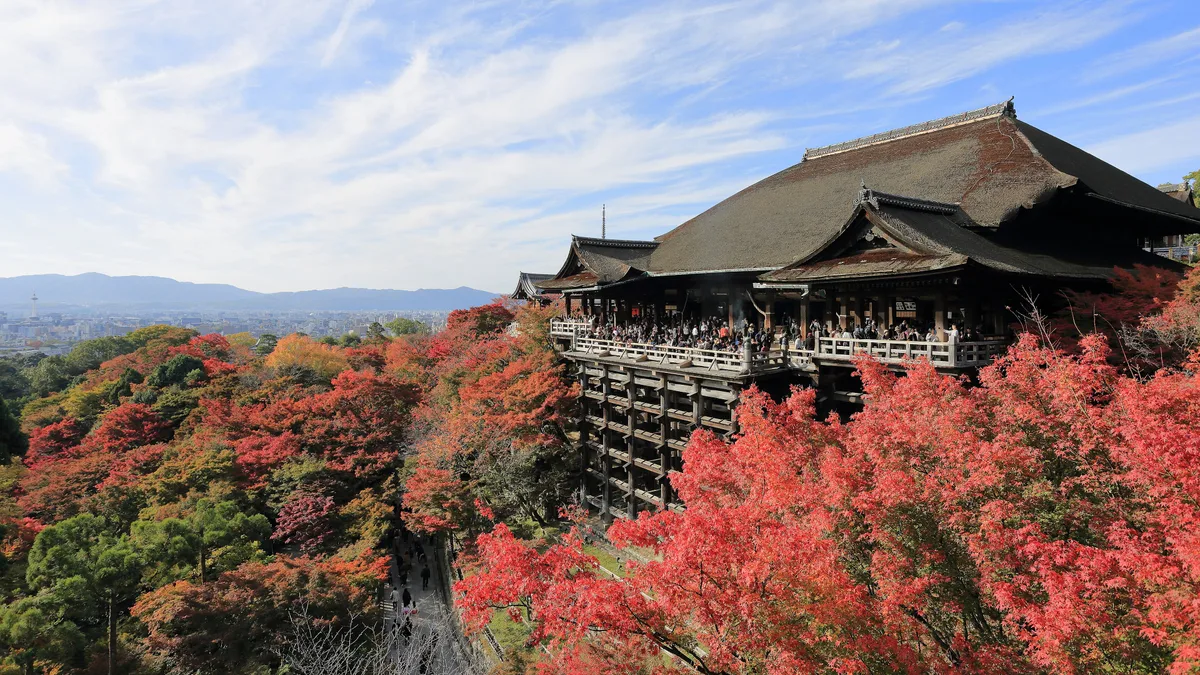
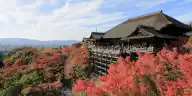
¿Merece la pena Kiyomizu-dera? El 48% de 55 voces internacionales y el 76% de 111 voces japonesas dicen que sí, si eliges bien la hora. Guía de audio con la apertura a las 6 de la mañana, las iluminaciones nocturnas y consejos útiles.
Kiyomizu-dera Temple
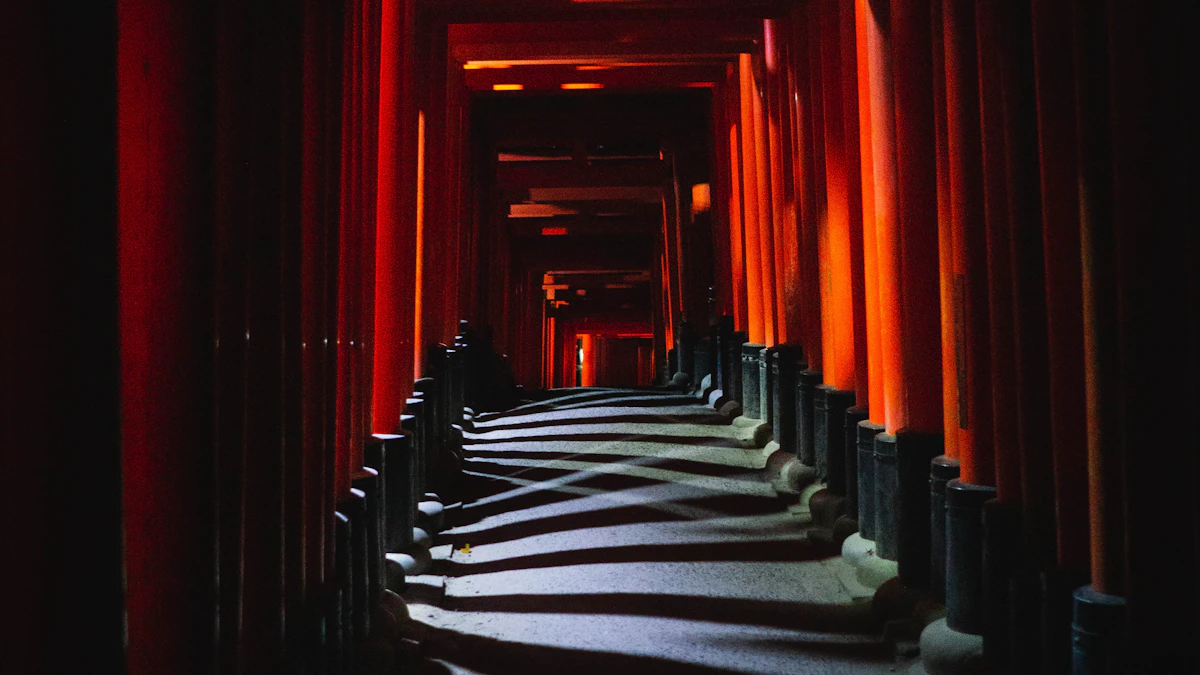
Las diez mil puertas bermellón de Fushimi Inari son agradecimientos que se pueden atravesar caminando. Guía cultural en audio verificada con fuentes oficiales: por qué los zorros son mensajeros y no dioses, por qué la cima no tiene vistas, y cómo evitar las multitudes.
Fushimi Inari Taisha
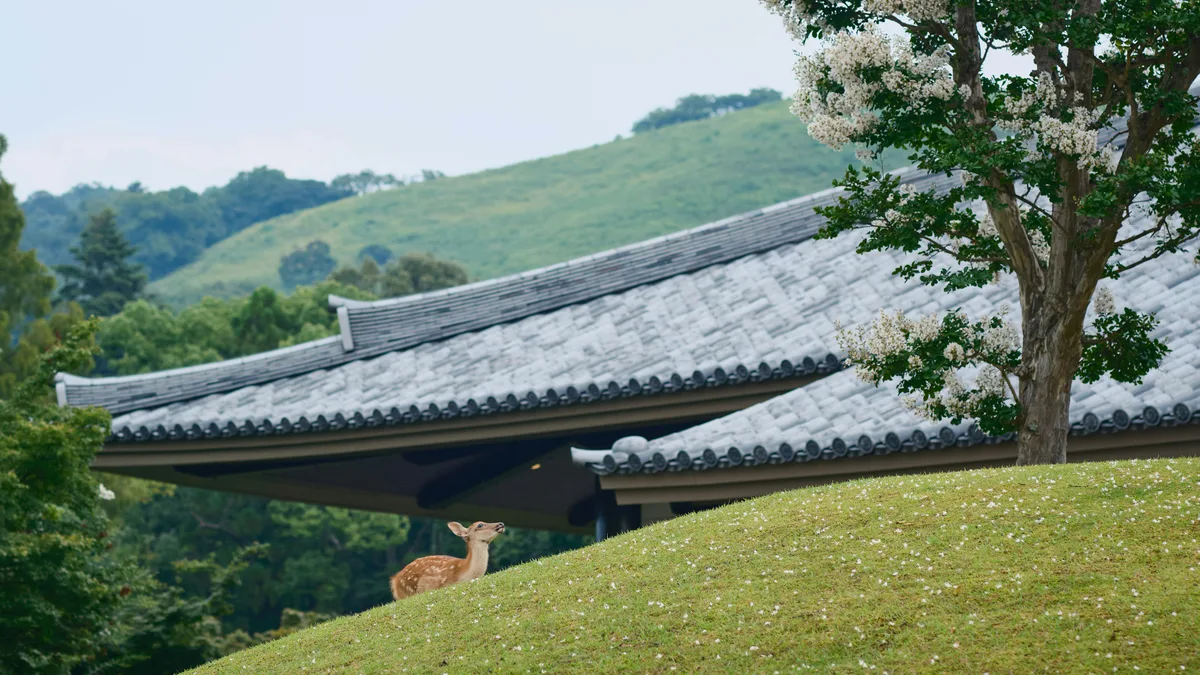
¿Vale la pena visitar el parque de Nara? De 100 opiniones de viajeros ponderadas, el 65 % dice que sí, y las reseñas japonesas son aún más favorables, con un 80 %. Gratuito, abierto día y noche, con más de 1.400 ciervos sagrados, junto al Gran Buda del Tōdai-ji y el camino de faroles del Kasuga Taisha, con audioguía.
Nara Park
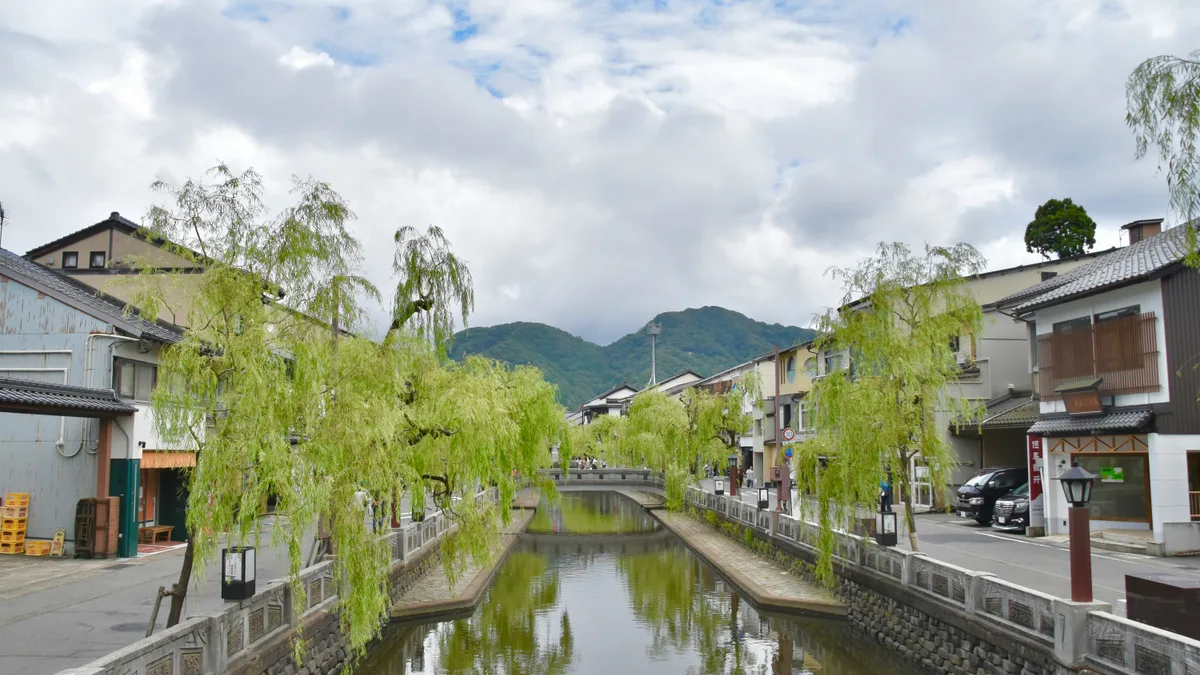
¿Vale la pena Kinosaki Onsen? De 84 viajeros, el 69 % lo considera uno de los mejores momentos del viaje, y las reseñas japonesas quedan muy cerca con un 67 %. Los siete baños públicos, el paseo en yukata bajo los faroles, la temporada del cangrejo de las nieves y una audioguía.
Kinosaki Onsen (Otani River)
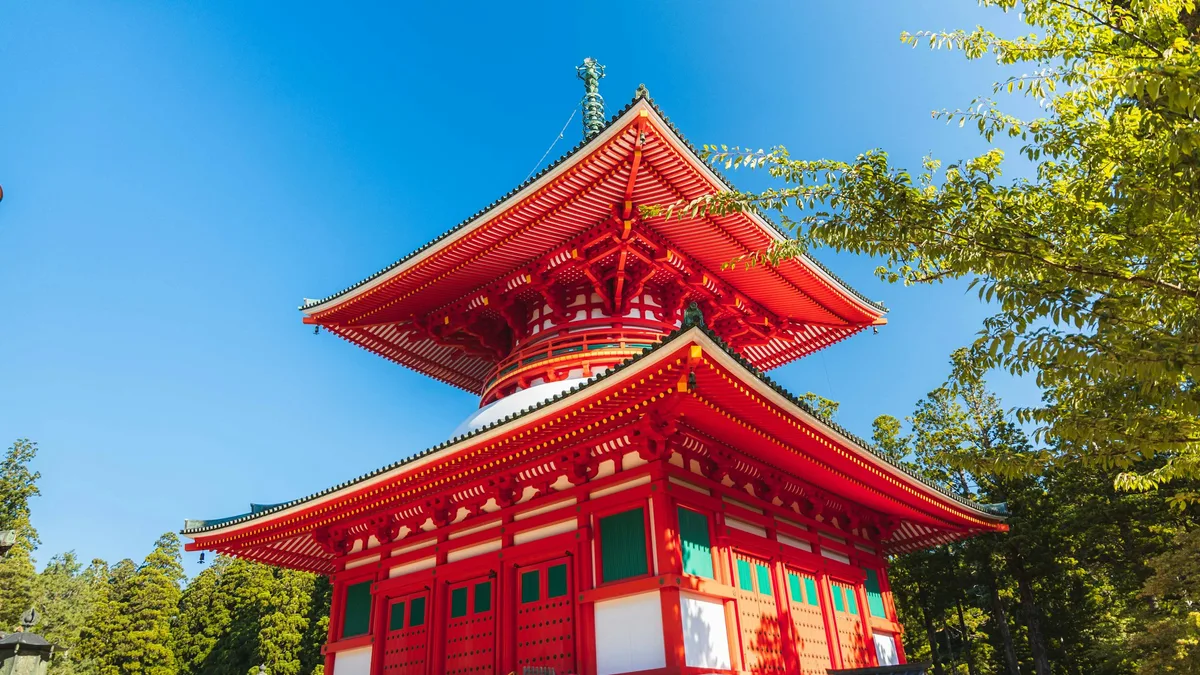
¿Vale la pena visitar Koyasan? Ponderamos 83 voces de viajeros: el 53% dice que sí vale la pena, y las reseñas japonesas lo valoran aún más cálido, con 79%. Una montaña sagrada fundada por el monje Kukai en 816, a la que se llega desde Osaka en tren, teleférico y autobús, donde pasar una noche en un templo (shukubo) marca la mayor diferencia, con audioguía.
Koyasan (Mount Koya)
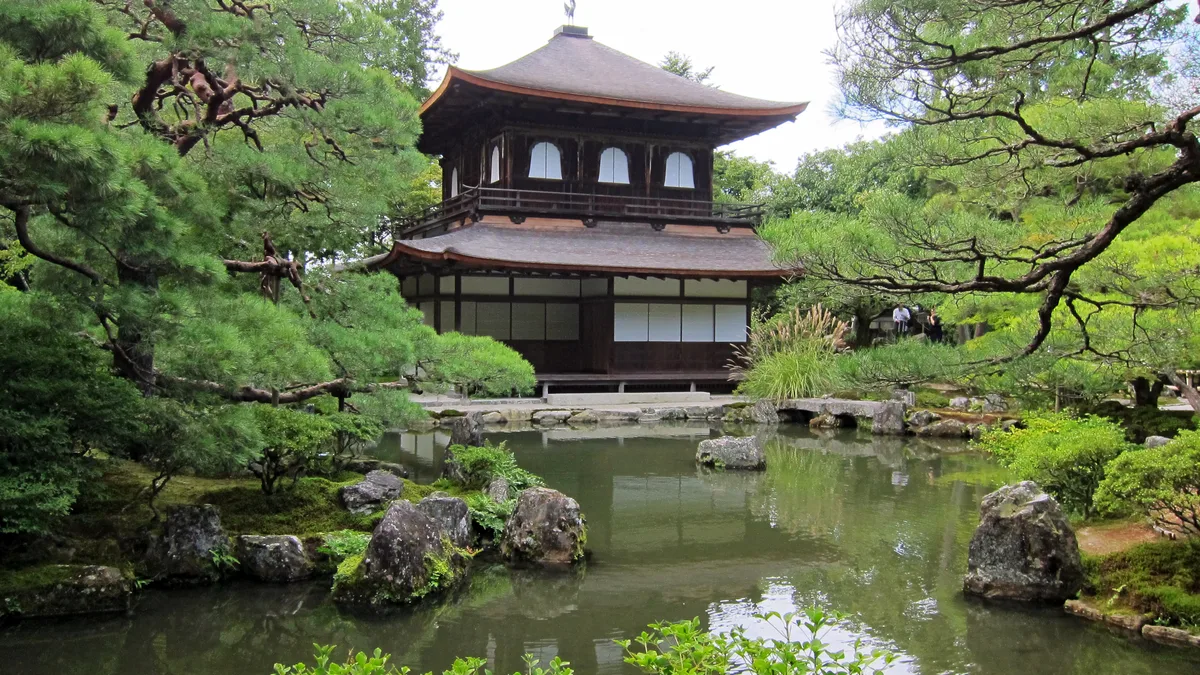
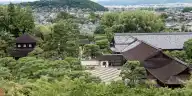
Guía del Ginkaku-ji de Kioto: horario 8:30–17:00 (verano), entrada 1.000 yenes, acceso en metro a Imadegawa más bus 203. Mar de arena plateada, jardín de musgo, mirador y el Camino de la Filosofía. Descubre por qué el Pabellón de Plata no tiene plata, en contraste con el oro de Kinkaku-ji.
Ginkaku-ji (Jishō-ji)




El corazón más antiguo de Japón — Kioto, Nara, Osaka — a un ritmo cómodo
La capital y sus excursiones de un día — el viejo Tokio, Kamakura junto al mar, Nikko en la montaña — a un ritmo cómodo
Kioto en pleno arce, y cómo leer el reloj que sigue el color, para plantarte dentro de él en vez de perseguirlo
La Ruta Dorada de Tokio a Kioto al ritmo de los cerezos, y cómo seguir el avance de la floración como hacen los japoneses, para que una fecha que no puedes reservar se convierta en lo mejor del viaje
Tres pueblos, tres respuestas al agua que tienen debajo: Hakone apila muchas fuentes en una sola montaña, Kinosaki entrega una única agua a toda la calle y Beppu tiene tanta que bañarse se volvió algo cotidiano