
Visiting Harajuku, Where You Can Wear Anything and No One Turns to Look
Harajuku
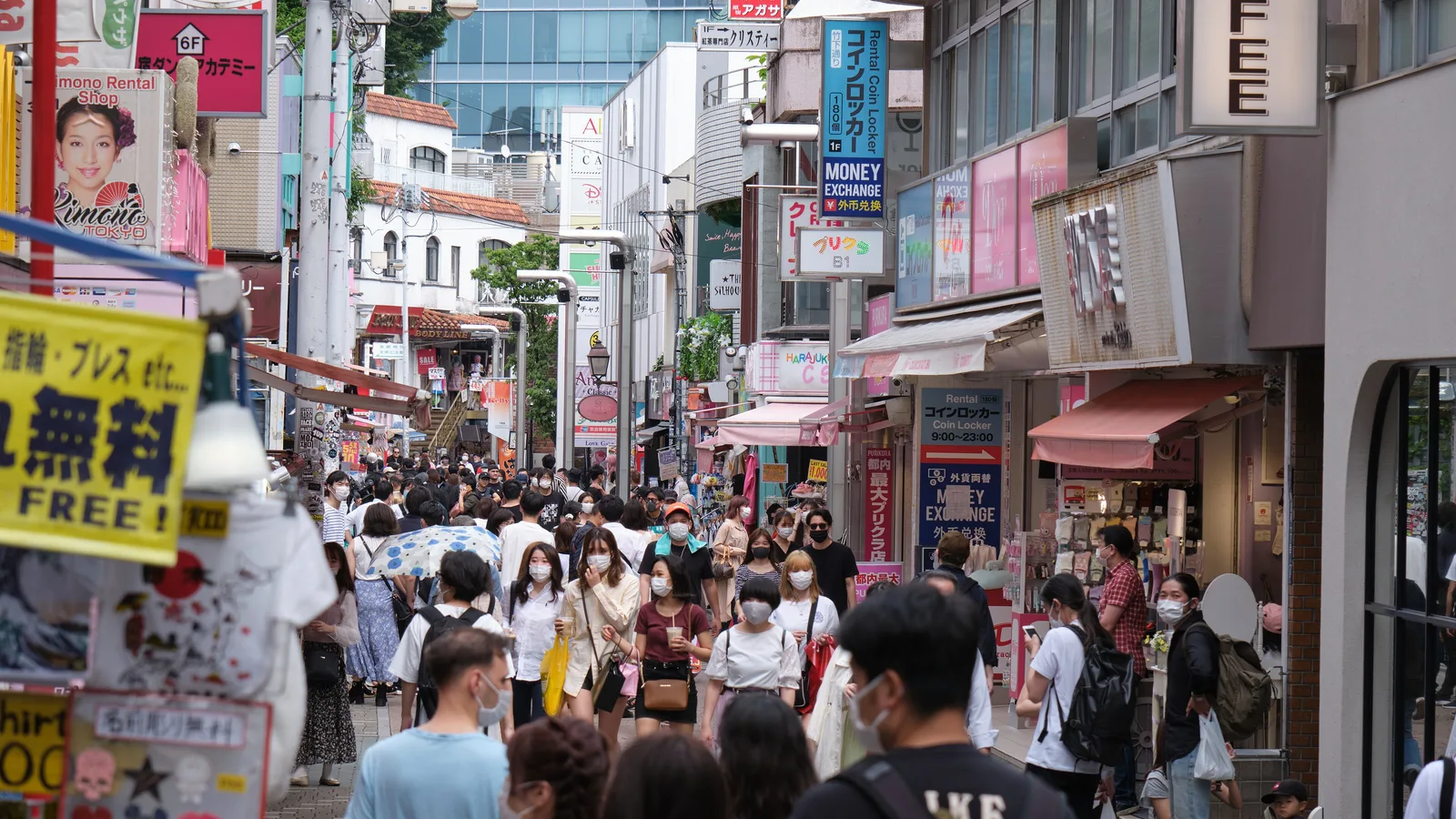
By Kei · Born and raised in JapanIs Harajuku worth visiting? By the voices we gathered, yes, with a catch: 64% of international visitors call it worth it once they walk past Takeshita Street's crowded 350 meters into Cat Street and Omotesando, and 36% feel let down by the crush alone. Japanese visitors and locals, who know Takeshita Street as a teenagers' shopping lane rather than a legend, rate it even more warmly. Harajuku Station's Takeshita Exit sits directly across from the street, the walk on to Omotesando takes about 15 minutes, and weekday mornings beat weekend crowds. What visitors actually said, including the exact fix for the crush, is further down this page.
The Meaning
Come out of Harajuku Station and you have a choice to make in the first thirty seconds, though most people never notice they are making it.
Turn one way, toward a great wooden gate, and a forest swallows the city. That is Meiji Jingu, where the traffic fades to a crunch of gravel and the sound of Tokyo simply stops. Turn the other way, across the road, and you face a narrow lane packed shoulder to shoulder with teenagers, color, and the smell of warm crepes. That is Takeshita Street, the front door to one of the most famous corners of young Japan.
Two worlds, one station. At the shrine, what falls away is noise. Here, what falls away is something harder to name: the feeling of being watched.
Japan is often described, by Japanese people most of all, as a place where you read the room, notice how you might look to others, and learn to manage standing out. Harajuku is the rare spot where that weight lifts. Tokyo's official tourism site calls it "a birthplace of kawaii (cute) culture" and "the land of free-spirited fashion," a place to express yourself. On this street, a teenager in head-to-toe pink, someone in a homemade costume, and a traveler who feels overdressed everywhere else can all walk the same hundred meters, and no one turns to look.
The name itself remembers something quieter. Harajuku is written with characters that mean, roughly, "meadow lodging": it began long ago as a small post town, a place to pause on the way to somewhere else. Then a great shrine was built beside it, a grand avenue was laid to approach it, and over the last half-century the young came, and kept coming, and made the place their own.
What they made is not a monument, something finished and meant to stay that way. The styles here have been rewritten by one generation after another, and they are being rewritten now. You are not visiting a preserved thing; you are stepping, for an hour, into a place that is still deciding what it is.
What Happens When You're There
Step 1: The Gate of Takeshita Street, Where the Looking Stops
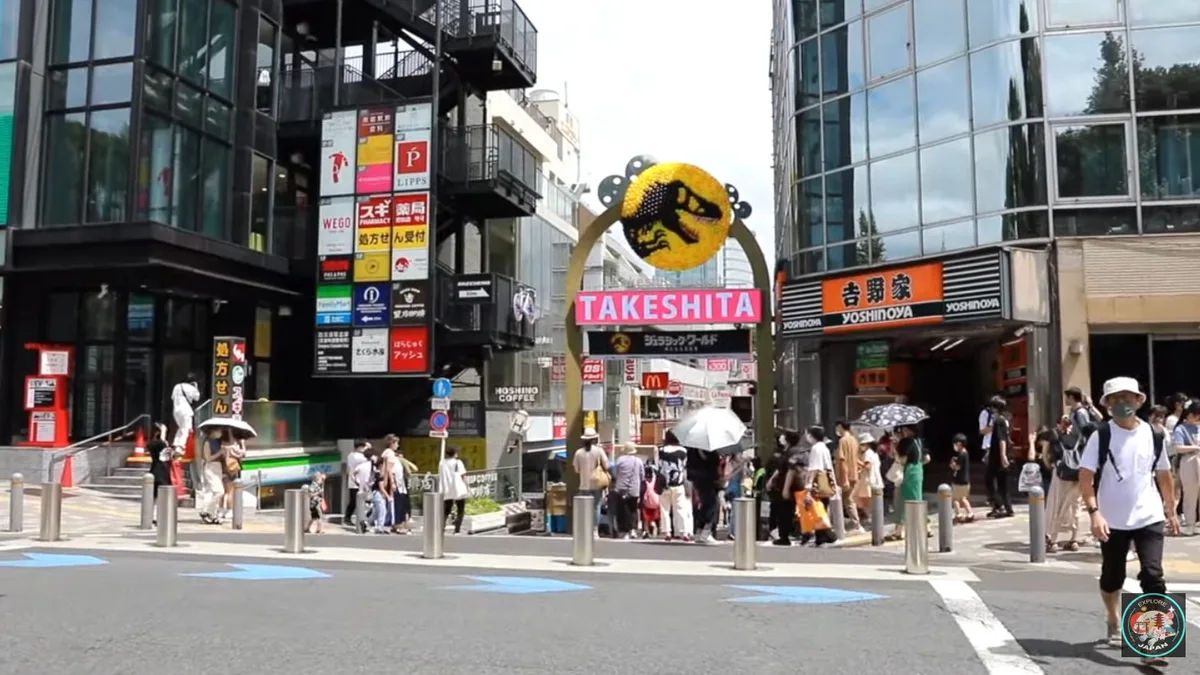
The entrance is easy to find and hard to believe at the same time. Step out of the Takeshita Exit of Harajuku Station, and the street begins directly across the road: a single lane, about 350 meters long, running gently downhill between two unbroken walls of shops.
At Meiji Jingu, a torii gate marks the line where the everyday world ends and a sacred one begins. There is no gate here, only a crowd, but a line is crossed all the same. A few steps in, the unspoken rule that governs most Japanese streets (keep yourself tidy, keep yourself unremarkable) quietly switches off.
It is, to be honest, a lot at once. On a weekend afternoon the lane can fill so completely that you move at the speed of the people around you and no faster. The shops post a simple request in several languages: keep to the left, and keep moving in one direction, so everyone can get through. If the density catches you off guard, you are in good company. People who grew up elsewhere in Japan are startled by it too on their first visit; even Tokyoites tend to come for a reason and leave when they are done. That feeling doesn't mean you're doing something wrong; it's simply what this street is.
Step 2: A Crepe and the Color Flood
The thing to do is buy a crepe and let it slow you down. A thin pancake, rolled into a cone around whipped cream and fruit (strawberry, banana, sometimes a slice of cheesecake), held in one hand as you walk. It is the unofficial flavor of the street. According to niponica, a magazine published for Japan's Ministry of Foreign Affairs, the shop often credited as Japan's first crepe stand opened right here on Takeshita Street in 1977, and the habit never left.
With a crepe in hand, the street becomes easier to read. The shops sell what teenagers can afford: racks of secondhand clothes, plastic jewelry, socks with cartoon faces, makeup, kawaii trinkets by the thousand. Photo booths, known as purikura, glow at the back of arcades, ready to brighten your skin and widen your eyes. Little of it is expensive, and none of it is trying to be.
Two small kindnesses make the walk better for everyone. A crepe is a walking food, but the gentle habit is to finish it near the shop you bought it from rather than trailing it through the crowd. The etiquette around eating while walking is softer than many visitors fear, and this is one of the streets where it is most relaxed. And when someone's outfit stops you in your tracks, which it often will, the warm thing is to enjoy it, and to ask before you photograph a stranger. The people who dress boldly here are part of why the street feels free; a camera pointed without a word can quietly take that freedom away.
Step 3: The Style That Never Stays
Here is the part most guides leave out: the look of Harajuku is never the same look for long.
Across the decades, this street has belonged to one young style after another: each vivid, each certain it would last, each eventually handing the corner to the next. What you photograph today is not what an older sister photographed, and not what the next traveler will. The fashion does not sit still to be admired. It moves.
That is easy to read as decline; people have been announcing the "end" of Harajuku style for years. But a thing that keeps changing is not dying. It stays alive by changing. The street is less a museum than a workshop, and you are walking through it mid-project.
This is also why Harajuku is gentler than it looks. Elsewhere in Japan you might worry whether your clothes are right, and the honest answer, as Japanese people themselves will tell you, is that they are mostly not watching. Harajuku takes that one step further. Here the unusual is not merely tolerated but welcomed. The word the official guides reach for, kawaii, is usually translated as "cute," yet on this street it works less like a description and more like a kind of permission: to like what you like, openly, without apology, and to let other people do the same.
Step 4: Cat Street and Omotesando, the Quieter Harajuku
When the density of Takeshita Street becomes too much, and it may, the cure is one block away.
Slip out the far end into Cat Street, which Tokyo's tourism office describes simply as "the more grown-up version of Takeshita Street." It runs between Harajuku and Shibuya, lined with vintage shops and small boutiques, and it breathes. The crowds thin. You can hear yourself think.
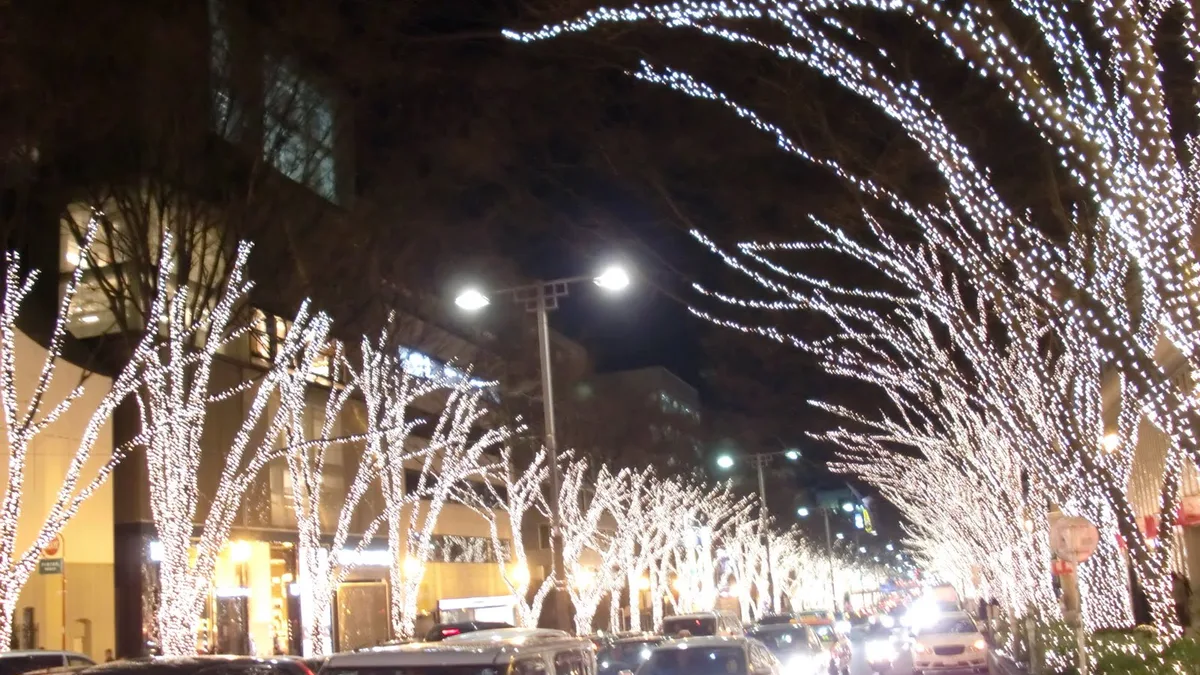
Keep going and you reach Omotesando, the broad, tree-lined avenue that was, originally, the formal front approach to Meiji Jingu (the name means "the front approach"). Its rows of zelkova trees arch over roughly a kilometer of pavement, a green tunnel the city lights up in winter. Tokyo's tourism site likes to call it the city's answer to the Champs-Élysées and lines it with the flagship stores of the world's fashion houses. The official guides put the contrast neatly: if Takeshita Street is the cool teenager, Omotesando is the composed older sibling.
These are, properly, three different streets with three different moods (Takeshita, Cat Street, and Omotesando), and the common mistake is to think Harajuku is only the first. The fullest version of the place is the walk between them: from loud to quiet, from young and cheap to calm and grown.
Step 5: Back to the Gate
Walk back up toward the station and the street lets go of you slowly: the color, the crowd, the sugar.
Watch the young people around you doing the same. In an hour they will be home, in school uniforms or work clothes, back inside the careful, considerate rhythm that keeps so much of Japan running smoothly. For one afternoon, on one narrow lane, they tried on a louder version of themselves, and the city let them.
Why here? Why does this single street, of all the streets in Tokyo, switch off the weight of being watched? No one decided it on purpose. It simply became the place where that was allowed, and stayed that way, generation after generation, because each new wave of the young needed somewhere to find out who they were before they were sure.
You came for the crepes and the costumes. What you walked through was more than that: a place that has quietly agreed, for almost no reason anyone can name, to let people be exactly as much themselves as they want to be.
Thank you for walking with us.
What Visitors Honestly Say
Before you go, it helps to hear from the people who have already made the trip. We gathered the voices of international travelers who have actually walked Harajuku's shopping streets, counting each voice once:
The fix that visitors name most often: "Don't go to Takeshita-dori. It's awful and overcrowded... If you want crepes, there are other places on side streets literally just off it." Cat Street is the one place people never regret. "I still like going. It's worth it for a couple of hours at least. Don't skip Cat Street."
Japanese visitors and locals, reviewing the very same street in their own words, land even more warmly:
For them the street is simply what it has always been. "Middle and high schoolers pretty much all go here. Once they become university students, everyone somehow drifts off to Asakusa instead." Only a third as many Japanese reviewers felt let down as foreign visitors did, and mostly for a different reason: not the crowd, which they name just as plainly, but a quiet sense that this particular street was never really theirs.
The full picture, foreign and Japanese voices together, is in Is Harajuku Worth It?
Good to Know
Getting there: Harajuku has two front doors. Harajuku Station sits on the JR Yamanote Line; take the Takeshita Exit and the street is directly across the road. Meiji-jingumae 'Harajuku' Station (Tokyo Metro Chiyoda and Fukutoshin lines) brings you out closer to Omotesando and Cat Street. Harajuku is one stop from Shibuya on the Yamanote Line, about four minutes from Shinjuku and twenty-six from Tokyo Station; you can also simply walk between Harajuku and Shibuya in around twenty minutes. For more on the trains, see getting around Japan.
Where Takeshita Street starts: Directly opposite the Takeshita Exit of JR Harajuku Station, you can hardly get it wrong. The lane runs about 350 meters downhill to Meiji-dori.
The three areas: Tokyo's official tourism site names Harajuku's three main shopping streets as Takeshita Street (young, loud, inexpensive), Cat Street (vintage and calmer, toward Shibuya), and Omotesando (grown-up, designer, tree-lined). Knowing they exist saves you from thinking Takeshita Street is all there is.
Crepes and snacks: Several crepe stands cluster near the same end of Takeshita Street; any of them will do. Cash is useful at the smaller shops; see cash or card in Japan.
Best time to go: Weekday mornings are the most walkable; weekend afternoons are the busiest. Come on a Saturday if you want the energy, or early on a weekday if you want room to browse.
A half-day: A relaxed loop runs Harajuku Station → Takeshita Street → a crepe → Cat Street → Omotesando, about two to three hours. Add the forest of Meiji Jingu across from the station and you can have the loud Harajuku and the silent one in a single day.
The station: The area around Harajuku Station was rebuilt and reopened in 2020, so the layout in older guidebooks may not match what you find.
Last verified: 2026-06. Train times are from Tokyo's official tourism site; always check current schedules before you travel.
Official tourism info: gotokyo.org: Harajuku
If Things Don't Go as Planned
You can barely move. On busy afternoons Takeshita Street becomes a slow river of people. The easiest fix is to stop at the entrance, take in the whole lane first, then step in and let the crowd carry you, or skip the squeeze entirely and walk one block over to Cat Street, which has the same spirit with room to breathe.
It looked better in the photos. Takeshita Street is the bright, busy front of Harajuku, not the whole of it. If the souvenir shops and snack stands feel thin, the more interesting clothes and quieter character live in the back lanes, on Cat Street, and in the boutiques toward Omotesando. Treat the main street as the doorway, not the room.
It feels too young for you. Takeshita Street is aimed squarely at teenagers, and that is the point of it. The grown-up version of Harajuku is a short walk away: the vintage shops of Cat Street and the designer avenue of Omotesando, where the same neighborhood turns calm, leafy, and adult.
Someone approaches you on the street. If a person stops you to hand out flyers or offer to lead you somewhere, a polite "no thank you" and a few more steps is all it takes. You are never obliged to follow anyone, and walking on is completely normal here.
The shop you came for is gone. Harajuku changes constantly; that is its nature. Famous stores open and close within a few years, so it is best not to build your whole visit around one address. Come for the street itself, and let what is there now be the surprise.
You wanted the wild street fashion and don't see it. The most striking outfits come and go with the day and the season: weekends draw more of them than weekdays, and the area near the station footbridge has long been a gathering spot. But the deeper truth is that the style here is always moving on. What looks like absence is usually just the next thing arriving.
Sources:
- GO TOKYO (Tokyo Convention & Visitors Bureau): Harajuku: "Birthplace of kawaii (cute) culture," "the land of free-spirited fashion," "meadow lodging" name origin, Cat Street as "the more grown-up version of Takeshita Street," 2020 station-area rebuild, access times (Shinjuku 4 min, Tokyo 26 min, 10-min walk to Omotesando, 20-min walk to Shibuya)
- GO TOKYO: Takeshita Street: 350-meter length, starts across the road from JR Harajuku Station, Takeshita Exit beside the station, crepes and purikura
- GO TOKYO: Aoyama & Omotesando: Omotesando as "Tokyo's answer to the Champs-Élysées," tree-lined boulevard, winter illumination, flagship fashion stores
- JNTO (Japan National Tourism Organization): Harajuku: Harajuku on the Yamanote Line between Shibuya and Shinjuku, one stop from Shibuya, three main shopping areas (Takeshita-dori, Ura-Harajuku, Cat Street), Metro Chiyoda/Fukutoshin lines to Meiji-jingumae
- JNTO: Harajuku & Omotesando: "If Harajuku is the cool teenager, then Omotesando is the more mature and sophisticated older sibling," Omotesando as the front approach to Meiji-jingu (omote = front, sando = approach)
- niponica (published for Japan's Ministry of Foreign Affairs): Crepes: The shop credited as Japan's first crepe stand opened on Takeshita Street in 1977
- Harajuku-Omotesando Keyaki-kai (local merchants' association): Omotesando avenue runs roughly 1.1 km; the zelkova (keyaki) tree is its symbol
- Tokyo Metro: Meiji-jingumae 'Harajuku' Station: Chiyoda and Fukutoshin lines, official station name
- Takeshita Street Merchants' Association: Official request to keep to the left and move in one direction during heavy crowds
Image credits: Takeshita Street crowds (hero), photo by Real Estate Japan, CC BY 2.0; Takeshita Street in summer, photo by japanvlogjp, CC BY-SA 4.0; Omotesando winter illumination, photo by Shift, CC BY-SA 3.0; all via Wikimedia Commons.
WMJS is written in Japan, in English, with AI help. We check every page, but English is not our first language. If a sentence reads oddly, tell us. One sentence is enough.
Thank you. A person reads every note.
Real voices
Is it worth it?
Were you there? Share your photos.
Your photo could appear in this guide — with your name and a link to your profile.
Submit a photoRelated Articles

Is It Rude to Eat While Walking in Japan? — What Japanese People Actually Think
"Excuse Me, Can You Take My Photo?": What Japanese People Really Think
More guides in Kanto
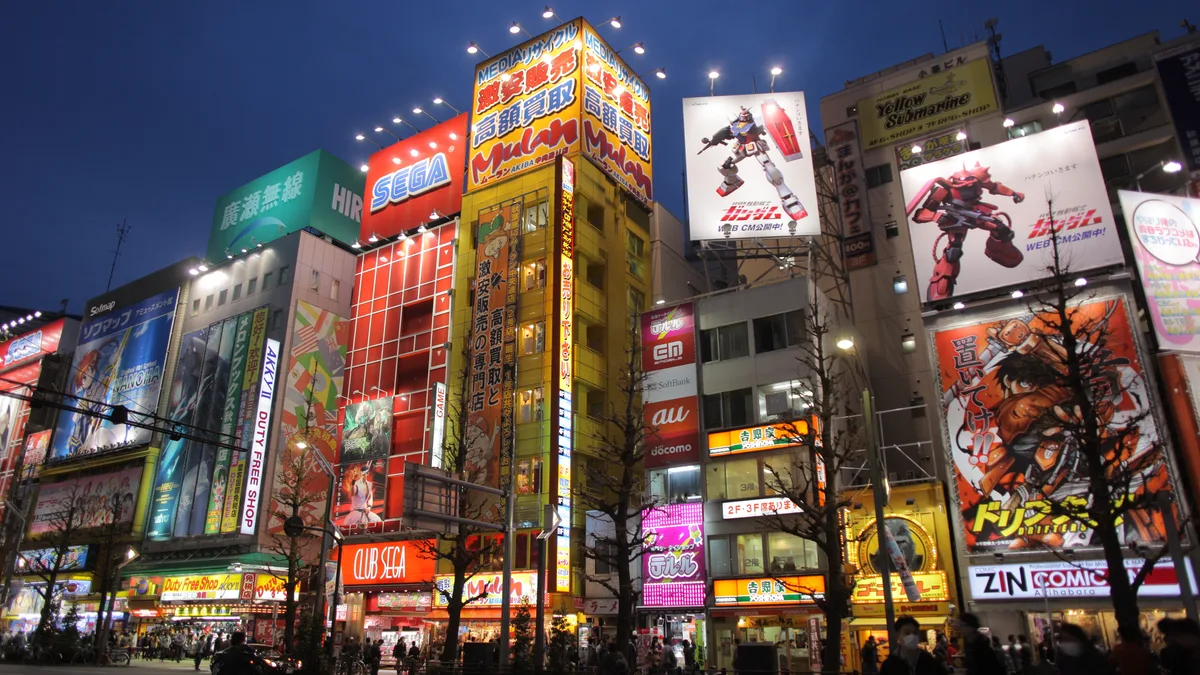
Visiting Akihabara, Tokyo's Electric Town Where You're Allowed to Love What You Love
Is Akihabara worth visiting? We weighed 149 traveler voices: 29% say yes outright, 44% say it depends on whether you love anime, games or electronics, and Japanese reviewers land warmer at 69%. How the district is laid out, getting there, and who it's for, with an audio guide.
Akihabara (Electric Town)
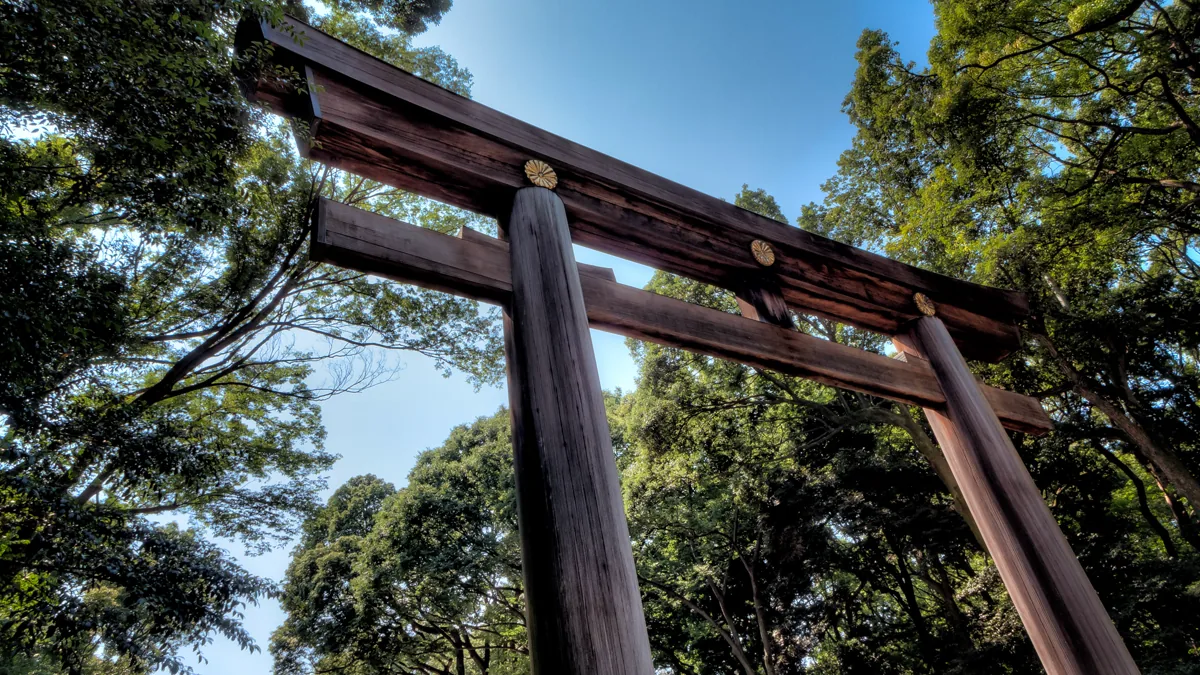
Visiting Meiji Jingu, Where 100,000 Trees Were Planted to Make a Forest That Tends Itself
Is Meiji Jingu worth visiting? We weighed 70 traveler voices: 75% say worth it, and Japanese locals rate it even higher at 82%. Free, a 70-hectare forest planted entirely by hand in 1920, home to the Great Torii and Kiyomasa's Well in the Inner Garden, with an audio guide.
Meiji Jingu
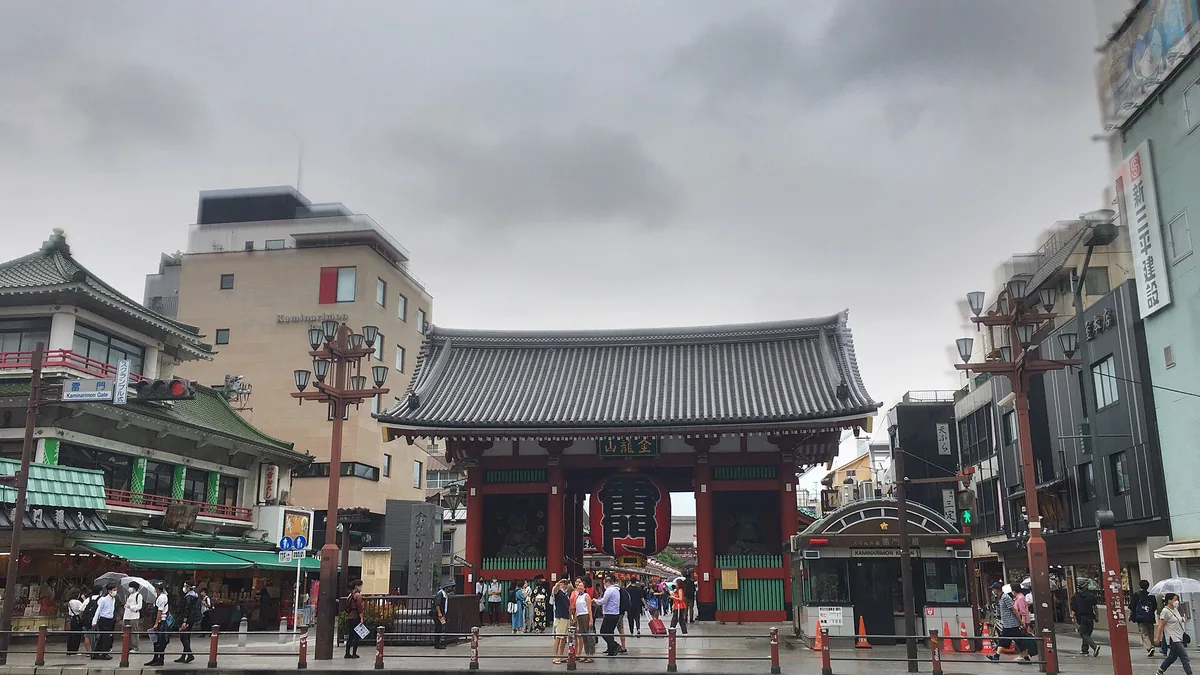
Visiting Senso-ji, Tokyo's Oldest Temple
Is Senso-ji worth visiting? We weighed 125 traveler voices: 54% say worth it outright. Hours, free admission, how long you need, and why the crowd has always been part of the prayer, with an audio guide.
Senso-ji Temple
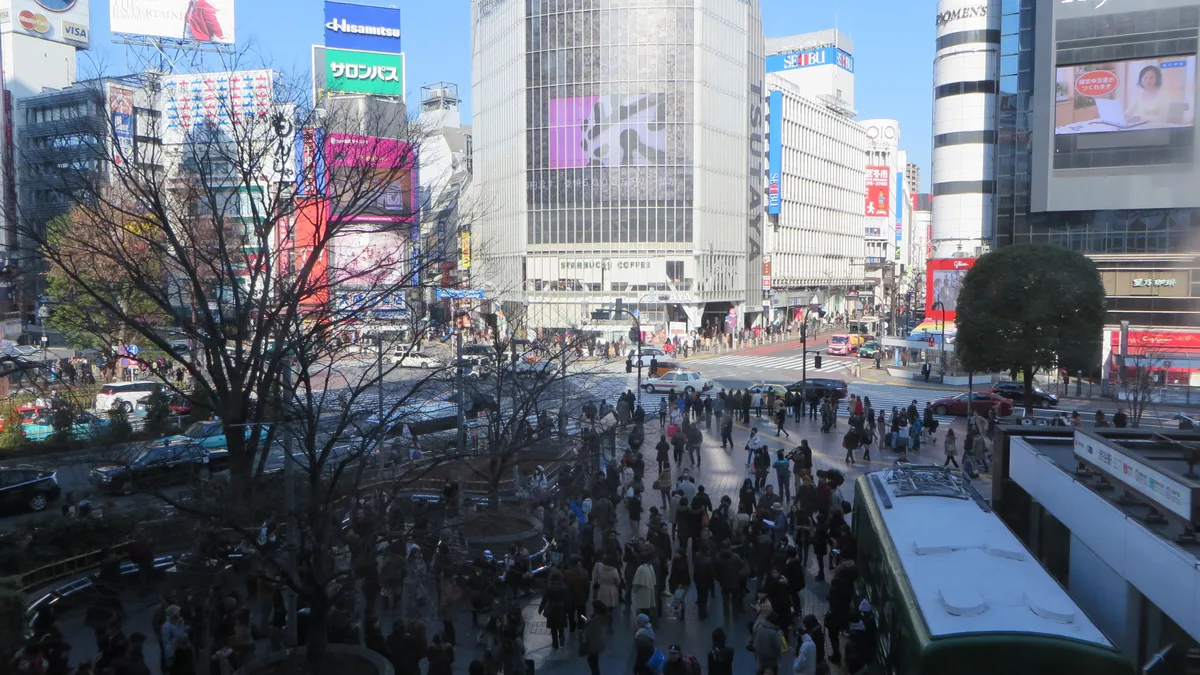
Shibuya — The Crossing No One Directs, and the Dog Who Never Stopped Waiting
An audio walking guide to Tokyo's Shibuya, verified against official sources — the Scramble Crossing, the Hachiko statue, Shibuya Sky, and how to walk it.
Shibuya