
Is Hakodate Worth It? What Travelers and Japanese Reviewers Actually Say
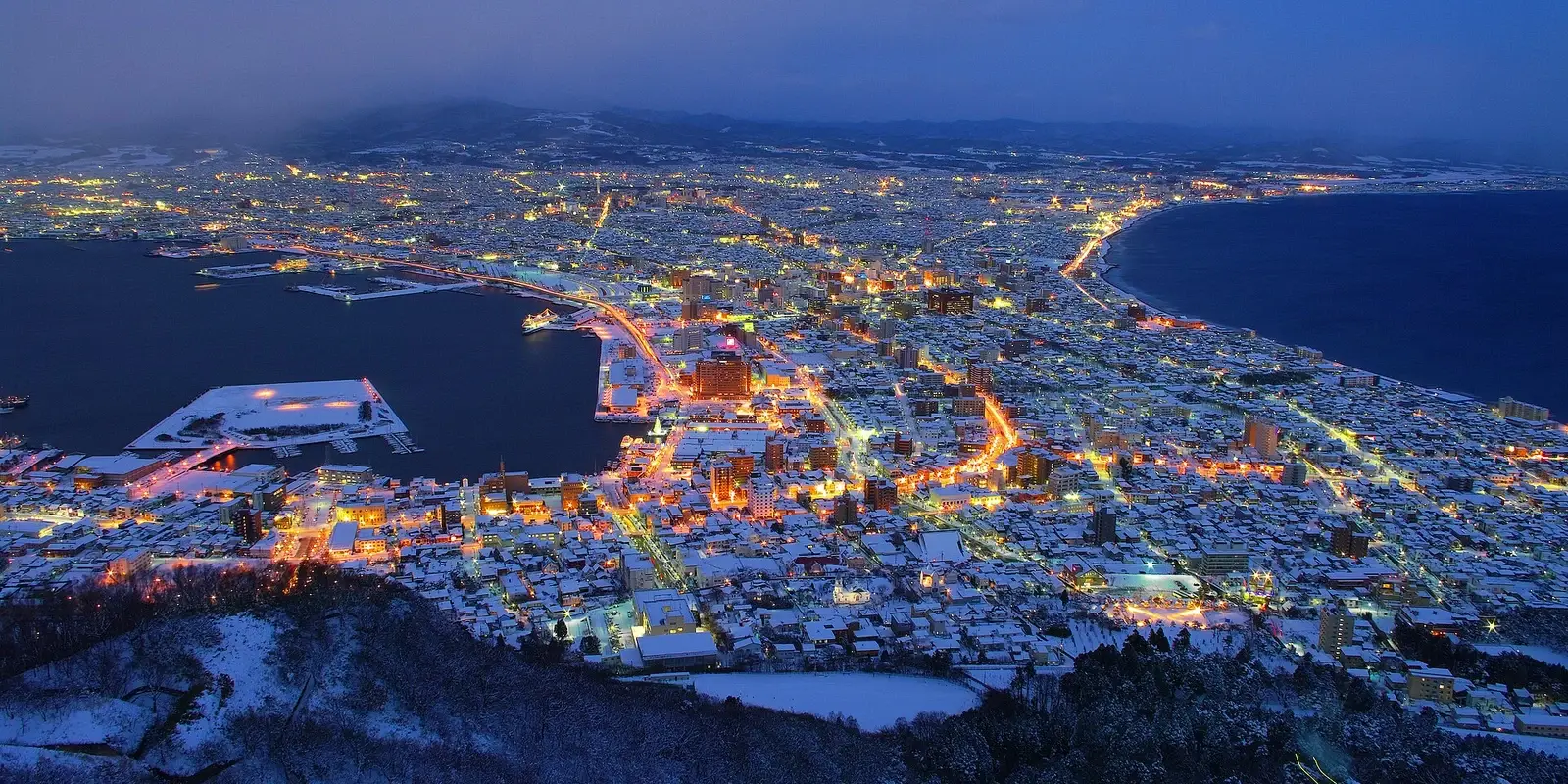
The pull is a single photograph: a city pinched into a glowing hourglass, seen from a dark mountaintop. So you plan your whole northern detour around one evening on Mt. Hakodate, and then you read that the summit makes its own weather, that people ride up into a grey fogbank and see nothing, that the town is a four-hour train ride from anywhere. And you start to wonder whether the postcard is a promise or a gamble.
Here is the short answer the voices below keep circling back to: the two ways people get let down (a fogged-out summit, or a rushed day-trip) are almost entirely preventable. What almost no one who actually went is arguing about is whether Hakodate is good. It's how you do it.
Is it worth it? (in visitors' own words)
We gathered the voices of international travelers who have actually been to Hakodate and asked, in effect, was it worth it? Weighted by how strongly each opinion resonated with other readers, here is how they fell:
Look at the middle bar rather than the ends. The largest group didn't say yes or no; they said it depends, and almost all of them were depending on the same one thing: give it a night, and don't try to day-trip it. The most-upvoted voice in that band put both halves of the recipe in a single sentence: "Two nights max is all that's needed for Hakodate and just pray that when you're there the weather is beautiful as it makes all the difference." Another was blunter about the pace: "Spent three days in Sapporo and two in Hakodate. … it was definitely worth it. One of my favorite places in Japan to wander. But as a day trip? Nooo. There's nowhere in Japan I'd spend 8 hours on the train for."
The people who simply loved it tend to describe the same slow, well-fed evening. "I think it was the highlight of my trip," one wrote; "the hotel spread and restaurants were fantastic and the seafood was a lot cheaper than other areas like Otaru." A resident put the plan plainly: "I'd recommend staying the night. It's very nice to experience the evening, and the view from Hakodate mountain is the best at that time too. In daytime it's nice walking around Motomachi."
And the thin red sliver is honest about the two ways it goes wrong. One is the weather: "I went up there for my honeymoon … high winds, and fog for two days in a row. Defeated, we ended up going to Lucky Pierrot on the way back to the hotel." The other is the rush: "Train takes 4 hours … it costs already half a day. The main things to see are Goryokaku and view of Hakodate from the mountain … If not, just skip the town." Neither person is wrong. They just met Hakodate on its hardest terms: bad weather, or no time.
How the people who go every year feel
What most guides never show you is what Japanese visitors write in their own reviews of Hakodate's two headline draws: the night view, and the morning market. It is a different register, and it fills in the exact thing the pre-trip debate above tends to skip.
Notice that the two gauges are almost twins: 61 / 32 / 7 and 61 / 31 / 8. That is rarer than it looks, and it's the most reassuring thing on this page: foreign visitors and Japanese reviewers, judging in different languages on different sites, settle into almost the same shape, an it depends whose conditions turn out to be knowable.
But read the two middle bars closely and you'll see they're conditioning on different things, and that's the gift. The foreign visitors above were mostly worried about time: the detour, the day-trip, how many nights. The Japanese reviews are candid about the thing that pre-trip planning underweights: the weather is a genuine lottery, and the summit is where you feel it. One reviewer in his seventies caught it exactly: "Through breaks in the clouds during the ropeway ride up and down, I could see Hakodate's night view beautifully. I'd have liked to take my time viewing it from the summit, but I guess I had no luck." Another boarded into the fog and saw nothing at first, then stuck it out at the top for nearly an hour until it broke: "Perhaps thanks to that, it cleared up beautifully and we got to see a superb view … so glad we went up." The gamble is real, and it is also, often, a matter of patience and a plan loose enough to wait the weather out.
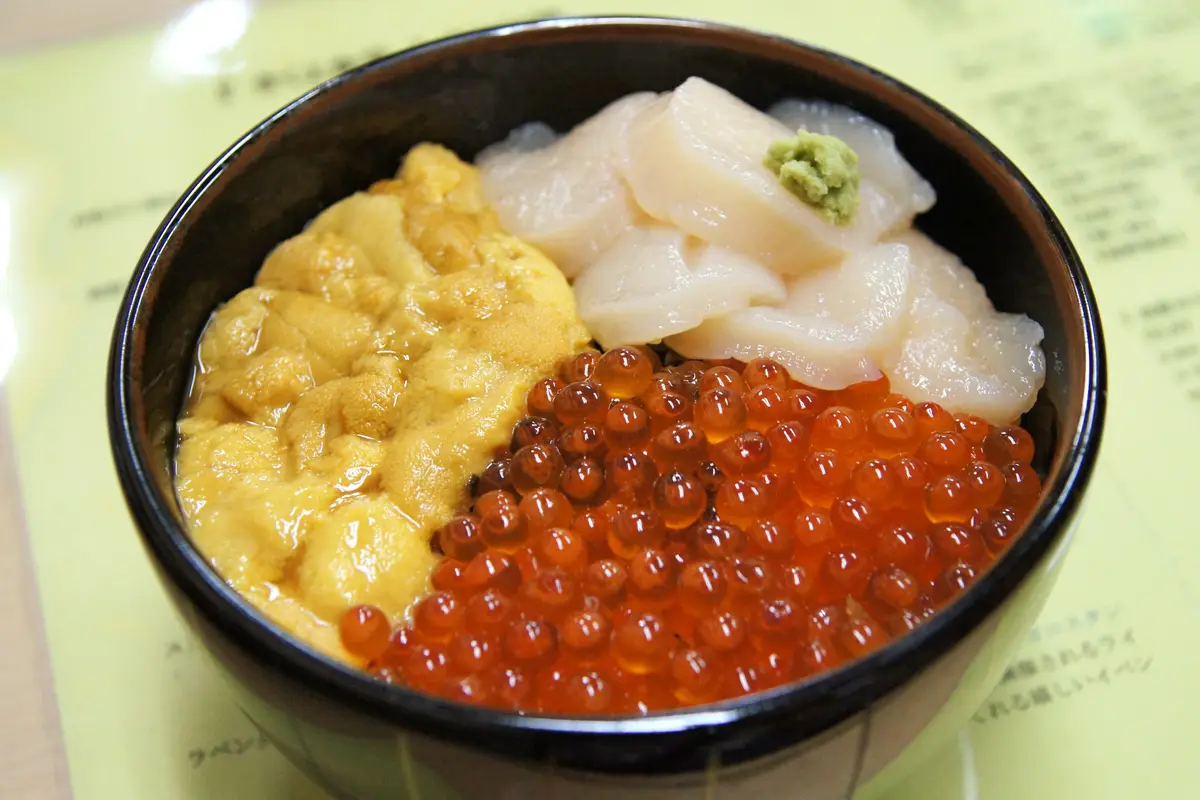
When the weather cooperates, the same reviewers sound like the postcards: "The night view was, as its reputation promises, extremely beautiful and a wonderful sight." And the morning market draws its own quiet delight: one reviewer discovered, without knowing it in advance, that their hotel's breakfast venue was the morning market itself, sea urchin first thing in the morning, and “the ladies at the eatery were kind too — the best!”
The small red bar here has a second, useful warning the night-view crowd never mentions: not every seafood bowl is the good one. "I ordered a seafood bowl as planned, but what came out was just an ordinary bowl," one reviewer wrote; another regretted a three-color bowl bought with a hotel voucher. The market is wonderful, but which stall, and which bowl, matters. More on that below.
What we wish you'd noticed
Put the two gauges together and the picture resolves. There are really two Hakodate, and the mistake is staking the whole trip on the wrong one.
The night view is the bonus rather than the plan. Everyone rides the mountain to see it, and on a clear evening it earns every bit of its fame: Michelin gives the panorama three stars. But it is weather, and weather is not owed to you. The good news is that you can stop gambling blind. Hakodate's own reviewers, foreign and Japanese alike, agree on the move: check before you climb. The ropeway company posts conditions; the town has live cameras; the view is at its best in the deep blue about thirty minutes after sunset. Treat a clear forecast as the green light for your summit evening, and if the mountain is socked in, spend that night somewhere warm and try again tomorrow, rather than burning your one good evening on a fogbank.
The daytime town is the part that never cancels. This is the half the "is it worth the detour" question keeps forgetting. Rain or shine, fog or clear, Hakodate at sea level is a full, gentle day: the morning market, where you build your own rice bowl from stall to stall and can even fish a live squid from the tank; the Motomachi hillside, where a Russian Orthodox church with green onion domes, a Catholic church, and an Anglican church stand as neighbors, and where the straight slope of Hachiman-zaka falls away to the sea; the red-brick bay; and, a little inland, Goryokaku, a fort built as a perfect five-pointed star (a shape you only see from the tower above it). None of that depends on the summit being clear. The travelers who called Hakodate "the highlight of my trip" were almost never talking about the view alone.
And why the shape of that famous view is worth understanding. The reason the city pinches into an hourglass is not clever lighting; it's the land itself. Mt. Hakodate was once an island, and over thousands of years drifting sand tied it to Hokkaido with a slender bridge of land. The town grew along that bridge, sea pressing in from both sides, so the glittering waist you photograph is simply the outline of the only ground there was to build on, finally drawn in light. Knowing that turns a checkbox into something you actually look at.
Doing it well, the welcomed way
Everything above resolves into a handful of moves that turn the gamble into a sure thing.
- Stay the night: don't day-trip it. This is the single most-repeated piece of advice from people who've been. Hakodate is a roughly four-hour train ride from Sapporo, and a day trip spends most of itself on the rails; you'll rush the town and miss the evening, which is the whole point. One or two nights is the sweet spot. (As several visitors note, four or five nights is probably too many; it's a small, spread-out city.)
- Let the weather pick your summit evening rather than your schedule. Check the ropeway's posted conditions and a live camera the same day, go up about thirty minutes after sunset on the clearest night you're given, and keep the plan flexible. If tonight is fog, there's always tomorrow, and the town below is just as good.
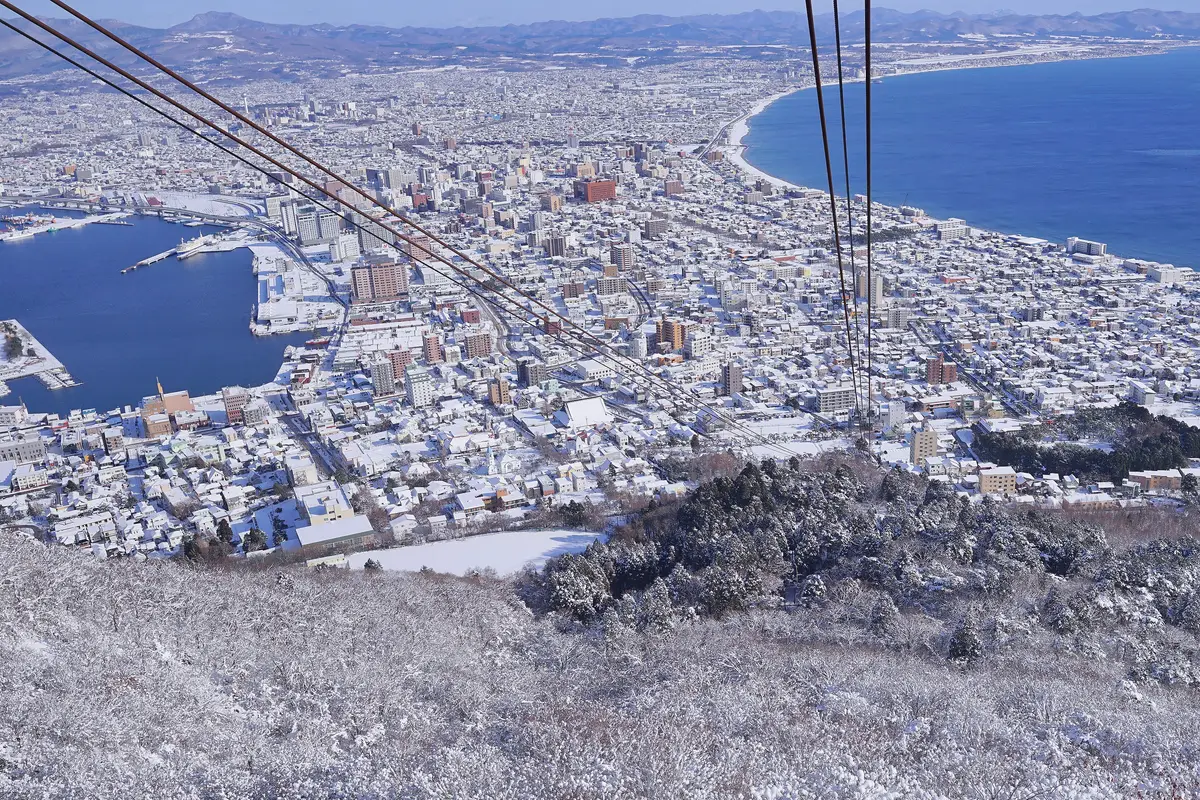
- Have a backup way up your sleeve. The ropeway can pause in strong wind and closes for about two weeks of maintenance each autumn; the mountain road is shut to private cars in the evenings for much of the year and entirely in deep winter. In the warmer months a mountain bus also reaches the summit, and it keeps running during the ropeway's maintenance break; board it down at the station, since it can fill before the mid-mountain stops.
- At the market, choose your stall: you don't need the splurge king crab. The seafood is the real thing and often gentler on the wallet than back home, but Japanese reviewers are honest that the wrong bowl disappoints. Go on the hungry side of early (it opens at 5:00, or 6:00 from January through April, and winds down by early afternoon), pick a busy stall, and build a modest make-your-own bowl rather than chasing the trophy king crab. Many stalls will ship seafood to your home, which is the sensible way to enjoy the crab without carrying it.
- Wear a layer for the summit, in any season. The top juts out over the sea and is colder and windier than the streets below; in winter, bring proper grip for icy footing.
- Remember the station that isn't Hakodate. The bullet train stops at Shin-Hakodate-Hokuto, about eighteen kilometers from the city; the connecting Hakodate Liner carries you the last stretch into Hakodate Station in fifteen to twenty-odd minutes. Build that transfer into your plan and it's effortless.
Do these, and the day tends to go the way the highlight-of-my-trip reviewers describe rather than the way the fogged-out ones do. The let-down was never Hakodate itself, just one grey evening or one rushed detour, and both are yours to avoid.
Is it worth it, in the end? A four-hour ride, a view the mountain doesn't owe you, and a market where the wrong bowl can miss. And still: a make-your-own breakfast of urchin and roe, a hillside where the world's faiths built their churches side by side, a fort shaped like a star, and, on the right clear night, a city poured out below you in the exact shape of the land it stands on. Give it a night, let the weather choose your evening, and Hakodate meets you warmly either way.
Still deciding which famous places actually earn a slot on a short trip? Start with what actually matters in Japan, and for the deeper story of the port that reopened Japan, the shape of that night view, and how to walk the town, the Hakodate audio guide is just below.
Sources
- Mt. Hakodate Ropeway (official): operating hours and fares, the roughly three-minute ride to the 334 m summit, mountain-bus access, the evening/winter road closures and the annual autumn maintenance closure, and the view being at its best about thirty minutes after sunset.
- JNTO, Mount Hakodate Night View: the view at its best about thirty minutes after sunset (blue hour), and access from the Jujigai tram stop.
- Hakobura (Hakodate City official tourism), Mount Hakodate Observatory: the Michelin three-star rating and the tombolo (land-tied island) geography behind the hourglass night view.
- HOKKAIDO LOVE! (Hokkaido official tourism), Hakodate Morning Market: about 250 shops over roughly three hectares, one minute from the station.
- Hakodate Morning Market (official) and Ekini Market, live squid fishing: opening hours (5:00; 6:00 January–April), the make-your-own bowl, and live squid fishing at the day's market price.
- JNTO, Motomachi, Hakodate: the nineteen sloping streets and Hachiman-zaka's view to the sea, the Russian/Catholic/Anglican churches, and the red-brick warehouses.
- JNTO, Goryokaku Tower: Japan's first Western-style fort, the five-pointed star best read from the tower, and the roughly 1,500 cherry trees.
- Hakobura, Hakodate Liner access from the Shinkansen: Shin-Hakodate-Hokuto to Hakodate by Hakodate Liner, fifteen to twenty-two minutes.
WMJS is written in Japan, in English, with AI help. We check every page, but English is not our first language. If a sentence reads oddly, tell us. One sentence is enough.
Thank you. A person reads every note.
How well do you know Japan?
Built from 635 public posts by Japanese people
Want to know more? Ask Japanese people
Have a follow-up question about this topic? We'll ask real Japanese people.
Voice Box →