
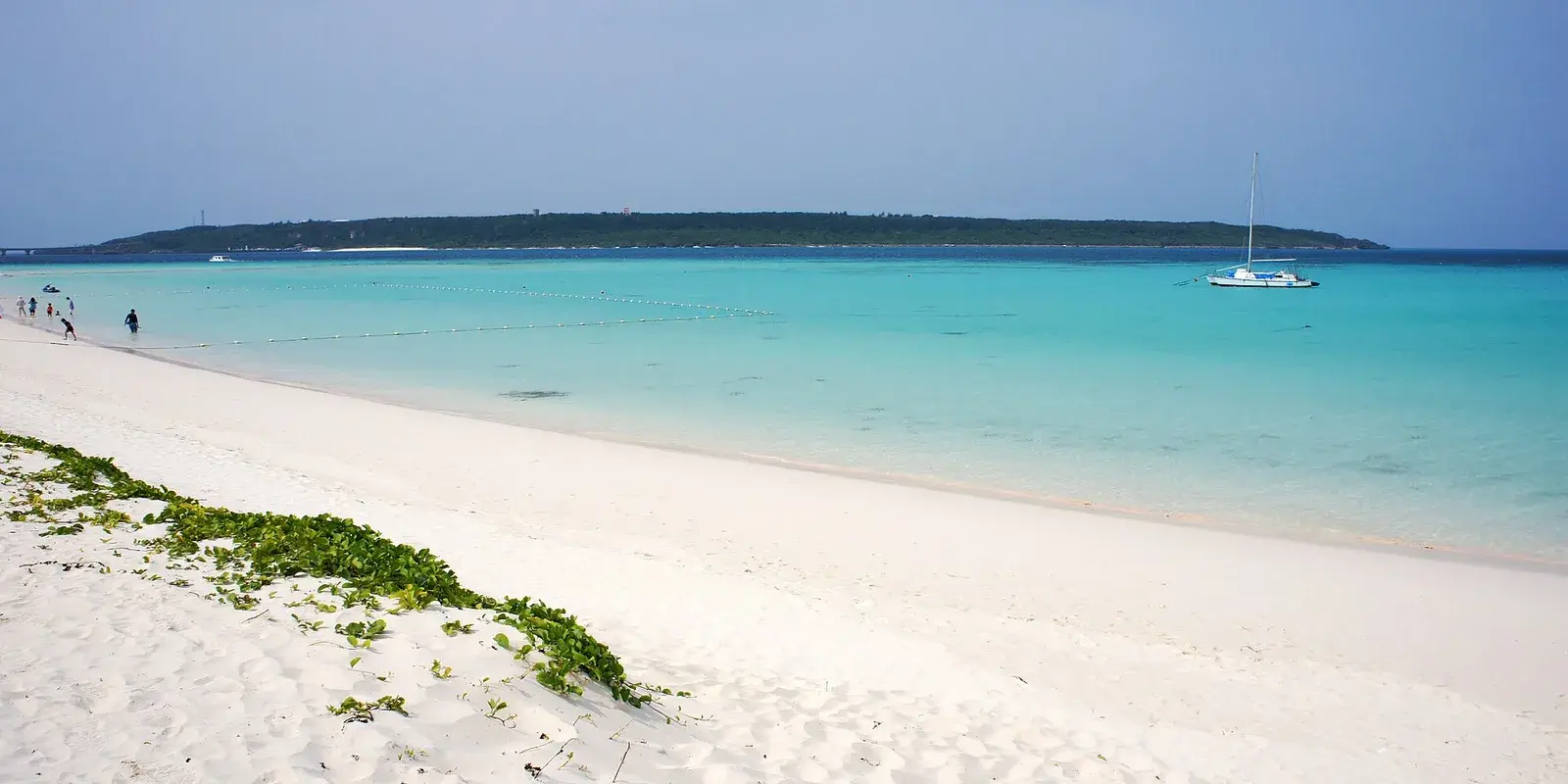
Is Okinawa Worth It? What Travelers Actually Book, and What the Few Who Felt Let Down Missed
You are looking at flights, and the doubt has crept in. Okinawa is a two-and-a-half-hour flight south of Tokyo: a round trip, real money, days you could have spent in Kyoto. The photos look like Thailand, so a quiet voice asks whether you should just go to Thailand, or the Philippines, where the beaches are famous and the flight is no further. You type "is Okinawa worth it" into the search bar, and the answers come back split.
Here is the short version: the travelers who went say yes, but almost none of them are really answering "is Okinawa worth it." They're answering "which Okinawa," because that is the question that actually decides the trip. The small number who came away disappointed nearly all booked the same wrong version of it.
Is it worth it? (in visitors' own words)
We gathered the voices of international travelers who have actually been to Okinawa (on Reddit, weighing exactly this decision) and read them with one question in mind: was it worth it? Weighted by how strongly each opinion resonated with other readers, here is how they fell:
That enormous middle band is the whole story: people telling you, over and over, that the answer depends, and naming exactly what it depends on. "Naha is alright," one wrote, "but Okinawa really shines when you go further down to some of the smaller islands, particularly Kerama islands or Miyako." Another, on the season: "Okinawa beach season ends in October. And there are nice beaches on the main island, they're just not in Naha. You should head further north." And the wisest of them turns the whole thing into a single question to ask yourself first: "What looks cool about Okinawa, and can you find the thing you're looking for elsewhere in Japan? … It benefits from having more time to spend there, getting out of Naha, going to the other islands, and/or having a car."
The thin red sliver, meanwhile, is remarkably consistent. Almost everyone who felt let down had booked one specific trip: a couple of days in Naha, no car, expecting a tropical resort. "Naha itself it's just a regular old small Japanese city won't feel that special," one wrote. "The fact you need a car is a huge drawback," said another who was disappointed. Even the bluntest put it in two parts: "No, Okinawa is not worth it… far from an idyllic Pacific island." Yet the same voice finished honestly: "but some of the outer islands maybe paradise." The let-down is real, and it is almost always about the shape of the trip rather than the place itself.
How Japanese visitors feel about the same islands
What follows is something most guides skip entirely: what Japanese travelers say, in their own reviews, about the very same sea. It is a different register entirely, because they are not asking the question you are asking.
Notice how little hesitation there is. Japanese visitors are not weighing Okinawa against Boracay or Phuket; they are going for the specific thing Okinawa is, and they book it straight. And listen to where they go. One woman who visits every year lays out the whole map in a sentence: "The main island is city-plus-resort, while Ishigaki is [pure] resort. There's a small town so you're never stuck, but leave the town and there's jungle and beaches too, and at night a sky full of stars. The main island is lovely too, but for a relaxed stay it's absolutely Ishigaki." Another, returning again and again: "A completely different world and scenery from the main island. The best." The thing international travelers are agonizing over, which Okinawa, is a decision Japanese visitors made before they left home. They are already on the plane to the outer islands.
Their honest hard moments are worth hearing too, because they are not "it wasn't worth it." They are the truths of a real island. One review, after a rainy trip: it "was different from the brochures and SNS… it depends greatly on the weather and the season," and you should "settle in for about a week to match island time." The sea is at the mercy of the weather; the aquarium gets crowded; the rental car costs more out here. These are the same things the disappointed international visitors ran into; only the Japanese reviewers expected them, and planned around them.
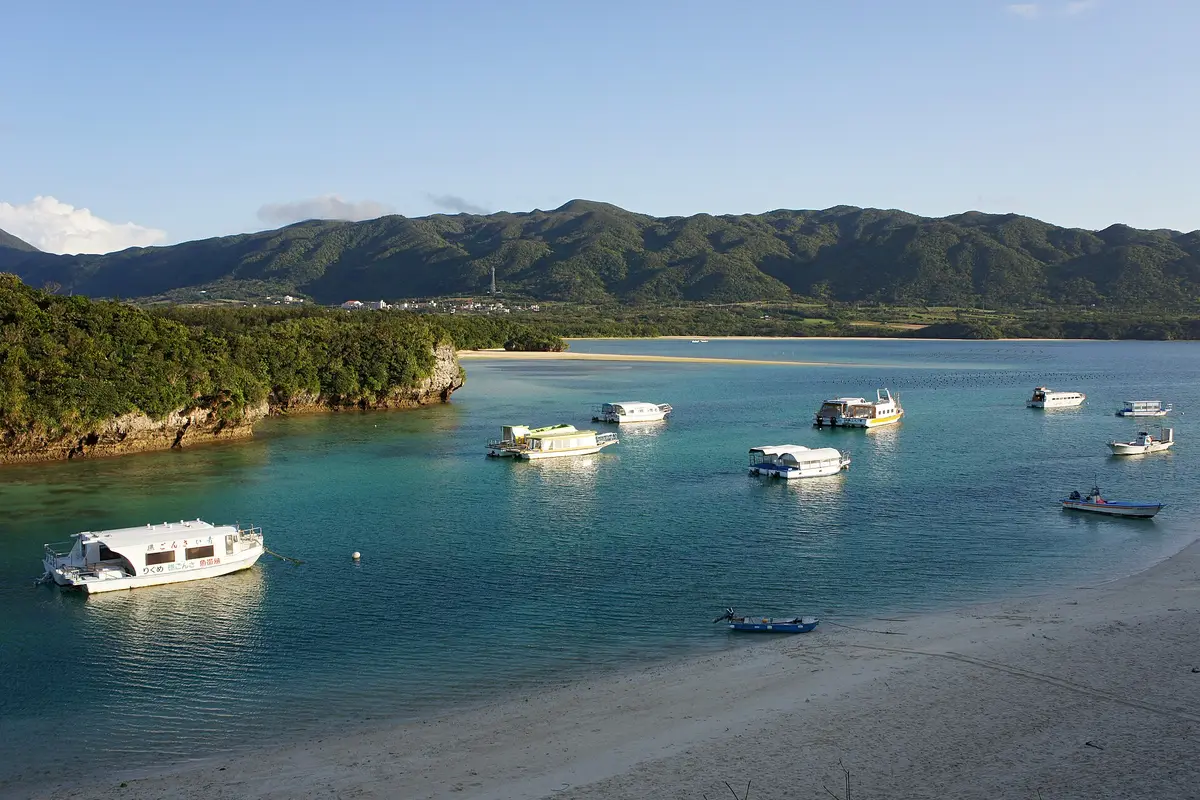
What we wish you'd noticed
"Okinawa" is not one place, and that is the entire misunderstanding. The word covers a working prefecture of Japan (a real city in Naha, with highways and shopping streets) and a scatter of small islands far out in the Pacific where the postcard sea actually lives. The Kerama Islands sit about 32 km southwest of the main island, a 20-to-60-minute ferry from Naha's Tomari Port, in water so clear it has its own name, Kerama Blue, and protection as a Ramsar wetland site. Miyako lies roughly 300 km southwest; Ishigaki and the Yaeyama Islands, further still, close to Taiwan. When a traveler says the beaches "weren't that special," they were almost always looking at the main island near Naha. The islands they were picturing were a short flight or ferry away, and no one told them.
Naha is a city, not a beach. It is a lovely, easygoing city (Shuri Castle, the markets, Okinawa's own food and music) but if you fly down expecting to step off the plane onto white sand, the working port and the monorail will puzzle you. The famous coast begins well north of Naha (the aquarium is about a two-hour drive up the island), and the clearest water is on the islands.
It runs on cars and buses. This is the single most practical thing on the page, and the disappointed visitors name it every time. Naha has a monorail; the rest of the island does not. To reach the northern beaches, the aquarium, and the quiet coves, you rent a car or plan around slower buses. "You'll need to rent a car," as one happy visitor put it plainly; "there isn't much for public transit like on mainland."
The sea keeps its own calendar. Okinawa's swimming season runs roughly from spring into autumn (many resort beaches open as early as March, and the sea is warm through the summer months) but it closes, and a traveler who arrives in December to a grey, wind-chased sea has come at the wrong time for the thing they wanted. (The culture, the food, and the aquarium are wonderful year-round; the tropical-postcard beach is seasonal.)
It's a different country's islands, not a cheaper Thailand. For 450 years Okinawa was the Ryukyu Kingdom, with its own king, language, food, and music. Graded as a budget tropical resort, it can disappoint. Met as what it is: Japan's own subtropical islands, with a culture found nowhere else and a specific, luminous blue, it is the place the Japanese reviewers above return to year after year.
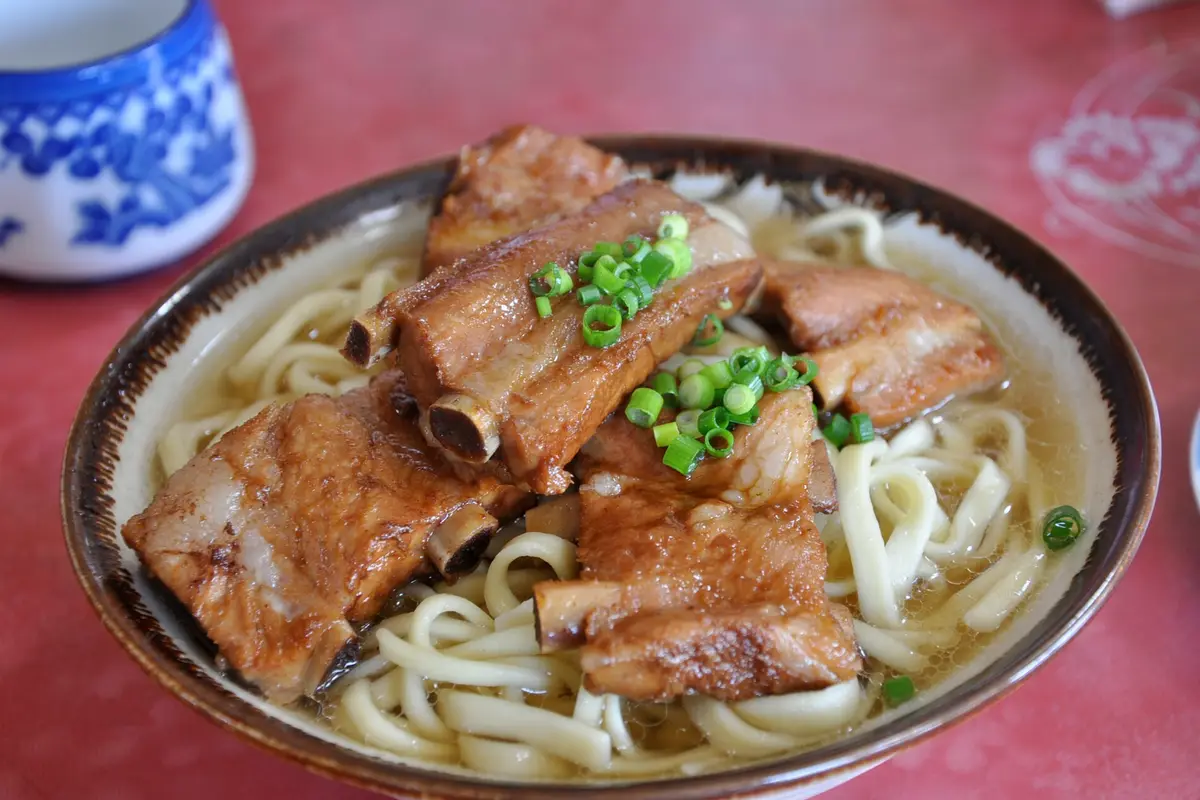
Doing it well, the welcomed way
Everything above resolves into a handful of decisions that turn "is it worth it?" into "when do we leave?"
- Decide your purpose before you compare. Ask the question the wisest voices ask: what, exactly, do I want here: the clearest water in Japan, a slow island week, a different culture, diving? Name it, and the trip designs itself. Grade Okinawa against a Thai resort and it will always be the wrong shape; go for the thing only Okinawa has, and the travelers who did are the ones who came home glad.
- Pick your Okinawa. For the postcard sea, give a few days to the outer islands: Kerama for a day trip of impossible blue, or Miyako or Ishigaki for a slower island stay. For beaches on the main island, head north toward the Churaumi Aquarium and the Motobu coast rather than the water by Naha. For Ryukyu culture, food, and Shuri Castle, Naha is exactly right; just don't ask it to be a beach.
- Give it the nights, and the wheels. Most regret comes from squeezing Okinawa into a day or two at the end of a packed mainland trip. Visitors who loved it rented a car and gave the islands room to breathe; several call three unhurried days the minimum that makes the round-trip flight worth it.
- Go in season for the sea. If the beach is the point, aim for roughly late spring through early autumn. If culture and the aquarium are the point, any season is kind.
- Let it be slow. "Settle in and match island time," as one reviewer wrote. The pace is the gift, not a flaw to fix; the travelers who fought it were the ones who left unconvinced.
Do these, and the trip tends to go the way the returning Japanese reviewers describe rather than the way the disappointed few do. The islands are not trying to be Phuket and losing. They are a different country's sea, kept clear enough to have its own color, and the travelers who came for that, on a car, in the warm months, with a night or two to spare, are the ones who came home glad.
In the end, is it worth it? A round-trip flight and a rental car are a real commitment, and one traveler in twelve will honestly tell you they wished they'd spent the days elsewhere. And still, Kerama Blue, a slower and kinder pace, a food and a music that exist nowhere else on earth, and outer islands that the people who go back every year quietly call the best. Choose which Okinawa you're booking, go in the right season, and it meets you like the country it once was.
Still deciding which famous places actually earn a slot on a short trip? Start with what actually matters in Japan. For the Ryukyu Kingdom, Shuri Castle, and the sea beyond Naha, the Okinawa audio guide is just below.
Sources
- JNTO (Japan National Tourism Organization), Where to Dive: Okinawa: the Kerama Islands (20 islands, about 32 km southwest of Okinawa Island, a 20-minute-to-1-hour ferry from Tomari Port in Naha, famed for the clarity of "Kerama Blue"); Miyako Island about 300 km southwest of Okinawa Island; Ishigaki and Iriomote in the Yaeyama group near Taiwan, protected within Iriomote-Ishigaki National Park.
- Ministry of the Environment: Keramashoto National Park: the Kerama Islands designated a national park for their coral reefs and exceptional water clarity ("Kerama Blue"); the Kerama-shotō coral reef a Ramsar wetland site.
- Be.Okinawa / Visit Okinawa Japan (OCVB, official): History, climate and seasons: Okinawa as the Ryukyu Kingdom (1429–1879) with its own king, language, cuisine and music; the subtropical climate, sea temperatures of about 21°C in February to 30°C in August, and resort beaches opening for swimming as early as March.
- Okinawa Urban Monorail "Yui Rail" (official): the monorail runs from Naha Airport across the city to Shuri, but does not extend to the north of the island; the aquarium, the northern beaches, and most of the island are reachable only by car or bus.
- Okinawa Churaumi Aquarium (official): Access: the aquarium's location in Ocean Expo Park on the Motobu peninsula in the north, about two hours from Naha by car and about three by express bus.
- Okinawa Churaumi Aquarium (official): Hours / Closed: no scheduled closing days through March 2027, open year-round aside from occasional typhoon closures.
- Shuri Castle Park (official): the Ryukyu Kingdom and Naha: Shuri Castle as the royal residence and seat of government of the Ryukyu Kingdom, in the city of Naha.
WMJS is written in Japan, in English, with AI help. We check every page, but English is not our first language. If a sentence reads oddly, tell us. One sentence is enough.
Thank you. A person reads every note.
How well do you know Japan?
Built from 635 public posts by Japanese people
Want to know more? Ask Japanese people
Have a follow-up question about this topic? We'll ask real Japanese people.
Voice Box →