
Is Hakone Worth It? What Let-Down Visitors and Japanese Travelers Actually Did Differently
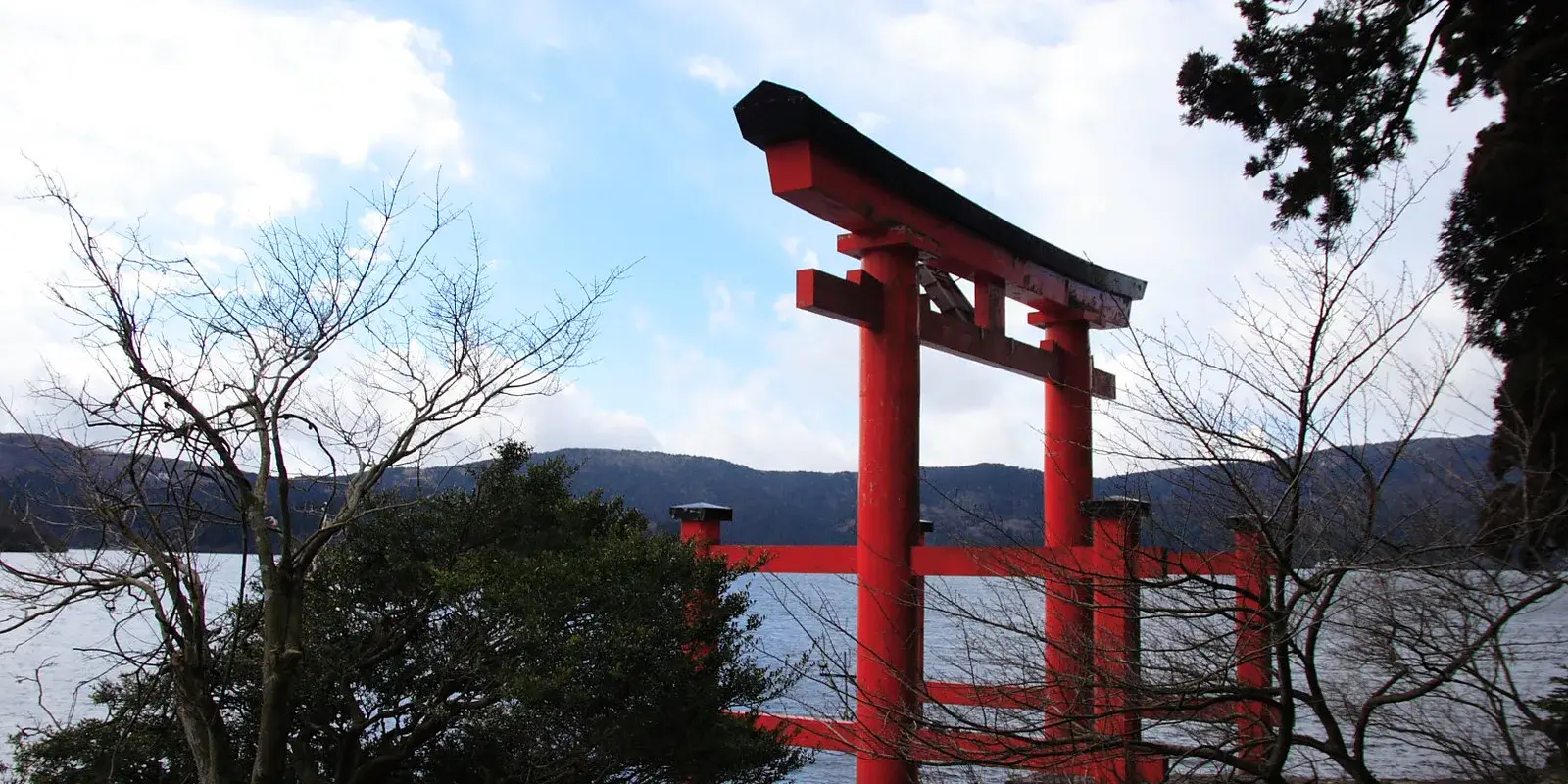
You have probably seen the postcard: a red gate standing in a still lake, Mount Fuji floating behind it, steam drifting off a mountain. So you pencil Hakone in as the easy, restful day out of Tokyo. Then you read the other reviews ("tourist trap," "a whole day of queuing," "couldn't even see Fuji") and you wonder if you have booked a mistake.
Here is the short version, and everything below unpacks the loop, the timing, and the volcano that decide it: Hakone rewards how, and when, you do it. Almost nobody who came away let down got a different Hakone; they got the same crowds and the same hidden Fuji as everyone else, and what separated a wonderful day from a wasted one was the approach.
Is it worth the trip? (in visitors' own words)
We gathered the voices of international travelers who have actually been to Hakone and asked, in effect, was it worth it? Weighted by how strongly each opinion resonated with other readers, here is how they fell:
Look closely at the red and the grey together, because that is where the whole story lives. The 15% who felt let down describe a remarkably consistent day. "It just felt like a whole day of commuting and queuing on various modes of transport," one wrote, "by far the most disappointing day." Another, blunt: "I can't recommend Hakone. It is far too over-touristed to be enjoyable." The complaints are almost never "the lake wasn't beautiful" or "the onsen was bad." They are about a rushed, crowded day-trip spent racing a transit loop. And, very often, a Fuji that never lifted its cloud.
Now read the grey band right above it: the 26% who said it depends. Their most up-voted voice is practically a set of instructions: "People don't get that it's a resort town. Book a good ryokan and make that your base. Then explore the ropeway, the town and the open-air museum at your own slow pace, and leave early. I really loved it for what it is." And the green? The people who loved it keep naming the same two things that the let-down crowd was missing: time and timing. "Hakone was by far one of my top highlights," one wrote. "I went early January and it wasn't busy. Peaceful, quiet and calming." Another: "The ropeway view, the boat ride down the lake, Hakone Shrine: 100% worth all the pain it took to get there."
Where to buy: official site / Klook
Klook is an affiliate link: if you buy through it, we may earn a commission, at no extra cost to you.
How Japanese travelers feel about the same loop
Now compare that to what Japanese visitors say, in their own reviews of the very same lake, valley, and cruise.
The most useful number on this page is the red bar here: 5%, against the visitors' 15%. Three times fewer Japanese travelers came away let down, and the reason is not that they got a better Hakone. Read their grey band and it is full of the exact conditions that disappointed the international visitors, paired with a completely different reaction to them.
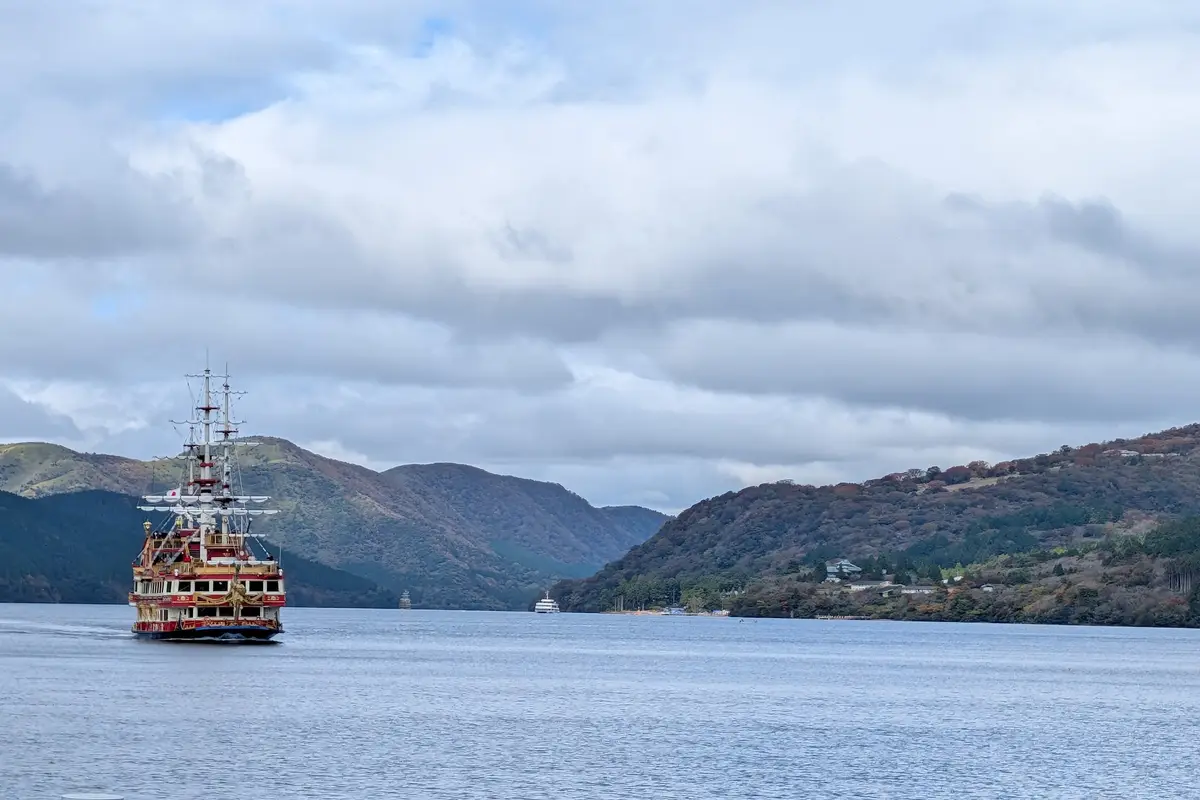
"The weather was bad and I couldn't see Mount Fuji at all, disappointing," one writes, then adds, in the same breath, "the black eggs were tasty, at least." Another: "We rode the ropeway, the bay was beautiful, but we couldn't see Fuji. Hoping for next time." A third, caught in fog on the lake: "We couldn't see Mount Fuji, but a pirate ship appearing out of the mist was magical." Same hidden mountain; no ruined day. Japanese travelers tend to arrive not owed a Fuji photo but here for the slow circle and the bath, so a cloudy sky becomes mist on the water instead of a refund they were denied. And when they do plan around the view, they say so: "If you go by car, drive the Ashinoko Skyline: Fuji is right there, magnificent."
Their warmth lands on the loop as the thing itself. "With the Odakyu three-day pass we rode the ropeway and the pirate ship over and over," one wrote. "It was the best three days. I want to go again." Another regular: "However many times I go to Hakone, I always end up wanting to ride the pirate ship on the lake. That slowly passing time feels so good."
What we wish you'd noticed
Hakone is a resort, not a sight. This is the single misread underneath most of the let-down. There is no one temple, tower, or view you "do" and then leave. The whole region is built as a slow circle (a little red mountain train, a cable car, a glass ropeway over a steaming valley, a boat across a lake), and the point of going around is to arrive, eventually, at hot water. When you treat that loop as a checklist to sprint through before the last train, the transfers and the queues are your day. When you treat the loop as the day, the same transfers become the scenery changing under you.
The cloud over Fuji is the normal case, not the bad-luck one. The mountain spends much of the year hidden, most stubbornly in the warm months; the cold, dry mornings of late autumn and winter give the best odds of seeing it whole. The travelers who tie their whole trip to a guaranteed Fuji are the ones the weather lets down. The ones who treat a clear Fuji as a happy bonus (the way most Japanese visitors do) keep their day either way.
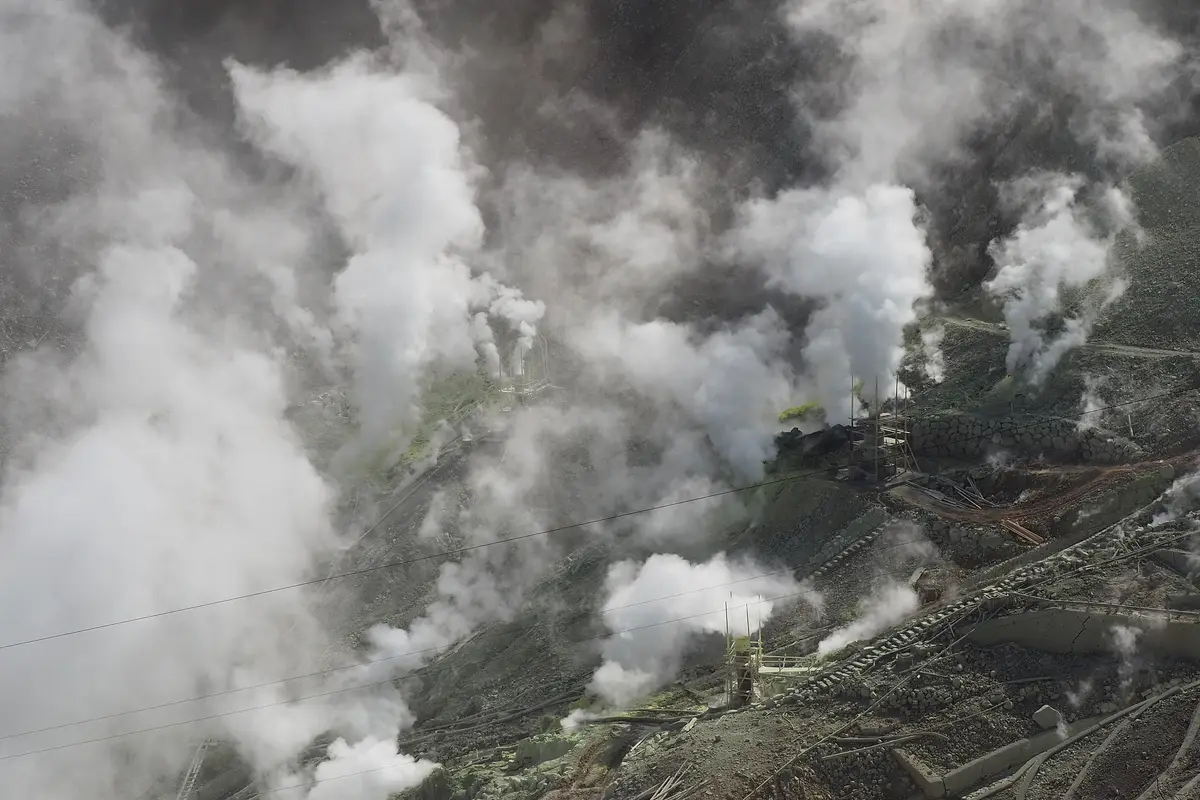
The valley really is alive, and that is carefully managed. Ōwakudani is an active volcanic vent, and on days of high volcanic gas or strong wind the ropeway over it simply pauses (sometimes for hours, sometimes a day) with a substitute bus running in its place. It sits on Japan's published volcano-alert system and the operators post live operating status every day. This is not a disaster waiting to ambush you; it is a working mountain that a whole region has chosen to live beside. The single best habit is to check the official status the morning you go, and to hold the loop loosely.
Riding the Loop, the Welcomed Way
Everything above turns into a handful of moves that the let-down voices skipped and the delighted ones swear by.
- Stay a night if you possibly can. The clearest dividing line in every set of reviews is day-trip versus overnight. A ryokan with an onsen turns Hakone from a transit marathon into what it was built to be: soak in the evening, sleep, soak again at dawn. If you only have a day, that is fine; just plan the day as a slow loop, never a race. (New to a Japanese bath? Here is what bathers actually think, and what an overnight at a ryokan is really like.)
- Buy one ticket for the whole circle. The Odakyu Hakone Freepass covers unlimited rides on all eight legs (mountain train, cable car, ropeway, sightseeing buses, and the pirate ship on Lake Ashi) on a single pass (about ¥7,100 for two days, ¥7,500 for three, from Shinjuku). No per-leg ticket queues, no working out fares at each transfer. It is the difference between being herded and flowing.
- Go early, and mid-week if you can. Nearly every "it wasn't crowded at all" voice shares a detail: a weekday, an off-season month, or a first ropeway of the morning. "There weren't any crowds when I went; it depends on the season and time of day," as one put it. The torii gate on the lake, in particular, has a long photo queue by mid-morning and almost none at opening.
- Let the loop, not the forecast, be the plan. Black eggs boiled coal-black in the hot springs at the top of Ōwakudani; the red gate of Hakone Shrine rising straight from the water; the open-air museum that visitors call a must even on a grey day. Build your day from these, and a clouded Fuji costs you nothing.
- Check the ropeway and valley status the morning of. If a section is suspended, the substitute bus still completes the circle, and knowing before you set out is the whole trick.
Where to buy: official site / Klook
Klook is an affiliate link: if you buy through it, we may earn a commission, at no extra cost to you.
Do these, and your day tends to read like the 59% rather than the 15%. The let-down was never really about Hakone being overrated; it was about arriving expecting a sight and a guaranteed mountain, and getting a slow resort and a working volcano instead. Come for the circle and the bath, and Hakone is no longer something to "do"; it is somewhere to come to rest.
So: is Hakone worth it? On a rushed, crowded day chasing a Fuji that may not appear, plenty of people honestly say no. Stay a night, ride the whole loop on one ticket, go early, and let a cloudy day be its own kind of beautiful. Then you tend to come home the way most Japanese travelers and most of the people above did: loose in the shoulders, already half-planning to return.
If your trip continues down the coast, our reading of Atami covers a resort town where the castle is not the point and the sea view, the onsen and a free basement arcade are.
Still deciding which famous places earn a slot on a short trip? Start with what actually matters in Japan, and for the full slow circle of train, ropeway, lake and bath, with the old hot-spring "cure" behind it, the Hakone audio guide is just below.
Sources
- Odakyu: Hakone Freepass (Official, English), the pass covers unlimited rides on eight modes of transport (mountain train, cable car, ropeway, sightseeing buses, and the Lake Ashi pirate ship) on one ticket; 2-day ¥7,100 / 3-day ¥7,500 from Shinjuku (written without a thousand-separator: 7100 yen / 7500 yen), (¥6,000 / ¥6,400 from Odawara), plus an optional Romancecar limited-express ticket.
- Hakone Navi (Odakyu Hakone): Official live status, daily operating status for the ropeway, sightseeing cruise, and the rest of the loop.
- Hakone Ropeway: Official (suspension & volcanic-gas status), the ropeway over Ōwakudani suspends in high volcanic gas or strong wind, with a substitute bus running the section.
- Owakudani Kurotamago-kan: Official, the boiling valley and its black eggs (kurotamago), boiled in the hot springs near the 1,040 m top of the ropeway.
- Hakone Shrine: Official, the shrine (founded 757) and its red torii standing in Lake Ashinoko.
- Ministry of the Environment: Fuji-Hakone-Izu National Park (Official, English), the active volcanic landscape of the Hakone caldera within the national park.
WMJS is written in Japan, in English, with AI help. We check every page, but English is not our first language. If a sentence reads oddly, tell us. One sentence is enough.
Thank you. A person reads every note.
How well do you know Japan?
Built from 635 public posts by Japanese people
Want to know more? Ask Japanese people
Have a follow-up question about this topic? We'll ask real Japanese people.
Voice Box →