
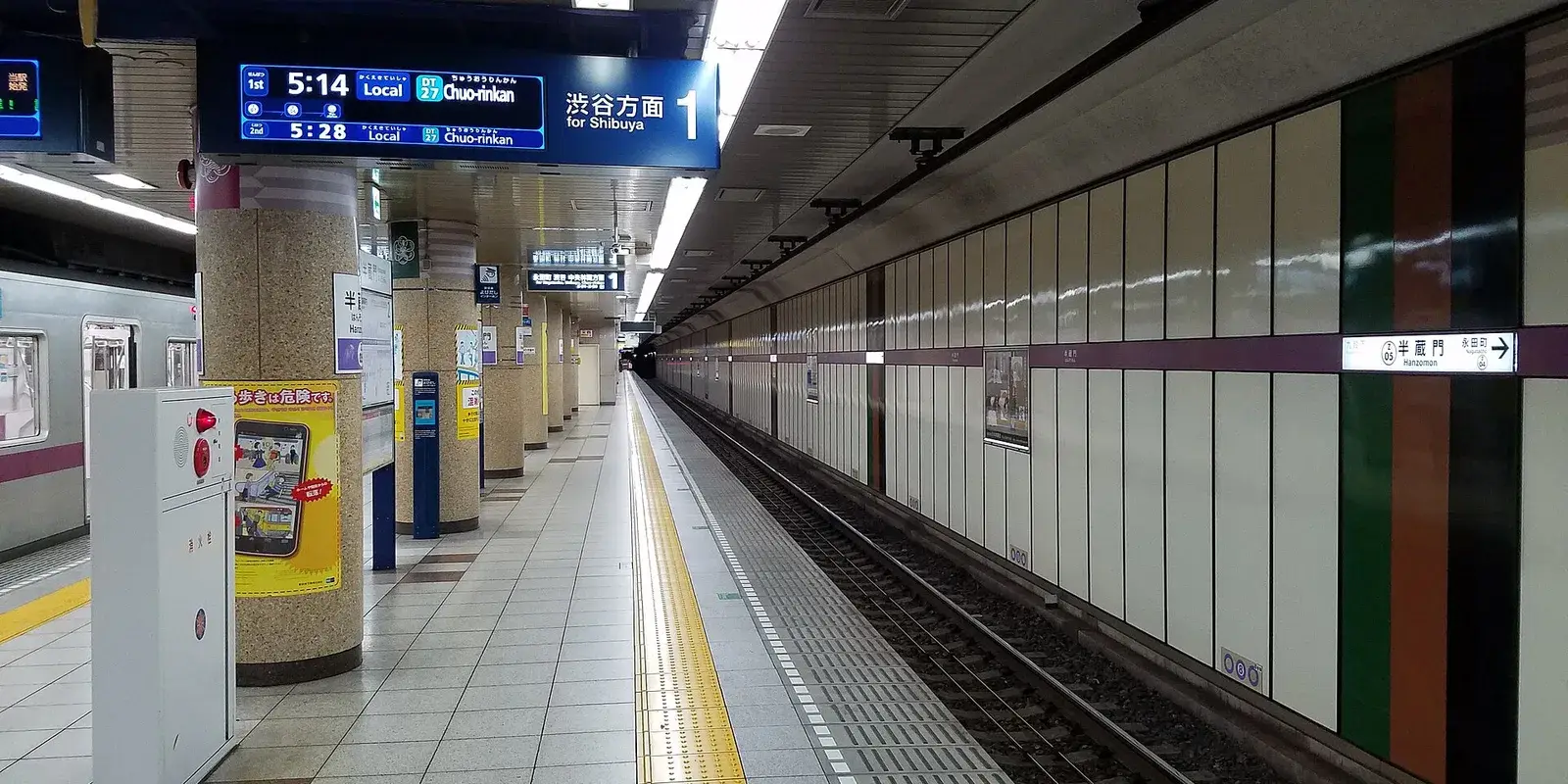
Culture Shock, Explained by Japanese People: 'Here's Why We Do These Things'
What you'll learn in this article:
- What surprises Japanese people about your behavior (the reverse culture shock nobody talks about)
- Why every culture shock you experience has a mirror on the Japanese side
- The single cultural concept that explains quiet trains, clean streets, and perfect service
- Which of your "mistakes" actually make Japanese people smile
What are the biggest culture shocks in Japan? We read what 285 Japanese people wrote, but instead of listing what shocks you, we looked for what shocks them. The answer changes everything: culture shock is a mirror. When you're startled by the silence on a Tokyo train, the commuter next to you is equally startled by how loud trains are in your country. Understanding this symmetry is the key to understanding Japan.
Quick Guide
Before we go deeper, here's a map of the most common culture shocks and what Japanese people actually think about each one. Every item links to a full WMJS article with voice data.
| Culture Shock | What Japanese People Actually Think | Deep Dive | |
|---|---|---|---|
| 🟢 | Trains are library-quiet | They know it's unusual. Quiet chat is fine: 83% are OK with it | Why Trains Are Silent → |
| 🟢 | No trash cans anywhere | It's personal responsibility, tracing to 1995 safety origins, rather than punishment | No Trash Cans → |
| 🟢 | Tipping confuses everyone | They chase you to return it, more confused than upset by the gesture | When You Tip → |
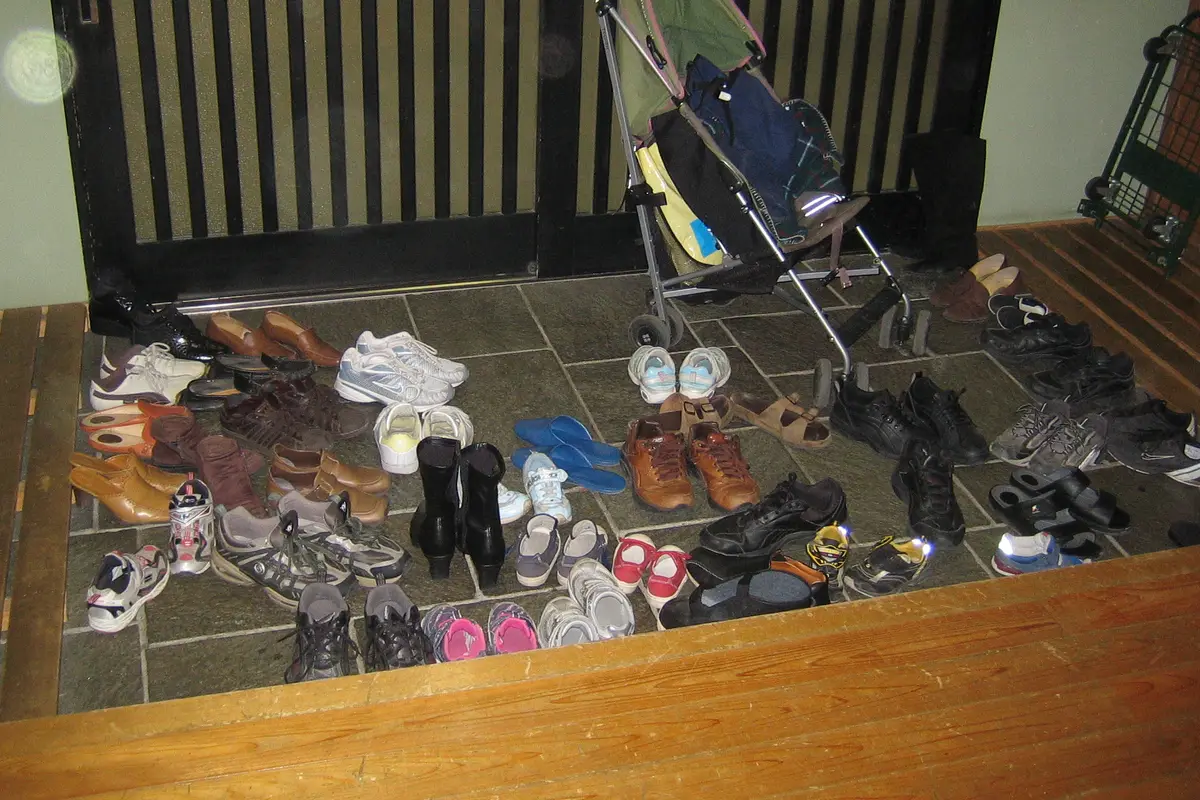
| 🟢 | Shoes off everywhere | The gut "acha!" reaction is visceral, but they think it's endearing when you try | Shoes Off → |
| 🟢 | People seem cold | Not cold: English-anxious. 73.5% want to connect but don't know how | Want to Meet You → |
| 🟢 | Noodle slurping is loud | 92% don't care if you don't slurp. It's optional, not mandatory | Slurping → |
| 🟢 | Bowing is confusing | Forget the angle guides. A light nod makes them think "ah, they get it" | Small Bow → |
| 🟢 | Chopstick rules seem endless | 92% don't care about your grip. Just two things actually matter | Chopsticks → |
| 🟢 | Cash is still king | Staff feel bad when your card doesn't work. It's not hostility | Cash or Card → |
| 🟢 | Streets are impossibly clean | It starts with school cleaning at age 6, and it's not what you think | Why So Clean → |
| 🟢 | Service is almost too perfect | It's real, but the workers behind it have anxieties too | Behind Omotenashi → |
| 🟢 | They switch to English mid-conversation | Almost always kindness, not rejection. 70% of tourists find it understandable | English Switch → |
| 🟢 | Everyone lines up for everything | They notice, and quietly appreciate, when you line up too | Lining Up → |
| 🟢 | Lost items come back | Not robots: they make a choice, and it comes from the same cultural OS | Returns Everything → |
| 🟢 | Walking and eating is frowned upon | Context matters. Festival streets? Fine. Crowded sidewalks? Not ideal | Walking & Eating → |
| 🟢 | Naked in onsen | Everyone's nervous the first time, including Japanese people | Bathers' Thoughts → |
| 🟢 | Izakaya "otoshi" charge | A cultural custom, not a scam. Even Japanese people debate it by generation | First Izakaya → |
| 🟡 | Photographing without asking | The one thing that genuinely bothers a majority: 59% negative | Photo Etiquette → |
The pattern: Of 21 behaviors measured across 6,400+ Japanese voices, only one (photographing people without asking) genuinely bothers a majority. Everything else falls in a green or neutral zone. 70% of Japanese people say travel guides are too strict about the rules.
How We Gathered These Voices
We collected 285 Japanese-language posts across five angles: what surprises Japanese people about foreign visitors (63 voices), mirror-structure pairs showing mutual culture shock (30 pairs), behaviors that unexpectedly delighted them (52 voices), explanations of the cultural system behind it all (55 voices), and generational differences in tolerance (55 voices).
Sources include public Japanese forums and social media platforms, existing WMJS research data from 13,700+ collected voices, the ISA Foreign Resident Coexistence Survey 2023, and the IIBC Survey on English Communication (2024).
A note: This is not a scientific survey. It reflects what real Japanese people said in their own words. Most culture shock articles list what surprises you about Japan. We wanted to show you what surprises them about you, and why that mirror changes everything.
The Reverse Culture Shock Nobody Talks About
Here's something most culture shock articles miss entirely: Japanese people experience culture shock about you, too.
In 63 posts, Japanese people wrote about what surprises them most in foreign visitors. The posts clustered around three themes: personal distance, sound levels, and hygiene expectations.
The dominant response? Neutral: surprised but understanding. Over half of Japanese voices acknowledged the difference without assigning blame. "It's just different" was the most common framing.
Friendliness That Feels Like Too Much
The number one reverse culture shock: how friendly foreigners are with strangers.
初対面でハグしてくるのは本当にびっくりした。嫌じゃないけど、体が固まる。 Getting hugged by someone I just met was genuinely shocking. I didn't dislike it, but my body froze.
欧米の人って知らない人にもすごいフレンドリーだよね。日本人はまず距離感を測るから、いきなりグイグイ来られるとちょっとたじろぐ。 Westerners are incredibly friendly even with strangers. Japanese people measure distance first, so when someone comes on strong it catches us off guard.
Japanese culture operates on a gradual warmth model: closeness is earned over time rather than assumed at first meeting. This doesn't mean they dislike your friendliness. It means they need a moment to adjust.
The Shoes Moment
The second most common shock was deeply visceral:
友達のアメリカ人が靴のまま家に上がってきた時、頭では文化の違いだとわかっていても体が拒否反応を示した。 When my American friend walked into my house with shoes on, my head understood it was a cultural difference, but my body had a rejection response.
For Japanese people, the indoor-outdoor boundary is physical, almost sacred. The "acha!" reaction is genuine, but so is the warmth when a visitor tries.
Sound in Shared Spaces
外国人のグループがカフェで話してる声の大きさに毎回驚く。悪口じゃなくて、ボリュームの基準が違うんだなって思う。 I'm always surprised by how loud groups of foreigners are in cafes. It's not criticism — I just realize their volume baseline is different.
The key insight from these 63 voices: Japanese people are surprised, but most of them know it's not rudeness. The phrase "悪気はないとわかる" (I know they don't mean any harm) appeared again and again.
The Mirror: Your Culture Shock Has a Japanese Twin
This is the finding that changed how we think about culture shock: almost every shock has a mirror.
When we mapped 30 pairs of culture shocks, a pattern emerged. For every moment a visitor thinks "that's so different," there's a corresponding moment where a Japanese person thinks exactly the same thing, just in the opposite direction.
Mirror 1: The Silence
You think: "Why is this train so quiet? Is something wrong?" They think: "Why is the train so loud in their country? How do people sleep?"
海外の電車に乗った時、みんな普通に電話してて逆にびっくりした。日本が異常なんだなって改めて思った。 When I rode trains abroad, everyone was casually on the phone and I was shocked in reverse. I realized Japan is the unusual one.
Mirror 2: The Tip
You think: "Why won't they take my money? Is it rude to tip?" They think: "Why are they leaving money on the table? Did they forget it?"
チップの文化がないから、テーブルに現金が置いてあると忘れ物だと思って追いかけちゃう。 We don't have tipping culture, so when cash is left on the table, we think it's forgotten and chase after them.
Mirror 3: The Freeze
You think: "Why won't anyone make eye contact? Are they unfriendly?" They think: "I want to help but I can't find the English words. I'm panicking inside."
57% of Japanese people don't approach foreigners in need. It isn't that they don't care; they freeze up over English anxiety instead. The "cold Japanese" impression and the "English panic" are the same moment, seen from two sides.
Mirror 4: The Noise
You think: "I can't believe they're blowing their nose IN PUBLIC. So loudly!" They think: "I can't believe they keep sniffling instead of just blowing their nose. Just blow it already!"
日本人はすする(鼻をすする)のが普通だけど、欧米の人は大きな音で鼻をかむ方が普通。完全な180度の鏡だと気づいた時は面白かった。 Japanese people sniffle as the default, but Westerners blow their nose loudly as the default. When I realized it was a perfect 180-degree mirror, I couldn't help but laugh.
Why mirrors matter: Once you see culture shock as symmetrical, it stops being "their weird rules" and becomes "we're both adjusting." That shift, from judgment to shared experience, is what makes your time in Japan feel different. Not better at their rules. Closer to their perspective.
The "Mistakes" That Made Japanese People Smile
Here's the part nobody expects: some of your culture shock moments are making Japanese people genuinely happy.
We collected 52 voices about foreign visitors' "imperfect" attempts at Japanese customs. The finding was overwhelming:
78% of Japanese people said imperfect attempts at their customs made them smile. Only 4% felt uncomfortable, and even those voices were about specific misunderstandings rather than effort itself.
Trying Japanese: The #1 Delight
Of 52 voices, 25 mentioned trying to speak Japanese as the behavior that delights them most.
どんなに強面の外国人でも日本語を話した瞬間にかわいく見える。これはもう自然の法則。 No matter how tough a foreigner looks, they look cute the moment they speak Japanese. It's basically a law of nature.
「ありがとうごじゃいまーす」って一生懸命言ってくれた時、正しい発音より100倍嬉しかった。 When someone said "arigatou gojaimaasu" with all their effort, it was 100 times happier than correct pronunciation would have been.
92% of Japanese people say hearing "arigatou" from a tourist makes them happy. The data is clear: effort beats perfection, every time.
The Imperfect Bow
帰り際に深々とお辞儀してくれて、角度は全然だったけど、その気持ちが嬉しかった。こっちが恐縮するくらい。 They gave a deep bow when leaving — the angle was all wrong, but the feeling behind it made me so happy. I was almost embarrassed by how much it touched me.
Your awkward bow is not embarrassing. It's one of the single fastest ways to earn genuine warmth in Japan.
Why Effort Wins
The pattern across all 52 voices was consistent: Japanese people don't judge your technique. They read your intention. A visitor struggling with chopsticks but clearly trying earns more warmth than someone who uses them perfectly but seems indifferent. The effort itself is the message.
As one voice put it:
完璧にやることより、やろうとしてくれることの方がずっと嬉しい。その気持ちが伝わるから。 Trying to do it is much happier than doing it perfectly. Because the feeling comes through.
One Concept Explains Everything
Quiet trains. Clean streets. Perfect service. Orderly queues. Lost wallets returned. These might seem like separate cultural features, but 55 Japanese people wrote that they all trace back to the same root.
The concept has three connected parts:
思いやり (Omoiyari): Anticipating others' needs before they ask. The active side. 迷惑をかけない (Meiwaku wo kakenai): Not causing trouble for others. The restraint side. 空気を読む (Kuuki wo yomu): Reading the unspoken atmosphere. The sensing mechanism.
電車が静か、街がきれい、サービスが丁寧。全部「人に迷惑をかけない」っていう一つの原則から来てる。日本人はこれを6歳から学校の掃除で叩き込まれる。 Quiet trains, clean streets, polite service. It all comes from one principle: "don't cause trouble for others." Japanese people have this drilled into them from age 6 through school cleaning.
How the OS Gets Installed
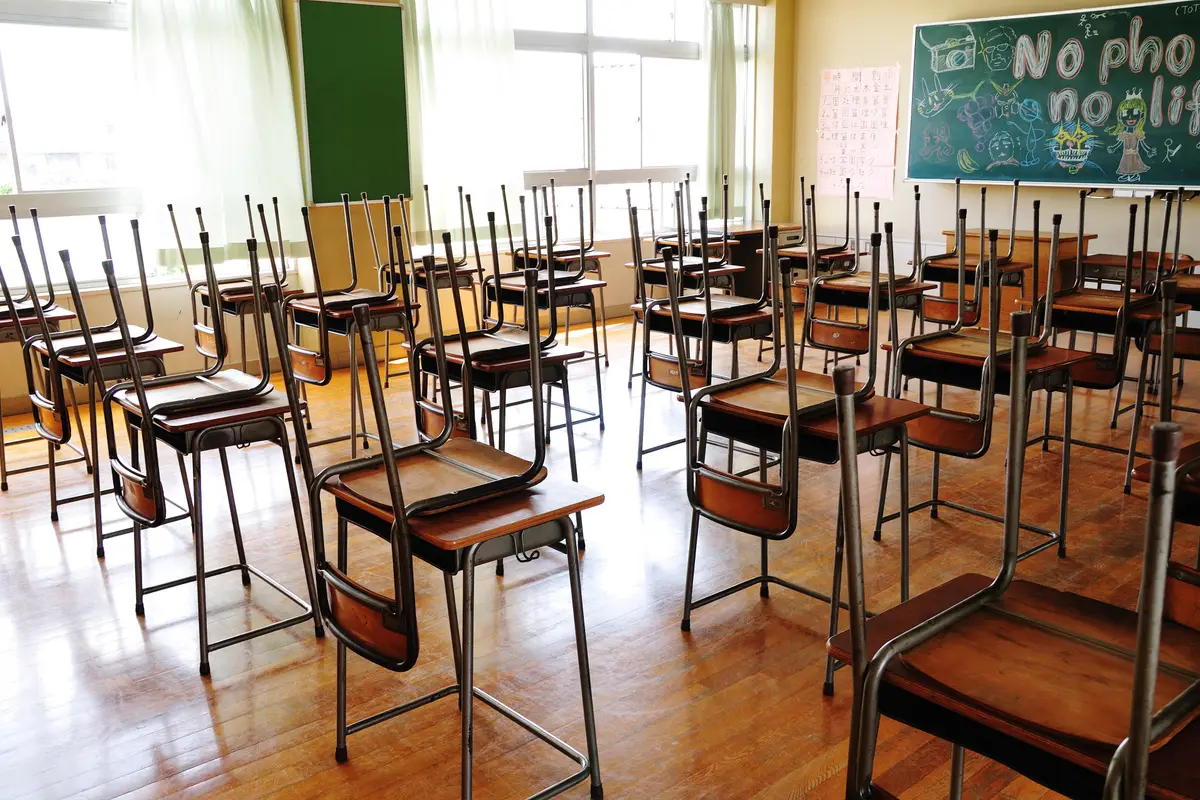
Japanese schools have no janitors. From first grade, students clean their own classrooms, hallways, and toilets every day. This is not just a cleaning routine; it teaches shared responsibility. By the time they're adults, the habit is invisible. They don't think "I should keep the street clean." They just... do.
掃除の時間は単なる清掃じゃなくて、「みんなの場所はみんなで守る」という価値観のインストール。 Cleaning time isn't just cleaning — it's installing the value that "shared spaces are everyone's responsibility."
For a deeper exploration of this concept, see our article on omoiyari: the Japanese concept that explains everything you experience in Japan. There's a companion concept worth knowing: shoganai, the Japanese acceptance of things that cannot be changed, which shapes how Japanese people navigate disruptions, inconveniences, and imperfect situations with a calm that visitors often mistake for indifference.
A Nuance Worth Knowing
Japan scores among the world's lowest on the CAF "helping a stranger" index. This might seem contradictory: how can the most considerate culture also be the least likely to help a stranger?
The answer: omoiyari operates strongest within known contexts. A convenience store clerk will wrap your items with extraordinary care. A stranger on the street might hesitate to approach you, not from indifference, but from the same English anxiety that makes 57% of Japanese people freeze when they see a foreigner who might need help.
Are Younger Japanese Still Shocked by the Same Things?
The generation gap in Japan is real, and it runs in a direction that might surprise you.
The ISA Foreign Resident Coexistence Survey 2023 (n=4,424) found that over 50% of 18-19 year olds view foreign residents positively, while adults over 60 have 40-70% with zero foreign acquaintances.
"Kids These Days" Has Flipped
Here's the twist: in Japan, the old complaint about young people has reversed.
「最近の若者は」じゃなくて「最近のお年寄りは」が問題になってる。カスハラの8割は40-60代。若い子はほとんどカスハラしない。 It's not "kids these days" anymore — it's "seniors these days" that's the problem. 80% of customer harassment comes from people in their 40s-60s. Young people basically don't do it.
Customer harassment (kasuhara) data shows the 50s age group accounts for 40.6% of incidents. Young people, raised with a different relationship to service workers, see the interaction as professional rather than hierarchical.
A New Kind of Consideration
Young Japanese people aren't less considerate. They express it differently.
若い世代は「人の時間を奪わない」が新しいオモイヤリ。電話じゃなくてLINEするのも、相手の都合を考えてるから。 For the young generation, "not wasting someone's time" is the new omoiyari. Texting instead of calling is consideration for the other person's schedule.
They accept tattooed staff, sitting cashiers, and minimal formalities. It isn't that they've abandoned omoiyari; their version simply operates on different signals.
Why This Matters for Visitors
If you're visiting Japan today, the person serving you at a cafe, helping you at a station, or sitting next to you on the train is likely younger, and statistically more understanding of cultural differences. One in three young Japanese adults had foreign classmates growing up. They're not learning about diversity from a textbook. They lived it.
What This All Means
Culture shock in Japan isn't a list of rules to memorize. It's a mirror.
Every moment you think "that's so different" (the quiet train, the shoeless house, the chased-down tip), there's a Japanese person having their own "that's so different" moment about you. Neither of you is wrong. You're just running different cultural operating systems.
And here's the part the internet doesn't tell you: your imperfect attempts at their system make them happier than your anxiety suggests. 78% smiled at your mistakes. 92% were happy when you tried a word of Japanese. Only one behavior out of 21 genuinely bothers a majority: photographing without asking. Chopstick grip and bow angle barely register.
The culture shock fades. The understanding stays.
Share Your Experience
Have you experienced a culture shock moment in Japan, from either side? We'd love to hear about it.
Sources
Survey Data
- ISA Foreign Resident Coexistence Survey 2023: Immigration Services Agency of Japan, March 2024 (n=4,424)
- IIBC Survey on English Communication with Foreigners (2024): International Business Communication Association
- EF English Proficiency Index 2025: EF Education First (Japan ranked 96th of 123 countries)
- CAF World Giving Index: Charities Aid Foundation / Gallup World Poll
WMJS Research Data
- shock_reverse: 63 Japanese voices on what surprises them about foreign visitors
- shock_mutual: 30 mirror pairs showing symmetrical culture shock
- shock_what_impresses: 52 Japanese voices on foreign behaviors that delighted them
- shock_one_os: 55 Japanese voices on the unified cultural system
- shock_generation: 55 Japanese voices on generational differences
- Cross-referenced with WMJS Research Library (13,700+ voices across 213 topics)
Related WMJS Articles
- You're Worrying Too Much: 2,000+ voices across 40+ topics
- Are Travel Guides Wrong About Japan?: 70% say guides are too strict
- Do Japanese People Want to Meet You?: 73.5% want to connect
- Omoiyari: The Concept That Explains Everything: The cultural operating system
Note on Quotations
Quotes from online platforms have been lightly edited for readability (fixing typos, formatting for clarity). The meaning and intent of each comment remain unchanged. Original sources are linked above.
- Public Japanese Q&A sites, forums, and social posts: first-hand opinions on culture shock and foreign visitors
- https://www.ryugakupress.com/english-6/
- https://madameriri.com/2013/12/01/
- https://hapaeikaiwa.com/blog/2014/09/27/
- https://rocketnews24.com/2024/02/01/2165824/
- https://wingslesson.com/blog/1458
- https://japanwonderguide.com/blog-japanese-ojigi/
- https://10mtv.jp/pc/column/article.php?column_article_id=3711
- https://newsphere.jp/trend/20240122-06/
- https://www.mag2.com/p/news/216071/2
- https://tripeditor.com/434307
- https://g-com.jp/recruitmentsvc/450/
- https://h-full.co.jp/fullresearch/difference-from-other-countries/
- https://schoolwith.me/columns/33528
- https://www.shane.co.jp/column/detail/id=26769
- https://crotabi.com/travel-manner/
- https://aitem-english.jp/culture-shock-examples
- https://livejapan.com/en/in-tokyo/in-pref-tokyo/in-akihabara/article-a0002567/
- https://japaneserituals.com/omoiyari/
- https://japan-walking.jp/why-japan-is-so-clean/
- https://www.football-zone.net/archives/417675
- https://fuji-shoshi.net/2025/08/11/japanese-characteristics-from-foreign-perspective/
This article is available in languages covering 95%+ of visitors to Japan (based on JNTO 2025 data). Need another language? Let us know through Voice Box.
WMJS is written in Japan, in English, with AI help. We check every page, but English is not our first language. If a sentence reads oddly, tell us. One sentence is enough.
Thank you. A person reads every note.
How well do you know Japan?
Built from 635 public posts by Japanese people
Want to know more? Ask Japanese people
Have a follow-up question about this topic? We'll ask real Japanese people.
Voice Box →