
Omoiyari: The Japanese Concept That Explains Everything You Experience in Japan
What you'll learn in this article:
- How Japanese people define omoiyari in their own words, from 358 public posts
- Why omoiyari can't be translated into a single English word
- The invisible anticipation that explains Japanese service, trains, and daily life
- When omoiyari becomes a burden: the honest side nobody talks about
- Whether omoiyari extends to strangers (and why it sometimes freezes)
- The surprising generational finding: younger Japanese may be MORE considerate
What does omoiyari mean? We read what 358 Japanese people wrote about it. Most defined it as "imagining the other person's position," but without expecting anything in return. The word sits somewhere between empathy, consideration, and anticipation, and no single English translation captures all of it. Understanding omoiyari won't just help you navigate Japan. It will change how you experience the whole country.
You're at a convenience store in Japan. You've bought a hot bento and a cold bottle of tea. Without you saying anything, the clerk separates them into two bags: warm in one, cold in the other. Nobody asked. There's no policy posted on the wall. It just... happened.
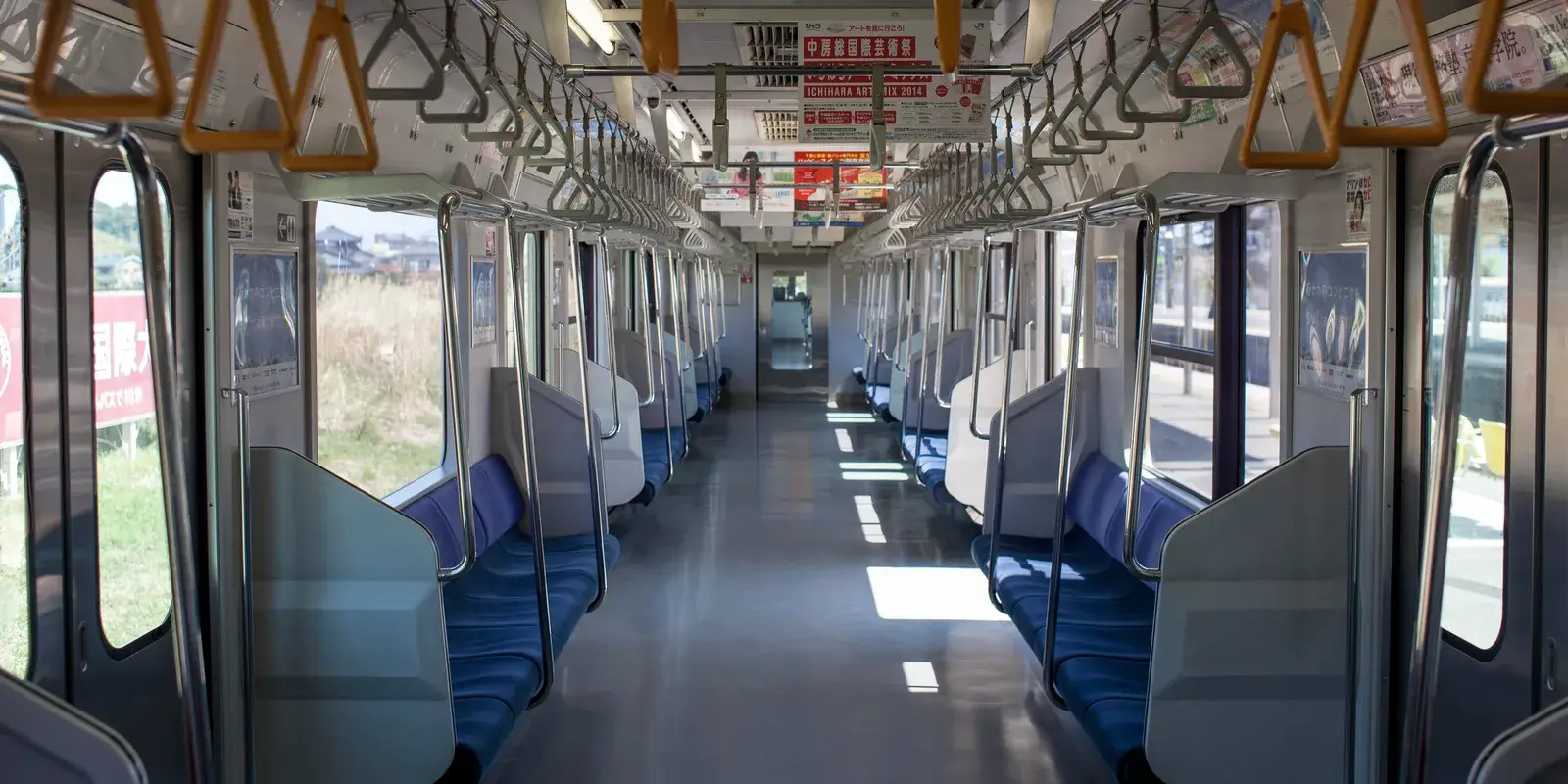
Or maybe you're on a train, and it's almost eerily quiet. Or you notice that the taxi door opens by itself. Or that the person ahead of you on the escalator is standing on the left, and so is everyone else, leaving the right side completely clear for people in a hurry.
All of these moments, the ones that make visitors say "Japan is so thoughtful," trace back to a single word: omoiyari (思いやり). It's the cultural operating system running quietly beneath everything you experience here. And the best way to understand it isn't through a dictionary. It's through the people who live it every day.
We collected 358 Japanese-language responses across six topics to find out what omoiyari actually means to the people who practice it: the beautiful parts, the exhausting parts, and everything in between.
Quick Guide
| Topic | What Japanese People Said | |
|---|---|---|
| 🟢 | Definition | Most define it as "imagining the other person's perspective," but without expecting returns |
| 🟢 | Invisible Anticipation | 56% say anticipatory care is genuine, not just a manual: "it starts as training, becomes heart" |
| 🟢 | Your Effort Is Noticed | 75% say they notice when foreigners try; effort matters more than perfection |
| 🟡 | The Burden Side | 60% admit "don't bother others" can feel suffocating; omoiyari has a shadow |
| 🟡 | Toward Strangers | Voices split three ways: want to help, freeze from English anxiety, or stay reserved |
| 🟢 | Generation | Surprise: service workers say younger Japanese are MORE polite, not less |
The one thing to remember: Omoiyari isn't a rule you can follow or break. It's a way of paying attention: noticing what someone might need before they have to ask. You don't need to master it. You just need to know it's there. And once you do, Japan starts making a lot more sense.
How We Gathered These Voices
We collected 358 Japanese-language responses across six omoiyari-related topics: definitions and meaning, invisible anticipation in daily life, whether effort from visitors is noticed, the burden of "don't bother others," omoiyari toward strangers, and generational differences. Sources include public Japanese Q&A sites, forums, and social posts, along with news articles and blogs.
A quick note: This isn't a controlled scientific survey. It's a collection of what real Japanese people said in their own words, in their own language, on public platforms. Most explanations of omoiyari come from people outside Japan defining it for outsiders. We wanted to show you how Japanese people define it for themselves, and that's a very different thing.
What Japanese People Say Omoiyari Actually Means
Here's the first thing you notice when you read how Japanese people define omoiyari: almost nobody gives the same answer. And that's not because they're confused. It's because the word holds so many layers that a single definition can't contain it.
The most common theme? Putting yourself in the other person's position, without expecting anything back.
「思いやり」というのは、見返りを期待しながらするものではありません。無償で相手に何かをしてあげること。 Omoiyari isn't something you do while expecting something back. It's giving to someone freely.
思いやりは心を使う。気遣いは気を使う。気持ちは全然違いますよ。 Omoiyari uses the heart. Ki-zukai uses the mind. The feeling is completely different.
That second quote stopped us in our tracks. Japanese has multiple words for "consideration": omoiyari, ki-zukai, kikubari, hairyo. Japanese people make distinctions between them that don't exist in any other language. Omoiyari comes from the heart, involuntarily. Ki-zukai comes from the head, deliberately. Both are valuable. But they're not the same thing.
思いやりとは『焦点を合わせる』ことなんじゃないだろうか。相手が何をしてほしいのかを見極め、痒いところにピンポイントで手が届くこと。 Maybe omoiyari is about "focusing." Identifying what someone needs and reaching exactly the right spot. Copywriter
思いやりとは自分を強くすることに他ならない。自分を鍛え、少々のことでパニックになったり、切羽詰ったりしない自分を作ることが思いやりの土壌なのではないだろうか。 Omoiyari is nothing other than making yourself strong. Building yourself up so you don't panic or feel cornered — that's the soil omoiyari grows from.
That last one is unexpected. In English, we associate consideration with softness. But this person is saying the opposite: you can only truly care for others when you've built the inner strength to do so. Omoiyari isn't about being nice. It's about being strong enough to notice.
思いやりは『思考』ではありません。『行為』です。 Omoiyari is not a thought. It's an act.
💡 The distinction nobody outside Japan makes
Japanese has multiple words for "consideration." Omoiyari comes from the heart (involuntary, natural); ki-zukai comes from the head (deliberate, calculated). Both are respected. But Japanese people feel the difference immediately. Understanding this distinction is the first step to understanding why Japan feels the way it does.
The Invisible Anticipation
So what does omoiyari look like in practice? It looks like a convenience store clerk separating your hot and cold items. It looks like a taxi driver who opens the door before you reach for the handle. It looks like the entire country somehow knowing to stand on one side of the escalator.
But here's the question people always ask: is this genuine? Or is it all just a really well-trained manual?
The honest answer? It starts as training. It becomes heart.
おもてなしは、相手が感じとる無形の思い。おもてなしは感じるもので、提供するものではない。 Omotenashi is an intangible feeling the other person senses. It's something felt, not delivered.
A convenience store worker put it more directly:
会計終わりの去り際に一言あることです。「どぉも~」とか言われるだけでこの後も頑張ろうって気になります。逆に嫌なことは無反応なことです。店員も人間であることだけ理解してくれればありがたいです。 Just one word as you leave after paying — even a casual "thanks" makes me want to keep going. What hurts is no reaction at all. Just understanding that the person behind the counter is human too — that's enough.
And then there are the moments that can't possibly be in any manual:
横断歩道で信号待ちしてた時、遠くの方から救急車のサイレンの音が聞こえてきて、救急車がちょっと見えてきたなって時に信号が青に変わったけど誰一人渡らず At a crosswalk, an ambulance siren was approaching in the distance... the light turned green but nobody crossed.
Nobody told them to wait. There's no sign that says "yield to ambulances at green lights." Everyone just... knew. That's omoiyari operating at a collective level: not a rule, but a shared instinct. You can watch the same instinct at work in the famous scramble crossing of Shibuya, where thousands of strangers read each other and give way so that almost no one collides.
江戸時代からのマナー、「傘かしげ」雨の日の出会いがしら、おたがい人のいない外側に傘を軽くかたむけて An Edo-era custom called "kasa-kashige" — when passing someone on a rainy day, both people tilt their umbrellas outward so neither gets the other wet.
This one has been happening since the 1600s. No manual. No policy. Just four hundred years of people quietly tilting their umbrellas for strangers.
This is why the silence on Japanese trains isn't enforced by rules. It's why the person at the convenience store separates your bags. It's why the bus driver bows to an empty stop. Omoiyari isn't a service standard. It's the water everything else swims in.
💡 The ambulance test
Nobody told them to wait. The light was green, an ambulance was approaching, and every single person at the crosswalk just knew. No sign. No announcement. That's omoiyari operating at a collective level: not as a rule, but as a shared instinct built over generations.

When You Try: Does Japan Notice?
This is the section that matters most if you're visiting or living in Japan. Because the question everyone asks is: does my effort actually register?
The answer is overwhelmingly yes.
観光地の蕎麦屋でバイトしてるけど、外国人がお箸綺麗に持つよ。みんな「YouTubeみて練習してきたから大丈夫」みたいな事を言う。 I work at a soba restaurant in a tourist area, and foreigners hold chopsticks beautifully. They say things like "I practiced by watching YouTube, so I'm fine." Soba restaurant employee
That quote tells you everything. The fact that this employee noticed, remembered, and shared it online means the effort landed. It registered.
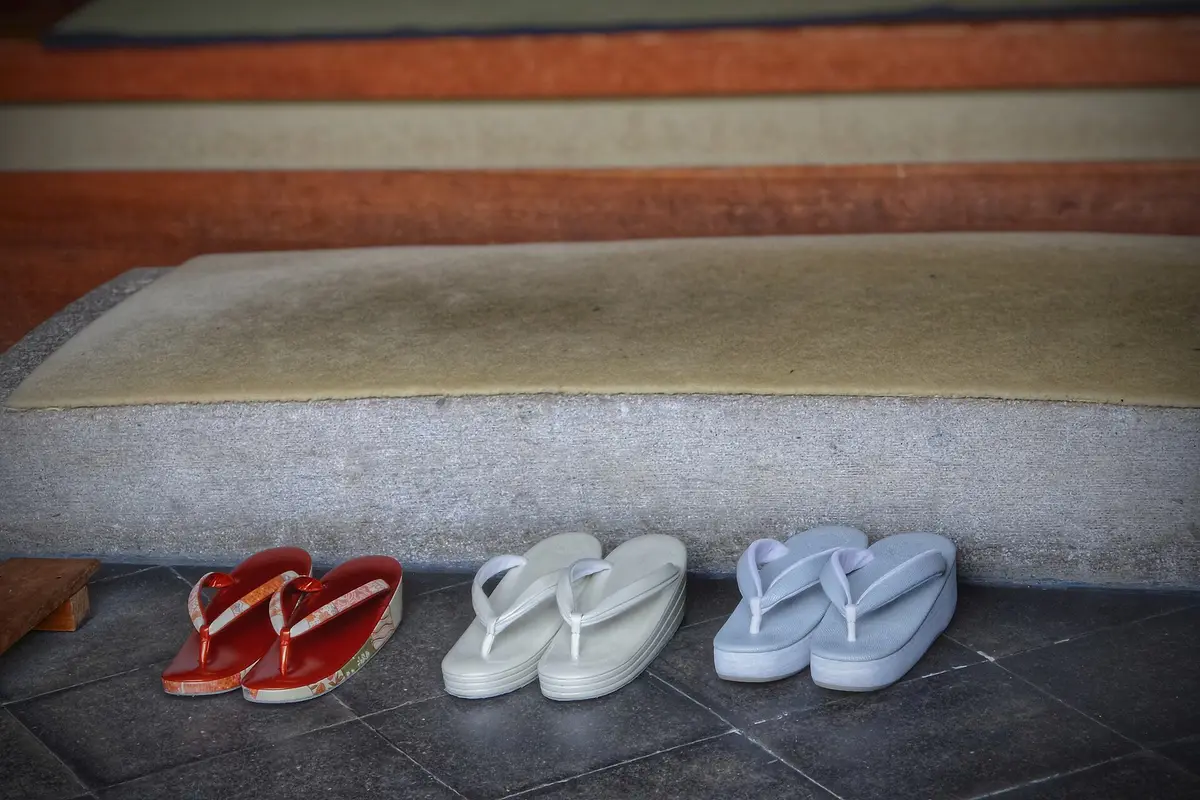
日本に染まった外国人の靴の脱ぎ方が面白い。3年目で他の人の靴も揃えるようになる It's interesting how foreigners who've lived in Japan take off shoes. By year three, they start aligning other people's shoes too.
The progression in that quote is beautiful. Year one: you learn to take off your shoes. Year three: you start aligning other people's shoes. That's the moment omoiyari becomes second nature: not because someone taught you a rule, but because the instinct became yours.
And the ultimate validation:
日本人よりも日本人だ More Japanese than the Japanese.
外国人が「ご馳走様」と言うと、日本人は他の外国人に対してよりも喜んでくれる When a foreigner says "gochisousama" (thank you for the meal), Japanese people light up more than they do for other foreigners.
観光地に住んでいるけれど本当にそう。騒いでいる人は自分の常識を押し付けているだけであって、ルールを伝えれば直してくれる外国人がほとんどだよ I live in a tourist area and it's really true — people who are being loud are just following their own norms. When you explain the rules, most foreigners adjust right away.
This pattern, effort matters more than perfection, appears across every article on this site. You don't need to master chopsticks. You don't need to speak fluent Japanese. You don't need to understand every unwritten rule. You just need to try. And Japan notices.
💡 Effort over perfection
Year one in Japan: you learn to take off your shoes. Year three: you start aligning other people's shoes too. You don't need to master every rule. Japanese people aren't watching for mistakes. They're watching for effort. And when they see it, they remember.
The Weight of Not Wanting to Bother Anyone
Here's where this article gets honest. Because omoiyari isn't all warm feelings and umbrella tilting. It has a shadow, and Japanese people talk about it more openly than you might expect.
The phrase you need to know is meiwaku wo kaketakunai (迷惑をかけたくない): "I don't want to cause trouble for others." If you've ever searched for "the Japanese word for not wanting to bother others," this is it. And it runs deep.
そんなに気をまわして生きてたら、さぞ疲れることだろう、と思う。正直、私も疲れる。 Living with that much consideration for others must be exhausting. Honestly, I'm exhausted too.
私は、人に迷惑をかけたくないと思っています。すごく思いすぎているようで、人の善意をも「こんな私にそんな事してもらったら、申し訳ない!」と必死に断り続けます I don't want to bother anyone. I think about it too much — I desperately refuse people's kindness, thinking "I can't let someone like me receive that!"
Read that again. This person's omoiyari is so strong that they can't even accept omoiyari from others. The concern about being a burden has become its own kind of burden.
日本人は「他人に迷惑をかけてはいけません」と子供を育てるが、インド人は「自分も他人に迷惑をかけているのだから、他人から迷惑をかけられても許してあげなさい」と子供を育てる Japanese raise children saying "don't bother others." Indians raise children saying "you bother others too, so forgive them when they bother you."
That comparison went viral in Japan for a reason. It holds up a mirror to something many Japanese people feel but rarely articulate: the pressure to never be a burden can itself become suffocating.
「思いやり」というのは、自発的な感情であって、誰かから強制される類のものではない Omoiyari is a voluntary emotion — not the kind of thing that should be forced by anyone.
気遣いすぎるのは、ただの自爆装置 Too much consideration is just a self-destruct button.
This matters for understanding Japan. The thoughtfulness you experience as a visitor (the separated bags, the quiet trains, the perfectly aligned shoes) comes at a cost that Japanese people themselves acknowledge. Knowing this doesn't diminish the beauty of omoiyari. It makes it more human. For a practical guide to your first days in Japan, where omoiyari shows up in everyday situations before you've had time to learn the patterns, Your First Week in Japan walks through what to expect moment by moment.
💡 Two philosophies of consideration
Japanese raise children saying "don't bother others." Indian parents tell children "you bother others too, so forgive them when they bother you." Both are forms of consideration: one focused on prevention, the other on forgiveness. Neither is wrong. But the Japanese version carries a weight that Japanese people themselves are honest about.
Does Omoiyari Reach Strangers?
If omoiyari is so deeply embedded in Japanese culture, why does Japan consistently rank near the bottom of international "helpfulness" surveys? The answer is more nuanced than you'd expect, and Japanese people themselves are the first to talk about it.
One long-term resident described a moment that captures the paradox:
どうして日本人は彼女を助けないのか?日本人は優しい人達じゃなかったのか? Why aren't Japanese people helping her? I thought Japanese people were kind?
A woman was struggling with a stroller on stairs, and dozens of people walked past. The observer was stunned. But the explanation isn't that Japanese people don't care. It's more complex than that.
「ウチ」と「ソト」を分ける国民性もあって、「ウチ」の人々に対しては助け合う気持ちが強い Japanese have a national character of dividing "uchi" (inside) and "soto" (outside). The spirit of mutual help is strong toward those on the inside. Researcher, Dai-ichi Life Research Institute
日本人が見知らぬ人を助けることが難しい理由に、まず、相手が手助けを必要としていることに気が付かない One reason Japanese people find it hard to help strangers is that they don't notice the person needs help in the first place.
And then there's English anxiety, a factor that comes up again and again:
外国人観光客に英語で道を聞かれたときに全く答えられなくてへこみました。高校生です。英語はテストでも模試でもいい点数を取れるのに実際に話すと何も返せない When a tourist asked me for directions in English, I couldn't say anything. I'm a high school student — I get good grades on English tests, but in real life I couldn't respond at all.
This freezing isn't coldness. It's anxiety about not being good enough at helping, which is, ironically, omoiyari turned inward. The concern about bothering someone with bad English is the same "don't cause trouble" instinct applied to yourself.
日本のスコアが非常に低い理由は、本質的に文化的なものである可能性が高い。アメリカでは慈善行為として認識されていることが、日本では責任として理解されている The reason Japan's score is so low is likely fundamentally cultural. What's recognized as charity in America may be understood as responsibility in Japan.
In other words: Japanese people don't count their helpfulness as "helping." They see it as simply doing what should be done. The concept of giving yourself credit for consideration doesn't fit within the omoiyari framework.
Our data on whether Japanese people want to meet visitors found a similar pattern: 73.5% want to connect with foreigners. They just don't know how to start. It's not a wall. It's a gap they wish they could close.
💡 The freeze isn't coldness
39% of Japanese people said they want to help strangers but freeze in the moment. For many, the barrier is English anxiety: worrying they'll embarrass themselves or the other person with bad English. That freeze isn't indifference. It's omoiyari turned inward: the fear of bothering someone by helping them poorly.
The Generation Question
Every culture has the "young people these days" complaint. Japan is no exception. Older generations often say younger Japanese are losing their sense of omoiyari. But when we looked at the data, we found something surprising.
The top-voted comment across hundreds of responses was blunt:
年寄りなんかより、若い子の方が全然優しい。 Young people are far kinder than old people.
And the people with the most direct evidence, service workers who interact with every age group daily, were the most emphatic:
接客やってると自分が悪いクセにゴネてクレーム言ってきたりするのは老害ばっかだよ In customer service, the ones who make trouble and complain when they're in the wrong are always the elderly problem customers.
接客業(スーパー、居酒屋)バイトしてたけど若い人(10〜30代)のほうが礼儀なってたよ I worked service jobs at a supermarket and izakaya — young people in their teens to thirties had better manners by far.
The most vivid example came from everyday language:
おっさん、おばさん「お前、邪魔!」小学生〜高校生は「すみません、通ります」 Middle-aged people say "Hey, move!" Elementary to high school students say "Excuse me, coming through."
But one voice offered a sobering thought:
若い子の方が礼儀正しくて優しいよ。でもその若い子達もウン十年歳を重ねたら今の中高年と似たような感じになると思う。 Young people are more polite and kind. But those young people will probably become similar to today's middle-aged people after decades.
Is it a generational shift, or just the effect of age itself? The data can't answer that definitively. But what it can say is this: the conventional wisdom that "young Japanese are losing omoiyari" isn't supported by the people who see both demographics every day. If anything, service workers report the opposite.
💡 The data contradicts the stereotype
"Young people these days have no manners" is a complaint as old as Japan itself. But service workers, the people who interact with every age group daily, overwhelmingly report the opposite. The generation question isn't as simple as "things were better before."
The Operating System
If you've been reading other articles on this site, you may have noticed something: they all come back to the same place.
Why are Japanese trains so quiet? Omoiyari. Why do people line up so precisely? Omoiyari. Why does a stranger bow when you bow? Omoiyari. Why does a soba restaurant employee remember that a tourist practiced chopsticks on YouTube? Omoiyari.
That's because omoiyari doesn't exist in isolation. It's one part of a triangle that runs through all of Japanese social life:
- Omoiyari (思いやり) = the intention. The heart that cares.
- Kuuki wo yomu (空気を読む) = the sensor. The ability to read the atmosphere and know what's needed.
- Meiwaku wo kakenai (迷惑をかけない) = the guardrail. The deep reluctance to be a burden on others.
Omoiyari is why you care. Kuuki wo yomu is how you notice. Meiwaku is the line you try not to cross. The same instinct shapes how people read the mood of a place, from the warmth of a welcome to the hush people naturally keep at Hiroshima's Peace Memorial Park. Together, they create the cultural operating system that makes Japan feel like Japan: the extraordinary thoughtfulness, the seamless order, and yes, sometimes the exhaustion and the freezing up around strangers.
Understanding this triangle doesn't just help you navigate Japan. It helps you see that the kindness and the constraints come from the same place. The person who separates your bags and the person who can't approach you for directions are running the same code. To see how omoiyari shapes specific situations you'll actually encounter (trains, restaurants, shrines, and more), What Actually Matters (And What Doesn't) maps the full temperature landscape across 21 topics.
More Japanese Perspectives
Curious about other aspects of this cultural operating system? These articles explore what Japanese people actually think, based on hundreds of real voices.
- The People Behind Omotenashi: Omotenashi is omoiyari institutionalized into service, and the people delivering it have a lot to say about it.
- Why Are Japanese People So Polite?: The world says Japan is number one in politeness. Japanese people rate themselves near the bottom.
- Why Japanese People Choose These Rules: The three-concept framework: omoiyari, kuuki wo yomu, and meiwaku, and how they work together.
- Why Japanese Trains Are Silent: Omoiyari in action: kuuki wo yomu on the commute.
- Trying to Speak Japanese: 92% of Japanese people light up when you try, even if it's just "arigatou."
- Do Japanese People Want to Meet You?: 73.5% want to connect. They just don't know how to start.
Share Your Experience
Have you felt omoiyari in Japan, a moment where someone anticipated what you needed before you asked? Or have you seen the other side: the freeze, the silence, the invisible wall? We'd love to hear it. Your story helps build a bridge between cultures.
Share your experience on Voice Box →
Sources
Primary Research Data
- WMJS omoiyari research data (358 Japanese-language responses collected May 2026)
- Definition and meaning: 62 responses
- Invisible anticipation: 55 responses
- Effort noticed by Japanese people: 33 responses
- Burden of "don't bother others": 43 responses
- Omoiyari toward strangers: 26 responses
- Generational differences: 33 responses
- Additional voices from cross-topic sources: 106 responses
Statistical & Institutional Data
- CAF World Giving Index (2023): Japan ranked last, 142nd out of 142 countries, in helping strangers
- YOLO JAPAN survey (2019): 81% of foreigners in Japan want Japanese manners to become a global standard
- Dai-ichi Life Research Institute: Analysis of "uchi/soto" dynamics and helping behavior
Opinion Collection Sources
The following sources were used to collect Japanese people's opinions and sentiments. These are not cited as factual authorities but as platforms where real Japanese people expressed their views on omoiyari.
Definition and meaning:
- Public Japanese Q&A sites, forums, and social posts: first-hand opinions on the definition and meaning of omoiyari
- https://diamond.jp/articles/-/111062
Invisible anticipation:
- Public Japanese Q&A sites, forums, and social posts: first-hand opinions on invisible anticipation in daily life
- https://gendai.media/articles/-/57672
Effort noticed:
- Public Japanese Q&A sites, forums, and social posts: first-hand opinions on whether effort from visitors is noticed
- https://limo.media/articles/-/69421?page=1
- https://nlab.itmedia.co.jp/cont/articles/3369832/
- https://hint-pot.jp/archives/288482
- https://www.buzzfeed.com/jp/kylaryan/japan-omoide
- https://prtimes.jp/main/html/rd/p/000000055.000015950.html
- https://sow.blog.jp/archives/1005854969.html
- https://haa.athuman.com/media/japanese/culture/2243/
- https://americantokyolife.com/
- https://www.jtb.or.jp/researchers/column/column-manner-kawamura/
Burden of "don't bother others":
- https://wasei.salon/blogs/6b798024d003
- Public Japanese Q&A sites, forums, and social posts: first-hand opinions on the burden of "don't bother others"
Omoiyari toward strangers:
- Public Japanese Q&A sites, forums, and social posts: first-hand opinions on omoiyari toward strangers
- https://www.j-cast.com/2023/12/12474688.html?p=all
- https://www.m-paa.org/sns_cooperation/1599
Generational differences:
- Public Japanese Q&A sites, forums, and social posts: first-hand opinions on generational differences
Note on Quotations
Quotes from online platforms have been lightly edited for readability (fixing typos, formatting for clarity). The meaning and intent of each comment remain unchanged. Original sources are linked above.
WMJS is written in Japan, in English, with AI help. We check every page, but English is not our first language. If a sentence reads oddly, tell us. One sentence is enough.
Thank you. A person reads every note.
How well do you know Japan?
Built from 635 public posts by Japanese people
Want to know more? Ask Japanese people
Have a follow-up question about this topic? We'll ask real Japanese people.
Voice Box →