
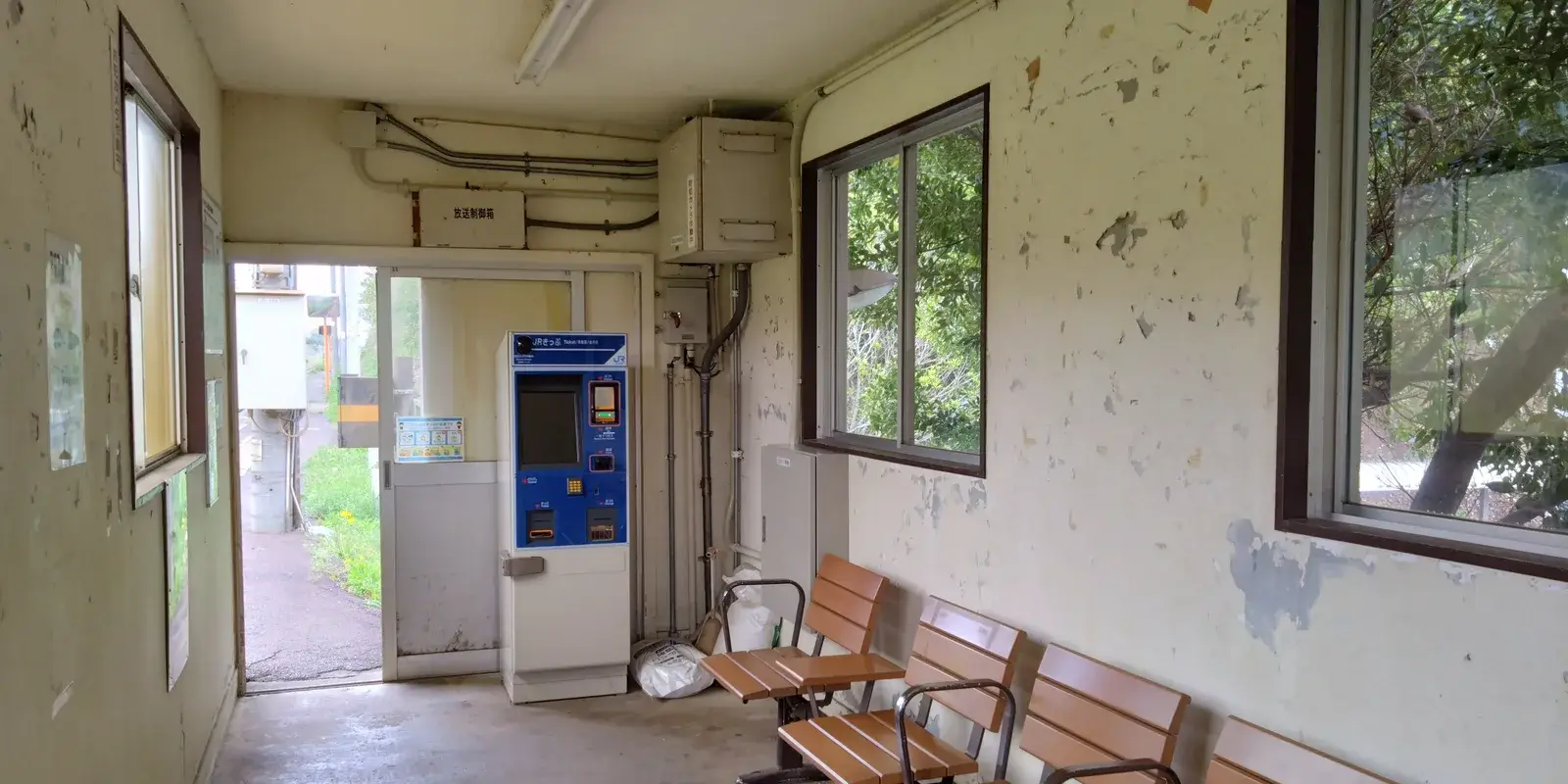
Shoganai: Why Japanese People Accept What You Can't Change
What you'll learn in this article:
- What 357 Japanese people said about "shoganai," and why they're deeply divided about their own word
- The three layers of shoganai that no guidebook explains: strength, practical tool, and the criticism Japanese people themselves are voicing
- Why your cancelled train and rained-out plans might teach you something Japan has known for centuries
What does shoganai mean? We collected 357 public posts by Japanese people. Their views split three ways: 51% see it as genuine strength when facing disasters and nature. 38% use it as a practical tool for daily troubles like train delays. But 52% criticize its overuse in society as thought-stopping resignation. Shoganai isn't one thing. It's three, and understanding the difference changes how you experience Japan.
357 Japanese voices on one word. Three completely different meanings.
You'll hear it everywhere in Japan. The train stops, and someone sighs and says "shoganai." Rain cancels your outdoor plans, and your Japanese friend shrugs and says "maa, shoganai." An earthquake shakes the building, and people calmly go back to what they were doing.
Shoganai (しょうがない). Literally: "there is no way." Usually translated as "it can't be helped."
But here's what no guidebook tells you: Japanese people themselves are divided about this word. Some see it as ancient wisdom. Others call it a dangerous excuse. And the truth, as 357 Japanese voices showed us, depends entirely on what you're accepting.
Quick Guide
| When Shoganai Is Used | What Japanese People Actually Think | |
|---|---|---|
| 🟢 Strength | Natural disasters, weather, things truly beyond control | 51% see this as genuine resilience. "Earthquakes happen. We rebuild. That's not giving up. That's strength." |
| 🟡 Practical tool | Train delays, rain, plan changes, daily inconveniences | 38% accept these and move on. "The train stopped. Standing here angry won't restart it." |
| 🔴 Debated | Workplace problems, social issues, unfair treatment | 52% of Japanese people criticize this usage. "That's not acceptance. That's thought-stopping." |
The one thing to remember: When you hear "shoganai" in Japan, it's not resignation. It's triage: Japanese people sorting what deserves their energy from what doesn't. And increasingly, younger Japanese are questioning where that line should be drawn.
How We Gathered These Voices
We collected 357 Japanese-language responses across five dimensions of shoganai: when it's used (50 voices), disaster and nature (83 voices), daily troubles (68 voices), the acceptance-vs-resignation debate (86 voices), and generational differences (70 voices). Sources span public Japanese Q&A sites, forums, and social posts, along with Japanese news commentary.
A quick note: This isn't a controlled scientific survey. It's what Japanese people said in their own words, in their own language, on public platforms. Most English sources define shoganai in a single paragraph. We wanted to show you the full picture, including the parts where Japanese people disagree with each other.
What Shoganai Actually Means
Before we get to the data, a quick language note. Shoganai has three written forms that all mean the same thing:
- 仕方がない (shikata ga nai): the formal version
- しょうがない (shō ga nai): the everyday version you'll hear most
- やむを得ない (yamu wo enai): the polished version for official contexts
The literal meaning is "there is no method" or "there is no way to do it." But the cultural meaning runs much deeper.
「仕方ない」は日本特有の「はかなさ」という悟りを表現した慣用句で、状況をあるがままに受け入れる姿勢を反映している "Shikata nai" is an idiom that expresses a uniquely Japanese sense of "hakanasa" (transience) — it reflects the stance of accepting circumstances as they are.
The word has been part of Japanese culture for centuries. In 1582, when Oda Nobunaga was betrayed at Honnō-ji temple, his reported response was "zehi mo oyobazu," the classical equivalent of shoganai. Roughly: "There's nothing to be done about it."
That was 444 years ago. Japanese people are still saying the same thing, and still arguing about whether it's wisdom or weakness.
Layer 1: When Nature Decides – Shoganai as Strength
Japan sits on the Pacific Ring of Fire. Earthquakes, typhoons, tsunamis, volcanic eruptions: they're not hypothetical. They're Tuesday.
And this is where shoganai is at its most powerful. When 83 Japanese voices spoke about disasters, the sentiment was clear:
If you've experienced an earthquake in Japan, you've probably noticed something that surprises visitors from almost anywhere else: Japanese people stay remarkably calm. No screaming. No panic. Often, they go right back to what they were doing.
天災は「天の災い」と書く。天からのものは避けられない、防げない、諦めて受け入れるしかないという思想 "Tensai" (natural disaster) is written with the characters for "heaven's calamity." What comes from heaven cannot be avoided or prevented — you can only accept it.
This isn't passivity. It's a philosophy forged by geography. As one voice explained:
日本は島国で逃げ場がなかった。地震や津波で家がなくなるなど、どうしようもない事象に対して「諦めるしかない」という精神が形成された Japan is an island with nowhere to run. Losing your home to earthquakes and tsunamis — there was nothing you could do. The spirit of "we can only accept" was formed from that reality.
A Buddhist priest framed it differently. Not as giving up, but as clarity:
物事は常に変化し、その自然な流れを思うようにコントロールしたり、逆らうことはできません。この真理の理解が「あきらめる」行為に能動的なニュアンスを生んだ Things are constantly changing, and you cannot control or resist their natural flow. Understanding this truth gave the act of "giving up" an active nuance.
After the 2011 Tōhoku earthquake and tsunami, survivors who invoked shoganai weren't surrendering. They were prioritizing: dwelling on irreversible loss versus channeling energy into rebuilding. They chose rebuilding.
During World War II, 120,000 Japanese Americans in internment camps used "shikata ga nai" alongside "gaman" (endurance) to maintain their dignity under conditions they couldn't change. It wasn't weakness. It was survival.
What this means for you: If an earthquake happens during your trip (and it might), notice what happens around you. The calmness isn't indifference. It's a culture that has practiced accepting what can't be controlled for centuries. And honestly, it might be more comforting than you expect. You can read more about staying safe in Japan.
Layer 2: When Plans Change – Shoganai as a Practical Tool
Your train stopped. The shop you planned to visit is closed. It's raining on your temple day.
Welcome to Layer 2: shoganai as a daily operating tool. This is the version you'll encounter most during your trip, and 68 Japanese voices showed us how it works:
At this level, shoganai works like a mental switch. Something goes wrong, you acknowledge it, and you redirect your energy forward instead of backward.
もうしょうがないよ、終わってしまったことだから It's shoganai — what's done is done.
電車の遅延、突然の雨、予定変更。あらゆる場面で「まぁ、しょうがない」と聞かれる Train delays, sudden rain, schedule changes. You hear "maa, shoganai" in every situation.
One writer captured it perfectly: shoganai at this level isn't about giving up. It's about deciding what deserves your energy. The train isn't going to restart because you're angry at it.
But notice the 31% in red. Not everyone is comfortable with this. Some Japanese people feel that accepting daily frustrations too easily allows problems to persist: broken systems don't get fixed if everyone just says "shoganai."
会話を円滑にするために使う場合もある。態度で分かるのでその時その時の判断ですね Sometimes it's used to smooth conversation. You can tell from someone's attitude — it depends on the situation.
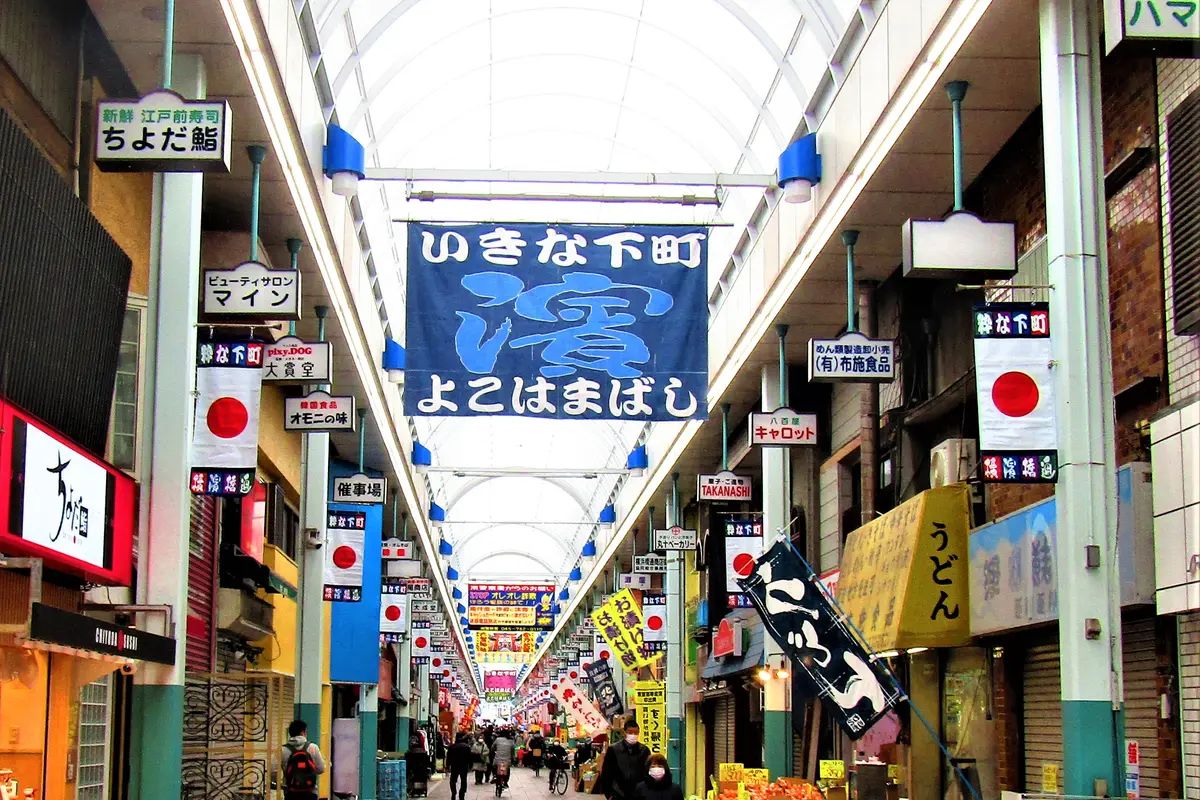
What this means for you: When your plans fall apart in Japan (and travel plans always do somewhere), try the Japanese approach. Acknowledge it. Say "maa, shoganai." Then look around for what's possible instead. That rainy temple day might lead you to a covered shopping street you'd never have found otherwise. That's not just coping. It's how some of the best travel moments happen. For more on why worrying less changes your Japan experience.
Layer 3: The Debate – When Japanese People Disagree
Here's where it gets interesting. When Japanese people wrote about shoganai as a general attitude (not tied to disasters or daily inconveniences, but as a philosophy of life), the balance flipped:
52% of Japanese voices criticize the overuse of shoganai. That's a majority of people pushing back against their own cultural catchphrase.
The criticism is sharp:
現状を受け入れるための言葉じゃなくて、「思考の放棄」に感じられる It doesn't feel like a word for accepting reality — it feels like abandoning thought.
仕事でも日常でも、「しょうがない」と言っている人の多くの問題は考えるのが面倒で逃げているだけ In work and daily life, most people who say "shoganai" are just avoiding the effort of thinking.
「しょうがない」は自己正当化であり、逃げ。品がない "Shoganai" is self-justification and escape. It lacks dignity.
But the 40% who defend it aren't naive. They make a specific argument:
自分の弱さを受け入れるためには「まぁこんな自分もしょうがないよね」と思えるかどうかが大事 To accept your own weaknesses, what matters is whether you can think "well, this is just who I am — shoganai."
「しょうがない」は踏ん切りをつけることができることを表し、決断力の高さを示す。物事の停滞を防ぐ役割を果たす言葉 "Shoganai" represents the ability to make a clean break. It shows decisiveness. It's a word that prevents stagnation.
One author crystallized the tension beautifully:
「しょうがない」は心を守る盾にもなるが、行動を止める鎖にもなる "Shoganai" can be a shield that protects your heart — or a chain that stops you from acting.
The distinction Japanese people draw is critical: shoganai is wisdom when applied to genuinely uncontrollable things. It becomes dangerous when applied to things you could change but choose not to. Earthquake? Shoganai. Toxic workplace? Maybe not.
本当に「しょうがない」ことだけをあきらめ、「仕様がある」ことの解決策を考えることを目指す The goal is to accept only what truly "can't be helped" — and find solutions for everything that can.
This is a debate happening inside Japanese culture right now. And it connects directly to the next section.
The Generation Shift
The youngest generation of Japanese adults is redrawing the line between acceptable and unacceptable shoganai.
Here's the generational map our research revealed:
Showa generation (50s–70s+): They lived through postwar rebuilding and Japan's economic miracle. Their patience was rewarded: endurance led to prosperity. For them, shoganai is validated by experience.
Ice Age generation (40s): Structural unemployment hit them hardest. Many feel they were forced into shoganai by a system that normalized their suffering. For this generation, the word carries a bitter edge.
Satori generation (late 20s–30s): Named after the Buddhist concept of "enlightenment," but the naming is ironic. They've lowered their expectations, not out of wisdom but because raising them felt futile. They don't actively say shoganai. They live it through quiet adjustment.
Z generation (teens–early 20s): This is where the shift happens. Young Japanese increasingly treat unproductive endurance as a cost rather than a virtue. They distinguish between rain (shoganai) and a toxic boss (not shoganai, so they quit). They optimize rather than endure.
諦めるはありますけど、受け入れるは無いです Giving up, sure. But accepting it? No.
This voice, from someone distinguishing between resignation and acceptance, captures the generational shift perfectly. Older generations merged the two. Younger ones are pulling them apart.
What Shoganai Teaches Travelers
You're not Japanese, and nobody expects you to adopt a cultural philosophy during a two-week trip. But understanding shoganai changes small moments in real ways.
When your train stops: Notice what happens around you. Nobody is angry. Some people sigh, pull out their phones, and find an alternate route. That's Layer 2 shoganai in action: redirect energy forward.
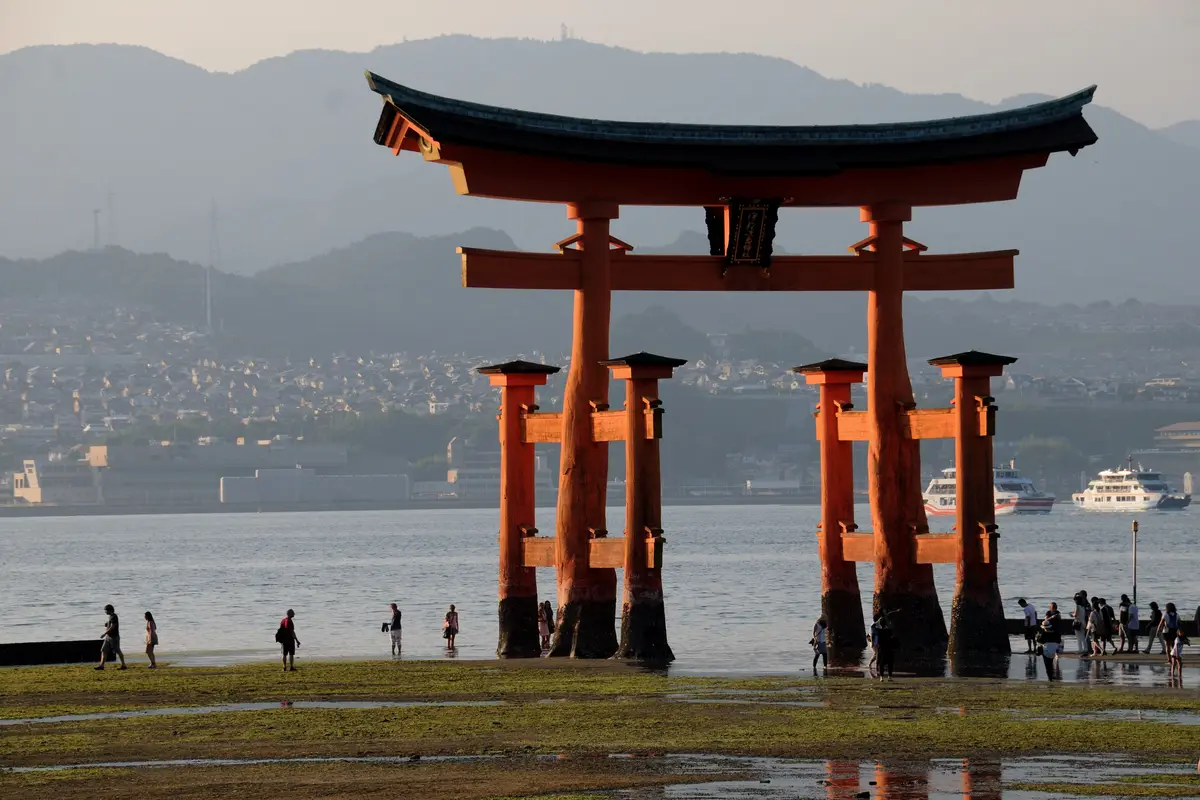
When the weather ruins your plans: Instead of fighting it, try "maa, shoganai" and see what opens up instead. Japanese people have been doing this with typhoons for centuries. The same applies to things no schedule can control. Arrive at Miyajima's Itsukushima Shrine at low tide and you'll find the famous floating torii standing on bare seabed rather than over water, a different sight than the postcard, but one the day chose to give you.
When something doesn't go as expected: Remember that the Japanese people around you aren't "passive" or "robotic." They're running an operating system built by centuries of earthquakes, typhoons, and island geography. It's not that they don't feel frustration. It's that they've developed a cultural tool for sorting what deserves their energy from what doesn't.
And if you want to understand the deeper cultural system that connects shoganai to everything else you experience in Japan, explore omoiyari (consideration for others) and why Japanese people choose these rules.
More Japanese Perspectives
- Omoiyari: The Concept That Explains Everything: If shoganai is about accepting what you can't change, omoiyari is about anticipating what you can do for others
- You're Worrying Too Much: 77% of Japanese people say guidebooks are too strict
- The Unspoken Scorecard: 38% said cultural differences "can't be helped," which is shoganai applied to you
- Culture Shock: Explained by Japanese People: The cultural operating system behind everything
Share Your Experience
Have you experienced a "shoganai moment" in Japan? A plan that fell apart and led somewhere unexpected? We'd love to hear about it.
Sources
Japanese Voices (Public Platforms)
All 357 voices were collected from publicly available Japanese-language platforms:
- Public Japanese Q&A sites, forums, and social posts: first-hand opinions on the meaning, daily use, and cultural debate around しょうがない
Cultural and Academic Sources
- Wikipedia (JA): 仕方がない
- Wikipedia (EN): Shikata ga nai
- GTN Magazine: "Shikata ga Nai" | Understanding a Key Expression in Japanese Culture
- 大來尚順『訳せない日本語』(Untranslatable Japanese): referenced via Forest Publishing essay
- 前林清和「災害と日本人の精神性」(Disasters and Japanese Spirituality): referenced via Wedge article
- Psychology analysis
Historical References
- Oda Nobunaga's "zehi mo oyobazu" at Honnō-ji (1582), per Wikipedia
- Emperor Hirohito's statement on the atomic bombing (1975 press conference), per Wikipedia
- Japanese American internment and shikata ga nai, per English Wikipedia, Smithsonian, Canadian Museum for Human Rights
Note on Quotations
Quotes from online platforms have been lightly edited for readability (fixing typos, formatting for clarity). The meaning and intent of each comment remain unchanged. Original sources are linked above.
WMJS is written in Japan, in English, with AI help. We check every page, but English is not our first language. If a sentence reads oddly, tell us. One sentence is enough.
Thank you. A person reads every note.
How well do you know Japan?
Built from 635 public posts by Japanese people
Want to know more? Ask Japanese people
Have a follow-up question about this topic? We'll ask real Japanese people.
Voice Box →