

Why Japanese Service Feels Different: The Cultural System Behind the Smile
What you'll learn in this article:
- What 373 Japanese people wrote about why their service culture is different
- The cultural roots that go back to 1500s tea ceremony, and the one principle everyone misunderstands
- Why 62% of Japanese people say "the customer is god" is outdated and harmful
- What actually motivates service workers without tips (it's not what you think)
- The surprising feedback loop: how YOUR reaction transforms their service from trained to genuine
- Whether younger workers are maintaining Japan's service standards (the data contradicts the stereotype)
Why is Japanese service so good? We collected 373 public posts by Japanese people about it. The answer isn't "the customer is god": 62% say that philosophy is outdated and harmful. What actually drives it: a concept called omoiyari (consideration for others), professional pride that doesn't need tips, and a feedback loop where your gratitude becomes their motivation.
373 Japanese voices explain what's really behind their country's service, and why the answer is changing.
You walk into a convenience store in Japan. The clerk greets you before you reach the counter. Your hot bento and cold tea are separated into two bags without being asked. The change is placed gently on a tray, never tossed. And as you leave, someone calls out a thank-you even though you haven't done anything special.
Why does this happen? Not just at high-end hotels, but at every convenience store, every train station, every 100-yen shop?
The answer most guides give ("it's omotenashi, Japanese hospitality") is true but incomplete. It's like saying "Americans are friendly because of freedom." The word names the phenomenon without explaining the machinery.
We wanted to understand the machinery. So we read what 373 Japanese people (service workers, customers, cultural observers) wrote about what drives their country's service culture, where it comes from, what sustains it, and whether it's changing. Their posts reveal a system that's more complex, more human, and more fragile than the "amazing Japanese service" narrative suggests.
Quick Guide
| Topic | What Japanese People Said | |
|---|---|---|
| 🟡 | Self-Assessment | Only 20% are purely proud; 42% say service culture comes at too high a human cost |
| 🟢 | Cultural Roots | Tea ceremony's "ichiza-konryū" (creating harmony together), rather than one-way servitude |
| 🔴 | "Customer Is God" | 62% say the phrase is outdated and harmful (Japan's most misunderstood concept) |
| 🟢 | Professional Pride | 67% are driven by genuine pride rather than obligation ("arigatou is the real tip") |
| 🟢 | You Complete It | 92% say a customer's gratitude transforms their work; service is a two-way loop |
| 🟡 | Generation | Younger workers aren't losing service values; they're rejecting exploitation |
The one thing to remember: Japanese service isn't powered by a rule that customers are gods. It's powered by omoiyari, the instinct to anticipate someone's needs before they ask. And the single most powerful thing you can do is close the loop: a "gochisousama," a smile, a moment of eye contact. That's what turns a trained response into something real.
How We Gathered These Voices
We collected 373 Japanese-language posts across six service-related topics: why Japanese service differs from other countries, cultural and historical roots, the "customer is god" concept, professional pride without tipping, the customer feedback loop, and generational changes. We gathered these voices from public Japanese Q&A sites, forums, and social posts, along with news articles, industry blogs, and expert commentary.
This isn't a controlled survey. It's a collection of what real Japanese people said in their own words, on public platforms. We also reference data from our earlier research on the people behind omotenashi (432 service worker voices) and omoiyari (358 voices on Japan's cultural operating system).
What Japanese People Actually Think About Their Own Service
Here's what most guides won't tell you: Japanese people are more critical of their own service culture than foreigners are.
When Japanese people wrote about why their service is different, many didn't lead with pride. They led with analysis, and sometimes frustration.
日本の接客のアベレージは世界一だと言って間違いないと思います。欧米はその人の属してるクラスによって、その人のレベルに大きな差があります。欧米の特徴は、ひどいものと素晴らしいものと、両方存在することです。 Japan's average service level is unmistakably the best in the world. In the West, service varies enormously depending on class. The Western pattern is extremes — terrible and excellent coexist. Japan's pattern is consistency.
日本ほど「言わなくてもかゆいところに手が届く」サービスは無い。 There's no service anywhere that reaches the itch you haven't even scratched the way Japan's does.
That second voice captures something important: Japanese service anticipates. It doesn't wait for you to ask. It reads the room: a skill rooted in kuuki wo yomu (reading the atmosphere), one of the three concepts that make up Japan's cultural operating system.
But the pride comes with a cost that Japanese people name openly:
暮らすなら日本。働くなら海外。 To live: Japan. To work: anywhere else.
海外のレストランではもう少しカジュアルに接してくれるので、スタッフと自分との間に壁がなく心地よく過ごせた。 At restaurants overseas, staff are more casual — there's no wall between you and them, and it felt genuinely comfortable.
That word ("wall") appears repeatedly. Many Japanese people recognize that the very professionalism visitors admire creates a distance between server and served that doesn't exist in more casual service cultures.
💡 Pride with open eyes
Only 20% of Japanese people expressed pure pride about their service culture. The largest group, 42%, said the system comes at too high a human cost. The service you admire as a visitor is maintained by people who see both its beauty and its weight. Understanding that complexity is itself a form of respect.
Where It Comes From
If Japanese service anticipates your needs before you ask, where did that instinct come from?
The standard answer is "tea ceremony." That's partly right, but the part most people get wrong is the most important part.
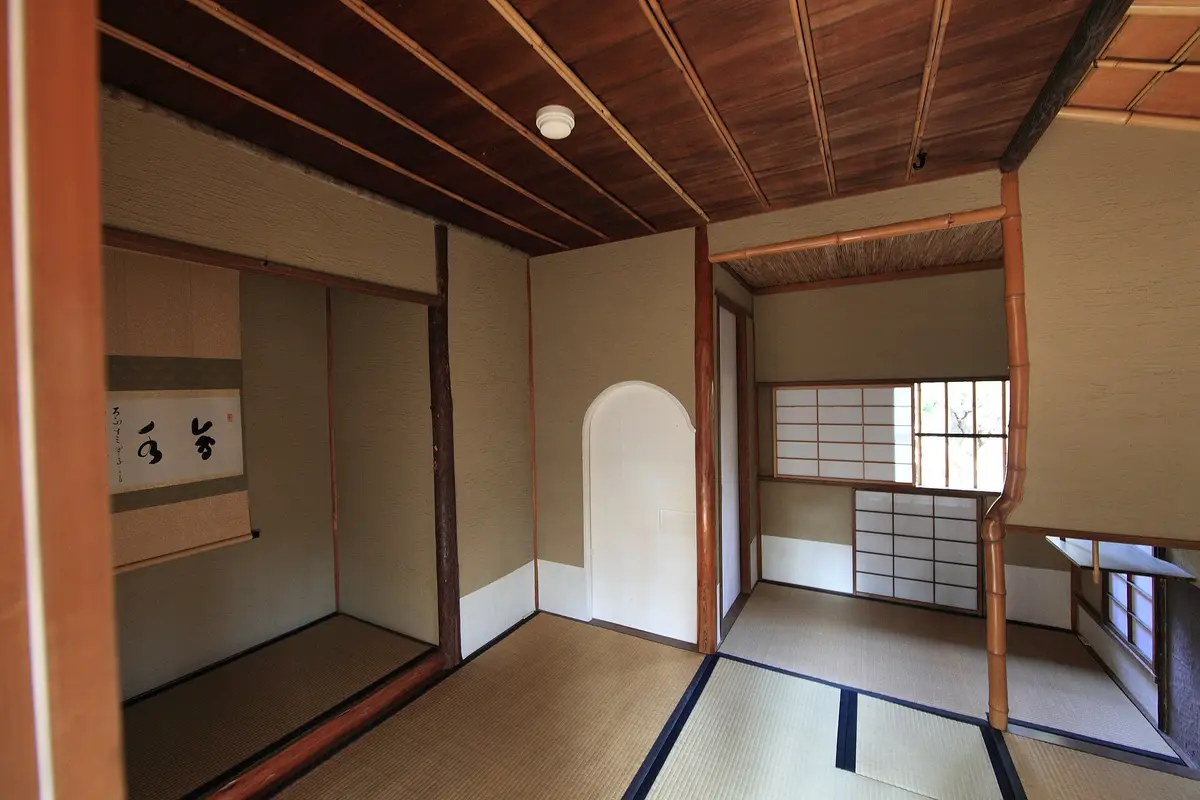
茶道の世界で「客」に相対するのは「亭主」であって家来でも下僕でもありません。茶道で重要なのは一方的な「おもてなし」ではなく「一座建立」です。 In the tea ceremony world, the person facing the guest is the "host" — not a servant. What matters in tea ceremony isn't one-way hospitality. It's "ichiza-konryū" — creating harmony together.
Read that again. The foundation of Japanese hospitality isn't "the customer is always right." It's "host and guest create something together." The tea room was designed as a space where social rank disappeared:
茶室に在りて「上下」を忘れて「人間本位」として向き合う。 In the tea room, forget hierarchy. Face each other as human beings.
This 500-year-old principle, that hospitality is mutual rather than submissive, is the root that modern Japan has partially forgotten and is now rediscovering.
The etymology tells the same story:
おもてなしの語源は「表なし」という意味がある。つまり、裏表がないということ。 One origin of "omotenashi" is "omote-nashi" — without a facade. Meaning: no gap between appearance and intention.
おもてなしの意味は「相手に敬意を持ち、対価を求めない心でもてなす」ということです。 Omotenashi means serving with respect and expecting nothing in return.
The historical arc spans centuries, from aristocratic court rituals to samurai guest customs to Edo-era inn culture to the tea ceremony's democratization of hospitality. But the thread running through all of it is the same concept we explored in depth in our omoiyari article: anticipating what someone needs before they have to ask, without expecting anything back.
来訪者のためにその準備をおし付けがましくならないように、さり気なく、気持の良い空間を作り出すことがおもてなしの特徴です。 The hallmark of omotenashi is creating a comfortable space for guests — subtly, without making the effort obvious.
That last detail, "without making the effort obvious," is why Japanese service feels different. The work is designed to be invisible: the same quiet, practiced craft you'd find in the intermediate wholesalers and sushi chefs at Tokyo's fish market, whose years of skill vanish into a single clean cut, or among the specialist shops of Kyoto's Nishiki Market. You're not supposed to see the machinery. You're just supposed to feel comfortable.
💡 The forgotten principle
The original philosophy behind Japanese hospitality wasn't one-way service; it was mutual creation. Host and guest, meeting as equals, building something together. This 500-year-old tea ceremony principle is the foundation modern Japan is now working to rediscover.
"The Customer Is God": Why Japan Is Rethinking It
If the original philosophy was mutual respect, how did Japan end up with "the customer is god"?
The phrase comes from Haruo Minami (三波春夫), one of Japan's most beloved singers in the 1960s. His original meaning was deeply personal, and has nothing to do with how customers should be treated:
歌う時に私は、あたかも神前で祈るときのように、雑念を払ってまっさらな、澄み切った心にならなければ完璧な芸をお見せすることはできないと思っており、お客様を神様とみて、歌を唄うのです。 When I sing, I must empty my mind like praying before the gods — only with a pure, clear heart can I offer perfect art. That's why I see my audience as divine. Source: Haruo Minami, official website
He was talking about the performer's inner state rather than customer power. But the phrase escaped its original context.
The voices were overwhelming, and angry:
この誤解のせいでクレーマー大国となった日本。 This misunderstanding turned Japan into a nation of customer harassers.
とりあえずお客の方が言う言葉ではないよね。 At the very least — it's not a phrase that should come from the customer's mouth.
神様って願い事言われる立場だから、客の言う事聞く立場ではない。 Gods are the ones who receive prayers — they don't take orders. The logic is backwards.
The consequences for workers are real:
上司も会社も守ってくれない。すぐ従業員の責任にする。 Management won't protect us. They blame employees for everything.
Japan is responding. Tokyo enacted a customer harassment prevention ordinance (カスハラ防止条例) effective 2025. Companies are publicly declaring that workers don't have to endure abuse. And the voices calling for mutual respect are getting louder:
店側→ご利用頂きありがとうございます。客側→提供頂きありがとうございます。 Store: "Thank you for visiting." Customer: "Thank you for serving us." — Mutual gratitude.
This shift matters for visitors because it reveals the truth: the excellent service you experience in Japan runs on something other than the idea that you're a god.
💡 The phrase that Japan is outgrowing
"The customer is god" was never about unlimited customer power; it was about a performer's inner purity. 62% of Japanese people now call it outdated and harmful. The good news: Japan's actual service engine was always something deeper. And that engine is still running.
The Pride That Doesn't Need Tips
If "the customer is god" isn't the engine, what is?
Read what service workers write, and the answer is surprisingly consistent.
仕事に対する誇りだな。 Pride in the work itself.
That five-word answer came up more than any elaborate explanation. But the most revealing voice explained what "pride" actually means in practice:
接客の仕事は、感情を使う仕事です。だからこそ大変なことも多いですが、その分、人の笑顔に一番近い場所にいられる仕事でもあります。 Service work is emotion work — it's hard because of that. But it also puts you closest to human smiles.
And why tips specifically don't fit:
金で何とかしようとするのは醜いことだという、日本人の潔癖性もあると思いますね。 I think there's something in the Japanese character that finds it ugly to reduce human interaction to money.
日本の接客態度が身にしみてしまってる社畜なので、チップもらえなくてもお客様ファーストになってしまう。 The Japanese service mindset is so ingrained in me that I put customers first without thinking about tips — it's just how I'm wired.
But the most elegant reframing came from a worker who rejected both "god" and "servant":
お客様は神様ではありません。王様です。王様は人間なので間違える事もあります。 Customers aren't gods — they're royalty. And royalty, being human, make mistakes too.
Not all voices were positive. The 20% who said "no real motivation" spoke honestly about the gap between ideal and reality: low wages, long hours, and the feeling that excellent service is simply expected rather than valued. Our tipping article explores what happens when visitors try to bridge that gap with money (spoiler: staff may chase you down to return it).
One voice captured why the pride persists despite the difficulties:
お客様の中で何かがほどけたときに、自然にこぼれる笑顔です。 That moment when something unwinds inside the customer and a genuine smile appears — that's what keeps me going.
💡 The real currency
67% of Japanese service workers are driven by genuine professional pride. The motivation structure is fundamentally different from tip-based systems: instead of money activating better service, it's the human connection (your smile, your comfort, your moment of ease) that activates their pride.
You Complete the Loop
Here's the finding that changes everything, and the reason this article matters for visitors.
Japanese service isn't a one-way transmission. It's a loop. And you're the one who completes it.
92% said a customer's response (a word, a smile, a moment of acknowledgment) genuinely transforms how they feel about their work.
「ありがとう」「ごちそうさまでした」「美味しかった」。これらの言葉ひとつで、大袈裟じゃなく疲れ吹き飛ぶ。 "Arigatou." "Gochisousama." "That was delicious." Just one of these words — genuinely, not exaggerating — blows away the exhaustion.
「ごちそうさま」と一言いっていただけるだけで店員側としてはとても嬉しく、こちらも笑顔になれるのでまた頑張る活力になります。 Just hearing "gochisousama" makes us genuinely happy — our smiles become real, and it gives us the energy to keep going.
コンビニ経験者30人すべてが、お礼を言われることは「うれしい」と答えた。 All 30 people with convenience store work experience said being thanked makes them happy.
That last data point is striking: 100% of 30 workers (at convenience stores, not high-end restaurants, Mynavi survey, 2015) said a simple thank-you matters.
But the most powerful voices described the long-term effects:
あなたの笑顔見るために来てるのよ。 "I come here to see your smile."
「すごい成長しましたね」と言われて涙が込み上げた。新入社員で落ち込んでいた時期に接客した方が半年後に再来店してくれた。 A customer I'd served during my difficult early days came back six months later and said "You've grown so much." I cried right there at work.
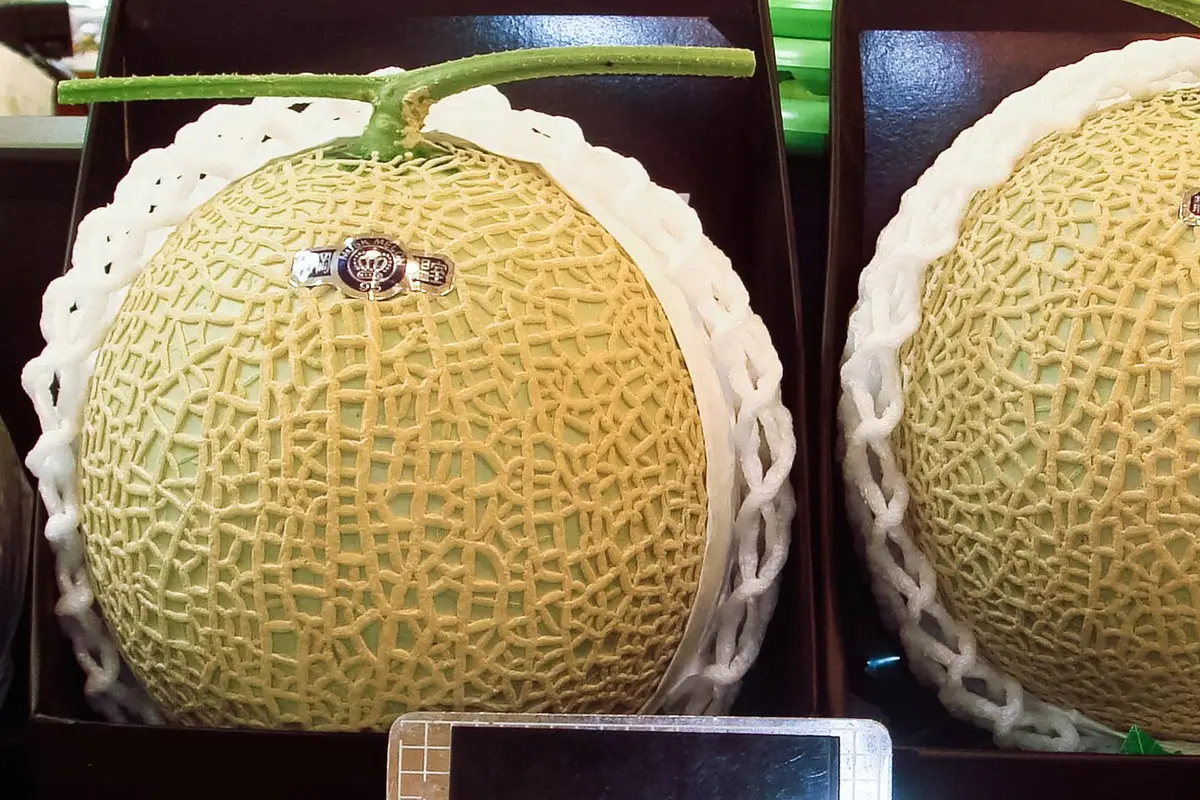
退職することを告げた時にメロンをいただいて、接客しながら泣いた。 When I told a regular I was leaving, she brought me a melon. I wept while serving her.
And the philosophical explanation that ties it together:
こちらが先に相手の背景に心動かされている。感情移入なしには全ての努力がまやかしになる。 We're already emotionally invested in customers before they say a word. Without empathy, all our effort becomes theater.
This is the answer to "is Japanese service genuine or fake?": a question our omotenashi article explored in depth with 432 service workers. The trained smile becomes genuine when you respond. Your "gochisousama" doesn't just acknowledge their work. It transforms it.
In our omoiyari article, a convenience store worker said something almost identical: "Just one word as you leave makes me want to keep going. What hurts is no reaction at all." The loop is the same everywhere, from a Tokyo convenience store to a Kyoto ryokan.
💡 The completion loop
Japanese service isn't a performance you watch. It's a loop you complete. The trained smile, the precise choreography, the invisible anticipation: they're real, but they reach their full form only when you respond. A "gochisousama" at the door. A smile when they hand you the bag. Eye contact that says "I see you." That's not a tip. It's the fuel.
The Generation Question
Is Japan's younger generation maintaining these service standards? The conventional wisdom says no. The data says something more interesting.
The largest group, 52%, sees the shift as evolution rather than decline. An expert on customer harassment put it bluntly:
カスハラって基本的に若い人はしないんです。それは若い世代には「お客様は神様です」という意識がないからです。 Young people basically don't harass service staff. That's because they don't have the "customer is god" mentality.
The data backs this up (SP Network's 2023 customer harassment survey):
カスハラをしてくる相手の年代は40〜60代が合計8割を占め、特に50代が最も多く40.6%。 Customer harassment comes overwhelmingly from people in their 40s-60s — 80% combined, with 50-somethings being the worst at 40.6%.
「最近の若者は・・・」と若い世代を批判する言葉をよく聞くが、街中で店員に横暴な態度をとっている人は中高年の人々の方が多い。 We hear "kids today..." all the time, but the people actually being rude to staff are overwhelmingly middle-aged.
What's actually changing is how younger workers relate to service work:
シニア層は「良好な顧客関係」を重視し、若者は「職業人としての責任」としてサービスを捉える。 Older workers value personal customer relationships. Younger workers see service as professional duty.
今、あなたに真摯に向き合っているかという姿勢をZ世代はシビアに見ている。 Gen Z can see through insincerity instantly — they demand genuine presence.
The shift isn't from "good service" to "bad service." It's from service as submission to service as professional craft, which, ironically, is closer to the original tea ceremony principle than the "customer is god" era ever was.
Z世代の丁寧で協調的な特性は「やる気がない」というレッテル貼りとは真逆。無理をしない賢さがある。 Gen Z's polite, cooperative nature is the opposite of "unmotivated." They have the wisdom not to destroy themselves.
💡 Evolution, not decline
Younger workers aren't losing Japan's service values; they're shedding the toxic "customer is god" layer that was never part of the original philosophy. What remains is professional pride without submission. If anything, Gen Z's approach is closer to the tea ceremony ideal (mutual respect between equals) than the generation that raised them.
The System Behind the Smile
So why does Japanese service feel different?
Not because customers are gods. Not because workers are trained to obey. Not because Japan is simply "more polite."
It feels different because of a system with four interconnected parts:
Omoiyari: the cultural instinct to anticipate needs before they're expressed. The invisible operating system.
Professional pride: an intrinsic motivation structure where the work itself is the reward, and your comfort is the measure of success.
The completion loop: your response closes the circuit. A trained smile becomes genuine when you respond with warmth.
Cultural inheritance: 500 years of tea ceremony philosophy, Edo-era hospitality customs, and a society built on shared consideration.
The system is real, but it's not effortless. The people who maintain it see its weight clearly. They know the cost. And they're actively reworking the parts that cause harm (like the "customer is god" myth) while protecting the parts that make it beautiful.
Understanding this doesn't just help you appreciate Japanese service. It helps you participate in it. When you say "gochisousama" at the door, you're not just being polite. You're completing a loop that keeps the whole system alive.
More Japanese Perspectives
Want to go deeper into the cultural system behind Japanese service? These articles explore the human side with hundreds of real voices.
- Omoiyari: The Concept That Explains Everything: The cultural operating system underneath service, silence, and every invisible kindness you experience in Japan.
- The People Behind Omotenashi: 432 service workers tell you what they actually think, including the pride, the anxiety, and the one gesture that stays with them for years.
- What Happens When You Tip in Japan?: Staff may literally chase you down the street. Here's why.
- The Art of Being Easy: Japanese service workers define the perfect customer. It's simpler than you think.
- Why Your Compliments Are Changing Japan: Your directness creates outsized emotional impact in a culture of modest understatement.
- Why Are Japanese People So Polite?: The world says #1. Japanese people rate themselves near the bottom.
Share Your Experience
Have you experienced a moment of service in Japan that made you stop and think? Or have you worked in Japanese service and want to share what it's really like? Your perspective helps build a bridge between cultures.
Share your experience on Voice Box →
Sources
Primary Research Data
- WMJS service culture research data (373 Japanese-language posts collected May 2026)
- Why Japanese service is different: 64 posts
- Cultural roots of omotenashi: 64 posts
- "The customer is god" concept: 60 posts
- Professional pride without tips: 60 posts
- Customer feedback loop: 65 posts
- Generational differences: 60 posts
Cross-Referenced WMJS Research
- WMJS omotenashi research data (432 Japanese-language posts, May 2026)
- Referenced for service worker perspectives and the "genuine vs trained" finding
- WMJS omoiyari research data (358 Japanese-language posts, May 2026)
- Referenced for the cultural operating system framework
Statistical & Institutional Data
- Tokyo Metropolitan Government カスハラ防止条例 (Customer Harassment Prevention Ordinance), effective 2025
- SP Network (2023). "Customer Harassment Survey" (reported via J-Prime, 2023-12-07). 40-60 age group accounts for 80% of perpetrators (50s: 40.6%)
- Mynavi Gakusei no Madoguchi (March 2015 web survey, reported via J-CAST, 2018-02-17). 100% of 30 convenience store workers said being thanked makes them happy
Cultural & Historical Sources
- Haruo Minami official website: original context of "the customer is god" (お客様は神様です)
- Tea ceremony and ichiza-konryū (一座建立) philosophy
- Omotenashi etymology and cultural origins
Opinion Collection Sources
The following sources were used to collect Japanese people's opinions and sentiments. These are not cited as factual authorities but as platforms where real Japanese people expressed their views on service culture.
Why service is different:
"The customer is god":
Professional pride:
Customer feedback loop:
- https://www.tamaya.co.jp/recruit/essay/essay14/
- https://www.j-cast.com/2018/02/17321243.html?p=all
- https://hiro-hydra.com/experience-6/
- https://www.e-aidem.com/ch/jimocoro/entry/kanchi08
Generational differences:
- https://www.jprime.jp/articles/-/30171?display=b
- https://prtimes.jp/main/html/rd/p/000000636.000003149.html
- https://y-sdi.com/archives/2861
- https://www.businessinsider.jp/article/2511-differences-between-gen-z-and-the-yutori-generation/
- https://allatanys.jp/blogs/4450/
Note on Quotations
Quotes from online platforms have been lightly edited for readability (fixing typos, formatting for clarity). The meaning and intent of each comment remain unchanged. Original sources are linked above.
WMJS is written in Japan, in English, with AI help. We check every page, but English is not our first language. If a sentence reads oddly, tell us. One sentence is enough.
Thank you. A person reads every note.
How well do you know Japan?
Built from 635 public posts by Japanese people
Want to know more? Ask Japanese people
Have a follow-up question about this topic? We'll ask real Japanese people.
Voice Box →