
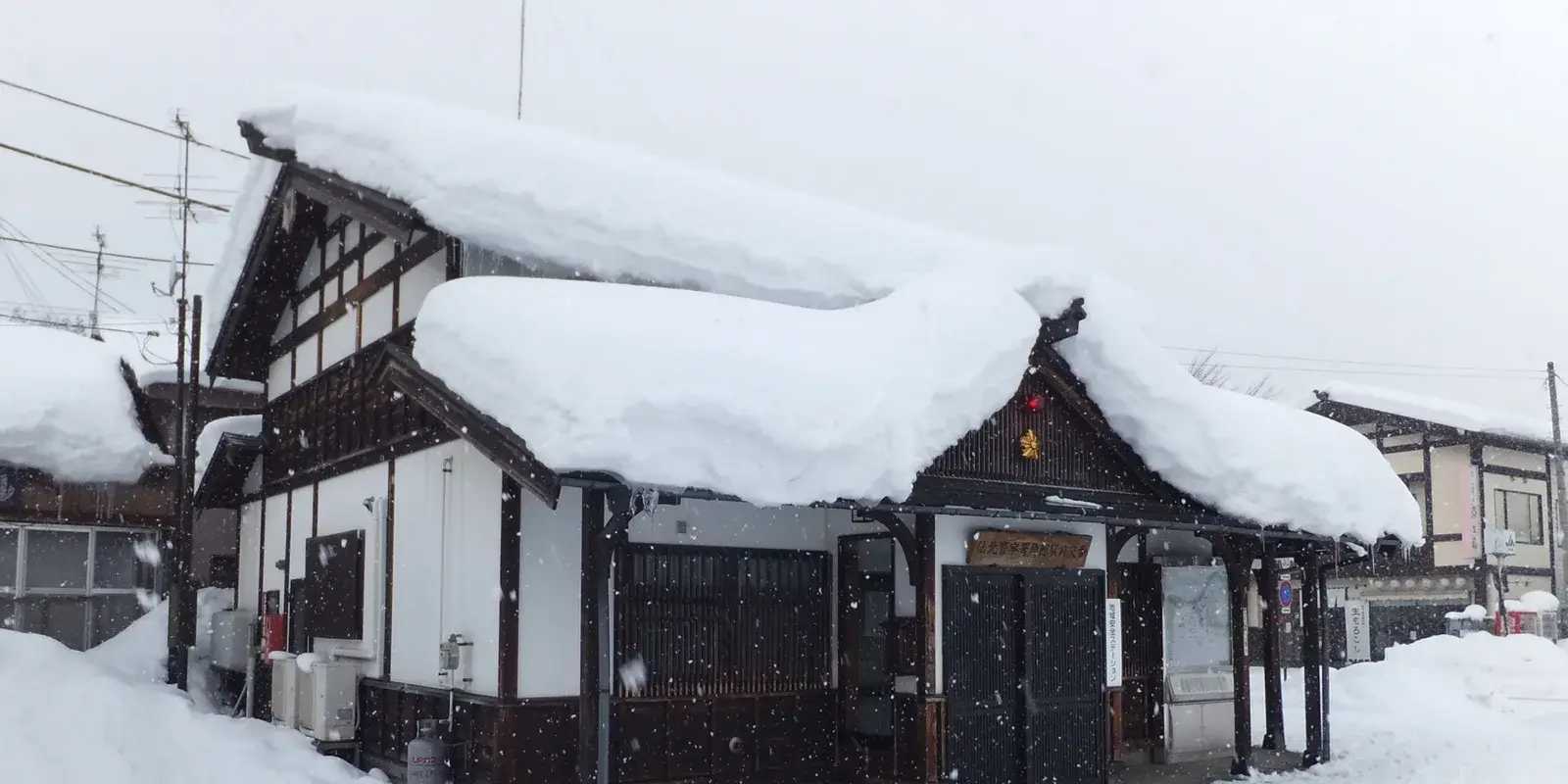
Why Japan Returns Almost Everything: The System and Soul Behind Your Lost Wallet Finding Its Way Back
What you'll learn in this article:
- What 62 Japanese people revealed about the psychology of returning lost items
- Why it's not effortless, and how the system sometimes fights itself
- The cultural engine that makes a nation of 125 million people choose honesty, over and over
Why does Japan return almost everything you lose? In Tokyo, 68% of lost wallets and 83% of mobile phones are returned to their owners. In 2025, a record 4.5 billion yen in lost cash was turned in to police. We read public posts from 62 Japanese people about why: 47% wrote "it's just what you do," 31% cited empathy for the owner's feelings. It's not effortless; people choose honesty despite temptation and bureaucratic friction.
You dropped your wallet somewhere between Shibuya station and your hotel. Your stomach drops. Every card, your cash, your ID, all gone in a city of 14 million people.
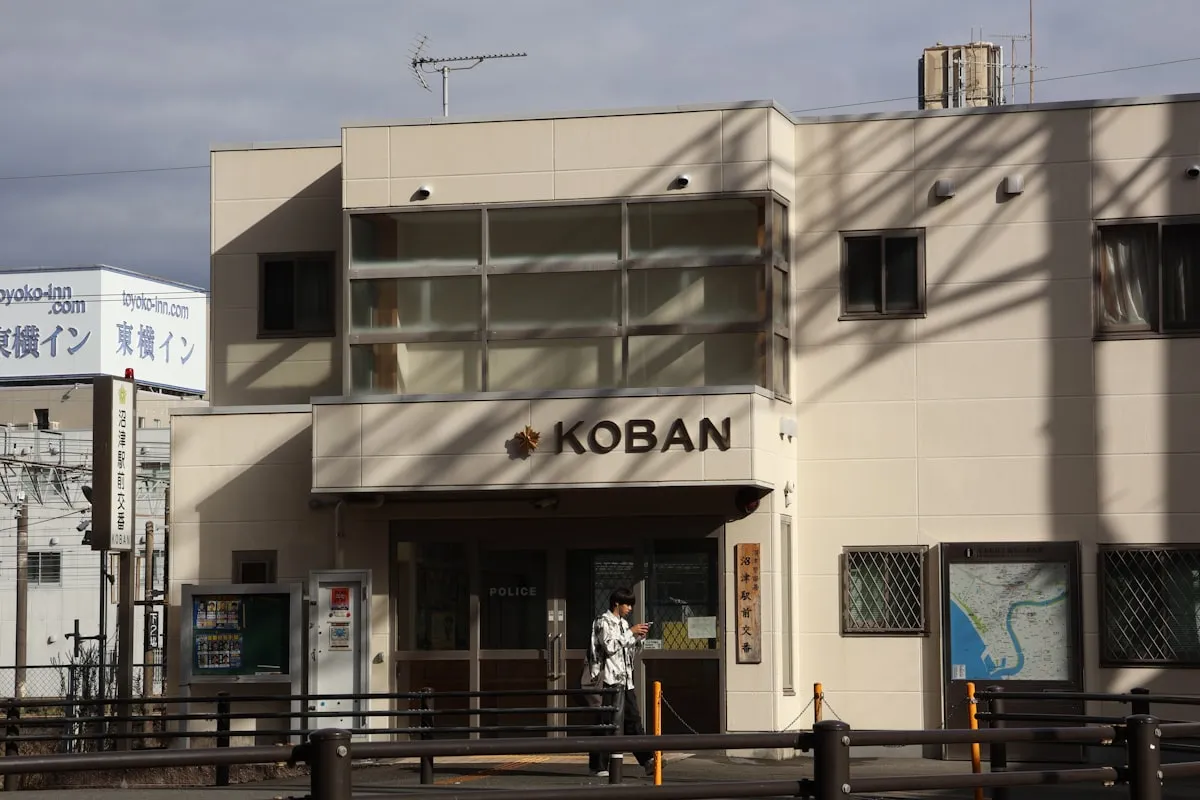
And then, two hours later, a police officer calls your hotel. Your wallet is at the nearest koban (police box). Every yen is still inside.
This isn't a fairy tale. In Tokyo alone, ¥4.5 billion in lost cash was turned in to police in 2025, a record. Of that, ¥3.23 billion made it back to its owners. Wallets are returned at a rate of 68%. Mobile phones, 83% (Metropolitan Police Department, 2025).
But here's what no travel guide tells you: this doesn't happen because Japanese people are perfect. It happens because millions of ordinary people, people who feel tempted, who find the process frustrating, who sometimes wonder if it's worth the trouble, choose to do it anyway.
We read what 62 Japanese people wrote about what actually goes through their minds when they find someone else's belongings. Their posts are more honest, more human, and more fascinating than any statistic.
Quick Guide
| What You Should Know | What Japanese People Said | |
|---|---|---|
| 🟢 Relax | Your wallet will probably come back | 68% of wallets are returned to owners in Tokyo. Report it at a koban or station lost-and-found; the system works. |
| 🟢 Relax | People return things out of empathy | The #1 reason: "I know how it feels to lose something." Not rules. Not fear. Imagination. |
| 🟡 Good to know | The process is bureaucratic | Returning an item at a koban involves 20–60 minutes of paperwork. Many finders find it frustrating, but do it anyway. |
| 🟡 Good to know | Finders rarely accept rewards | Legal reward: 5–20% of value. Reality: most decline. "I don't want them to know my name." |
| 🔴 Worth noting | It's not effortless | Japanese people admit to temptation, frustration, and doubt. This culture survives because people choose it despite it not being easy. |
The one thing to remember: If you lose something in Japan, don't panic. Report it. The system works, not because of technology or strict laws, but because a remarkable number of people still choose empathy over convenience, every single day.
How We Gathered These Voices
We collected 62 Japanese-language responses about the experience of finding and returning lost items. We gathered these voices from public Japanese Q&A sites, forums, and personal essays, along with Hasunoha (a Buddhist advice platform) and reporting from President Online, Agora, and NewSphere.
A quick note: This isn't a scientific survey. It's a collection of what real Japanese people said in their own words, on public platforms. We looked for the full range: the pride, the frustration, the temptation, and the quiet moments of choosing to do the right thing. The numbers below reflect the voices we collected rather than population-level statistics.
The Numbers: How Much Actually Comes Back
Before we hear from people, let's look at the data.
In 2025, Tokyo's Metropolitan Police recorded:
- 4.5 million items turned in to police (a record)
- ¥4.5 billion in lost cash handed to authorities (also a record)
- ¥3.23 billion returned to owners
Return rates vary dramatically by item type:
| Item | Return Rate | Why |
|---|---|---|
| Mobile phones | 83% | Easy to identify the owner |
| ID documents | 72% | Name and address on the document |
| Wallets | 68% | Usually contain identification |
| Umbrellas | Very low | Hard to prove ownership |
| Cash (no wallet) | ~54% | No way to trace the owner |
These numbers come from the Metropolitan Police Department's annual lost property report, one of the most detailed lost-and-found databases in the world.
For comparison: researchers at the University of Michigan dropped 17,000 wallets across 40 countries to test civic honesty. Japan consistently ranks among the highest return rates globally. But what the statistics don't tell you is why, and that's where it gets interesting.
Part 1: Why They Return It
We read the posts with one simple question in mind: Why do people return lost items?
The answers clustered into three distinct motivations, and the distribution might surprise you.
"Of course, it's what you do" (47%)
The single most-liked comment in our entire collection, with over 1,291 likes, was just five characters long:
当たり前に届ける Of course I turn it in.
No explanation. No moral reasoning. For nearly half the people whose posts we read, returning lost items doesn't even register as a decision. It's simply what you do.
there's nothing extraordinary about making sure something that doesn't belong to you gets back to its rightful owner
This response captures a feeling that's hard to translate: the idea that returning a lost item isn't praiseworthy. It's baseline. For these people, keeping something would be the unusual act, not returning it.
"I imagine how the owner feels" (31%)
The second-largest group is driven by empathy, specifically the ability to imagine being in the other person's shoes.
届けます。もし自分が落としたら届けて欲しいし I turn it in. Because if I lost something, I'd want someone to do the same for me.
This response received 1,088 likes, the second-highest in our collection. It reveals a psychology rooted in reciprocity: not "I follow the rules," but "I know that feeling."
自分に置き換えて考えてみればいい。落とした時は届いていると涙が出るほど嬉しい Just put yourself in their shoes. When something you lost has been turned in, you're happy enough to cry.
落とし物を拾って届ける動機は、過去に自分自身が落とし物を失った経験があるからこそ生まれる The motivation to turn in a lost item comes from having experienced losing something yourself.
There's a cycle here: losing something → someone returns it → feeling grateful → returning the next thing you find. One person called it on-okuri, "passing the kindness forward."
"Something bigger is watching" (22%)
The third motivation is cultural and spiritual. Many Japanese people describe an internalized sense that their actions are observed, even when no one is physically present.
日本人ってこのよくわからない誰かが見ているぞってモラルに支えられてる気がする I feel like Japanese people are sustained by this vague sense that someone is always watching.
This idea has a name: otentosama ga miteiru, "the sun is watching you." It's taught to children as a moral foundation and stays with people throughout their lives.
子どもの頃に「誰も見ていないと思って悪いことをしても、おてんとうさまが見てるよ!」としつけられた As a child, I was taught: "Even when you think no one's watching, the sun sees everything!"
A Buddhist monk on Hasunoha (a Buddhist advice platform) offered a more philosophical framing:
盗みは仏教の五悪の一つ。誰にバレなくても己自身が分かっている Theft is one of the five evils in Buddhism. Even if no one finds out, you yourself know.
And there's a historical layer too. One analysis in President Online traced this behavior back to Japan's village (mura) roots:
日本人は古くからムラ単位の狭い世界で暮らしてきた。落とし物を返さないことがすぐに判明してしまい、生活の糧を失うことになる恐れが正直な行動を促していた Japanese people historically lived in tight village communities where everyone knew everyone. Not returning a lost item would be discovered immediately — and could cost you your livelihood.
The villages are gone, but the internalized moral framework persists. What started as social survival became cultural identity.
Part 2: The Honest Struggle (It's Not Always Easy)
Here's the part that no travel guide ever mentions: Japanese people aren't returning lost items on autopilot. Many of them wrestle with genuine temptation, and choosing to return something despite that struggle is what makes this culture remarkable rather than effortlessly perfect.
One of the most remarkable essays we found describes the internal battle in vivid detail:
最初に起こるのは、「このままネコババしてもよくねえか」という誘惑との葛藤で、だいたい10分くらいの時間がかかる The first thing that happens is a struggle with the temptation: "Couldn't I just keep this?" It takes about ten minutes to work through.
Nekobaba, literally "cat's droppings," is Japanese slang for pocketing something you found. The word exists because the temptation is universal enough to need a name.
A father who found a wallet with ¥45,000 in cash described the battle between temptation and parenthood:
「このままネコババしてもよくねえか」「現金だけ抜き交番へ届ければいい」という誘惑に心が揺れそうになった。しかし「そんなお金で子供達にご飯を食べさせてはいけない」と考え、この誘惑に抵抗した I almost gave in to the temptation: "Can't I just keep it?" or "What if I just take the cash and turn in the wallet?" But then I thought: "I can't feed my children with that kind of money." And I resisted.
A mother was even more direct about the feeling:
母親としてはやっぱり「めんどくさい」という気持ちがめちゃくちゃある As a mother, I have to be honest — the feeling of "this is so annoying" is incredibly strong.
She took her seven-year-old son to the koban anyway, because he wanted to do the right thing. The officer told him: "Please keep that feeling alive."
Another person found ¥50,000 in an envelope and described the fear:
5万円入りの封筒を拾って交番に届けた時は異様に緊張した。「後ろからタックルされて封筒を奪われるのではないか」とネガティブな想像がクルクル頭を回った When I found an envelope with ¥50,000 and brought it to a koban, I was incredibly nervous. Negative thoughts kept spinning: "What if someone tackles me from behind and takes it?"
And someone who was financially struggling admitted:
スーパーのレジで前の客が支払い後に9600円を置き忘れたことに気づき、店員に報告。経済的に困窮していて「惜しい」と感じながらも返した At a supermarket register, I noticed the customer ahead left ¥9,600 behind. I reported it to staff. I was financially struggling and honestly felt "what a waste" — but I still returned it.
What makes Japan's lost-item culture extraordinary isn't that people never feel tempted. It's that people who admit to temptation, financial pressure, and inconvenience still choose to return things. The effort is what makes it real.
Part 3: The Koban Paradox (When Good Deeds Meet Bureaucracy)
If the previous section showed the internal struggle, this one reveals the external one. Japan's koban (police box) system is the world's most accessible lost-and-found infrastructure, with over 6,000 locations nationwide, staffed around the clock. But the experience of actually using one as a finder can be surprisingly frustrating.
The biggest complaint: paperwork and time.
長々と書類書かされて予定あるのに30分ぐらいかかって警察官も親切じゃない They made me fill out endless paperwork, it took 30 minutes even though I had plans, and the officer wasn't even friendly.
いろいろと書類をかかされて、財布の中身の確認。カードや小銭が膨大な量で、1時間くらい拘束されました So much paperwork, checking every item in the wallet. There were so many cards and coins that I was held there for about an hour.
A Tokyo metropolitan assemblyman called out the inefficiency directly:
パソコンを打ち込みながら結局、旧来の紙の書類も作成している。何十年も前からほとんど変わっていない。この時間がかかるシステムが「交番に届けるの面倒くさい」と感じさせている They type into a computer while simultaneously filling out the same old paper forms. The system hasn't changed in decades. This time-consuming process is what makes people feel "turning things in at a koban is a hassle."
But the deepest wound isn't the paperwork. It's being treated like a suspect.
中身が入ってなくて疑われた。善意で届けた人間にたいして取る態度じゃない The wallet was empty and they suspected me. That's no way to treat someone who came in out of goodwill.
22時半に届けたら犯人扱い。25分軟禁されて狂うほど聞かれた。もう届けない I turned something in at 10:30 PM and was treated like a criminal. Detained for 25 minutes, questioned relentlessly. I'm never doing this again.
砂浜で携帯を交番に届けたら『何で持ってきたのか』と怒られた I found a phone on the beach and brought it to a koban. They scolded me: "Why did you bring this here?"
The jurisdictional maze adds another layer of frustration:
駅に届けたら『駅構内で拾ったものだけ受け付けてる』と言われ、交番に行くよう指示された。交番も面倒だった I tried to turn it in at the station, but they said "We only accept items found inside the station." They sent me to a koban. The koban was a hassle too.
Here's the paradox: the system designed to process acts of honesty sometimes punishes the very people it depends on. One person captured the emotional toll perfectly:
子どもの頃から「落とし物は交番に届けるべき」と教わっていた。実際に財布を拾い、良いことをしたという軽い気持ちで届けたところ、まるで僕が犯人かのように色々と質問攻めにあった Since childhood, I was taught "turn lost items in at the koban." When I actually found a wallet and went there feeling good about myself, I was interrogated as if I were the criminal.
But here's what makes this data remarkable: even the people with the worst koban experiences still acknowledge the system works. The frustrated father still took his son. The person who found ¥50,000 still turned it in. The culture persists despite the bureaucratic friction, and that persistence is itself a kind of proof.
多少時間はかかっちゃいますが、善行だと思って今後も見つけたら届けようと思います It does take time, but I think of it as a good deed and plan to keep turning things in whenever I find them.
Part 4: The Reward Question
Japanese law entitles the finder of lost property to a reward of 5–20% of the item's value. In practice, most finders decline. The reasons reveal something deep about Japanese psychology around money and social relationships.
A police officer confirmed the pattern:
確かに報酬を請求する拾い主さんはほとんどいないんですよ It's true — hardly any finders actually claim the reward.
Why do people decline? The reasons are more nuanced than simple generosity.
Reason 1: Privacy
The most-liked response on this topic (419 likes) was brutally practical:
貰わない。連絡先知られるのが嫌 I don't accept it. I don't want them to have my contact information.
In Japan, accepting a reward means the owner gets your name and phone number. For many people, this privacy cost outweighs the financial reward.
Reason 2: Self-image
卑しいと思われたくない I don't want to be seen as greedy.
The word iyashii (卑しい), "base" or "vulgar," carries intense social weight in Japanese. Asking for money in exchange for a good deed risks being associated with it.
Reason 3: Preserving the purity of the act
権利を主張すると手続きが煩雑になることと、「クレクレというのも善意が台無しになる気がした」ため、権利をすべて放棄した Claiming the reward makes the paperwork worse, and "asking for something felt like it would ruin the goodwill." So I waived all rights.
A college student who returned a wallet with ¥30,000 put it simply:
匿名で謝礼も不要 Anonymous. No reward needed.
On the way home, he felt a twinge of regret; he was broke:
帰路で金欠のため、謝礼を受け取らなかったことに少し後悔する。でも恩返しができたと思う On the way home, being broke, I slightly regretted not accepting. But I felt I'd repaid a debt of kindness.
And one person offered the most pragmatic framing of all:
ネコババしなければ、後ろめたい気持ちを感じずにずっと胸を張って生きていけます。人生をトータルで見ると、その方がお得な気がします If you don't pocket it, you can live your whole life with your head held high. Looking at the big picture, that seems like the better deal.
The other side: owners who want to thank the finder
落とした側なら貰ってほしい。感謝の気持ちを受け取ってもらうことが大切 If I were the one who lost it, I'd want them to accept. It's important to let someone receive your gratitude.
This creates a uniquely Japanese impasse: finders who feel guilty accepting, and owners who feel guilty not giving. Both sides are trying to be considerate of the other.
The Cultural Engine: Why This Keeps Working
Japan's lost-item return culture isn't sustained by any single force. It's a system of interlocking mechanisms, some ancient and some modern, that reinforce each other:
The Empathy Cycle. Losing something → someone returns it → feeling grateful → returning the next thing you find. This cycle is self-sustaining. Every returned wallet creates a future returner.
過去に何度も落とし物が返ってきた経験から、善意のサイクルがある。拾ってくれた人への感謝が、次に落とし物を拾った時に届ける行動へと繋がる From having lost items returned to me many times, I know there's a cycle of goodwill. Gratitude for the person who returned my things becomes the motivation to return the next thing I find.
The Moral Infrastructure. Otentosama ga miteiru (the sun watches), nasake wa hito no tame narazu (kindness is not just for others). These aren't just proverbs. They're internalized behavioral guides that persist long after the village communities that created them.
世のため人のためは、結局自分のためになる。相手を思って自分の心も豊かに What you do for the world and for others ultimately comes back to you. Thinking of others enriches your own heart.
The Physical Infrastructure. Over 6,000 koban, 56,000 convenience stores, and train station lost-and-found offices create an infrastructure where there's almost always somewhere to turn something in within walking distance.
The Social Expectation. The 47% who said "of course," the people for whom returning things isn't even a decision, set the behavioral baseline for everyone else. When "of course" is the cultural default, the barrier to keeping something is higher.
And there's an environmental effect that even visitors notice:
日本にいると自分も正直になる。この国では悪いことができない Being in Japan makes you more honest. In this country, you can't do bad things.
What To Do If You Lose Something in Japan
Don't panic. The odds are genuinely in your favor, especially for wallets, phones, and bags with identification.
Retrace your steps. If you lost it on a train, go to the station's lost-and-found (wasuremono center). JR lines and private railways have separate systems, so check with the right company.
Visit a koban. Walk into the nearest police box and say "Otoshimono wo shimashita" (I lost something). Officers will help you file a report, even without Japanese. Many koban now have translation tools.
File an online report. The National Police Agency's lost property system allows you to search and report online.
Check convenience stores and shops. If you left something at a konbini, restaurant, or shop, go back. Staff typically keep found items for a while before forwarding them to police.
Be patient with the process. If someone found your item and took it to a koban, the paperwork is the same for them as it was for you. Thank the system, and the person, for the effort.
About rewards: If the finder's contact information is available and you want to express thanks, a small gift or thank-you note is appreciated. Cash rewards are legally between 5–20% of the item's value, but as you've read, most finders decline. A sincere "thank you" is often what they were hoping for all along.
More Japanese Perspectives
- Is Japan Safe? What Japanese People Want You to Know: The broader picture of how Japan's safety culture protects visitors
- Why Japan Wraps Around Solo Travelers: The invisible infrastructure that makes being alone feel safe
- Why Japanese People Choose These Rules: Understanding the voluntary choice behind Japan's cultural norms
Have you lost something in Japan and gotten it back? Or found something and turned it in? Your story helps other visitors understand this remarkable culture. Share your experience through Voice Box.
Sources
Statistical Data
- Metropolitan Police Department: Lost Property Statistics 2025 (令和7年遺失物取扱状況)
- Tokyo: ¥4.5 billion in cash turned in, ¥3.23 billion returned to owners
- 4.5 million items reported (record)
- keishicho.metro.tokyo.lg.jp
- National Police Agency: Lost Property Search System
- Nikkei Shimbun: "Tokyo lost cash hits record ¥4.5 billion in 2025" (2026-03)
- University of Michigan Civic Honesty study (Cohn et al., 2019): wallet return rates across 40 countries
- Published in Science, Vol. 365
Japanese Voices
- Hasunoha: Buddhist perspective on theft and moral choice (hasunoha.jp)
- President Online: historical analysis of village society and honesty (president.jp)
- Agora: Tokyo assemblyman on koban procedural inefficiency (agora-web.jp)
- NewSphere: "otentosama" moral education analysis (newsphere.jp)
Note on Quotations
Quotes from online platforms have been lightly edited for readability (fixing typos, formatting for clarity). The meaning and intent of each comment remain unchanged. Original sources are linked above.
Three yen amounts referenced above come from the individual posts they describe: the father's wallet held 45000 yen (memo.studiogaki.com), the returned wallet with no reward requested held 30000 yen (per the research data file backing this section), and the envelope described as causing anxiety on the way to the koban held 50000 yen (kokeshiyamada.com).
WMJS is written in Japan, in English, with AI help. We check every page, but English is not our first language. If a sentence reads oddly, tell us. One sentence is enough.
Thank you. A person reads every note.
How well do you know Japan?
Built from 635 public posts by Japanese people
Want to know more? Ask Japanese people
Have a follow-up question about this topic? We'll ask real Japanese people.
Voice Box →