
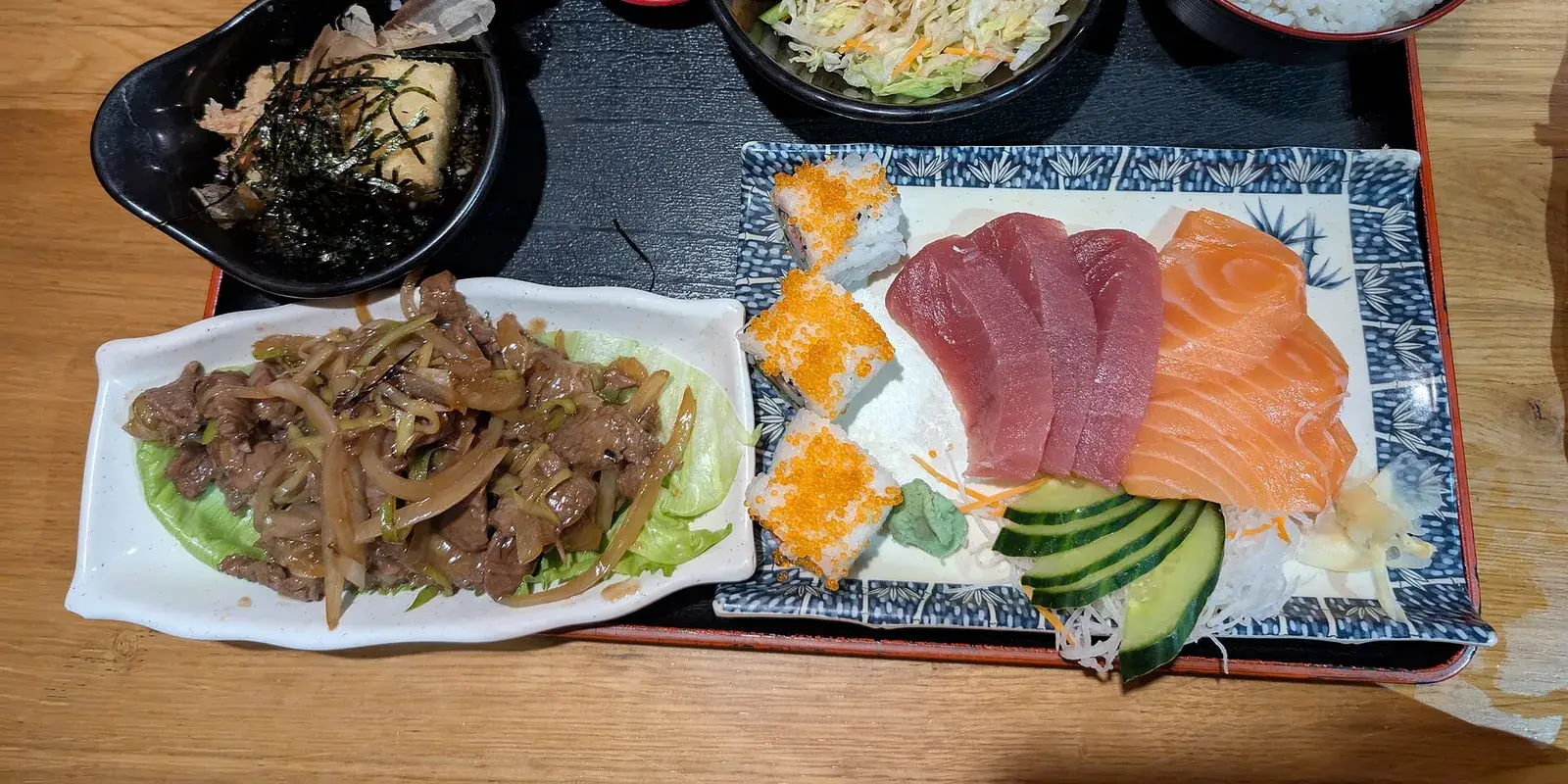
Rules Japanese People Actually Skip: The Gap Between the Guidebook and Real Life
What you'll learn in this article:
- Which formal rules Japanese people themselves routinely skip
- What 575+ Japanese voices said across 9 etiquette topics
- The one genuine taboo that crosses all generations
- Why effort and awareness matter more than following every rule perfectly
Do Japanese people actually follow all the rules? We analyzed 575+ Japanese voices across 9 etiquette topics, from shrine rituals to dining manners to public behavior. The clear answer: Japanese people routinely skip many rules that guides present as sacred. 77% say foreign etiquette guides are too strict. 44% don't always say itadakimasu. Most skip the full shrine purification ritual. The one genuine taboo: sticking chopsticks upright in rice. For everything else, effort matters more than perfection.
Every travel guide about Japan comes with a long list of rules. Don't do this. Always do that. It can make visiting Japan feel like walking through a minefield.
But here's something no guide tells you: Japanese people themselves don't follow most of those rules. Not because they're rebellious, but because many of those "rules" are either outdated formalities, context-dependent customs, or inventions by manner experts that ordinary people have never heard of.
We went through 575+ real Japanese voices across nine different etiquette topics to find out which rules Japanese people actually follow in daily life, and which ones they quietly skip. The gap between the guidebook and reality turns out to be enormous. And understanding that gap might be the most useful thing you learn before visiting Japan.
Quick Guide
| Rule | What Guides Say | What Japanese People Actually Do | |
|---|---|---|---|
| 🟢 | Shrine purification | Follow the full 8-step temizu ritual | Most skip the mouth-rinse step; many just do a quick hand wash |
| 🟢 | Itadakimasu | Always say it before eating | 44% don't always say it, especially at casual restaurants or work lunches |
| 🟢 | Slurping noodles | You must slurp to show appreciation | "Optional, never mandatory." 17% of Japanese people actually dislike slurping |
| 🟢 | Using chopsticks | Always use chopsticks for Japanese food | High-end ryotei prepare forks for guests. "Eat it while it's hot" beats "use the right utensil" |
| 🟡 | Eating while walking | Never eat while walking | Japanese people eat while walking at festivals, food streets, and when pressed for time. Context matters |
| 🔴 | Chopsticks upright in rice | Never do this | 71% find it deeply offensive: it mimics funeral offerings. This one is real |
The pattern: Most "rules" bend in daily life. The real principle is awareness of the people around you rather than perfection. And Japanese people themselves will tell you that.
How We Gathered These Voices
We analyzed 575+ Japanese-language responses across nine etiquette topics: shrine purification rituals, itadakimasu usage, slurping noodles, chopstick alternatives, eating while walking, guide strictness, cultural offense frequency, effort vs. perfection, and generational attitudes. Sources include public Japanese Q&A sites, forums, and social posts, alongside Japanese media.
A quick note: This is a collection of what real Japanese people said in their own words, on their own platforms, rather than a scientific survey. We're showing you the gap between the rules guides teach and the rules Japanese people actually live by. For deep dives on individual topics, we've linked to our dedicated articles throughout.
The Rules Even Japanese People Admit to Skipping
Before we look at specific rules, here's the big picture: when we read what Japanese people wrote about whether foreign travel guides are too strict about Japanese etiquette, the posts leaned overwhelmingly one way.
More than three-quarters of Japanese people think that the rules visitors learn from travel guides are stricter than reality. Some were blunt about it:
マナー講師とかいう謎のマイルールを押し付けてくる奴が作ったマナー、全部 All those rules created by "manner instructors" who push their own made-up rules on everyone
上座下座。好きなとこに座ったらええやん The upper/lower seat hierarchy. Just sit wherever you want
乾杯する時のグラスは上司よりも下にする。どうでもいい Keeping your glass lower than your boss during a toast. Who cares
And perhaps the most revealing quote of all:
海外の人たちは日本人を買い被りすぎてる Foreigners overestimate how strictly Japanese people follow their own rules
That last voice captures something important. The image of rule-perfect Japan is partly a myth that Japanese people themselves find amusing, and sometimes exhausting. For a deeper look at this pattern across 40+ topics, see our full analysis: Are Travel Guides Wrong About Japan?
At the Shrine: What Japanese People Actually Do
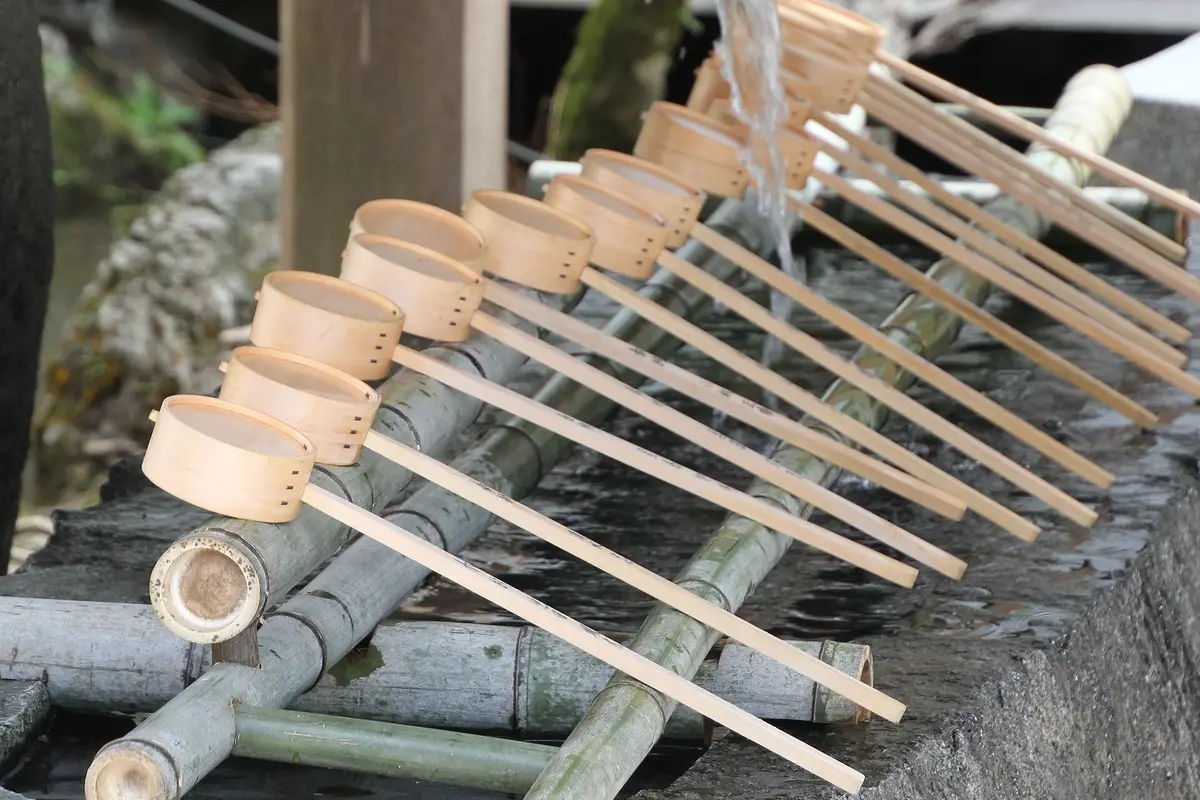
If you've ever looked up "how to visit a Japanese shrine," you've seen the full temizu (hand-purification) ritual: take the ladle in your right hand, pour water over your left, switch hands, pour water into your left palm to rinse your mouth, tilt the ladle to cleanse the handle...
Here's what Japanese people actually do:
The mouth-rinse step? Most Japanese people skip it entirely.
普通は口をすすがない人が多いです Most people don't rinse their mouth
手水舎とは「身を清めて神様と向き合う」といった意味合いを理解できていれば細かい作法は大きな意味をなさない。それを出来てないからといって、不浄だ穢れだ、という神様はいないと思うのです。 If you understand that temizu means "purifying yourself to face the deity," the exact steps don't matter much. I don't think any god would call you impure for getting the steps wrong.
Even a Shinto priest at Kego Shrine weighed in:
基本的にマナーは心からのものなので、絶対にこうしなければいけないとか、間違えたからといってご利益がなくなるということはないとされています。 Manners come from the heart. There's no rule that says you must do it exactly this way, and making a mistake doesn't erase your blessings. (Shinto priest, Kego Shrine)
And here's a moment that captures the gap perfectly:
外国人観光客に参道の端を歩くように説明しておきながら、日本人が真ん中を歩いていることがあり、外国人から「なぜ?」という顔をされることがあります。 We tell foreign tourists to walk on the side of the path, but then Japanese people walk right down the center — and the tourists give us a look like "Why?"
For a complete guide to what Japanese people actually notice at shrines: Visiting Temples and Shrines: What Japanese People Notice
At the Table: The Rules That Bend
Dining etiquette might be where the gap between the guidebook and reality is widest. Three examples:
"Always say itadakimasu"
A 2021 survey by Otonanswer (Yahoo! JAPAN) found that 44% of Japanese people don't always say itadakimasu: 30.3% say it "sometimes" and 13.7% don't say it at all.
正直ファミレスとかで食べてるといただきますって言ってる人そこまでいない気がする Honestly, at family restaurants, I feel like not that many people actually say it
職場では、昼食の時言ってる人はいないよ。医療現場です。 At my workplace — a hospital — nobody says it at lunch
「いただきます」「ごちそうさま」などの言葉は「他人に強制して言わせるようなものじゃない」 Itadakimasu and gochisousama are not things you force others to say
That said, when a visitor does say itadakimasu, Japanese people light up. The magic lies in the choice rather than the obligation. Read more: The Power of Itadakimasu
"You must slurp noodles"
This might be the most widely misunderstood "rule" about Japan. One expert set the record straight:
ラーメン、そば、うどんなど、丼に入った麺は「すすってもよい」。すすらなければならない、などと言うマナーはどこにもない。 Ramen, soba, udon — noodles in a bowl are "allowed to be slurped." There is no etiquette rule anywhere that says you must slurp.
And a 2017 Sirabee survey found that 17% of Japanese people actually find slurping unpleasant. One woman shared:
私は麺がすすれません。家で練習しても駄目でした。 I can't slurp noodles. I practiced at home but couldn't manage it.
The truth is that "allowed" morphed into "required" through a game of international telephone. Japanese people themselves are divided on slurping, and nobody expects a visitor to do it. For the full story: Is It Rude to Slurp Noodles?
"Always use chopsticks"
その外国人にとって一番おいしく楽しく食べることができる食器で食べたらいいだけのことで、和食だから絶対に箸を使いなさいと勧めるのは馬鹿げています。 Just eat with whatever utensil lets you enjoy the food most. Insisting on chopsticks because it's Japanese food is ridiculous.
高級な料亭でも外国の方にはフォーク等を用意する心遣いがありますし、温かいものを無理して慣れないお箸使ってチマチマ食べて冷めてしまうよりは、美味しいうちに食べて欲しい。 Even high-end ryotei prepare forks for foreign guests. We'd rather you eat it while it's hot than struggle with unfamiliar chopsticks while the food gets cold.
For the full temperature data on what Japanese people actually care about at the table: Do Japanese People Actually Care How You Hold Chopsticks?
In Public: When Japanese People Break Their Own Rules
"Don't eat while walking in Japan." It's one of the most repeated rules in every travel guide. But the reality?
Japanese people are evenly split, and many admitted to eating while walking themselves:
別に良いざます、私もしているざます It's fine — I do it too
This was one of the most-liked comments in the thread, with over 1,300 likes. Another popular response:
コロッケは歩きながら食べた方が美味しい Croquettes taste better when you eat them while walking
And the single most-liked comment, with over 1,600 likes?
ものによる It depends on what you're eating
The real answer is "it depends." At festivals, food streets like Takeshita-dori, and tourist areas, Japanese people eat while walking too. On a crowded regular street, that's where awareness of others kicks in.
お行儀悪いのわかってるけど時間がないときはやる I know it's bad manners but I do it when I'm pressed for time
The full breakdown of where it's fine vs. where to pause: Is It Rude to Eat While Walking?
The One Rule They Never Skip
So far, every rule we've examined bends in real life. But there is one genuine taboo that doesn't bend at all.
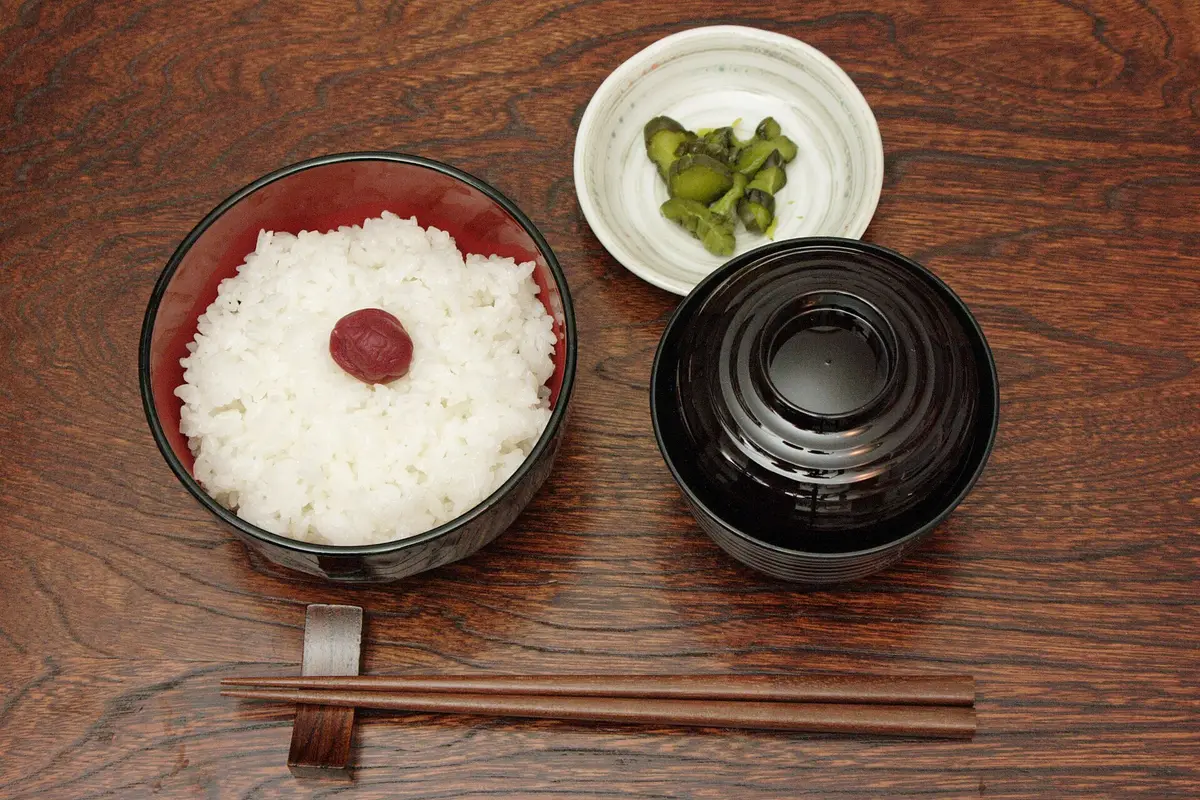
Sticking chopsticks upright in a bowl of rice mimics the way incense and chopsticks are placed in offerings to the dead. It also echoes the bone-passing ritual at Japanese funerals.
Compare that 71% with the single-digit percentages in every other category. The emotional weight is in a different league:
御霊前に備える「枕飯」を連想させるからです。早い話が「死ね!」と言っているようなもの。 It reminds people of the pillow rice offered to the dead. To put it bluntly, it's like saying "Drop dead!"
これは超絶NGです。マナー以前の問題ですね。 This is beyond NG. It's beyond manners.
「それ、仏さんに食べ物をお供えする時だけ!」と子どもの頃に親から注意された。 My parents corrected me as a child: "That's only for offering food to the dead!"
This is the exception that proves the rule. When Japanese people skip shrine purification steps, relax about itadakimasu, and eat while walking, they're revealing that most "rules" are flexible social guidelines rather than moral lines. But when 71% react viscerally to chopsticks in rice, you know you've found the genuine taboo.
The good news? This is easy to avoid. Just don't stand your chopsticks up in food. Lay them across the bowl or on a chopstick rest, and you'll never come close to this line.
For the full data on chopstick etiquette, including which "rules" you can safely ignore: Do Japanese People Actually Care How You Hold Chopsticks?
The Generational Shift
Here's a twist that surprised us: older Japanese people are often less strict about rules in practice than younger ones.
昔はマナーが悪いのは若い層という感覚でしたが、現在は逆で、電車の中で平気で携帯電話で話すお婆さん、公園でタバコを吸うお爺さんなど、お年寄りのマナーが悪い It used to be young people who had bad manners. Now it's reversed — grandmothers chatting on phones on trains, grandfathers smoking in parks.
And here's a piece of historical perspective that puts everything in context:
日本人はマナーが悪いから来るなって欧米に言われてましたね。70-80年代頃は。 In the 1970s and '80s, Western countries told Japanese tourists "don't come" because of their bad manners.
A Keio University professor noted that in Japan's not-so-distant past, passengers fought over train seats and threw bento boxes out of windows. Today's "strict Japanese etiquette" is historically recent, a product of economic growth and urbanization rather than an ancient cultural constant.
The younger generation's take?
日本人はマナーをどう表現すればいいかわからない。現代の日本人は最低限なことだけ守ってくれればいいという現実的な期待を持っている Japanese people don't know how to express what they expect from manners. Modern Japanese people have a realistic expectation: just do the bare minimum.
What This Tells You
The gap between the guidebook and real life comes down to one insight: Japanese etiquette isn't about following rules. It's about staying aware of the people around you.
Japanese people skip the shrine mouth-rinse because they understand the spirit of purification. They skip itadakimasu at the office because the gratitude is felt rather than performed. They eat croquettes while walking because the context allows it.
What they don't skip is the underlying awareness of shared space: the concept called omoiyari that runs through everything from train silence to how they return lost items.
And when it comes to visitors, the evidence is overwhelming:
多少間違っていようが不器用だろうが歓迎こそすれ不快感は覚えない Even if you're clumsy or wrong, we welcome you. No discomfort.
つたない日本語でも懸命に日本語でコミュニケーションとってこようとする外国人観光客はめっちゃ好感もっちゃう When a foreign tourist tries to communicate in broken Japanese, I'm totally won over
The threshold isn't perfection. It's not even knowledge. It's effort, and the Japanese word for it is the same word behind all those "rules" you've been worrying about: consideration for the people around you.
For the complete map of what matters and what doesn't: What Actually Matters. And if this article made you feel like you've been worrying too much, you're not alone.
More Japanese Perspectives
This article draws from data across our entire library. For deep dives on specific topics:
- What Japanese Bathers Actually Think: The rules visitors fear most at onsen, and how relaxed Japanese bathers really are
- The Unspoken Scorecard: What Japanese people actually notice in shared spaces
- Why Japanese People Choose These Rules: The three cultural concepts behind everything
- What Japanese People Wish You Knew: The things no guidebook tells you
Share Your Experience
Have you ever worried about a Japanese "rule" only to discover it didn't matter? Or did a Japanese person put you at ease about something you were nervous about? We'd love to hear your story.
Sources
Japanese Voices
Voices were collected from the following Japanese-language sources:
- Public Japanese Q&A sites, forums, and social posts: first-hand opinions on guide strictness, tourist manners, shrine purification, itadakimasu, chopsticks in rice, fork usage, effort vs. perfection, walking while eating, slurping noodles, and generational manners
- Diamond Online, Nikkan SPA!, Toyokeizai: Japanese business and lifestyle media
Survey Data
- Itadakimasu usage: Otonanswer / Yahoo! JAPAN survey (2021, n=2,000)
- Slurping attitudes: Sirabee survey (2017, n=1,400, ages 20-60)
- Shrine visitor behavior: Multiple public Japanese Q&A threads with selected best answers
Related WMJS Articles
- Do Japanese People Actually Care How You Hold Chopsticks?
- Visiting Temples and Shrines
- Is It Rude to Slurp Noodles?
- Is It Rude to Eat While Walking?
- Are Travel Guides Wrong About Japan?
- You're Worrying Too Much
- The Unspoken Scorecard
- Why Japanese People Choose These Rules
- What Japanese People Wish You Knew
Note on Quotations
Quotes from online platforms have been lightly edited for readability (fixing typos, formatting for clarity). The meaning and intent of each comment remain unchanged. Sources are listed by platform and publication name.
WMJS is written in Japan, in English, with AI help. We check every page, but English is not our first language. If a sentence reads oddly, tell us. One sentence is enough.
Thank you. A person reads every note.
How well do you know Japan?
Built from 635 public posts by Japanese people
Want to know more? Ask Japanese people
Have a follow-up question about this topic? We'll ask real Japanese people.
Voice Box →