
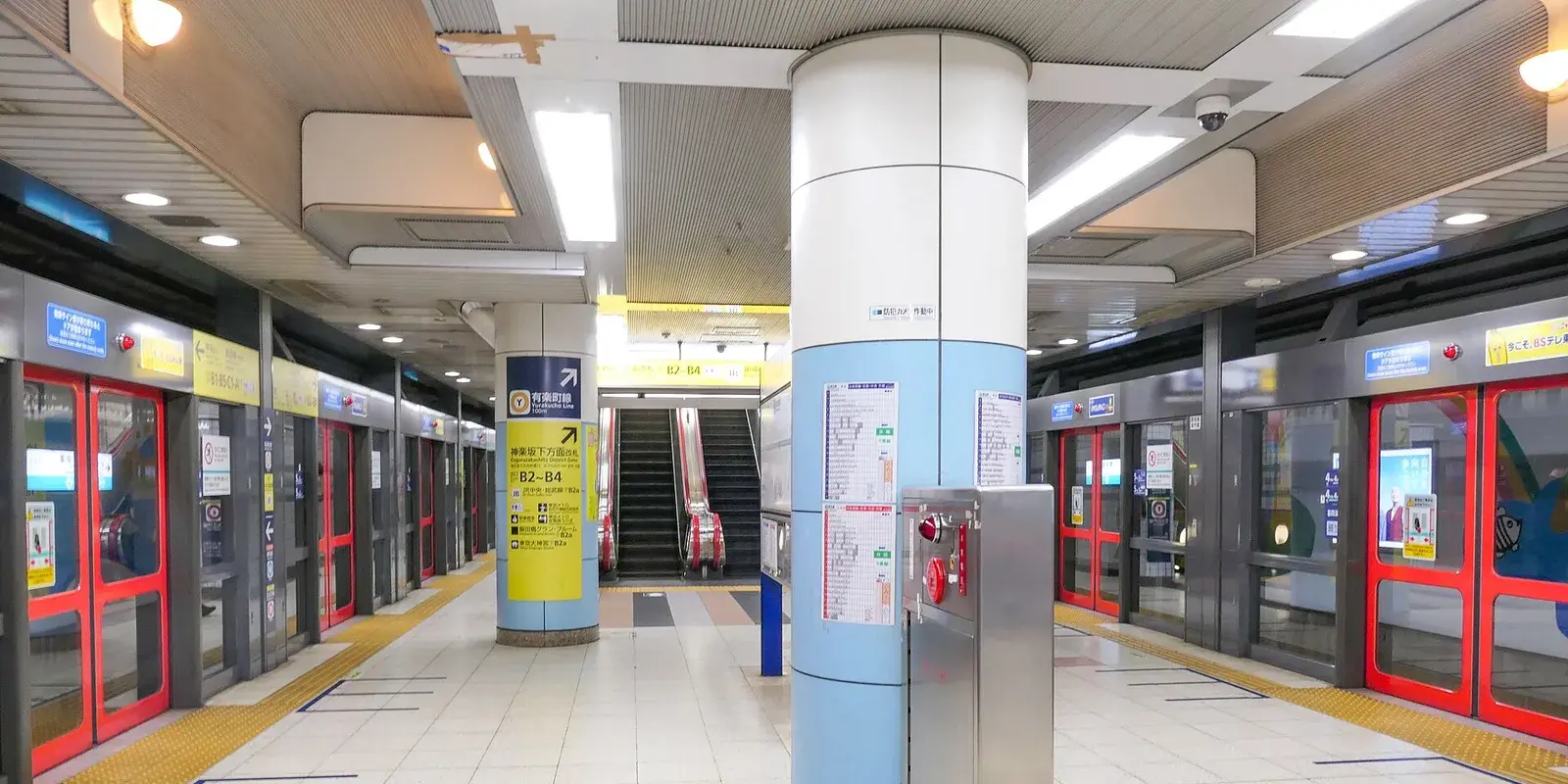
Why Is Japan So Clean? What Japanese People Actually Think About Their Own Cleanliness
What you'll learn in this article:
- What 294 Japanese people said about why their country is clean, and whether they agree it is
- The school system that starts at age 6 (and what Japanese adults really think about it now)
- Why 52% say social pressure, more than habit, keeps Japan clean
- The generation surprise that contradicts everything you've heard
Why is Japan so clean? We collected 294 public posts by Japanese people. The honest answer: 46% say school cleaning shaped who they are, but 52% admit social pressure plays a bigger role than genuine habit. The most-upvoted comment? "It's not our national character. It's the cleaning workers."
Quick Guide
| Topic | What Japanese People Said | |
|---|---|---|
| 🟢 Relax | Japan really is clean | 54% confirm it, especially compared to other countries. Public toilets, train stations, streets: the infrastructure of cleanliness is real, and visitors consistently notice it. |
| 🟡 Good to know | It starts at age 6 | Japanese schools have no janitors. Children clean classrooms, hallways, and toilets themselves. 46% of adults say this shaped their lifelong habits, though not everyone loved it at the time. |
| 🔴 Worth noting | It's not just culture | 52% say social pressure, more than inner habit, is a major driver. "If nobody was watching, some people would litter." Japan's cleanliness is maintained rather than automatic. |
The one thing to remember: Japan's cleanliness isn't ancient tradition or national DNA. It's a system built on childhood education, social consideration, and an army of invisible workers who maintain it every day. And when visitors notice the cleanliness and make an effort to match it, Japanese people genuinely notice that too.
How We Gathered These Voices
We collected 294 Japanese-language posts across five cleanliness topics: school cleaning culture (72 posts), habit vs. social pressure (65 posts), self-perception (52 posts), tourist impact (52 posts), and generational change (53 posts). Sources include public Japanese Q&A sites, forums, and social posts, and articles from Diamond Online, Yahoo! News, and other Japanese media.
A quick note: This isn't a controlled scientific survey. It's a collection of what real Japanese people said in their own words, in their own language, on public platforms. Most English-language articles repeat the same five explanations for Japan's cleanliness. We wanted to show you what Japanese people themselves think about it, and the answer is more complicated, more honest, and more interesting than any guidebook version.
It Starts at Age Six: The Souji System
Here's the fact that surprises visitors the most: Japanese schools have no janitors. From elementary school onward, students clean their own classrooms, hallways, and yes, toilets. It's called souji no jikan (掃除の時間, cleaning time), and it happens every day.
But does it actually shape who Japanese people become? In the posts we collected, the answer split in a way no competitor article has ever shown.
"I hated it, and I'm grateful"
The most common pattern wasn't simple pride. It was a journey: disgust first, then something unexpected.
最初はさわるのも嫌だったし、においがするし、もう適当にやればいいかなぁと思っていたけど、やっていくうちにどんどんきれいになっていってすごく嬉しい気持ちになりました。 At first I didn't even want to touch anything — the smell, everything. I thought I'd just do the bare minimum. But as I kept going, it got cleaner and cleaner, and I felt genuinely happy.
掃除をしていた最初の方は、臭いとか嫌などと思っていたが、慣れてくるとどんどん汚れを落としていきたくなった。後輩や先輩に「トイレきれいになったなぁ」と言われたら最高です。 At first I thought it was gross and I hated it. But once I got used to it, I wanted to clean more and more. When my classmates said "the toilet looks really clean now" — that was the best feeling.
日本人は小学生の頃から生徒たちが教室を掃除しているから片付けが得意 Japanese people are good at tidying up because they've been cleaning their own classrooms since elementary school.
The critics have a point too
Not everyone sees it as character-building. 32% pushed back, and their arguments are worth hearing.
学校清掃は教育的要素もあるかもしれませんが、本質的にはコスト削減です。欧米の学校は専門の清掃スタッフを雇用するのが一般的で、これは「子どもに掃除させるのは不適切」という考え方があるからです。 School cleaning might have educational value, but fundamentally it's cost-cutting. In Western schools, hiring professional cleaning staff is normal — because there's a belief that making children clean is inappropriate.
掃除は教育じゃなくて無償労働。教師がサボってるだけ。 Cleaning isn't education — it's unpaid labor. The teachers are just slacking off.
💡 The souji paradox
The school cleaning system is simultaneously Japan's most powerful cultural mechanism for building cleanliness habits and a cost-saving measure that would face serious pushback in most other countries. Japanese people know this, and they hold both truths at once.
Genuine Habit or Social Pressure? The Honest Answer
No English-language article has looked at how Japanese people answer this question in their own posts: Is your cleanliness a natural habit, or is it maintained by social pressure?
The answer was the most surprising finding in our entire research.
52% said social pressure is a major factor. That's a majority of Japanese people admitting that the cleanliness you admire isn't purely a beautiful cultural habit. It's partly maintained by the weight of other people's eyes.
The habit side
生まれてから道や公共のゴミ箱ではない場所にゴミをポイ捨てしたことない。家族もみんなしてる所見たことない。する人はみんなしてるって思ってるんだろうな。育った環境かな I've never littered in my entire life — not once. Never seen my family do it either. People who litter probably think everyone does. I guess it's the environment you grew up in.
別に親に口を酸っぱくして躾られた訳じゃないけどポイ捨てなんかしたこと無い。他人の気持ちを考えたらまずやらない。 My parents didn't drill it into me or anything. I've just never littered. If you think about other people's feelings, you just wouldn't do it.
The pressure side, and one quote that says it all
ゴミなんかカバンに入れときゃ済むでしょ?私は汚部屋住人だけど外でポイ捨てはした事ないよ。 Just put your trash in your bag, problem solved. My apartment is a disaster zone, but I've never littered outside.
This comment was one of the most revealing in our entire collection. The same person who admits to living in a messy home has never littered in public. Why? Because public cleanliness operates on a completely different system than private habits. It's maintained by social visibility.
吸い殻ポイ捨てした人に「落ちましたよ。」って拾って渡したことある。パッと受け取って顔真っ赤にして逃げてったよ。 Someone threw a cigarette butt on the ground. I picked it up and said "You dropped this." They grabbed it, turned bright red, and ran away.
The phrase that explains everything: tabi no haji wa kakisute
Japanese people have a saying: 旅の恥はかき捨て, meaning "shame from traveling can be thrown away." It means that when people are away from their community, their behavior changes.
This was the biggest clue. Multiple voices pointed out that Japanese people litter more at festivals, at fireworks displays, and in other cities, precisely where the social pressure of their own neighborhood doesn't apply. If cleanliness were purely habit, it wouldn't change based on who's watching.
💡 Two operating systems
Japan's cleanliness runs on two parallel systems: genuine habit (built by school cleaning and family upbringing) and social pressure (maintained by community visibility). Both are real. Both matter. And Japanese people are remarkably honest about the balance.
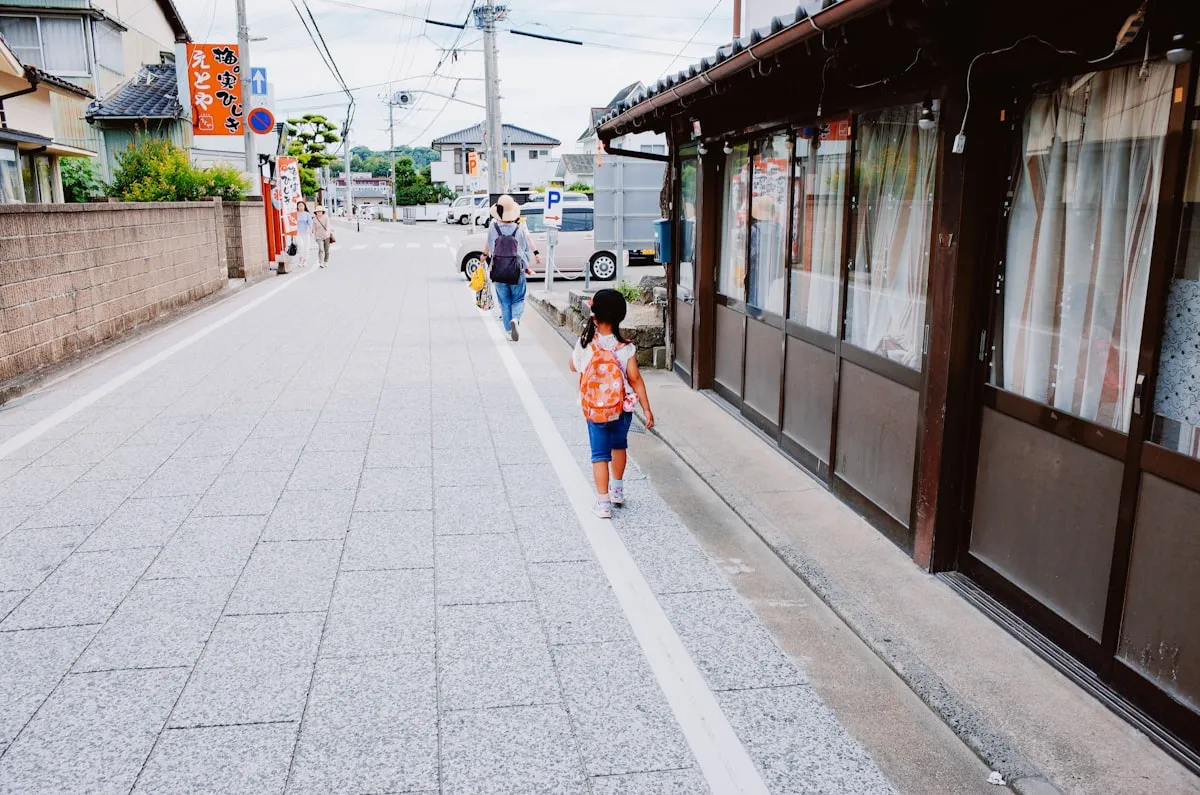
Do Japanese People Think They're Really That Clean?
International rankings and travel blogs call Japan the cleanest country in the world. But do Japanese people agree?
A majority does agree, but the way they agree tells you something important.
"Compare our toilets to anywhere else"
いや清潔だよ。海外のトイレとか見てみなよ。日本は異常なくらい綺麗 Yeah, Japan is clean. Have you seen toilets overseas? Japan is abnormally clean.
外国の土足でうちの中を過ごすのがよほど不潔 Walking around your house in outdoor shoes — now that's unhygienic.
But the most-upvoted comment told a different story
The single highest-rated response across all our self-rating data wasn't pride. It was this:
綺麗なのは国民性じゃなくて清掃員のおかげ。清掃員にもっと給料払えって話 Japan is clean not because of national character — it's because of the cleaning workers. We should be paying them more.
This response resonated powerfully. Other voices reinforced the same point:
渋谷は毎朝ゴミだらけで、ボランティアの人がせっせと片付けてるよ。清潔なのは自動じゃない Shibuya is covered in trash every morning. Volunteers clean it all up. The cleanliness isn't automatic.
花火大会の後のゴミの量見たことある?あれ見ても「日本人は清潔」って言える? Have you seen the amount of trash after a fireworks festival? Can you still call Japanese people clean after seeing that?
💡 The invisible army
Japan's cleanliness is maintained by an infrastructure of cleaning workers, volunteers, and systems that most visitors never see. The famous Shinkansen "7-minute miracle" (where a team of cleaners transforms a bullet train in 7 minutes flat) is just the most visible example of a nationwide system. When Japanese people say "it's not us, it's the workers," they're not being modest. They're being accurate.
42 Million Visitors: Has Anything Changed?
In 2025, Japan welcomed a record 42.7 million international visitors. We read what Japanese people wrote about one question: has this changed the cleanliness they grew up with?
The numbers look stark, but the conversation underneath was more nuanced than a simple blame game.
What people in tourist areas are experiencing
難波で仕事してて毎日オタロード付近を通ってるけど、毎朝通りの商店のご老人が歩道のゴミを掃除してる。缶や飲みかけのドリンクカップがそこら辺に捨ててある I work in Namba and walk through Otaku Road every day. Every morning, an elderly shop owner is out sweeping the sidewalk. Cans and half-finished drinks left everywhere.
京都市も、明らかに汚くなりました。ごみをその辺に置いていくので市の清掃費がかかっています。 Kyoto has clearly gotten dirtier. Trash just gets left around, and it's costing the city in cleaning fees.
But here's what the 35% pointed out
そもそもゴミ箱を撤去したのは日本側の事情(サリン事件)。ゴミ箱がない国でゴミを捨てるなと言われても困る Japan removed the trash cans for its own reasons — the sarin attack. Telling visitors not to litter in a country with no bins isn't fair.
食べ歩きの店が増えてるのに、ゴミ捨て場を用意してない店側にも問題がある Street food shops are popping up everywhere, but they don't provide disposal areas. That's partly on the businesses.
And one voice offered an important counterpoint to the entire narrative:
コロナ禍で外国人がほぼゼロだった時期も、ゴミ問題は続いていた。全部を観光客のせいにするのは簡単すぎる Even during COVID, when there were almost zero foreign visitors, the trash problem continued. Blaming it all on tourists is too easy.
If you're wondering how to navigate your first week in Japan (carrying trash, finding public bins, and reading the signals in shared spaces), Your First Week in Japan covers those practical moments from arrival onward.
The Generation Surprise
Every culture complains that "young people these days" have lost their manners. So we looked at what Japanese people wrote about it: are younger generations less clean?
The answer turned the assumption upside down.
40% said younger people actually have better manners, more than those who said they're worse. This was especially strong among people who work in service and retail.
実感として、若者よりも高齢者の方が断然マナーが悪い。最近の若者は〜なんて言い回しもあるけど、若者の方が総じてマナーがいい In my actual experience, elderly people have far worse manners than young people. Everyone says "kids these days" but the truth is the opposite.
マナーもクソもない時代を生きてきた人たちだからね They grew up in an era when nobody cared about manners.
昔は最近の若いもんはって年輩の人が言ってたけど最近は、最近のお年寄りは… It used to be "kids these days..." Now it's more like "seniors these days..."
And a key historical point that reframes the whole discussion:
Japan wasn't always clean. In the 1960s, Tokyo's streets were littered, rivers were polluted, and public trash was a serious problem. The city's transformation began with the 1964 Tokyo Olympics rather than ancient Buddhist traditions. Today's cleanliness culture is a social achievement within living memory rather than an eternal truth.
💡 A recent achievement rather than an ancient tradition
Japan's cleanliness as we know it is roughly 60 years old. It was built rather than inherited. And according to Japanese people themselves, the younger generation isn't losing it. They may actually be taking it further.
The Cultural Engine Behind the Clean
Understanding why Japan is clean means understanding a few interconnected ideas:
Meiwaku (迷惑): Don't cause trouble for others. This concept runs deeper than any cleaning habit. It's the reason people carry their trash, keep their phone on silent, and instinctively check whether they're in someone's way. It's not about being clean. It's about being considerate. Cleanliness is a side effect. Learn more about how this shapes daily life in why Japanese trains are silent. To see how meiwaku plays out across every situation visitors encounter, from trains to shrines to restaurants, What Actually Matters (And What Doesn't) maps the full temperature landscape.
Souji (掃除): The practice of cleaning as education. Not legally mandated, but practiced in virtually every school. Students learn that the spaces they use are spaces they maintain. This creates an emotional connection to shared spaces that persists into adulthood, even among those who hated it at the time.
The invisible infrastructure. Japan employs an enormous network of cleaning professionals, from station attendants to street sweepers to the famous Shinkansen cleaning teams. Visitors see the result; Japanese people see the workers. That's why the most-upvoted comment wasn't about culture or habit. It was "pay the cleaning workers more."
More Japanese Perspectives
The question of why Japan is clean connects to almost everything else about Japanese culture. Here are some related stories:
- No Trash Cans, No Problem: What 232 Japanese people said about carrying trash, and the real reason bins disappeared
- The Unspoken Scorecard: What Japanese people quietly notice about visitors in shared spaces
- Why Japanese People Choose These Rules: The logic behind the rules that shape daily life
- Why Japanese Trains Are Silent: Another expression of meiwaku culture: the shared space contract on rails
Share Your Experience
Have you noticed Japan's cleanliness? Were you surprised by something? Or did you find a place that didn't match the reputation?
We'd love to hear your story. It might become part of a future article.
Sources
Japanese Voices (294 posts across 5 topics)
School cleaning culture (72 voices):
- Toratyu WordPress (school cleaning reflections): https://toratyu.wordpress.com/2012/06/19/
- Public Japanese Q&A sites, forums, and social posts: first-hand opinions on school cleaning culture
Habit vs. social pressure (65 voices):
- Public Japanese Q&A sites, forums, and social posts: first-hand opinions on habit vs. social pressure
- Diamond Online, Yahoo! News
Self-perception (52 voices):
- Public Japanese Q&A sites, forums, and social posts: first-hand opinions on self-perception
Tourist impact (52 voices):
- Public Japanese Q&A sites, forums, and social posts: first-hand opinions on tourist impact
- Diamond Online
Generational change (53 voices):
- Media articles
Background Data
- Japan Tourism Agency: Visitor Survey, FY2025 (17.2% cite "not enough trash cans" as top complaint, down from 21.9% in FY2024): https://www.mlit.go.jp/kankocho/news08_00039.html
- Japan National Tourism Organization: Visitor Arrivals Statistics — 2025 international visitors totaled 42,683,301, an all-time record: https://www.jnto.go.jp/statistics/data/visitors-statistics/
- 1964 Tokyo Olympics and the clean-city campaign
- Shinkansen 7-minute cleaning system
Note on Quotations
Quotes from online platforms have been lightly edited for readability (fixing typos, formatting for clarity). The meaning and intent of each comment remain unchanged. Original sources are linked above.
WMJS is written in Japan, in English, with AI help. We check every page, but English is not our first language. If a sentence reads oddly, tell us. One sentence is enough.
Thank you. A person reads every note.
How well do you know Japan?
Built from 635 public posts by Japanese people
Want to know more? Ask Japanese people
Have a follow-up question about this topic? We'll ask real Japanese people.
Voice Box →