
This page is also available in English.Read in English →
이 페이지는 한국어로도 읽을 수 있습니다.한국어로 읽기 →
這個頁面也有繁體中文版。閱讀繁體中文版 →
这个页面也有简体中文版。阅读简体中文版 →
หน้านี้มีภาษาไทยด้วยอ่านภาษาไทย →
Trang này cũng có bản tiếng Việt.Đọc bằng tiếng Việt →
Halaman ini juga tersedia dalam Bahasa Indonesia.Baca dalam Bahasa Indonesia →
Cette page existe aussi en français.Lire en français →
Diese Seite gibt es auch auf Deutsch.Auf Deutsch lesen →
Esta página también está disponible en español.Leer en español →
Questa pagina è disponibile anche in italiano.Leggi in italiano →
いつ行くか
冬の日本、雪、温泉、そして光
東京のいちばん澄んだ空気から雪国へ、そして京都の静けさへと下る、西向きの一本の線。日本の冬を愛する人たちが読むように読んでみてください。ここでは寒さが旅の代償ではなく、この季節ぜんぶが奏でられる楽器なんです
最終確認: 2026-06-23
日数
西向きの主軸の線で約4日。東京、長野の雪国、金沢、京都。北の冬の分岐を取れば5日目もあります。自由に組み替えられ、雪を離れて南へ向かうこともできます
ベストシーズン
12月から2月。12月上旬は軽い雪とイルミネーション、1月下旬から2月は真冬の核心(湯に浸かるサル、雪を載せた庭、雪まつり、いちばん澄んだ富士山)。お正月の数日と2月中旬の旧正月は避けて計画したいところです
拠点
二つの街と、温泉のひと晩。東京に数泊、長野の雪国で温泉に1泊、そして南へ下る途中で金沢と京都です
移動手段
街なかはICカードのタッチで移動できます。北陸新幹線は東京から長野を経て金沢まで一本の線としてつながり、敦賀で一度乗り換えれば京都へ入れます。重ね着と、早めの出発、そして雪のための少しのゆとりを
このプランが合う人
- 初めての日本よく合う
- リピーターぴったり
- 子ども連れよく合う
- ひとり旅ぴったり
- ふたり旅ぴったり
- ゆったりペース主役ではない
行く時期Dec to Feb
Late January into February is the deep-winter heart — the snow monkeys soak, the snow gardens lie laden, the great snow festivals peak, and Mount Fuji is at its clearest. Early December has the illuminations at full blaze with less snow. I'd plan around the first days of January (when much of the country closes for its own New Year, though the shrines are the experience then) and mid-February's Lunar New Year week, when inbound crowds swell.
冬は日本を訪れるのに良い季節? 寒さを気にしないなら、はい。12月から2月は一年でもっとも空気が乾いて澄む季節で、富士山がもっとも確実に見える時期です(冬の日の大半で全景が見えるのに対し、夏はごく一部の日に限られます)。野生のスノーモンキーが温泉に浸かるのは本当に寒い日だけで、春は肩がぶつかるほど混み合う寺や庭園もこの時期はほとんど人がいません。あきらめるものもはっきりあります。桜はなく、日は短く、寒さは厳しい。この二つの時期だけは、ぶつからないように日程を組みたいところです。1月最初の数日は多くの場所がお正月で閉まる時期(神社仏閣は初詣で賑わいます)、そして2月中旬の旧正月の週は訪日客がふたたび増える時期です。以下のルートは東京、長野の雪国、金沢、京都を一本の鉄道路線でつなぎ、この季節を存分に味わえるように組んでいます。
冬をオフシーズン扱いする人は多いです。桜に間に合わなかった人が仕方なく選ぶ、耐えるだけの数週間。そんな扱いです。でも、それをそっと引っくり返してみたい。日本の冬をいちばん愛する人たちは、逆に見ているからです。冬こそ、日本がいちばん念入りに設えている季節です。日本は冬に寒さから逃げようとすることがめったにありません。むしろ寒さをそばに置いたまま、その対比で温かさを際立たせます。湯気の立つお風呂に浸かるのは、まさに雪が肩に降りてくるため。庭師が松に縄をかけるのは、雪が美しく載るようにするため。千の灯りを吊るすのは、夜が長いから。寒さは我慢の代金ではなく、この季節そのものを鳴らしている音です。そんなふうに見ると、冬は春の出来そこないという扱いをやめ、澄んで静かな、それだけでひとつの季節になります。
ですから最初にすることは、あなたの日程を季節に照らしてみることです。12月上旬に来るなら? 街はイルミネーションの盛りで、空気はもう澄みはじめ、北の深い雪はようやく降りだしたばかり、年末年始の混雑もまだ来ていません。冬への明るくやさしい入り口です。1月下旬から2月にかけて来るなら? それがこのプランの真冬の核心。サルが本当に湯に浸かり、庭は雪をかぶり、大きな雪まつりが最高潮を迎え、乾いた空気のおかげで、一年でいちばん確実に富士山が見られます。冬は灰色でさびしいだけでは、と心配ですか? 手放すものは本当にあります。花はなく、日は短く、寒さも本物です。でも返ってくるのは、いちばん澄んで静かなこの国の姿です。夜明けの誰もいない寺、古い屋根の雪、洗いたてのように見える風景ぜんぶ。二つの時期は、通り抜けようとせず、避けて計画したいところです。まず1月最初の数日、お正月でお店の多くが休む時期(このときは、初詣そのものがいちばんの見どころになります)。そして2月中旬の旧正月の週、訪日客がふたたび増えるころです。
この旅は、西へ延びる一本の鉄道に沿って進みます。東京の澄んだ冬を出て、日本アルプスの雪国へ登り、京都の静けさへ下ります。そうして一日ごとに、同じひとつの考えを別の角度から見せていきます。いつものように、これはあくまで私ならこう動く、というだけ。自分の日程と、味わいたい寒さに合わせて組みなおしてみてください。
拠点をどこに置くか
これは一本の線に糸を通した旅です。東京、それから長野の山あいの温泉町、そして金沢と京都。冬は、いつ外に出るかが、どこに泊まるかと同じくらい効いてきます。この季節いちばんの眺めは二つとも、見られる時間が限られています。いちばん澄んだ富士山は午前なかばには消えてしまい、寺の屋根の雪は正午には消えていることもあります。
東京では、JR山手線の沿線に拠点を置きます。東京駅・新宿・渋谷のあたりなら、冬のイルミネーションも早朝の富士見も、短い乗車で行けますし、空港へのアクセスも楽です。(イルミネーションについては1日目でくわしく。)
雪国では、雪が降る場所で眠ることこそが肝心です。スノーモンキーにいちばん近い小さな温泉町、渋温泉と湯田中温泉。ここが、この旅の要となるひと晩を過ごしたい場所です。露天風呂のある旅館で、サルが本能でしていることを、こちらは好きこのんでやるわけです。(この二つの町は、名前だけ挙げておきます)
金沢では、駅の近くでも兼六園側でも、庭と市場が歩いて行ける範囲に収まります。京都では、乗り継ぎがいちばん楽な駅の近く、あるいは東の寺々のなかで目覚め、日が暖まる前にたどり着ける東山あたりを。
冬じゅう効いてくるのは、重ね着と早起きです。 寒く、乾いて、澄んだ朝はこの季節の贈りもの。いちばん鋭い富士山、独り占めの寺の庭、まだ汚れていない雪。それはみんな、いちばん早く外に出た人のものです。
東京、澄んで明るい寒さ
新幹線で北へ、雪のなかへ長野の雪国、湯に浸かるサルと雪見のお風呂
同じ線を西へ、乗り換えなし金沢、雪のために造られた庭
南へ、敦賀で一度乗り換え京都、冬の静けさ
移動ときっぷ
まずはICカードを用意しましょう。プリペイドのタッチ式カード(Suica や ICOCA など、全国で相互に使えます)があれば、街なかではきっぷを買う場面がほとんどなくなります。在来線・地下鉄・バスにタッチで乗り降りできます。冬に気をつけたい点が二つ、どちらもファクトボックスにあります。一回のタッチは同じICエリア内で始まり終わる必要があること、そしてカードでは新幹線や特急には乗れないこと(それらは別のきっぷが要ります)。
この旅を貫く一本の軸が北陸新幹線です。 うれしいのは、これが西へ向かう一本の線として走ることです。東京から長野(スノーモンキーへ)、そして同じ線がそのまま金沢まで、引き返しなしでつながっています。いちばん速い列車には自由席がまったくないので、座席を予約しておきたいところです。くわしくはファクトボックスに。
最後の区間で知っておきたい、いまの注意点が一つ。 金沢から京都へ下る道は、以前は一本の列車でした。2024年に線が延びてからは、乗り換えが一回必要になりました。いまは北陸新幹線で敦賀まで行き、そこで乗り換えます。同じ駅の、案内表示に沿った短い移動で、特急に乗って京都へ入ります。楽な乗り換えが一回だけですが、いまも古いガイドの多くが直通列車のように書いているので、ホームに着く前に知っておくと安心です(ファクトボックス)。
そして冬ならではの部分です。 山の区間は、都心の東京のようなタッチひとつでは進めません。スノーモンキーへ登るバスは平日には現金が要ることがあり、サルまでの最後の区間は徒歩です。どんな乗りものも通らない、雪の上り坂を歩きます(2日目)。もっと大きく見れば、大雪のときは新幹線でさえときどき遅れることがあるので、いくつもの街をめぐる冬のルートでは、乗り継ぎをきつく連ねるより、一日ごとに少しゆとりを残しておきます。滑りにくい靴、室内で脱げる重ね着、乾燥対策。この三つで旅の快適さがだいぶ変わります。
東京、澄んだ寒さと、長い夜
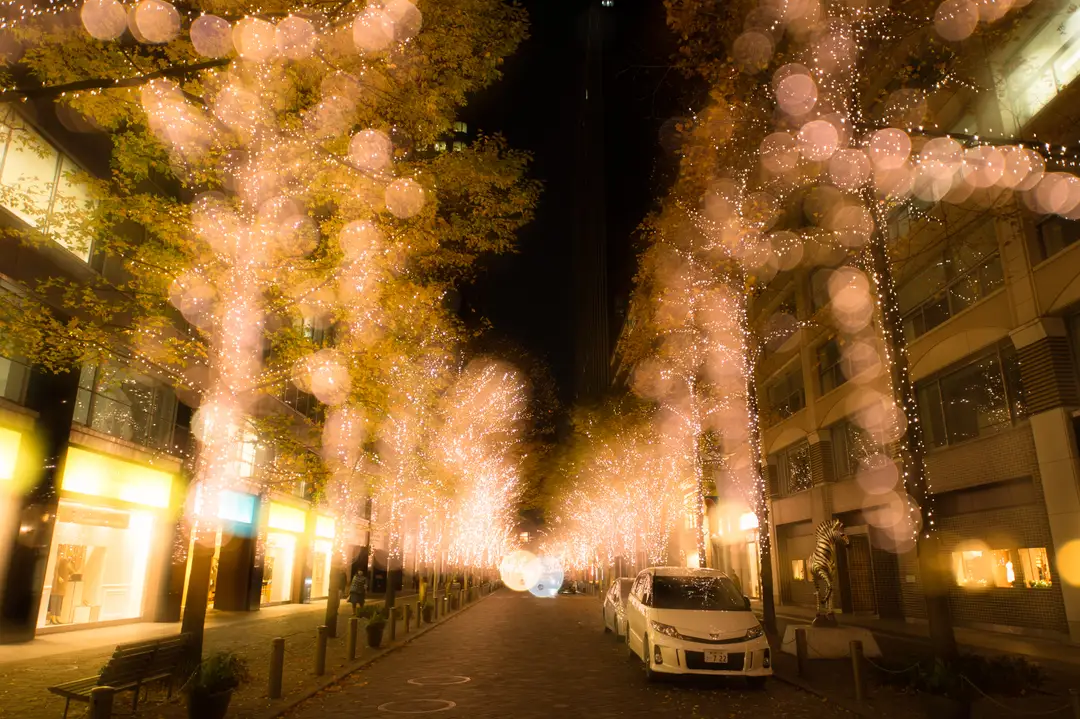
まずは東京から。冬にだけ手に入る二つ、澄んだ空気と長い夜から始めます。この季節を鋭く感じさせる、寒く乾いた風は、空気そのものも洗い流します。だから富士山がもっとも確実に姿を見せるのは、夏よりむしろ冬なんです。朝もやが立つ前に見上げれば、街の高いところからそのまま見えることもよくあります。夜が長いぶん、東京は通りを丸ごと光で飾ります。得意分野です。ですからこの一日は、澄んだ朝から、灯りに包まれた夜へと流れ、その合間に街の冬の食べものの温かさが挟まります。ここに義務は何もありません。ただ、冬はほかのどの季節よりも、くっきりと明るい東京を見せてくれる。その喜びだけがあります。
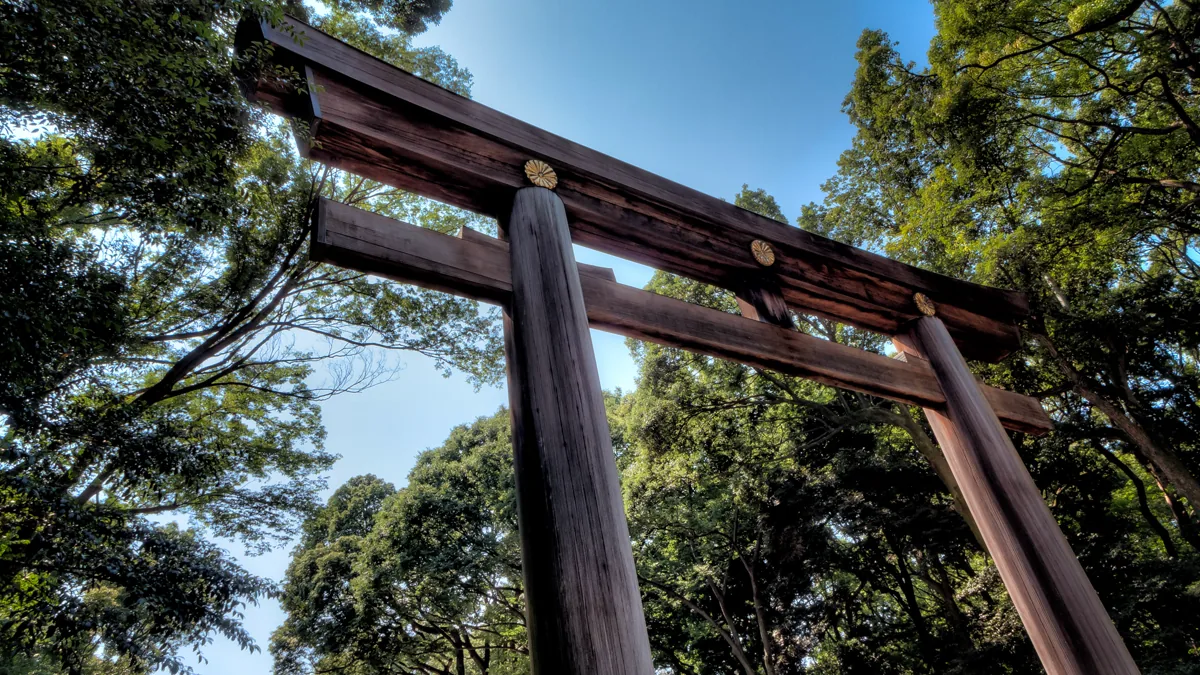
- 早朝澄んだ空気の始まり、うまくいけば富士山も冬の朝はこの季節でいちばん澄んでいます。だから空が出ていれば、高いところから始めたいところです。展望デッキや西向きの高台から、空気が霞む前の富士山を狙います(その理由と、季節ごとの出会える確率はファクトボックスに)。もっとゆっくり始めたいなら、明治神宮の常緑の森は、葉の落ちる季節にいちばん静まります。原宿のすぐそばで、穏やかな最初のひととき。関連ガイド:明治神宮。
- もしお正月に来るなら初詣、その年はじめての参拝旅が1月の最初の数日にあたるなら、街はある特別で愛おしいことをしています。初詣、その年はじめての神社やお寺への参拝です。作法にうるさい決まりはありません。ゆっくりとした、なごやかな人の流れに加わって賽銭箱へ進み、お賽銭を入れ、お辞儀をして、一年を願うだけです。明治神宮や浅草寺はものすごい人出になります。近所の小さな神社なら、同じ空気をもう少しゆったり味わえます。お正月に何が開いていて何が閉まっているかは、ファクトボックスに。
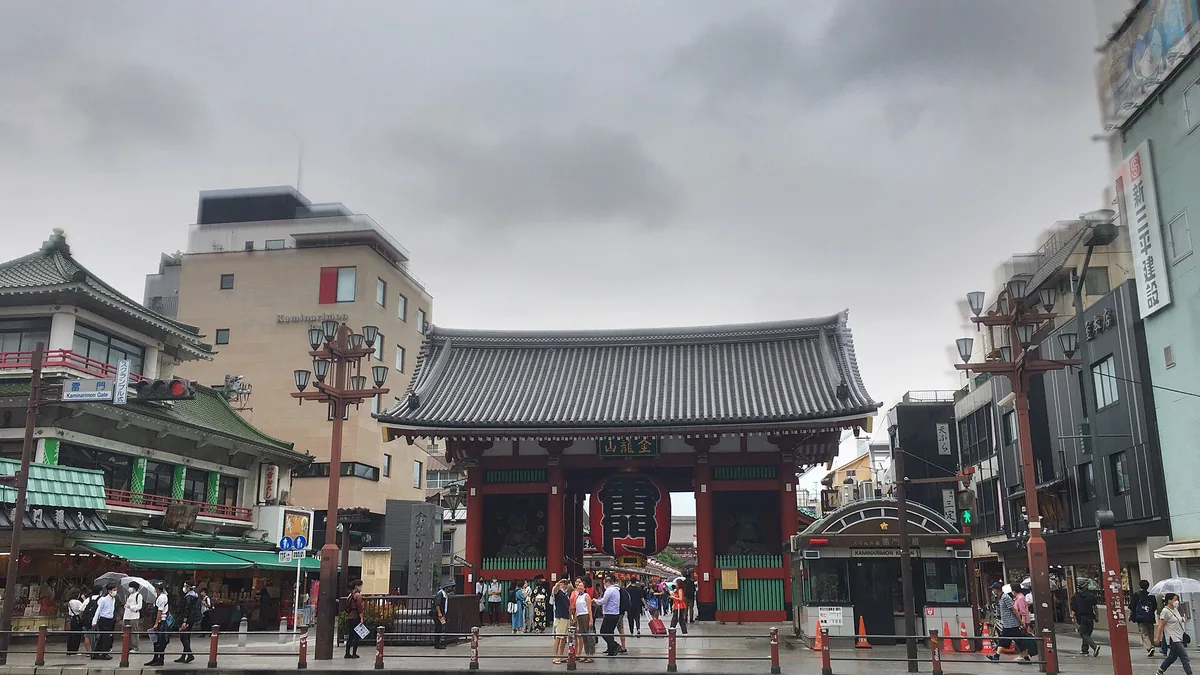
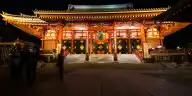
- 午後冬の寺、あるいは暖かな室内寒い日は、腰を据えてじっくり眺める場所がちょうどいい口実になります。葉を落とし、骨組みだけの冬支度をした庭。あるいは美術館の暖かな室内。または街の古い東側へ足をのばして、浅草の浅草寺へ。寒さのなかでは身の引きしまるような清々しさがあり、人もずっと少なく、お香の煙が冷たい空気に漂います。関連ガイド:浅草寺。
- 夕方光の並木道日が暮れたら、イルミネーションを。夜が長いこの季節の、東京なりの楽しみ方です。丸の内の仲通りは晩秋から2月半ばまでシャンパンゴールドに輝くので、真冬の旅ではいちばん頼りになります。六本木のけやき坂では、ライトアップされた東京タワーを背に灯りが並びますが、こちらは12月下旬まで。目黒川は水沿いにピンクに流れます。最初の一日を締めくくる、暖かくゆったりとしたやり方です(期間はファクトボックスに。12月だけの展示は冬の後半には灯りません)。東京のイルミネーションはまだWMJSのガイドがありません。
北へ、スノーモンキーと、雪のなかのお風呂へ
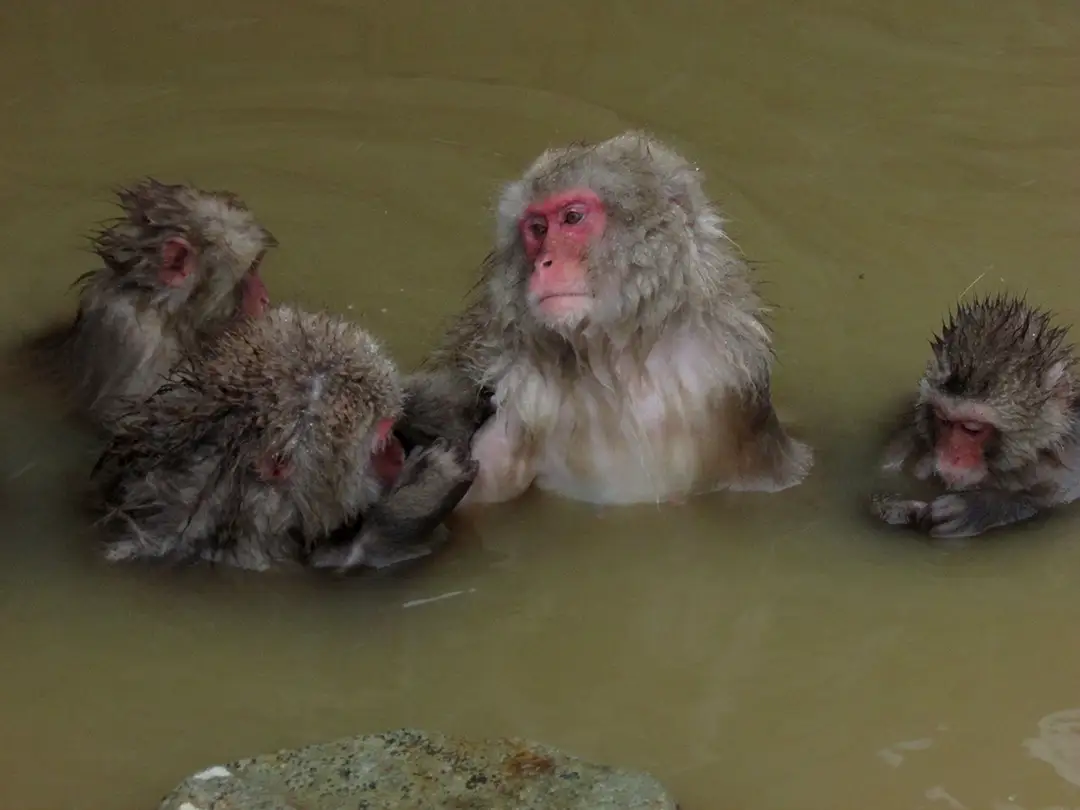
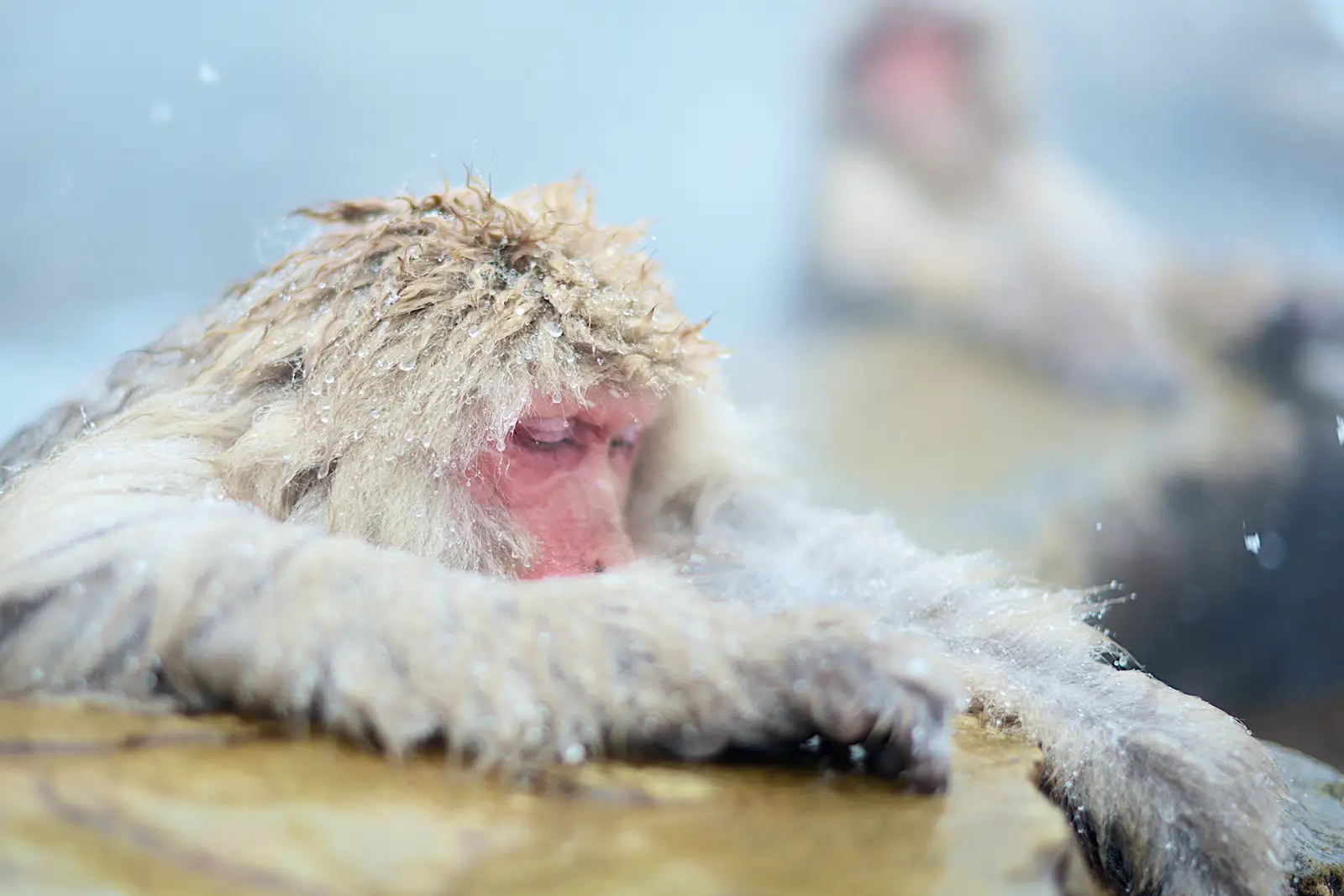
この日、ここまでの話がぜんぶ目の前のものになります。というのも、あなたはその夜自分がすることを、野生の動物がまさにしているのを目にするからです。新幹線で北へ、長野の山へ向かい、最後の雪の区間を歩いて登って、ニホンザルが湯に浸かる温泉の谷へ。それから温泉町に腰を落ち着けます。空気に雪を感じながら熱い湯に浸かる、同じ古い理屈の人間版です。寒さを視界に留めておくことで、温かくいられます。サルも人も同じことを、数時間ちがいでやるわけです。
- 午前北陸新幹線で雪のなかへ東京から北陸新幹線は、長野まで2時間かからずに走ります。いちばん速い列車には自由席がないので、予約しておきたいところです(ファクトボックス)。長野が誇る大きなお寺、善光寺は、行きたければ駅から短い乗車で(まだWMJSのガイドはありません)。そうでなければ、午前の早いうちにサルへ向かいましょう。
- 昼最後の区間は徒歩で長野からは在来線か急行バスで向かい、最後は雪の森を上る徒歩です。避けようがなく、そこが面白いところでもあります(歩く時間と、バスは現金という注意点はファクトボックスに)。雪の坂道なので、滑りにくい靴がものを言います。午前中に行けば、午後早めのツアーの人出より先んじられます。関連ガイド:地獄谷のスノーモンキー。
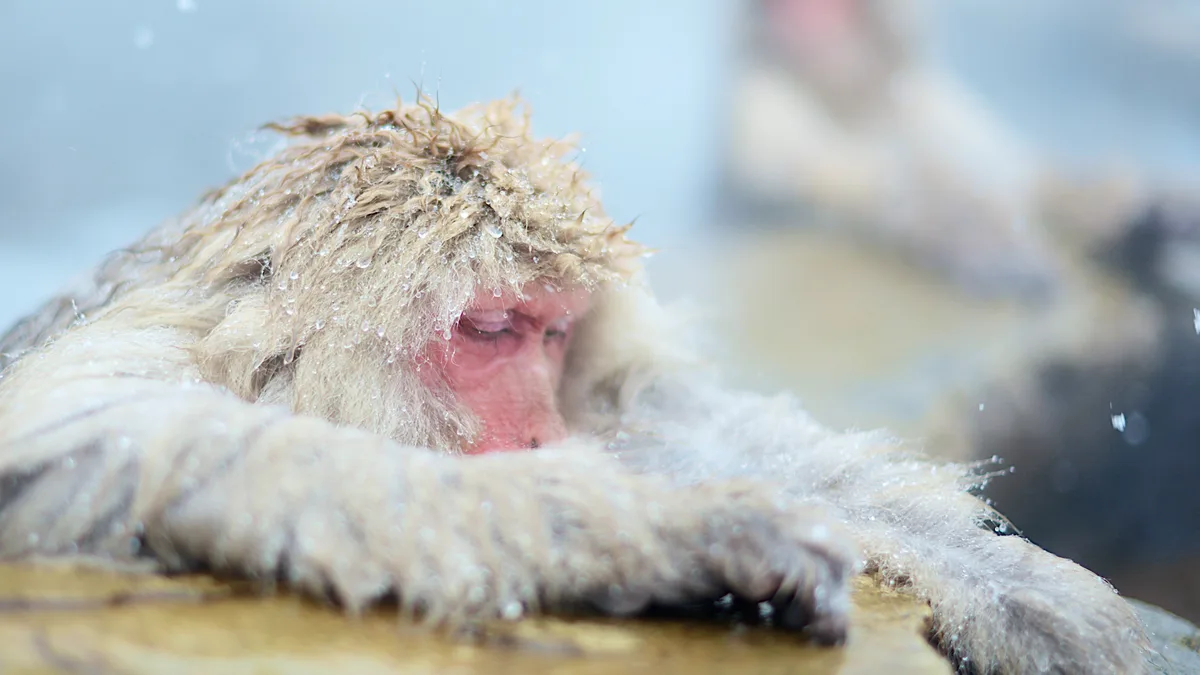
- 午後地獄谷、お風呂のなかのサル地獄谷野猿公苑では、野生のニホンザルが体を温めようと温泉の池に入ります。でもそれは冬のあいだ、本当に十分に寒いときだけ。だから一年じゅう見られるとは限らず、寒い日に当たればこその眺めです。お風呂はサルのもの。喜びは眺めることにあって、いっしょに入ることではありません(そして入ることは許されていません)。湯気のなかで、雪をまとってうとうとするサルを眺めているひとときは、この旅で言いたいことが、いちばんはっきり表れている場面だと思います。関連ガイド:地獄谷のスノーモンキー。
- 夕方今度は自分が入る、雪見の湯それから近くの温泉町へ下って、渋温泉か湯田中でひと晩。屋外の露天風呂に入ります。熱い湯、凍える空気、肩に舞い降りる雪。この対比こそが狙いで、昔から雪見風呂と呼ばれてきました。午後はサルがそれをするのを眺めて過ごしたわけですが、今度はあなたの番です。(これらの温泉町にはまだWMJSのガイドがありません。)
金沢、雪のために造られた庭
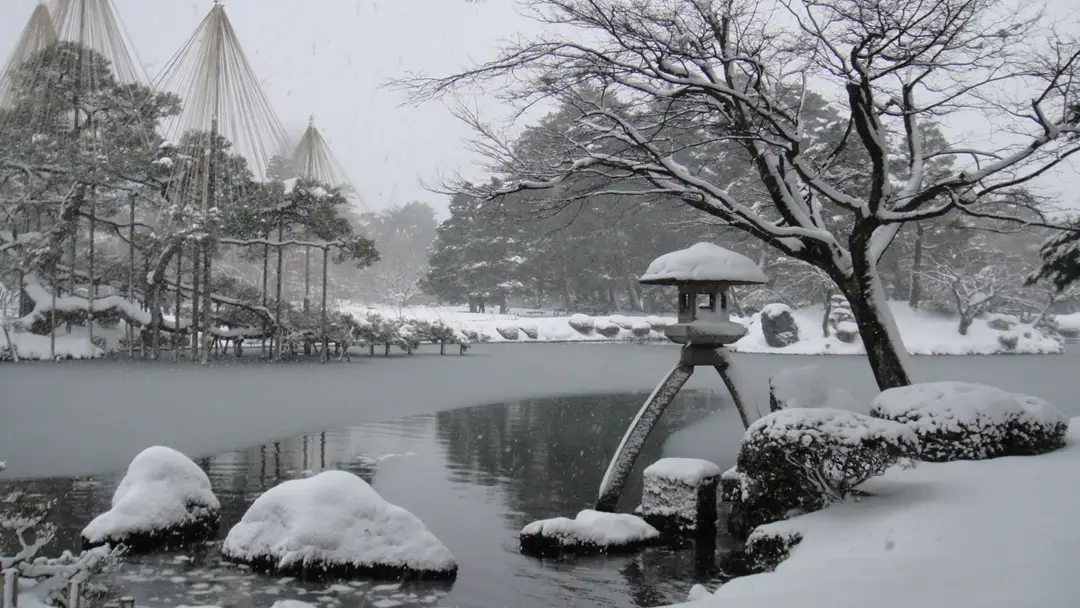
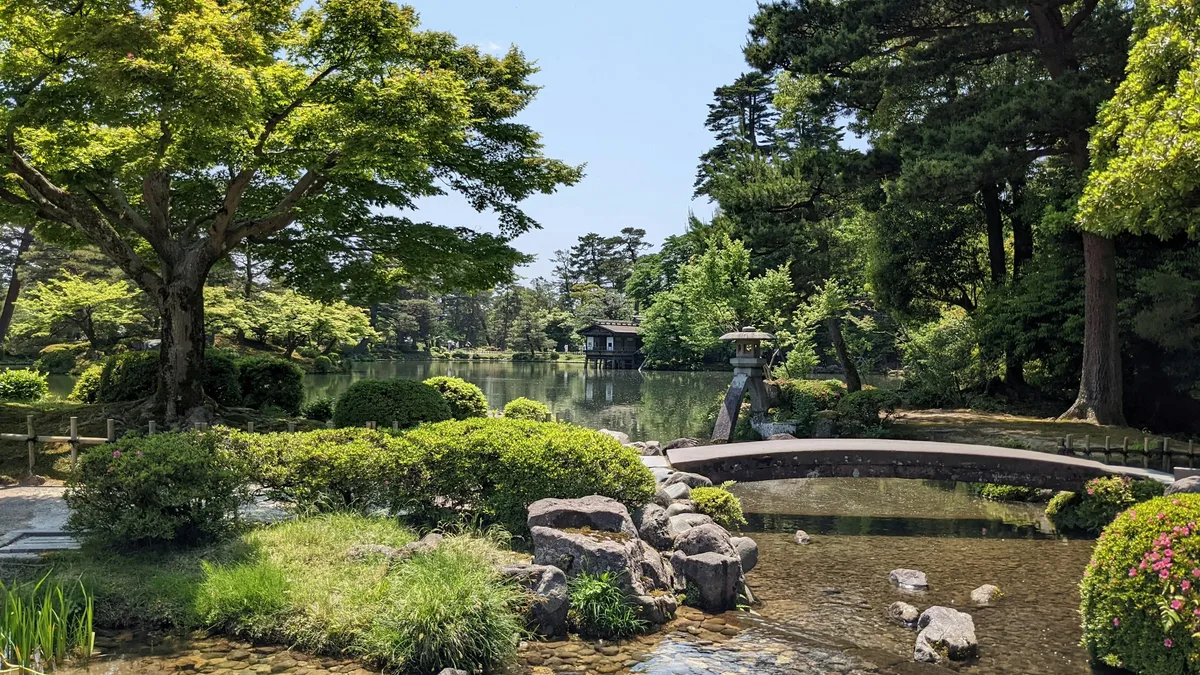
3日目は、同じ路線をそのまま西へ進みます。北陸新幹線は長野から金沢へまっすぐ走り、引き返しはありません。そして、この旅の筋が一か所で見てとれる街に入ります。日本の三名園は、それぞれがずっと昔にひとつの美をになうよう定められていて、金沢の兼六園には雪が与えられました。この庭のすべては、日本海側の重い雪を、ただしのぐというより美しくまとうために造られています。それはまさに、冬に向き合う日本の姿勢を、ひとつの庭に結晶させたものです。
- 午前西へ、金沢へ同じ新幹線が1時間ほどで金沢まで運んでくれます(ファクトボックス)。こぢんまりとして歩ける街なので、荷物を置いたら、光のよいうちに庭へ向かいたいところです。関連ガイド:金沢。
- 昼兼六園と雪吊り兼六園では松が雪吊りのもとに立っています。高い柱から縄を張った優美な円錐で、枝が折れずに深い雪を支えられるよう、毎年秋に立てられます。木を守るためのものではありますが、庭師たちはその守りを彫刻に仕立てました。新雪のもとでは、雪に耐えているというより、雪ごと絵になって見えます。池のほとりの徽軫灯籠は誰もが知る一枚。でも縄こそが、冬に来る理由です(入園料と雪吊りの季節の期間はファクトボックスに)。関連ガイド:金沢。
- 午後茶屋と古い町並み少し歩けば、金沢ガイドがふれる古い茶屋町と武家屋敷の界隈があります。ひがし茶屋街の茶屋の小路や、土塀の通りは、冬の光のもとでいちばん静かです。金箔はこの街の技。金箔をまぶした一杯のお茶は、寒さのなかの、ここだけの暖かなひと休みです。
- 夕方市場で冬の蟹を金沢の冬の食卓を支えているのも、庭の松に雪を積もらせるのと同じ冷たい日本海です。同じ海が、二つのかたちで表れています。その宝が、冬の数か月にしか揚がらないズワイガニで、近江町市場で自慢げに並びます。茹でて、焼いて、あるいはお造りで。冷えた一日の締めくくりに、たっぷり温まる食事です(どの蟹が旬かは月によります。ファクトボックスをご覧ください)。
京都、静けさ
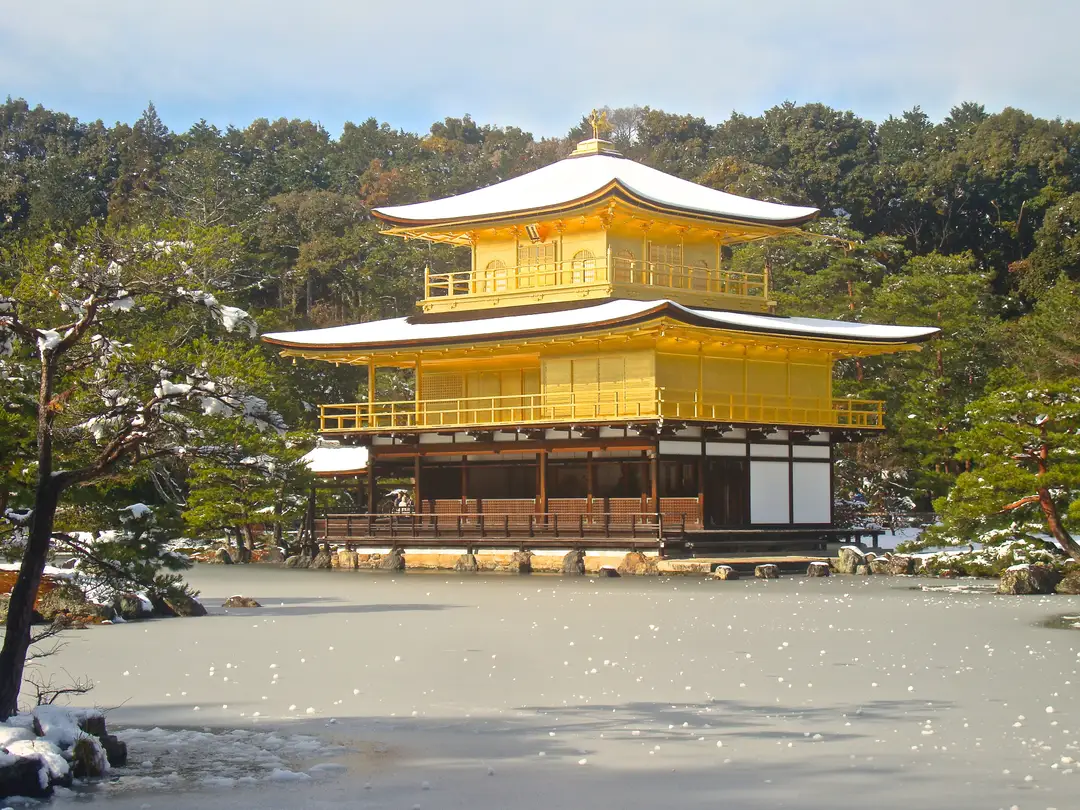
旅は、冬がいちばん静かな場所で終わります。乗り換え一回で京都へ。寒い季節の京都は、春の混雑しか知らない人には別の街に見えます。ここで手放したものが、はっきりと見えてきます。桜をあきらめたぶん、返ってきたのは、誰もいない寺、澄んだ寒い光、そして運がよければ、いちばん稀な眺め、金閣に降りた雪です。
- 午前京都へ、敦賀で一度乗り換え金沢からは北陸新幹線で敦賀まで、そして短い乗り換えを一回して特急で京都へ。全部で2時間ほどです(ファクトボックス)。古いガイドは直通列車を約束しているかもしれませんが、これがいまのやり方で、面倒はありません。
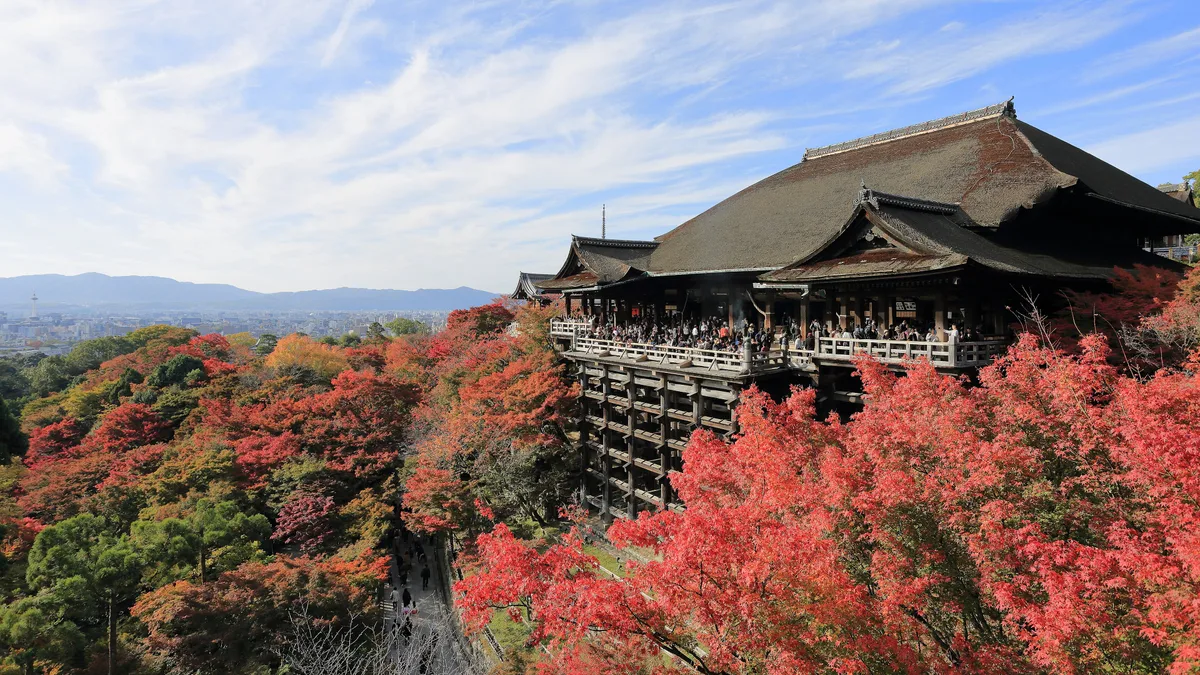
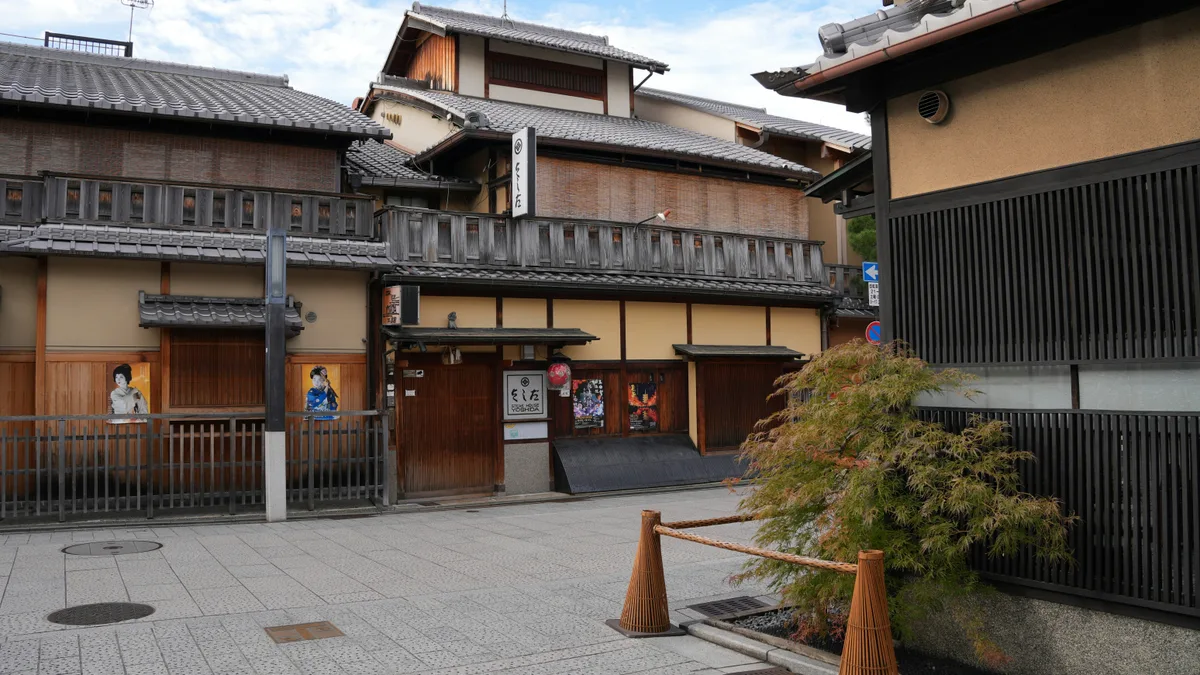
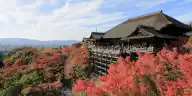
- 昼息のつける寺冬は、京都の名所をゆっくり見られる季節です。清水寺の丘や祇園の小路は、春には肩がふれあうほどですが、寒さのなかでは静かで空気も澄んでいます。同じ石畳が、まったくちがう街になります。しっかり着こんでの、ゆっくり楽な散歩です。関連ガイド:清水寺、祇園。
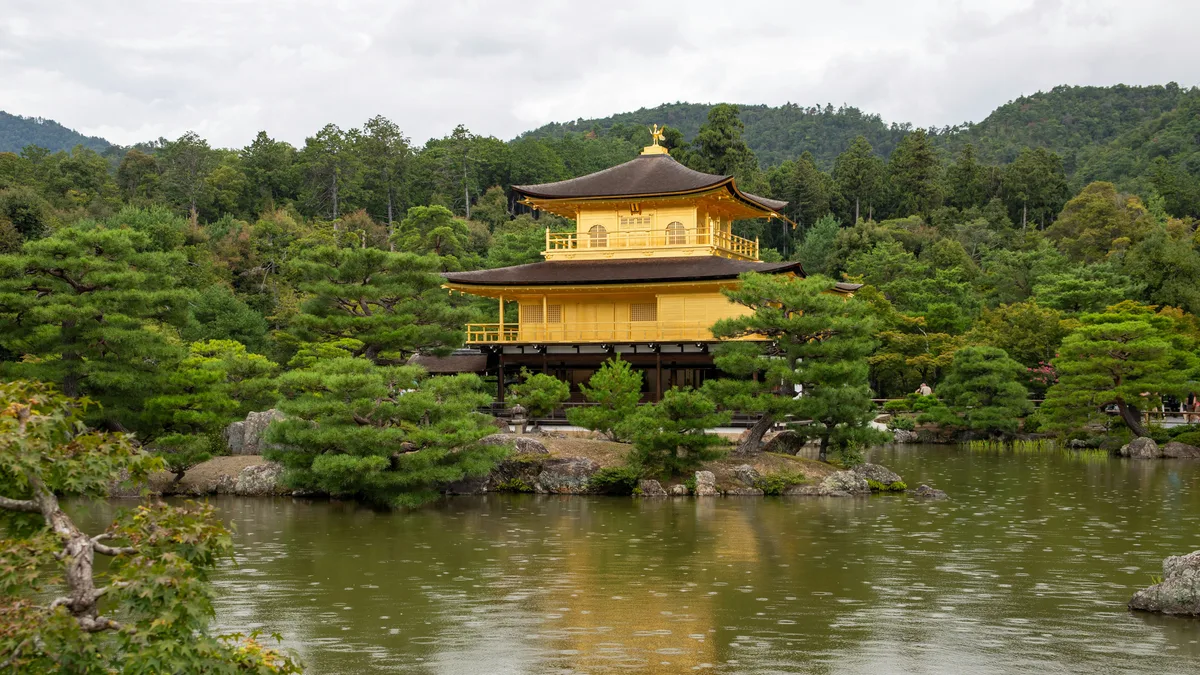
- もし予報が白くなったら金閣に降る雪金閣寺に雪が積もる姿。雪をかぶった金色の屋根が、池にもう一つ映ります。これはこの国でもっとも憧れられる眺めのひとつで、一年に数えるほどの朝しか起きず、たいてい正午には消えてしまいます。まったくの運で、決して約束ではありません。でも予報に雪を見て目覚めたら、私は予定に何が書いてあろうと放り出して、早めに向かいます。早く動いた人だけが見られます。関連ガイド:金閣寺。
- 夕方何か温かいものを、ゆっくりと締めくくりは、京都の冬のごちそうです。湯豆腐、卓上で静かに煮える絹ごしの豆腐。あるいは鴨川のそばで、湯気の立つ一杯を。四日間ずっと寒さを視界に留めておいたぶん、温かさはいっそう深く沁みます。それこそが、はじめからの狙いでした。
もう1日あるなら
+1日冬をもっと深く味わうなら、北へ向かいます。北へ行くほど、冬は冬らしくなっていきます。
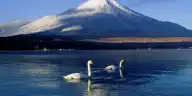
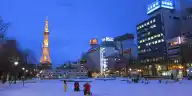
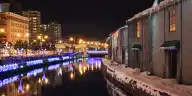
北海道へ。 北の果てでは、冬が本気を出します。さっぽろ雪まつりは2月上旬、都心の公園を氷雪の宮殿で埋めつくし、小樽は運河が雪あかりの路のもとに輝き、ニセコにはスキーヤーが世界じゅうから訪れるパウダースノーがあり、東の網走沖では海そのものが凍って流氷になります。これはそのまま北海道プランに折りたためて、その冬の分岐はまさにこのために組まれています。新幹線なら函館で自然に乗り継げます。
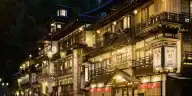
日本海側の雪国。 もっと手前には、冬を一枚の絵に凝縮した眺めが二つあります。山形の銀山温泉は、木造の宿が並ぶ大正時代の通りで、日が暮れると雪の上にガス灯が灯ります。いまや愛されすぎて、冬の夕方は人数制限とチケット制になっているので、前もっての計画が報われます(ファクトボックス)。蔵王では、尾根のモミの木が霧氷と雪に覆われて樹氷(スノーモンスター)になり、ロープウェイで行けて夜にはライトアップされます。(どちらもまだWMJSのガイドがありません。)
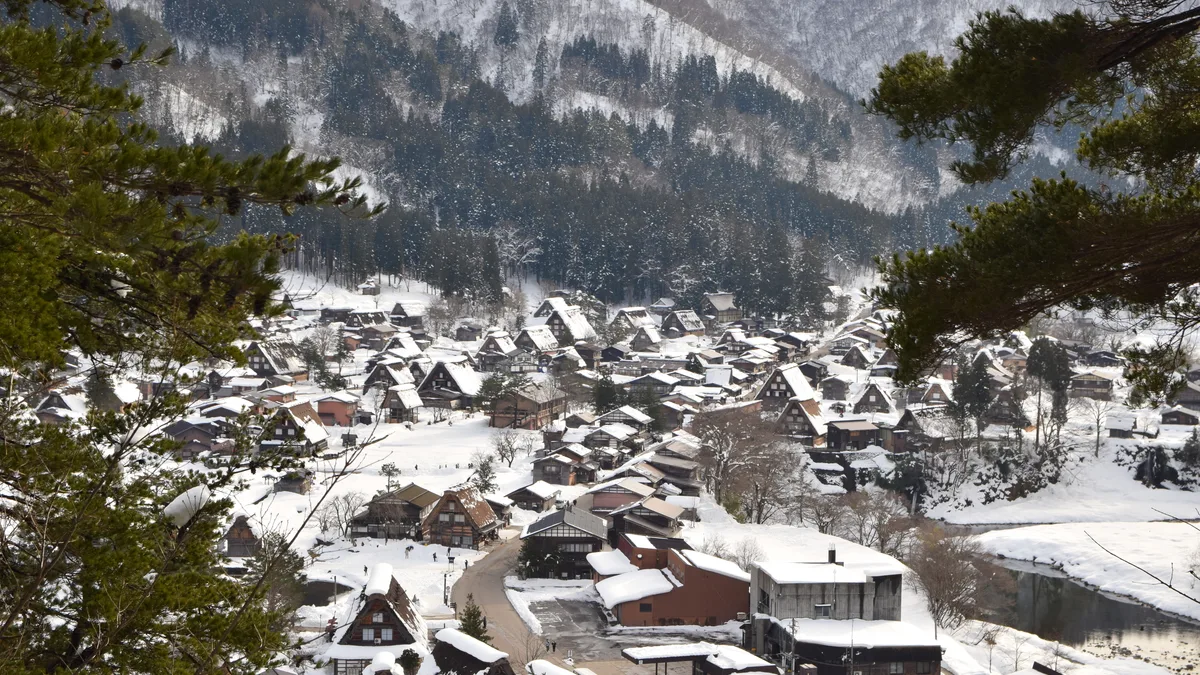
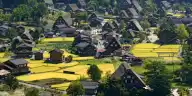
雪の白川郷。 白川郷の合掌造りの急な茅葺き屋根は、まさにこの雪を落とすかたちに形づくられました。冬のうちの決まった数夜だけ、集落は日暮れのあとにライトアップされます。あまりに人気で、いまや予約制のみ、当日入場はありません(ファクトボックス)。高山や中部プランと組み合わせられます。
1日足りないなら
−1日時間が足りなくても、冬の良さは二、三日でつかめます。灯りに包まれた東京の夜ひとつと、雪の温泉の一日ひとつです。長野のサルが無理そうなら、いちばんやさしい版は箱根に差し替えます。新宿からロマンスカーで楽に行ける温泉地で(ファクトボックス)、自前の露天風呂があり、晴れた冬の日には湖ごしに富士山も。それを東京のイルミネーションの夜と組み合わせれば、急いだ乗り継ぎを一つもせずに、この季節の両面、澄んだ寒さと、それを受けとめる温かさの両方が味わえます。冬は、寒い場所を五つ回るより、暖かい一か所にじっくりいるほうが心に残ります。
ここから足をのばす
その先へWMJSは日本人が英語で書き、AIの力を借りて日本語にしています。日本人の目で確かめていますが、翻訳の癖が残っている文があるかもしれません。気になる一文があれば教えてください。一文で十分です。
ありがとうございます。ひとつひとつ、人が読みます。
知っておきたい、運賃と所要時間
東京から長野へ(北陸新幹線)
北陸新幹線は東京から長野を、いちばん速いかがやきで約80〜90分で走ります。かがやきには自由席がまったくないので座席指定が必要です。少し遅いはくたかには自由席の車両があります。これがスノーモンキーの里へ向かう北行きの線です。時間や座席は列車やダイヤ改正によって変わるので、予約のときに確認してください。
japan-guide.com(長野/北陸新幹線アクセス)確認時点: 2026-06
長野からスノーモンキーへ(地獄谷アクセス)
長野駅から、長野電鉄(長電)の特急で湯田中まで行って短い路線バスに乗るか、東口から長電のスノーモンキー・エクスプレスバス(およそ40〜50分)。いずれの道でも、最後は公園の門まで、避けようのない森の上り坂を約30〜40分歩きます(1.6kmほど、一部は未舗装で、階段と雪があります)。山のバスは平日は現金のみのことがあるので、いくらか現金を持っていってください。日帰りツアーが着く午後早めに人出が急増します。
地獄谷野猿公苑(公式・アクセス)確認時点: 2026-06
地獄谷野猿公苑、冬の営業時間・入園料・サルが湯に浸かるわけ
冬の季節(およそ11〜3月)は9:00〜16:00に開苑。入園料は大人(18歳以上)¥800、子ども(6〜17歳)¥400、5歳以下無料。チケットは当日公園で購入します(事前予約なし)。野生のニホンザルは「冬のあいだ寒さをしのぐ手段として」温泉に入るので、湯浴みは季節と天気によります。本当に寒く雪の日にいちばん見られやすく、穏やかな日には決して保証されません。人間はいっしょに入ることはできません。
地獄谷野猿公苑(公式・ガイド)確認時点: 2026-06
長野から金沢へ(北陸新幹線)
同じ北陸新幹線が西へ続き、長野から金沢へ、いちばん速いかがやきで約65分です(停車の多いはくたかはもう少しかかります)。一本の連続した線として走るので、2日目と3日目のあいだに引き返しはありません。東京から金沢までは端から端まで公式に2時間28分です。
JR-West(公式・北陸新幹線)確認時点: 2026-06
兼六園、雪の庭とその雪吊り
金沢の兼六園は、日本の三名園のひとつで、雪の美をになうよう定められた庭。松に円錐形の雪吊りをほどこして、日本海の重い雪を支えます。雪吊りは11月1日ごろから立てられ、3月15日ごろまで続き、1〜2月に雪を載せたいちばんの眺めになります。入園料は大人(18歳以上)¥320、子ども¥100、65歳以上は証明があれば無料。冬の開園はおよそ8:00〜17:00、年中無休で、12月31日〜1月3日は無料開園です。
VISIT KANAZAWA(金沢・石川公式ガイド)確認時点: 2026-06
金沢から京都は、いまは敦賀で乗り換え(2024年3月以降)
2024年3月16日の北陸新幹線敦賀延伸以降、特急サンダーバードは金沢〜京都を直通で走らなくなりました。いまのやり方は、北陸新幹線で金沢から敦賀へ、敦賀で乗り換え(同じ駅、案内表示に沿った短い移動)、それから特急サンダーバードで敦賀から京都へ。乗り換えを含めて全部で約2時間です。いまも古いガイドの多くが一本の列車での乗車を書いていますが、この乗り換えの経路がいまの現実です。
JR-West(公式・北陸片道きっぷ)確認時点: 2026-06
シンプルな版、東京から京都へ直通(東海道新幹線)
景色のよい北陸まわりを省くなら、東海道新幹線が東京から京都を、のぞみで約2時間15分で直通します(ひかりでは少し長くなります)。ふつうのICカードでは新幹線にタッチして乗れません。Smart-EX で予約するか紙のきっぷを買ってください。なお、いちばん速いのぞみはジャパンレールパスの対象外です。
JR-Central(公式・東海道新幹線/京都)確認時点: 2026-06
ICカード(Suica/ICOCA)と、冬の注意点二つ
Suica や ICOCA など各種ICカードは、在来線・地下鉄・バス・お店で全国相互に使えます。覚えておきたい制限が二つ。一回のタッチで乗って降りる移動は、同じICエリア内で始まり終わる必要があること(一回の在来線乗車でエリア境界を越えられません)、そしてカードは新幹線や特急の対象外であること(それらは別のきっぷか Smart-EX が要ります)。雪国や山の区間では、平日に現金優先のバスもあるので、山あいでは少し現金を持っていってください。
JNTO(公式・IC旅行カード)確認時点: 2026-06
東京の冬のイルミネーション(長い闇に、光で応える)
丸の内イルミネーションは、およそ11月中旬から2月中旬まで、仲通りの約1.2kmにわたってシャンパンゴールドに輝きます。期間が長いので、真冬の旅では頼りになる選択です。六本木ヒルズのけやき坂(東京タワーの眺め付き)は、およそ11月上旬から12月25日までだけなので、1〜2月には灯りません。目黒川の「みんなのイルミネーション」はピンクに輝き、夜だけです。正確な日程は毎年ずれ、12月だけの展示は冬の後半には灯らないので、出かける前に確認してください。
japan-guide.com(東京の冬のイルミネーション)確認時点: 2026-06
富士山は冬がいちばん澄んで見える
冬の寒く乾いた大陸からの風が空気を洗うので、12月から2月は富士山を見るのに飛びぬけて頼りになる月です。近年の季節を見ると、冬の日の大半では全景が見えるのに対し、夏は見える日がごく少なく、東京の高い展望からもよく見えます。空気がやわらぐ前の朝早めがいちばんです。正確な割合は、固定された数字というより近年の観測としてとらえてください。季節ごとの傾向はしっかりしています。
LIVE JAPAN(季節ごとの富士山の見えやすさ)確認時点: 2026-06
雪見風呂、雪を見ながらのお風呂
雪見風呂(「雪を見ながら入る」)は、屋外の露天風呂に浸かる冬の温泉の伝統です。湯はおよそ40〜42度、雪が降り、空気は氷点下に沈みます。温かい湯と冷たい空気の対比こそが、あえて味わう楽しみで、1月中旬から2月下旬にいちばんよくなります。スノーモンキーに近い渋温泉と湯田中温泉は、どちらも屋外の風呂があるので、ニホンザルが降る雪のなかで体を温めるのを眺めた夜に、同じ本能の人間版をあなたもできます。
Japan Experience(冬のいちばんの露天風呂)確認時点: 2026-06
さっぽろ雪まつり
さっぽろ雪まつりは2月上旬に約一週間開かれ(第76回は2026年2月4〜11日)、三つの会場にまたがります。大通公園(巨大な雪像のメインの並びで、夜にライトアップ)、すすきの(氷の彫刻)、つどーむ(家族向け・あそび)。入場は無料で、ほとんどの彫刻が日暮れのあとにライトアップされます。日程は毎年ずれるので、それ以降の冬については公式サイトで確認してください。
HOKKAIDO LOVE!(北海道公式観光)確認時点: 2026-06
蔵王の樹氷、「スノーモンスター」
樹氷は、枝先まで霧氷と雪に覆われたモミの木で、日本海からの湿ったシベリアの風が、凍って積み重なる過冷却の水滴を吹きつけることで形づくられます。季節はおおむね12月下旬から3月上旬で、樹氷の見ごろは1月下旬から2月下旬ごろ、夜のライトアップはこの期間を通じて行われます。蔵王ロープウェイで地蔵山頂(標高約1,661m)まで行けます。
JNTO(公式・蔵王樹氷まつり)確認時点: 2026-06
銀山温泉、ガス灯の雪の通り(冬の人数制限)
銀山温泉(山形県尾花沢)は、川沿いに四階建て・五階建ての木造の宿が並ぶ大正時代の温泉町で、日が暮れると雪の上にガス灯が灯る、その冬の代名詞です。近年の冬は、夕方の時間帯(およそ17:00〜20:00)に人数制限がかかっています。夕方は、事前購入のチケットを持つ日帰り客だけが、1時間あたりの人数制限のうえでシャトルバスで入れます(車での乗り入れは不可)。日中は制限なし、20:00以降は宿泊客のみです。これらのルールは毎年冬に再告知され、調整されるので、旅の直前に公式の情報で正確な制限・時間・料金を再確認してください。
LIVE JAPAN(銀山温泉の冬のルール)確認時点: 2026-06
白川郷の冬のライトアップ、要予約、数夜だけ
合掌造りの家々の冬のライトアップ(およそ17:30〜19:30に点灯)は、冬のうちの数えるほどの決まった夕方にだけ行われます(2026年は1月12・18・25日と2月1日の四夜)。事前予約と日付指定のチケットが全員に必須で、当日券はなく、門でのチェックが徹底されています。展望台の枠は宿泊客か選ばれたツアーに限られます。毎年の冬に、公式の観光協会サイトで正確な日程と予約の仕組みを再確認してください。
白川郷観光協会(japan-guide.com 経由)確認時点: 2026-06
お正月(およそ1月1〜3日)、休業と、初詣こそがその体験
年末と1月の最初の三日間(お正月)は、多くの企業・レストラン・銀行・美術館・お店が休みになります。開いていても短縮営業のところがあり、一部のATMは現金を出せないこともあります。この時期の体験は初詣、その年はじめての神社やお寺への参拝で、そのために神社仏閣は開いていて(大きなところは大晦日から通しで開くことがよくあります)、ものすごい、なごやかな人出を集めます。東京の明治神宮だけで、最初の三日間におよそ300万人を迎えます。1月4日ごろから来るか、近所の小さな神社を選べば、同じ歓迎を、もっと余裕とともに味わえます。
JNTO(公式・日本のお正月ガイド)確認時点: 2026-06
金沢の冬のズワイガニ
石川のズワイガニの季節は、およそ11月6日から3月20日まで。オスの蟹(地元では加能ガニ、青いタグで港が保証したもの)は、11〜3月はずっと旬なので、真冬ならまず間違いがありません。小ぶりで卵が珍重されるメス(香箱ガニ)は12月29日ごろまでしか手に入らないので、1月や2月の旅ではふつう旬を外れています。近江町市場が街の蟹の見せどころで、茹でて、焼いて、あるいはお造りで味わえます。
In-Kanazawa(金沢の冬の蟹)確認時点: 2026-06
やさしい版、東京から箱根へ(小田急ロマンスカー)
長野のサルより楽な雪の温泉の一日なら、小田急ロマンスカーが新宿から箱根湯本まで約85分で走ります。箱根の温泉地とその露天風呂への玄関口で、晴れた冬の日にはカルデラ湖ごしに富士山の眺めも。時刻と箱根フリーパスは小田急の公式サイトに。
小田急電鉄(公式・ロマンスカー)確認時点: 2026-06
もっと深く知る
10分· 5チャプター
出かける前に歩きながら
地獄谷スノーモンキーパークを訪ねる 猿が湯につかるのは寒い時季だけ
地獄谷スノーモンキーパークは行く価値がある? 声を集めて重みづけすると、38%が「ハイライトだった」と書いています。日本人の地元の人自身の評価はさらに温かく64%です。野生の猿が湯につかるのは寒さをしのぐためで、もっとも寒い十二月から二月に限られます。道のり・時間、そして避けられる季節の失敗まで、音声ガイド付きでご案内します。
Jigokudani Yaen-koen (Snow Monkey Park)
11分· 6チャプター
出かける前に歩きながら
金沢 — 富を軍備でなく、庭と金箔に変えた城下町
加賀百万石の前田家は、富を軍備ではなく庭・金箔・工芸に注いだ。兼六園や金沢城、長町、ひがし茶屋街を「戦わないと決めた藩がお金で何をしたか」という視点で歩く金沢ガイド。開園時間・入園料・早朝無料時間・新幹線でのアクセスなど実用情報も。
Kanazawa
7分· 6チャプター
出かける前に歩きながら
金閣寺 — なぜ誰もが同じ場所で金閣を撮るのか
京都・金閣寺(鹿苑寺)の歩き方ガイド。建物の中には入らず、鏡湖池ごしに映りこむ金閣を眺めるのがこの寺の本来の姿です。三層の建築の意味、写真の作法、見落としがちな庭まで、無料の音声ガイドとともに紹介。拝観時間9:00〜17:00、拝観料500円、京都駅からのアクセスもまとめています。
Kinkaku-ji (Rokuon-ji)
8分· 5チャプター
出かける前に歩きながら
清水寺:なぜ人は丘を登り、崖の上に立って願いをかけるのか
清水寺は行く価値がある?外国人55人の声のうち48%が「行く価値あり」、日本人111人の声では76%とさらに温かい評価。決め手は時間帯です。公式資料に基づく音声ガイドで、朝6時の開門・夜間ライトアップ・安心して歩ける回り方をお伝えします。
Kiyomizu-dera Temple
6分· 5チャプター
出かける前に歩きながら
祇園の歩き方:八坂神社から花見小路、今も人が暮らす花街へ
京都・祇園への行き方ガイド。八坂神社から花見小路、白川まで。観光地ではなく今も人が暮らす花街を、マナーも交えてやさしくご案内します。
Gion
8分· 5チャプター
出かける前に歩きながら
人の手で植えられた明治神宮の森を歩く
明治神宮は行く価値がある?訪れた海外旅行者70人の声は、重みづけで75%が「行く価値あり」、日本人のレビューはさらに温かく82%。入園無料で、1920年に人の手だけで植えられた70ヘクタールの森には大鳥居と御苑の清正井があり、その様子を音声ガイド付きでやさしく案内します。
Meiji Jingu
9分· 6チャプター
出かける前に歩きながら
東京最古の寺、浅草寺を訪ねる
浅草寺は行く価値がある?訪れた海外旅行者125人の声は、重みづけで54%が「行く価値あり」と明言。拝観無料・境内24時間・所要時間の目安と、なぜ人混みがずっと祈りの一部だったのかを、音声ガイド付きでやさしく案内します。
Senso-ji Temple
10分· 5チャプター
出かける前に歩きながら
白川郷を訪ねる、今も誰かが暮らす茅葺きの村
白川郷は行く価値がある?海外からの旅行者120人の声を見ると、多くは「タイミング次第」、がっかりしたのは16人に1人だけ。バスでのアクセス、展望台、ライトアップ、ベストな時間帯まで、音声ガイド付きでやさしく案内します。
Ogimachi, Shirakawa-go
7分· 5チャプター
出かける前に歩きながら
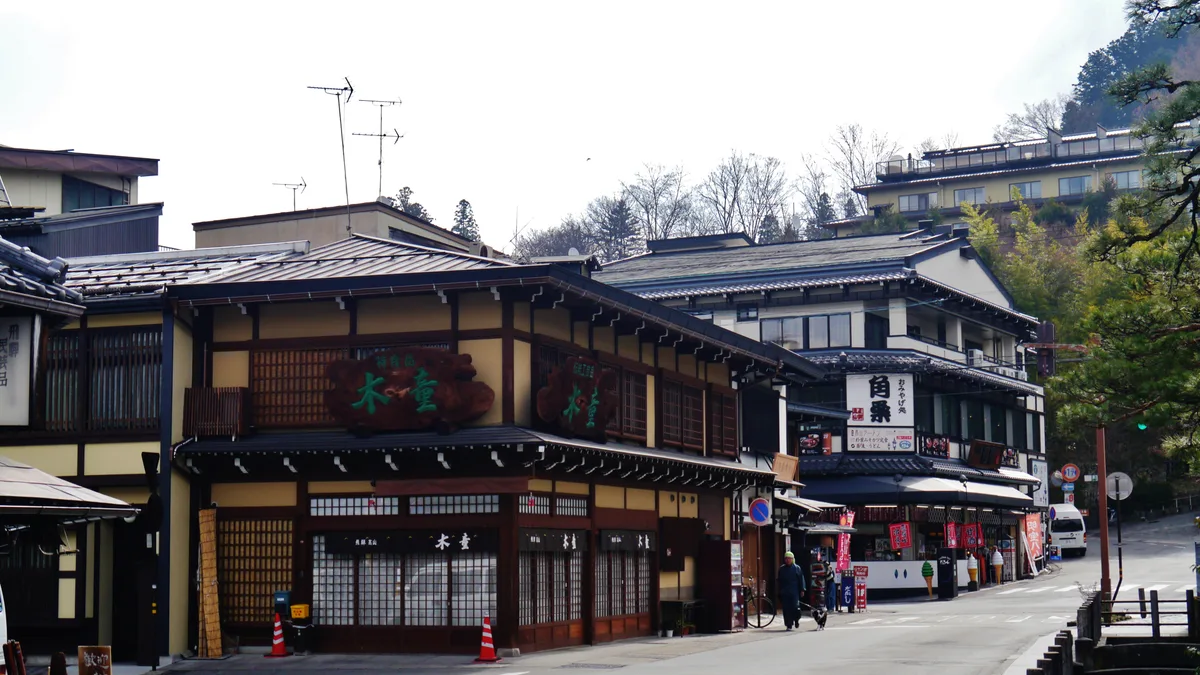
高山 — 博物館にならなかった古い町並み
飛騨高山の古い町並み(さんまち)、宮川・陣屋前の朝市、唯一現存する代官所・高山陣屋。観光のために作られた町ではなく、今も格子の奥で人が暮らし造り酒屋が酒を醸す、生きた城下町。白川郷へのアクセスや祭りの時季まで、やさしくご案内します。
Takayama Old Town (Sanmachi)
11分· 6チャプター
出かける前に歩きながら
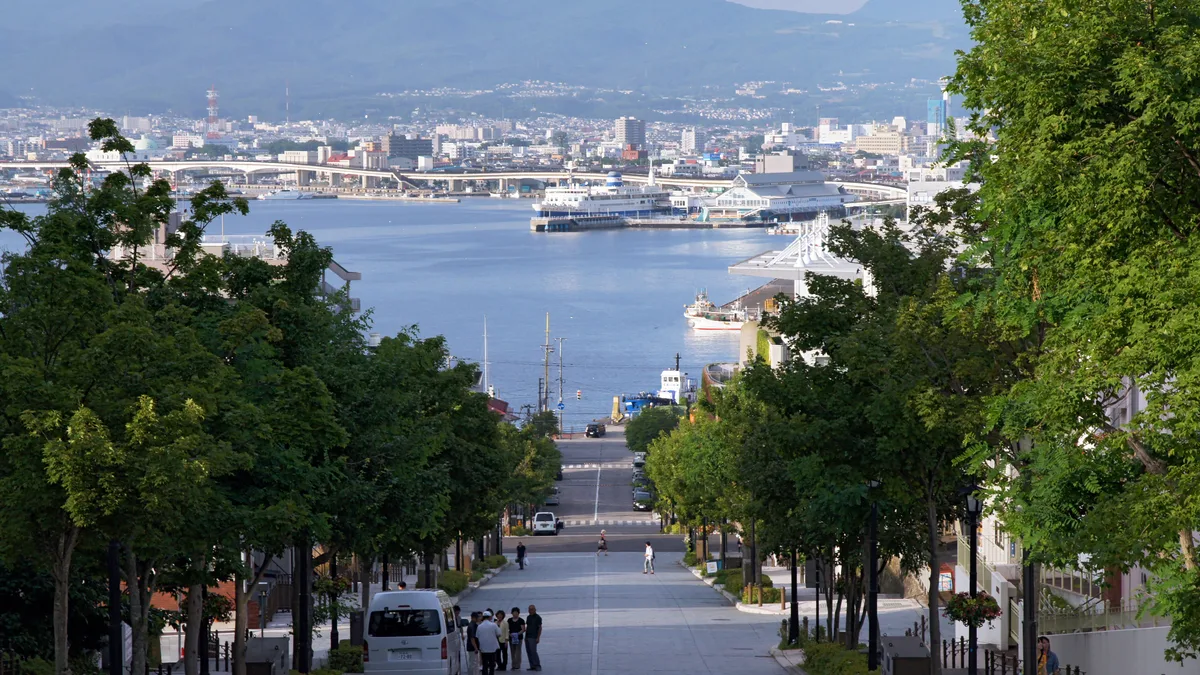
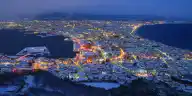
函館 — 日本が世界へ開いた、北の扉
函館の音声付き文化ガイド。1854年に世界へ開いた北の港を、地形がつくる砂時計形の夜景、朝市の勝手丼や活イカ、多くの信仰が集う元町の坂、星形の五稜郭から読み解き、訪れ方まで案内します。
Hakodate
11分· 6チャプター
出かける前に歩きながら
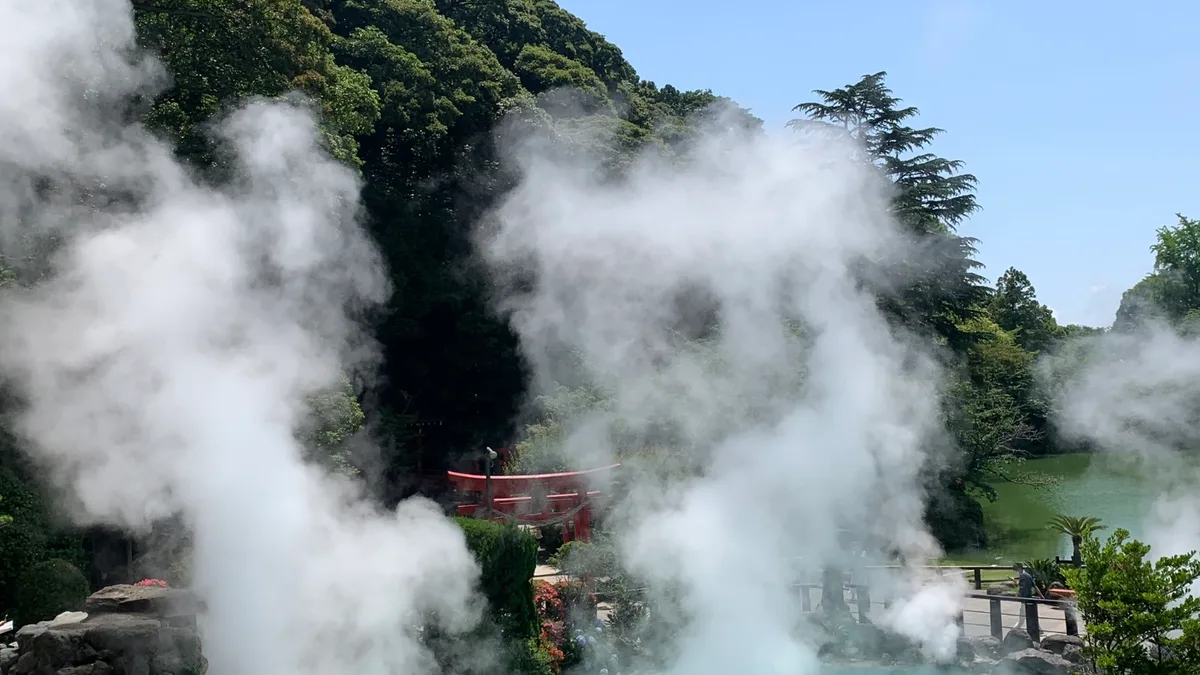
足の下で大地が煮え立つ町、別府温泉
別府は行く価値がある?旅行者102人の声を重みづけすると46%が「温泉と煮え立つ町に価値がある」と答え、44%は「何を求めて来たか次第」、日本人の評価は72%とずっと温かい結果に。入らずにながめる七つの地獄、湯けむりで蒸す卵、砂湯、別府八湯まで、音声ガイド付きでやさしく案内します。
Beppu Onsen (Kannawa)
9分· 6チャプター
出かける前に歩きながら
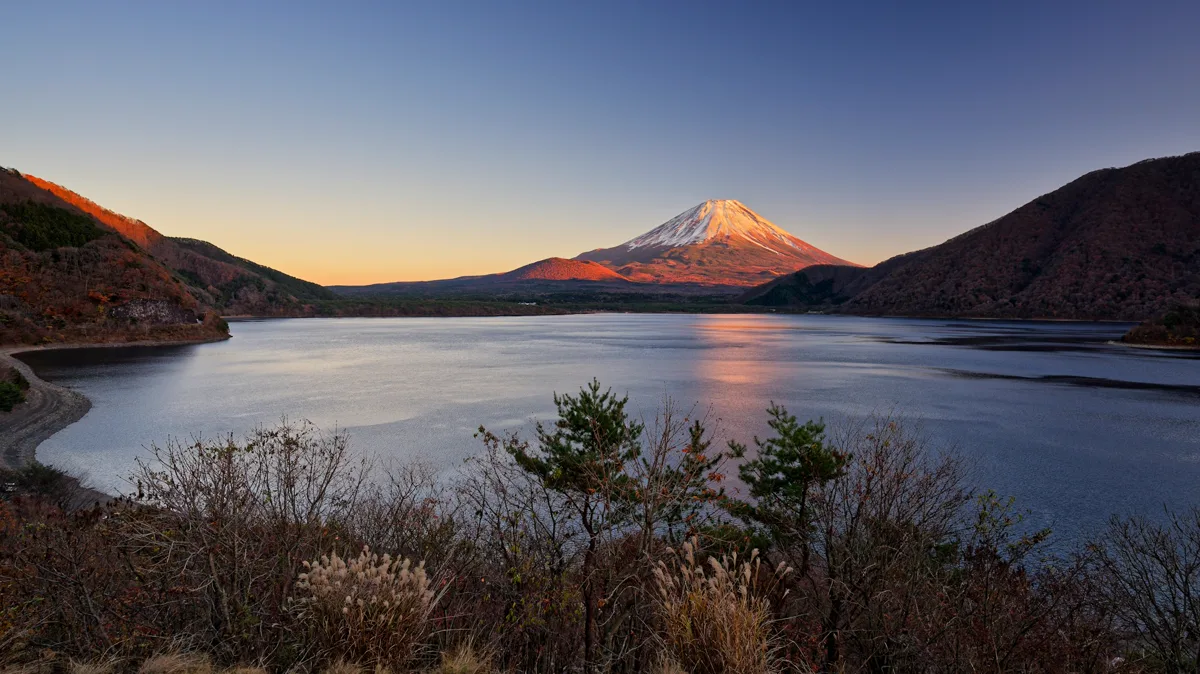
富士山を訪ねる、一年の半分は隠れている山
富士山は見に行く価値がある?旅行者53人の声を重みづけすると36%が「くっきり見えて忘れられなかった」、日本人の評価はさらに温かく64%。富士五湖、登らずに行ける五合目、短い登山シーズンまで、音声ガイド付きでやさしく案内します。
Mount Fuji
旅の前に読んでおきたい記事


ほかのプランと組み合わせる
情報源
- JR-West(公式)、北陸新幹線の線(長野〜金沢、東京〜金沢2時間28分)
- JR-West(公式)、北陸片道きっぷ(2024年以降の金沢〜敦賀〜京都の経路)
- JR-Central(公式)、京都への東海道新幹線(シンプルな直通版)
- Smart-EX(JR-Central/JR-West 公式)、新幹線の予約と運賃
- 小田急電鉄(公式)、箱根へのロマンスカー
- JNTO(公式)、IC旅行カード(相互利用と制限)
- JNTO(公式)、日本のお正月(休業、初詣)
- JNTO(公式)、蔵王樹氷まつり
- 地獄谷野猿公苑(公式)、スノーモンキー公園へのアクセス
- 地獄谷野猿公苑(公式)、冬の営業時間・入園料・サルが湯に浸かるわけ
- VISIT KANAZAWA(公式)、兼六園・雪吊りと冬の開園時間
- HOKKAIDO LOVE!(北海道公式観光)、さっぽろ雪まつり
- さっぽろ雪まつり(公式)
- 白川郷の冬のライトアップ、観光協会(japan-guide.com 経由)
- japan-guide.com、長野と北陸新幹線(東京〜長野)
- japan-guide.com、東京の冬のイルミネーション(展示ごとの期間)
- japan-guide.com、いつ旅するか(冬の取捨、街なかの雪)
- LIVE JAPAN、季節ごとの富士山の見えやすさ
- LIVE JAPAN、銀山温泉の冬の日帰りルール
- Japan Experience、冬のいちばんの露天風呂(雪見風呂)
- In-Kanazawa、金沢の冬のズワイガニ(近江町の加能ガニ/香箱ガニ)