
This page is also available in English.Read in English →
이 페이지는 한국어로도 읽을 수 있습니다.한국어로 읽기 →
這個頁面也有繁體中文版。閱讀繁體中文版 →
这个页面也有简体中文版。阅读简体中文版 →
หน้านี้มีภาษาไทยด้วยอ่านภาษาไทย →
Trang này cũng có bản tiếng Việt.Đọc bằng tiếng Việt →
Halaman ini juga tersedia dalam Bahasa Indonesia.Baca dalam Bahasa Indonesia →
Cette page existe aussi en français.Lire en français →
Diese Seite gibt es auch auf Deutsch.Auf Deutsch lesen →
Esta página también está disponible en español.Leer en español →
Questa pagina è disponibile anche in italiano.Leggi in italiano →
日数
4日(松本、高山、金沢への道すがら白川郷、金沢)— 関東と関西をつなぐ、移動しながら回る区間
ベストシーズン
春の桜も秋の紅葉もすてきですが、冬こそアルプスらしさが際立ちます。茅葺き屋根に積もる雪、夜のライトアップ、そしてスノーモンキー。冬は寒く、いくつかのダイヤも変わるので、少しだけ手間がかかります
拠点
拠点はひとつに定めません。町から町へと移っていきます。松本で一泊、高山あたりで一泊か二泊、そして金沢へ。白川郷は道すがらの立ち寄り、あるいは特別な一夜です
移動手段
タッチではなく、予約した席で。両端は特急、山越えは予約制の高速バス。ここではICカードはほとんど活躍しません。前もって予約する地域です
このプランが合う人
- 初めての日本よく合う
- リピーターぴったり
- 子ども連れよく合う
- ひとり旅ぴったり
- ふたり旅ぴったり
- ゆったりペースよく合う
行く時期Apr–Nov
Green valleys and old towns from spring through autumn; Shirakawa-go under snow is a special winter trip in its own right.
中部は、日本のゆっくりとした「まんなか」。本州のちょうど真ん中、山の連なる一帯にあって、東京側とも京都・大阪側とも、旅の組み立て方がまるで違います。関東や関西はICカード一枚で動けますが、日本アルプスは席の予約が前提です。行きは指定席の特急、帰りは新幹線、その間は峠を越える予約制のバスで、古い城下町、面影を残した商家の町、茅葺きの山里、そして海辺の庭園の街をつないでいきます。私なら、ゆったりめの4日間で組みます。一か所に腰を据えるのではなく、毎日少しずつ移動していく。まず松本、次に高山、そして金沢へ。白川郷は、高山から金沢へ向かう途中に組み込みます。
先に言っておくと、都市部のように気軽には動けません。山を越えるバスのいくつかは前もって予約が要りますし、ある有名な村には電車がまったく通っていません。でも、それがこの土地のありがたいところでもあります。少し計画が要るぶん、急ぎ足で押し寄せる人がずっと少なく、町はしずかで、そのままの姿を保っているのです。私ならどう動くか、どの席を予約するか、どこに泊まるかをこれから並べていきますので、ご自分の旅に合うように、自由に組み替えてください。
拠点をどこに置くか
ここは、ひとつの拠点というやり方が本当にうまくいかない唯一のブロックです。町は一か所に集まっておらず、山あいに点々と散らばっています。私ならルートに沿って動き、町ごとに一泊ずつ泊まります。うれしいのは、ここの町はどれも小さくて歩いて回れること。だからどこに着いても、朝はのんびりと過ごせます。
松本では、コンパクトな中心部のどこに泊まっても大丈夫です。 城も中町・縄手の古い通りも駅も、歩いて回れる範囲に収まっています。松本城も駅から歩いてすぐ。あずさの特急で夜おそく着くなら駅の近くが一番かんたんですし、城のそばに泊まれば古い城下町の趣がより味わえます。どちらにしても、朝はゆっくり歩いて出られます。
高山では、駅と古い町並みのあいだを拠点にします。 松本や白川郷、金沢との行き来をする山越えバスがすべて発着する濃飛(のうひ)高山バスセンターは、駅のすぐ隣にあります。そして高山の三町(さんまち)の古い通りは、川を渡って東へ数分歩いたところ。駅のそばに泊まれば、バスの乗り継ぎがすぐです。古い町並み側の部屋なら、日帰り客が来る前の朝、朝市のそばで早めの散策ができます。ふたつは十分に近いので、どちらでもうまくいきます。
金沢では、駅か中心部かの選択になります。 白川郷行きのバス、北陸新幹線、そして周遊バスはどれも金沢駅から出るので、駅のそばに泊まれば、着くのも次へ移るのも楽です。ただ、庭園、城、古い町並みは、街のまんなかへバスで少し行ったところにあります。朝、歩いて名所へ向かいたいなら、香林坊・片町あたりに泊まれば、兼六園も茶屋街も歩いて行けます。どちらもよいですし、周遊バスが15分ほどごとに両方をつないでいます。
白川郷には、ひとつすてきな選択肢があります。 通り過ぎる必要はないのです。荻町(おぎまち)の茅葺きの合掌造りの民家のうち、いくつかは宿泊客を受け入れていて、そこに泊まることこそが旅ぜんぶを計画する理由になる人もいます。日帰りのバスが去ったあと、村はしずかになり、何百年も立ち続けてきた家のなかで、囲炉裏のそばで眠るのです。そうした部屋はほんの二十いくつしかないので、ずっと先まで予約で埋まります。空きがあって心が動いたなら、私なら迷わず押さえます。もし取れなくても、高山と金沢が気軽な拠点になり、白川郷は道すがらの立ち寄りになります。
金沢
バス約75分白川郷
バス約50分高山
バス約2時間20分松本
移動ときっぷ
先に大事なところを言います。アルプスは、東京や京都で慣れ親しんだ「タッチしてすぐ乗る」リズムでは回りません。このブロックは予約した席で動きます。両端は指定席の列車、そして中ほどは山を越える予約制の高速バス。ICカードはローカル線では使えますが、この区間の肝心なところでは使えません。
山越えのバスがこの行程の軸で、いくつかは事前予約が要ります。 山脈を越える区間は三つあります。松本→高山、高山→白川郷、そして白川郷→金沢。これらは列車ではなく高速バスなので、ICカードをタッチして乗ることはできません。予約した、あるいは買ったきっぷを持って乗ります。松本〜高山のバスは2024年から予約制のみになり、白川郷〜金沢の便もほとんどが予約制です。私なら空席を期待せず、前もって予約しておきます。紅葉や雪のシーズンには満席になるからです。そして前もって知っておく価値のあることがひとつ。白川郷にはそもそも電車がまったく通っていないので、バスが唯一の交通手段です。私なら、日程が決まったら運行会社自身のサイト(濃飛バスの高速バスサイト、または Japan Bus Online)から予約します。
ICカードがまだ役立つところ: SuicaやICOCAは松本や金沢あたりのローカルなJR線ではきちんとタッチできるので、無駄ではありません。ただそれ用に取っておいて、バスではあてにしないこと。覚えておきたい制約が二つ。ICカードだけでは新幹線に乗れません(別にきっぷが要ります。北陸新幹線は Smart-EX ではなく Eki-net で予約します)、スノーモンキーへ向かう長野の小さな路線は現金のみです。私なら山あいでは全般に現金をいくらか持ち歩きます。田舎の窓口や、こういった小さな路線のためです。
レールパスは要るのか。 たぶん要りますが、その答えは、どちらから入ってどちらから出るかで変わります。このループの西半分のために作られた唯一のパスが高山・北陸エリアツーリストパス(5日間パス)で、高山・白川郷・金沢のあいだの濃飛/北鉄の山越えバスを実際にカバーする唯一のパスです(バスの席は別に予約します。パスが予約してくれるわけではありません)。ただし松本までは使えません。ですから松本〜高山のバスは、どうであれ別のきっぷのままです。松本から金沢までを一枚でまかなえるパスは、実はありません。だから私なら、旅にパスを合わせるのであって、その逆にはしません。現在の価格はファクトボックスにあります。
町のなかでの移動は、ほとんど徒歩です。高山の古い町並みは駅から徒歩5分、歩いて楽に回れます。外れの名所のために小さな市内周遊バスもあるので、使いたければどうぞ。金沢の名所はもっと散らばっていて、庭園は駅から数キロ離れているので、そこでは私なら金沢周遊バス(ループバス)を頼りにします。そしてICカードが使えるかどうかは公式ページどうしでも本当にまちまちなので、一日乗車券を買うか、小銭を用意しておきます。ファクトボックスの両方に数字があります。
松本 — アルプスの下の黒い城
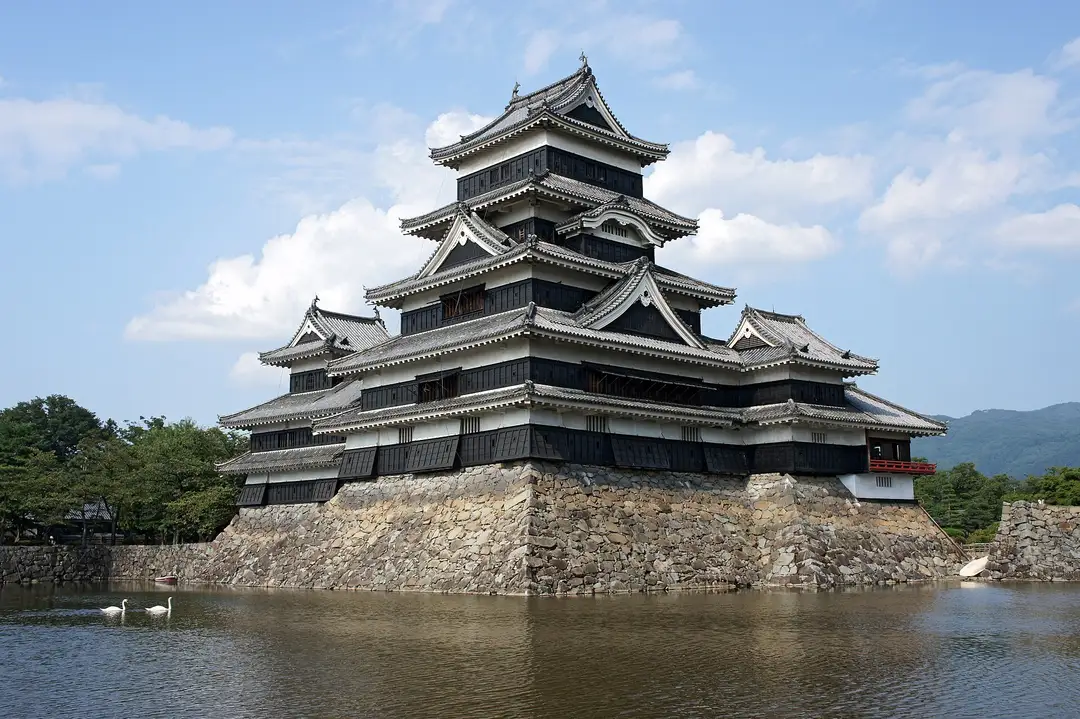
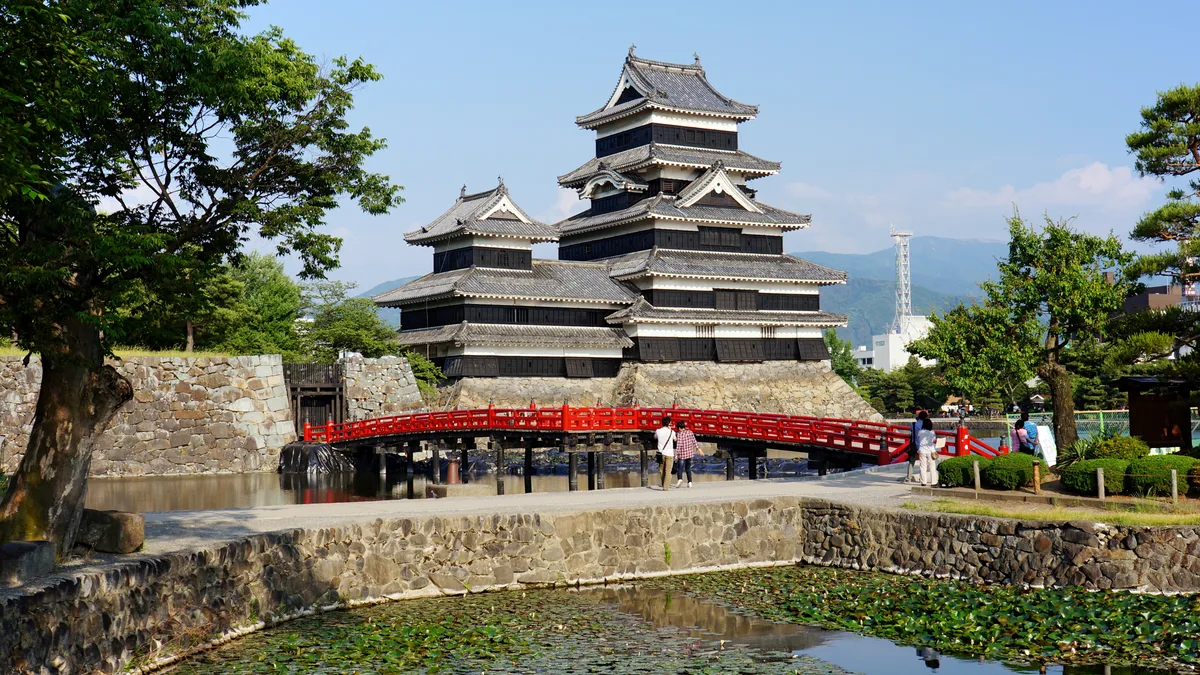
私なら松本から始めます。ここから入ると、山あいに無理なく馴染めるから。北アルプスを背にして立つ、小さくて歩ける町。その中心には、日本に十二だけ残る現存天守のひとつがあります。松本城は本物の天守です。黒壁で、築四百年、一度も焼けず、コンクリートで建て直されたこともない。その下に立つと、復元の下に立つのとは違って感じられます。目の前の木材が、四百年ここにあり続けたものだからです。私なら午後を城とお堀にあてて、それから光がやわらぐころ、中町と縄手の古い通りへと流れていきます。初日はゆるやかに。それがちょうどいいのです。着いて、歩みをゆるめると、旅の調子が変わります。
- 午後東京からあずさで到着多くの人は新宿からJRの特急あずさで来ます。中央線を山あいへとのぼる、二時間半ほどの旅です。出かける前に片づけておきたいことがひとつ。あずさは全席指定の列車なので、ICカードだけでは席を確保できません。指定席のきっぷを予約します(Eki-net が簡単です)。時刻と運賃はファクトボックスに。松本駅からは、主な見どころがどれも歩いてすぐです。
- 15:00松本城、その本物駅から城まで、平坦な道を徒歩15分(あるいは周遊バスでひと乗り)。まずお堀をぐるりと回ると、黒い天守が背後のアルプスとともに水面に映ります。それから中の急な現存の階段をのぼります。太平の世に増築された月見櫓を探してみてください。戦うための城に、月をながめるためだけの部屋があるのです。くわしくは、松本城のガイドへ。
- 夕方中町と縄手の通り城から歩いて、古い商家町の中町には白壁の土蔵が残り、川沿いの小さな縄手通りにはカエルの像と小さなお店が並びます。灯りのともる通りを、気ままに歩いて一日を終えます。乗りものはなし、ただ古い町を歩くだけ。
高山 — 江戸の町並みが残った町
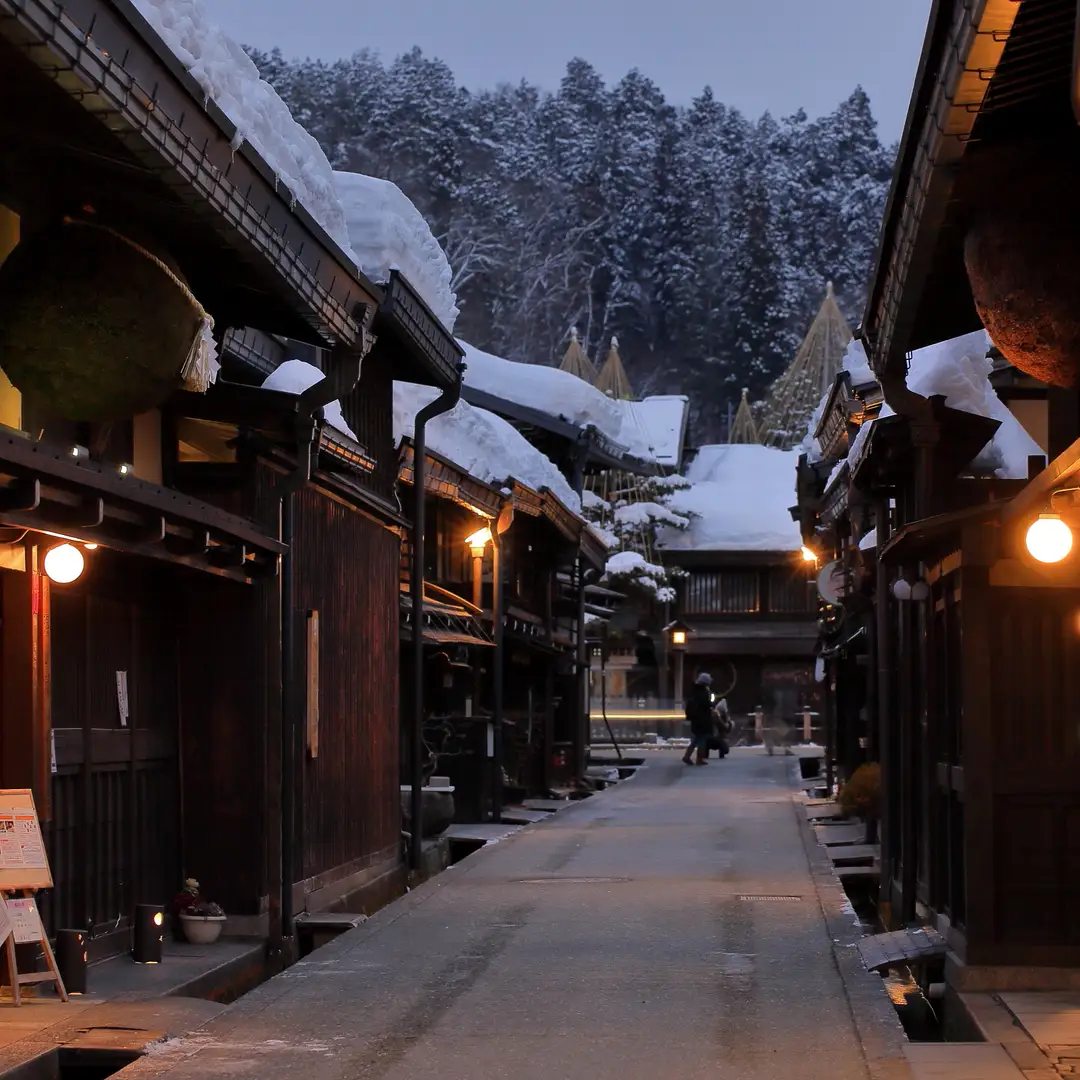
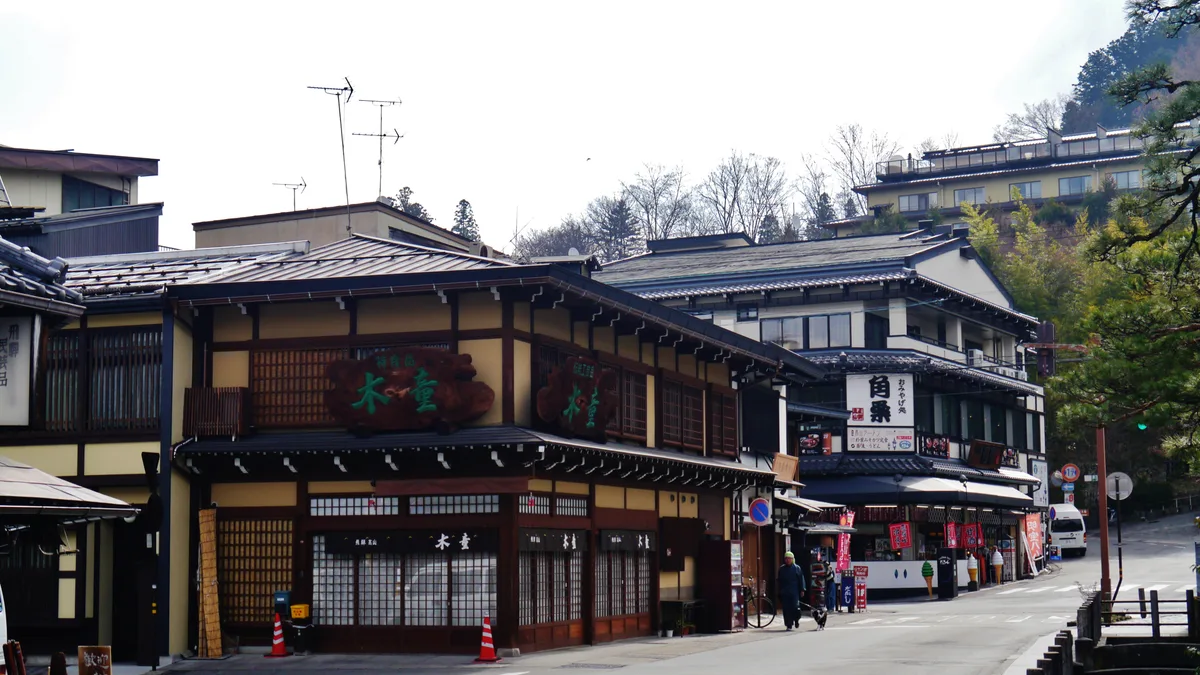
今日は日本の中央山地を越えます。松本からのバスは峠を越えて飛騨高山へとのぼり、山とトンネルの二時間ほどのあと、江戸の面影が残る町に着きます。黒い木造の商家、軒先に杉玉を吊るした酒蔵、その技で京都まで社寺を建てた大工たち。高山は、それを気負わずに受け継いでいます。私なら午前を川沿いの朝市で過ごします。地元の生産者が営む屋台が並び、時間の流れはゆったりしています。午後は三町の古い通りをゆっくり歩いて過ごします。古い町並みがそのまま残る場所には、ほっとするあたたかさがあります。
- 08:00バスで山を越えて濃飛/アルピコの高速バスが松本駅のそばから高山バスセンターへと走ります。平湯温泉を経由して山脈を抜ける、二時間十五分ほどの道のりです。これは指定席のバス(そして2024年から予約制のみ)なので、私なら当日ふらりと行かず、前もって席を予約します。車内でICカードをタッチすることはできません。運賃と予約はファクトボックスに。もし季節運行のバスが旅行日に走っていなければ、全区間鉄道での代替は、松本から名古屋へ下り、特急で高山へのぼり直すルート。南へ本当に遠回りになるので、これは第一候補ではなく、あくまで最後の手段です。
- 昼近く三町の古い町並みと酒蔵三町の古い通りは、宮川を渡って駅の東へ徒歩5分。黒い木造の通りには酒蔵(吊るされた杉玉は新酒ができたしるし)、工芸品店、小さなカフェが並びます。ここは歩く町。乗りものは要りません、ただ歩きましょう。くわしくは、高山のガイドへ。
- 午後川沿いの朝市(早起きなら)と高山陣屋高山の朝市は宮川沿いと、古い陣屋のそばに立ちます。朝に間に合えば、地元の農家が並ぶ屋台に、この町らしさが一番よく出ています。すぐ近くの高山陣屋は、江戸時代の代官所として日本で唯一現存するものです。朝市の時間や入場料は、高山のガイドに載せています。
白川郷から金沢へ — 茅葺き、そして庭園の街
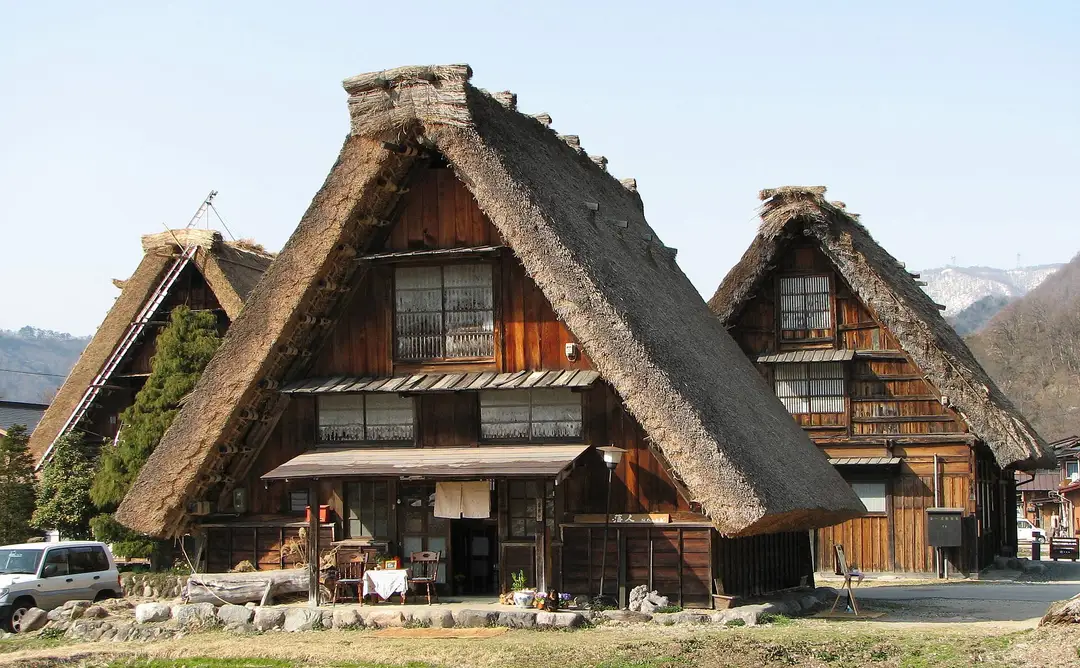
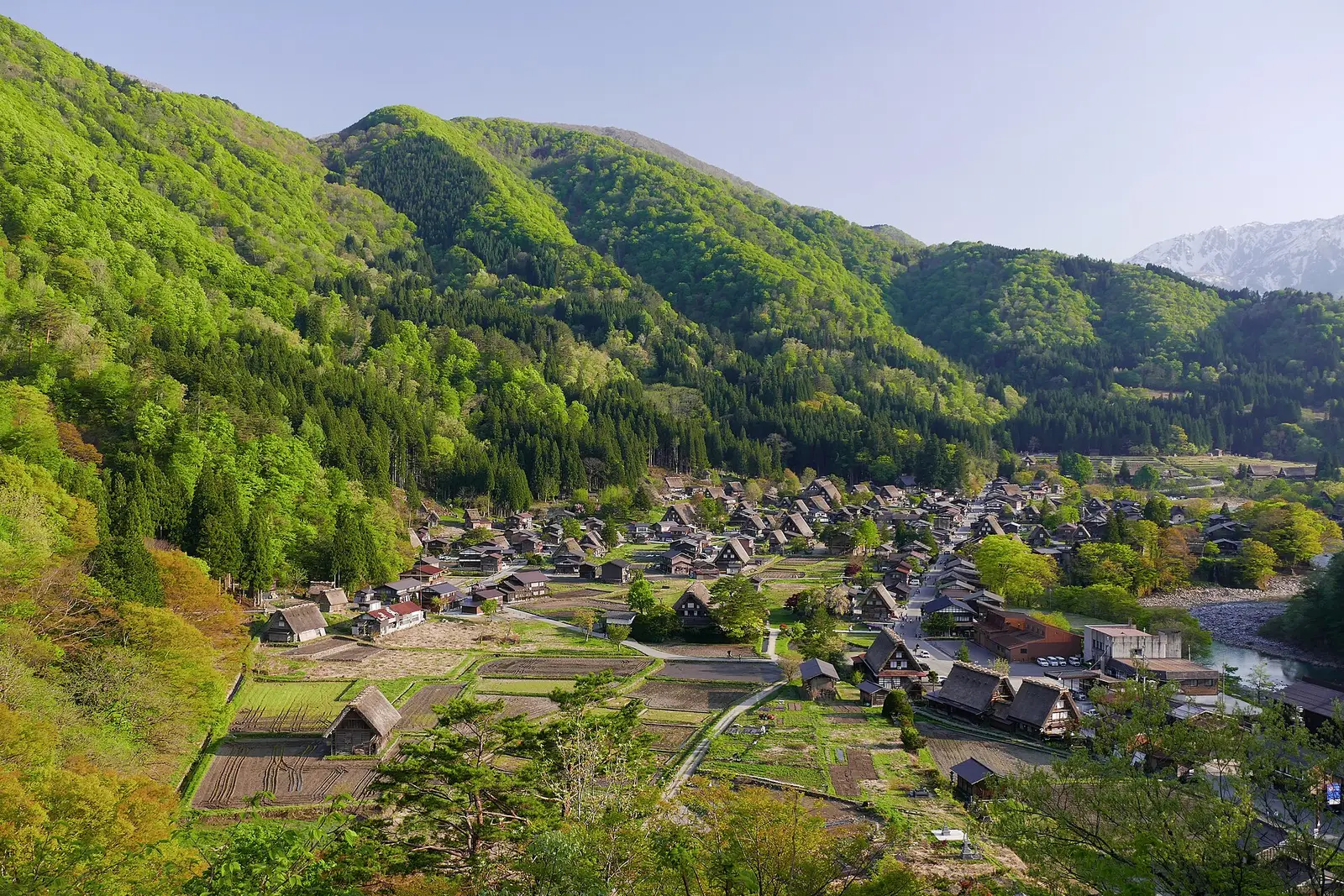
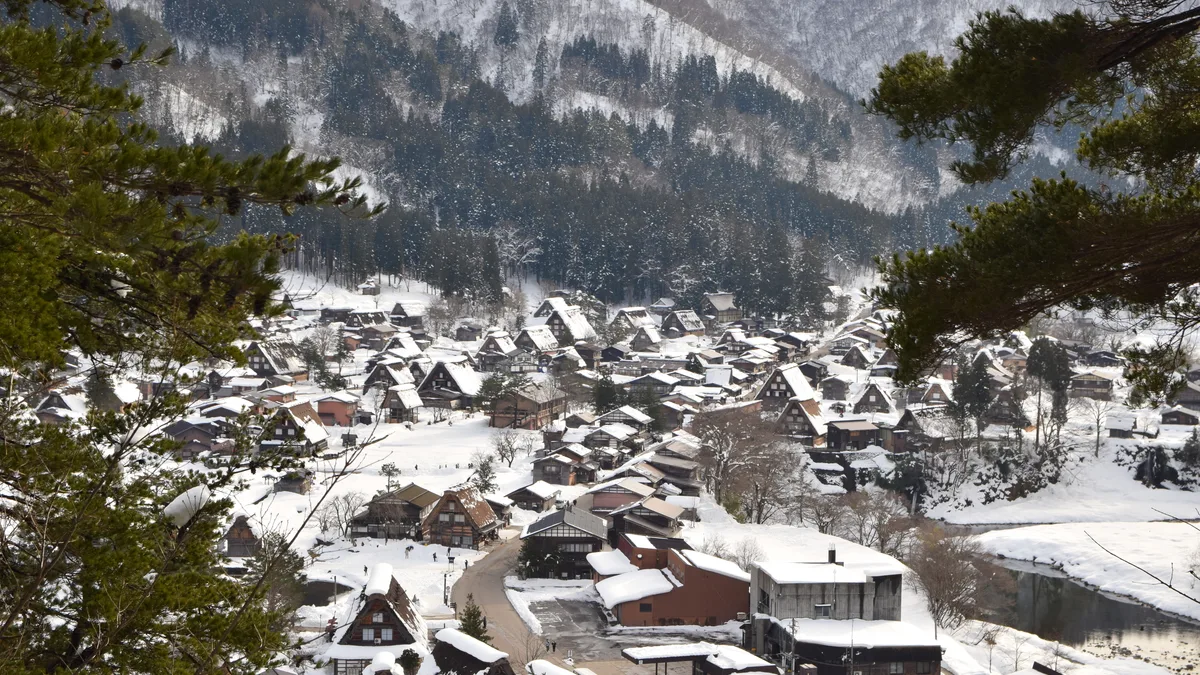
高山から北へ短いバスに乗ると、多くの人が日本に着く前から心に抱いている風景のひとつにたどり着きます。白川郷。急勾配の茅葺き合掌造りの民家が谷に並び、その屋根は、深い雪を落とすために合わせた両手のように傾いています。ここで心に留めておきたいのは、これが生きている村だということ。人々は今も、この家々で農業を営み、暮らしています。野外博物館ではないのです。だから私は、人の住む家の前を通らせてもらう気持ちで、そっと通りを歩き、公道を外れないようにします。それから午後、もう一本のバスに乗って山を下り、金沢へ向かいます。ここは、その古い富を戦ではなく庭園と金箔に注いだ街。種類の違う静けさを、一日で二つ味わえます。
- 09:00バスで高山から白川郷へ濃飛バスが高山バスセンターから白川郷まで、五十分ほどで走ります。白川郷には鉄道がないので、このバスが唯一の行き方です。多くの便が予約制になるので、紅葉と雪のシーズンには前もって予約します。車内でのICタッチはなし。運賃と予約はファクトボックスに。
- 10:00荻町の村と展望台バスは中心の村、荻町のはずれに停まり、そこから民家の並ぶ通りへ気軽に歩いて入れます。上手の斜面にある城山(しろやま)展望台からは、茅葺き屋根と田んぼを見下ろす、あの定番の眺めが広がります。ここは今も人が暮らす家々なので、私は人の暮らす家の前を通らせてもらう気持ちで、公道を外れず、そっと歩きます。くわしくは、白川郷のガイドへ。
- 昼過ぎそして金沢へ白川郷から、濃飛/北鉄のバスが金沢駅まで一時間十五分ほどで下っていきます。この区間はほとんどの便が予約制になるので、これも前もって予約する席です。ICタッチはなし。運賃と予約はファクトボックスに。金沢駅に着いて、そこで一夜を過ごします。
金沢 — 庭園、金、そして古い町並み
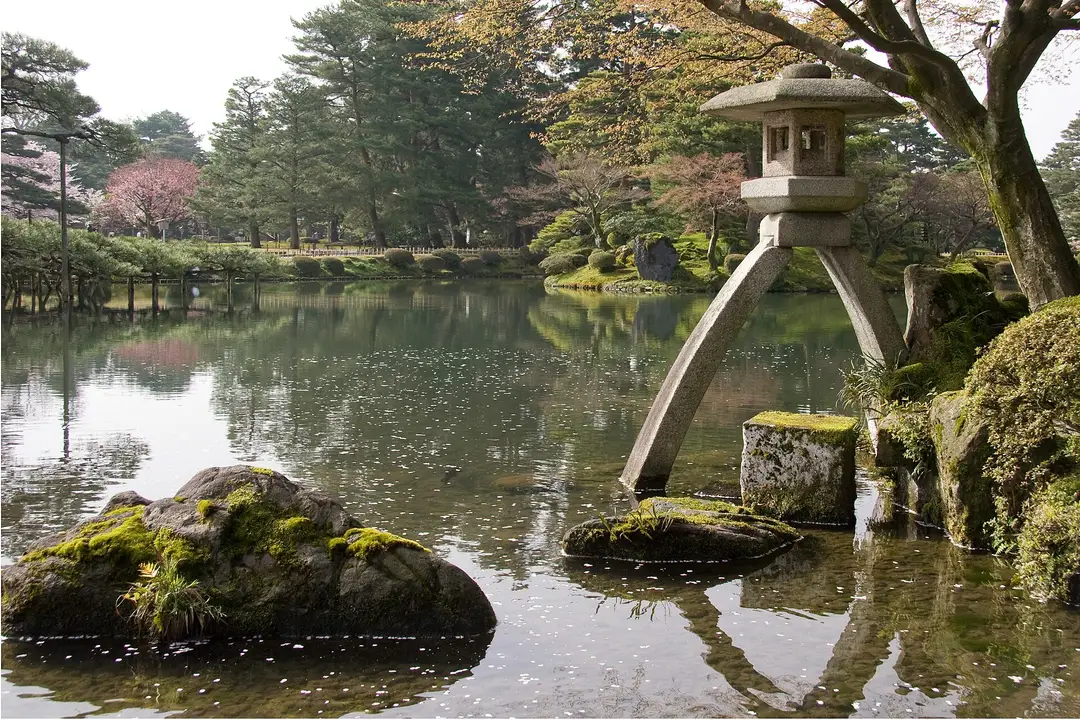
旅の締めくくりの金沢は、おだやかで雅(みやび)やかです。ここは前田の殿さまの居城でした。将軍に次いで日本一豊かな領国を治めていながら、力で誰かを押さえるのではなく、庭園や茶の湯、芝居、工芸に富を注ぎました。だからこそ、これほどの規模の街に日本三名園のひとつがあり、今なお金を食べられるほど薄い箔に打ち延ばしているのです。私なら一日を金沢にあてます。兼六園をゆっくりと一周し、そのそばの城址、東(ひがし)茶屋街の芸妓の通り、そして昼食のための市場。この先は、どちらの方面にもすんなりつながります。東の東京へ向かう北陸新幹線か、京都・大阪へ下る新しいルートへ。
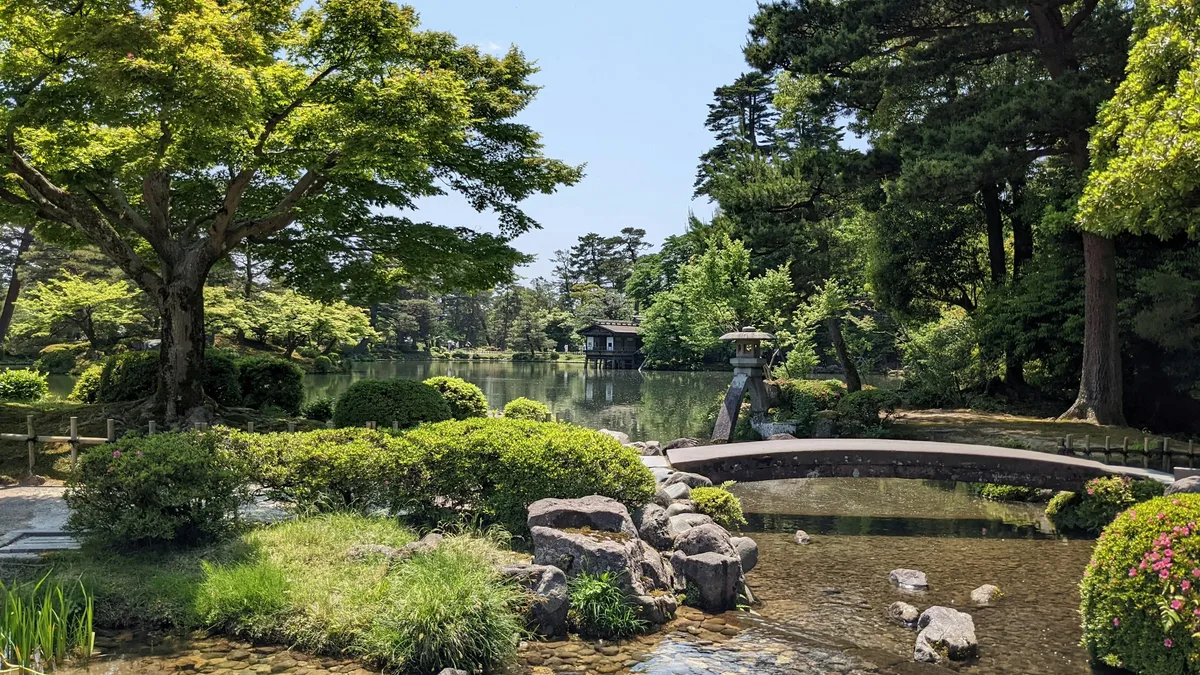
- 09:00兼六園と城址駅から金沢周遊バスが兼六園・香林坊のバス停まで15分ほどで走ります。兼六園は日本三名園のひとつで、四季をゆっくりと歩いて味わうために造られました。池のほとりの二本脚の徽軫(ことじ)灯籠が、その象徴です。城址公園はちょうど道の向かいにあります。くわしくは、金沢のガイドへ。
- 正午ひがし茶屋街と近江町市場ひがし茶屋街は木造の茶屋の店構えを残していて、なかに入れる家も何軒かあります。金箔の部屋のある一軒も。昼食には、近江町市場が何世紀ものあいだこの街の台所でした。多くの人が何かを買って、屋台のその場で食べています。周遊バスでひと乗りすれば両方をつなげます。
- 午後東へ帰るか、西へ向かうか金沢は、次の目的地へ移りやすい街です。東は、北陸新幹線が二時間半ほどで東京へ向かいます。西は、同じ路線が今は敦賀まで走り、そこでサンダーバードに乗り換えて京都・大阪へ。ICカードだけでは新幹線に乗れないのでご注意を。Eki-net で予約します。詳しくは下の早わかり表と「この先へ」をご覧ください。
もう1日あるなら
+1日もう一日あるなら、私なら二つの方向を提案します。どちらも、もう一方より「正しい」ということはありません。
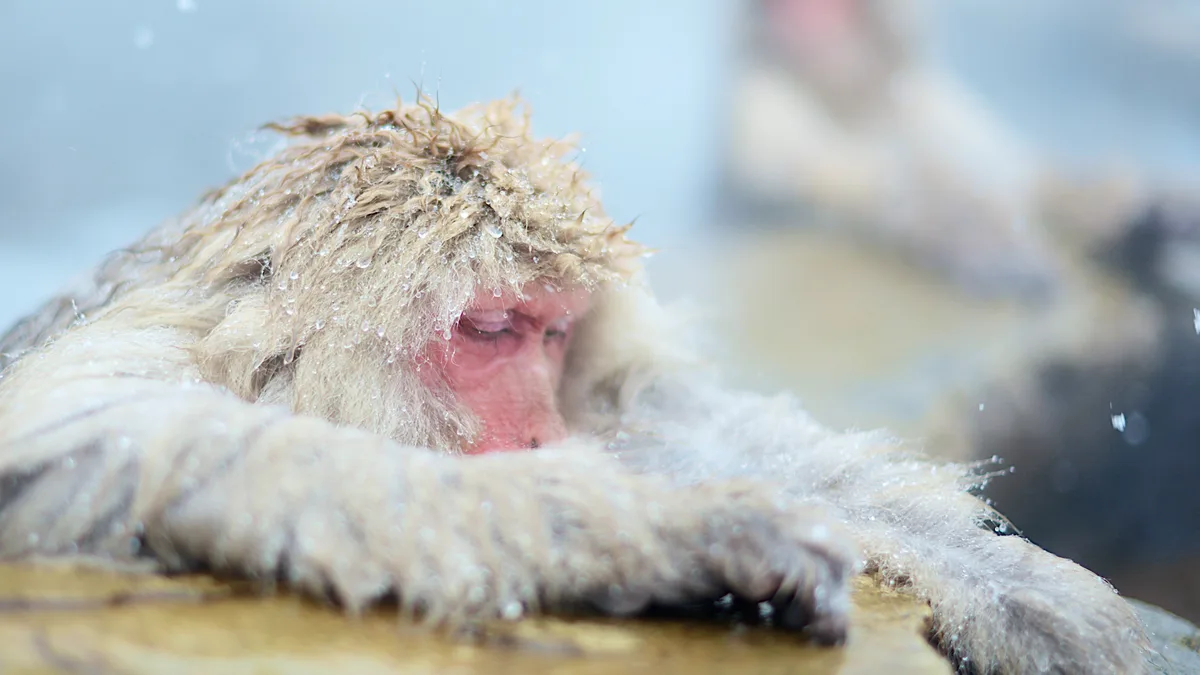
北へ、スノーモンキーを。 地獄谷の湯けむり立つ山あいの露天風呂につかる野生のニホンザルは、冬にしか見られない、忘れがたい光景です。そしてその玄関口である長野は、東京とこのブロックのあいだの北陸新幹線の停車駅なので、寄り道は旅のはじめか終わりにすっきりと収まります。長野駅からは短いローカル線(現金のみの長電)に乗り、それから谷へと森を歩いてのぼります。気をつけたいことが二つあります。サルは野生なので、どの日も見られるとは限りません。そして最後の徒歩の区間は約1.6キロ、冬は本当に凍っています。だから私は冬用のブーツを履いて、駆け足ではなく半日かけてゆっくり行きます。アクセスのメモはファクトボックスに。
あるいは、いる場所で、ただゆっくりする。 金沢にもう一日あれば、庭園も武家の長町の通りも現代アートの美術館も、急がずに回れます。高山でもう一泊すれば、野外の飛騨の里へ足をのばしたり、ただ川のそばで座ったりできます。この山あいは、数をこなすより、ゆっくり回るほうが心に残ります。気に入った町があったなら、五つめを足すより、その町にもう一日使います。
1日足りないなら
−1日時間が足りないなら、要点を落とさずに三日間に縮められます。一番かんたんな削り方は、松本を飛ばして高山から入ること。名古屋から特急ひだで直接入ります。城は失いますが、山あいの町々は残ります。あるいは、白川郷を、じっくり訪ねるのではなく立ち寄りにとどめる。高山から朝のバスに乗り、一、二時間を民家のあいだで過ごし、午後のバスで金沢へと進む。すべて一日で。おすすめしないのは、四つの町を二日に詰め込むことです。バスは峠越えに本当に時間がかかるし、三つの町をゆっくり回るほうが、慌ただしい四つより心に残ります。私なら惹かれた場所を選んで、そこにたっぷり時間を取ります。
ここから足をのばす
その先へこの区間は日本の真ん中にあるので、東西どちらへもつなげやすいです。東は、北陸新幹線が金沢から東京と関東ブロックへ、二時間半ほどで戻ります。そしてスノーモンキーの玄関口である長野が、その道すがらの停車駅です。松本側からも、あずさで東京方面へ戻れます。もし富士山があなたのリストにあるなら、それはこのループではなく、あの東京側に属します。アルプスの町々からではなく、新宿から向かうところなので、私ならここに無理に織り込もうとせず、関東ブロックに折り込みます。西は、金沢は今、北陸新幹線で敦賀まで乗り、そこで特急サンダーバードに乗り換えて京都・大阪へ向かうことで関西ブロックとつながります(この乗り換えは2024年からの新しいもの。金沢まで直通と書いている古いガイドは、情報が古いままです)。どちらの場合も、新幹線は別にきっぷが要ることを忘れずに。ICカードではタッチして乗れません。
WMJSは日本人が英語で書き、AIの力を借りて日本語にしています。日本人の目で確かめていますが、翻訳の癖が残っている文があるかもしれません。気になる一文があれば教えてください。一文で十分です。
ありがとうございます。ひとつひとつ、人が読みます。
知っておきたい、運賃と所要時間
東京(新宿)-> 松本
JR特急あずさ、中央線を約2.5時間のぼります。全席指定(E353系 — 自由席なし)なので、ICカードは基本運賃分だけをカバーし、別に指定特急券を持ちます。予約は Eki-net で。最新の運賃はJR東日本の公式検索でお調べください。
JR東日本 — 中央線特急(あずさ)座席、公式確認時点: 2026-06
松本 -> 高山(山越えバス)
濃飛バス/アルピコ交通の高速バス、平湯温泉経由で峠を越え約2時間20分。大人片道 ¥4,400。予約必須(2024年4月1日から義務化)。ICカードは使えません。highwaybus.com または濃飛の予約センターで席を予約します。グリーンシーズンと冬のダイヤは異なります。
濃飛バス — 高山・松本線(公式)確認時点: 2026-06
高山 -> 白川郷(バス。鉄道はありません)
濃飛バス、約50分。大人片道 ¥2,800。白川郷には鉄道がなく、公共交通はこのバスだけです。多くの便が予約必須で、繁忙期には満席になります。Japan Bus Online で予約を。車内ではICカードは使えません。
濃飛バス — 高山・白川郷・金沢線(公式)確認時点: 2026-06
白川郷 -> 金沢(バス)
濃飛バス/北鉄、約1時間15分で金沢駅まで下ります。大人片道 ¥2,800(高山〜金沢の通し運賃 ¥4,200)。ほとんどの便が予約必須です。Japan Bus Online で予約を。車内ではICカードは使えません。
濃飛バス — 高山・白川郷・金沢線(公式)確認時点: 2026-06
全区間鉄道の代替: 名古屋 -> 高山
JR特急ひだ(HC85系)で高山本線を約2時間20分 — 松本を飛ばす場合や、山越えバスが運行していない場合の入り方です。指定席と自由席あり。最新の運賃はJR東海の公式検索でお調べください。
JR東海(東海旅客鉄道)— 公式確認時点: 2026-06
金沢 -> 東京(北陸新幹線)
北陸新幹線 — かがやき(最速、全席指定)は約2時間28分で東京へ。はくたかは少し遅く、自由席のある車両もあります。金沢からICカードでは新幹線に乗れません(タッチでGoのICサービスは東京〜上越妙高間のみ)。紙のきっぷか Eki-net を使い、Smart-EX は使いません。最新の運賃は公式検索でお調べください。
JR西日本 — 北陸新幹線(公式)確認時点: 2026-06
金沢 -> 京都/大阪(2024年から、乗り換えあり)
北陸新幹線が2024年3月16日に敦賀まで開業して以来、サンダーバードは金沢まで直通しなくなりました。北陸新幹線で敦賀まで乗り、そこで(同一ホームで接続時刻を合わせて)特急サンダーバードに乗り換えて京都・大阪へ。合計で約2.5時間です。両区間とも指定席。通し運賃はJR西日本の公式検索でお調べください。
JR西日本 — 北陸新幹線/敦賀延伸(公式)確認時点: 2026-06
高山・北陸エリアツーリストパス
JR西日本の訪日外国人向けパス、連続5日間、大人 ¥19,800/子ども ¥9,900。高山・白川郷・金沢のあいだの濃飛/北鉄の山越えバスをカバーする唯一のパス(バスの席は別に予約します)で、名古屋〜高山〜富山〜金沢〜関西エリアのJRも使えます。松本までは届かないので、松本〜高山のバスは別のきっぷのままです。
JR西日本 — 高山・北陸エリアツーリストパス(公式)確認時点: 2026-06
金沢周遊バス&1日フリー乗車券
北鉄の金沢周遊バスは、駅から名所を15〜20分ごとに巡ります。1回乗車 大人 ¥220/子ども ¥110、または金沢1日フリー乗車券 大人 ¥800/子ども ¥400(路線バスも使え、名所での割引つき)。周遊バスでのICカード対応は公式ページどうしでまちまちなので、一日乗車券か小銭のどちらも確実に使えます。
北陸鉄道(北鉄)— 金沢周遊バス(公式)確認時点: 2026-06
高山: 徒歩、またはさるぼぼ周遊バス
高山の古い町並みは駅から徒歩約5分、歩いて楽に回れます。外れの名所(飛騨の里)へは、さるぼぼ周遊バスが1回乗車 ¥100、または1日フリー乗車券 ¥500。小さなローカルの周遊バスではICタッチは保証されないので、小銭か1日乗車券でどうぞ。
飛騨高山公式観光/濃飛バス(高山市内線)確認時点: 2026-06
長野からスノーモンキー(地獄谷)へ
長野駅から、長電の「スノーモンキー」急行バス(約40〜45分)か、長野電鉄の電車で湯田中まで(約45分)+路線バス(約10分)。そこから公園まで1.6キロ・約30〜35分の上り坂の森歩きです。長電の路線は現金のみ。スノーモンキーパスは、電車・路線バス・公園入園をまとめています。通年営業。サルが必ず見られるとは限らないので、公園の最新情報をご確認ください。
Go! NAGANO(公式・長野旅行ガイド)+地獄谷野猿公苑 公式確認時点: 2026-06
もっと深く知る
11分· 6チャプター
出かける前に歩きながら
松本城 — 戦のために建てられた砦に、なぜ月を見るための部屋があるのか
松本城は現存12天守のひとつ、再建ではない本物の黒い木造天守。戦のための砦に、なぜ月見櫓という戦わない部屋が継ぎ足されたのか — 平城と水堀、北アルプス、急な階段の登り方を、開場時間・料金・行き方とともにやさしく案内します。
Matsumoto Castle
7分· 5チャプター
出かける前に歩きながら
高山 — 博物館にならなかった古い町並み
飛騨高山の古い町並み(さんまち)、宮川・陣屋前の朝市、唯一現存する代官所・高山陣屋。観光のために作られた町ではなく、今も格子の奥で人が暮らし造り酒屋が酒を醸す、生きた城下町。白川郷へのアクセスや祭りの時季まで、やさしくご案内します。
Takayama Old Town (Sanmachi)
10分· 5チャプター
出かける前に歩きながら
白川郷を訪ねる、今も誰かが暮らす茅葺きの村
白川郷は行く価値がある?海外からの旅行者120人の声を見ると、多くは「タイミング次第」、がっかりしたのは16人に1人だけ。バスでのアクセス、展望台、ライトアップ、ベストな時間帯まで、音声ガイド付きでやさしく案内します。
Ogimachi, Shirakawa-go
11分· 6チャプター
出かける前に歩きながら
金沢 — 富を軍備でなく、庭と金箔に変えた城下町
加賀百万石の前田家は、富を軍備ではなく庭・金箔・工芸に注いだ。兼六園や金沢城、長町、ひがし茶屋街を「戦わないと決めた藩がお金で何をしたか」という視点で歩く金沢ガイド。開園時間・入園料・早朝無料時間・新幹線でのアクセスなど実用情報も。
Kanazawa
10分· 5チャプター
出かける前に歩きながら
地獄谷スノーモンキーパークを訪ねる 猿が湯につかるのは寒い時季だけ
地獄谷スノーモンキーパークは行く価値がある? 声を集めて重みづけすると、38%が「ハイライトだった」と書いています。日本人の地元の人自身の評価はさらに温かく64%です。野生の猿が湯につかるのは寒さをしのぐためで、もっとも寒い十二月から二月に限られます。道のり・時間、そして避けられる季節の失敗まで、音声ガイド付きでご案内します。
Jigokudani Yaen-koen (Snow Monkey Park)
9分· 6チャプター
出かける前に歩きながら
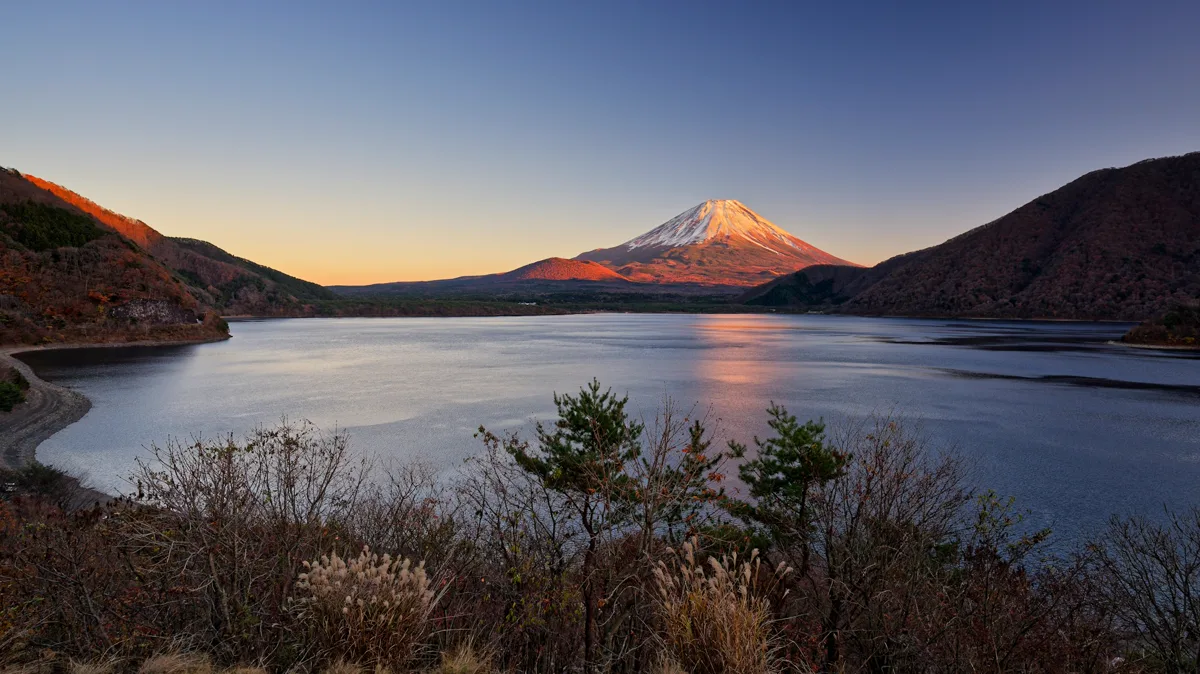
富士山を訪ねる、一年の半分は隠れている山
富士山は見に行く価値がある?旅行者53人の声を重みづけすると36%が「くっきり見えて忘れられなかった」、日本人の評価はさらに温かく64%。富士五湖、登らずに行ける五合目、短い登山シーズンまで、音声ガイド付きでやさしく案内します。
Mount Fuji
旅の前に読んでおきたい記事


ほかのプランと組み合わせる
東京とその周辺、ゆったり過ごす数日
首都と、その日帰り旅 — 古い町の東京、海辺の鎌倉、山の日光 — を、心地よいペースで
関西、気軽な数日間
日本の古い心——京都・奈良・大阪——を、心地よいペースで
北海道、ゆったりの数日間
日本のフロンティア、北の大地。札幌と小樽、ラベンダーの丘か雪か、湯けむりの温泉の谷、そして函館。急がない、季節に導かれるペースで
日本のお城と、石垣が覚えていること
お城好きが実際にどう旅するか。お城の読み方を教えてくれる、大阪から四国への巡礼
冬の日本、雪、温泉、そして光
東京のいちばん澄んだ空気から雪国へ、そして京都の静けさへと下る、西向きの一本の線。日本の冬を愛する人たちが読むように読んでみてください。ここでは寒さが旅の代償ではなく、この季節ぜんぶが奏でられる楽器なんです