
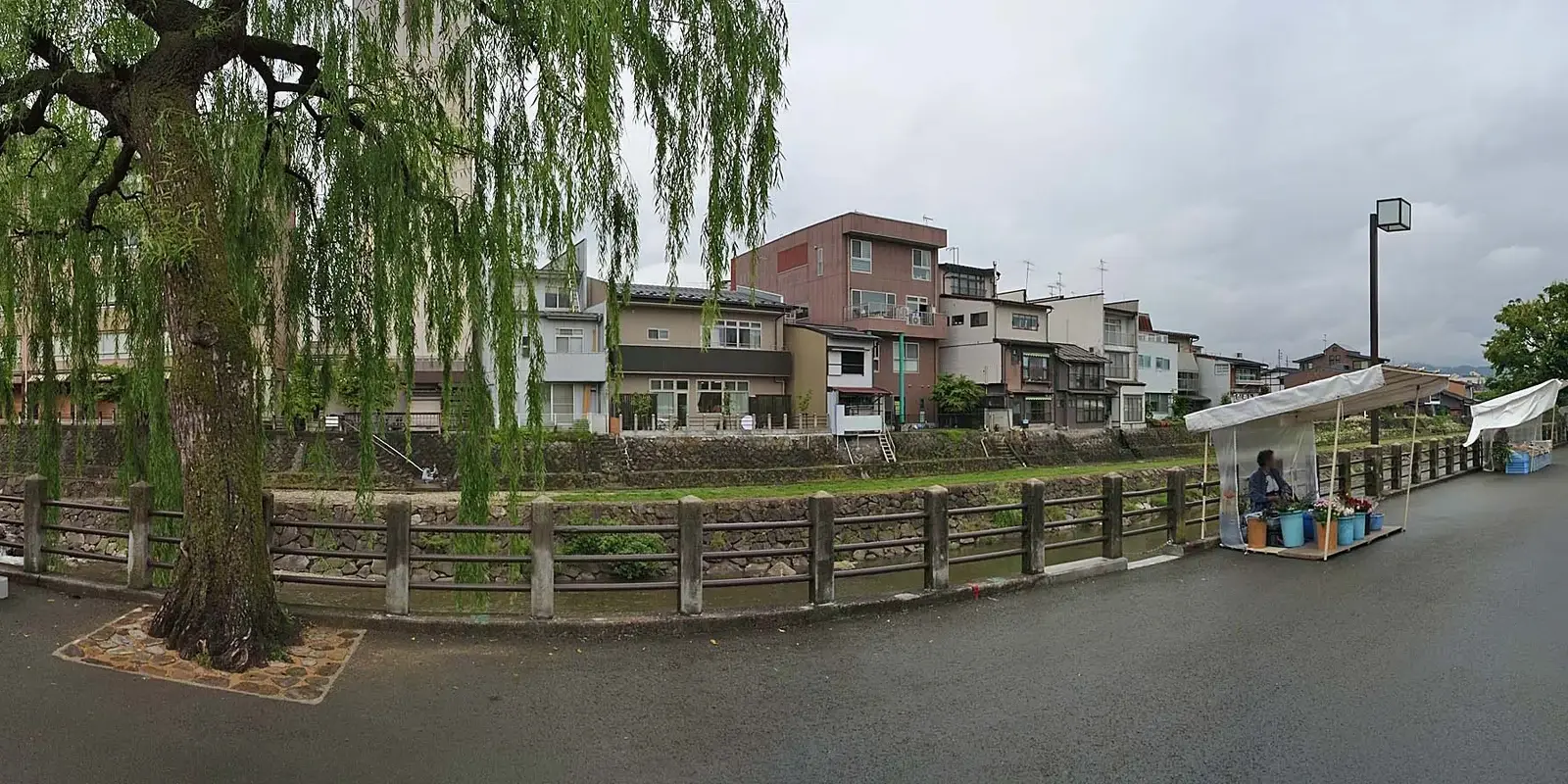
Is Takayama Worth the Detour? What Visitors — and Locals — Really Say
Somewhere on almost every Japan itinerary, a question mark hovers over Takayama. It's the famous "off the beaten path" town, with its photogenic dark-wood old street, the riverside morning market, and the Hida beef. It's also a four-to-five-hour swing off the Tokyo–Kyoto–Osaka line. So the doubt is real and specific: is it worth going that far out of the way, and is the old street actually more than a two-hour photo stop?
Here is the short answer, and the rest of this page is the long version of it: the honest question isn't really whether Takayama is worth it, because the people who've been almost never say no on the town's own merits. It's which Takayama you go for. Arrive early and unhurried, treat it as a mountain base, and it's a quiet gem. Bolt a rushed midday detour onto a packed short trip, expecting a grand untouched Edo town, and it can genuinely disappoint. The town rewards whoever is already there when it opens.
Is it worth the detour? (in visitors' own words)
We gathered the voices of international travelers who have actually been to Takayama and asked, in effect, was it worth it? Weighted by how strongly each opinion resonated with other readers, here is how they fell:
Look at where the weight sits. It isn't the thin red sliver, which is mostly logistics rather than regret. The travelers who came away unconvinced almost always describe the journey, not the town. "Not worth it to go Takayama, it's very out of the way," one wrote of a three-day trip. Another, on fitting it between Osaka and Tokyo, was blunt: "That is super far out of the way." And notice that even they usually add that the place itself is lovely. As one put it in the same breath: "Takayama is great, loved it. Is it worth going to in between Osaka and Tokyo? No... For this trip, skip it. Next time, you can go there when you have time to see other places nearby and it won't feel so rushed."
That comment is really the whole page. The big middle band, a third of everyone, isn't lukewarm. It's conditional, and nearly every voice in it names the same condition. "It's absolutely worth it if your itinerary is set up in such a way so that travelling to and from Takayama isn't an ordeal," one regular explained, adding: "It's not worth it if you have to go out of your way to get there." The people who tried to squeeze it into one rushed night were the ones who felt shortchanged. "With just one night, it can end up feeling rushed rather than relaxing... better saved for another season when it can really shine." A seasoned visitor gave the fix in a sentence: "I would not do a day trip though, I would still make it an overnight." And here is the practical warning that catches many out: "the town completely shuts down around 6:30pm, so by the time you get there there won't be much to do on the first day."
So who loved it? The people who slowed down. "I seem to be the outlier here — I love Takayama! I spent 3 nights there last year and I'm going back for another 3 this year. It's a great little town with lots to see and do. Makes a welcome change from the big cities." Others just answered the question flat: "Yes, it's worth it." And one comment reframes what the town is actually for: "if you want to visit multiple attractions in a day, it might be too low key." That isn't a flaw; it's the point. You come for mountains, sake, a slow morning, and some of the best beef in Japan. As one traveler summed the town up: "Takayama in a nutshell: HIDA BEEF, lol."
Takayama–Shirakawa-go bus: official site / Klook
Klook is an affiliate link: if you buy through it, we may earn a commission, at no extra cost to you.
How the people who know it best feel
Here is the layer most guides never show you: what Japanese visitors and locals say, in their own reviews, about the same town. It's warmer overall, and, tellingly, more candid about the hard parts.
The red bar here is larger than the visitors' one, and it points at something completely different. The foreign doubt was about the journey. The Japanese candor is about the place, and it runs in two honest threads.
The deeper one is not about the hour at all; it is about change over the years. Several long-time visitors feel the famous market and streets have drifted from a farmers' produce market toward souvenir-and-snack tourism. "It's become something totally different from the old atmosphere... it felt like the crowded tourist-trap shopping street you find anywhere," one wrote. Another, returning after a long gap: "those kinds of shops have really decreased, while tasty sweets and souvenir shops have increased." And the disappointment that comes from expecting grandeur: "Being able to savor the old-fashioned charm is wonderful, but isn't it all just about eating and buying? Given how much I'd expected, I was disappointed." The morning market, several add, is smaller than its fame: "there seemed to be fewer stalls from locals than I'd expected." Arriving at 7am doesn't undo that; the stalls are the same stalls. This thread is about expectations, and we'll come back to it.
The second thread is simpler, and the reviews carry their own answer to it. Where the daytime crowds make the old town hard to enjoy — "it was not the kind of atmosphere where you could savor the townscape at all, and a local said weekends are even worse" — calmer voices, reading across the same body of reviews, point straight to the fix: the hour. "During the hours the shops are open it gets crowded. In the morning or at night it's quiet," one writes. "Especially in the early morning the air is clear and it feels lovely." Another spells out how to unlock the town they love: "Going early, before the tourists increase, and chatting with the old ladies and gents setting up their shops might be fun."
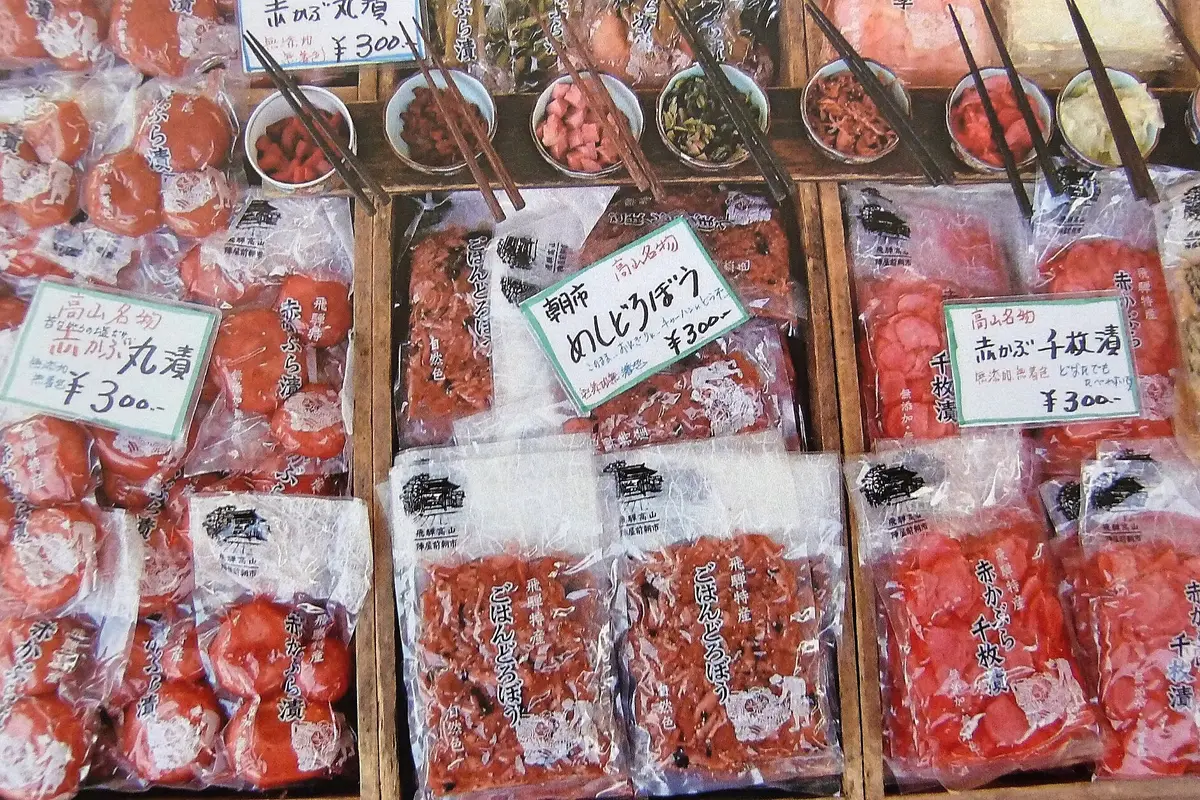
The warmth is the dominant note, and it belongs to the people who came for what is genuinely still there rather than for a pristine bazaar. "Since I hadn't expected much, the fresh vegetables and all the miso samples were really nice," one wrote. Another, of the old town: "The locals' homemade pickles were delicious. I could also see the effort that goes into preserving the townscape." And here is the quiet bridge between the two gauges. The single most-upvoted foreign visitor, the one who's stayed six nights across two years, arrived without any local knowledge at exactly what the locals say: "The morning markets are fun. I preferred the one for locals more than the one on the river banks, which was also good but more touristy." A traveler who simply slowed down found the same map the residents carry.
What we wish you'd noticed
There are two Takayamas, and the crowds run on a clock. The packed old street and the busy market of the let-down reviews are the midday town, after the tour buses arrive. The town in the glowing reviews is the early one: the streets before the crowds, when residents are sweeping their doorsteps and vendors are still setting up. Much of the difference between a let-down and a highlight is simply the hour. As the Takayama guide puts it, before the buses arrive the old town "belongs to the residents," and the streets you'd see packed by noon are "silent and beautiful."
Manage one expectation, though, and the rest falls into place: this is a living town, not a frozen museum. The honest local grievance is real. Over the years the market has shifted toward snacks and souvenirs, and the streets are lined with shops. Coming early softens the crowds, but it won't hand you an untouched Edo bazaar, because that place no longer exists here. What's genuinely still there is worth the trip: the early quiet, a short conversation with someone setting up their stall, the preserved streets, the Hida beef, and the mountains all around. The version frozen in time is the open-air folk village down the road. This one is lived-in, a little commercial, and real.
The morning market is a neighborhood market, not a grand bazaar, and that's on purpose. Arrive expecting scale and it will look small, which is the source of much of the honest disappointment. Its reward is the early-morning quiet and a short exchange with the person who grew or made what you're buying. Go at opening, before it thins out. The market has run by the Miyagawa river since Edo times.
It's a base, not a checklist. Almost every happy visitor treated Takayama as a slow hub for the region: a day trip to the thatched village of Shirakawa-go, about 50 minutes away by bus, plus the open-air Hida Folk Village, the alpine valley of Kamikochi, or the hot-spring town of Gero about an hour south down the same Hida line. The town itself is barely two flat kilometers of markets, old town, and the Takayama Jinya, the only Edo-period shogunate government office in Japan whose main buildings still stand. It's comfortable in half a day and magical if you stay the night.
The town closes early, and dinner takes planning. A recurring practical snag in both foreign and Japanese reviews: many of the best small restaurants wind down by early evening and are reservation-only. Book dinner earlier in the day, and let the morning market and the old town's stalls be a fine lunch.
Doing it well — the welcomed way
Everything above resolves into a handful of moves that Takayama, and the people who live there, quietly reward.
- Give it a night, not a dash. The clearest signal in the data: the visitors who overnighted loved it, and the ones who forced a rushed day trip felt shortchanged. Arrive in the evening, and you'll already be in town when the market opens, which is the whole trick.
- Come at first light. Both the foreign and the Japanese voices agree the early town is the real one. Around 7am (8am in winter), the Miyagawa market tables line the river and the streets are calm. By noon it's a different, busier place.
- Come for the town it is, not the one on the postcard. Picture a living, popular mountain town rather than a pristine Edo film set, and the streets stop disappointing and start delighting. The realness is the point.
- Route it, don't reach for it. Takayama shines when you're already heading through the Japan Alps or Hokuriku, paired with Kanazawa, Shirakawa-go, Kamikochi, Matsumoto or Nagano. As a bolt-on day trip from Tokyo, or a detour wedged between Osaka and Kyoto, it eats a day in transit and rarely feels worth it. If your first trip is short, many seasoned travelers gently suggest saving it for the next one.
- Come for slow, not for a checklist. This is a town of mountains, sake breweries, morning markets and extraordinary Hida beef, not a dense cluster of big-ticket sights. If you want to relax, wander, and eat well, it's a joy. If you want to hit ten attractions in a day, you'll find it "too low key."
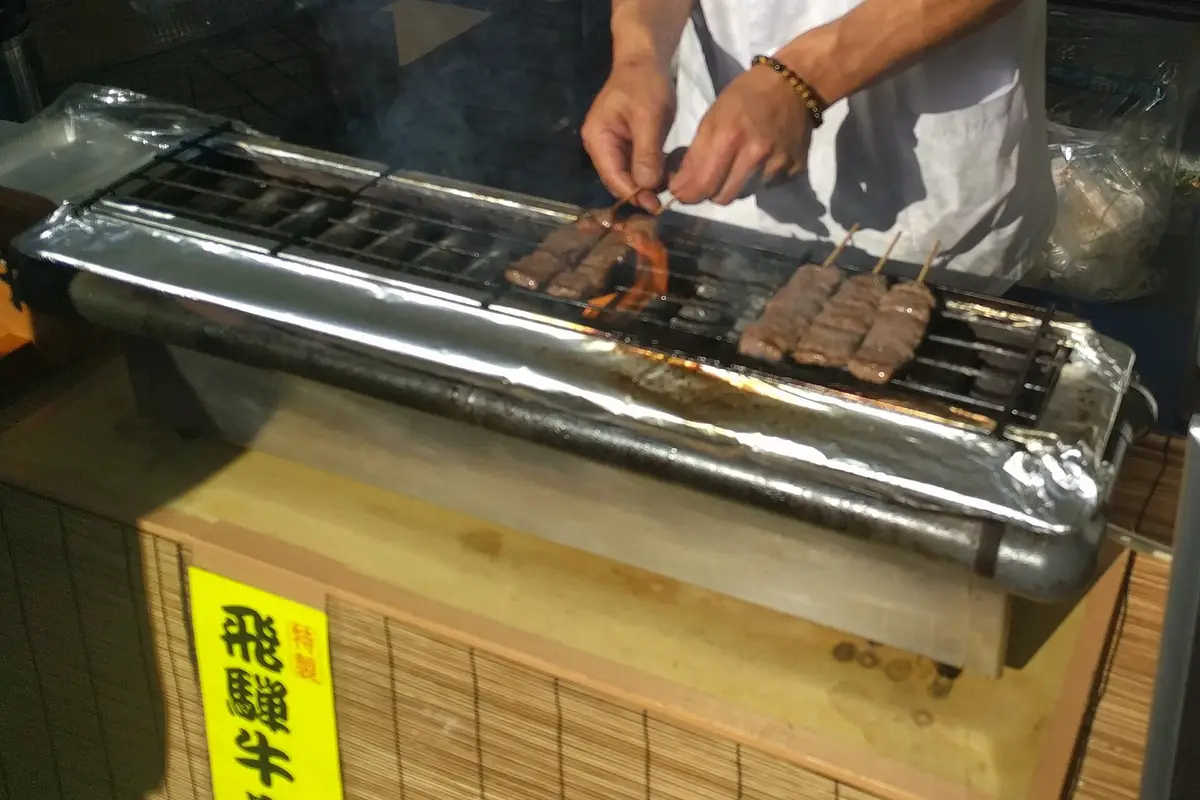
- Book dinner early. Reserve your evening meal in the daytime, since kitchens close early and walk-ins are hard. Treat the market stalls and the old town's Hida-beef skewers as lunch.
- Walk one block off the main stretch. The souvenir density thins fast a street or two down into the lower town, where everyday shops replace the snack stalls, and where, several reviewers note, the town feels most like itself.
Takayama–Shirakawa-go bus: official site / Klook
Klook is an affiliate link: if you buy through it, we may earn a commission, at no extra cost to you.
Do these, and the day tends to go the way the three-nights-and-returning reviewers describe rather than the way the rushed day-trippers do. The pattern in the voices is clear: Takayama is rarely faulted on its own merits. The disappointment tracks a rushed clock and a postcard expectation, and both are yours to set. Arrive early, stay a while, keep your hopes tuned to a real mountain town, and it opens gently and completely.
So: is it worth the detour? If it's a rushed swing off a tight itinerary, honestly, maybe not this trip, and a surprising number of people who loved the town will tell you so themselves. But give it a night, wake up before the buses, and walk a quiet old street where people still live, a market by a river that has fed this town since Edo, and some of the best beef in Japan. That is exactly the kind of slow, mountain-warm place the fast cities can't be.
Still deciding which famous places actually earn a slot on a short trip? Start with what actually matters in Japan, and for the full unhurried walk through the morning market, the Sanmachi old town, and the Takayama Jinya, the Takayama audio guide is just below.
Sources
- Hida Takayama Tourism Association — the Miyagawa morning market (hours, location, history), the Sanmachi old town, and the Takayama Jinya; official model course.
- Takayama City Official Site (English) — tourist information, town history, and practical guidance.
- Takayama City — Sanmachi Preservation District — the preservation district (designated 1979, ~4.4 ha, 172 traditional buildings); town history.
- Takayama Jinya Official Site (English) — hours, admission, and the fact that this is the only surviving Edo-period shogunate government office in Japan.
- Nohi Bus — Takayama–Shirakawa-go Line (English) — bus time (about 50 minutes), fare, frequency, and reservation rules for the Shirakawa-go day trip.
- Gifu Prefecture Official Tourism — the old castle-town layout and the Takayama Festival.
- JNTO — Hida Takayama — visitor overview, access, and regional context.
WMJS is written in Japan, in English, with AI help. We check every page, but English is not our first language. If a sentence reads oddly, tell us. One sentence is enough.
Thank you. A person reads every note.
How well do you know Japan?
Built from 635 public posts by Japanese people
Want to know more? Ask Japanese people
Have a follow-up question about this topic? We'll ask real Japanese people.
Voice Box →