
Is Dogo Onsen Worth It? What Visitors and Locals Actually Say Before You Bathe
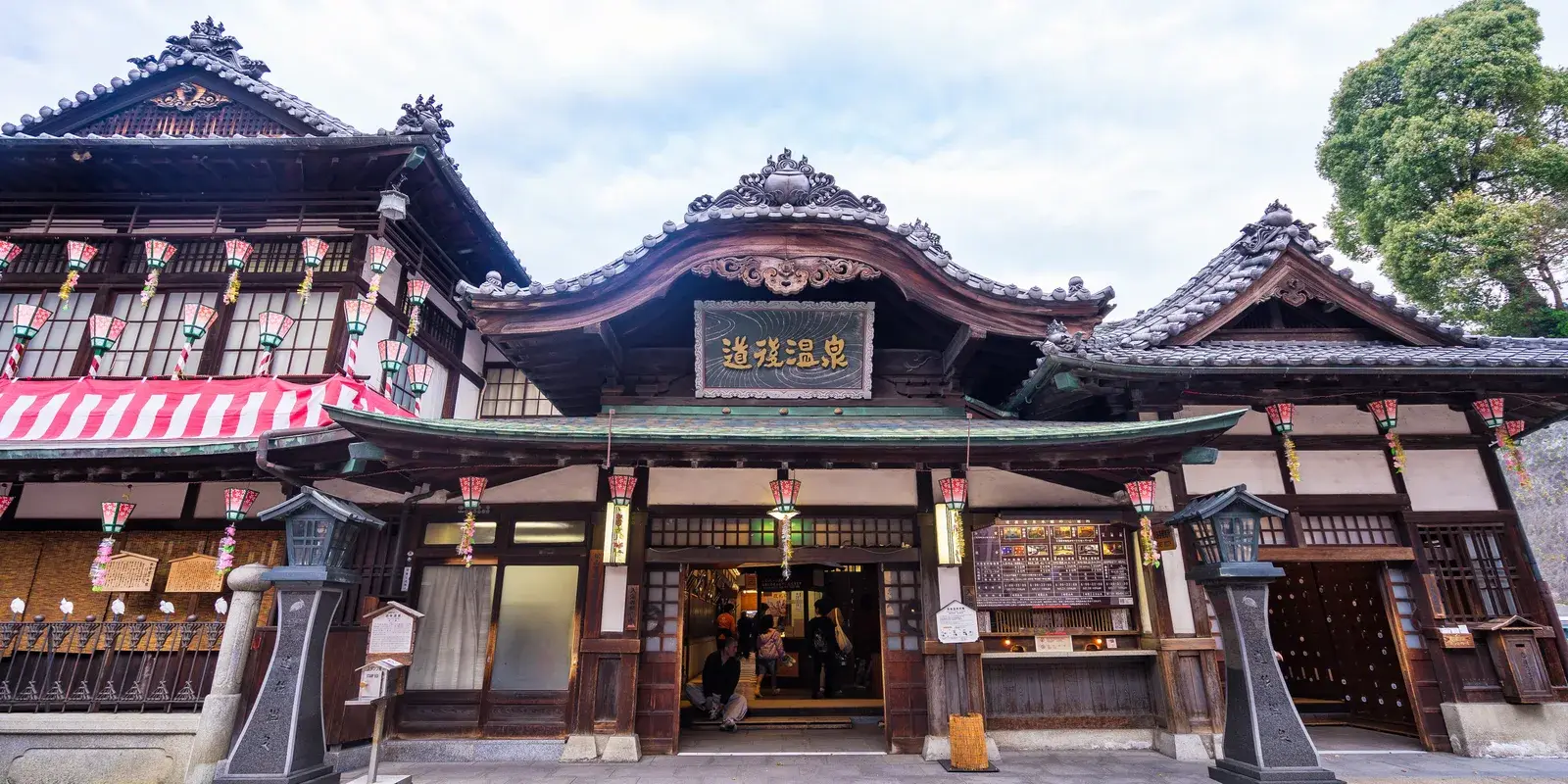
Almost everyone arrives with the same picture in their head: a towering wooden bathhouse, three storeys of dark timber and white plaster, glowing at night under its little rooftop turret. It is one of the most photographed buildings in Japan, and it is often named as one of the models for the bathhouse in Spirited Away. You come expecting to step straight into that image.
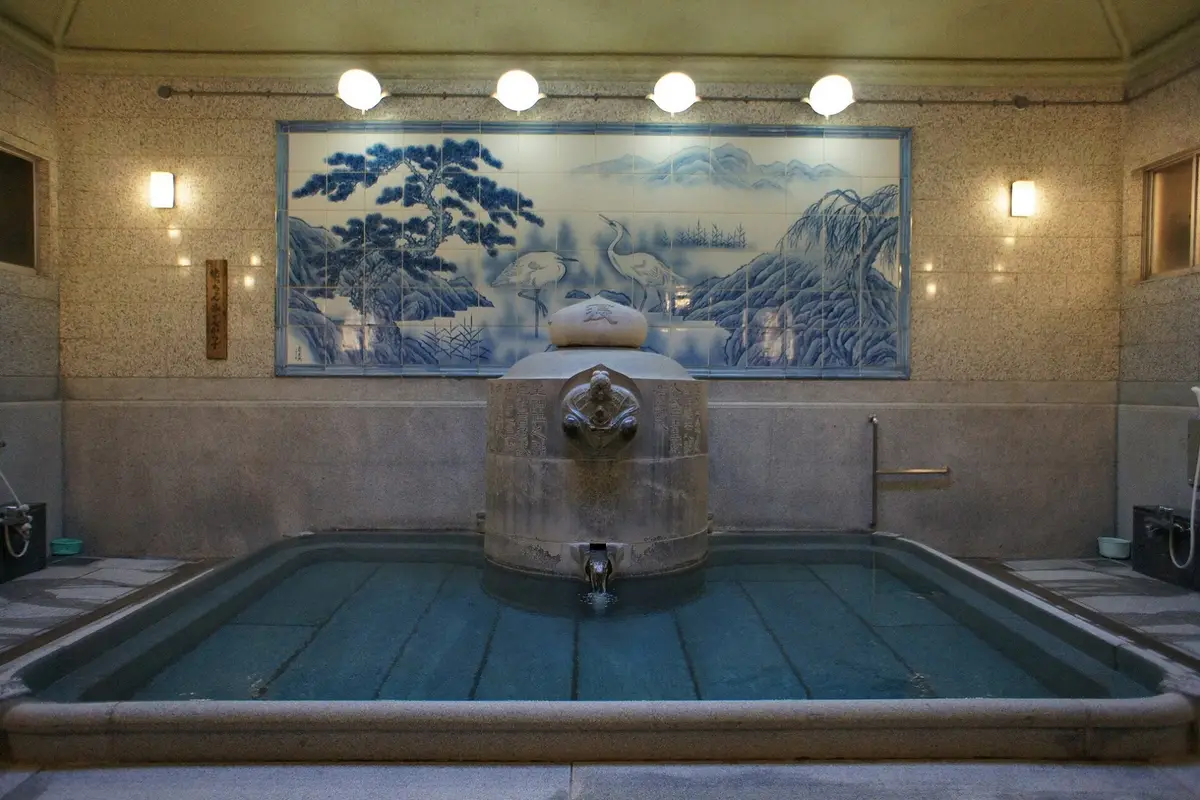
Then you are inside, and the image starts to change. The bath is small. It is often crowded, sometimes with a line out front. There is one stone tub, hot water, no soap on the shelf, no open-air pool. A number of travelers walk out feeling that the outside promised something the inside did not quite keep. As one visitor put it bluntly: "Except there's no real need to go inside. The outside looks wonderful, but the onsen itself is pretty, meh."
So here is the honest version, worth reading before you decide. Dogo Onsen is almost always worth it. The let-down, when it comes, is real and specific, and it traces back to one mistake: treating a 130-year-old working public bath as a photo backdrop. The people who love it and the people who shrug at it are usually describing the exact same building. What separates them is how they went.
Is it worth the detour? (in visitors' own words)
We gathered the voices of international travelers who have actually bathed at, or deliberately skipped, Dogo Onsen and asked, in effect, was it worth it? Weighted by how strongly each opinion resonated with other readers, here is how they fell:
Look at how thin the red bar is, and how wide the middle sits. Very few people regret going. The far larger group says some version of it depends how you go. The disappointment, when it lands, is almost always the look-gap: the grand facade sets an expectation the plain little bath was never trying to meet. And the fix keeps arriving in the same breath as the complaint. "Very small and simple bath but also charming," one traveler wrote, before adding the key line: "I recommend going early to avoid the crowds, it does get very busy in the evening." Another, walking the Shikoku pilgrimage: "I went early in the morning and there was only one other person in the bath for about 30 minutes. It was very busy later in the day and evening." The people who time it well tend to end up where this visitor did: it "genuinely felt like stepping back in time," and "it was so worth it for me."
There is a quieter thread worth hearing too: the doubters who talk themselves back in. "I really wasn't sure if it was going to be a ten minute thing," one wrote while planning, "but if there's more to see then I'm back in." That is close to the whole article in a sentence. There is more to see, once you know to look for it.
How the people who bathe here at home feel
Here is the layer most guides skip: what Japanese visitors and locals write, in their own reviews, about the same bath. It carries weight because they have no reason to be gentle about it.
The striking thing is how closely the two gauges rhyme. The Japanese reviews run mostly warm, carry the same wide band of it depends, and keep a small, honest edge of doubt that never fully closes. And it is the same doubt. "The exterior is so grand and full of character that many people expect too much," one reviewer writes, "but inside it's a perfectly ordinary hot spring." That is a local echoing the foreign visitor almost word for word. A few go further. One calls it "an old hot spring like you'd find anywhere," adds that "15 minutes inside is enough," and finishes: "I don't think there'll be a second time." Another names the trap precisely: "even though the quality of the hot spring is no different from others, the number of guests is completely different," which on a busy day means "assembly-line-like service."
That candor is exactly why the warmth around it reads as trustworthy. Most local reviewers treasure the place, and they treasure it for the soak and the tatami and the early hour rather than the photograph. "The morning bath is the best," one writes. "It opens at six in the morning, so by all means line up, listen to the drum that signals opening, and enjoy the very first bath." When even the people who could go any time will queue at dawn, that tells you where the good version of this visit lives. Another puts the timing directly: "if you go early in the morning it's surprisingly empty."
What people wish you'd known
The building you photograph is not the experience. The bath you enter is. This sounds obvious, but it is what decides whether you leave happy. The facade is free to admire, it is lovely lit up at night, and you can take your photo without ever buying a ticket. The worth is on the other side of the door, in the plain act of soaking in the oldest continuously running bath most travelers will ever set foot in.
The scaffolding is gone. If you read an old review, check its date. For years the Honkan was wrapped for a once-in-a-century conservation, and much of the disappointment online is really about a building people could not fully see. That chapter has closed. The Honkan fully reopened on 11 July 2024, and the official record notes something quietly remarkable: this was the first time in Japan an Important Cultural Property public bathhouse was repaired while staying open for business throughout. One reviewer caught the feeling of the reopening: "Learning on the news that the renovation was finished, I thought 'this time for sure!' and went to bathe in the Honkan," and then "I soaked leisurely in the pleasant water and refreshed both body and mind."
What it actually is, is rare. The current building dates from 1894, and it is a designated Important Cultural Property that remains, every single day, an ordinary public bath you can walk into for around ¥700. Dogo is named in the eighth-century Man'yoshu as one of Japan's three ancient springs, alongside Arima and Shirahama. Natsume Soseki soaked here as a young teacher in the 1890s and wrote the bath into his novel Botchan, and the Botchan room is still kept upstairs. A drum in the rooftop turret still marks the hours, and a small imperial bath, the Yushinden, can be toured. None of it is visible from the photo everyone takes outside.
Doing it well: the welcomed way
Nearly every good visit, and nearly every flat one, turns on a few simple choices. These are the ones visitors and locals agree on.
- Go at opening, or go early. The doors open at 6:00 in the morning to a drum, and for the first hour the bath is calm and nearly yours. By evening there can be a numbered-ticket wait. As one local advises, "if you go early in the morning it's surprisingly empty." This is the highest-value move on the list.
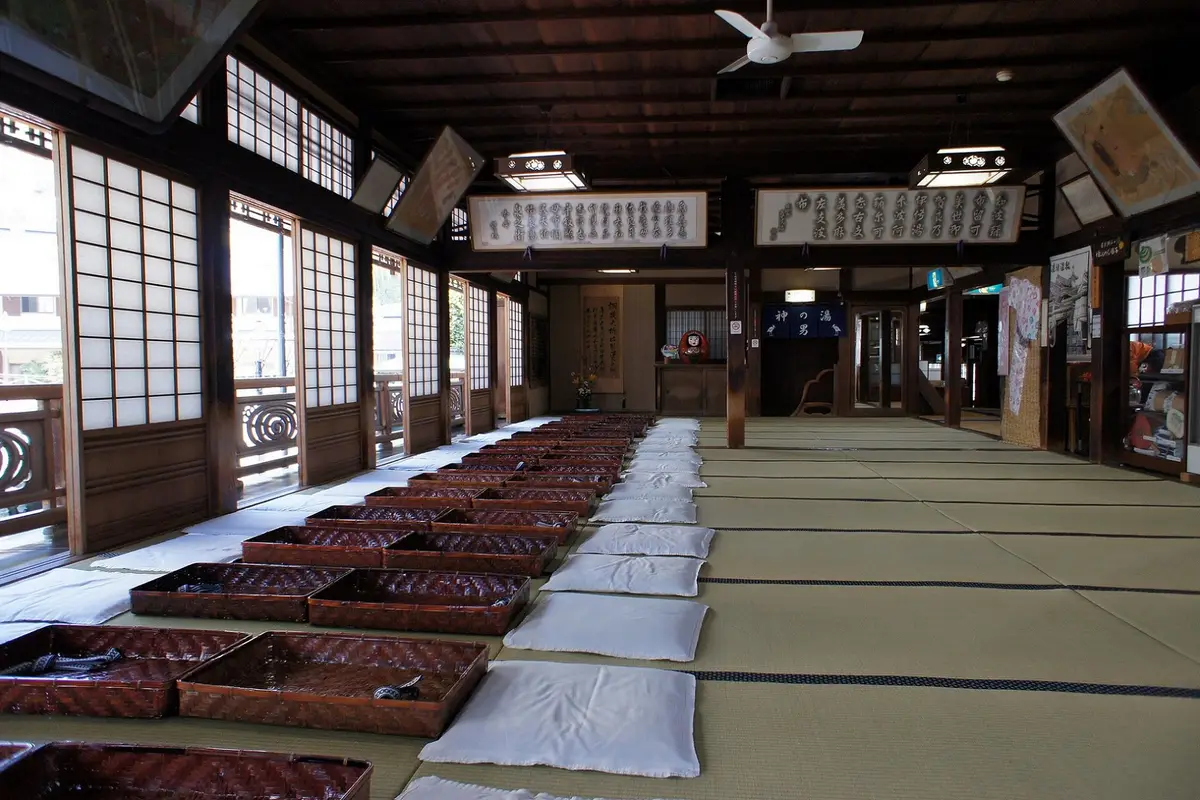
- Choose the right ticket. The bare bath is only the first tier. Pay a little more and you get a yukata, a floor of tatami rest rooms, and tea and rice crackers after your soak, which is the part people remember most fondly. Tiers run from around ¥700 for the basic bath up to about ¥2,500 for a private room, per the official price list.
- Come expecting a public bath. The basic bath has no shampoo or body soap, no open-air pool, and the water runs hot. Bring a towel and soap, or rent them at the counter. That is simply what a working neighborhood sento has always been, and it is part of the point.
- Give it time to be a soak. "15 minutes inside is enough" holds true only if you treat it as a photo stop. Slow down, sit on the tatami afterward, and those same fifteen minutes become the reason you came.
- Tattoos get a warmer welcome here than at most onsen. Travelers with tattoos report being let in, sometimes asked simply to cover them. As one wrote, "it's great that they are open to everyone, including people with tattoos."
- See it by day and by night, and stay over if you can. The lit facade after dark is a different sight from the morning bath, and the reviewers who stayed the night, foreign and Japanese alike, are the most content. One traveler's advice was simply not to rush it: "Just going for the afternoon isn't the best."
- If the Honkan is mobbed, the neighbors are not. Dogo has two newer public baths a short walk away, Asuka-no-yu and Tsubaki-no-yu, and a pass lets you try all three. On a crowded day, they are the quiet alternative.
- Build the day around Matsuyama. The bath sits five minutes on foot from the tram terminus, in the middle of a real city. Matsuyama Castle, one of only twelve original keeps left in Japan, is a short ride away, and the two together make an easy, full day.
So, is Dogo Onsen worth it? Show up at noon on a holiday with your phone raised, expecting the interior to match the postcard, and you will be the person who says fifteen minutes was plenty. Arrive at six with a rented towel, soak without hurrying, take tea on the tatami, and walk back out past that glowing facade after dark, and you will understand why a small, plain, thousand-year-old bath is the thing an entire city is built around. The building is the invitation. The water is the visit.
Still weighing which famous places actually earn a slot on a short trip? Start with what actually matters in Japan. And for the full walk through the Honkan, the tram, and the Botchan streets around it, the Dogo Onsen audio guide is just below.
Sources
- Dogo Onsen, Official (dogo.jp, English and Japanese): the three bathhouses, ticket tiers and hours, the 6:00 opening and the tokidaiko drum, the rooftop turret, the Yushinden imperial bath (viewing only), and the white-heron founding legend kept as told tradition.
- Dogo Onsen Honkan, Tickets, Fees and Hours (Official): the Honkan ticket tiers (about ¥700 for the basic bath up to ¥2,500 for reserved rooms; written without thousand-separators, that is 700 yen up to 2500 yen), the provided-or-rented towel and soap, and the public-bath status.
- Dogo Onsen, Conservation Report (Official): the 2019 to 2024 preservation and seismic work, the full reopening on 11 July 2024, and the official statement that this was the first time in Japan an Important Cultural Property public bathhouse was conserved while remaining open for business.
- Dogo Onsen, "Man'yo no Dogo" history page (Official): Dogo, Arima and Shirahama as the three ancient hot springs named in the Man'yoshu.
- Ehime Prefecture, Dogo Onsen Honkan Cultural-Property Record: the 1894 (Meiji 27) building and its Important Cultural Property designation.
- Matsuyama City, Soseki, Botchan and Dogo Onsen (Official): Natsume Soseki's 1890s arrival as an English teacher, the spring as the model for the bath in Botchan, and the Botchan room kept in the Honkan.
- Matsuyama Castle, Official: one of Japan's twelve surviving original keeps, a short ride from Dogo Onsen.
- JNTO, Dogo Onsen (English): visitor-facing overview and Dogo as one of Japan's oldest hot springs.
WMJS is written in Japan, in English, with AI help. We check every page, but English is not our first language. If a sentence reads oddly, tell us. One sentence is enough.
Thank you. A person reads every note.
How well do you know Japan?
Built from 635 public posts by Japanese people
Want to know more? Ask Japanese people
Have a follow-up question about this topic? We'll ask real Japanese people.
Voice Box →