

Is Otaru Worth It? What Visitors Say About How Long to Give It
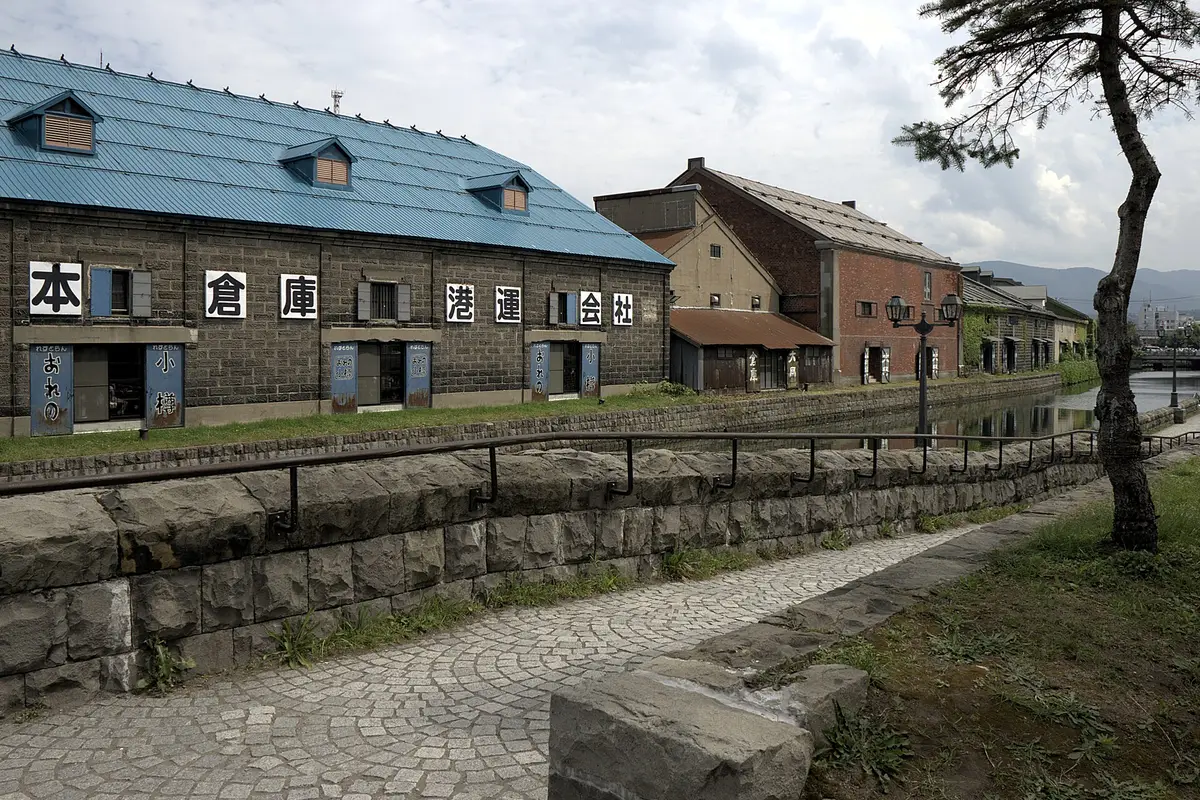
Otaru sells itself on one image: the canal after dark, gas lamps glowing along the water, a line of old stone warehouses lit behind them, all of it mirrored in the still surface. It promises an evening to lose yourself in. The mild shock for many first-time visitors is how soon they run out of canal. The famous stretch is a single section of a waterway 1,140 metres long, and you can walk it in a few minutes.
So the real Otaru question takes an unusual shape. Hardly anyone who has actually been comes away calling Otaru a bad place. The hesitation that surfaces instead is seldom about quality; it is about time and logistics: how many hours does it deserve, and do I stay here or just come over from Sapporo for the afternoon. Otaru is a short train ride from Sapporo, so nobody argues about whether you can get there. They argue about whether it earns a day, a half-day, or a night.
Seventy-five international travellers who have been left a verdict, and it falls in a very particular way.
Is it worth it? (in visitors' own words)
We gathered the voices of international travellers who have actually been to Otaru and asked, in effect, was it worth it? Every person is counted once, whether they left a review or a reply while planning a trip. This is how they landed.
Nearly two thirds land on a plain yes. The warmest are not complicated about it: one simply wrote, "yes. 100% yes. i loooooveeeee otaru." A traveller who spent a single day there kept coming back to the mood rather than any one sight: "Just got back from a day in Otaru with my girlfriend, and I honestly loved how relaxed the whole place felt."
The amber band, a fifth of the voices, does not dispute any of that. Its worry is arithmetic on a short trip. "It's a small city, so you can easily explore it in half a day," one wrote, which is meant as praise and as a warning in the same breath. Others get specific about which parts pay off and which do not: "The old street is a big difference from Sapporo. The canal ride isn't worth the time though." That last line matters, because the paid canal cruise is the single item this group second-guesses most.
The red band is small, and it repays a close read, because it names the mistake that most let-down visitors made. A few travellers came away flat: "It's a boring seaside city with very few things to offer. Your time is better spent elsewhere." Another framed it as a scheduling call on a tight itinerary: "you can probably skip Otaru since youre short on time ... the canal ride take more time than its probably worth on your schedule." Read them together and a pattern shows through. The people who felt let down almost always arrived expecting a headline sight and found a quiet town instead.
The most upvoted voice in the whole set is the one that proves the point, and it starts out sounding like the harshest review here. "It's not at all what it was hyped up to be. The canal is literally just that, a canal," the traveller wrote, before adding that the boat ride up and down the same stretch seemed pointless. And then the review turns. He stumbles into a tiny cash-only sake bar with room for eight, gets drunk with the owner, is handed free sake and homemade cinnamon cake by the locals, and calls it his most memorable experience in all of Japan. "It just felt real," he wrote. "And that was nice." The canal underwhelmed him, but the town won him over, and that gap between the photo and the place is the whole story of the doubt.
How the people who live with it feel
Otaru has a second set of reviews too, left in Japanese by Japanese travellers for each other. Set them beside what the visitors said and the two groups agree on the core question. Where they diverge is how warmly each side lands, and why.
Both red bars stay small, and on that the two groups agree: Otaru is not a place that leaves people feeling shortchanged. What separates them is how firmly each side lands: the Japanese red band is a third the size of the foreign one, and more Japanese settle squarely on treasured. Japanese reviewers are not rationing a short holiday between Otaru and the big-name cities. They come to it as what it is, a relaxed few hours in a pretty port town, where a slow walk past the warehouses is exactly the appeal.
It shows in how they spend their hours there. One reviewer who came back after two decades away wrote, "I visited Otaru for the first time in about 20 years. I didn't think much of it when I was young, but this time I thought it's a town with a really nice atmosphere." Another found the version day-trippers rush past by staying into the evening: "At night it was lit up and beautiful. There are various restaurants along the street too, but there were fewer people passing by than I expected, so I could enjoy it at a leisurely pace." And on the length question the visitors agonise over, a Japanese reviewer is untroubled: "Walking Otaru Canal from end to end doesn't take that long, so I really recommend walking it." To this reviewer, short is simply how long the walk is, and no cause for disappointment.
Where the Japanese reviews turn cooler, they land on expectation, the same note the foreign travellers hit, only voiced in Japanese. One arrived with the postcard in mind: "I visited expecting a landscape lined with retro buildings. Coming here in person, the scenery isn't bad, but..." Another, standing at the famous spot on a clear day, could not shake a small deflation: "The weather was good and it looked beautiful. But something felt different." Both are describing the space between the image and the moment, which is precisely where the disappointment lives on both sides.
What actually earns the hours
If the canal walk is short, the case for a day has to be made by what surrounds it. The visitors who came away glad, on both sides of the language line, spent their hours on four things.
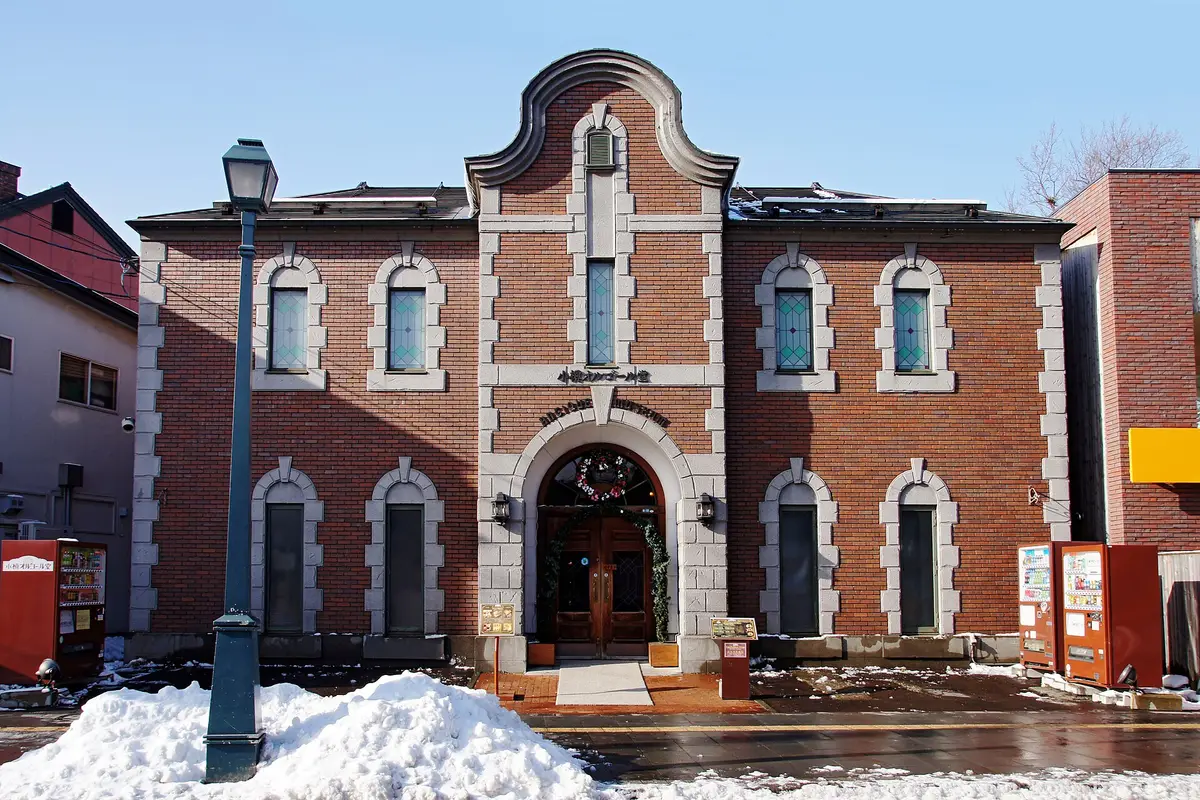
Sakaimachi Street, where most of the day actually goes. A few minutes from the canal, this run of preserved merchant buildings holds the glassworks, the music-box hall and the dessert shops that reviewers keep naming. One traveller who stayed four nights, far longer than the usual day-trip, singled them out: "The glassworks and the music boxes are definitely interesting for ladies." This is where a two-hour canal visit gradually becomes a full day.
The canal after sunset, when it earns the photo. The gas lamps along the walkway light at sunset, and the stone warehouses are floodlit until 22:30. By day it is a bright, busy photo stop. The warmest reviews are all about the evening, once the day-trippers have caught their trains back to Sapporo and the lamplight does the work in the water. An evening hour by the lit canal beats a midday one.
Sushi and the seafood. Otaru is a working fishing port with a dense row of sushi restaurants, and for many Japanese visitors the meal is a reason to come in its own right, ranking alongside the walk.
Tenguyama for the night view. The ropeway up Mount Tenguyama reaches one of the three great night views of Hokkaido, the town and harbour spread out in lights below. It is a separate trip from the canal and rewards a clear evening, so check the weather before you commit to it.
Last verified: 2026-08. Cruise times, ropeway hours and winter event dates change; the official pages in Sources below are the ones to check on the day.
Doing it well, the welcomed way
- Decide your hours before you go. Three hours, a full day, and an overnight are three different trips. If sushi, Sakaimachi and Tenguyama are on your list, that is a full day; do not try to squeeze it between trains.
- Stay for the evening, or come early. Japanese reviewers are consistent that the canal is loveliest once it calms, which in practice means arriving ahead of the tour coaches or lingering after they have gone. The lit canal after dark is what day-trippers almost never stay to see.
- Treat the canal as a scene to take in. The walk is minutes, by design, and the people who expected an attraction were the ones who left cool. Come to stand and look, and the short length stops feeling like a shortfall.
- Think twice about the paid cruise if time is tight. It is the one item foreign visitors most often call not worth the hour. Plenty love it; just spend the money knowing it retraces the stretch you can already walk for free.
- Base yourself well. Many visitors happily day-trip in from Sapporo, and that works. An overnight is worth it mainly if you want the still evening canal and an unhurried Sakaimachi, which the last train back removes.
- Come warm to it in winter. Several of the fondest voices visited in the snow, and the mid-February Snow Light Path fills the canal and the old rail line with candlelight. Dress for ice underfoot and it is many people's favourite version of the town.
The honest read
The disagreement between the two gauges is small, and it runs in one direction. Both keep the not worth it bar small, so on whether Otaru is a good place, foreign and Japanese visitors barely differ. Where they part is how warmly each side lands, and why. A short trip makes foreign visitors price a small canal town against Sapporo, Kyoto and Tokyo, and the ones who came away flat had pictured the canal as a headline sight rather than a short, pretty walk. For Japanese visitors, an easy afternoon close to home needs no defending, so they take it for what it is.
That points to what to do with it. Give Otaru the hours it actually asks for, walk Sakaimachi as well as the water, and stay long enough for the lamps to come on. The most-upvoted reviewer of all thought the canal itself was nothing much, then stumbled into his favourite evening in Japan three streets from it. The town that wins people over is the one you find once you stop asking the postcard to be the whole visit: three streets back from the water, with the lamps lit.
Working out which famous places deserve a place on a short itinerary is what these pages exist for. What actually matters in Japan is the starting point, and the nearest calls to this one are the other Hokkaido stops travellers set against Otaru: Is Sapporo Worth It?, Is Hakodate Worth It? and Is the Biei Blue Pond Worth It?
Sources
- City of Otaru, Otaru Canal. Completed in 1923 (Taisho 12) by filling in the sea offshore, which gives it its gentle curve; reshaped in 1986 when part was filled and half the width became a road and walkway; total length 1,140 metres (20 metres wide along the main section, 40 metres in the original North Canal); 63 gas lamps along the promenade; the preserved stone warehouses now reused as restaurants, with the warehouses floodlit at dusk; roughly an 8-minute walk from JR Otaru Station; a venue for the winter Snow Light Path.
- Otaru Tourism Association, Otaru Canal. Official visitor information on the canal promenade, the photo spots at Asakusa Bridge and Chuo Bridge, the North Canal, the gas-lamp lighting times (sunset to midnight) and the warehouse light-up (sunset to 22:30).
- Otaru Canal Cruise, official site. Operator of the 40-minute daytime and night canal cruises, running year-round (with heated seats in winter); timetable and boarding point at Chuo Bridge.
- Otaru Tenguyama Ropeway, official site. The ropeway to the Mount Tenguyama summit, one of Hokkaido's three great night views; seasonal operating hours (summer ascending 9:00 to 20:48, winter to 19:48) with maintenance closures in late March to mid-April and November.
- Otaru Snow Light Path, official site. The annual mid-February candlelight festival held along the canal and the former Temiya rail line; the 28th edition ran in February 2026.
WMJS is written in Japan, in English, with AI help. We check every page, but English is not our first language. If a sentence reads oddly, tell us. One sentence is enough.
Thank you. A person reads every note.
How well do you know Japan?
Based on 51,218+ real Japanese voices
Want to know more? Ask Japanese people
Have a follow-up question about this topic? We'll ask real Japanese people.
Voice Box →