
Is Enoshima Worth It? What the Postcard Doesn't Show You
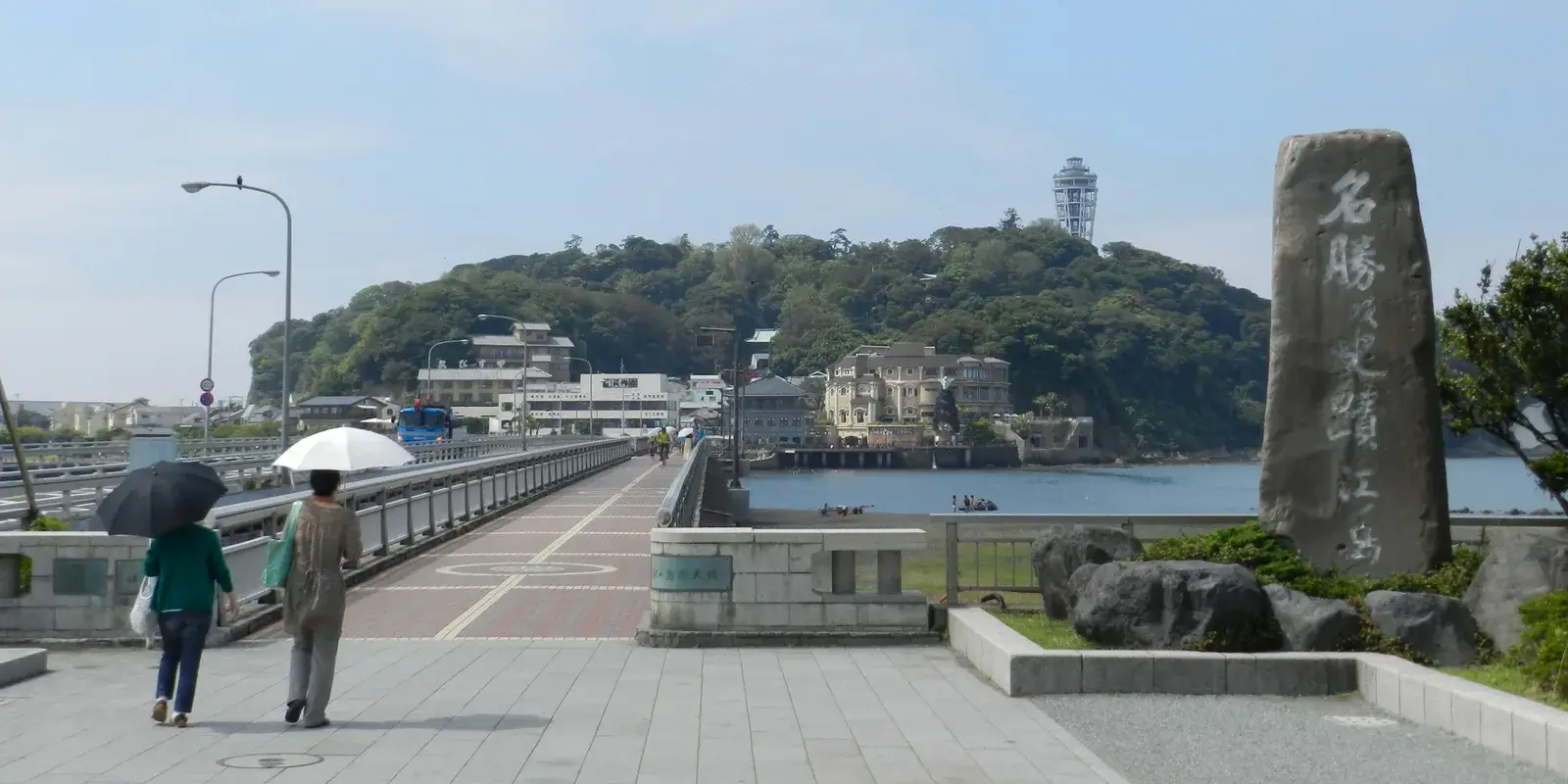
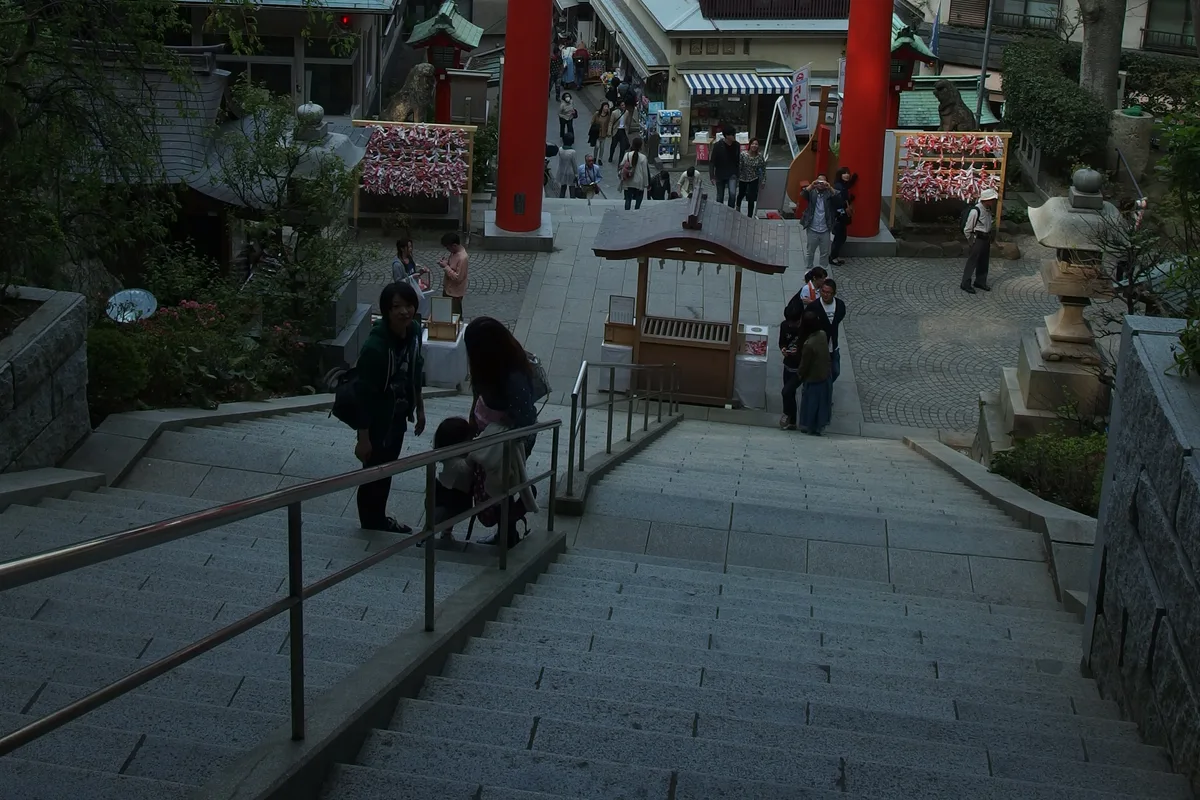
The shot everyone sees before they go is the same one: a long causeway bridge, a green hill rising out of Sagami Bay, a white tower catching the light. It reads like a lazy seaside afternoon. Cross that bridge, though, and you find a shopping street packed shoulder to shoulder, a red torii gate at the foot of a staircase that keeps climbing, and an escalator that only runs one way.
Short answer first: yes, it's worth going. Almost everyone who came away disappointed is describing the same surprise, and once you know it's coming, it stops being a surprise at all.
Is it worth a day? (in visitors' own words)
We gathered the voices of international travelers who have actually been to Enoshima, on Reddit and TripAdvisor, and asked, in effect, was it worth it? Here is how they fell:
The disappointed slice tells the same story on repeat: someone pictured a compact seaside stroll and got a small mountain instead. "I was so burned out by Enoshima crowds that I never even made it to Kamakura," one traveler admitted, after finding the island "so busy by about 12pm it was hard to move around." Another, in a review titled simply "Health Warning," put it more bluntly: "this is not a place for those who have legs, knees or ankle problems... it's just pain and more pain, until it's all over."
The same climb is exactly what the largest group calls worth it, though. The post that best captures the split is titled, simply, "Prepare yourself for Enoshima": "It was breathtaking and one of the highlights of our trip but be forewarned, there are A LOT of steps. Totally worth it IMO." And after visiting Kamakura first, one traveler came away comparing the two directly: "we were left somewhat unimpressed as nothing stood out. Enoshima, on the other hand, was amazing and in my opinion warrants a full day visit to take it slow."
How the people who live with it feel
What most guides never show you is what Japanese visitors say about the same island, in their own reviews on jalan and 4travel. It's a more forgiving register, because for most of them the crowds are a cost they've already budgeted for.
The red bar shrinks to less than half its foreign-visitor size here, and the reason shows up in how these reviews are written. Japanese visitors rarely describe the crowds as a shock; they describe a workaround instead: go at dawn, go on a rainy weekday, take the boat back instead of the stairs. One visitor from Hokkaido, who makes the trip from the other end of the country about once a year, said it plainly: "I never get tired of it even visiting every year, and just looking at Enoshima's scenery heals my heart." Even the sharper complaints circle the same two facts that ambush foreign visitors: "There were places where I could barely walk through the passages, there were just so many people," wrote one, and another, after making it to the far side of the island and back, was equally direct: "I wouldn't really recommend it for people with weak stamina or legs and hips."
Set the two gauges side by side and the missing piece becomes obvious. It was never a question of whether Enoshima is beautiful; everyone agrees it is. It's a question of how much of the island happens on foot, and how early you need to start to see it the easy way.
What we wish you'd noticed
The bridge is flat. The island isn't. Cross onto Enoshima and the shopping street climbs straight toward Enoshima Shrine, and from there the paths keep rising and falling all the way to the far tip. This is the fact that catches first-time visitors off guard more than any other.
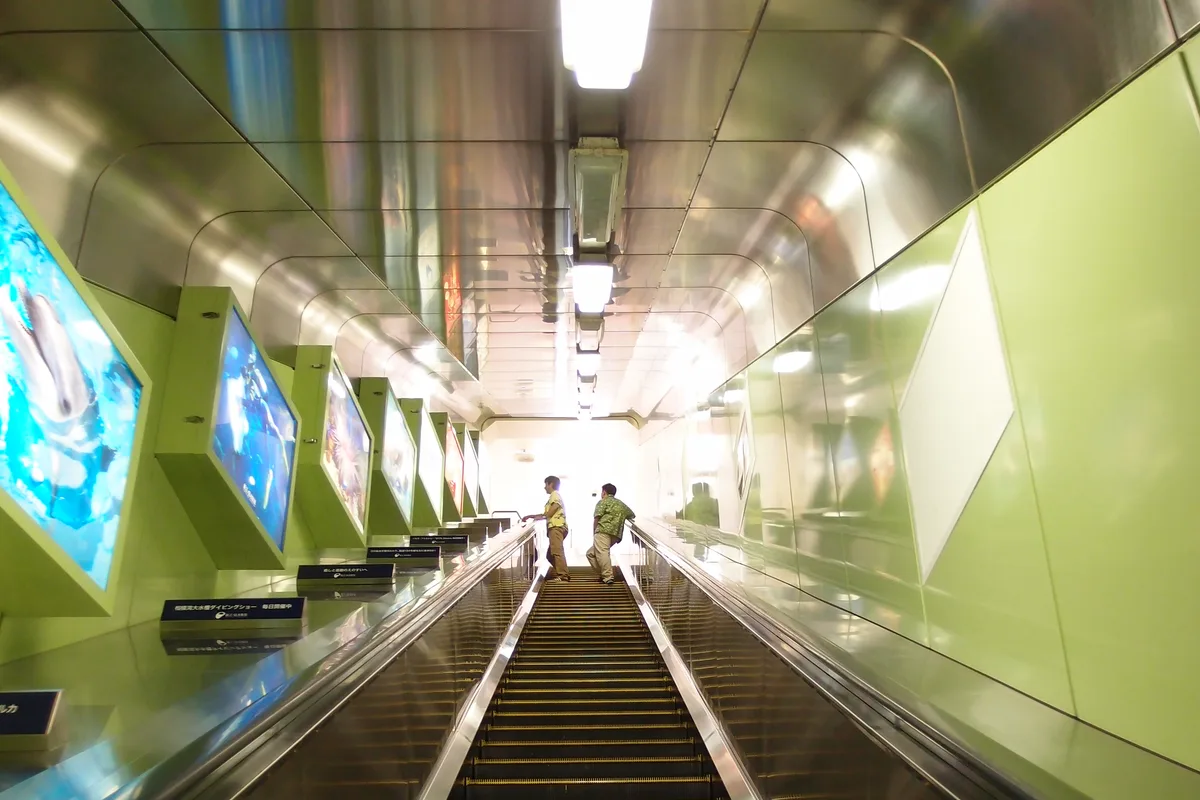
The escalator only goes up. Opened in 1959 as Japan's first outdoor escalator, Enoshima's Escar carries you 46 metres up the hill over a 106-metre run in about four minutes, currently ¥500 for adults, with one stretch running through an illuminated tunnel of ocean-themed projections. The operator states plainly that it's an up-only ride; the return trip is on foot. Some visitors, foreign and Japanese alike, learn this the hard way exactly once, expecting a ride back down that never comes.
The cave at the far end takes a real decision. Past the gardens and the Sea Candle observation tower, a path drops down to the Iwaya Caves at the island's far end: two sea-carved caverns, the first reaching 152 metres in, the second 56 metres, lit by candlelight. Kobo Daishi and Nichiren are both said to have trained here, and by tradition the warlord Minamoto no Yoritomo prayed in the caves in 1182 before a military campaign. Entry is ¥500 for adults. It's the most atmospheric stop on the island, and also the extra hour of walking that turns a comfortable day into a demanding one.
Doing it well, the welcomed way
- Go early, or go on a weekday. This single choice closes more of the gap between the two gauges above than anything else here. The reviewers who called it a slog mostly went at midday on a weekend; the ones who called it magical mostly didn't.
- Ride the Escar up, and plan your way down while you still have energy to plan. Commit to the stairs on the way back, or ask locally about the sightseeing boat from the island's far side; several reviewers mention it gets cancelled in rough weather, so treat it as a bonus rather than the plan itself.
- Weigh the caves while your legs still feel fresh. Once you're tired from the shrine approach, the round trip out to the Iwaya Caves is where a comfortable day turns into an exhausting one. Go if you've got the stamina left; skip it without guilt if you don't.
- Give the island its own half-day instead of squeezing it into Kamakura's. Several visitors expected a quick stop before or after Kamakura and were surprised how much there was to do here on its own. A short Enoden ride connects the two, so each place can get a proper half-day rather than a rushed hour.
- Look for raw whitebait, in season. Raw shirasu (whitebait) rice bowls are the local specialty sold up and down the shopping street, and they show up in nearly every warm review on either side of the two gauges. The catch is seasonal and weather-dependent, so ask before you order if it matters to you.
None of this is information the island is hiding from anyone. It simply doesn't fit in a single photograph. Time it well, and the small mountain you weren't expecting turns into the sea cave, the sunset, and the whitebait lunch you actually came for.
Deciding what else deserves a slot on a short trip near Tokyo? Start with what actually matters in Japan.
Sources
- Fujisawa City Tourist Association, Enoshima Escar (retrieved 2026-09-07): official description of the Escar as Japan's first outdoor escalator (1959), its 46-metre rise over a 106-metre run, its up-only operation, and the requirement to use the stairs on the return.
- Fujisawa City Tourist Association, Enoshima Iwaya Cave (retrieved 2026-09-07): official figures for the two caves (152m and 56m), the Kobo Daishi/Nichiren training tradition, the 1182 Minamoto no Yoritomo prayer legend, hours (9:00-17:00, seasonal variation), and the 500 yen adult admission fee (200 yen for children).
- Enoshima Sea Candle / Samuel Cocking Garden, official ticket prices (retrieved 2026-09-07): current adult ticket prices, including 500 yen for the Escar and 800 yen for the Sea Candle observation tower, plus combined-ticket options, as listed on the operator's site.
WMJS is written in Japan, in English, with AI help. We check every page, but English is not our first language. If a sentence reads oddly, tell us. One sentence is enough.
Thank you. A person reads every note.
How well do you know Japan?
Built from 635 public posts by Japanese people
Want to know more? Ask Japanese people
Have a follow-up question about this topic? We'll ask real Japanese people.
Voice Box →