
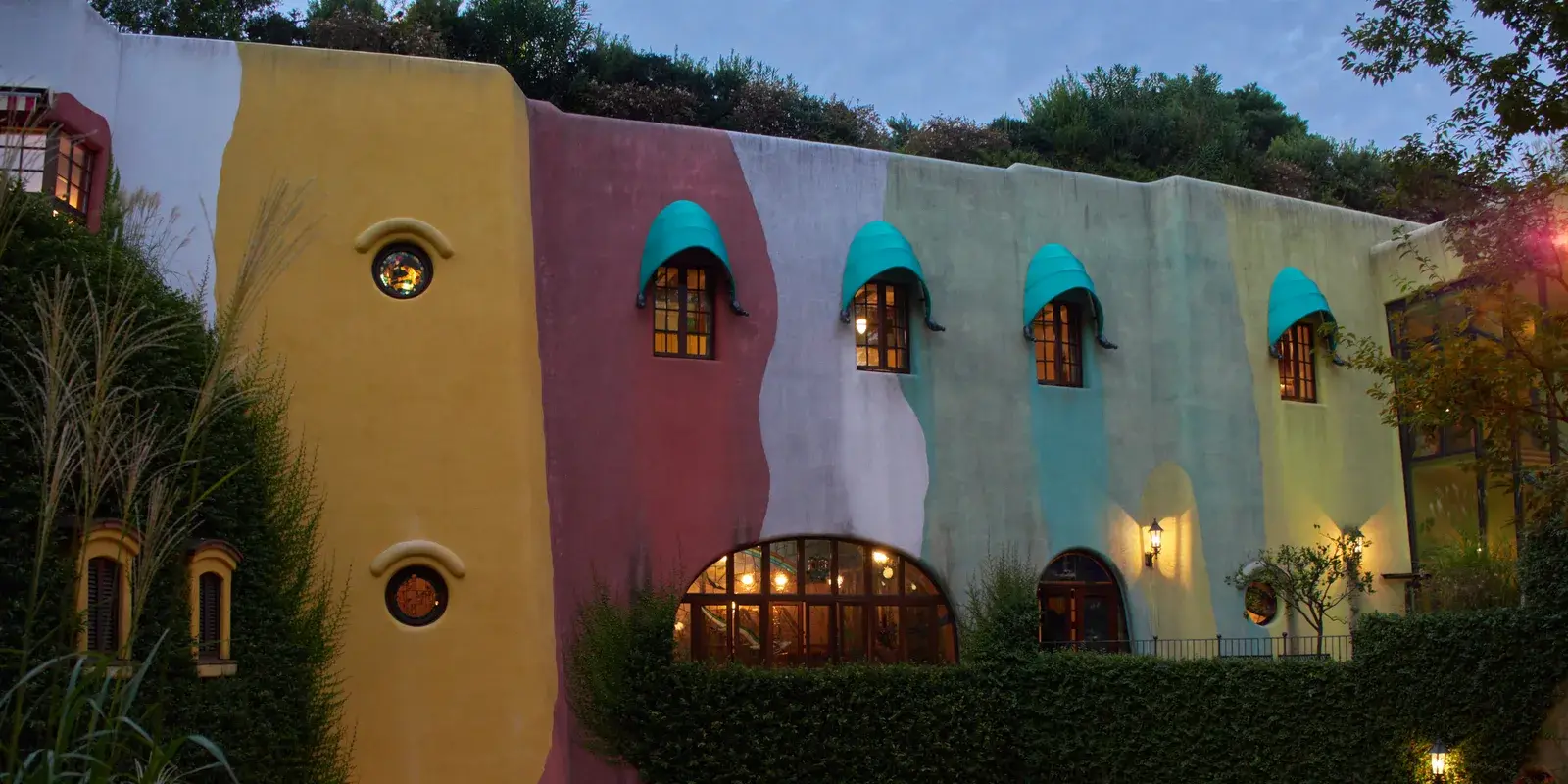
Is the Ghibli Museum Worth It? What the Fans (and the Skeptics) Actually Say
For most visitors, tickets go on sale once a month, at 10am Japan time on the 10th, for the following month, through the official Lawson Ticket portal. Miss that window and the date you wanted can be gone quickly. One traveler pointed out what that actually costs: if you're in Europe, catching the sale means being awake at 2am. The real question people are actually asking is whether the museum repays that kind of effort.
Short answer: a bit over half of the foreign visitors we found said it was worth the ticket fight, and the rest split between only worth it for a real fan and feeling let down. Japanese reviewers land warmer overall, 81% versus 56%, and the same specific doubt shows up in both languages.
One mix-up worth clearing up first: this museum in Mitaka, western Tokyo, is a different place from Ghibli Park, the larger outdoor park near Nagoya. Some travelers plan to see both on the same trip; most of the voices below are only talking about the Mitaka museum.
Is it worth the ticket battle? (in visitors' own words)
We gathered the voices of international travelers who have actually been to the museum and read them with one question in mind: was it worth it?
Roughly a quarter of these foreign voices landed in the disappointed bucket, and self-described devoted fans turn up there right alongside casual visitors. One, who wrote "I'm a big ghibli fan," still came away saying they "didn't feel like I engaged with the museum at all," and "failed to witness the magic of Ghibli." A parent who took teenage kids who love the films reported that "even they were underwhelmed." A third writer, from what they call "a thoroughly Ghibli family" who'd named a child after a Ghibli character, still felt "zero need" to take the kids along on that particular trip.
For several of these voices, the letdown traces back to the same source: a gap between the effort of getting the ticket and the size of what's waiting behind the door. One visitor, who liked the museum overall but was thinking through why that gap opens up, wrote that the "...mystery surrounding the museum due to lack of photos + difficulty of getting a ticket gets people more hyped up than say if, it was a more general animation museum with all the same exhibits/design."
Still, a bit over half of these voices came away glad they'd gone, complaints about crowding or shop prices and all. One wrote plainly, "I'm a grown ass man and i loved it." Another said they "cried when I had to leave because the museum was closing."
How Japanese visitors feel
These are Japanese-language reviews from jalan and TripAdvisor Japan, and reading them side by side with the English ones shows a different balance.
The warmth here runs even deeper than among the foreign visitors. A woman in her fifties, back for the first time in twenty years with her now-grown daughter, called it "a wonderful place that doesn't change even as time passes." A man who'd taken his nephews admitted that "even I, a fully grown adult, got a little excited too."
Three separate Japanese reviewers, one on jalan and two on TripAdvisor, share a family resemblance in what bothers them, worded three different ways: "I couldn't understand why tickets are so hard to get." "I went, but honestly couldn't figure out what's so good about it." A third, after a visit that "was all over in under 30 minutes," asked "can you even call this a museum...?"
One reviewer's account shows how strict the reservation rule is: he arrived without a ticket, and wrote, "We spent an hour getting here and were turned away at the door," before asking whether any other place makes you check its official website just to get in. There are no same-day sales at the museum door, for residents or tourists alike. A Mitaka resident wrote that they use a different lane instead: a resident-quota ticket, with morning-or-afternoon flexibility rather than a fixed time slot, on the condition that the purchaser accompanies the group. Another reviewer describes that quota being booked through the local tourism information center, and a third mentioned visiting on a residents' invitation day.
What we wish you'd noticed
All admission is by advance reservation only, with no same-day tickets sold at the door. As of the official ticket page (checked 2026-09-06), a given month's slots open for sale at 10am Japan time on the 10th of the prior month, through Lawson Ticket. Reservation systems and sale windows can change, so it's worth checking the official page again close to your trip.
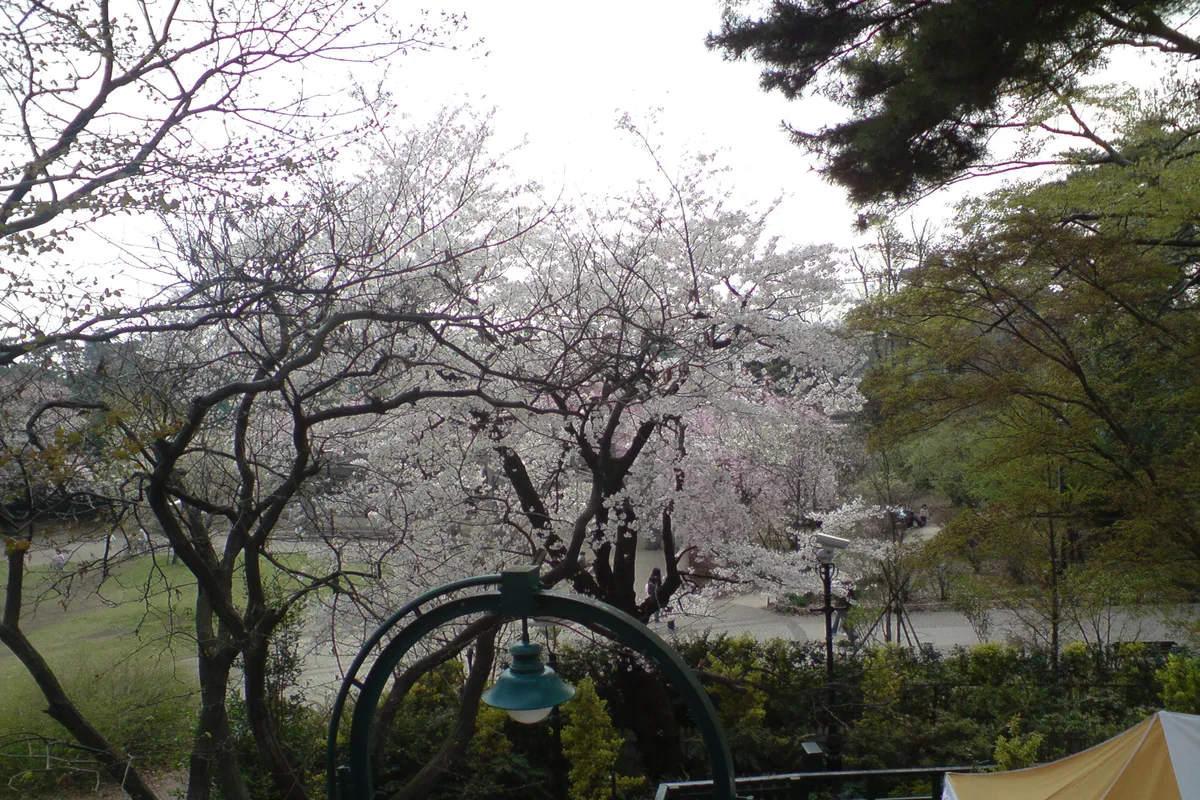
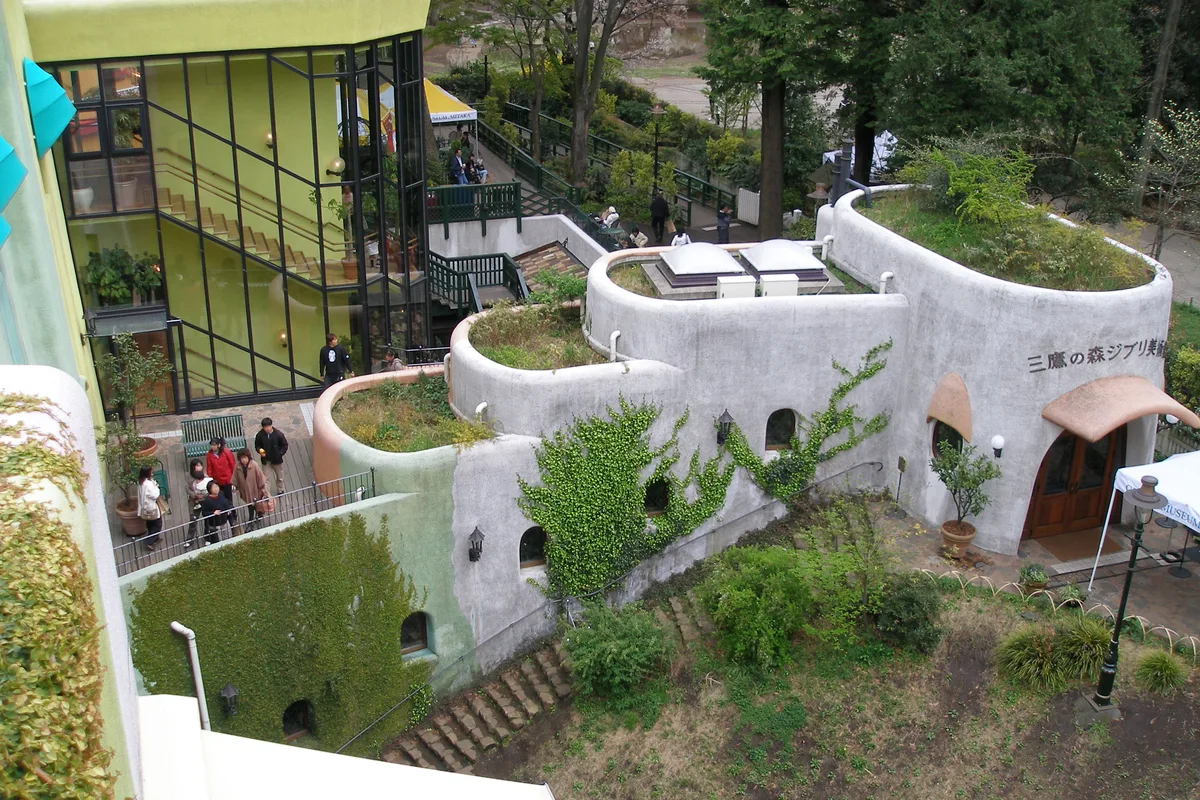
Photography is welcomed on the rooftop and outside the building. Cameras stay away for the whole time you're inside, in every room of the building. Visitors on both sides of the language line describe this rule consistently, and one visitor's own theory, quoted above, is that the resulting silence about what's inside is part of what fuels the hype before anyone even arrives.
The Cat Bus room is reserved for elementary-school-age children (age 12) and under. Adults don't get to go inside, and at least one Japanese reviewer said so with real disappointment: "It was a shame that only small kids get to ride the Catbus. I wanted to ride it too..."
The museum shop isn't the only place to find Ghibli goods. One visitor said they found merchandise they liked better in Akihabara or through Japanese online retailers; a different visitor found similar items much cheaper at other stores in Japan, though at least one Japanese reviewer noted the third-floor shop still stocks some items sold nowhere else. The short film screened at the Saturn Theater changes over time and is shown only at the museum.
Doing it well, the welcomed way
- Weigh the ticket fight against how much you already love the films. Devoted fans and casual visitors both show up on either side of these gauges, so fandom alone won't guarantee an answer, but it's still the honest question to ask yourself first.
- Reported visit lengths vary widely: some reviewers were done in under an hour, some stayed close to three. A stay of about ninety minutes to two hours is a reasonable middle estimate to plan around, with time afterward for Inokashira Park or Kichijoji.
- A weekday slot mainly helps you get a ticket at all. More reviewers reported weekday sessions packed anyway than described a calm visit, so book weekdays for availability and expect company regardless.
- Plan for the Saturn Theater screening. The short film shown there changes over time, can't be seen anywhere else, and was praised often by both English and Japanese reviewers.
- One reviewer who lives in Mitaka describes a resident-quota ticket, said by another reviewer to be booked through the local tourism information center, with more flexible timing than the general sale and on condition that the purchaser accompanies the group. Worth asking about ahead of time if you live locally.
- If it's the merchandise more than the exhibits you're after, ordinary Ghibli shops elsewhere in Japan carry much of the same stock, according to reviewers on both sides.
What's actually behind that door is modest in scale: a handful of rooms tracing how animation gets made, a short film screened nowhere else, a rooftop robot keeping watch over Inokashira Park below. What splits the loved-it voices from the let-down ones has less to do with how big a fan someone is than with whether they walked in picturing an intimate, hands-on space or a sprawling exhibition hall. Arrive expecting the small, hands-on version, and the odds tilt back toward the reviewers, in both languages, who said they'd go again.
Deciding what else belongs on a Tokyo itinerary? Start with what actually matters in Japan for the bigger picture.
Sources
- Ghibli Museum, Mitaka, Tickets (official, retrieved 2026-09-06): admission by advance reservation only, no same-day sales; ticket prices by age; sales open 10am JST on the 10th of the prior month via Lawson Ticket.
- Ghibli Museum, Mitaka, Welcome! (official): the Cat Bus room is for elementary-school children (age 12) and under only; the Saturn Theater screens an original short film shown only at the museum, with the current film changing over time; tickets are made from actual 35mm theatrical film.
- Ghibli Museum, Mitaka, Museum Information (official): photography and video are not permitted anywhere inside the building.
WMJS is written in Japan, in English, with AI help. We check every page, but English is not our first language. If a sentence reads oddly, tell us. One sentence is enough.
Thank you. A person reads every note.
How well do you know Japan?
Built from 635 public posts by Japanese people
Want to know more? Ask Japanese people
Have a follow-up question about this topic? We'll ask real Japanese people.
Voice Box →