Skip to content
WMJS
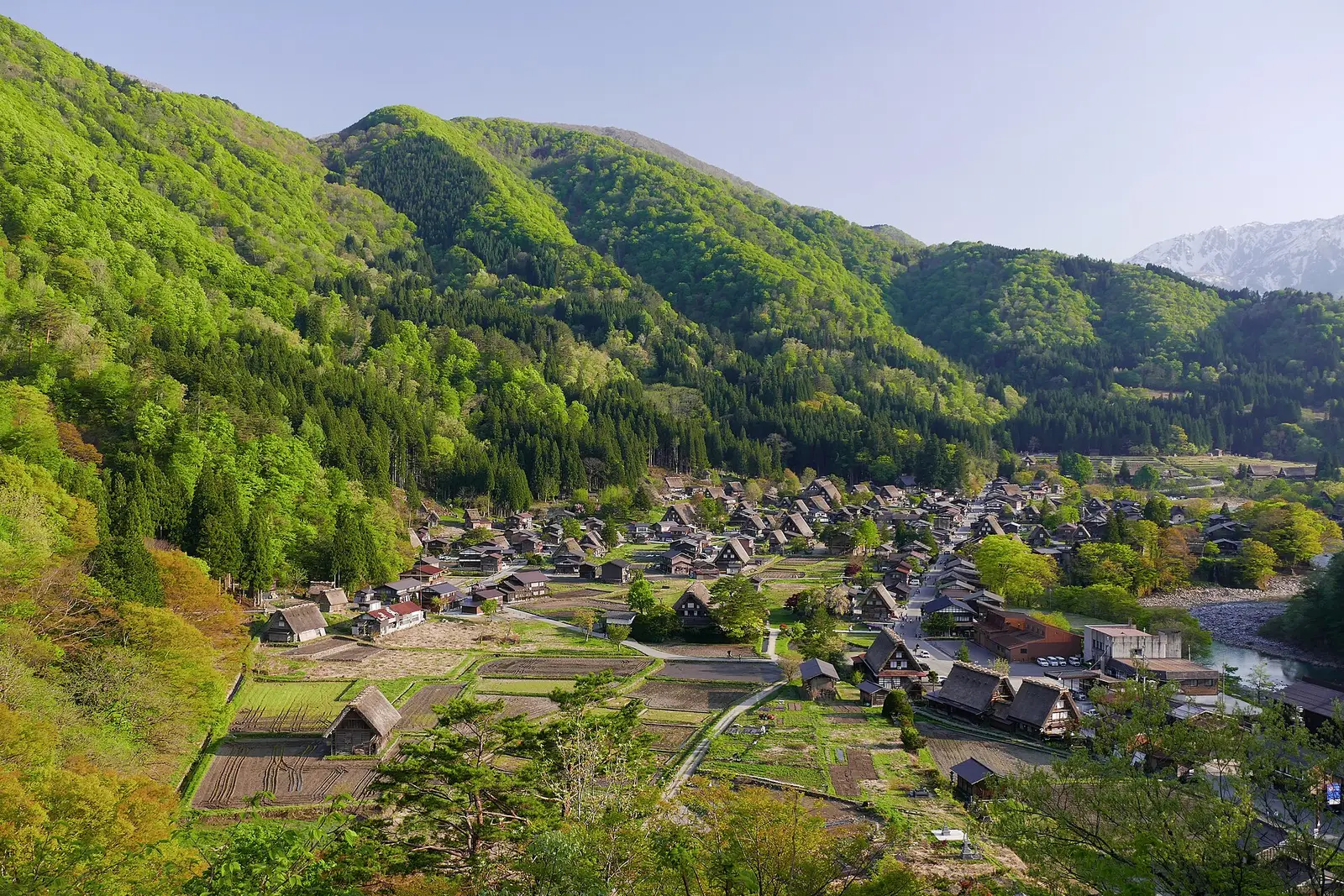
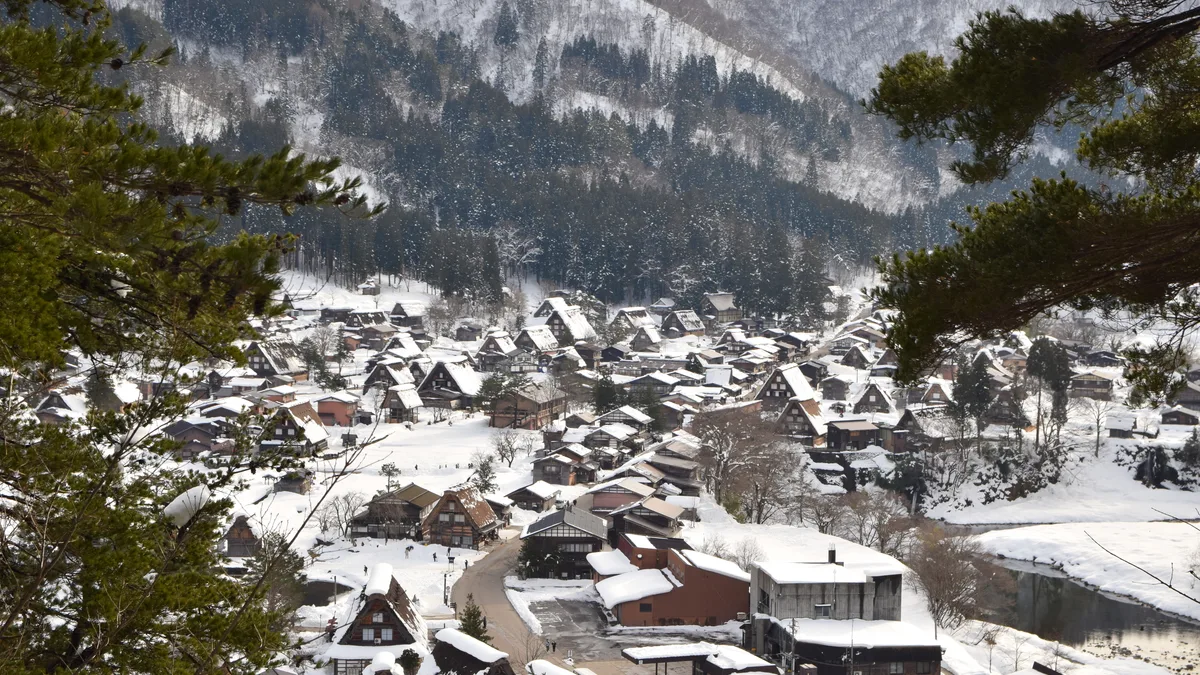
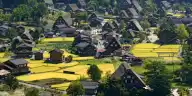
The thatched gassho-zukuri village of Ogimachi, Shirakawa-go, seen from the hillside among green mountains and rice fields
Where to go

Chubu & the Japan Alps, a slower few days

Mountains and old towns — Matsumoto, Takayama, Shirakawa-go, Kanazawa — at a reserve-ahead pace

Last verified: 2026-06-14

Days
4 (Matsumoto, Takayama, Shirakawa-go on the way to Kanazawa, Kanazawa) — a moving block between the Kanto and Kansai blocks
Best season
Spring blossom and autumn colour are lovely, but winter is the Alps' signature — snow on the thatched roofs, evening light-ups, the snow monkeys. Winter is cold and a few schedules change, so it asks a little more of you
Base yourself
Not one base — you move town to town: a night in Matsumoto, a night or two around Takayama, then Kanazawa. Shirakawa-go is a stop on the road, or one special overnight
Getting around
Booked seats, not taps: limited expresses at the ends and reserved highway buses over the mountains. An IC card barely earns its keep here — this is a reserve-ahead region

Who this plan suits

  • First tripWorks well
  • Been beforeGreat fit
  • With kidsWorks well
  • SoloGreat fit
  • As a coupleGreat fit
  • Gentle paceWorks well
When to goApr–Nov

Green valleys and old towns from spring through autumn; Shirakawa-go under snow is a special winter trip in its own right.

Chubu is the slow middle of Japan — the mountainous waist of the main island, sitting between the Tokyo side and the Kyoto–Osaka side — and it asks something different of you than either of them. Where Kanto and Kansai run on a single tap of one card, the Japan Alps run on booked seats — a reserved limited express in, a shinkansen out, and reserved buses winding over the passes between an old castle town, a preserved merchant town, a thatched mountain village, and a garden city by the sea. I'd hold this as a loose four-day frame, moving on a little each day rather than basing in one place — Matsumoto, then Takayama, then Kanazawa, with Shirakawa-go folded into the road between the last two.

The thing I'd make peace with early is that you can't be quite as casual here as on the coast — a couple of these mountain buses you reserve in advance, and one famous village has no train to it at all. But that's also the gift of the place: because it takes a little planning, far fewer people push through it in a hurry, and the towns stay quiet and themselves. I'll lay out how I'd move, which seats to book, and where I'd sleep, and you can pull the pieces apart and put them back together however your trip wants to go.

Where to base yourself

This is the one block where a single base doesn't really work — the towns are strung over the mountains rather than gathered around one hub, so I'd move with the route and sleep a night in each. The good news is that every town here is small and walkable, so wherever you land, the morning is easy.

In Matsumoto, I'd stay anywhere in the compact core. The town folds the castle, the old Nakamachi and Nawate lanes, and the station into a walkable handful of blocks — Matsumoto Castle is only a short walk from the station. Sleeping near the station is simplest if you arrive late on the Azusa limited express; staying nearer the castle gives you more of the old-town character. Either way the morning is a stroll, not a commute.

In Takayama, I'd base between the station and the old town. The Hida-Takayama bus center — where the mountain buses to and from Matsumoto, Shirakawa-go and Kanazawa all pull in — sits right beside the station, and the Takayama old streets of Sanmachi are a few minutes' walk east across the river. A station-side room keeps your bus connections on the doorstep; an old-town-side room puts you next to the morning markets for an early wander before the day-trippers arrive. The two are close enough that either works.

In Kanazawa, the choice is station versus centre. The Shirakawa-go bus, the Hokuriku Shinkansen and the Loop Bus all run from Kanazawa Station, so a station-side room makes the arrivals and the onward journey effortless — but the garden, the castle and the old districts sit a bus ride away in the middle of town. If you'd rather walk to the sights in the morning, the Korinbo/Katamachi area downtown puts Kenrokuen and the chaya streets within reach on foot. Both are fine; the Loop Bus links them every fifteen minutes or so.

One lovely option for Shirakawa-go: you don't have to pass through. A handful of the thatched gassho-zukuri farmhouses in Ogimachi take overnight guests, and staying in one is the reason some people plan the whole trip — after the day buses leave, the village goes quiet, and you sleep by a sunken hearth in a house that's stood for centuries. There are only a couple of dozen such rooms, so they book out far ahead; if one's free and it calls to you, I'd take it. If not, Takayama and Kanazawa make easy bases and Shirakawa-go becomes a stop on the road.

Getting around & tickets

Here's the honest headline: the Alps don't run on the tap-and-go rhythm you'll have settled into in Tokyo or Kyoto. This block moves on reserved seats — a reserved train at each end, and booked highway buses over the mountains in the middle — and an IC card, while still handy for the odd local train, won't carry you through the heart of it.

The mountain buses are the spine, and a couple of them you book in advance. Three legs cross the ranges: Matsumoto to Takayama, Takayama to Shirakawa-go, and Shirakawa-go to Kanazawa. These are highway coaches, not trains, so you can't tap an IC card to board — you hold a reserved or bought ticket. The Matsumoto–Takayama bus has been reservation-only since 2024, and the Shirakawa-go–Kanazawa run reserves out on most departures, so I'd book those seats before the day rather than hope for space — they fill in autumn-leaf and snow seasons. And one thing worth knowing in advance: there is no train to Shirakawa-go at all, so the bus isn't a backup, it's the only way in. I'd reserve through the operators' own sites (the Nohi Bus highway-bus site, or Japan Bus Online) once your dates are set.

Where an IC card still helps: a Suica or ICOCA taps fine on the local JR trains around Matsumoto and Kanazawa, so it's not useless — just keep it for those, and don't count on it for the buses. Two limits to remember: an IC card won't board the Shinkansen on its own (you carry a separate ticket, and for the Hokuriku Shinkansen you book through Eki-net rather than Smart-EX), and the little Nagano line out to the snow monkeys runs cash-only. I'd carry some cash through the mountains generally — rural counters and small loops like it.

Do you need a rail pass? Maybe, and the answer turns on which way you enter and leave. The one pass built for the western half of this loop is the Takayama–Hokuriku Area Tourist Pass (a five-day pass), and it's the only pass that actually covers the Nohi/Hokutetsu mountain buses between Takayama, Shirakawa-go and Kanazawa (you still reserve the bus seats separately — the pass doesn't book them for you). Its catch is that it doesn't reach Matsumoto, so the Matsumoto–Takayama bus stays a separate ticket no matter what. There isn't a single pass that wraps the whole Matsumoto-to-Kanazawa loop, which surprises people — so I'd pick the pass to match your trip rather than the other way round. The current prices are in the fact boxes.

Getting around once you're in a town is mostly on foot. Takayama's old town is a five-minute walk from the station and easily covered on foot; there's a little city loop bus for the outer sights if you want it. Kanazawa's sights are more spread out, with the garden a couple of kilometres from the station, so there I'd lean on the Kanazawa Loop Bus — and because whether an IC card works on it is genuinely inconsistent between the official pages, I'd lean on the day pass or a pocket of coins. Both fact boxes have the numbers.

Matsumoto — the black castle under the Alps

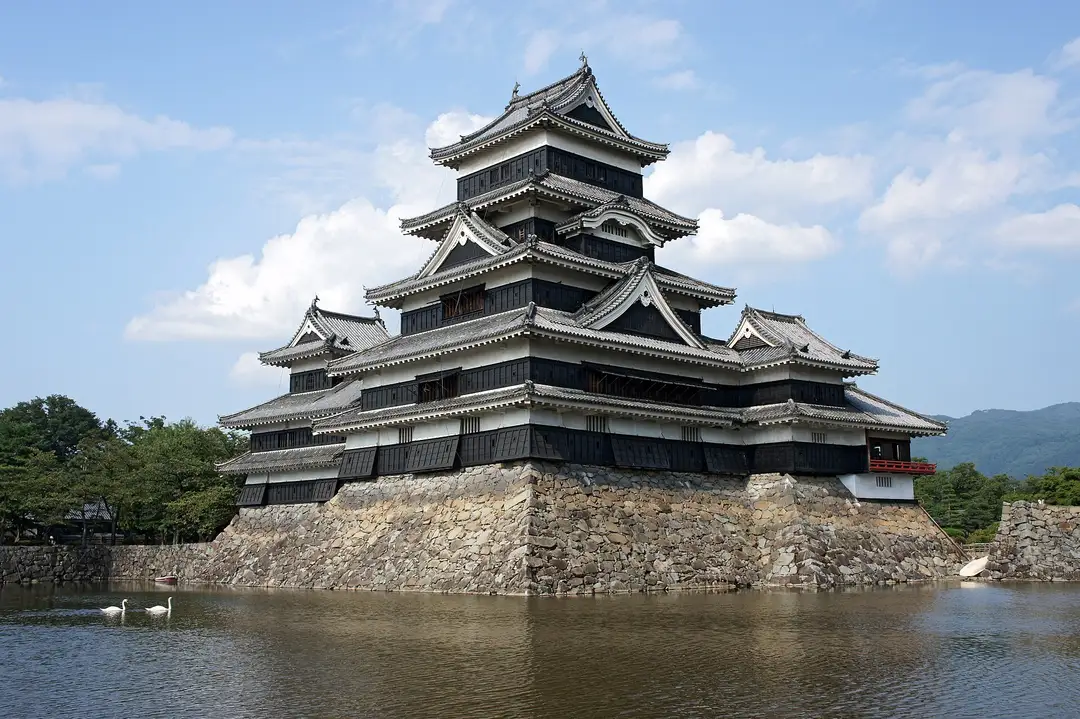
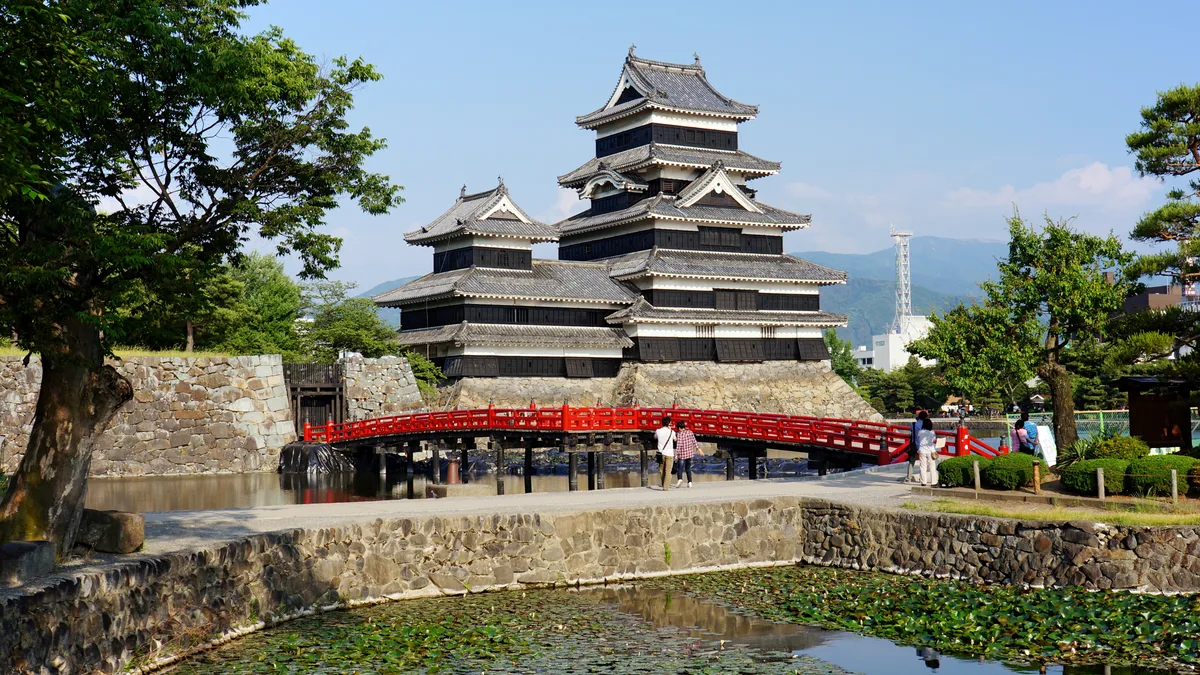
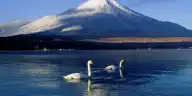
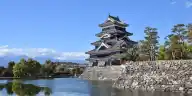
The black keep of Matsumoto Castle above its stone base and moat, with swans on the water and the Northern Alps behind

I'd start in Matsumoto because it eases you into the mountains gently — a small, walkable town with the Northern Alps standing behind it and one of Japan's twelve surviving original castle keeps at its centre. Matsumoto Castle is an original keep — black-walled, four hundred years old, never burned down and never rebuilt in concrete — and standing under it feels different from standing under a reconstruction, because the wood you're looking at is the wood that was always there. I'd give the afternoon to the castle and its moat, then drift into the old Nakamachi and Nawate lanes as the light goes. It's a soft first day, and that's the point: you arrive, you slow down, and the trip changes gear.

  1. AfternoonArrive from Tokyo on the AzusaMost people come in from Shinjuku on the JR Azusa limited express, a ride of about two and a half hours up the Chuo line into the mountains. One thing to sort before you go: the Azusa is an all-reserved train, so an IC card alone won't get you a seat — you book a reserved ticket (Eki-net is easy). Times and the fare are in the fact box. Matsumoto Station drops you a short walk from everything.
  2. 15:00Matsumoto Castle, the real thingA flat fifteen-minute walk (or a short loop-bus hop) from the station to the castle. Circle the moat first, where the black keep doubles in the water with the Alps behind it, then climb the steep original stairs inside. Look for the moon-viewing turret added in peacetime — a fighting castle with a room built just to watch the moon. Linked guide: Matsumoto Castle.
  3. EveningNakamachi and Nawate lanesOn foot from the castle, the old merchant quarter of Nakamachi keeps its white-walled storehouses, and the little Nawate street along the river is lined with frog statues and tiny shops. It's an easy, lantern-lit wander to end the day — no transit, just the old town on foot.

Takayama — an Edo town that kept itself

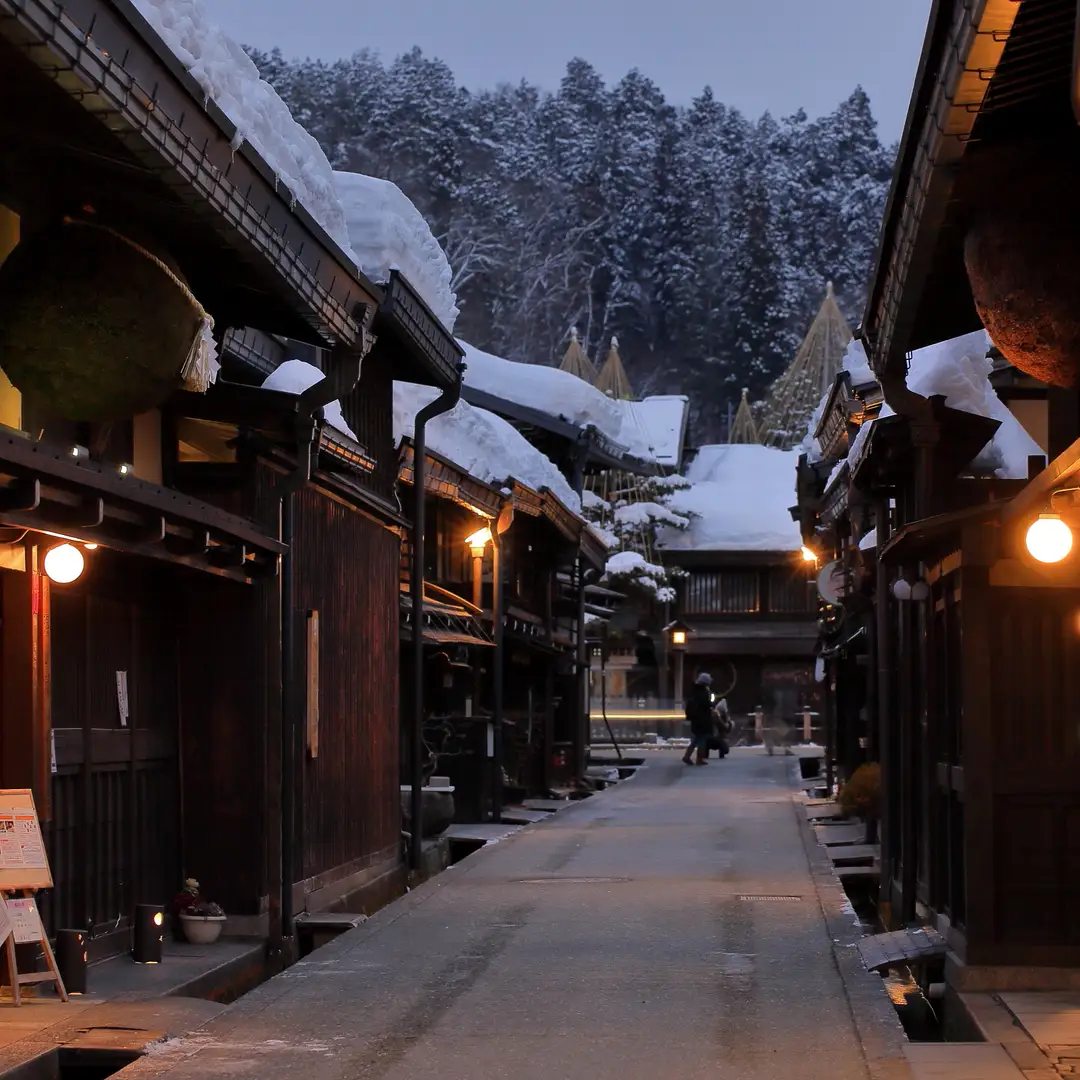
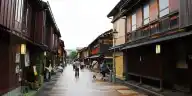
A dark-timber Sanmachi lane in Hida-Takayama at winter dusk, snow on the eaves and lanterns glowing

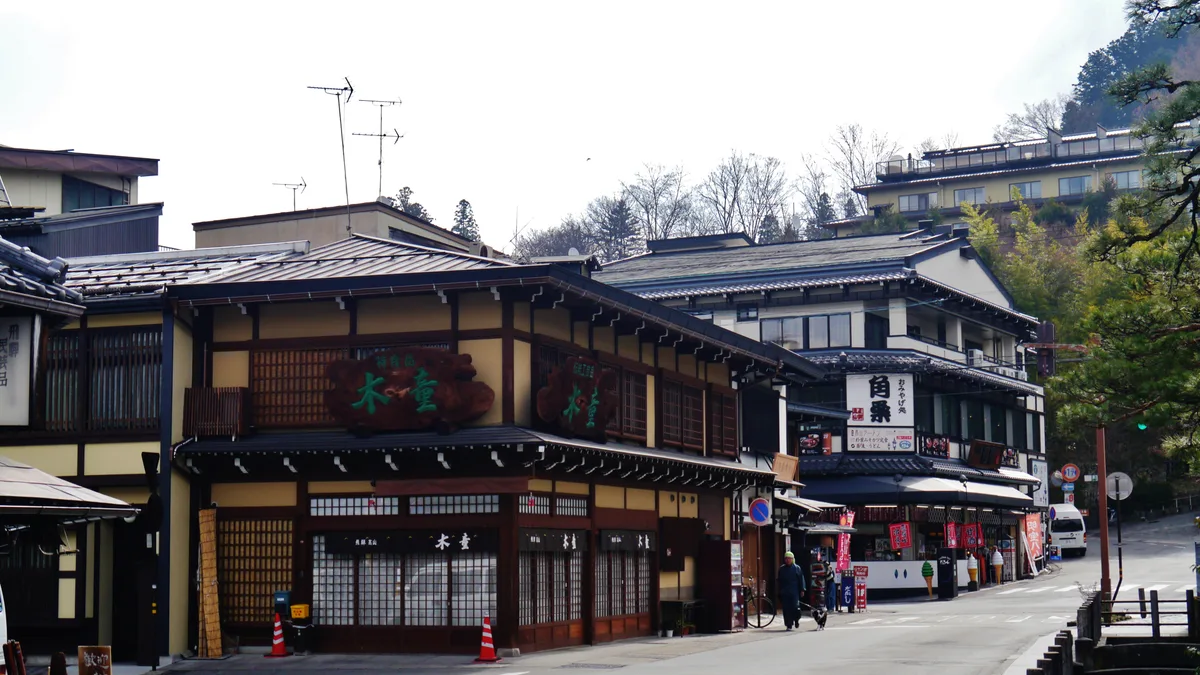
Today you cross the spine of the country. The bus from Matsumoto climbs over the passes to Hida-Takayama, a couple of hours of mountains and tunnels, and sets you down in a town that quietly held onto its Edo-period self — dark wooden merchant houses, sake breweries with cedar balls hung at the door, carpenters whose craft built shrines as far as Kyoto. Takayama wears it lightly. I'd spend the morning at the riverside market, where the stalls are run by local growers and the rhythm is unhurried, then let the old Sanmachi streets carry the rest of the day. There's a warmth to being somewhere that never tore itself down.

  1. 08:00Over the mountains by busThe Nohi/Alpico highway bus runs from beside Matsumoto Station over to the Takayama bus center, about two and a quarter hours through the ranges. This is a reserved-seat bus (and reservation-only since 2024), so I'd book the seat before the day rather than turning up — you can't tap an IC card on board. Fare and booking are in the fact box. If the seasonal bus isn't running on your dates, the all-rail fallback is Matsumoto down to Nagoya and back up to Takayama by limited express — a real detour south, so it's a backstop, not a first choice.
  2. Late morningSanmachi old town and the breweriesThe Sanmachi old streets are a five-minute walk east of the station, across the Miyagawa river. The dark-timber lanes hold sake breweries (the hanging cedar ball means new sake is ready), craft shops and tiny cafes. It's a walking quarter — no transit needed, just wander. Linked guide: Takayama.
  3. AfternoonThe riverside morning market (if you're early) and Takayama JinyaTakayama's morning markets run along the Miyagawa and by the old government house; if you catch the morning, the local growers' stalls feel like the gentle heart of the town. Nearby, the Takayama Jinya is the only surviving Edo-era provincial government house in Japan. Volatile details — market hours, entry — sit in the guide's Good to Know rather than here.

Shirakawa-go to Kanazawa — thatch, then a garden city

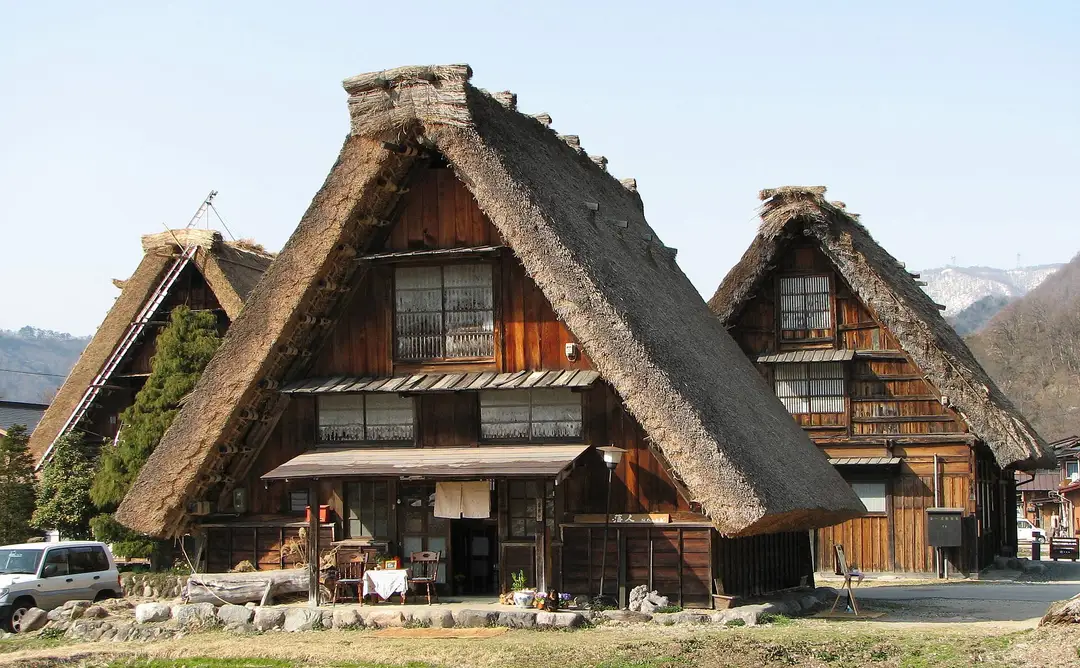
Two steep-thatched gassho-zukuri farmhouses at Shirakawa-go with a snow-capped mountain behind

A short bus north of Takayama brings you to one of the images people carry of Japan before they ever arrive: Shirakawa-go, a valley of steep-thatched gassho-zukuri farmhouses, their roofs pitched like praying hands to shed the deep snow. The thing I'd hold onto here is that it's a living village — people still farm and live in these houses, it isn't an open-air museum — so I'd walk the lanes softly and keep to the public paths, the way you would through anyone's neighbourhood. Then, in the afternoon, another bus carries you down out of the mountains to Kanazawa, a city that spent its old wealth on gardens and gold leaf instead of war. It's a day of two very different quiets.

  1. 09:00Takayama to Shirakawa-go by busThe Nohi bus runs from the Takayama bus center to Shirakawa-go in about fifty minutes — and remember there's no train here, so this bus is the way in. Many departures reserve out, so I'd book ahead in leaf and snow season; no IC tap on board. Fare and booking are in the fact box.
  2. 10:00Ogimachi village and the viewpointThe buses stop at the edge of Ogimachi, the main village, an easy walk into the lanes of farmhouses. The Shiroyama viewpoint on the slope above gives the classic look down over the thatched roofs and the rice fields. These are still lived-in homes, so I keep to the public lanes and walk softly — the way I would through anyone's neighbourhood. Linked guide: Shirakawa-go.
  3. Mid-afternoonOn to KanazawaFrom Shirakawa-go, the Nohi/Hokutetsu bus runs down to Kanazawa Station in about an hour and a quarter. This segment reserves out on most departures, so it's another seat to book in advance — no IC tap. Fare and booking are in the fact box. You'll arrive at Kanazawa Station for the night.

Kanazawa — gardens, gold and old districts

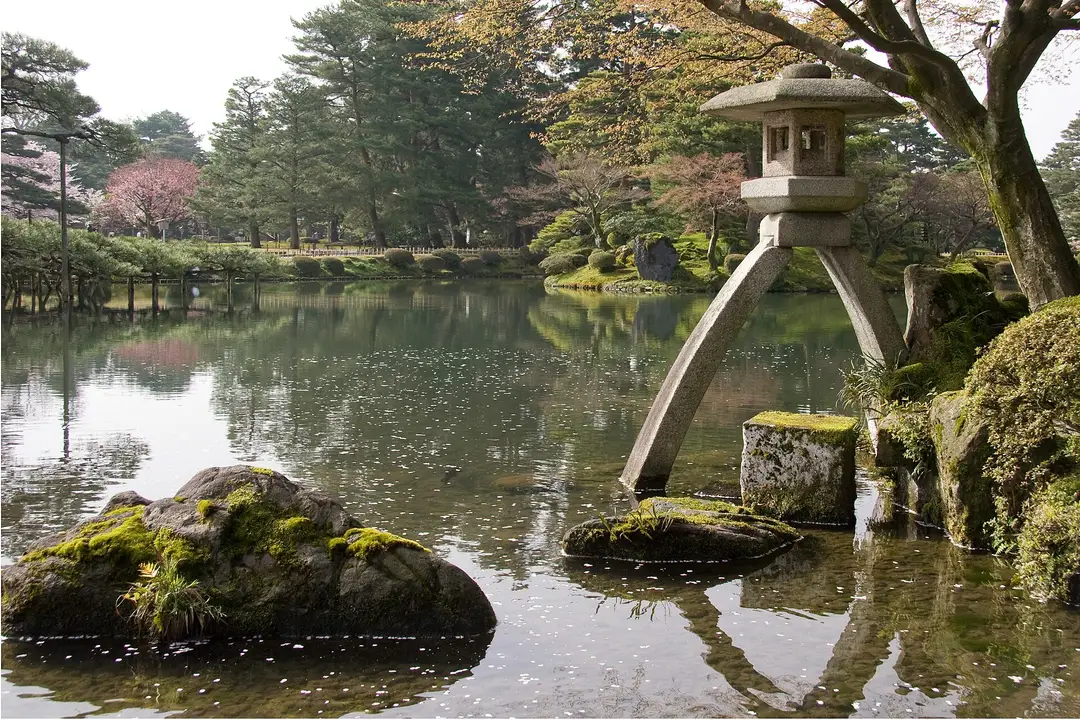
The two-legged Kotoji stone lantern beside the pond at Kenrokuen garden, Kanazawa

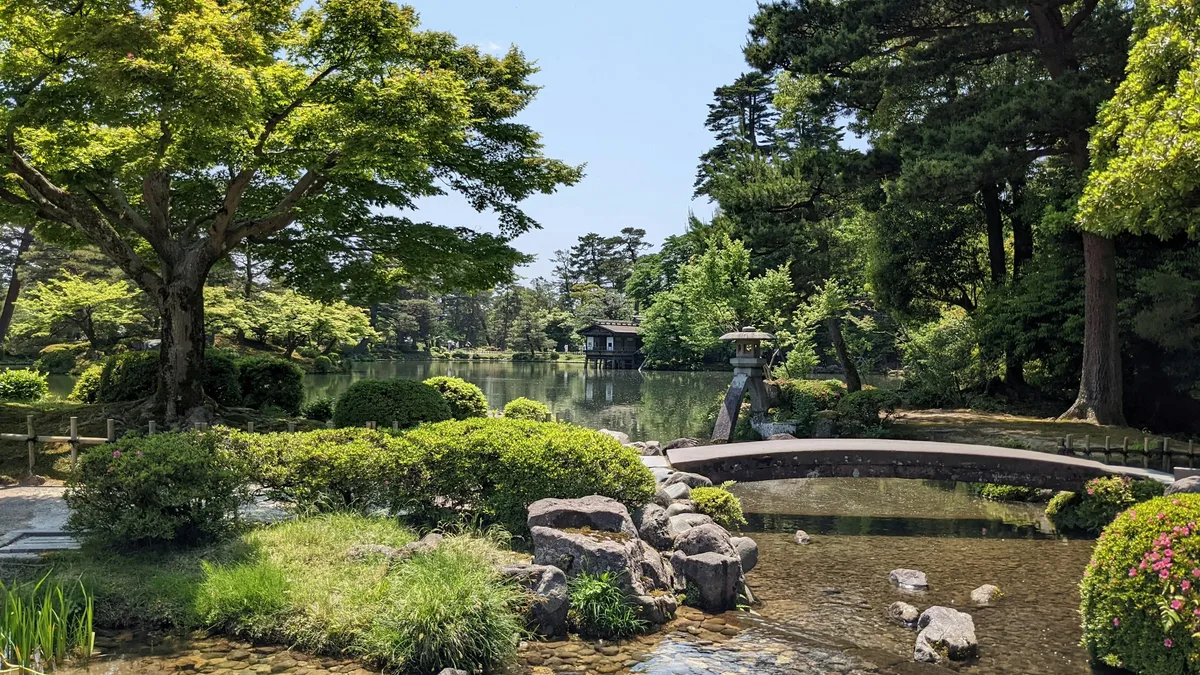
Kanazawa closes the loop on a gentler, grander note. This was the seat of the Maeda lords, who held the richest domain in Japan after the shogun and — rather than threaten anyone with it — poured the money into gardens, tea, theatre and crafts, which is why a city this size has one of the Three Great Gardens of Japan and still beats gold into leaf thin enough to eat. I'd give the day to Kanazawa: a slow loop of Kenrokuen, the castle grounds beside it, the geisha lanes of Higashi Chaya, and the market for lunch. Then the trip hands off cleanly — the Hokuriku Shinkansen east toward Tokyo, or the new route down to Kyoto and Osaka.

  1. 09:00Kenrokuen and the castle groundsFrom the station, the Kanazawa Loop Bus runs to the Kenrokuen/Korinbo stops in fifteen minutes or so. Kenrokuen is one of the Three Great Gardens of Japan, made to be walked slowly through the seasons — the two-legged Kotoji stone lantern by the pond is its signature. The castle park sits right across the road. Linked guide: Kanazawa.
  2. MiddayHigashi Chaya and Omicho MarketThe Higashi Chaya district keeps its wooden teahouse fronts and a couple of houses you can step into, including one with gold-leaf rooms. For lunch, Omicho Market has been the city's kitchen for centuries — many people buy something and eat it right there at the stall. A short Loop Bus hop links them.
  3. AfternoonHand off east or westKanazawa is built for the onward move. East, the Hokuriku Shinkansen runs toward Tokyo in about two and a half hours. West, the same line now runs to Tsuruga where you change to the Thunderbird for Kyoto and Osaka. Note an IC card won't board the Shinkansen here — book through Eki-net. Details in the fact boxes and the extend section below.

If you have one more day

+1 day

If you've got an extra day, I'd offer two directions, and neither is more 'right' than the other.

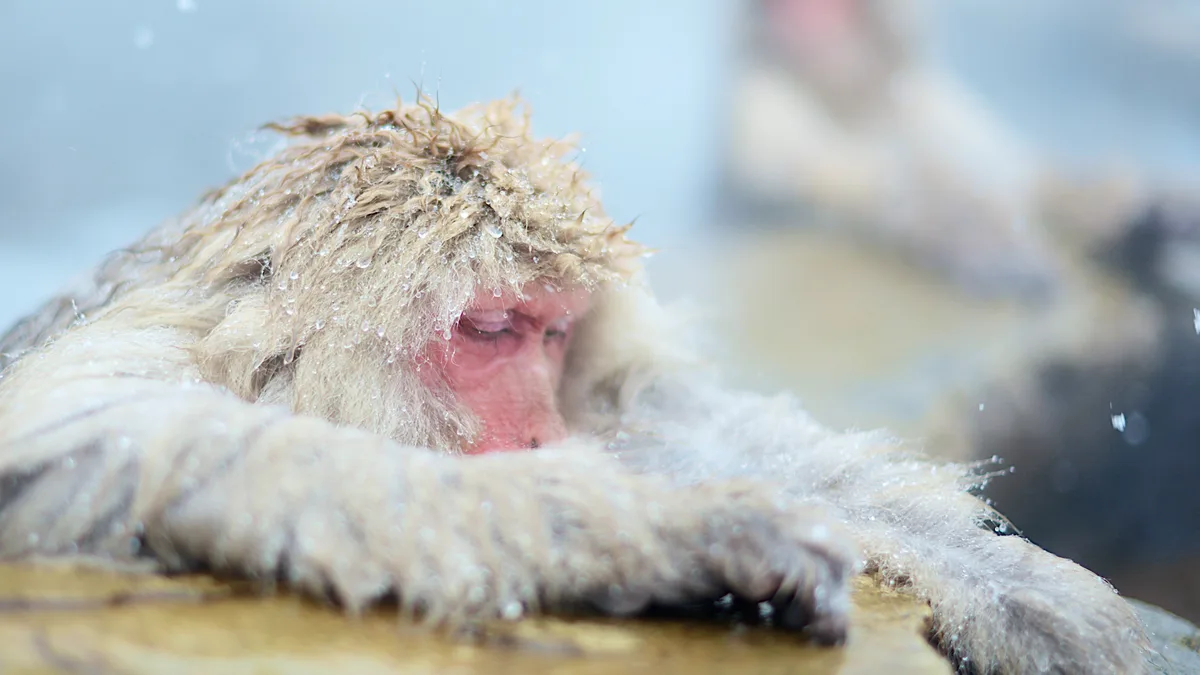
North for the snow monkeys. The wild macaques of Jigokudani bathing in their steaming hillside pool are one of winter's quiet wonders — and Nagano, the gateway to them, is a stop on the Hokuriku Shinkansen between Tokyo and this block, so the detour tucks neatly onto the start or end of the trip. From Nagano Station it's a short local line (the cash-only Nagaden) and then a forest walk up into the valley. Two honest warnings: the monkeys are wild and not guaranteed on any given day, and that last stretch on foot is about 1.6 kilometres, genuinely icy in winter — so I'd wear proper winter boots and give it a calm half-day rather than a rushed dash. Access notes are in the fact box.

Or simply slow down where you are. A second day in Kanazawa lets the garden, the samurai Nagamachi lanes and the contemporary art museum breathe instead of rushing; an extra night in Takayama lets you reach the open-air Hida folk village or just sit by the river. The Alps reward unhurriedness more than ticking boxes — if one town held you, I'd give it the day rather than chase a fifth place.

If you're short a day

−1 day

If you're short on time, the block folds down to three days without losing its heart. The simplest cut is to skip Matsumoto and enter at Takayama instead, coming straight in from Nagoya on the Hida limited express — you lose the castle but keep the mountain towns. Or keep Shirakawa-go to a stop rather than a lingering visit, riding the morning bus from Takayama, an hour or two among the farmhouses, and the afternoon bus on to Kanazawa, all in one day. The thing I'd resist is squeezing all four towns into two days: the buses take real time over the passes, and a calmer three towns will hold more than a breathless four. I'd pick the places that pulled at me and give them room.

Extend from here

Onward

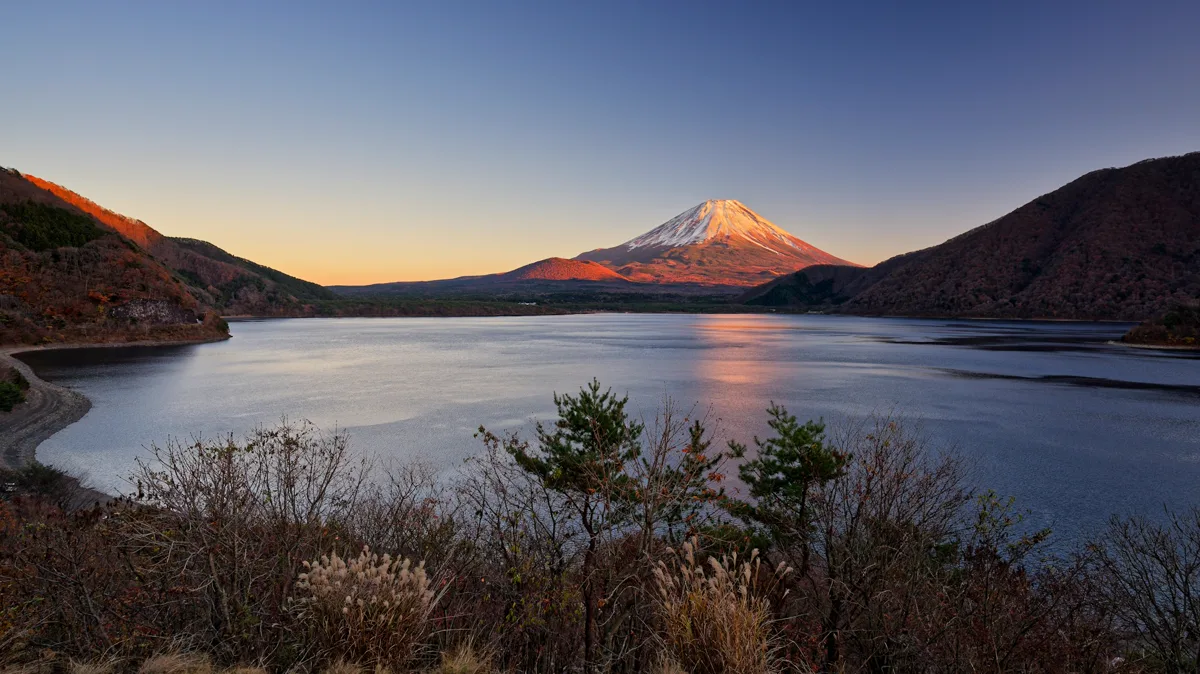
This block sits in the middle of Japan and hands off cleanly in both directions. East, the Hokuriku Shinkansen runs from Kanazawa back toward Tokyo and the Kanto block in about two and a half hours — and Nagano, the gateway to the snow monkeys, is a stop along the way. From the Matsumoto side you can also drop back toward Tokyo on the Azusa. If Mount Fuji is on your list, it belongs to that Tokyo side rather than this loop — it's reached from Shinjuku, not from the Alps towns — so I'd fold it into a Kanto block instead of trying to thread it in here. West, Kanazawa now connects to the Kansai block by riding the Hokuriku Shinkansen to Tsuruga and changing there to the Thunderbird limited express for Kyoto and Osaka (this transfer is new since 2024 — older guides that promise a direct Thunderbird to Kanazawa are out of date). Either way, remember the Shinkansen needs its own ticket; an IC card won't tap you on.

Good to know — fares & times

Tokyo (Shinjuku) -> Matsumoto
JR Azusa Limited Express, about 2.5 hours up the Chuo Line. All seats reserved (E353 series — no non-reserved cars), so an IC card covers only the base fare and you also hold a reserved limited-express ticket; book via Eki-net. Look up the live fare on JR East's official search.
Matsumoto -> Takayama (cross-mountain bus)
Nohi Bus / Alpico Kotsu highway bus, about 2 hr 20 min over the passes via Hirayu Onsen. Adult one-way ¥4,400. RESERVATION REQUIRED (mandatory since 1 Apr 2024); IC cards are not accepted — book a seat via highwaybus.com or the Nohi reservation centre. Green-season and winter timetables differ.
Takayama -> Shirakawa-go (bus; no train exists)
Nohi Bus, about 50 minutes. Adult one-way ¥2,800. There is no railway to Shirakawa-go, so this bus is the only public way in. Many departures are reservation-required and fill in peak seasons; reserve via Japan Bus Online. IC cards are not accepted on board.
Shirakawa-go -> Kanazawa (bus)
Nohi Bus / Hokutetsu, about 1 hr 15 min down to Kanazawa Station. Adult one-way ¥2,800 (Takayama–Kanazawa through fare ¥4,200). Most departures are reservation-required — book via Japan Bus Online. IC cards are not accepted on board.
All-rail fallback: Nagoya -> Takayama
JR Hida Limited Express (HC85 series) along the Takayama Main Line, about 2 hr 20 min — the way in if you skip Matsumoto or the cross-mountain bus isn't running. Reserved and non-reserved cars; look up the live fare on JR Central's official search.
Kanazawa -> Tokyo (Hokuriku Shinkansen)
Hokuriku Shinkansen — Kagayaki (fastest, fully reserved) reaches Tokyo in about 2 hr 28 min; Hakutaka is slower with some non-reserved cars. An IC card does NOT board the Shinkansen from Kanazawa (the Touch de Go IC service only runs Tokyo–Joetsu-Myoko) — use a paper ticket or Eki-net, not Smart-EX. Look up the live fare on the official search.
Kanazawa -> Kyoto / Osaka (since 2024, with a transfer)
Since the Hokuriku Shinkansen opened to Tsuruga on 16 Mar 2024, the Thunderbird no longer runs through to Kanazawa: ride the Hokuriku Shinkansen to Tsuruga, then change (timed cross-platform) to the Limited Express Thunderbird for Kyoto/Osaka — about 2.5 hours total. Both legs are reserved-seat. Look up the through fare on JR West's official search.
Takayama–Hokuriku Area Tourist Pass
JR West foreign-visitor pass, 5 consecutive days, adult ¥19,800 / child ¥9,900. The one pass that covers the Nohi/Hokutetsu mountain buses between Takayama, Shirakawa-go and Kanazawa (you still reserve the bus seats separately) plus JR in the Nagoya–Takayama–Toyama–Kanazawa–Kansai area. It does NOT reach Matsumoto, so the Matsumoto–Takayama bus stays a separate ticket.
Kanazawa Loop Bus & 1-Day Pass
Hokutetsu Kanazawa Loop Bus circles the sights from the station every 15–20 min: single ride ¥220 adult / ¥110 child, or a Kanazawa 1-Day Pass ¥800 adult / ¥400 child (also covers local buses, with discounts at sights). IC-card acceptance on the loop is inconsistent between official pages; a day pass or coins both work reliably.
Takayama: walk, or the Sarubobo loop bus
Takayama's old town is a ~5-minute walk from the station and easily covered on foot. For outer sights (the Hida-no-Sato folk village), the Sarubobo loop bus is ¥100 per ride or a ¥500 one-day pass. An IC tap is not assured on the small local loop, so coins or the one-day pass cover it.
Snow monkeys (Jigokudani) from Nagano
From Nagano Station, either the Nagaden 'Snow Monkey' express bus (~40–45 min) or the Nagano Dentetsu train to Yudanaka (~45 min) plus a local bus (~10 min) — then a 1.6 km / ~30–35 min uphill forest walk to the park. The Nagaden line runs cash-only; the Snow Monkey Pass bundles the train, local bus and park admission. Open year-round; monkeys not guaranteed daily — check the park's live updates.

Go deeper

松本城 — 為戰爭而建的要塞,為何會有一間賞月的房間
11 min· 6 ch
出發前漫步時

松本城 — 為戰爭而建的要塞,為何會有一間賞月的房間

松本城是日本僅存十二座原始木造天守之一,並非重建的黑色平城。為戰爭而建的要塞,為何會接上一間不為打仗、只為賞月的月見櫓?含護城河、北阿爾卑斯背景、陡峭階梯的攻略與開放時間、門票、交通。

Matsumoto Castle
高山——從未變成博物館的老街
7 min· 5 ch
出發前漫步時

高山——從未變成博物館的老街

高山是一座至今仍有人生活與做生意的山中老城。漫步三町老街的格子木造商家、清晨到宮川朝市與在地農婦交談、走進唯一倖存的幕府官署高山陣屋,並從這裡前往白川鄉——感受一座從未停止當古日本城的城。

Takayama Old Town (Sanmachi)

白川鄉——故事書般的村莊,至今仍是某個人的家
10 min· 5 ch
出發前漫步時

白川鄉——故事書般的村莊,至今仍是某個人的家

白川鄉文化語音導覽,依官方資料查證。為何這座合掌造世界遺產至今仍是有人居住的家,以及巴士交通、展望台與冬季點燈。

Ogimachi, Shirakawa-go

金澤——把財富變成庭園與金箔,而非軍隊的城下町
11 min· 6 ch
出發前漫步時

金澤——把財富變成庭園與金箔,而非軍隊的城下町

金澤——日本海岸的城下町,前田家把百萬石財富投入文化而非軍隊。漫遊三名園之一的兼六園、金澤城、長町武士街與東茶屋街金箔工藝。兼六園3-10月7:00–18:00、10-2月8:00–17:00,門票¥320,65歲以上免費,每日清晨另有免費時段。

Kanazawa
地獄谷雪猴——牠們為何泡湯求生,而您能做的最溫柔的事,又為何是保持距離
10 min· 5 ch
出發前漫步時

地獄谷雪猴——牠們為何泡湯求生,而您能做的最溫柔的事,又為何是保持距離

地獄谷野猿公苑的雪猴(日本獼猴)泡湯不為討喜,而是借溫泉的熱度熬過嚴冬。從上林溫泉走兩公里進谷,學會不餵食、不觸碰、不對視——最溫柔的款待,就是對牠們一無所求。含交通、開放時間與冬季裝備的實用須知。

Jigokudani Yaen-koen (Snow Monkey Park)
富士山 —— 為什麼日本始終眺望著一座一年有半年都躲起來的山
9 min· 6 ch
出發前漫步時

富士山 —— 為什麼日本始終眺望著一座一年有半年都躲起來的山

2025年只有136天能完整望見富士山。不必登頂也能與這座聖山相遇:河口湖逆富士、五合目鳥居、登山季節與看不見時的溫柔備案,一份溫暖的富士山指南。

Mount Fuji