
This page is also available in English.Read in English →
このページは日本語でも読めます。日本語で読む →
這個頁面也有繁體中文版。閱讀繁體中文版 →
这个页面也有简体中文版。阅读简体中文版 →
หน้านี้มีภาษาไทยด้วยอ่านภาษาไทย →
Trang này cũng có bản tiếng Việt.Đọc bằng tiếng Việt →
Halaman ini juga tersedia dalam Bahasa Indonesia.Baca dalam Bahasa Indonesia →
Cette page existe aussi en français.Lire en français →
Diese Seite gibt es auch auf Deutsch.Auf Deutsch lesen →
Esta página también está disponible en español.Leer en español →
Questa pagina è disponibile anche in italiano.Leggi in italiano →
일수
4일 (마쓰모토, 다카야마, 가나자와 가는 길에 들르는 시라카와고, 가나자와). 간토 블록과 간사이 블록 사이를 옮겨 다니는 일정
추천 계절
봄 벚꽃과 가을 단풍도 아름답지만, 알프스의 진면목은 겨울입니다. 초가지붕에 쌓인 눈, 저녁 라이트업, 온천에 들어간 원숭이까지 볼 수 있습니다. 겨울은 춥고 일부 운행 시간이 바뀌기도 해서 준비가 조금 더 필요합니다
거점
한 거점에 머물지 않고 마을에서 마을로 옮겨 다닙니다. 마쓰모토에서 하룻밤, 다카야마 근처에서 하루나 이틀, 그다음 가나자와입니다. 시라카와고는 가는 길에 들르거나, 특별하게 하룻밤 묵어 가는 곳입니다
이동 수단
교통카드를 찍고 타기보다 좌석을 예약해서 다닙니다. 양 끝은 특급, 산을 넘는 구간은 예약제 고속버스입니다. IC 카드를 쓸 일이 거의 없고, 미리 예약해야 하는 지역입니다
이 플랜이 잘 맞는 여행자
- 첫 방문잘 맞아요
- 재방문딱 맞아요
- 아이와 함께잘 맞아요
- 혼자 여행딱 맞아요
- 커플 여행딱 맞아요
- 여유로운 페이스잘 맞아요
가기 좋은 시기Apr–Nov
Green valleys and old towns from spring through autumn; Shirakawa-go under snow is a special winter trip in its own right.
주부(中部)는 일본 한가운데, 도쿄 쪽과 교토·오사카 쪽 사이에 자리한 혼슈의 산악 지대입니다. 여행하는 방식도 그 두 지역과는 조금 다릅니다. 간토와 간사이는 교통카드 한 장만 찍으면 어디든 다닐 수 있지만, 일본 알프스에서는 좌석을 미리 예약해서 움직입니다. 들어갈 때는 지정석 특급, 나올 때는 신칸센을 타고, 그 사이에는 예약제 버스로 고개를 넘으며 옛 성곽 마을, 옛 상인 마을, 초가지붕 산골 마을, 바닷가의 정원 도시를 차례로 돕니다. 저라면 여유 있는 4일 일정으로 잡고, 한곳에 머물기보다 매일 조금씩 옮겨 가겠습니다. 마쓰모토, 다카야마, 가나자와 순서로 가고, 시라카와고는 다카야마에서 가나자와로 가는 길에 들르는 식입니다.
미리 알아 두면 마음이 편한 점이 하나 있습니다. 이 지역은 해안 쪽 도시들처럼 즉흥적으로 다니기가 어렵습니다. 산을 넘는 버스 가운데 몇 노선은 미리 예약해야 하고, 유명한 마을 한 곳은 아예 기차가 다니지 않습니다. 대신 그만큼 좋은 점도 있습니다. 계획이 조금 필요한 덕분에 서둘러 지나가는 사람이 훨씬 적고, 마을들은 조용하고 본래 모습 그대로입니다. 제가 어떻게 이동하고 어떤 좌석을 예약하며 어디서 묵을지 정리해 두었으니, 필요한 부분만 골라 일정에 맞게 바꿔 쓰시면 됩니다.
거점은 어디에 둘까
숙소를 한곳에 정해 두고 다니기 어려운 블록은 여기뿐입니다. 마을들이 한 도시를 중심으로 모여 있지 않고 산을 사이에 두고 띄엄띄엄 떨어져 있어서, 저라면 경로를 따라 옮겨 다니며 마을마다 하룻밤씩 묵겠습니다. 다행히 이곳 마을들은 하나같이 작고 걸어 다니기 좋아서, 어디에 묵든 아침이 편합니다.
마쓰모토에서는 아담한 시내 중심 어디에 묵어도 좋습니다. 성과 옛 나카마치·나와테 골목, 역이 모두 걸어서 다닐 수 있는 몇 블록 안에 모여 있고, 마쓰모토성도 역에서 조금만 걸으면 됩니다. 아즈사 특급으로 밤늦게 도착한다면 역 근처가 가장 편하고, 성 가까이에 묵으면 옛 마을 분위기를 더 느낄 수 있습니다. 어느 쪽이든 아침에는 산책하듯 걸어서 나서면 됩니다.
다카야마에서는 역과 옛 마을 사이에 묵겠습니다. 마쓰모토, 시라카와고, 가나자와를 오가는 산길 버스가 모두 서는 히다타카야마 버스센터는 역 바로 옆에 있고, 다카야마의 옛 거리인 산마치는 강 건너 동쪽으로 몇 분만 걸으면 됩니다. 역 쪽에 묵으면 버스 타러 가기가 편하고, 옛 마을 쪽에 묵으면 당일치기 관광객이 오기 전 이른 아침에 아침 시장을 둘러보기 좋습니다. 두 곳은 가까워서 어느 쪽이든 괜찮습니다.
가나자와에서는 역 근처와 시내 중심 가운데 고르게 됩니다. 시라카와고행 버스, 호쿠리쿠 신칸센, 루프 버스가 모두 가나자와역에서 출발하니, 역 근처에 묵으면 도착할 때도 다음 목적지로 떠날 때도 편합니다. 다만 정원과 성, 옛 거리들은 시내 한복판에 있어서 버스를 조금 타야 합니다. 아침에 명소까지 걸어가고 싶다면 시내 고린보/가타마치 일대에 묵으세요. 겐로쿠엔과 차야 거리까지 걸어갈 수 있습니다. 어느 쪽이든 괜찮고, 두 지역 사이는 루프 버스가 15분 남짓 간격으로 다닙니다.
시라카와고에서 묵는 방법도 있습니다. 들르기만 하고 지나칠 필요는 없습니다. 오기마치의 갓쇼즈쿠리 초가 농가 가운데 몇 곳은 숙박객을 받는데, 그 집에 묵으려고 여행 전체를 계획하는 사람도 있습니다. 당일치기 버스가 떠나고 나면 마을은 조용해지고, 수백 년 된 집에서 이로리(바닥 화로) 곁에 누워 잠들게 됩니다. 그런 방은 스무 곳 남짓밖에 없어서 일찌감치 예약이 찹니다. 빈방이 있고 마음이 끌린다면 저는 예약하겠습니다. 빈방이 없다면 다카야마와 가나자와에 묵고, 시라카와고는 가는 길에 들르면 됩니다.
가나자와
버스 약 75분시라카와고
버스 약 50분다카야마
버스 약 2시간 20분마쓰모토
이동 수단과 티켓
먼저 가장 중요한 점부터 말씀드리겠습니다. 알프스에서는 도쿄나 교토에서처럼 교통카드만 찍고 다니기가 어렵습니다. 이 블록은 좌석 예약이 기본입니다. 양 끝은 지정석 열차, 가운데 산을 넘는 구간은 예약제 고속버스입니다. IC 카드는 마쓰모토와 가나자와 주변의 지역 열차에서는 여전히 편리하지만, 주요 이동 구간에서는 쓸 수 없습니다.
이동의 중심은 산을 넘는 버스이고, 그중 몇 노선은 미리 예약해야 합니다. 산맥을 넘는 구간은 마쓰모토에서 다카야마, 다카야마에서 시라카와고, 시라카와고에서 가나자와까지 세 곳입니다. 모두 고속버스라서 IC 카드를 찍고 탈 수 없습니다. 예약하거나 미리 산 표가 있어야 합니다. 마쓰모토–다카야마 버스는 2024년부터 완전 예약제이고, 시라카와고–가나자와 구간도 대부분의 편이 예약제라서 저라면 전날까지 예약해 두겠습니다. 단풍철과 눈 내리는 계절에는 자리가 금방 찹니다. 또 하나 미리 알아 둘 점은 시라카와고에는 기차가 아예 다니지 않는다는 것입니다. 대중교통으로 갈 수 있는 수단은 이 버스뿐입니다. 날짜가 정해지면 저는 운영사 공식 사이트(노히 버스 고속버스 사이트나 Japan Bus Online)에서 예약하겠습니다.
IC 카드를 쓸 수 있는 곳: Suica나 ICOCA는 마쓰모토와 가나자와 주변 JR 지역 열차에서는 문제없이 쓸 수 있습니다. 그런 열차에서만 쓰고, 버스에서는 쓸 수 없다고 생각하는 편이 좋습니다. 주의할 점도 두 가지 있습니다. IC 카드만으로는 신칸센을 탈 수 없고(별도 승차권이 필요하며, 호쿠리쿠 신칸센은 Smart-EX 대신 Eki-net으로 예약합니다), 눈 원숭이를 보러 가는 나가노의 작은 노선은 현금만 받습니다. 산간 지역을 다닐 때는 현금을 조금 챙겨 두겠습니다. 시골 매표소나 이런 작은 노선은 현금을 쓰는 곳이 많습니다.
레일 패스가 필요할까요? 어느 쪽으로 들어와서 어느 쪽으로 나가느냐에 따라 다릅니다. 이 루트의 서쪽 절반에 맞는 패스는 다카야마–호쿠리쿠 지역 관광 패스(5일권)뿐이고, 다카야마·시라카와고·가나자와 사이의 노히/호쿠테쓰 산길 버스까지 탈 수 있는 패스도 이것 하나입니다(버스 좌석 예약은 패스와 별도로 직접 해야 합니다). 아쉬운 점은 마쓰모토가 이용 범위에 들어가지 않는다는 것이어서, 마쓰모토–다카야마 버스는 어떤 경우든 따로 표를 사야 합니다. 마쓰모토에서 가나자와까지 전 구간을 한 장으로 해결하는 패스는 없어서 의외라고 느끼는 사람이 많습니다. 그러니 저라면 패스에 맞춰 일정을 짜기보다 일정에 맞는 패스를 고르겠습니다. 최신 요금은 아래 '알아두면 좋아요'에 정리해 두었습니다.
마을 안에서는 대부분 걸어서 다닙니다. 다카야마의 옛 마을은 역에서 걸어서 5분이라 도보로 충분하고, 외곽 명소에 갈 때는 작은 시내 순환버스를 탈 수도 있습니다. 가나자와는 정원이 역에서 2km 남짓 떨어져 있는 등 명소가 좀 더 흩어져 있어서, 저라면 가나자와 루프 버스를 타겠습니다. 이 버스에서 IC 카드를 쓸 수 있는지는 공식 페이지마다 설명이 달라서, 1일권을 사거나 동전을 준비해 두는 편이 확실합니다. 자세한 요금은 '알아두면 좋아요'의 두 항목에 있습니다.
마쓰모토: 알프스 아래의 검은 성
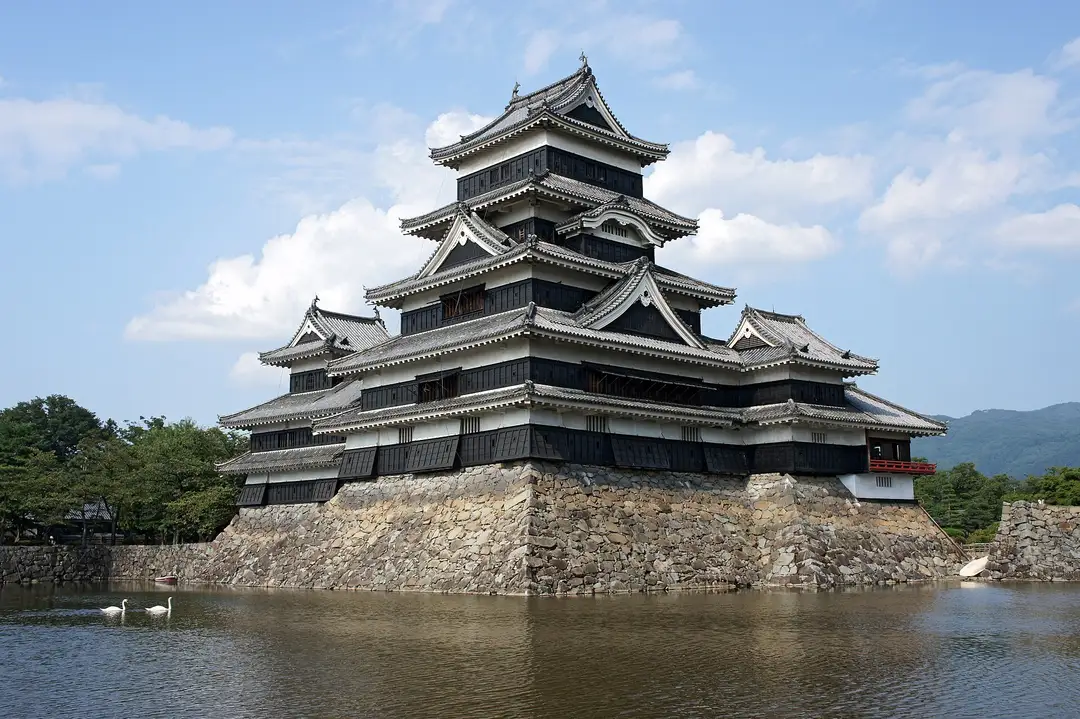
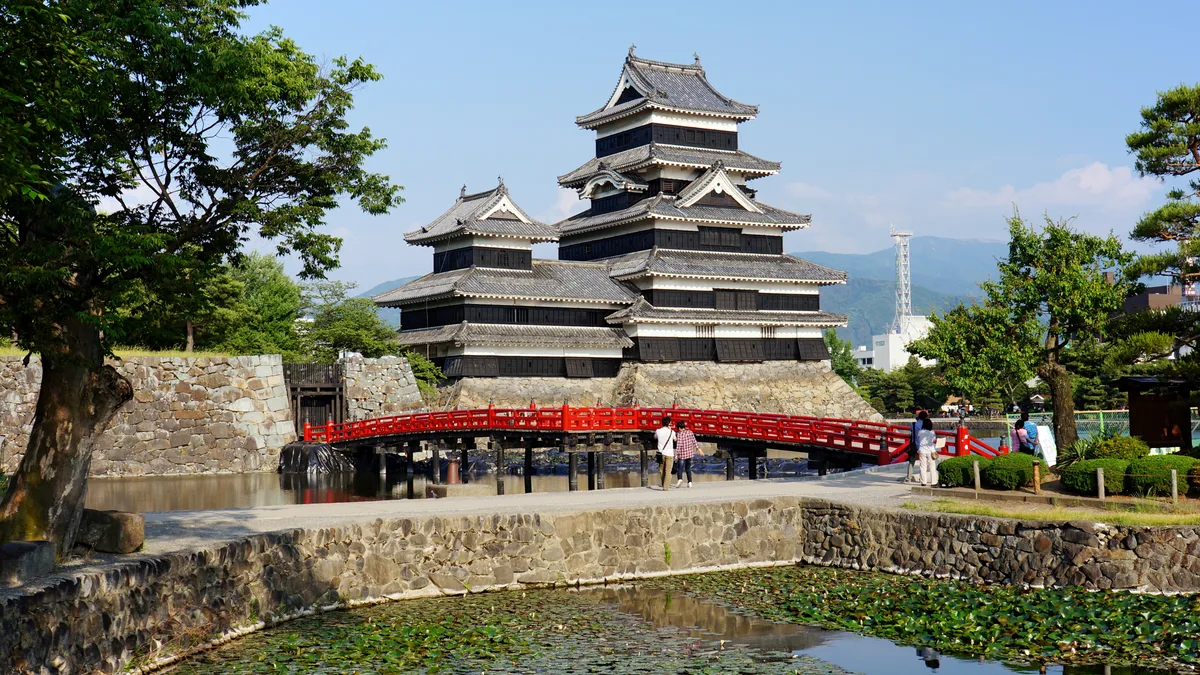
저라면 마쓰모토에서 시작하겠습니다. 산악 지대에 천천히 적응하기 좋은 곳이기 때문입니다. 작아서 걸어 다니기 좋은 마을로, 뒤로는 북알프스가 솟아 있고 한가운데에는 일본에 열두 곳뿐인 현존 천수각 중 하나가 있습니다. 마쓰모토성의 천수각은 지어진 당시 그대로입니다. 검은 벽의 이 성은 사백 년 동안 한 번도 불에 타지 않았고, 콘크리트로 다시 지은 적도 없습니다. 눈앞의 목재가 처음 지었을 때부터 그 자리에 있던 것이라서, 성 아래에 서 보면 복원한 성과는 느낌이 다릅니다. 오후에는 성과 해자를 천천히 둘러보고, 해 질 무렵 옛 나카마치·나와테 골목으로 걸어가겠습니다. 첫날은 일부러 느긋하게 잡았습니다. 도착해서 걸음을 늦추면 여행의 속도도 한결 느긋해집니다.
- 오후도쿄에서 아즈사 특급으로 이동대부분은 신주쿠에서 JR 아즈사 특급을 타고 옵니다. 주오선을 따라 산으로 올라가며 두 시간 반쯤 걸립니다. 출발 전에 챙겨 둘 점이 있습니다. 아즈사는 전석 지정석 열차라 IC 카드만으로는 좌석을 이용할 수 없으니, 지정석 표를 예약해 두세요(Eki-net이 편합니다). 시간과 요금은 '알아두면 좋아요'에 있습니다. 마쓰모토역에서는 어디든 조금만 걸으면 갈 수 있습니다.
- 15:00당시 모습 그대로인 마쓰모토성역에서 성까지는 평지를 15분 정도 걸으면 됩니다(순환버스를 잠깐 타도 됩니다). 먼저 해자를 한 바퀴 돌아보세요. 알프스를 배경으로 선 검은 천수각이 물에 비쳐 보입니다. 그런 다음 성 안으로 들어가 옛날 그대로의 가파른 계단을 올라 보세요. 평화로운 시대에 덧붙인 달맞이 망루도 찾아보세요. 싸우기 위해 지은 성에 달구경만을 위한 방이 있습니다. 연결 가이드: 마쓰모토성.
- 저녁나카마치와 나와테 골목성에서 걸어가면 나오는 옛 상인 거리 나카마치에는 흰 벽의 창고가 남아 있고, 강가를 따라 난 작은 나와테 거리에는 개구리 석상과 작은 가게들이 늘어서 있습니다. 등불이 켜진 거리를 걸으며 하루를 편하게 마무리할 수 있습니다. 교통편 없이 옛 마을을 걷기만 하면 됩니다.
다카야마: 에도 시대의 모습이 남은 마을
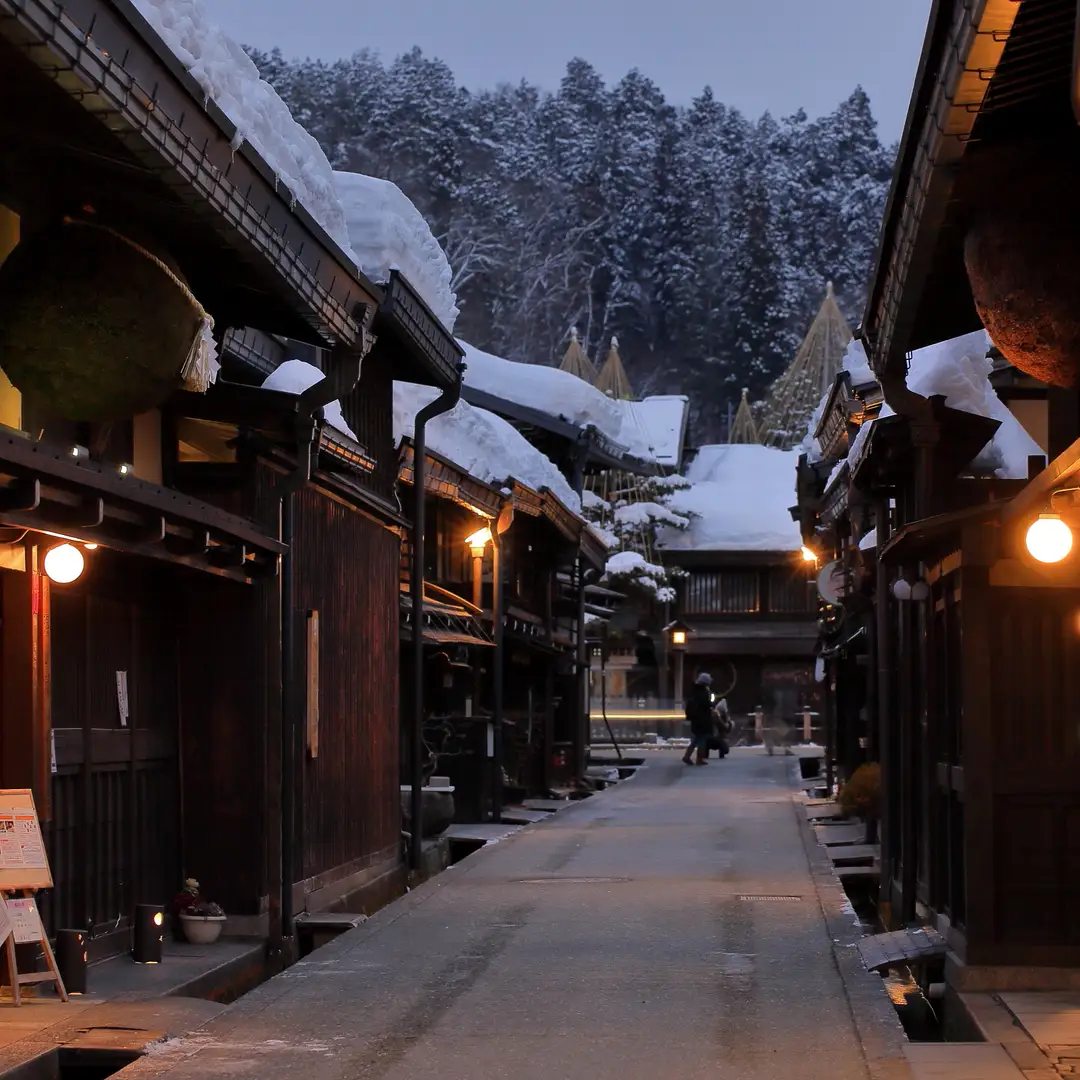
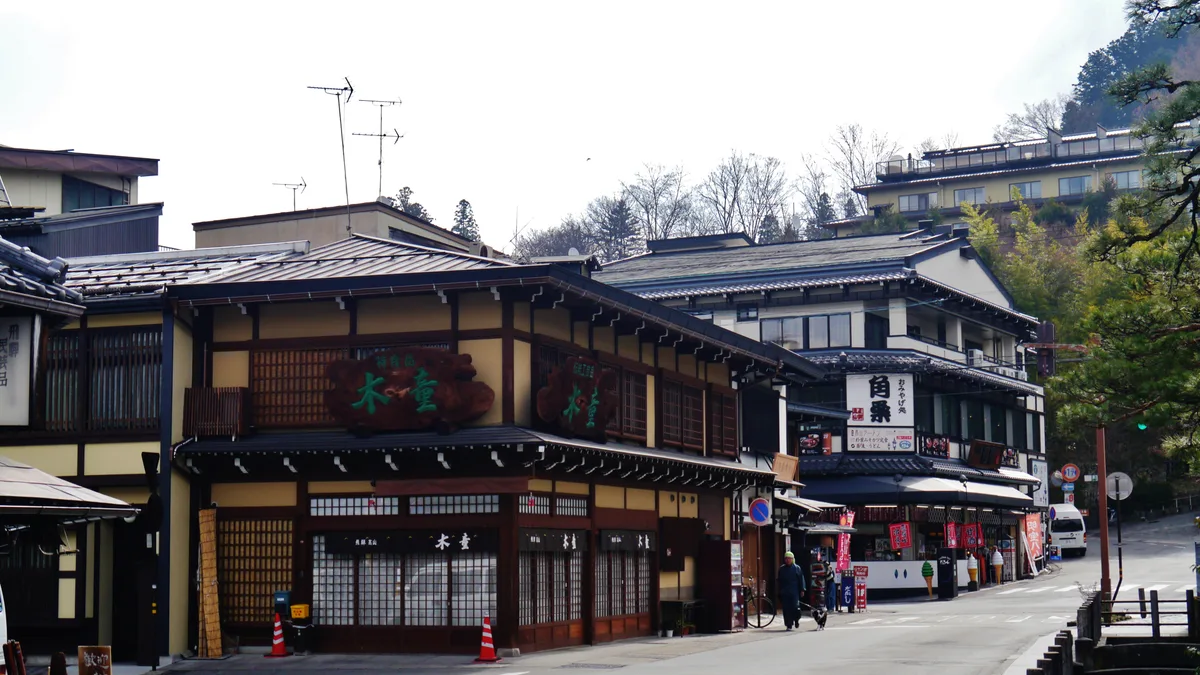
오늘은 일본 한가운데의 산맥을 넘습니다. 마쓰모토에서 출발한 버스는 산과 터널이 이어지는 고갯길을 두어 시간 달려 히다타카야마에 도착합니다. 에도 시대의 모습이 지금도 고스란히 남아 있는 마을입니다. 짙은 색 목조 상가와 문 앞에 삼나무 잎 공(스기다마)을 매단 양조장이 늘어서 있고, 멀리 교토의 신사를 지을 만큼 솜씨 좋은 목수들의 고장이기도 합니다. 다카야마는 그런 역사를 요란하게 내세우지 않습니다. 저라면 오전에는 강가 아침 시장에 가겠습니다. 지역 농가 사람들이 좌판을 지키고, 분위기도 느긋합니다. 남은 하루는 옛 산마치 거리를 천천히 걸으며 보내겠습니다. 옛 건물을 허물지 않고 지켜 온 마을에는 특유의 따뜻함이 있습니다.
- 08:00버스로 산을 넘어 다카야마로노히/알피코 고속버스가 마쓰모토역 옆에서 다카야마 버스센터까지 운행합니다. 산맥을 넘어 두 시간 15분쯤 걸립니다. 지정석 버스이고 2024년부터는 예약해야만 탈 수 있으니, 저라면 전날까지 좌석을 예약해 두겠습니다. 차내에서 IC 카드는 쓸 수 없습니다. 요금과 예약 방법은 '알아두면 좋아요'에 있습니다. 여행 날짜에 계절 운행 버스가 다니지 않는다면, 철도로만 가는 방법은 마쓰모토에서 나고야로 내려간 뒤 특급으로 다카야마까지 올라가는 것입니다. 남쪽으로 크게 돌아가는 길이라 버스를 탈 수 없을 때의 대안으로만 생각하세요.
- 늦은 오전산마치 옛 마을과 양조장들산마치 옛 거리는 미야가와강을 건너 역에서 동쪽으로 걸어서 5분입니다. 짙은 색 목조 건물이 늘어선 골목에는 양조장(처마에 매단 스기다마는 햇술이 나왔다는 표시입니다), 공예품점, 작은 카페들이 있습니다. 걸어서 둘러보는 동네라 교통편 없이 천천히 거닐면 됩니다. 연결 가이드: 다카야마.
- 오후강가의 아침 시장(일찍 간다면)과 다카야마 진야다카야마의 아침 시장은 미야가와강가와 옛 관청 앞에 섭니다. 아침 시간에 맞춰 가면 지역 농가 사람들의 좌판에서 이 마을의 소박한 일상을 볼 수 있습니다. 근처의 다카야마 진야는 일본에 하나뿐인, 에도 시대 지방 관청이 남아 있는 곳입니다. 시장 운영 시간이나 입장료처럼 바뀌기 쉬운 정보는 다카야마 가이드의 '알아 두면 좋은 것들'에 정리해 두었습니다.
시라카와고에서 가나자와로: 초가지붕 마을과 정원 도시
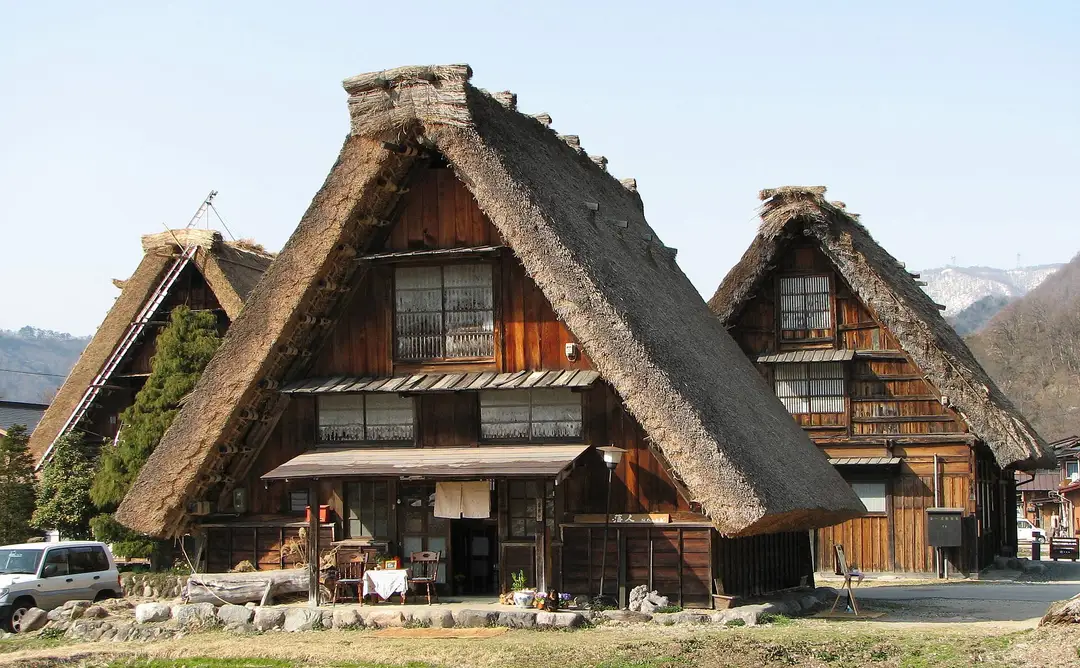
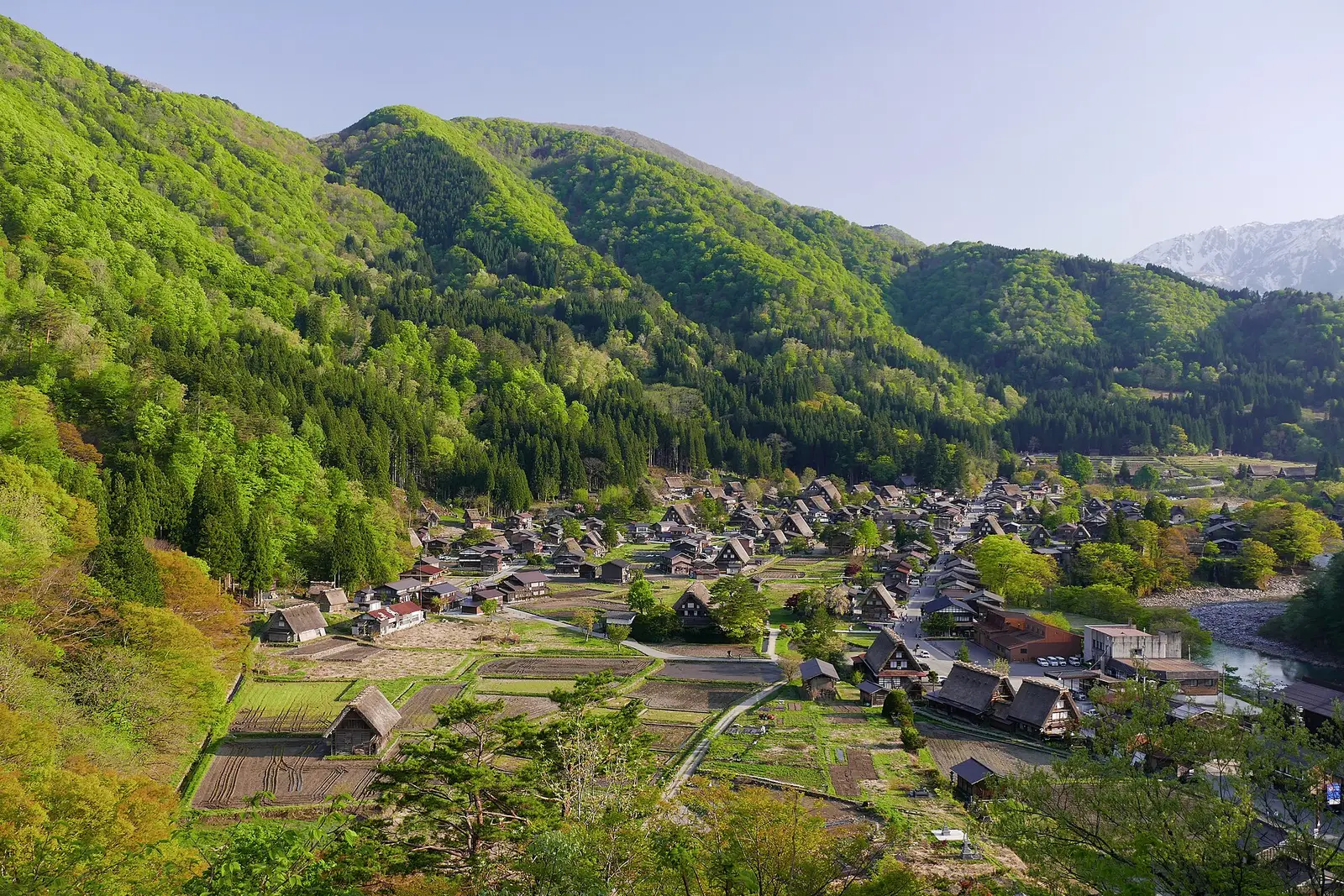
다카야마에서 북쪽으로 버스를 조금만 타면, 일본에 오기 전부터 많은 사람이 떠올리는 풍경 중 하나를 만날 수 있습니다. 시라카와고는 갓쇼즈쿠리 농가가 모인 골짜기로, 많이 쌓이는 눈이 잘 미끄러져 내리도록 합장한 두 손처럼 지붕을 가파르게 올렸습니다. 여기서 꼭 기억해 둘 점은 이곳이 지금도 사람이 사는 마을이라는 것입니다. 주민들이 이 집에서 농사를 지으며 생활하고 있습니다. 그래서 저는 남의 동네를 지날 때처럼 조용히 걷고, 공용 길로만 다니겠습니다. 오후에는 다시 버스를 타고 산을 내려가 가나자와로 갑니다. 예부터 쌓은 부를 전쟁보다 정원과 금박에 쏟아부은 도시입니다. 하루 동안 전혀 다른 두 곳의 고요함을 느낄 수 있습니다.
- 09:00버스로 다카야마에서 시라카와고까지노히 버스로 다카야마 버스센터에서 시라카와고까지 약 50분 걸립니다. 시라카와고에는 기차가 다니지 않아서 이 버스로만 갈 수 있습니다. 예약제인 편이 많으니 단풍철과 눈 내리는 계절에는 미리 예약해 두겠습니다. 차내에서 IC 카드는 쓸 수 없습니다. 요금과 예약 방법은 '알아두면 좋아요'에 있습니다.
- 10:00오기마치 마을과 전망대버스는 중심 마을인 오기마치 초입에 서고, 농가들이 늘어선 골목까지 걷기 편합니다. 비탈 위 시로야마 전망대에서는 초가지붕과 논을 내려다보는, 사진으로 잘 알려진 풍경이 펼쳐집니다. 지금도 사람이 사는 집들이니, 저는 남의 동네를 지날 때처럼 공용 골목으로만 조용히 걷습니다. 연결 가이드: 시라카와고.
- 오후가나자와로시라카와고에서 노히/호쿠테쓰 버스를 타면 약 1시간 15분 만에 가나자와역에 도착합니다. 이 구간도 대부분의 편이 예약제라서 미리 예약해야 합니다. IC 카드는 쓸 수 없습니다. 요금과 예약 방법은 '알아두면 좋아요'에 있습니다. 이날 밤은 가나자와역 근처에서 묵습니다.
가나자와: 정원과 금박, 옛 거리
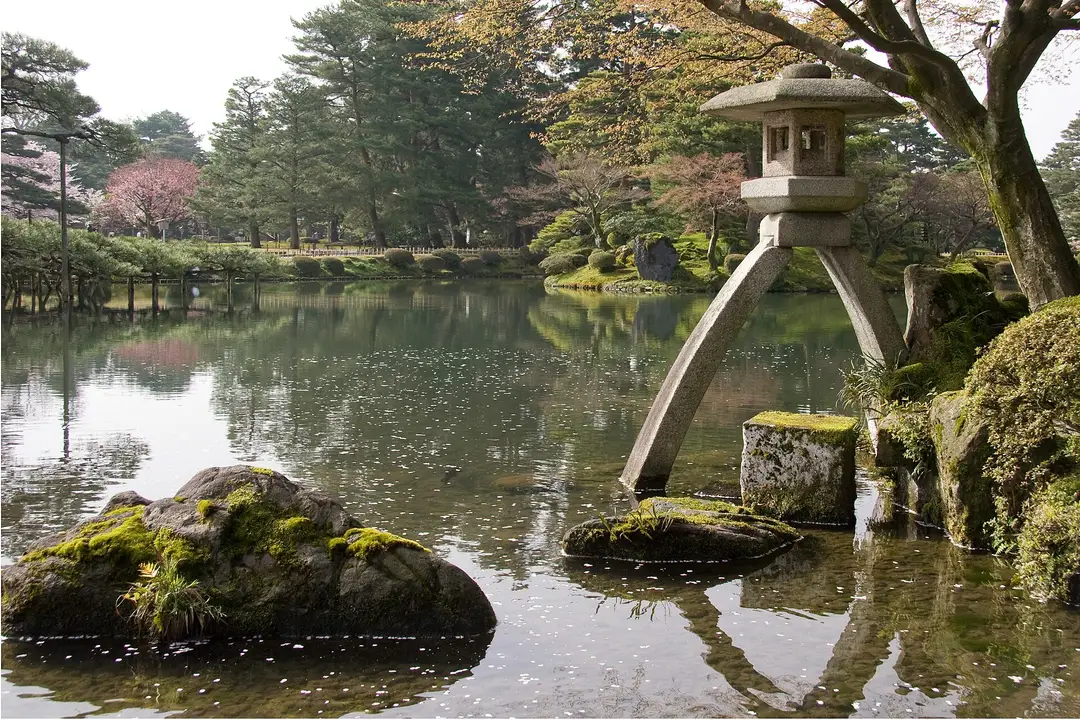
여정의 마지막 도시 가나자와는 앞의 마을들보다 한결 부드럽고 화려합니다. 이곳은 쇼군 다음으로 일본에서 가장 부유한 영지를 다스린 마에다 가문의 본거지였습니다. 마에다 가문은 그 재력으로 누구를 위협하지 않고 정원과 다도, 연극과 공예에 쏟아부었습니다. 그래서 이만한 규모의 도시에 일본 3대 정원 중 하나가 있고, 지금도 먹을 수 있을 만큼 얇은 금박을 만듭니다. 저라면 하루를 온전히 가나자와에 쓰겠습니다. 겐로쿠엔을 느긋하게 한 바퀴 돌고, 바로 옆 성터와 히가시차야의 게이샤 골목을 거닐고, 점심은 시장에서 먹습니다. 여기서부터는 어느 방향으로든 쉽게 이어 갈 수 있습니다. 동쪽으로는 호쿠리쿠 신칸센을 타고 도쿄로, 서쪽으로는 새 노선을 따라 교토·오사카로 갑니다.
- 09:00겐로쿠엔과 성터역에서 가나자와 루프 버스를 타면 15분 남짓이면 겐로쿠엔/고린보 정류장에 도착합니다. 겐로쿠엔은 일본 3대 정원 중 하나로, 계절마다 천천히 거닐며 즐기도록 만든 정원입니다. 연못가에 선 다리 두 개짜리 고토지 석등이 대표 풍경입니다. 성 공원은 길 바로 건너편에 있습니다. 연결 가이드: 가나자와.
- 정오히가시차야와 오미초 시장히가시차야 거리에는 목조 찻집 건물이 늘어서 있고, 안에 들어가 볼 수 있는 집도 몇 곳 있습니다. 그중에는 방을 금박으로 꾸민 집도 있습니다. 점심은 수백 년 동안 가나자와의 부엌 역할을 해 온 오미초 시장에서 먹습니다. 음식을 사서 그 자리에서 먹는 사람이 많습니다. 두 곳 사이는 루프 버스로 금방입니다.
- 오후다음 목적지로: 동쪽 또는 서쪽가나자와에서는 다음 목적지로 이동하기 편합니다. 동쪽으로는 호쿠리쿠 신칸센으로 약 두 시간 반이면 도쿄에 닿고, 서쪽으로는 같은 노선으로 쓰루가까지 가서 선더버드로 갈아타면 교토·오사카로 갈 수 있습니다. 가나자와에서는 IC 카드만으로 신칸센을 탈 수 없으니 Eki-net으로 예약하세요. 자세한 내용은 '알아두면 좋아요'와 아래 '여기서 더 이어간다면'에 있습니다.
하루가 더 있다면
+1일하루가 더 있다면 두 가지 방법을 권합니다. 어느 쪽이 더 낫다고 할 수는 없습니다.
북쪽으로 가서 눈 원숭이 보기. 지고쿠다니의 야생 원숭이들이 김이 피어오르는 산비탈 온천에 몸을 담근 모습은 겨울에 꼭 보고 싶은 풍경 중 하나입니다. 원숭이 공원으로 가는 출발점인 나가노는 도쿄와 이 블록 사이에 있는 호쿠리쿠 신칸센 정차역이라, 여행의 처음이나 끝에 무리 없이 넣을 수 있습니다. 나가노역에서 짧은 지역 노선(현금만 받는 나가덴)을 타고 간 다음, 골짜기로 올라가는 숲길을 걷습니다. 주의할 점이 두 가지 있습니다. 원숭이는 야생이라 날에 따라 못 볼 수도 있고, 마지막 도보 구간은 약 1.6km인데 겨울에는 길이 얼어 무척 미끄럽습니다. 그래서 저라면 제대로 된 겨울 부츠를 신고, 반나절을 넉넉히 잡아 천천히 다녀오겠습니다. 가는 방법은 '알아두면 좋아요'에 있습니다.
아니면 머물던 곳에서 하루 더 느긋하게. 가나자와에서 하루를 더 보내면 정원과 무사 저택 거리 나가마치, 현대미술관을 서두르지 않고 둘러볼 수 있고, 다카야마에서 하룻밤을 더 묵으면 야외 민속촌인 히다노사토에 가 보거나 그저 강가에 앉아 쉴 수도 있습니다. 알프스 여행은 명소를 하나씩 체크하기보다 천천히 다닐 때 더 즐겁습니다. 마음에 드는 마을이 있었다면, 저는 다섯 번째 장소를 찾아가기보다 그 마을에서 하루를 더 보내겠습니다.
하루가 부족하다면
−1일시간이 빠듯하다면 핵심은 그대로 두고 3일로 줄일 수 있습니다. 가장 간단한 방법은 마쓰모토를 건너뛰고 다카야마에서 시작하는 것입니다. 나고야에서 히다 특급으로 곧장 들어오면 성은 못 보지만 산골 마을들은 모두 둘러볼 수 있습니다. 아니면 시라카와고에 오래 머물지 않고 잠깐 들르는 방법도 있습니다. 다카야마에서 아침 버스를 타고 농가들 사이에서 한두 시간을 보낸 뒤, 오후 버스로 가나자와까지 하루에 이동하는 방식입니다. 다만 네 마을을 모두 이틀에 몰아넣는 일정은 권하지 않습니다. 고개를 넘는 버스는 생각보다 시간이 오래 걸리고, 네 곳을 숨 가쁘게 도는 것보다 세 곳을 여유 있게 다니는 편이 더 많이 남습니다. 저라면 마음이 가는 곳만 골라 시간을 넉넉히 쓰겠습니다.
여기서 더 이어간다면
더 멀리이 블록은 일본 한가운데에 있어서 동쪽으로도 서쪽으로도 쉽게 이어 갈 수 있습니다. 동쪽으로는 가나자와에서 호쿠리쿠 신칸센을 타면 약 두 시간 반 만에 도쿄와 간토 블록으로 돌아갈 수 있고, 눈 원숭이를 보러 가는 출발점인 나가노도 도중에 정차합니다. 마쓰모토 쪽에서는 아즈사를 타고 도쿄로 돌아갈 수도 있습니다. 후지산도 가고 싶다면, 후지산은 알프스 마을들이 아니라 신주쿠에서 가는 곳이라 이 일정보다 도쿄 쪽 일정에 넣는 편이 맞습니다. 저라면 여기에 억지로 끼워 넣지 않고 간토 블록에 넣겠습니다. 서쪽으로는 가나자와에서 호쿠리쿠 신칸센으로 쓰루가까지 간 뒤 선더버드 특급으로 갈아타면 교토·오사카, 즉 간사이 블록으로 이어집니다(이 환승은 2024년부터 생겼습니다. 가나자와까지 선더버드가 직통으로 다닌다고 적힌 옛 안내서는 지금과 맞지 않습니다). 어느 쪽으로 가든 신칸센은 별도 승차권이 필요하고, IC 카드만으로는 탈 수 없습니다.
WMJS는 일본에서, 여러분이 일본을 조금 더 알게 되기를 바라는 한 일본인이 쓰고, AI의 도움을 받아 한국어로 옮긴 사이트입니다. 모든 페이지를 확인하지만 한국어가 모국어는 아닙니다. 어색한 문장이 있으면 알려 주세요. 한 문장이면 충분합니다.
감사합니다. 보내 주신 내용은 사람이 하나하나 읽습니다.
알아두면 좋아요: 요금과 소요 시간
도쿄(신주쿠) -> 마쓰모토
JR 아즈사 특급, 주오선으로 약 2.5시간. 전석 지정석(E353계, 자유석 차량 없음)이라 IC 카드로는 기본 운임만 낼 수 있고 지정석 특급권이 따로 필요합니다. Eki-net으로 예약하세요. 최신 요금은 JR 동일본 공식 검색에서 확인하세요.
JR 동일본: 주오선 특급(아즈사) 좌석 안내 (공식)기준 시점: 2026-06
마쓰모토 -> 다카야마 (산 넘는 버스)
노히 버스 / 알피코 교통 고속버스, 히라유 온천을 거쳐 고개를 넘어 약 2시간 20분. 성인 편도 ¥4,400. 예약 필수(2024년 4월 1일부터 의무). IC 카드는 쓸 수 없으니 highwaybus.com이나 노히 예약센터에서 좌석을 예약하세요. 겨울과 그 밖의 계절은 시간표가 다릅니다.
노히 버스: 다카야마·마쓰모토선 (공식)기준 시점: 2026-06
다카야마 -> 시라카와고 (버스, 철도 없음)
노히 버스, 약 50분. 성인 편도 ¥2,800. 시라카와고에는 철도가 없어서 대중교통으로는 이 버스로만 갈 수 있습니다. 예약 필수인 편이 많고 성수기에는 자리가 찹니다. Japan Bus Online으로 예약하세요. 차내에서 IC 카드는 쓸 수 없습니다.
노히 버스: 다카야마·시라카와고·가나자와선 (공식)기준 시점: 2026-06
시라카와고 -> 가나자와 (버스)
노히 버스 / 호쿠테쓰, 가나자와역까지 약 1시간 15분. 성인 편도 ¥2,800(다카야마–가나자와 전 구간 운임 ¥4,200). 대부분의 편이 예약 필수이니 Japan Bus Online으로 예약하세요. 차내에서 IC 카드는 쓸 수 없습니다.
노히 버스: 다카야마·시라카와고·가나자와선 (공식)기준 시점: 2026-06
철도만 이용할 때: 나고야 -> 다카야마
JR 히다 특급(HC85계), 다카야마 본선으로 약 2시간 20분. 마쓰모토를 건너뛰거나 산을 넘는 버스가 운행하지 않을 때 이용합니다. 지정석과 자유석 차량이 있으며, 최신 요금은 JR 도카이 공식 검색에서 확인하세요.
JR 도카이 (공식)기준 시점: 2026-06
가나자와 -> 도쿄 (호쿠리쿠 신칸센)
호쿠리쿠 신칸센. 가가야키(가장 빠르고 전석 지정석)는 약 2시간 28분 만에 도쿄에 닿습니다. 하쿠타카는 더 느리지만 자유석 차량이 일부 있습니다. 가나자와에서는 IC 카드만으로 신칸센을 탈 수 없으니(IC 승차 서비스 '터치 데 고'는 도쿄–조에쓰묘코 구간에서만 이용 가능) 종이 승차권이나 Eki-net을 이용하세요. Smart-EX는 쓸 수 없습니다. 최신 요금은 공식 검색에서 확인하세요.
JR 서일본: 호쿠리쿠 신칸센 (공식)기준 시점: 2026-06
가나자와 -> 교토 / 오사카 (2024년부터, 환승 있음)
2024년 3월 16일 호쿠리쿠 신칸센이 쓰루가까지 개통되면서, 선더버드는 더 이상 가나자와까지 직통 운행하지 않습니다. 호쿠리쿠 신칸센으로 쓰루가까지 간 뒤, 같은 승강장에서 연계 시간이 맞춰진 선더버드 특급으로 갈아타면 교토/오사카로 갑니다. 총 약 2.5시간. 두 구간 모두 지정석입니다. 전 구간 운임은 JR 서일본 공식 검색에서 확인하세요.
JR 서일본: 호쿠리쿠 신칸센 쓰루가 연장 (공식)기준 시점: 2026-06
다카야마–호쿠리쿠 지역 관광 패스
JR 서일본의 외국인 여행자용 패스, 연속 5일, 성인 ¥19,800 / 어린이 ¥9,900. 다카야마·시라카와고·가나자와 사이의 노히/호쿠테쓰 산길 버스를 탈 수 있는 유일한 패스이며(버스 좌석 예약은 별도), 나고야–다카야마–도야마–가나자와–간사이 지역의 JR도 포함합니다. 마쓰모토는 이용 범위에 포함되지 않아 마쓰모토–다카야마 버스는 따로 표를 사야 합니다.
JR 서일본: 다카야마·호쿠리쿠 지역 관광 패스 (공식)기준 시점: 2026-06
가나자와 루프 버스 & 1일권
호쿠테쓰 가나자와 루프 버스가 역에서 출발해 명소들을 15~20분마다 순환합니다. 1회 승차 성인 ¥220 / 어린이 ¥110, 또는 가나자와 1일권 성인 ¥800 / 어린이 ¥400(노선버스도 이용 가능, 명소 입장 할인 있음). 루프 버스에서 IC 카드를 쓸 수 있는지는 공식 페이지마다 설명이 다르며, 1일권이나 동전은 확실히 쓸 수 있습니다.
호쿠리쿠 철도(호쿠테쓰): 가나자와 루프 버스 (공식)기준 시점: 2026-06
다카야마: 걷거나, 사루보보 순환버스
다카야마의 옛 마을은 역에서 걸어서 약 5분이라 도보로 충분히 다닐 수 있습니다. 외곽 명소(히다노사토 민속촌)에 갈 때는 사루보보 순환버스가 1회 ¥100 또는 1일권 ¥500입니다. 작은 순환버스라 IC 카드를 쓸 수 있다고 장담할 수 없으니 동전이나 1일권을 준비하세요.
히다 다카야마 공식 관광 / 노히 버스(다카야마 시내선)기준 시점: 2026-06
나가노에서 눈 원숭이(지고쿠다니)
나가노역에서 나가덴 '스노 몽키' 급행버스(약 4045분)를 타거나, 나가노 전철로 유다나카까지(약 45분) 간 뒤 노선버스(약 10분)로 갈아탑니다. 그다음 공원까지 1.6km, 약 3035분 오르막 숲길을 걷습니다. 나가덴 노선은 현금만 받으며, 스노 몽키 패스는 열차·노선버스·공원 입장료를 묶은 승차권입니다. 연중 개방하지만 원숭이를 매일 볼 수 있다는 보장은 없으니 공원의 실시간 소식을 확인하세요.
Go! NAGANO(공식 나가노 여행 가이드) + 지고쿠다니 야엔코엔 공식기준 시점: 2026-06
더 깊이 알아보기
11분· 챕터 6개
떠나기 전에걸으면서
마쓰모토성 — 전쟁을 위해 지어진 요새에 왜 달을 바라보는 방이 있을까
마쓰모토성은 일본에 열두 곳뿐인 현존 목조 천수각 중 하나. 전쟁을 위한 검은 평지성에 왜 달을 바라보는 쓰키미야구라가 더해졌는지, 해자와 북알프스, 가파른 계단을 오르는 법을 운영 시간·입장료·가는 길과 함께 안내합니다.
Matsumoto Castle
7분· 챕터 5개
떠나기 전에걸으면서
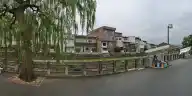
다카야마: 박물관이 되지 않은 옛 거리
히다 다카야마의 옛 거리 산마치, 강가의 미야가와 아침 시장과 진야마에 아침 시장, 전국에서 유일하게 남은 막부 관청 다카야마 진야를 안내합니다. 관광객에게 보이려고 꾸민 마을이 아니라, 지금도 격자 너머에 사람이 살고 양조장이 술을 빚는 옛 상인 마을입니다. 시라카와고 당일치기 버스와 다카야마 축제 정보도 함께 담았습니다.
Takayama Old Town (Sanmachi)
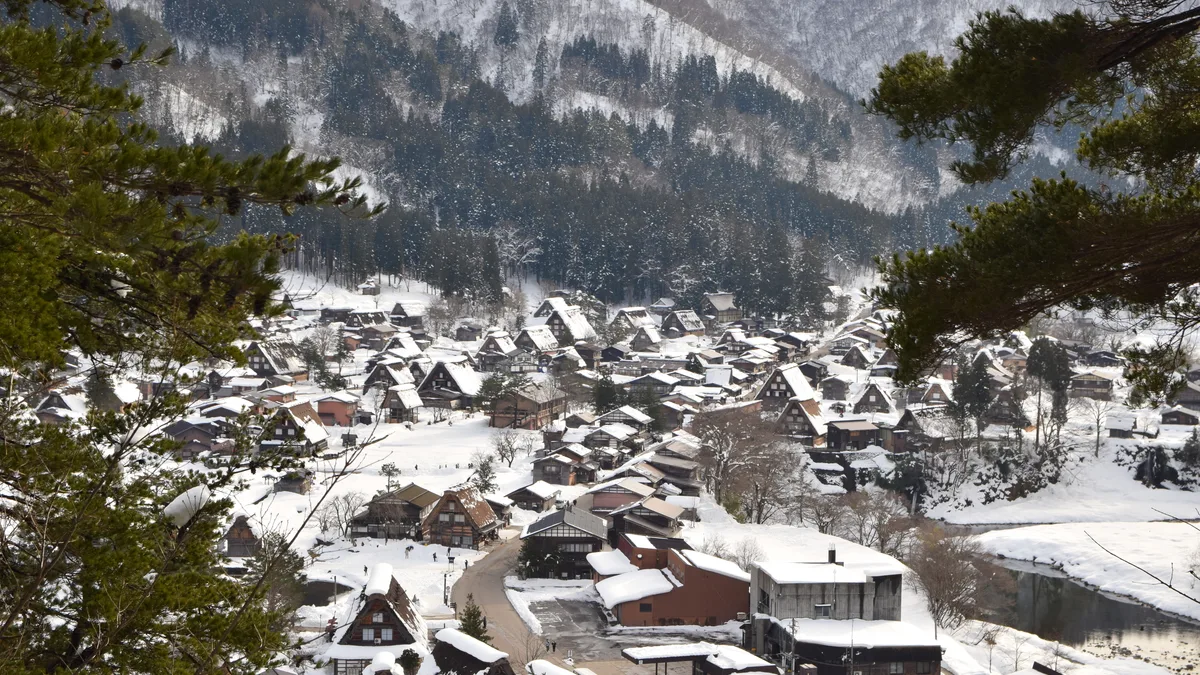
10분· 챕터 5개
떠나기 전에걸으면서
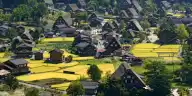
시라카와고 방문, 지금도 사람이 사는 초가지붕 마을
시라카와고, 갈 만한 가치가 있을까? 여행자 120명의 목소리를 보면 대부분 타이밍에 달렸다고 답했고, 실망한 사람은 16명 중 1명뿐이었습니다. 버스 교통편, 전망대, 라이트업, 언제 가야 좋은지까지 오디오 가이드와 함께 안내합니다.
Ogimachi, Shirakawa-go
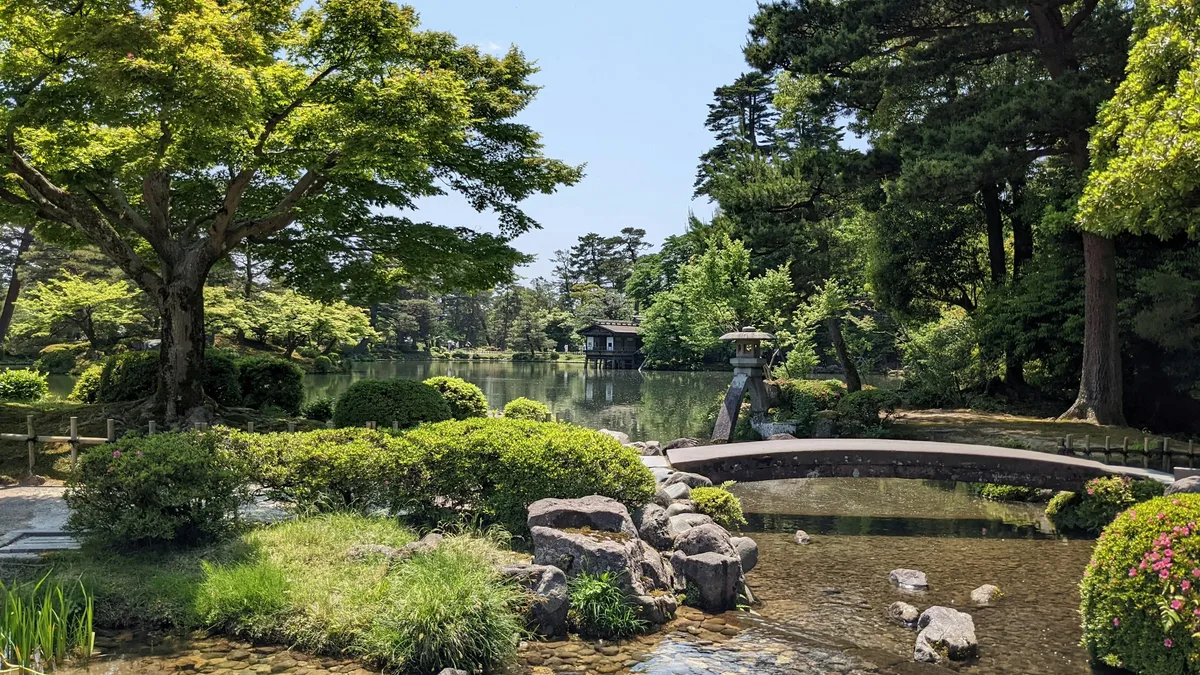
11분· 챕터 6개
떠나기 전에걸으면서
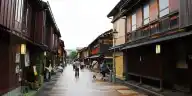
가나자와: 막대한 부를 군대 대신 정원과 금박에 쏟은 성하 마을
사백 년 전 100만 석의 부를 거머쥔 마에다 가문은 그 재산을 군대 대신 정원과 금박, 공예에 쏟았습니다. 일본 3대 정원 겐로쿠엔의 개방 시간·입장료(¥320)와 무료 새벽 개방, 가는 길과 둘러보는 법까지 담은 가나자와 여행 안내.
Kanazawa
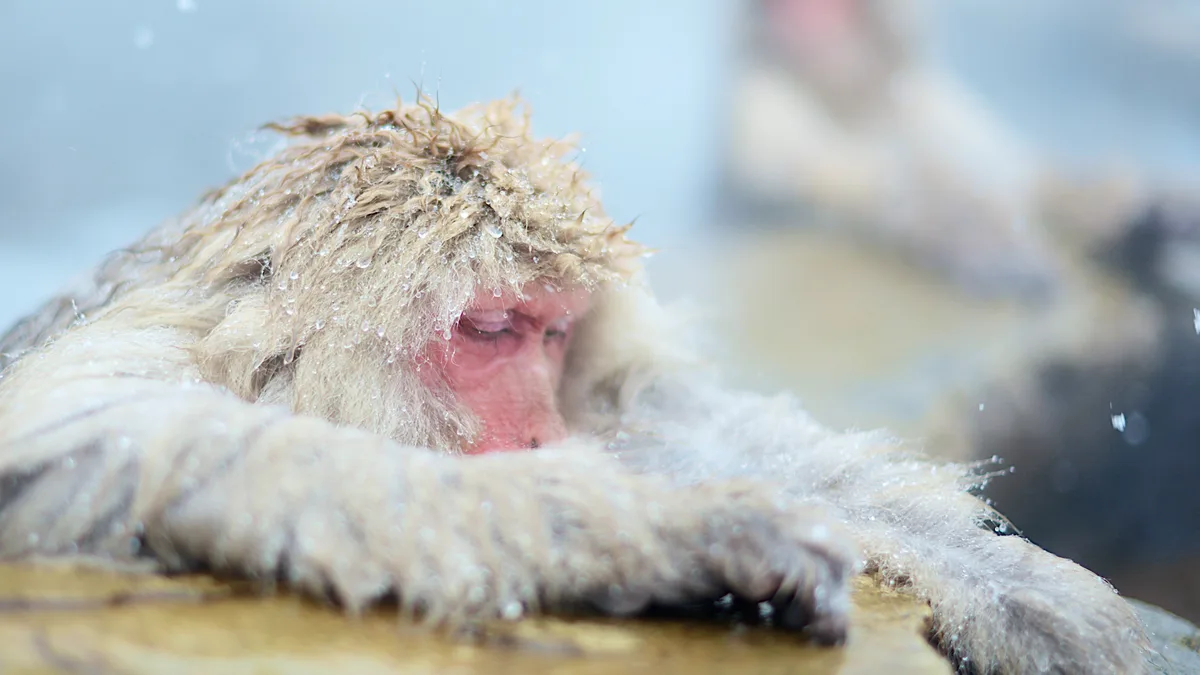
10분· 챕터 5개
떠나기 전에걸으면서
지고쿠다니 스노우 몽키 파크 가이드: 원숭이는 왜 추울 때만 온천에 들어갈까
지고쿠다니 스노우 몽키 파크는 가볼 만할까요? 해외 여행자 70명의 후기를 보면 38%가 여행의 하이라이트로 꼽았고, 일본인 방문객은 64%가 다녀오길 잘했다고 답했습니다. 야생 원숭이는 추위를 견디려고 가장 추운 12월부터 2월까지만 온천에 들어갑니다. 걷는 길, 운영 시간, 계절을 잘못 고르지 않는 요령을 오디오 가이드와 함께 소개합니다.
Jigokudani Yaen-koen (Snow Monkey Park)
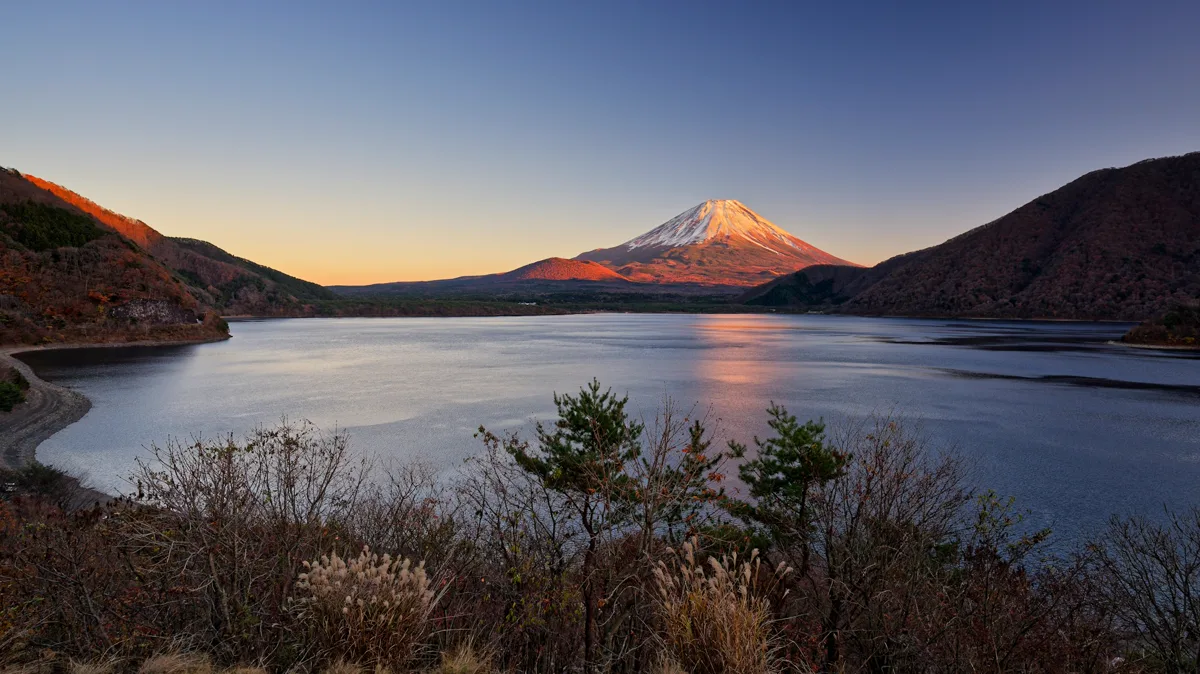
9분· 챕터 6개
떠나기 전에걸으면서
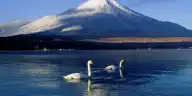
후지산 방문기, 일 년의 절반을 숨어 지내는 산
후지산은 볼 만한 가치가 있을까요? 여행자 53명의 목소리를 가중치로 정리하니 36%가 또렷하게 보고 잊을 수 없었다고 답했고, 일본인 평가는 64%로 더 따뜻해요. 후지 5호와 오르지 않는 5합목, 짧은 등산 시즌까지 오디오 가이드로 안내합니다.
Mount Fuji
떠나기 전에 읽어 보기
일본은 이렇게 돌아간다
다카야마, 돌아서 갈 만할까? 다녀온 여행자와 현지인이 실제로 하는 말
일본은 이렇게 돌아간다
시라카와고, 갈 만한 가치가 있을까? 두 개의 마을, 그리고 당신이 보게 될 한쪽
일본은 이렇게 돌아간다
가나자와, 갈 만할까? 외국인과 일본인 여행자가 실제로 남긴 이야기

일본은 이렇게 돌아간다
후지산, 갈 만할까? 관건은 어느 아침을 고르느냐입니다
다른 플랜과 조합하기
도쿄와 그 주변, 여유로운 며칠
수도와 그 당일치기 여행지 — 옛 정취의 도쿄, 바닷가 가마쿠라, 산속 닛코 — 편안한 페이스로
간사이, 편안한 며칠
일본의 오래된 심장, 교토·나라·오사카를 여유로운 걸음으로
홋카이도, 느긋한 며칠
일본의 개척지 북부 — 삿포로와 오타루, 라벤더 언덕이나 눈, 김이 오르는 온천 계곡, 그리고 하코다테 — 를 서두르지 않고 계절을 따라가는 페이스로
일본의 성, 그리고 성벽이 기억하는 것
성 애호가들이 실제로 여행하는 법. 오사카에서 시코쿠로, 성을 읽는 법을 가르쳐 주는 순례
겨울 일본, 눈과 온천과 빛
도쿄의 가장 맑은 공기에서 눈 덮인 산간으로, 다시 조용한 교토로 이어지는 서쪽행 노선 하나. 일본의 겨울을 사랑하는 사람들처럼 즐겨 보세요. 그런 사람들에게 추위는 치러야 할 대가가 아니라 겨울 여행의 가장 큰 재미입니다
출처
- 노히 버스: 다카야마·마쓰모토선 (공식)
- 노히 버스: 다카야마·시라카와고·가나자와/도야마선 (공식)
- 알피코 교통: 다카야마·마쓰모토 (그린 시즌 시간표, 공식)
- JR 동일본: 주오선 특급(아즈사) (공식)
- JR 서일본: 호쿠리쿠 신칸센 (공식)
- JR 서일본: 다카야마·호쿠리쿠 지역 관광 패스 (공식)
- JR 도카이 (공식)
- 호쿠리쿠 철도(호쿠테쓰): 가나자와 루프 버스 (공식)
- VISIT KANAZAWA: 가나자와 이동 안내 (공식)
- 히다 다카야마 공식 관광 사이트: 교통
- 지고쿠다니 야엔코엔 공식 사이트
- Go! NAGANO: 나가노현 공식 여행 가이드 (눈 원숭이 가는 법)