
Toyosu & Tsukiji — The Tokyo Fish Market That Split in Two
Toyosu Market & Tsukiji Outer Market
By Kei · Born and raised in JapanThe Meaning
Before dawn, a tuna that was swimming in cold water a day or two ago lies on a concrete floor under bright lights. A buyer crouches beside it, shines a small flashlight into a cut near the tail, rubs a sliver of the flesh between two fingers, and decides in seconds what it is worth. A handbell rings, hands move in a code you cannot read, and the fish has a new owner. By the time you sit down to a late breakfast, a slice of it may be resting on rice in front of you.
That short, fast journey — from the sea, through the auction, to an intermediate wholesaler, to a sushi counter, to your plate — is what this place exists for. Toyosu and Tsukiji are often described as the world's great destinations for fresh fish. But before they are anything for a visitor, they are a workplace, where thousands of people do skilled, time-pressured work that feeds a city of millions.
That one fact quietly changes how it feels to stand here. You are not a customer the market is arranged around. You are a guest, invited to watch real work happen. Hold on to that idea — that the people here are working, not performing — and almost every custom that follows begins to make sense. It is the same instinct that lives inside the word itadakimasu, spoken before a meal: a small thank-you to everything, and everyone, that carried the food this far.
What Happens When You're There
Step 1: The Market That Split in Two
Begin with the confusion that catches almost everyone, because untangling it is half the experience.
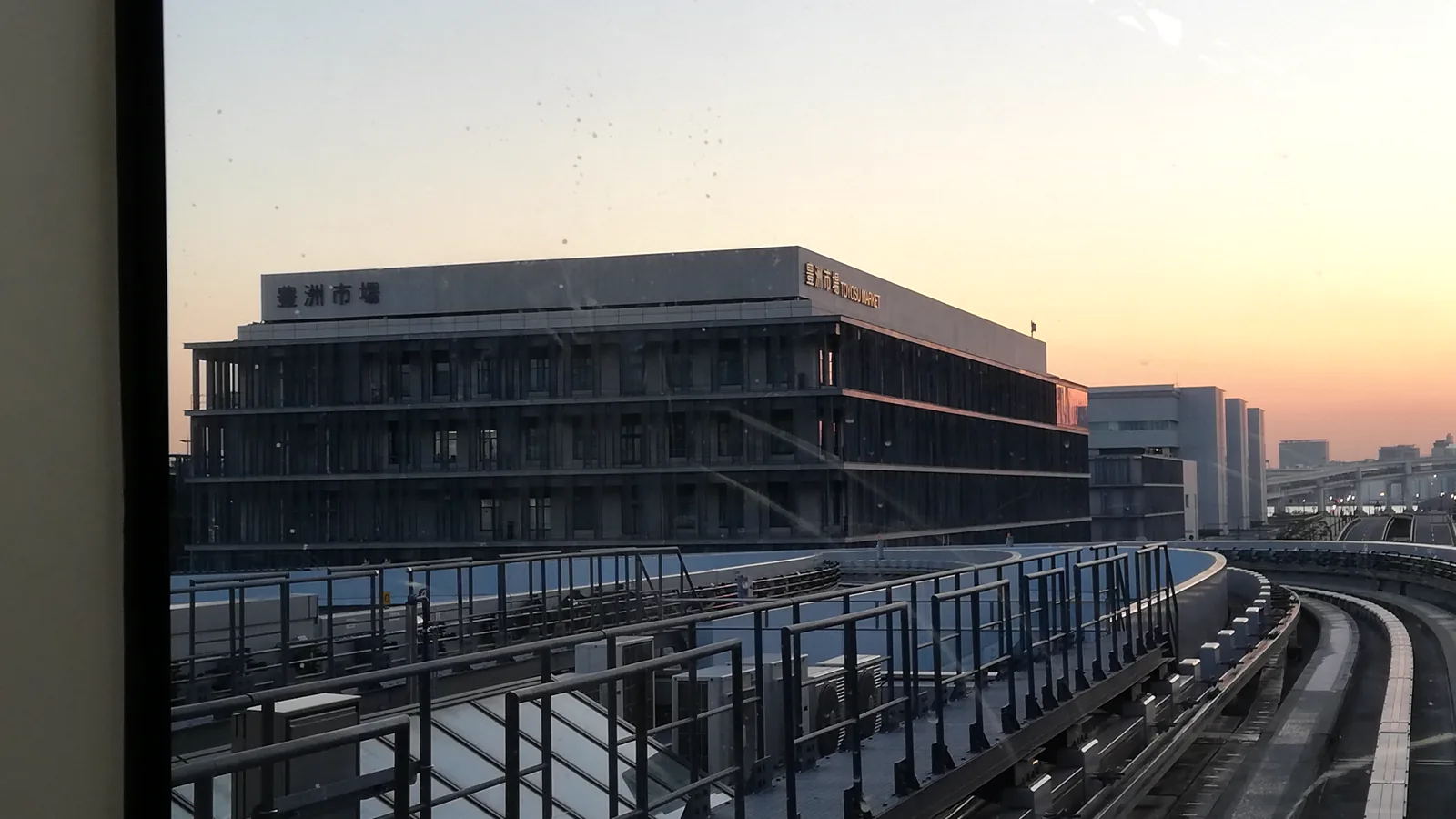
For most of a century, "Tsukiji" meant one of the most famous fish markets on earth — the auctions, the tuna, the narrow working lanes, all in one place. Then, in October 2018, the wholesale heart of it moved. The licensed trading floors and the auctions crossed Tokyo Bay to a brand-new market at Toyosu. The old inner market at Tsukiji held its final day of trading on October 6, 2018; Toyosu began operating on October 11.
But Tsukiji did not vanish. The wholesale market had always been only one part of it. Around it, over more than eighty years, a dense neighborhood of small shops and restaurants had grown up — fishmongers, knife makers, tea sellers, stalls folding sheets of golden tamagoyaki. That neighborhood stayed exactly where it had always been. Today it is called the Tsukiji Outer Market, and it is as busy as ever.
So there are now two places, on opposite sides of the bay, roughly twenty to thirty minutes apart by train. Toyosu is the working wholesale market, where the tuna auction happens and visitors watch from glass-walled corridors. Tsukiji is the walkable street of food and shops that stayed behind. The auctions went to do their work in a larger, colder, more modern building; the food-loving part stayed home. Both are still here for you.
One detail makes this even harder to keep straight. A subway stop on the Toei Oedo Line is still named Tsukijishijo — literally "Tsukiji Market Station." It is named for the market that moved away. Step out there and you arrive not at the wholesale market, but at the Outer Market. If you find this genuinely confusing, you are in good company — it is one of the most common questions visitors ask before they come.
Step 2: Toyosu at First Light
The tuna auction begins at around half past five in the morning, in the Fisheries Wholesale Market Building. Rows of frozen tuna lie on the floor like pale, tail-less logs, each with a small window cut into it so buyers can read the color and fat of the meat. The auctioneer's voice rises into a rapid, sing-song chant; buyers answer with quick flicks of the hand. A whole fish can be sold in the time it takes to read this sentence.
There are two ways to watch, and knowing the difference saves a lot of worry. Anyone may walk up to the second-floor visitor corridor — no booking, no ticket — and look down on the auction floor through the glass. From there you mostly see the frozen-tuna auction, and you hear the live sound of the room. Closer than that, beside the auction itself, is a small viewing deck reachable only by an advance online lottery, drawn at random rather than first-come. You do not need to win that lottery to witness the auction; the free corridor is open to all. (You can find the current viewing times, the lottery, and the application link below, in Good to Know.)
This is also where the glass starts to make sense. You watch from above and behind it not to keep you at arm's length, but so the work can move at full speed and so you are never in the path of a knife, a hook, or one of the small turret trucks that hum across the floor carrying half a tonne of fish. Toyosu is built for that work: about 40.7 hectares, roughly 1.7 times the size of the old Tsukiji site, and one of the largest wholesale seafood markets in the world. By the market's own 2019 figures, more than 1,300 tonnes of seafood passed across its floors on a single day. What looks, from the corridor, like quiet expertise is in fact the practiced, almost invisible skill of people who have done this every morning for years.
Step 3: Breakfast Where the Fish Lands
When the auction winds down, the eating begins. Toyosu has dozens of small restaurants tucked into its buildings, many opening before dawn and closing by early afternoon — they keep market hours, not city hours. A bowl of rice topped with the morning's catch, eaten a few steps from where it was sold, is the simplest way to understand why anyone gets up this early.
You will likely meet a line. At the most famous sushi counters, people arrive in the dark to wait, and the unhurried, orderly queue is part of the ritual. It is worth knowing that you do not have to join the longest one to eat extraordinarily well here; nearly every counter is fed by the same floor below.
That floor — the intermediate wholesalers' hall, where licensed buyers pick over the catch for restaurants and shops across the city — is closed to the general public. You cannot buy there, and you watch only from the walkways. It is easy to feel shut out by that. But stand at the glass for a moment and the reason answers itself: this is where the day's trade actually happens, at a speed and on a scale that has no room for browsing. The freshness you are about to taste exists because the morning is reserved for work. Up on the rooftop garden, with the bay and the city spread out beyond the cranes, you can sit with that thought as long as you like.
Step 4: The Street That Stayed
Back across the bay, the Tsukiji Outer Market is everything Toyosu is not: close, loud, fragrant, and made for walking. Around four to five hundred small shops line its lanes — what Tokyoites have long called "the nation's kitchen," much as Kyoto has its own walkable food street in Nishiki Market. Here you can actually touch the experience: skewers of hot tamagoyaki, dried bonito shaved to order, seaweed and tea and pickles, and rows of handmade knives that draw cooks from around the world.
The morning, until about nine o'clock, belongs to the professional buyers who keep restaurants supplied. Arrive after nine and you are warmly welcome — and you will find the shopkeepers far more able to talk. The market asks a few small things of its guests, and every one of them is really the same request: this is a working place, please let it keep working. Eat at the stall or just in front of it rather than wandering with food in hand — this is one of the rare streets in Japan where eating as you go has become part of the local life, but the lanes are narrow and full. Ask before you photograph a shop. Don't handle the goods, which are someone's stock for sale. Prices are set and fair, so there is no custom of bargaining here. Keep your group small. Do these things and you are not a tourist being tolerated; you are a guest the street is glad to see.
Step 5: Walking Out Among the Crates
By early afternoon the street begins to fold up around you. Shutters roll down, hoses wash the lanes, and stacks of empty polystyrene crates wait at the curb for collection. The Outer Market is a morning creature; what you are seeing now is its long exhale.
It is a quiet, slightly anticlimactic way for a visit to end, and that is exactly the point. You did not come to a show that closes with a finale. You spent a few hours as a guest in a place of work — the same work that began before you woke and will begin again, in the dark, tomorrow. Somewhere out on the bay, the boats are already coming in. The fish you ate this morning was a stranger's labor before it was your breakfast, and the easiest way to honor that is simply to notice it.
Good to Know
Two markets, one morning. Toyosu and Tsukiji are about 20–30 minutes apart by train, on opposite sides of Tokyo Bay. A natural plan is Toyosu first, very early, for the auction and a sushi breakfast, then the Tsukiji Outer Market in the late morning for walking and snacking. For routes and passes, see our guide to getting around Japan.
Getting to Toyosu: Take the Yurikamome line to Shijo-mae Station (市場前駅), which connects directly to the market by a covered pedestrian deck. There is no visitor parking, so come by train or bus. (The map above shows the Tsukiji Outer Market; for Toyosu, see the Toyosu Market location.)
Getting to Tsukiji: The Outer Market is a 1–5 minute walk from Tsukijishijo Station (築地市場駅, Toei Oedo Line, Exit A1) or Tsukiji Station (築地駅, Tokyo Metro Hibiya Line, Exits 1–2). Remember that the station named "Tsukiji Market" brings you to the Outer Market, not the wholesale market that moved to Toyosu.
Hours: Both markets run on morning time. At Toyosu, the visitor walkways are open roughly 5:00–17:00, but restaurants and shops open before dawn and many close by early afternoon. At Tsukiji, the best window for visitors is about 9:00–14:00 — earlier than 9:00 is reserved for professional buyers, and many shops wind down soon after lunch. Admission to both is free.
The tuna auction: The auction starts around 5:30. You can watch for free from the second-floor visitor walkway with no reservation, or apply for the up-close viewing deck through the official advance lottery (allocated by random draw, not first-come). Spaces and viewing times change, so confirm the current details and apply on the official page before you go. Note that the first trains often do not reach Toyosu in time for the auction, so many visitors take a taxi.
Closed days: Both markets follow the Tokyo Metropolitan Central Wholesale Market calendar and are generally closed on Sundays, national holidays, and certain Wednesdays, with a longer break around New Year. The closed Wednesdays change from month to month, so check the official calendar before you go — a working market needs days to rest and restock. As the Outer Market puts it, even on open days "some shops in the outer market may be closed, so please check with each shop directly."
Paying: Many of the small family shops in the Outer Market prefer cash, and some take IC cards (such as Suica) but not credit cards. It helps to carry yen — more on why cash still matters in Japan.
Helpful to know: The Outer Market's information center, Plat Tsukiji (ぷらっと築地), offers maps, coin lockers, stroller storage, and an ATM. Inside the market you will also find Tsukiji Uogashi, a building of around sixty intermediate-wholesaler shops with a rooftop terrace and a food court on the third floor.
Last verified: 2026-05
Official websites: Toyosu Market · Tsukiji Outer Market
If Things Don't Go as Planned
You came to Tsukiji expecting the tuna auction. You have not missed anything you cannot still enjoy. The auction moved to Toyosu in 2018, but the Tsukiji Outer Market — the food, the shops, the atmosphere — is right where it always was. Spend the morning eating your way down the lanes, and plan Toyosu for another early start.
You didn't win the auction-deck lottery. The free second-floor visitor walkway needs no booking and is open to everyone. You will watch from a little higher up, mostly over the frozen-tuna auction, but you will still hear and see the real thing.
You arrived late and everything is closing. Both markets are morning places, and by early afternoon much has shut. The Outer Market generally stays lively a little later than Toyosu, so if you have slept in, head there first — and consider an earlier start next time.
It's a Wednesday or a Sunday and shops are closed. Both markets close on Sundays, holidays, and many Wednesdays, following the central market's calendar. Check the official calendar before you set out. The closures are not bad luck; they are how a market that runs every dawn gives its people a rest.
You're not sure where you're allowed to eat. Eat at the stall, or in the small space just in front of it, rather than walking with food through the lanes. If you are unsure, the shopkeeper will happily point you to the spot — they would much rather show you than have you guess.
You're worried about getting in the workers' way. You almost certainly won't, if you keep to the marked visitor areas, ask before photographing a shop, and move in a small group through the narrow lanes. Quiet, attentive guests are exactly the kind the market is happy to have.
The food costs more than you expected. These are not wholesale prices, and they were never meant to be — you are paying for the first, freshest catch of the day and the craft around it. Approached that way, even a simple bowl becomes one of the best things you eat in Tokyo.
Sources:
- Tokyo Metropolitan Central Wholesale Market — Toyosu — Relocation date (Oct 11, 2018), site area (40.7 ha), daily handling volume (2019), facility layout, and visitor rules for the wholesale floors
- The Toyosu Market (official) — Tuna auction viewing: the free second-floor walkway and the lottery viewing deck
- Tokyo Metropolitan Central Wholesale Market — Tuna Auction Viewing — Advance lottery (by random draw, not first-come), viewing times, and application
- Tsukiji Outer Market Shopping District Cooperative (official) — The outer market after 2018, shop categories, the visitor etiquette guidelines, the closed-day calendar, and access
- GO TOKYO (Tokyo Official Travel Guide) — Outer Market scale (~460 shops), history (1923 earthquake, 1935 opening), and overview
- JNTO — Toyosu Market — Visitor overview and the Toyosu/Tsukiji distinction
- Chuo City (official) — Tsukiji Uogashi — Tsukiji Uogashi hours and facilities
Photos: sourced under free commercial-use licenses; see captions where attribution applies.
WMJS is written in Japan, in English, with AI help. We check every page, but English is not our first language. If a sentence reads oddly, tell us. One sentence is enough.
Thank you. A person reads every note.
Real voices
Is it worth it?
Were you there? Share your photos.
Your photo could appear in this guide — with your name and a link to your profile.
Submit a photoRelated Articles
Is It Rude to Eat While Walking in Japan? — What Japanese People Actually Think

The Power of "Itadakimasu": How Two Words Can Change a Meal
More guides in Kanto
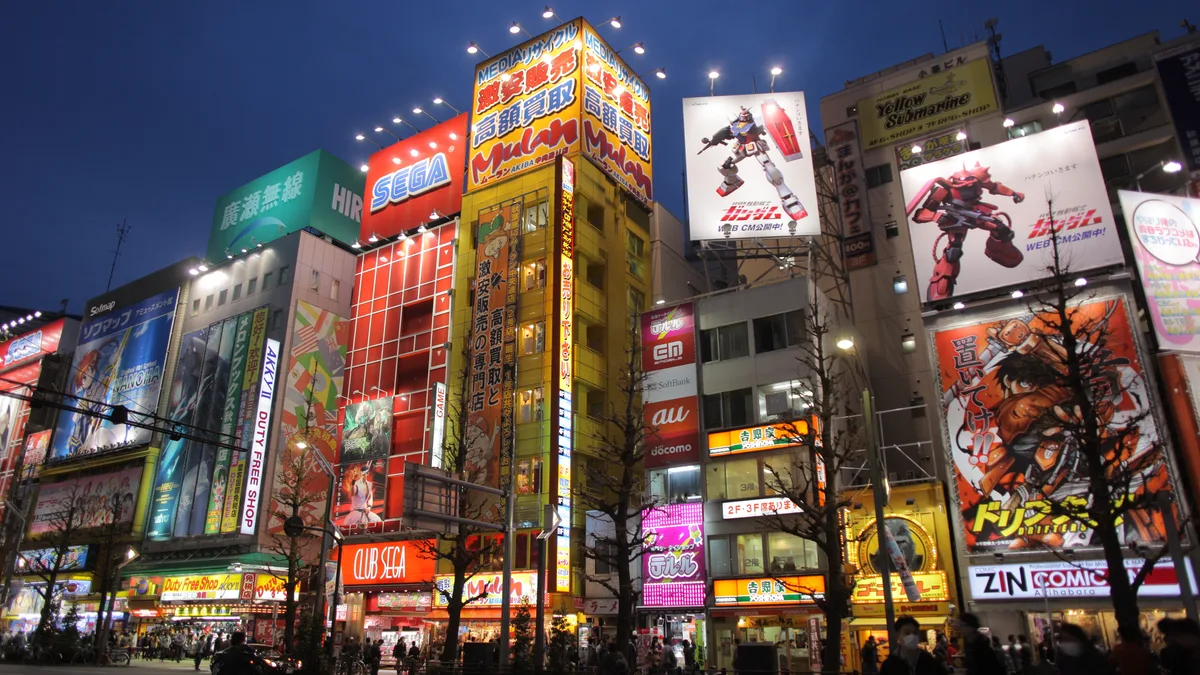
Visiting Akihabara, Tokyo's Electric Town Where You're Allowed to Love What You Love
Is Akihabara worth visiting? We weighed 149 traveler voices: 29% say yes outright, 44% say it depends on whether you love anime, games or electronics, and Japanese reviewers land warmer at 69%. How the district is laid out, getting there, and who it's for, with an audio guide.
Akihabara (Electric Town)
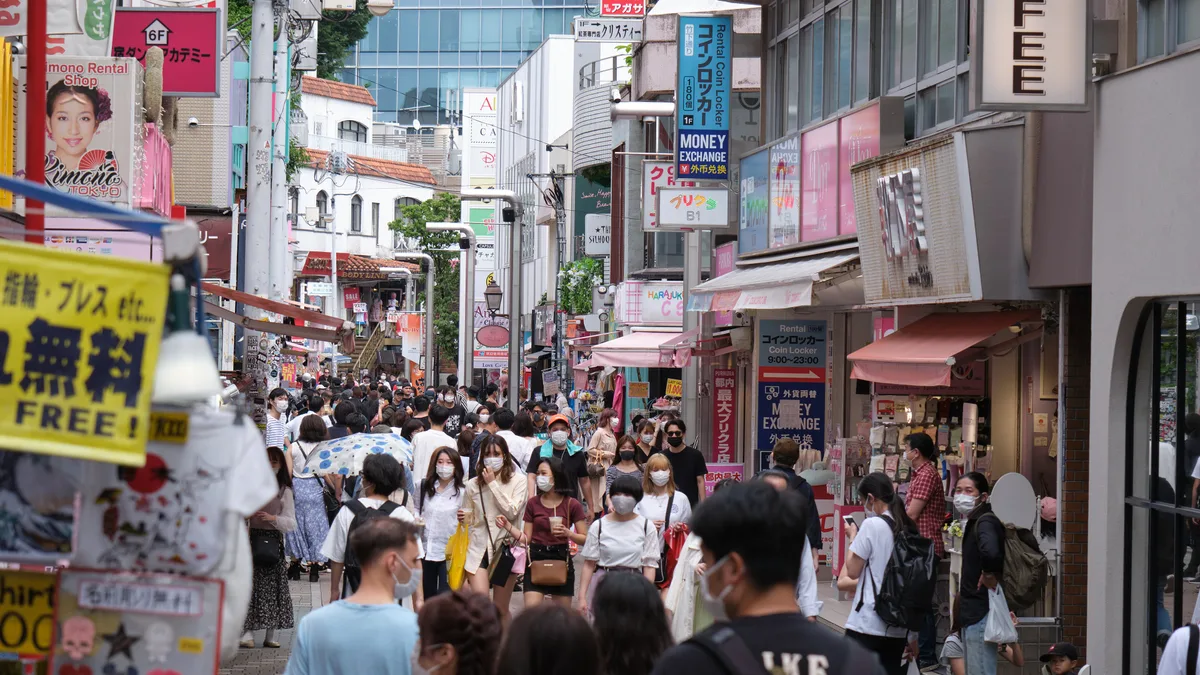
Visiting Harajuku, Where You Can Wear Anything and No One Turns to Look
Is Harajuku worth it? We counted 99 traveler voices: 64% say yes once you skip Takeshita Street's crush for Cat Street and Omotesando. Crepes, kawaii fashion, getting there, and how to walk it well, with an audio guide.
Harajuku
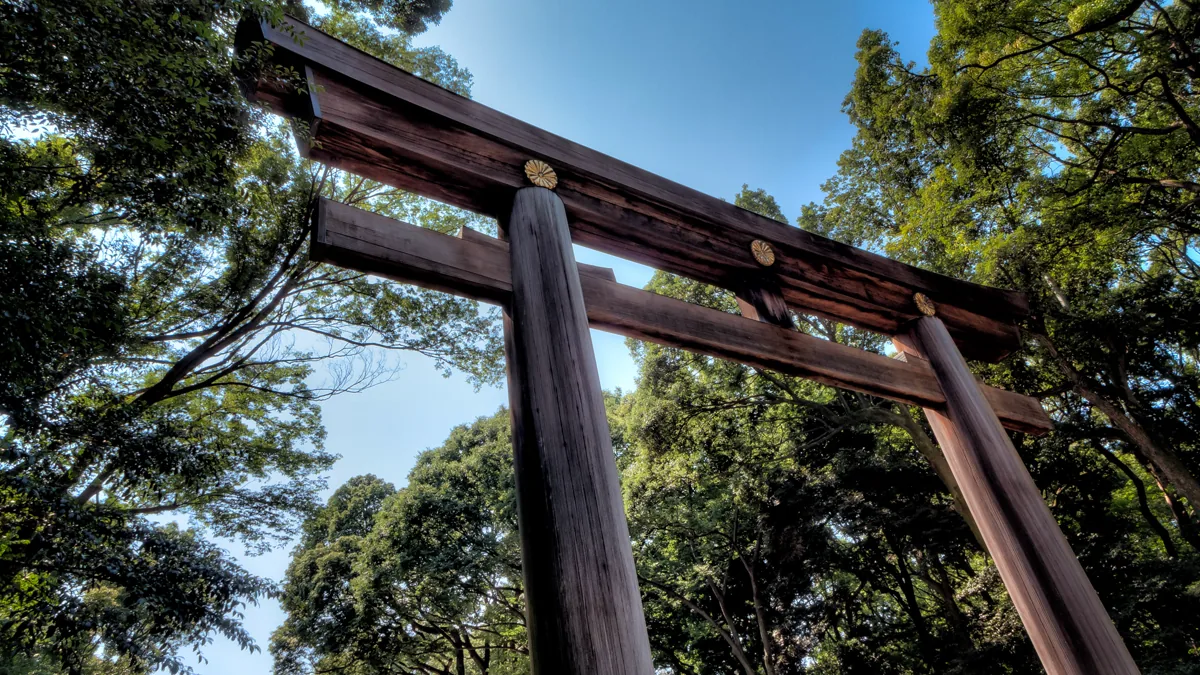
Visiting Meiji Jingu, Where 100,000 Trees Were Planted to Make a Forest That Tends Itself
Is Meiji Jingu worth visiting? We weighed 70 traveler voices: 75% say worth it, and Japanese locals rate it even higher at 82%. Free, a 70-hectare forest planted entirely by hand in 1920, home to the Great Torii and Kiyomasa's Well in the Inner Garden, with an audio guide.
Meiji Jingu
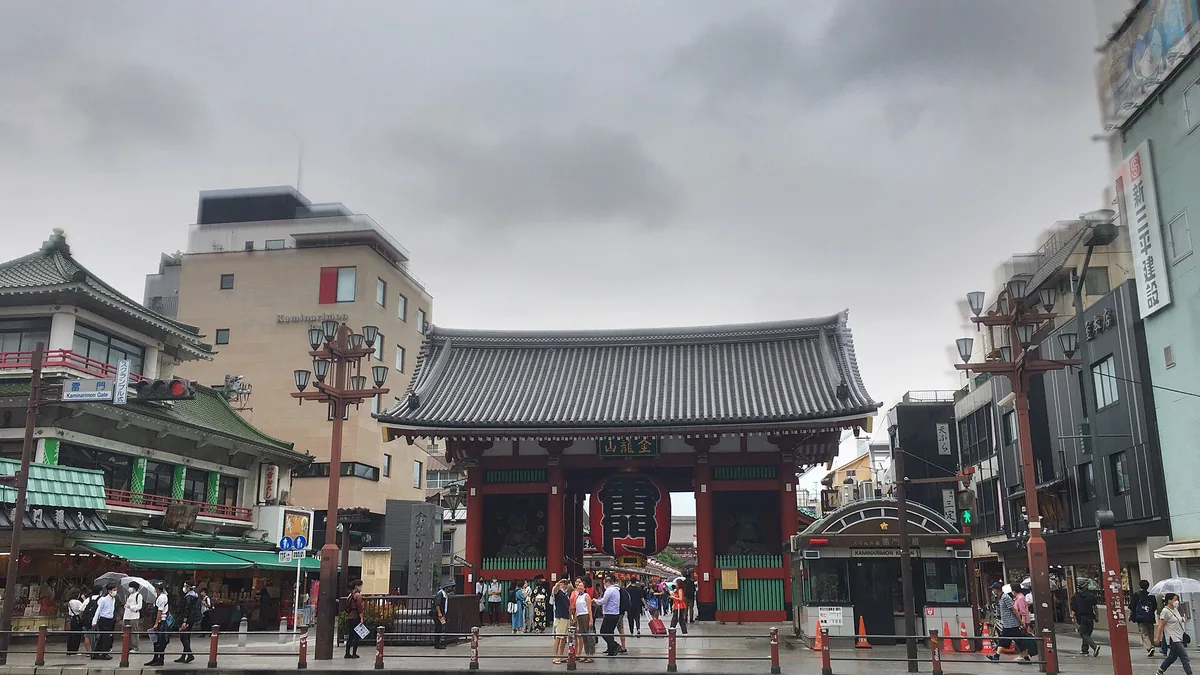
Visiting Senso-ji, Tokyo's Oldest Temple
Is Senso-ji worth visiting? We weighed 125 traveler voices: 54% say worth it outright. Hours, free admission, how long you need, and why the crowd has always been part of the prayer, with an audio guide.
Senso-ji Temple